Best Deer-Resistant Flowering Perennials for Zone 7
Gardening in Zone 7 offers a wonderful climate for a wide array of plants, but if you share your landscape with deer, finding beautiful flowering perennials that they won't decimate can be a challenge. The best deer-resistant flowering perennials for Zone 7 often feature strong fragrances, fuzzy or coarse textures, or sap that deer find unpalatable. Excellent choices include Catmint, Salvia, Coneflower, Yarrow, and Coreopsis, all of which provide vibrant blooms and reliable performance while deterring browsing deer.
Deer can be a persistent nuisance, turning your carefully cultivated garden into an all-you-can-eat buffet. While no plant is truly "deer-proof" - a hungry deer will eat almost anything - many plants are far less appealing to them. By choosing the right perennials, you can create a stunning, vibrant garden that largely withstands deer pressure, allowing you to enjoy your blooms rather than lament their loss. This guide focuses on beautiful, low-maintenance flowering perennials that thrive in Zone 7 and are known for their deer resistance.
Understanding Deer Resistance
Deer are creatures of habit and preference. They typically avoid plants with certain characteristics:
- Strong Scents: Many aromatic herbs and flowers, like lavender, mint, and salvia, are often passed over by deer due to their potent fragrance.
- Fuzzy or Hairy Leaves: Plants with textured foliage, such as lamb's ear or some varieties of yarrow, are less appealing to deer.
- Coarse or Thorny Textures: While fewer flowering perennials are thorny, those with tough, leathery leaves can also deter browsing.
- Toxic or Bitter Taste: Plants that are naturally toxic or have a bitter taste are usually avoided. However, it's important to note that many plants considered "deer resistant" are still toxic to pets if ingested. If you suspect your pet has ingested a toxic plant, call the ASPCA Animal Poison Control Center immediately at (888) 426-4435.
- Milky Sap: Some plants, like euphorbias, produce a milky sap that deer dislike.
Remember, deer resistance can vary based on local deer populations, food availability, and the specific plant variety. A plant that is "deer resistant" in one garden might occasionally be nibbled in another, especially during periods of drought or severe winter weather when other food sources are scarce. The goal is to make your garden less attractive than your neighbors' or the wild forage nearby.
🌱 Get Personalized Plant Picks
Answer a few quick questions and we’ll match plants to your exact yard conditions.
Find My Plants →Top Deer-Resistant Flowering Perennials for Zone 7
Here are some of our favorite picks for Zone 7 gardens looking for reliable, beautiful, and deer-resistant blooms:
1. Salvia (Salvia spp.)
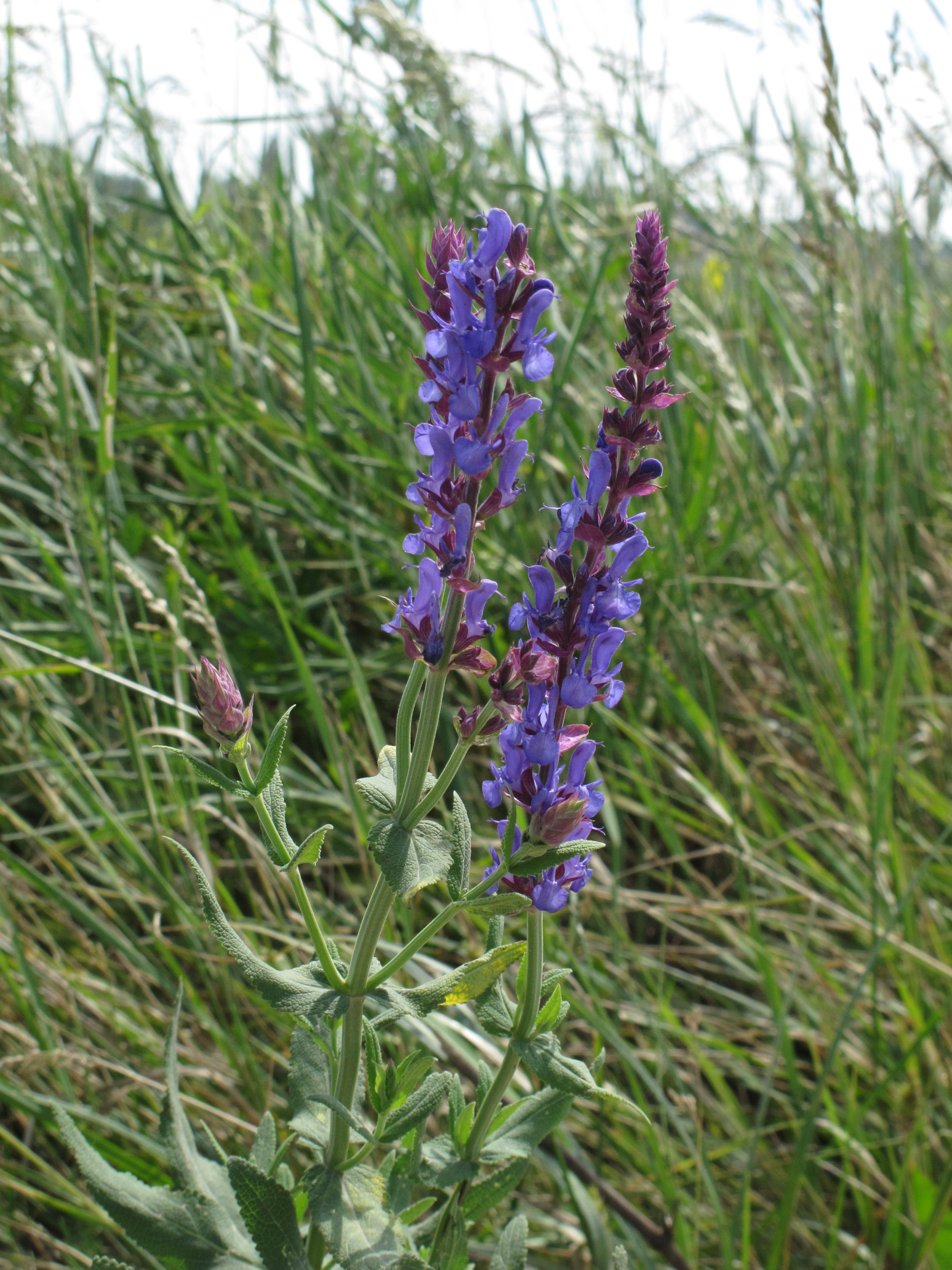
Salvia Salvia, commonly known as ornamental sage, is a powerhouse in the deer-resistant garden. With hundreds of varieties, you can find salvias in almost every color of the rainbow, from vibrant blues and purples to fiery reds and soft pinks. Their aromatic foliage is a major deterrent for deer, while their spiky flower stalks are a magnet for hummingbirds and butterflies.
- Why deer avoid it: Strong, often pungent, aromatic foliage.
- Bloom Time: Late spring through fall, depending on the variety.
- Growing Conditions: Full sun, well-drained soil. Drought-tolerant once established.
- Pet Safety: Not listed as toxic to pets.
2. Catmint (Nepeta spp.)
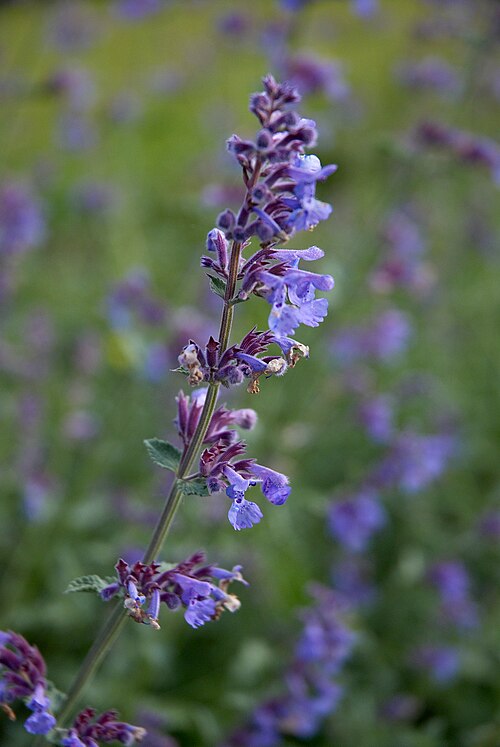
Catmint Catmint is a true workhorse, offering a long season of delicate, lavender-blue flowers that create a soft, hazy effect in the garden. Its silvery-green, aromatic foliage is highly unappealing to deer but adored by pollinators. It's incredibly drought-tolerant and low-maintenance, making it perfect for borders, rock gardens, or mass plantings.
- Why deer avoid it: Highly aromatic foliage.
- Bloom Time: Late spring through fall.
- Growing Conditions: Full sun to partial shade, well-drained soil. Very drought-tolerant.
- Pet Safety: Not listed as toxic to pets.
3. Coneflower (Echinacea purpurea)
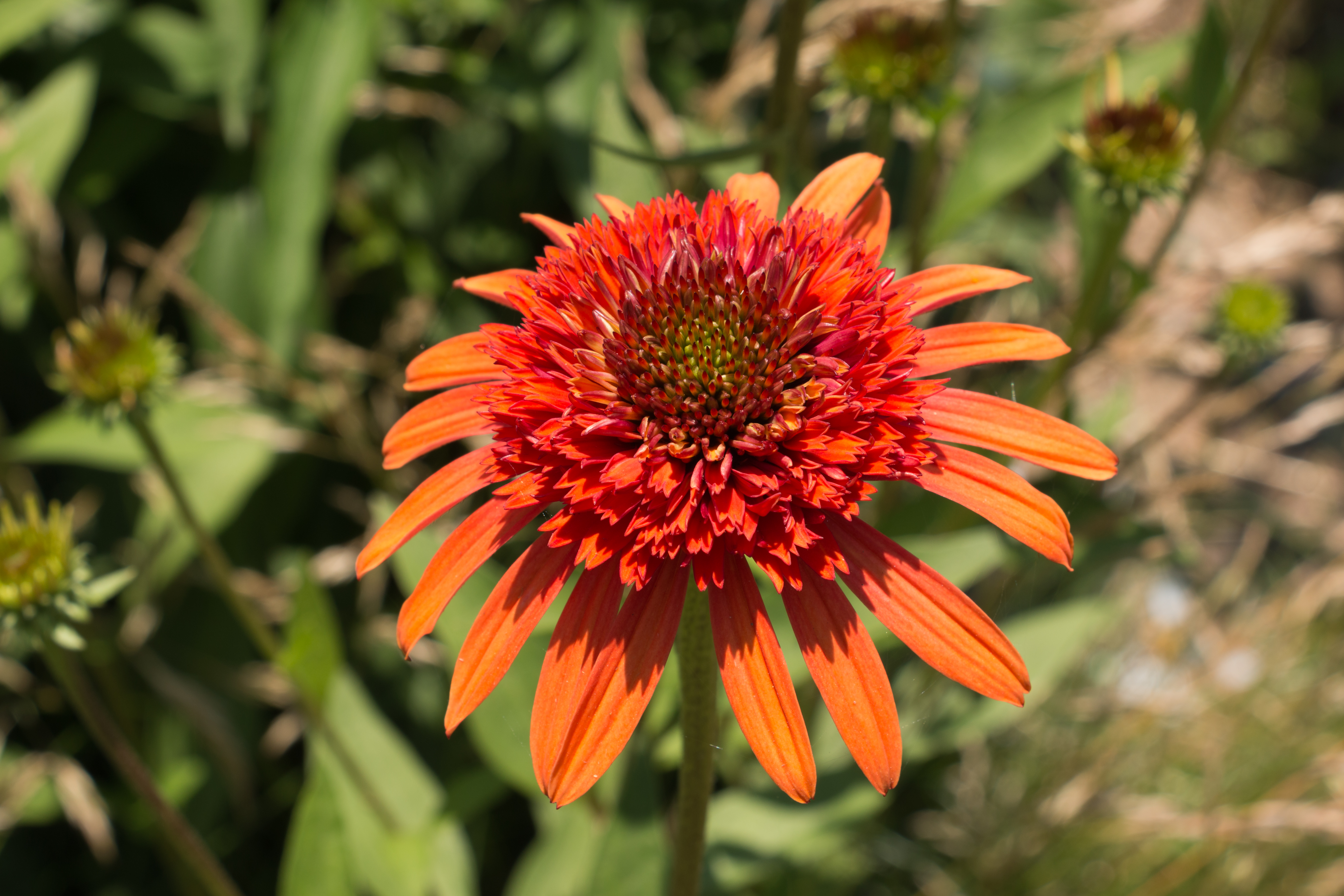
Coneflower A classic prairie plant, coneflower is cherished for its distinctive daisy-like flowers with prominent central cones. Available in a wide range of colors beyond the traditional purple, including pink, white, yellow, and orange, coneflowers are tough, drought-tolerant, and excellent for attracting bees and butterflies. Deer generally leave them alone, especially the common purple varieties.
- Why deer avoid it: Coarse texture and somewhat bitter taste.
- Bloom Time: Summer to early fall.
- Growing Conditions: Full sun, well-drained soil. Tolerates poor soil.
- Pet Safety: Not listed as toxic to pets.
4. Yarrow (Achillea spp.)
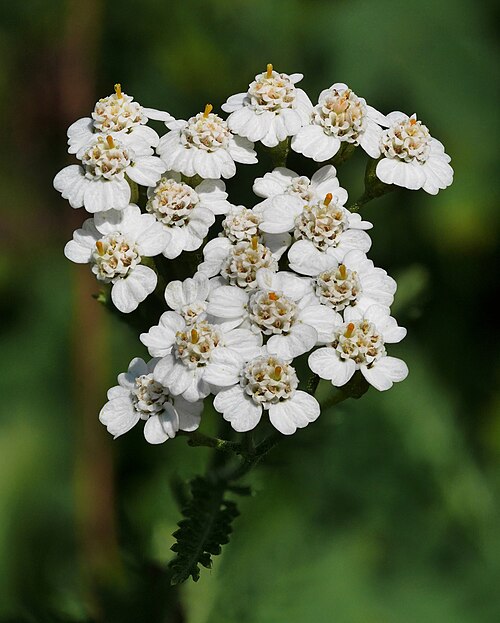
Yarrow Yarrow is a remarkably resilient perennial, known for its flat-topped clusters of tiny flowers that come in shades of yellow, red, pink, and white. Its finely textured, often fern-like foliage is aromatic, and deer tend to steer clear. Yarrow is an excellent choice for hot, dry spots and naturalized areas, providing long-lasting color and attracting beneficial insects.
- Why deer avoid it: Aromatic foliage and somewhat bitter taste.
- Bloom Time: Early summer to fall.
- Growing Conditions: Full sun, well-drained soil. Very drought-tolerant.
- Pet Safety: Listed as toxic to pets.
5. Coreopsis (Coreopsis spp.)
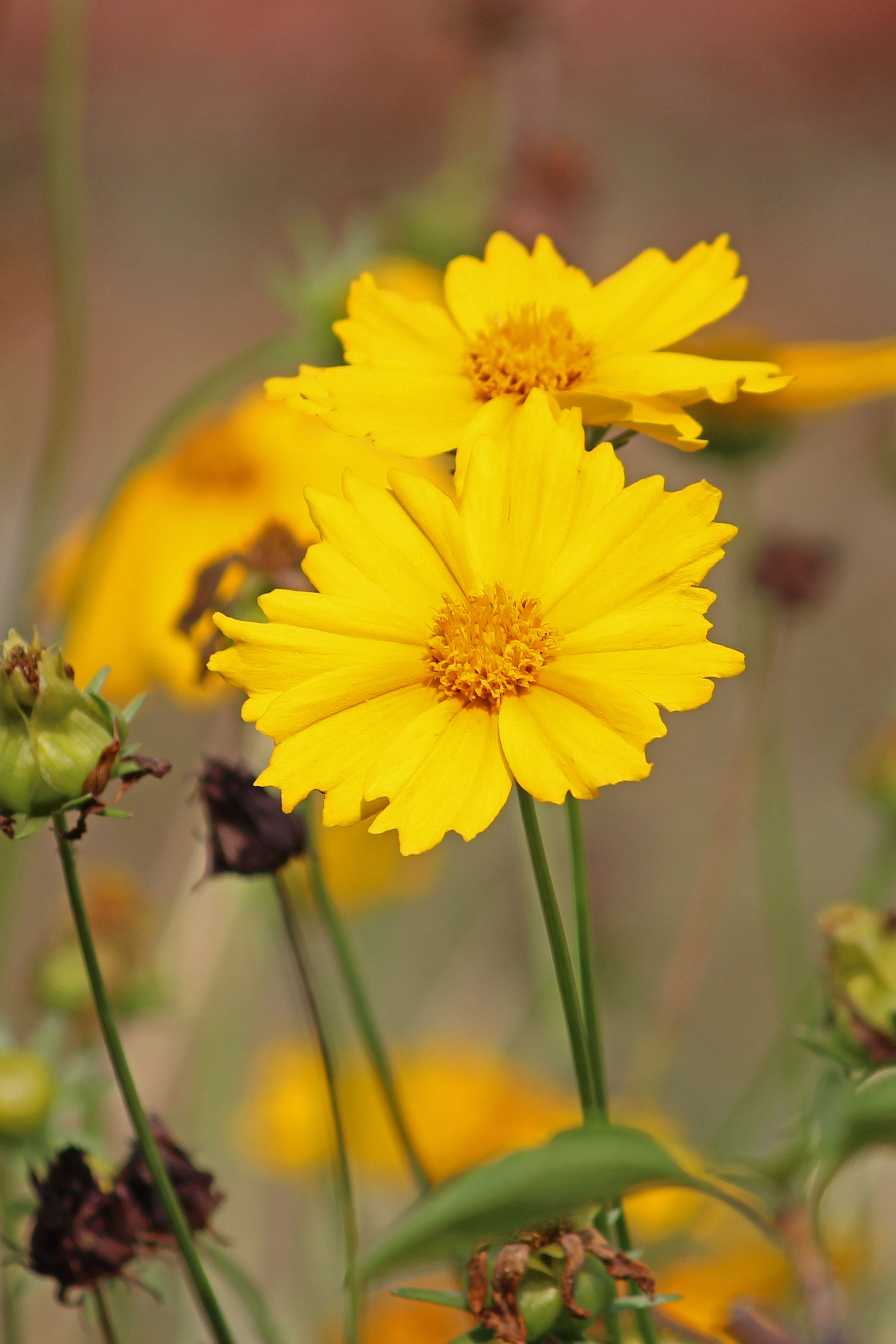
Coreopsis Also known as Tickseed, coreopsis brings cheerful, daisy-like blooms to the garden, typically in shades of yellow, but also pink, red, and bi-colors. These vigorous plants are easy to grow, tolerant of various conditions, and provide a continuous display of color throughout the summer. Deer generally find the foliage unappetizing.
- Why deer avoid it: Slightly bitter taste and sometimes fine, hairy foliage.
- Bloom Time: Late spring through summer, often into fall with deadheading.
- Growing Conditions: Full sun, well-drained soil. Tolerant of heat and drought.
- Pet Safety: Not listed as toxic to pets.
Other Great Deer-Resistant Options for Zone 7:
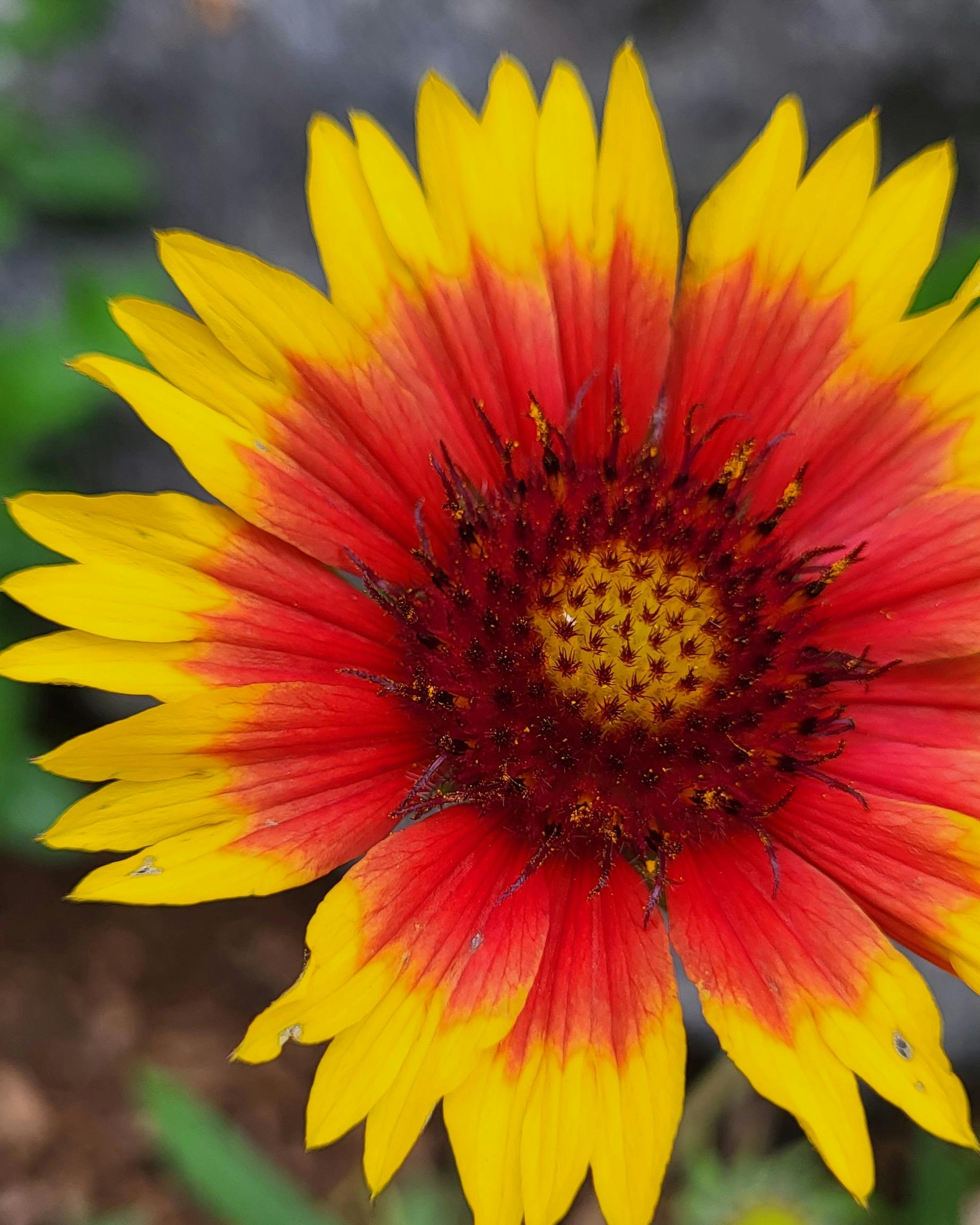
- Blanket Flower (Gaillardia spp.): Blanket Flower Bright, cheerful, daisy-like flowers in reds, oranges, and yellows. Very tough and drought-tolerant. Not listed as toxic to pets.
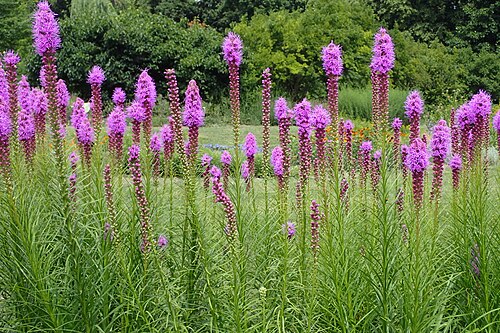
- Blazing Star (Liatris spicata): Blazing Star Unique spiky purple blooms that attract butterflies. Deer generally ignore its grassy foliage. Not listed as toxic to pets.
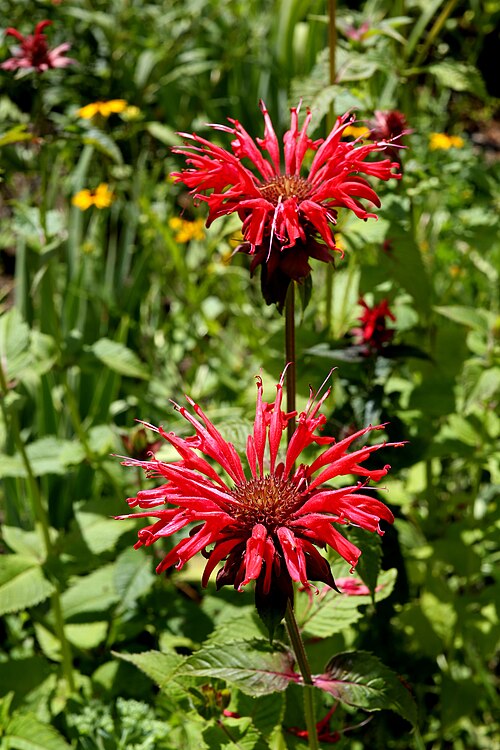
- Bee Balm (Monarda didyma): Bee Balm Aromatic foliage and whimsical, shaggy flowers that are a favorite of hummingbirds and bees. Deer dislike the strong scent. Not listed as toxic to pets.
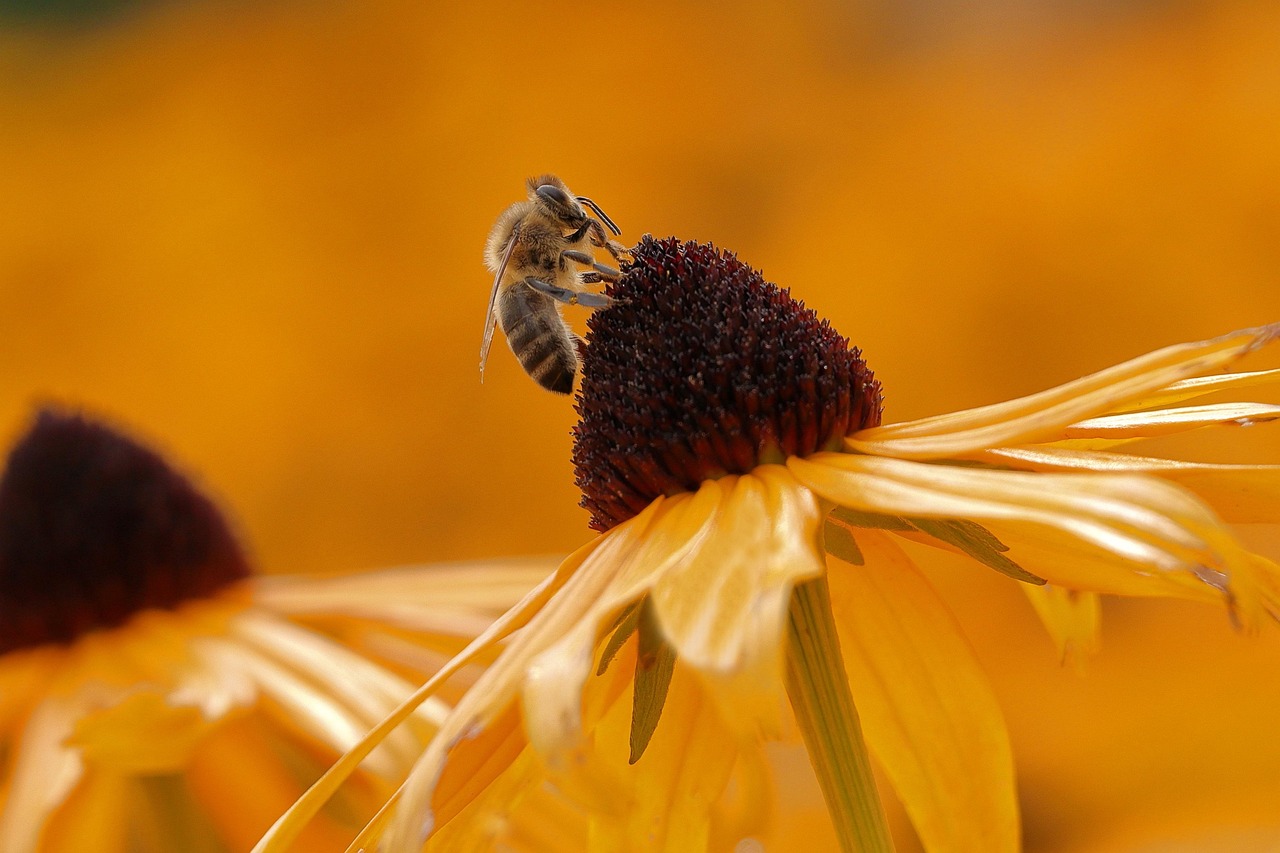
- Black-Eyed Susan (Rudbeckia hirta): Black-eyed Susan Classic yellow petals with a dark brown center. Similar to coneflowers in its resistance and appeal. Not listed as toxic to pets.
Quick Reference: Deer-Resistant Perennials for Zone 7
| Plant Name | Primary Color(s) | Bloom Time | Sun Needs | Deer Resistance Factor | Pet Safety (ASPCA) |
|---|---|---|---|---|---|
| Salvia | Blue, Purple, Pink, Red | Late Spring - Fall | Full Sun | Aromatic foliage | Not listed as toxic |
| Catmint | Lavender-Blue | Late Spring - Fall | Full Sun | Highly aromatic foliage | Not listed as toxic |
| Coneflower | Purple, Pink, White, Yellow | Summer - Early Fall | Full Sun | Coarse texture, bitter taste | Not listed as toxic |
| Yarrow | Yellow, Red, Pink, White | Early Summer - Fall | Full Sun | Aromatic, bitter taste | Listed as toxic |
| Coreopsis | Yellow, Red, Pink | Late Spring - Fall | Full Sun | Slightly bitter taste | Not listed as toxic |
| Blanket Flower | Red, Orange, Yellow | Summer - Fall | Full Sun | Coarse texture | Not listed as toxic |
| Blazing Star | Purple | Summer | Full Sun | Grassy texture | Not listed as toxic |
| Bee Balm | Red, Pink, Purple | Summer | Full Sun | Strong aromatic foliage | Not listed as toxic |
| Black-Eyed Susan | Yellow | Summer - Fall | Full Sun | Coarse texture | Not listed as toxic |
Designing Your Deer-Resistant Garden
When planning your Zone 7 deer-resistant garden, consider these tips:
- Mass Plantings: Planting large drifts of deer-resistant plants can be more effective than scattering individual plants. Deer are less likely to venture into a large patch of something they dislike.
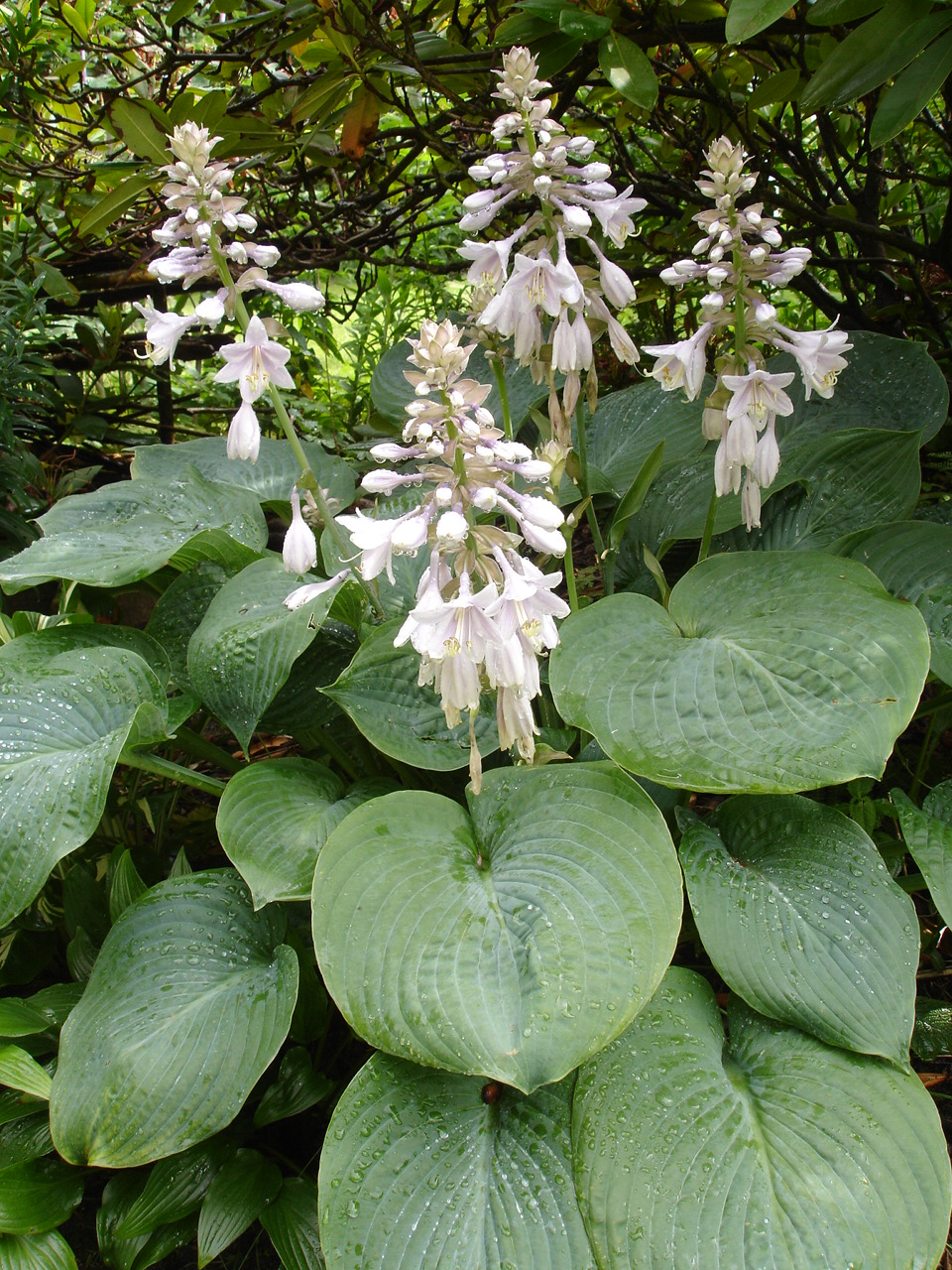
- Strategic Placement: Use highly deer-resistant plants as a "barrier" around more vulnerable plants. For example, plant a border of catmint or salvia around a bed containing hostas (which deer love).
- Variety is Key: While focusing on deer resistance, ensure you still choose a variety of plants for different bloom times, heights, and textures to create a dynamic and interesting garden throughout the seasons.
- Consider Other Deterrents: For persistent deer problems, you might also consider physical barriers (fencing), motion-activated sprinklers, or commercial deer repellents as a supplementary measure.
- Observe and Adapt: Keep an eye on your garden. If deer start nibbling a plant you thought was resistant, it might be due to extreme hunger. You may need to try a different variety or add another layer of protection.
Creating a beautiful, deer-resistant garden in Zone 7 is entirely achievable. By selecting plants with characteristics that deer naturally avoid, you can enjoy a vibrant landscape full of color and life, without constantly battling unwelcome visitors.
Ready to find the perfect plants for your yard? Try the PlantWise Plant Finder →