Best Deer-Resistant Foundation Plants
Foundation plantings are the backbone of your home’s curb appeal, providing a welcoming frame that connects your house to the landscape. However, if you live in an area with deer, these prominent plants can quickly become an all-you-can-eat buffet. The best deer-resistant foundation plants are those with characteristics deer dislike, such as strong scents, fuzzy or coarse textures, or a bitter taste. Excellent choices often include aromatic herbs like lavender and catmint, spiky evergreens like juniper, and many ornamental grasses. By selecting plants known for their deer resistance, you can create a beautiful, low-maintenance landscape that stands up to hungry visitors.
🌱 Get Personalized Plant Picks
Answer a few quick questions and we’ll match plants to your exact yard conditions.
Find My Plants →Why Do Deer Eat Some Plants and Not Others?
Deer are opportunistic browsers, and while they will eat almost anything if they're hungry enough, they do have preferences. They tend to avoid plants with strong aromatic oils, fuzzy or thorny textures, or those that are toxic or taste bitter. Young, tender growth is often more appealing than mature, tougher foliage. Understanding these preferences is key to selecting plants that are less likely to be grazed. Remember, no plant is truly deer-proof, but by choosing deer-resistant varieties, you significantly reduce the likelihood of damage.
What Makes a Good Foundation Plant?
Beyond deer resistance, a good foundation plant should offer year-round interest, fit the scale of your home, and thrive in your specific growing conditions. Consider these factors:
- Size and Scale: Choose plants that won't outgrow their space, blocking windows or overwhelming your home's architecture. Think about mature height and spread.
- Year-Round Interest: Evergreens provide structure and color in winter, while deciduous shrubs and perennials offer seasonal blooms and foliage. A mix is often best.
- Light and Soil Needs: Match plants to your site's sun exposure (full sun, partial shade, shade) and soil type (well-drained, clay, sandy).
- Maintenance: Opt for plants that require minimal pruning, watering, and pest control once established.
- Hardiness Zone: Ensure plants are suited to your USDA hardiness zone to survive winter temperatures.
Which Deer-Resistant Plants Are Best for Foundation Plantings?
When it comes to deer-resistant foundation plantings, a diverse mix of evergreens, shrubs, and perennials will provide the most interest and resilience. Here are some top picks that generally deter deer:
Evergreen Shrubs (for year-round structure):
- Juniper (Juniperus spp.): Many varieties, from low-spreading groundcovers to upright pyramidal forms, are excellent deer deterrents due to their prickly or scale-like foliage and strong scent. They are very drought-tolerant once established.
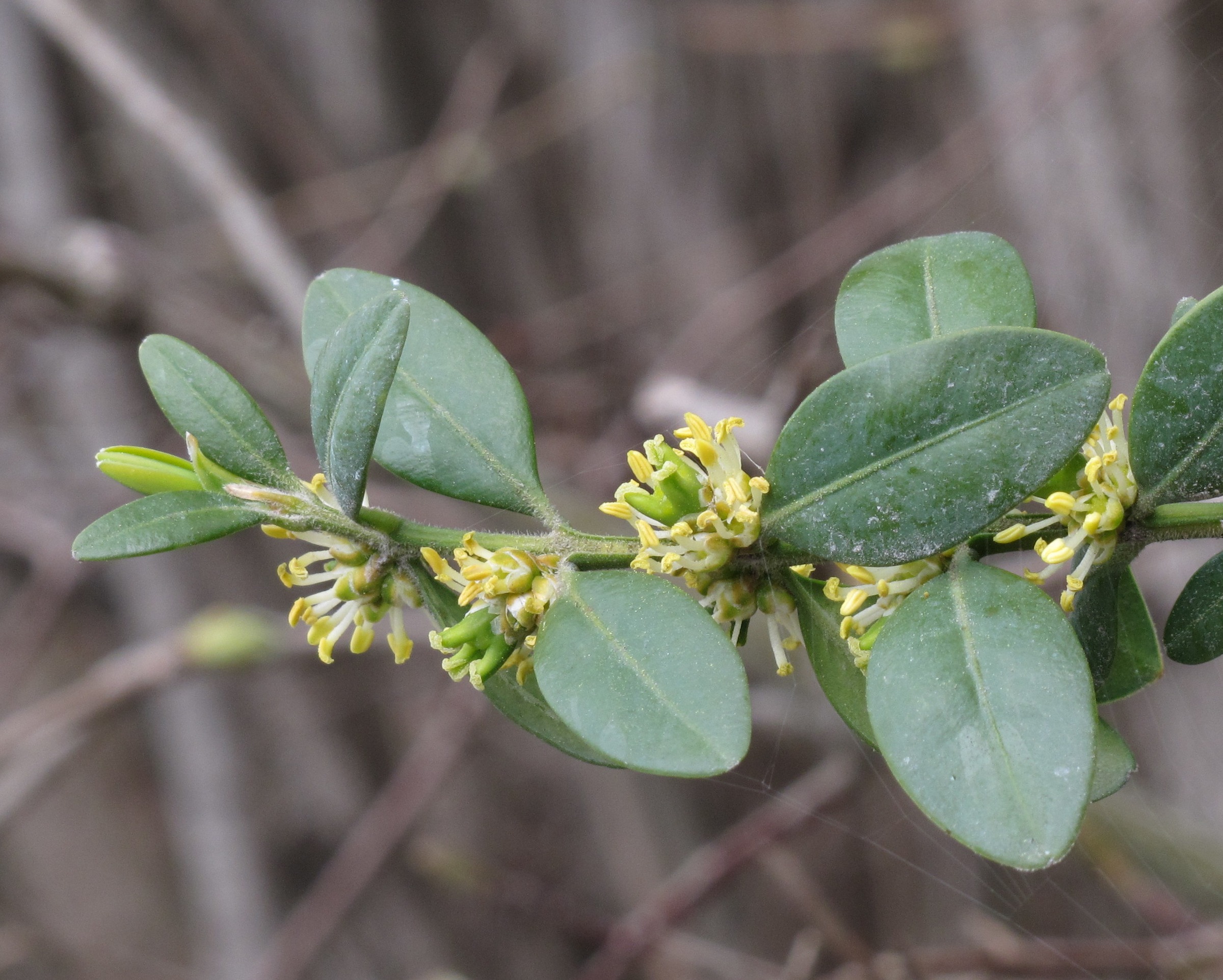
- Boxwood (Buxus spp.): Known for its dense, small leaves and formal appearance, boxwood is rarely bothered by deer. It's perfect for hedges or defined shapes.
- Dwarf Conifers: Many dwarf pines, spruces, and firs offer unique textures and shapes without growing too large. Their needles are generally unappealing to deer.
- Inkberry Holly (Ilex glabra): A native evergreen with small, spineless leaves and black berries. It tolerates moist conditions and is a good alternative to boxwood in some areas.
Deciduous Shrubs (for seasonal interest):
- Hydrangea (Hydrangea paniculata varieties like 'Limelight' or 'Little Lime'): While some hydrangeas (like H. macrophylla) can be nibbled, the panicle hydrangeas are generally more deer-resistant due to their tougher leaves and later blooming season.
- Spirea (Spiraea spp.): Varieties like 'Goldflame' or 'Little Princess' offer colorful foliage and delicate flowers. They are tough, adaptable, and deer usually pass them by.
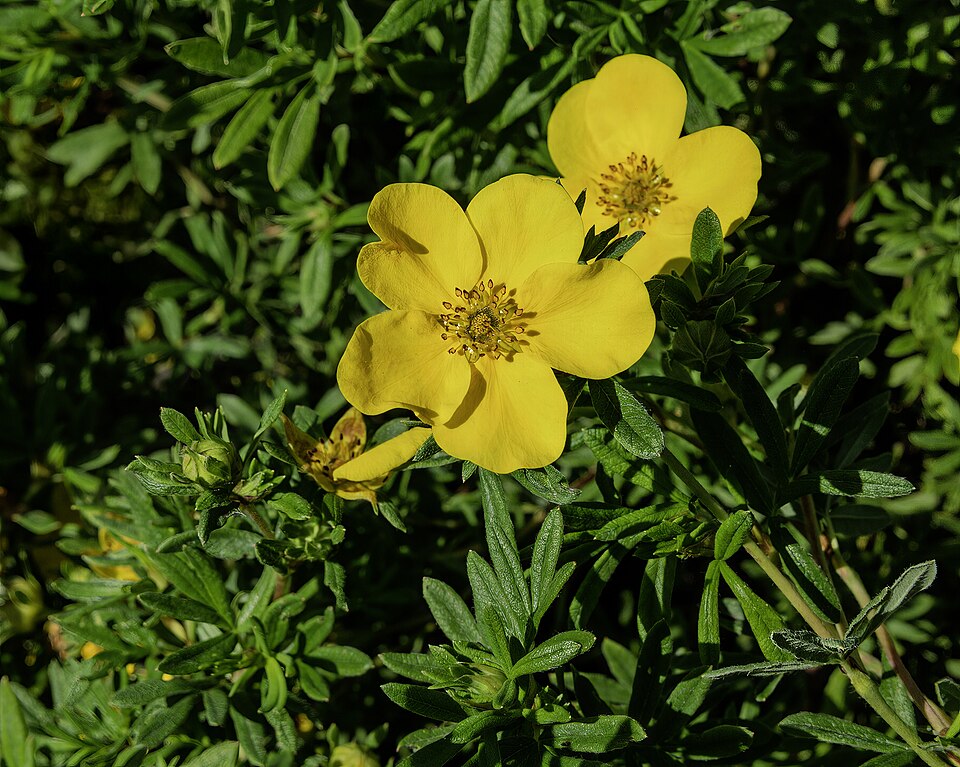
- Potentilla (Potentilla fruticosa): A hardy shrub with small, five-petaled flowers in yellow, white, or orange. Its fine texture and long blooming season make it a great choice.
Perennials (for color and texture):
Many perennials are excellent for foundation plantings, offering a burst of color and texture that complements shrubs and evergreens.
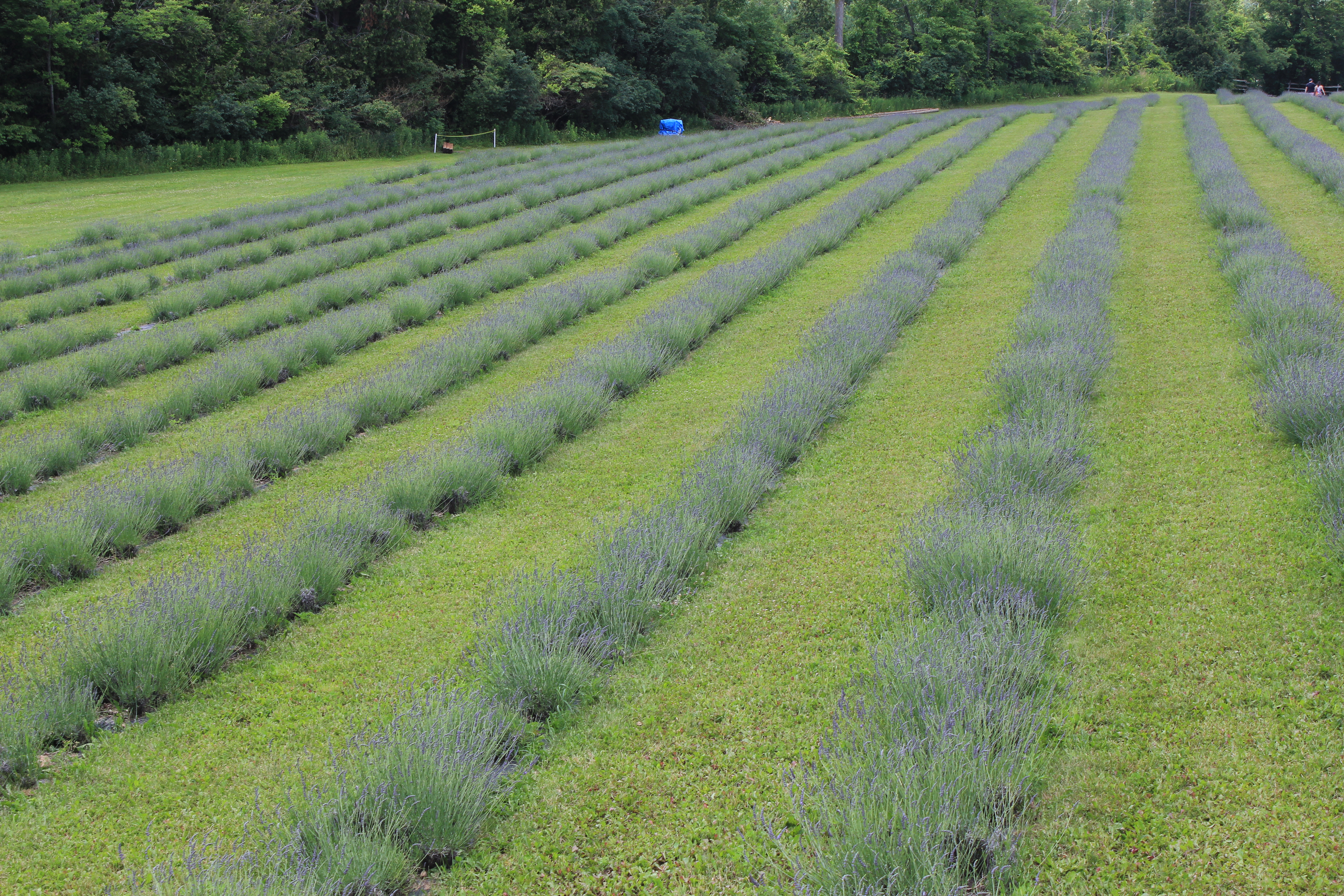
- Lavender (Lavandula spp.): The strong, aromatic scent of lavender is a major turn-off for deer. Its silvery foliage and purple blooms are beautiful.
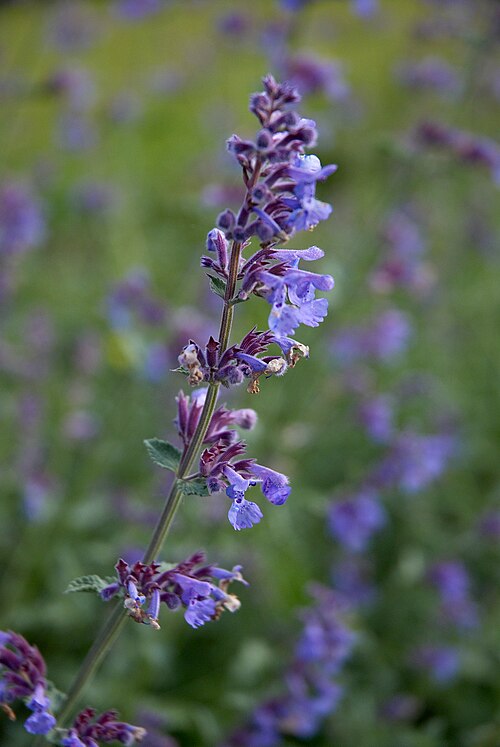
- Catmint (Nepeta spp.):
Similar to lavender, catmint has aromatic foliage and long-lasting spikes of blue-purple flowers. It's incredibly tough and drought-tolerant.
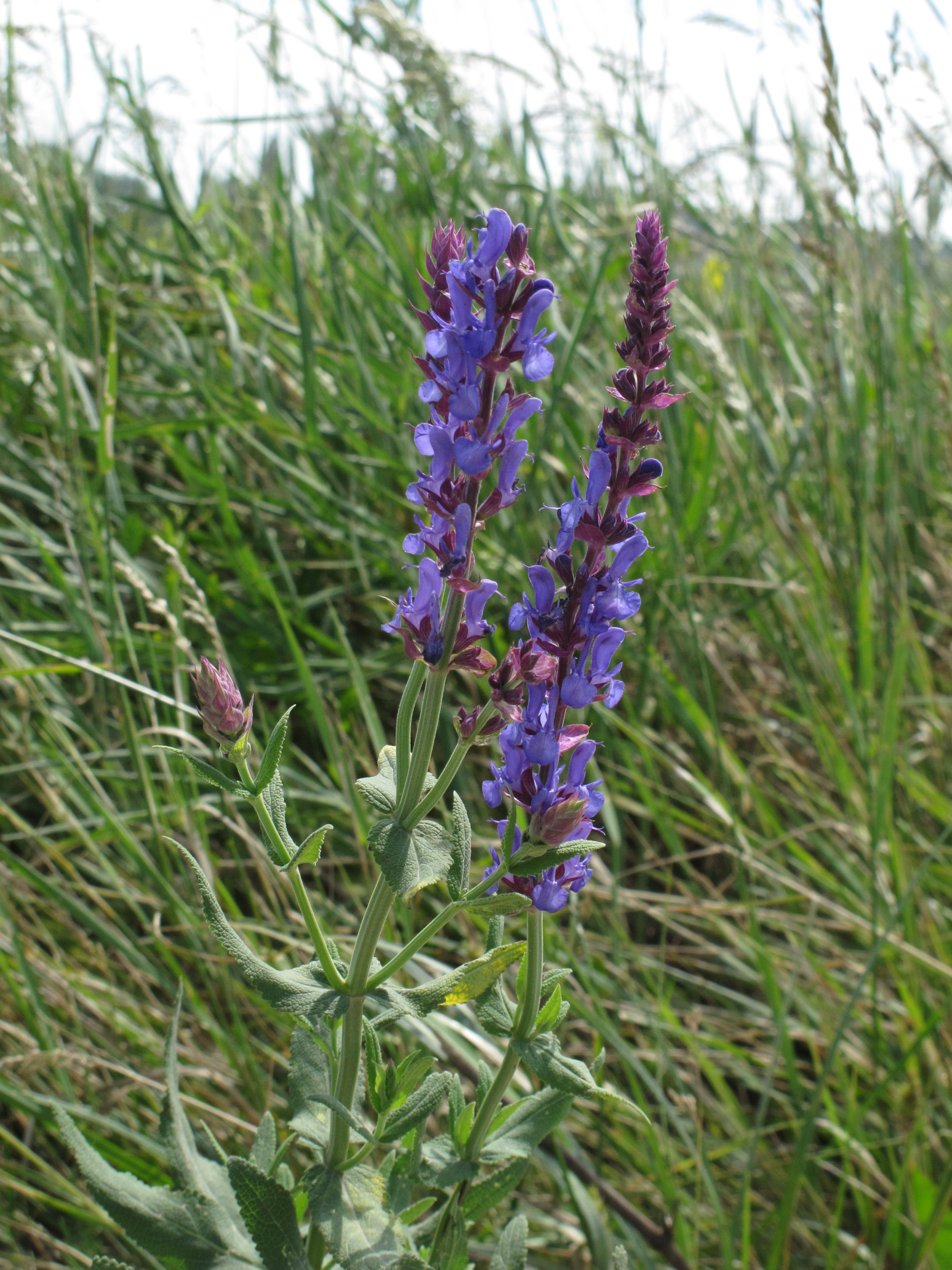
- Salvia (Salvia spp.):
Many perennial salvias, especially those with fuzzy or aromatic leaves, are deer-resistant. They offer vibrant blooms and attract pollinators.
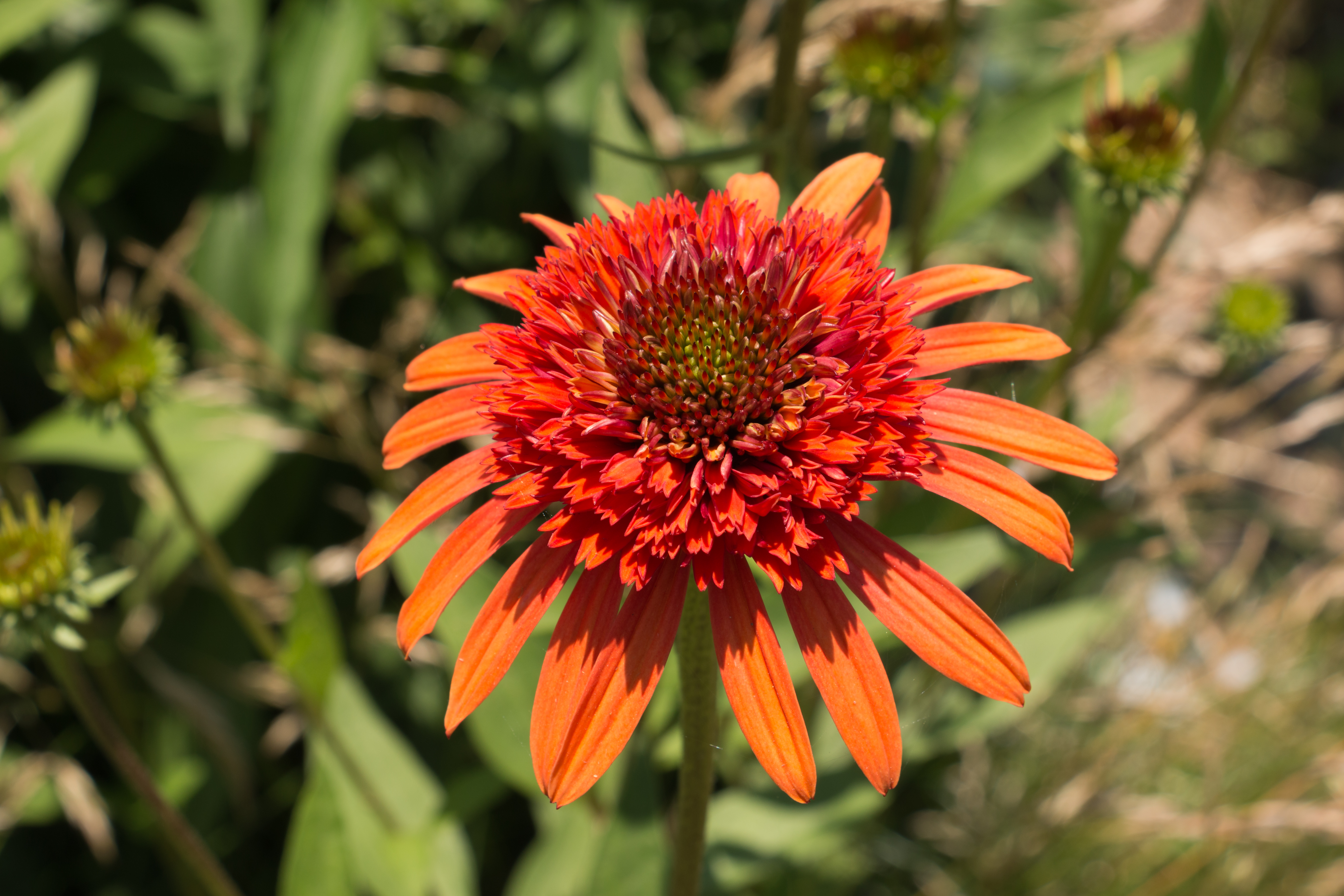
- Coneflower (Echinacea purpurea):
With their sturdy stems and daisy-like flowers, coneflowers are rarely bothered by deer. They provide long-lasting summer color.
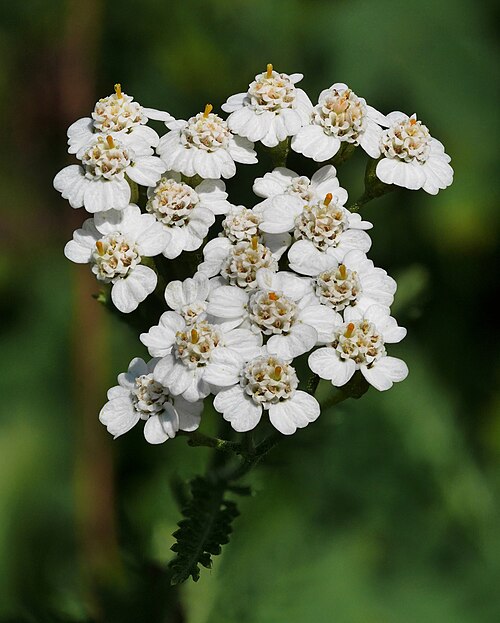
- Yarrow (Achillea millefolium):
Yarrow's feathery foliage and flat-topped flower clusters are not appealing to deer. It's drought-tolerant and comes in many colors.
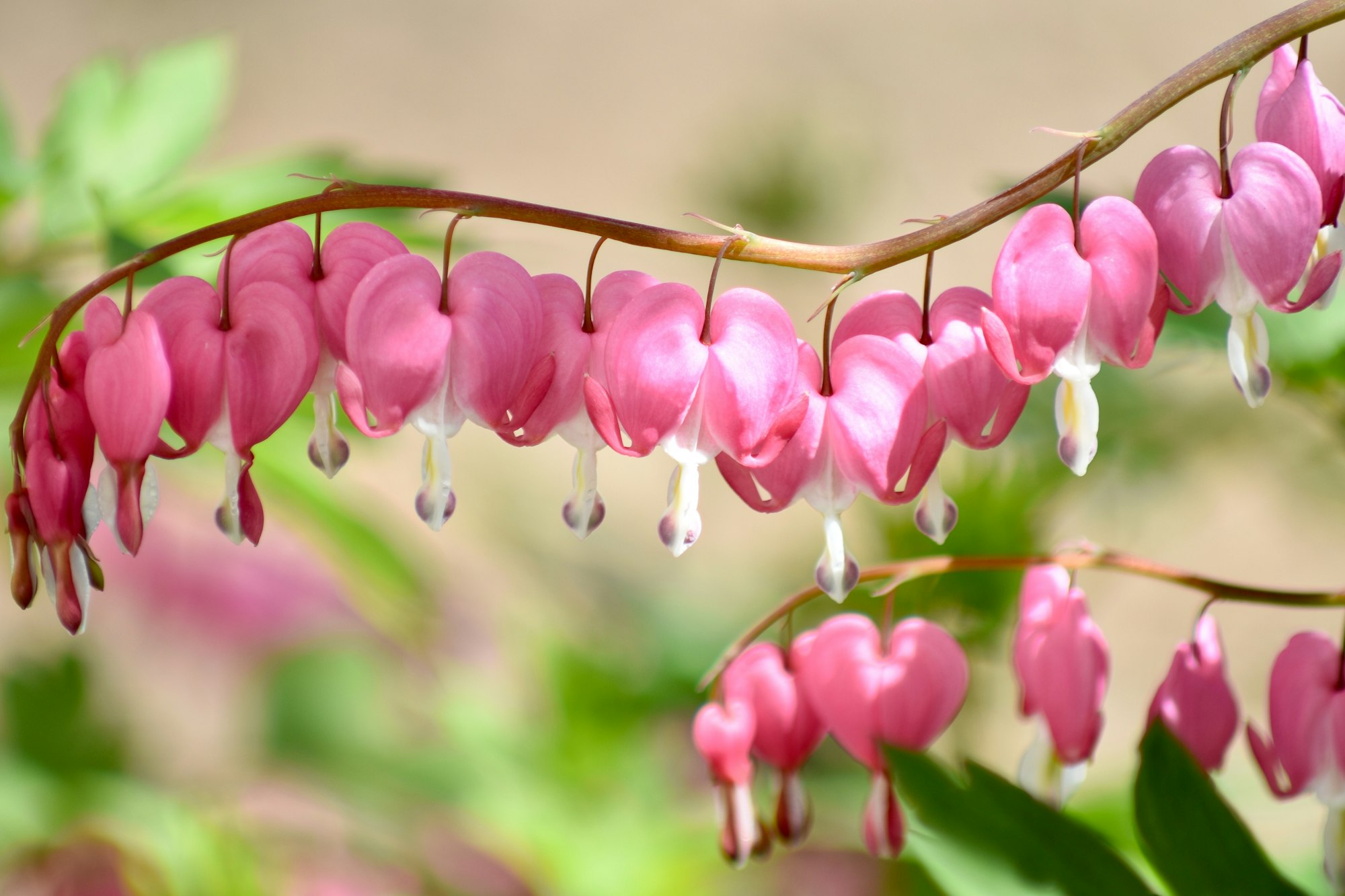
- Bleeding Heart (Dicentra spectabilis): While its heart-shaped flowers are charming, the foliage is toxic to deer, making it a safe bet for shaded foundation areas.
- Peony (Paeonia spp.): These classic beauties have a strong scent and tough foliage that deer tend to avoid.
- Ornamental Grasses: Many ornamental grasses, such as 'Karl Foerster' Feather Reed Grass, Little Bluestem, or Fountain Grass, are unappealing to deer due to their texture and lack of nutritional value. They add movement and winter interest.
Quick Reference: Deer-Resistant Foundation Plant Characteristics
| Characteristic | Deer Behavior | Example Plants |
|---|---|---|
| Strong Scent | Avoid | Lavender, Catmint, Salvia, Juniper |
| Fuzzy/Coarse Texture | Avoid | Lamb's Ear, Yarrow, Coneflower, Ornamental Grasses |
| Prickly/Thorny | Avoid | Juniper, Barberry (check invasiveness), Holly |
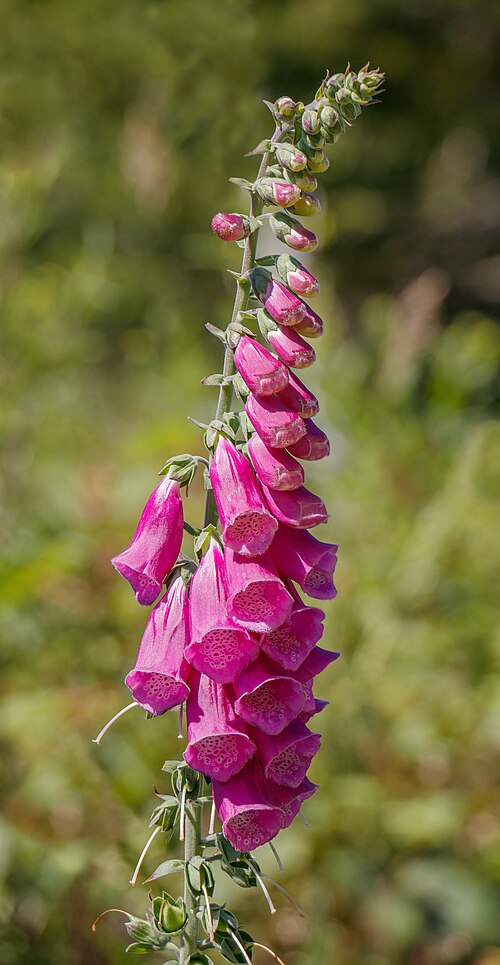
| Toxic/Bitter Taste | Avoid | Bleeding Heart, Peony, Daffodil, Foxglove |
| Milky Sap | Avoid | Euphorbia |
| Tough/Leathery Leaves | Less appealing | Boxwood, Inkberry Holly |
How Can I Further Protect My Foundation Plants from Deer?
Even with deer-resistant plants, an exceptionally hungry deer might still take a bite. Here are additional strategies to bolster your defenses:
- Repellents: Apply commercial deer repellents regularly, especially during periods of high deer activity or on new plantings. Rotate repellents to prevent deer from becoming accustomed to one.
- Physical Barriers: For persistent problems, consider temporary netting around young or vulnerable plants, or more permanent fencing if feasible for your property.
- Companion Planting: While not a foolproof method, mixing highly resistant plants with less resistant ones can sometimes offer a degree of protection.
- Strategic Placement: Place your most deer-resistant plants closest to the house, and use more vulnerable plants in less accessible areas if you must include them.
- Clean Up Fallen Fruit/Vegetables: Deer are attracted to easy food sources. Keep your yard tidy, especially if you have fruit trees nearby.
By combining smart plant choices with these additional tactics, you can significantly reduce deer damage and enjoy a beautiful, thriving foundation planting.
Ready to find the perfect plants for your yard? Try the PlantWise Plant Finder →