Deer-Resistant Front Yard Landscaping Ideas
Creating a beautiful front yard in deer country can be a challenge, but it's entirely achievable with the right strategy. The key to deer-resistant front yard landscaping is selecting plants that deer find unpalatable due to their texture, scent, or toxicity, and combining them with strategic design elements. By focusing on plants with fuzzy leaves, strong aromas, or those known to be less appetizing, you can cultivate an attractive landscape that deer are more likely to bypass, preserving your curb appeal and your peace of mind.
No plant is truly deer-proof, especially when deer are hungry, but some plants are significantly less appealing to them. By incorporating these varieties and employing smart design, you can greatly reduce the chances of your garden becoming a deer buffet. Let's explore some effective strategies and plant choices.
🌱 Get Personalized Plant Picks
Answer a few quick questions and we’ll match plants to your exact yard conditions.
Find My Plants →Why Do Deer Eat Certain Plants and Not Others?
Deer are browsers, not grazers, meaning they prefer to nibble on leaves, twigs, and buds rather than grass. Their diet is varied, and they are opportunistic feeders. When food is scarce, or their population is high, they will eat almost anything. However, they do have preferences. Deer tend to avoid plants that:
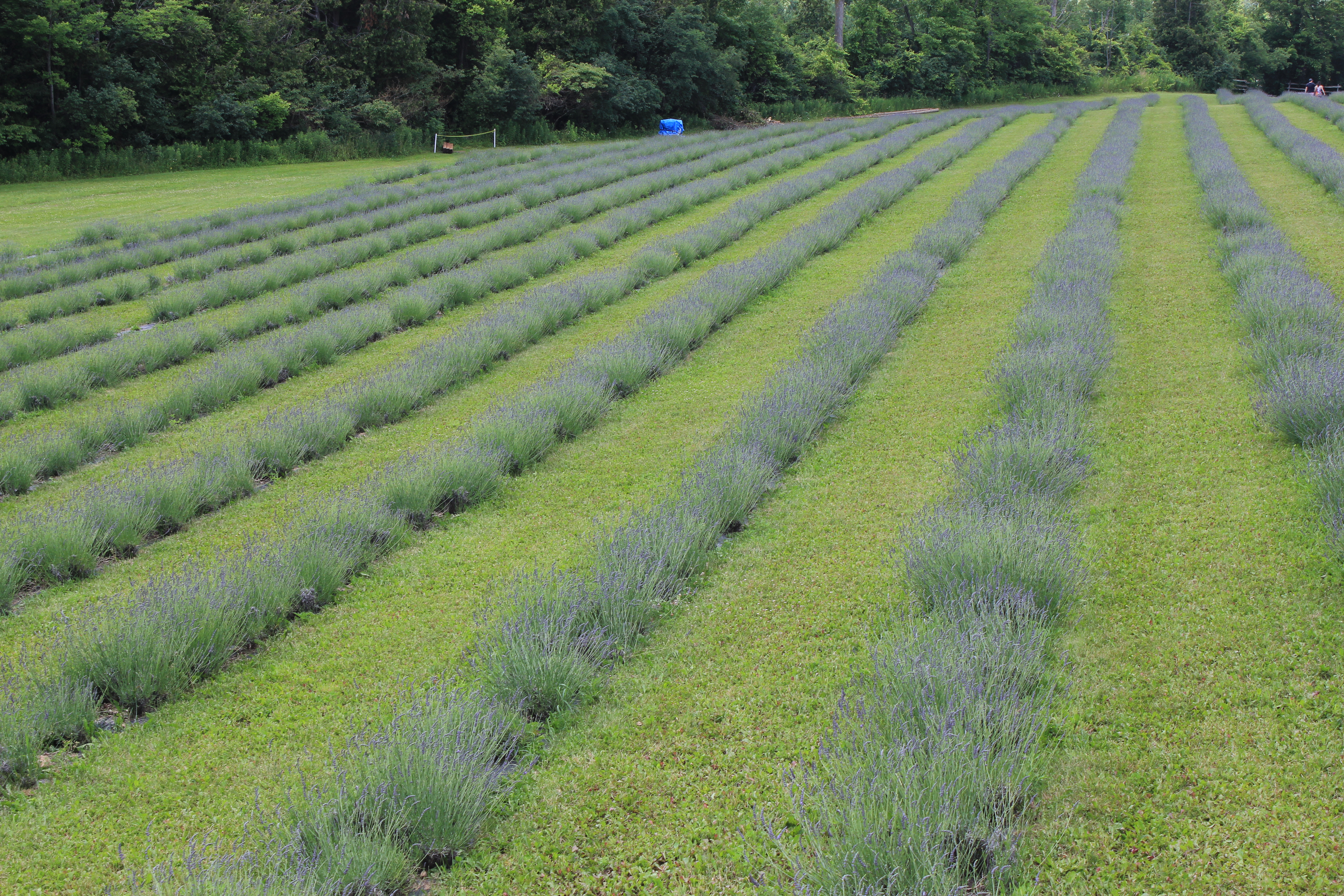
- Have strong, aromatic scents: Herbs like lavender, rosemary, and catmint are often passed over.
- Have fuzzy, thorny, or coarse textures: Lamb's ear, coneflowers, and many ornamental grasses are less appealing.
- Are toxic: While we don't recommend planting highly toxic plants indiscriminately, deer instinctively avoid many plants that would make them sick.
- Are simply not palatable: Some plants just don't taste good to them.
Understanding these preferences is the first step in designing a deer-resistant landscape.
What Are the Best Deer-Resistant Plants for Front Yards?
Selecting the right plants is crucial for a deer-resistant front yard. Focus on perennials, shrubs, and even some annuals known for their resilience against deer browsing. Here are some top picks that offer beauty without becoming a deer's next meal:
Perennials
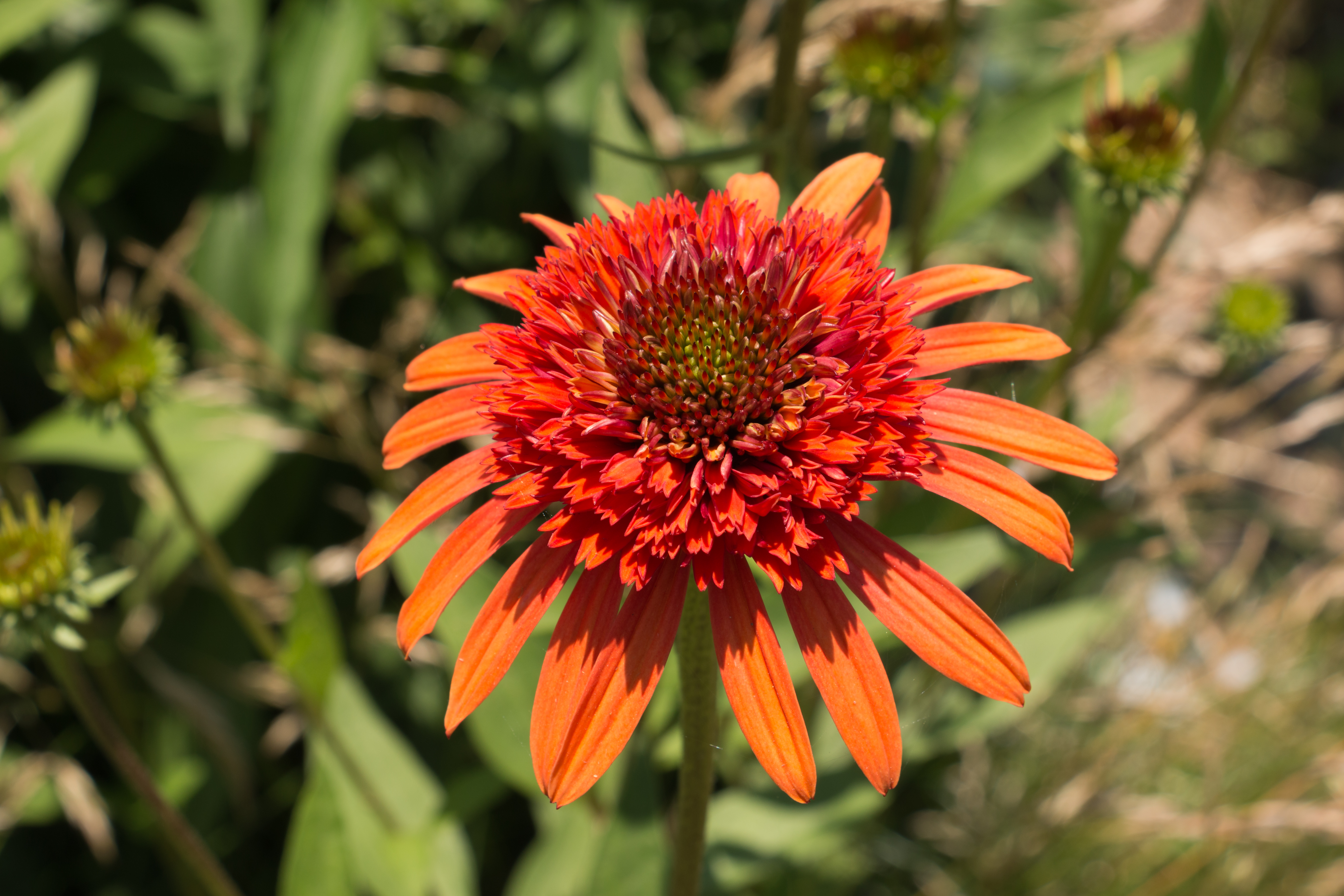
(Echinacea purpurea):** These cheerful, daisy-like flowers come in various colors and have a coarse texture that deer dislike. They're also drought-tolerant and attract pollinators.
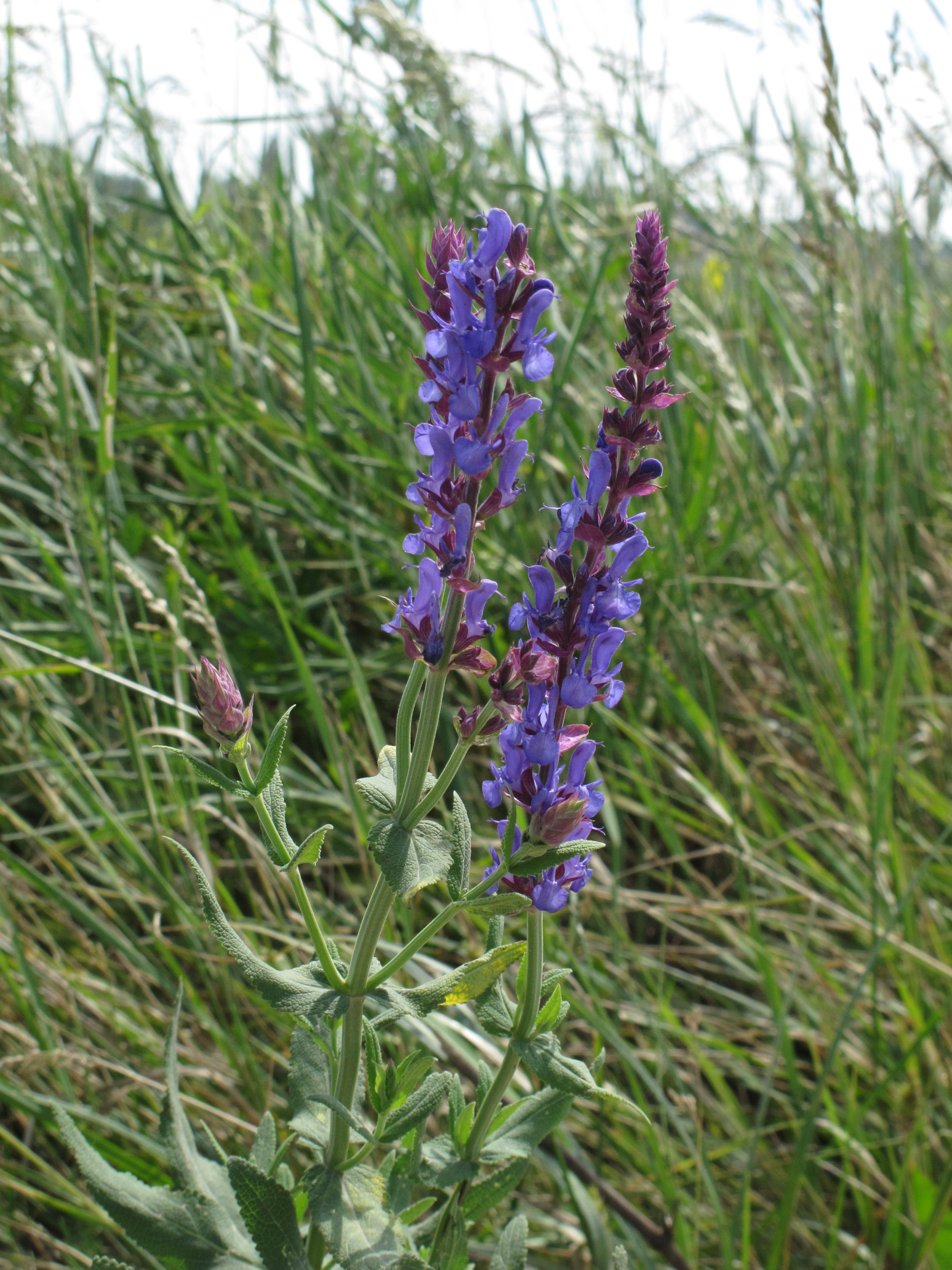
(Salvia spp.):** With their aromatic foliage and vibrant flower spikes, salvias are a deer deterrent and a hummingbird magnet. Many varieties exist, offering a long bloom season.
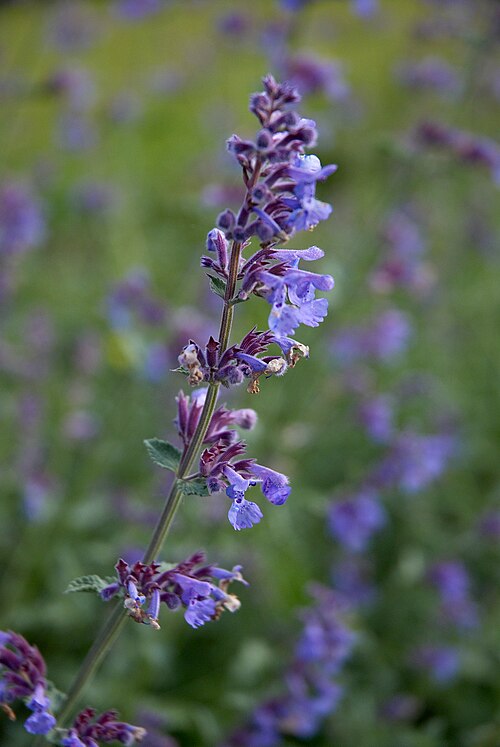
(Nepeta spp.):** This tough, low-maintenance plant forms mounds of soft, gray-green, aromatic foliage topped with spikes of lavender-blue flowers. Deer typically avoid it.
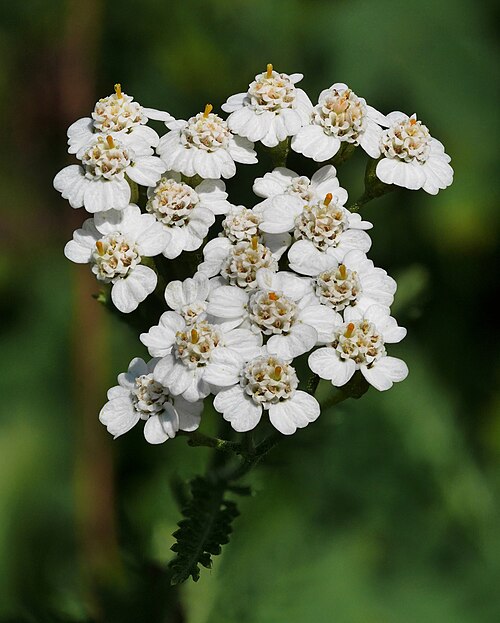
(Achillea millefolium):** Yarrow boasts feathery foliage and flat-topped clusters of flowers in a range of colors. Its strong scent and tough texture make it unappealing to deer.
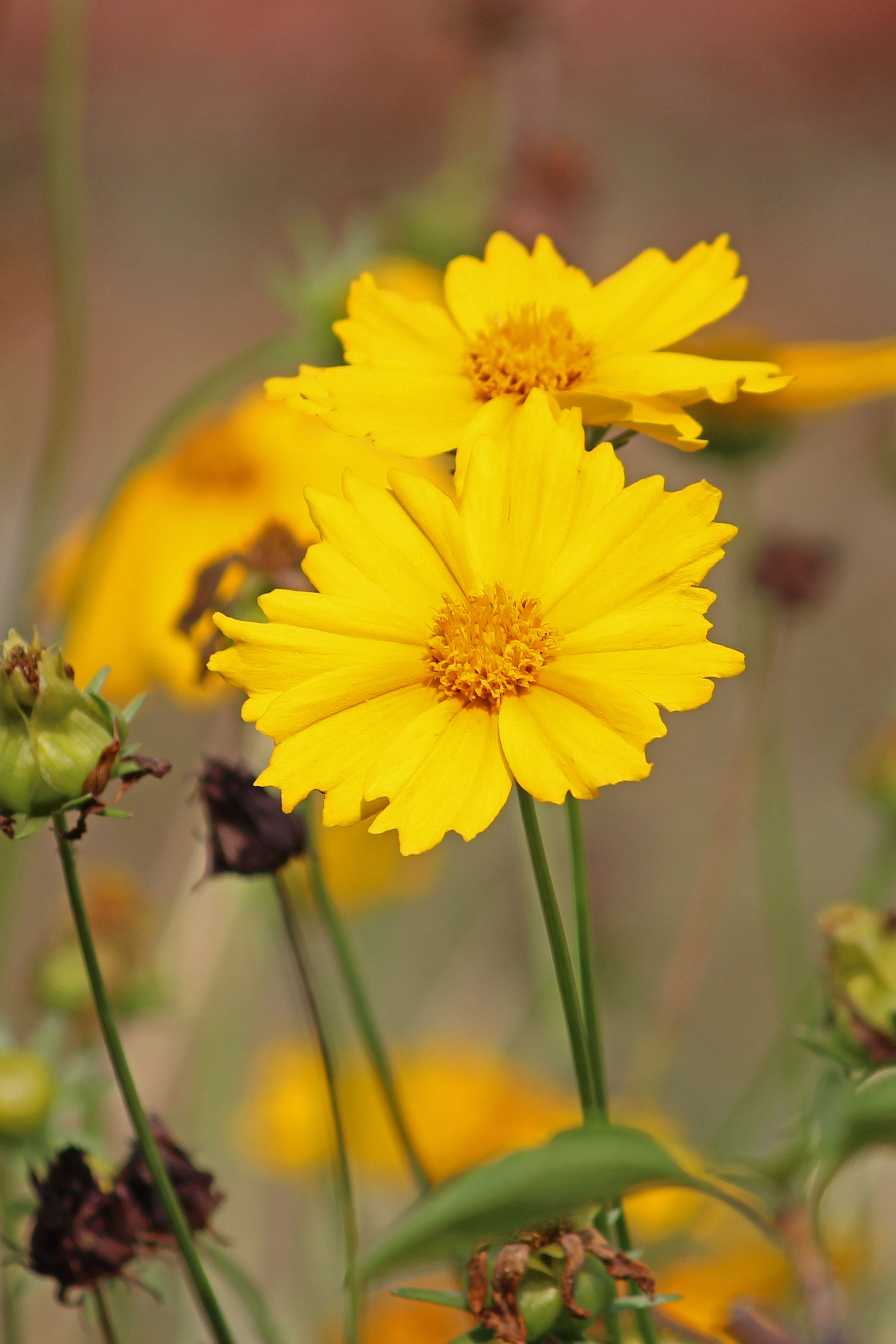
(Coreopsis spp.):** Also known as Tickseed, these plants offer a profusion of bright, often yellow, daisy-like flowers. They are generally ignored by deer.
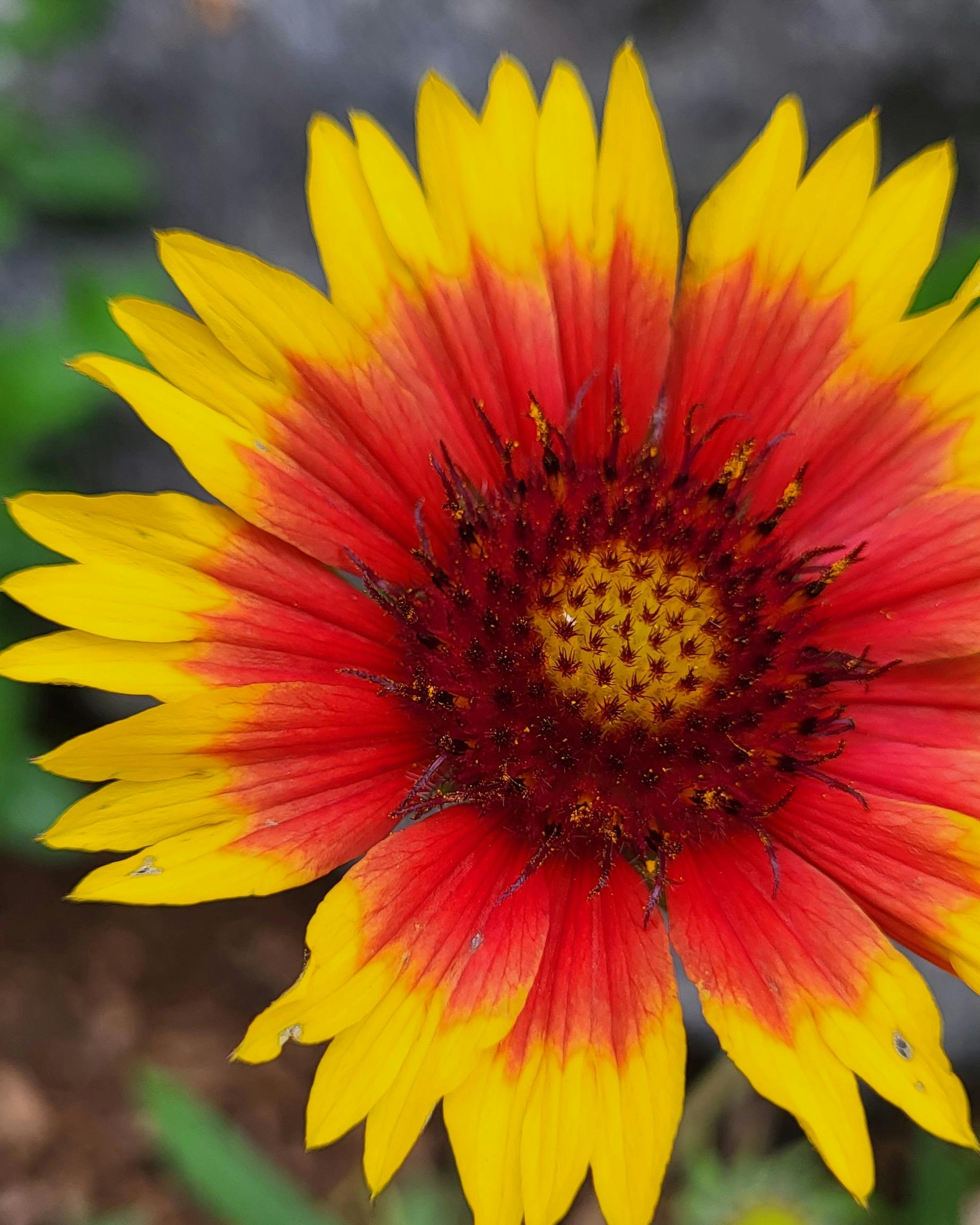
(Gaillardia spp.):** Known for their vibrant, daisy-like flowers in shades of red, orange, and yellow, Blanket Flowers are tough, drought-tolerant, and deer-resistant.
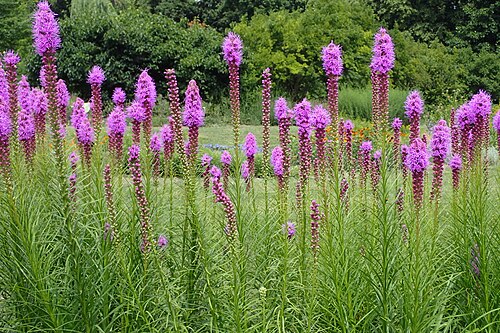
(Liatris spicata):** With their unique bottlebrush-like flower spikes, Blazing Star adds vertical interest and is rarely bothered by deer.
Shrubs
- Boxwood (Buxus spp.): A classic for formal hedging and evergreen structure, boxwood is generally deer-resistant.
- Spirea (Spiraea spp.): These versatile shrubs offer beautiful flowers and attractive foliage, and deer tend to leave them alone.
- Japanese Andromeda (Pieris japonica): An evergreen shrub with delicate flowers and colorful new growth, it's a good choice for deer-prone areas.
- Dwarf Alberta Spruce (Picea glauca 'Conica'): A slow-growing, conical evergreen that adds year-round structure.
Annuals
- Lantana (Lantana camara): Known for its vibrant, multi-colored flower clusters and aromatic foliage, lantana is a deer-resistant favorite.
- Marigolds (Tagetes spp.): Their strong scent is a deterrent to many pests, including deer.
- Zinnias (Zinnia elegans): While deer might occasionally nibble, zinnias are generally considered less palatable than other annuals.
How Can Strategic Design Help Deter Deer?
Beyond plant selection, thoughtful landscape design can significantly reduce deer damage.
- Create Barriers: While a tall fence is the most effective barrier, it's not always practical or desirable for a front yard. Consider using dense, deer-resistant shrub plantings as a "living fence" around more vulnerable areas. Even a low stone wall can sometimes deter deer from easily stepping into a bed.
- Layer Your Plantings: Place less palatable plants on the outer edges of your beds, creating a protective ring around more appealing plants. For example, plant aromatic lavender or catmint along the border, with coneflowers or salvia behind them.
- Utilize Texture and Scent: Mix plants with strong scents (like herbs) and rough textures (like ornamental grasses or fuzzy-leaved plants) throughout your beds. Deer often browse with their noses first.
- Vary Heights: A diverse landscape with plants of varying heights can confuse deer and make it harder for them to access their preferred snacks.
- Consider Hardscaping: Incorporate elements like patios, walkways, and decorative gravel areas. These don't offer food and can break up large expanses of plant material, making your yard less appealing as a continuous feeding ground.
- Repellents (Use with Caution): Deer repellents, both commercial and homemade, can be effective short-term solutions. However, deer can become accustomed to them, so it's best to rotate types and reapply regularly, especially after rain. They are most effective when used before deer establish a feeding pattern.
Quick Reference: Deer-Resistant Plant Characteristics
| Characteristic | Examples (Deer Tend to Avoid) |
|---|---|
| Aromatic | Salvia, Catmint, Yarrow, Lavender, Rosemary |
| Fuzzy/Hairy | Lamb's Ear, Coneflower, Blanket Flower |
| Coarse/Tough | Ornamental Grasses, Boxwood, Coreopsis |
| Thorns/Spines | Barberry (use with caution near walkways), Holly |
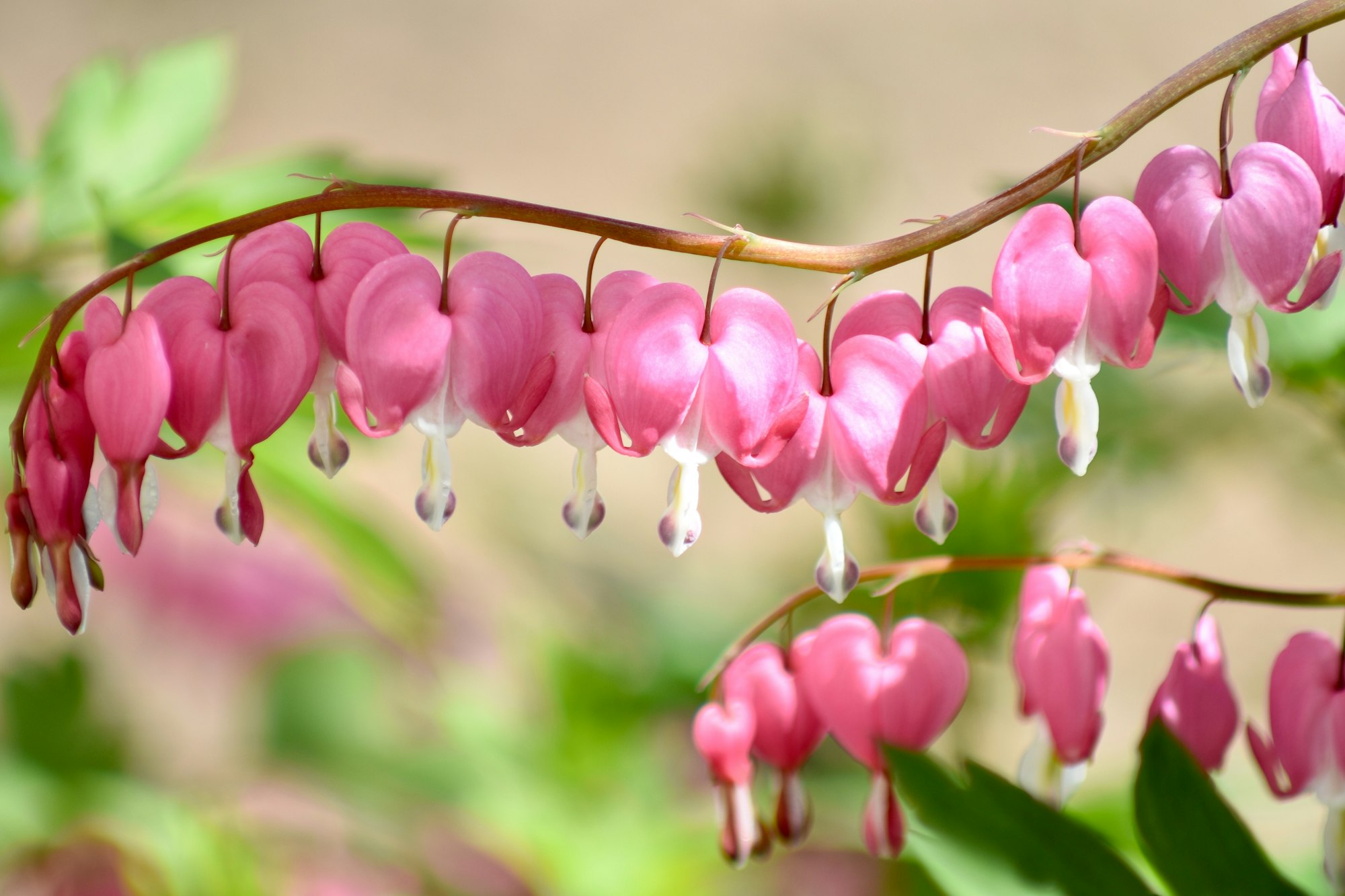
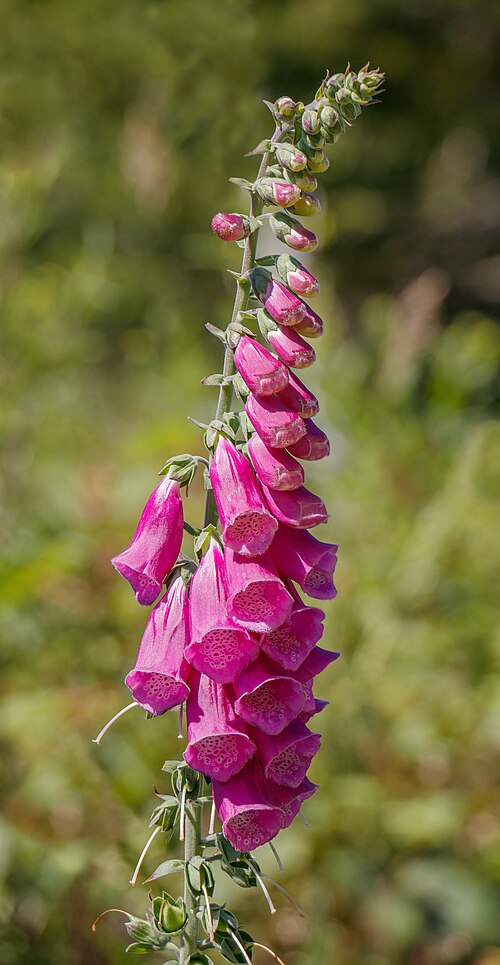
| Toxic | Daffodils, Foxglove, Bleeding Heart (do research before planting) |
Remember, a hungry deer is a determined deer. The goal is to make your yard less attractive than your neighbor's or the wild areas nearby. By combining smart plant choices with thoughtful design, you can create a beautiful, low-maintenance, and deer-resistant front yard that enhances your home's curb appeal.
Ready to find the perfect plants for your yard? Try the PlantWise Plant Finder →