Deer-Resistant Gardening: The Complete Guide
Battling deer in your garden can feel like an uphill struggle. They can decimate a beautiful landscape overnight, leaving behind a trail of nibbled leaves and broken stems. The key to successful deer-resistant gardening lies in understanding deer behavior and selecting plants they are less likely to find appealing, combined with strategic deterrents and protective measures. While no plant is truly deer-proof, this guide will equip you with the knowledge and tools to create a garden that deer will largely ignore.
Understanding Deer Behavior: Why Do They Eat What They Do?
To effectively deter deer, it helps to think like one. Deer are browsers, meaning they prefer to nibble on leaves, twigs, and buds rather than graze on grass. Their diet is incredibly varied and opportunistic, changing with the seasons and the availability of food.
Factors influencing their plant choices include:
- Hunger: A truly hungry deer will eat almost anything, even plants they typically avoid. This is especially true during harsh winters or droughts when preferred food sources are scarce.
- Taste and Texture: Deer generally dislike plants with strong fragrances, fuzzy or thorny textures, or bitter tastes. They tend to favor tender, succulent new growth.
- Familiarity: Deer are creatures of habit. If they've found a good meal in your garden before, they're likely to return.
- Local Preferences: Deer populations in different regions can develop preferences for certain plants based on what's abundant in their natural habitat. What's "deer-resistant" in one area might be a buffet in another.
- Plant Health: Stressed or unhealthy plants can sometimes be more appealing to deer, as they may be easier to digest or have a different chemical composition.
🌱 Get Personalized Plant Picks
Answer a few quick questions and we’ll match plants to your exact yard conditions.
Find My Plants →Designing a Deer-Resistant Landscape
Creating a garden that deer will bypass involves more than just plant selection. It's about a multi-pronged approach that makes your yard less inviting.
Plant Selection is Key
This is arguably the most important step. Focus on plants that deer consistently avoid. Look for:
- Strongly Scented Foliage: Herbs like lavender, rosemary, and mint, or ornamental plants like Russian sage, often deter deer.
- Fuzzy or Hairy Leaves: Lamb's ear (Stachys byzantina) and Lungwort (Pulmonaria) are good examples.
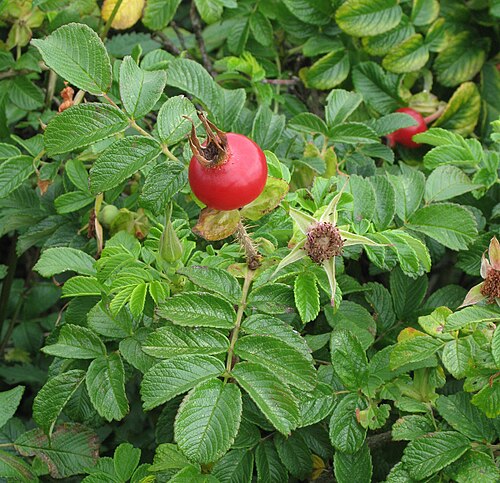
- Thorny or Prickly Plants: Roses (especially species roses), barberry, and holly can be effective.
- Bitter or Toxic Plants: While we don't recommend planting highly toxic plants indiscriminately, deer instinctively avoid many plants that are unpalatable or poisonous to them.
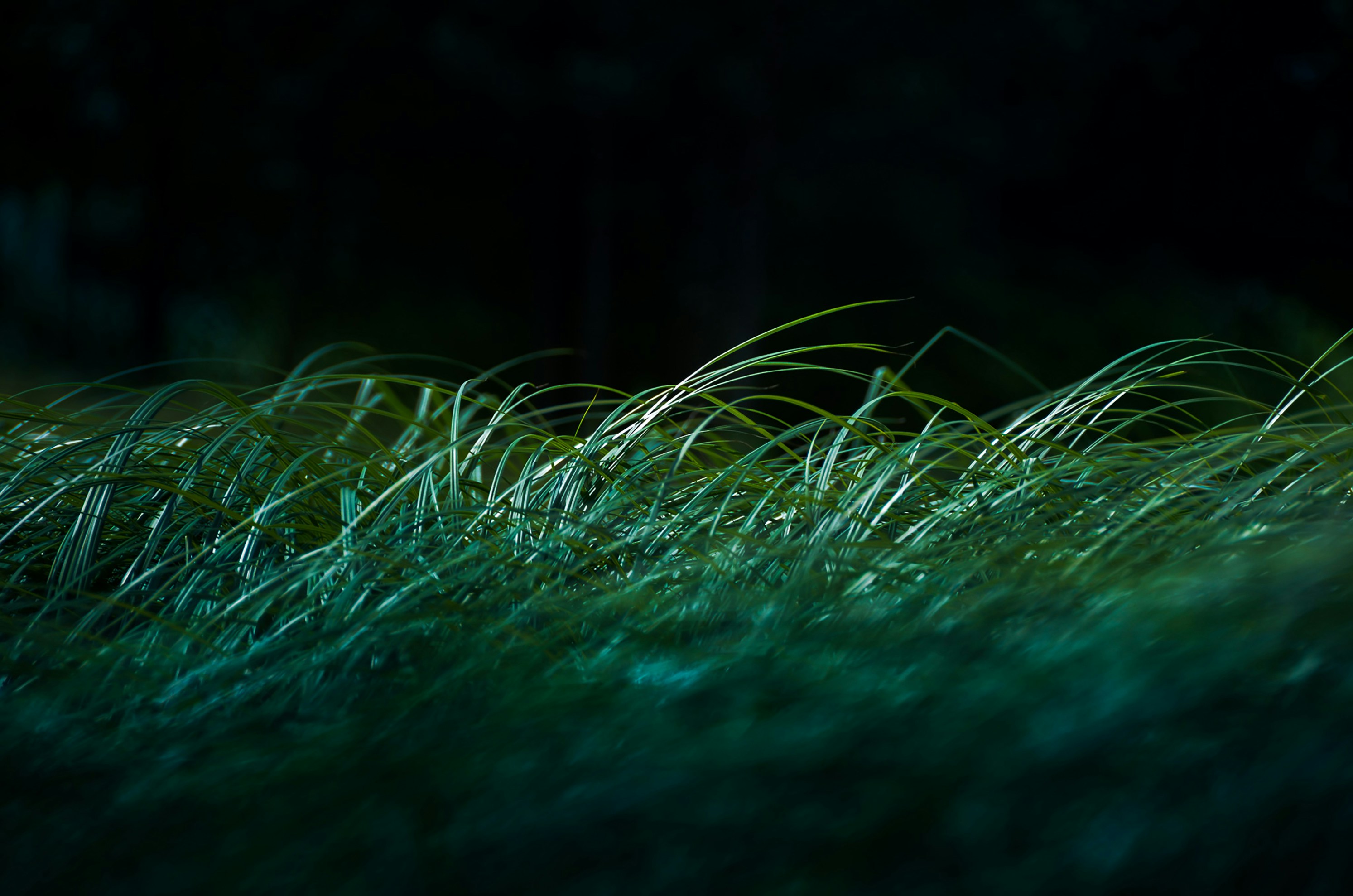
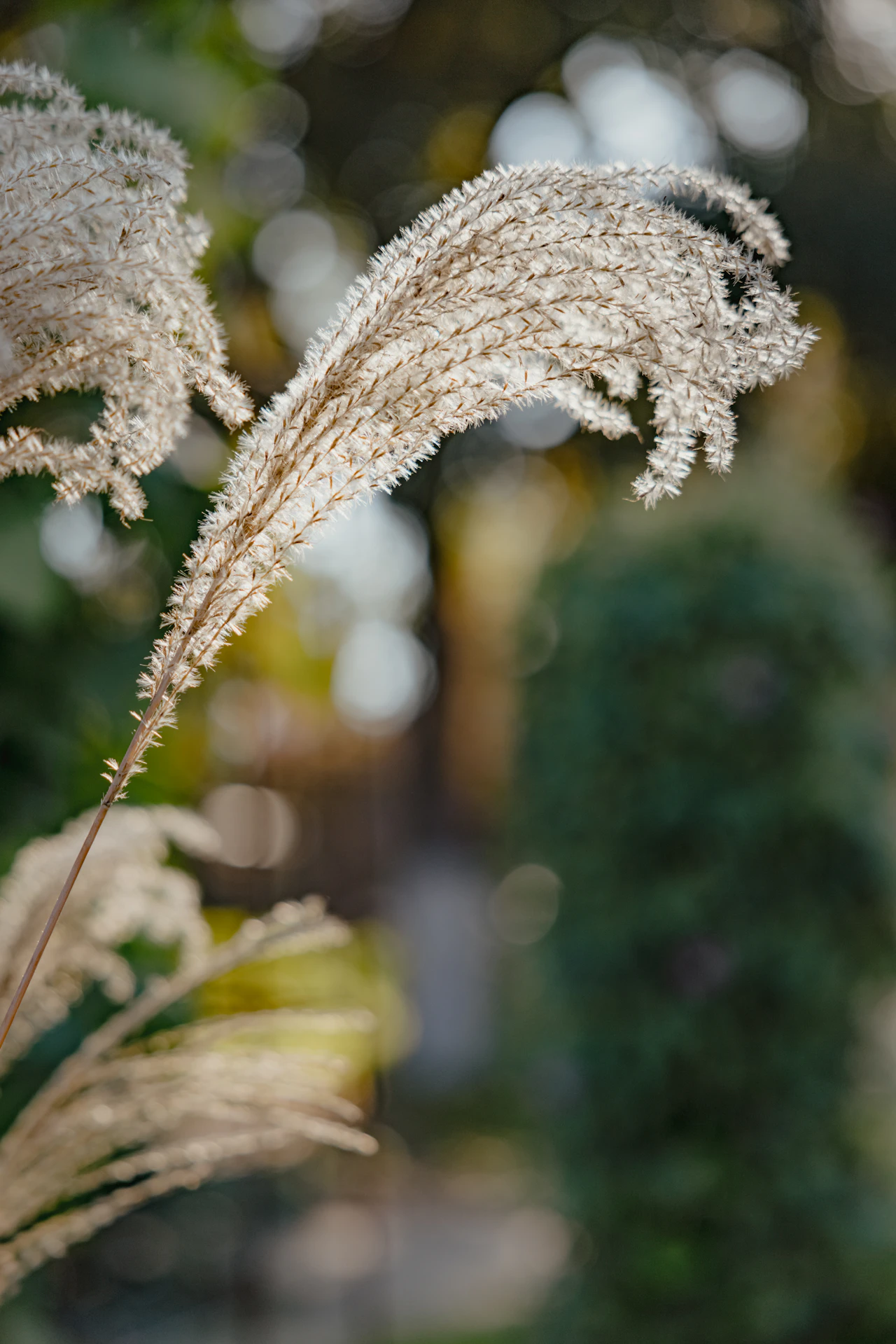
- Ornamental Grasses: Many ornamental grasses are not a preferred food source.
Strategic Placement
Even with deer-resistant plants, thoughtful placement can enhance your defense.
- Create a "Deer Buffer Zone": Plant highly deer-resistant plants around the perimeter of your garden beds, acting as a first line of defense for more vulnerable plants inside.
- Hide Favorites: If you absolutely must plant something deer love, place it close to your house or in a highly trafficked area where deer are less likely to venture.
- Consider Topography: Deer prefer to walk on level ground and avoid dense undergrowth. Use this to your advantage when designing pathways and planting beds.
Beyond Plant Choices: Physical Barriers and Deterrents
While plant selection is crucial, sometimes you need extra protection.
Fencing: The Most Effective Barrier
A physical barrier is the most reliable way to keep deer out.
- Height is Crucial: Deer can jump surprisingly high. A fence needs to be at least 8 feet tall to be truly effective. Shorter fences (6 feet) can sometimes work if they are angled outwards or if there's a double fence system.
- Material Matters: Woven wire, electric fences, or even sturdy netting can be used. Consider the aesthetic impact on your landscape.
- Invisible Fences: While not truly invisible, some electric fence systems are designed to be less obtrusive.
Repellents: A Temporary Solution
Deer repellents work by making plants smell or taste bad to deer. They come in two main types:
- Scent-based Repellents: These use strong odors (like putrefied eggs, garlic, or predator urine) to deter deer.
- Taste-based Repellents: These make the plant taste unpleasant.
Important Notes on Repellents:
- Reapplication is Key: Repellents need to be reapplied regularly, especially after rain or new growth.
- Rotate Repellents: Deer can become accustomed to a particular repellent, so it's good to switch types periodically.
- Not 100% Effective: Repellents are best used as part of a broader strategy, not as a standalone solution, especially with hungry deer.
Other Deterrents
- Motion-Activated Sprinklers: A sudden burst of water can startle deer and send them running.
- Noise Makers: Wind chimes, radios, or other noise-making devices can sometimes deter deer, but they often habituate to constant noise.
- Dogs: A dog patrolling the yard can be an excellent deterrent, but ensure your dog is safe and supervised.
Maintenance and Monitoring
Deer-resistant gardening isn't a "set it and forget it" endeavor. Regular monitoring and maintenance are essential.
- Inspect Regularly: Keep an eye out for signs of deer browsing. Early detection can help you adjust your strategy before significant damage occurs.
- Prune Strategically: Remove any damaged or stressed plant material, as this can sometimes attract deer.
- Clean Up Fallen Fruit/Vegetables: Overripe produce can be a strong attractant.
- Stay Informed: Keep up-to-date on new deer-resistant plant varieties and deterrent technologies.
A Note on "Deer-Proof"
It's crucial to remember that no plant is truly deer-proof. A deer's diet can vary based on local conditions, population density, and sheer hunger. What one deer avoids, another might munch on. The goal of deer-resistant gardening is to make your landscape as unappealing as possible, encouraging deer to seek food elsewhere. By combining smart plant choices with physical barriers and deterrents, you can significantly reduce deer damage and enjoy a thriving garden.
Ready to find the perfect plants for your yard? Try the PlantWise Plant Finder →