Best Deer-Resistant Ground Covers for Zone 10
For gardeners in USDA Hardiness Zone 10, finding ground covers that thrive in the warm, often humid climate while also deterring deer can be a challenge. The best deer-resistant ground covers for Zone 10 combine heat tolerance with textures or scents that deer typically avoid, offering beautiful, low-maintenance solutions for covering bare soil, preventing erosion, and suppressing weeds. Options like Ajuga, Blanket Flower, and certain ornamental grasses provide excellent coverage and visual interest without becoming a deer buffet.
Deer can be a persistent nuisance, turning lush gardens into an all-you-can-eat buffet. While no plant is truly deer-proof, especially when food is scarce, many plants are significantly less appealing to these browsing animals. By choosing ground covers known for their deer resistance, you can create a beautiful, low-maintenance landscape in your Zone 10 garden that stands a better chance against hungry visitors.
Understanding Deer Resistance
Deer resistance isn't about a plant being completely unpalatable; it's about making it less desirable than other options. Deer tend to avoid plants that are:
- Aromatic: Strong scents, often from herbs or plants with fragrant foliage, can be off-putting.
- Fuzzy or Hairy: The texture of leaves can be unpleasant for deer to chew.
- Thorny or Prickly: Physical deterrents like spines or sharp edges.
- Toxic: Plants that cause digestive upset or are poisonous.
- Tough or Leathery: Difficult for deer to chew and digest.
Remember, a hungry deer will eat almost anything. The goal is to make your garden less attractive than your neighbor's or the surrounding natural areas.
🌱 Get Personalized Plant Picks
Answer a few quick questions and we’ll match plants to your exact yard conditions.
Find My Plants →Top Deer-Resistant Ground Covers for Zone 10
Here are some excellent choices for ground covers that thrive in Zone 10 and are generally ignored by deer:
1. Ajuga (Bugleweed)
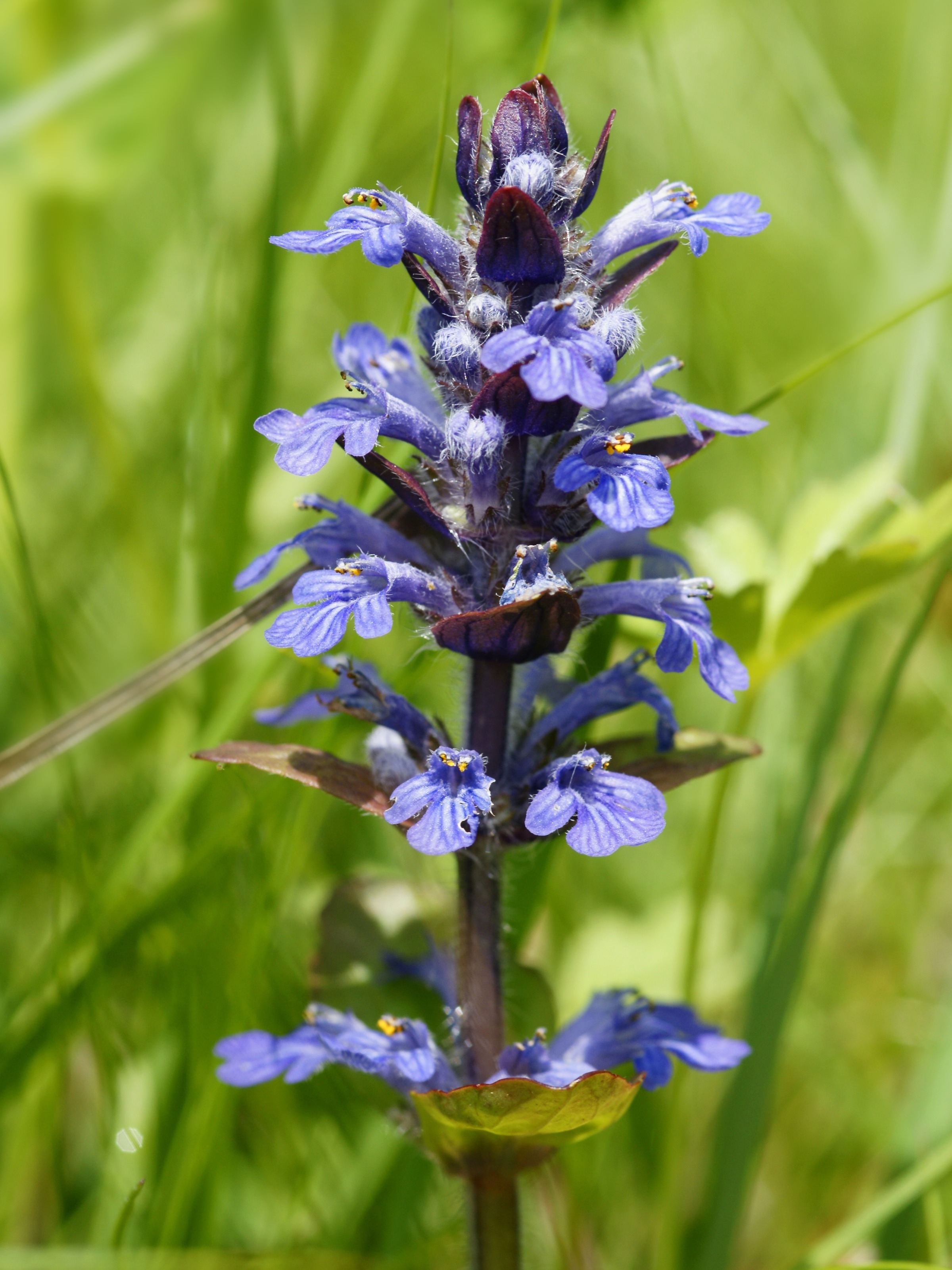
Ajuga is a fantastic, low-growing evergreen perennial that forms a dense mat, effectively suppressing weeds. It's particularly valued for its attractive foliage, which comes in shades of green, bronze, purple, and variegated patterns. In spring, it sends up spikes of blue, purple, pink, or white flowers. Deer tend to leave Ajuga alone, likely due to its slightly bitter taste or texture. It prefers partial to full shade, making it ideal for under trees or in shadier garden spots, but can tolerate some sun in Zone 10 if kept consistently moist. It's also relatively drought-tolerant once established.
2. Blanket Flower (Gaillardia)
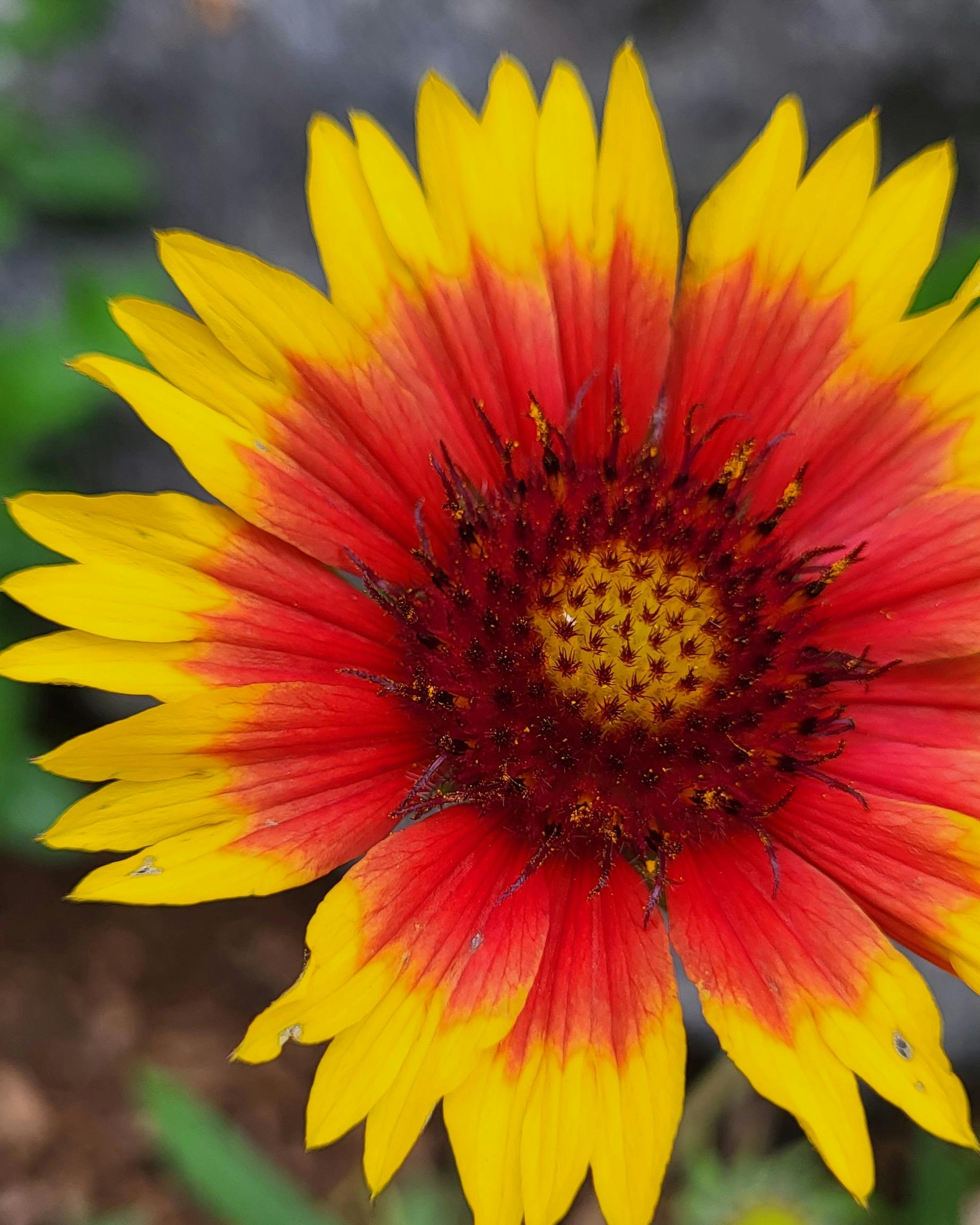
For sunny spots, Blanket Flower is a vibrant, long-blooming perennial that deer typically bypass. Its bright, daisy-like flowers, often in shades of red, orange, and yellow, bloom from late spring through fall, attracting butterflies and other pollinators. Gaillardia thrives in full sun and well-drained soil, tolerating heat and drought exceptionally well, which makes it perfect for Zone 10. While not a dense mat like Ajuga, it forms attractive clumps that spread over time, providing excellent color and coverage. Its slightly coarse texture might be a deterrent for deer.
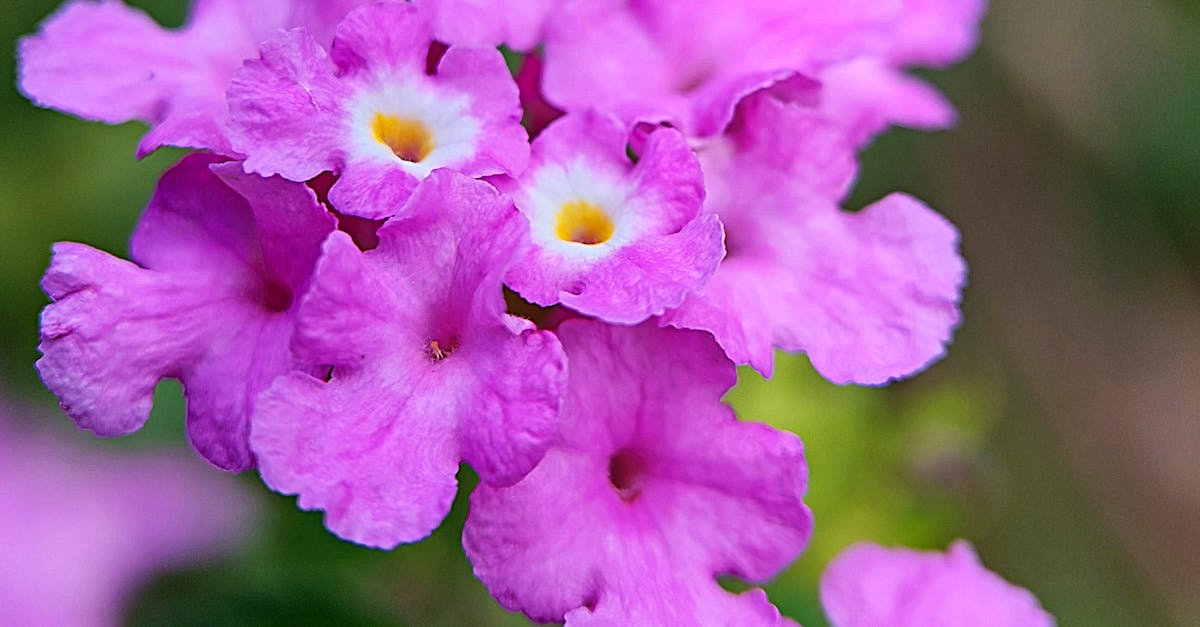
3. Lantana (Lantana camara)
Lantana is a powerhouse for Zone 10, offering continuous blooms and excellent deer resistance. Its rough, aromatic foliage is a major turn-off for deer. Available in trailing varieties, Lantana can quickly cover large areas with a cascade of colorful flower clusters in shades of yellow, orange, pink, red, and purple. It thrives in full sun, tolerates heat, drought, and even salt spray, making it versatile for many Zone 10 landscapes. Be aware that some varieties can be aggressive spreaders in warm climates, so choose sterile or less vigorous cultivars if spread is a concern.
4. Ornamental Grasses (Low-Growing Varieties)
Many ornamental grasses are naturally deer-resistant due to their tough, fibrous texture and often sharp blades. For ground cover purposes in Zone 10, consider low-growing options like:
- Mondo Grass (Ophiopogon japonicus): A classic choice for shade, forming a lush, dark green, grass-like carpet. It's extremely tough and deer-resistant.
- Dwarf Liriope (Liriope muscari 'Monroe's White' or 'Big Blue'): Similar to Mondo grass but with broader leaves and spikes of purple or white flowers. Tolerates sun or shade.
- Dwarf Fountain Grass (Pennisetum alopecuroides 'Hameln' or 'Little Bunny'): While not a true ground cover, these smaller fountain grasses form neat mounds that can be planted en masse for a textural, deer-resistant effect in full sun.
5. Creeping Rosemary (Rosmarinus officinalis 'Prostratus')
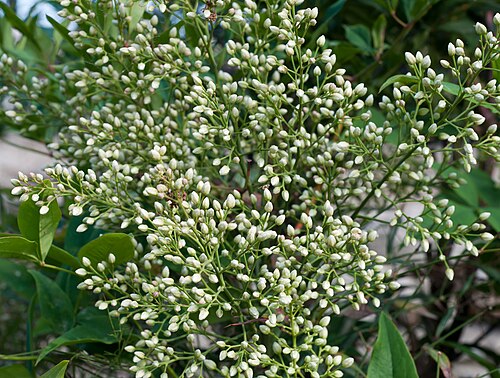
Nandina Note: Nandina is listed as deer-resistant but is not a ground cover. For a better option, consider Creeping Rosemary.
The strong, pungent aroma of rosemary is a well-known deer deterrent. Creeping rosemary is a low-growing, spreading variety that forms a beautiful evergreen mat, cascading over walls or spreading across sunny banks. Its needle-like leaves are highly aromatic, and it produces delicate blue flowers, especially in cooler months. It absolutely thrives in full sun and well-drained soil, tolerating the heat and drought of Zone 10 with ease. Beyond its deer resistance, it's also a culinary herb!
6. Sedum (Stonecrop) - Trailing Varieties
Many sedum varieties are excellent ground covers, and deer generally avoid them due to their succulent, often bitter-tasting foliage. For Zone 10, look for heat-tolerant, trailing types that can withstand the summer sun. They come in a wide array of leaf colors and textures, often producing clusters of star-shaped flowers. Sedums require full sun and excellent drainage, making them perfect for rock gardens, dry slopes, or as an alternative to turf in challenging, sunny spots.
Quick Reference: Deer-Resistant Ground Covers for Zone 10
| Plant Name | Light Needs | Deer Resistance | Key Features |
|---|---|---|---|
| Ajuga (Bugleweed) | Partial to Full Shade | High | Dense mat, colorful foliage, spring flowers, weed suppression |
| Blanket Flower | Full Sun | High | Bright, long-lasting blooms, attracts pollinators, heat/drought tolerant |
| Lantana | Full Sun | High | Continuous blooms, aromatic foliage, heat/drought tolerant |
| Mondo Grass | Partial to Full Shade | High | Fine-textured, evergreen, tough, shade tolerant |
| Liriope (Dwarf) | Sun to Shade | High | Grass-like, evergreen, purple/white flowers, versatile |
| Creeping Rosemary | Full Sun | High | Aromatic, evergreen, culinary, cascades, heat/drought tolerant |
| Sedum (Trailing) | Full Sun | High | Succulent foliage, diverse colors, very drought tolerant, low maintenance |
Tips for Success with Deer-Resistant Plantings
Even with deer-resistant plants, a few strategies can increase your success:
- Diversify: Plant a mix of deer-resistant species. A monoculture might become a target if deer are desperate.
- Initial Protection: Young plants are often more vulnerable. Consider temporary fencing or repellents until they are established.
- Repellents: Use commercial deer repellents or homemade solutions (like Irish Spring soap shavings or strong-smelling herbs) as an added layer of defense, especially during periods of high deer activity.
- Plant in Mass: Large groupings of deer-resistant plants can be more effective than scattered individual plants.
- Observe: Pay attention to what deer are actually eating in your neighborhood. Deer preferences can vary by region and even by individual deer.
- Good Garden Hygiene: Remove fallen fruit or vegetables that might attract deer to your yard.
Remember, no plant is truly deer-proof, but by selecting plants known for their resistance and employing smart gardening practices, you can significantly reduce deer damage in your Zone 10 garden.
If you suspect your pet has ingested a toxic plant, call the ASPCA Animal Poison Control Center immediately at (888) 426-4435.
Ready to find the perfect plants for your yard? Try the PlantWise Plant Finder →