Best Deer-Resistant Ground Covers for Zone 3
Finding plants that can withstand the harsh winters of Zone 3 and deter hungry deer can be a challenge, but deer-resistant ground covers offer an excellent solution. These low-growing, spreading plants are perfect for suppressing weeds, preventing erosion, and adding beauty to your landscape without becoming a deer buffet. Some of the best deer-resistant ground covers for Zone 3 include Creeping Phlox, Siberian Bugloss (Brunnera), Lamb's Ear, Thyme, and Sedum, all known for their cold hardiness and unappealing qualities to deer.
Deer can be a persistent nuisance in many gardens, especially in rural or semi-rural areas. While no plant is truly "deer-proof" - a hungry deer will eat almost anything - certain plants are significantly less appealing to them. This is often due to their texture (fuzzy, spiky), scent (aromatic, pungent), or taste (bitter, toxic). For Zone 3 gardeners, the added layer of extreme cold hardiness narrows down the options, but thankfully, there are still plenty of beautiful and effective choices.
🌱 Get Personalized Plant Picks
Answer a few quick questions and we’ll match plants to your exact yard conditions.
Find My Plants →Why Choose Ground Covers?
Ground covers are unsung heroes in the garden. Beyond their aesthetic appeal, they offer numerous practical benefits:
- Weed Suppression: A dense mat of ground cover shades out weed seeds, drastically reducing the need for weeding.
- Erosion Control: Their spreading root systems help stabilize soil, especially on slopes, preventing valuable topsoil from washing away.
- Moisture Retention: Ground covers act as a living mulch, keeping the soil cooler and reducing water evaporation, which means less watering for you.
- Habitat for Pollinators: Many ground covers produce flowers that attract bees, butterflies, and other beneficial insects.
- Low Maintenance: Once established, most ground covers require minimal care, making them ideal for busy gardeners or large areas.
Understanding Deer Resistance
Deer are browsers, and their preferences can vary based on local populations, food availability, and even individual deer. However, there are general characteristics that make plants less desirable:
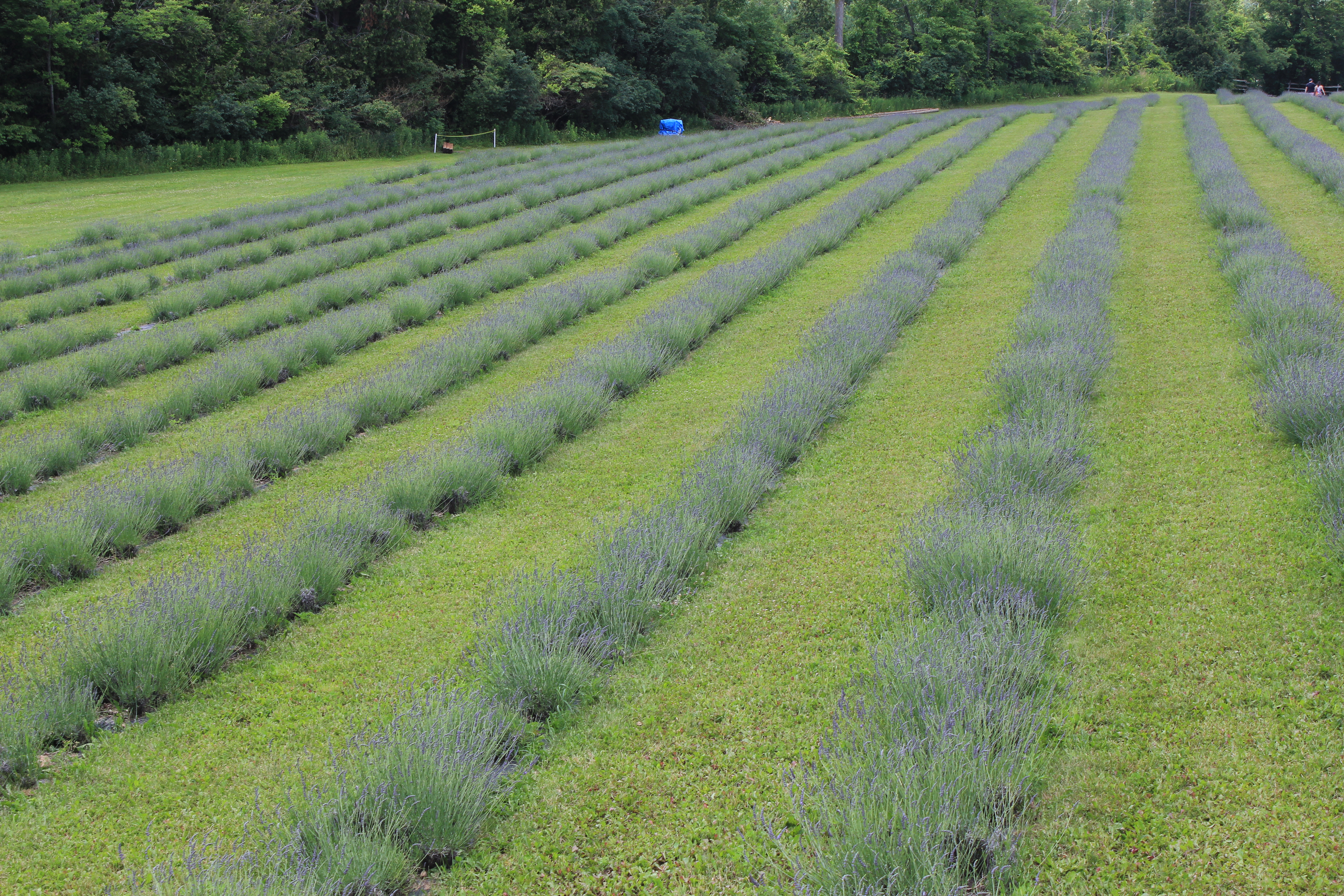
- Strong Scents: Aromatic herbs like thyme, lavender, and catmint are often ignored.
- Fuzzy or Hairy Leaves: Lamb's Ear is a prime example; deer dislike the texture.
- Bitter or Toxic Taste: While we don't want to encourage ingestion, plants with these qualities are usually avoided.
- Leathery or Tough Leaves: Some plants have leaves that are simply not palatable.
Remember, a plant listed as "deer-resistant" means it's less likely to be eaten, not that it will never be touched. New plantings, especially, can be vulnerable until established.
Top Deer-Resistant Ground Covers for Zone 3
Here are some excellent choices that thrive in cold climates and tend to be passed over by deer:
1. Creeping Phlox (Phlox subulata)
Creeping Phlox This popular perennial creates a stunning carpet of color in spring, typically in shades of pink, purple, blue, or white. Its needle-like foliage is unappealing to deer. It prefers full sun and well-drained soil, making it perfect for rock gardens, slopes, or spilling over retaining walls. Once established, it's very drought-tolerant.
2. Siberian Bugloss (Brunnera macrophylla)
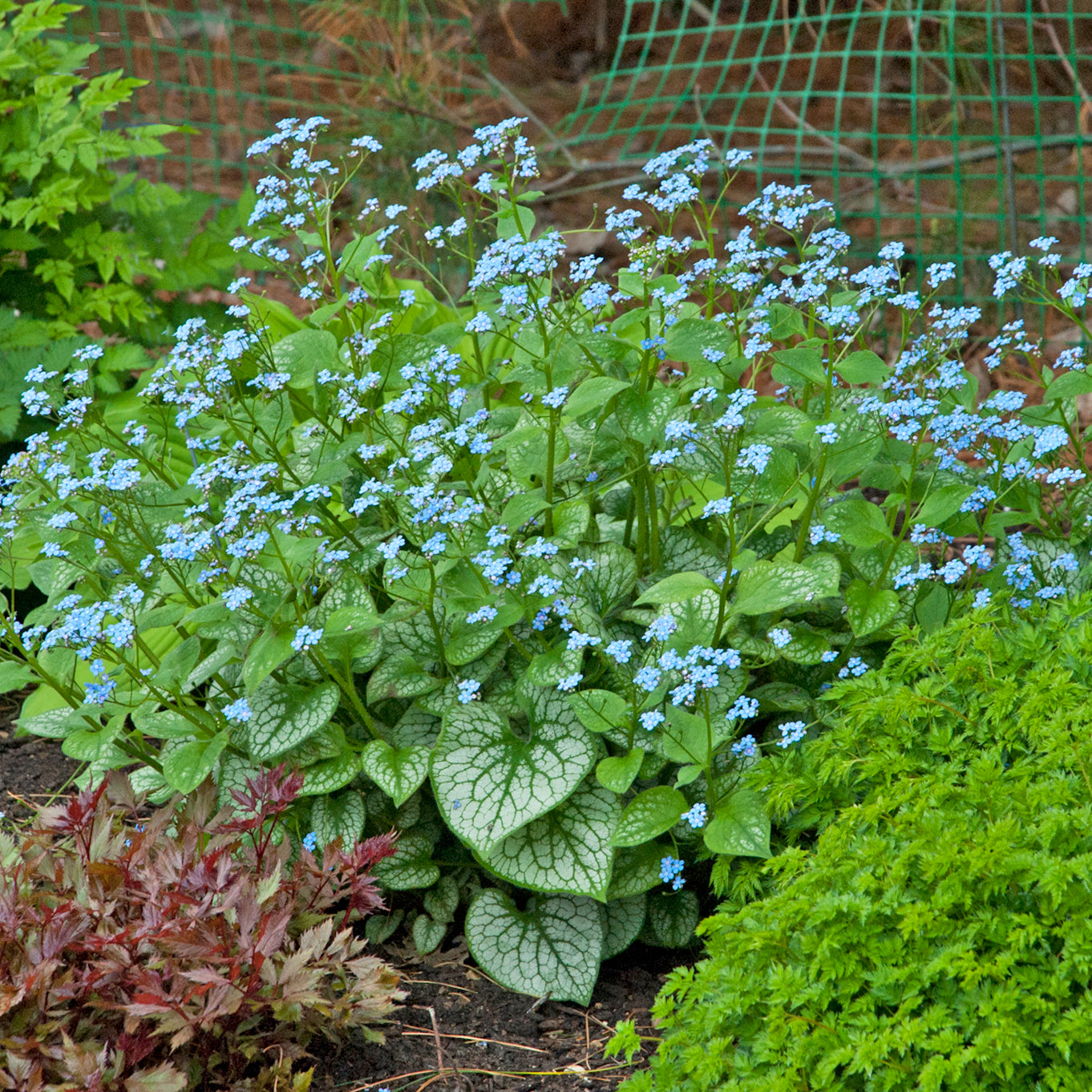
Siberian Bugloss 'Jack Frost' is a particularly popular cultivar, known for its striking silver-variegated heart-shaped leaves. Brunnera offers delicate sprays of blue, forget-me-not-like flowers in spring. Deer tend to avoid its slightly rough foliage. It thrives in partial to full shade and moist, well-drained soil, brightening up shady spots where other plants might struggle.
3. Lamb's Ear (Stachys byzantina)
Lambs Ear Instantly recognizable by its soft, fuzzy, silver-gray leaves, Lamb's Ear is a textural delight. Deer generally avoid it due to this unique texture. It's incredibly drought-tolerant once established and prefers full sun to partial shade. While it does produce flower spikes, many gardeners remove them to maintain the neat foliage mat.
4. Thyme (Thymus serpyllum, Thymus praecox)
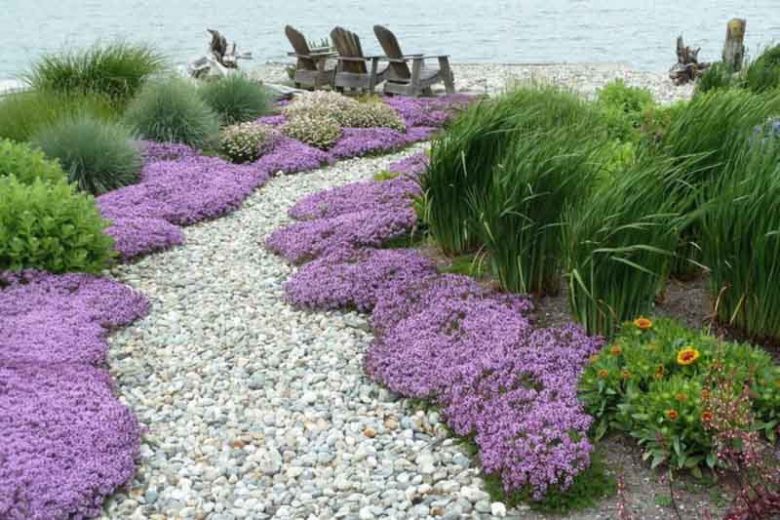
Creeping Thyme Various creeping thymes are fantastic deer-resistant ground covers. Their aromatic foliage, which releases a pleasant scent when walked upon, is a major deterrent for deer. They form dense mats of tiny leaves and produce small flowers that attract pollinators. Thyme loves full sun and well-drained soil, making it ideal for pathways, between stepping stones, or along borders.
5. Sedum (Stonecrop)
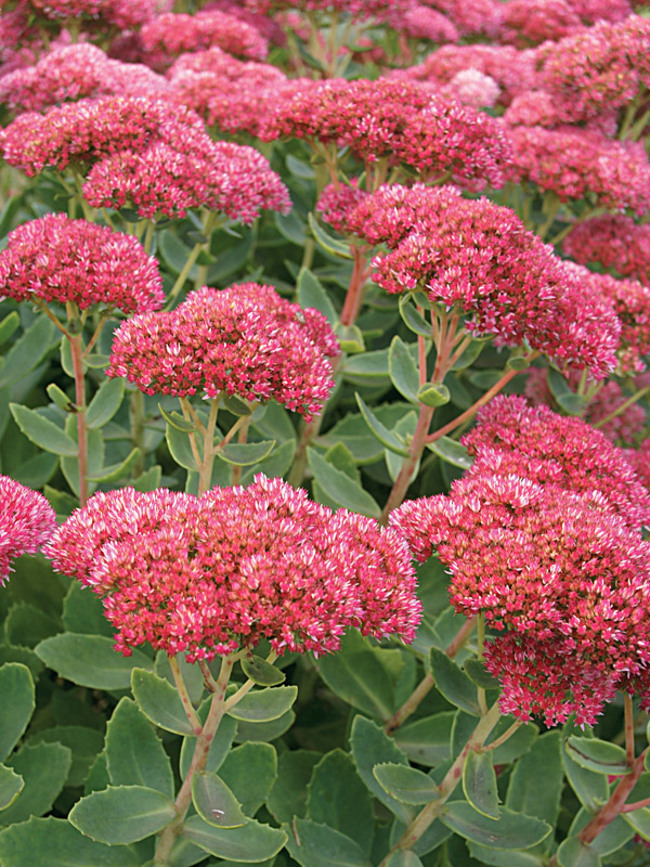
Sedum Autumn Fire Many low-growing Sedum varieties, often called stonecrop, are excellent deer-resistant ground covers for Zone 3. Their succulent leaves store water, making them incredibly drought-tolerant. They come in a wide array of leaf colors and textures, and many produce attractive flowers. Deer typically avoid them due to their fleshy, sometimes bitter, leaves. Examples include 'Dragon's Blood' or 'Blue Spruce'. They prefer full sun and well-drained soil.
6. Catmint (Nepeta)
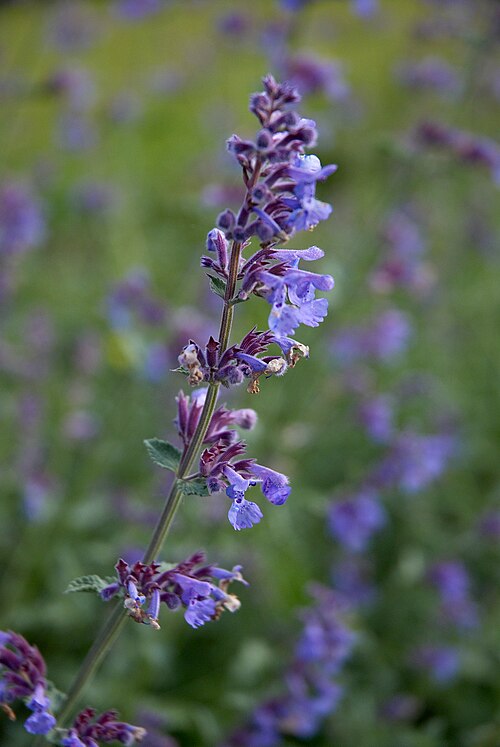
Catmint While often grown as a mounding perennial, some varieties of Catmint, like 'Walker's Low' (though taller) or 'Junior Walker', can spread to form a beautiful, aromatic ground cover. Its silvery-green foliage and spikes of lavender-blue flowers are highly attractive to pollinators but not to deer, thanks to its strong, minty scent. Catmint is very drought-tolerant and thrives in full sun.
7. Lungwort (Pulmonaria)
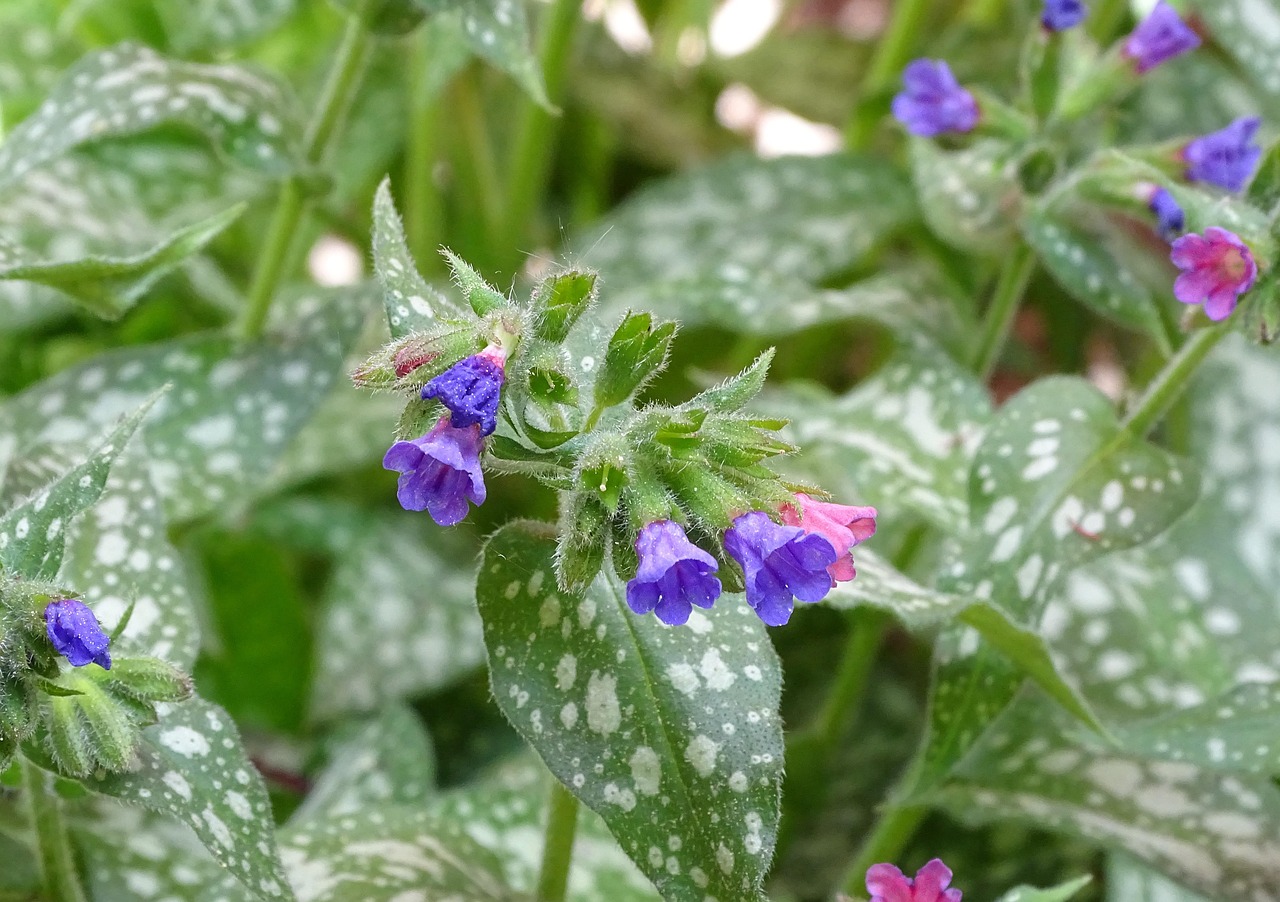
Lungwort Similar to Brunnera, Lungwort offers attractive, often spotted or variegated foliage that brightens up shady areas. Its early spring flowers, which can change color from pink to blue, are a welcome sight. Deer tend to leave it alone. It prefers partial to full shade and consistently moist soil.
Quick Reference: Deer-Resistant Ground Covers for Zone 3
| Plant Name | Light Needs | Soil Needs | Deer Resistance | Notes |
|---|---|---|---|---|
| Creeping Phlox | Full Sun | Well-drained | High | Spring bloom, drought-tolerant, great for slopes |
| Siberian Bugloss | Partial to Full Shade | Moist, well-drained | High | Striking foliage, blue spring flowers, shade lover |
| Lamb's Ear | Full Sun to Partial Shade | Well-drained, dry | High | Fuzzy silver foliage, very drought-tolerant |
| Thyme | Full Sun | Well-drained, sandy | High | Aromatic, good for pathways, attracts pollinators |
| Sedum (Stonecrop) | Full Sun | Well-drained, dry | High | Succulent leaves, very drought-tolerant, various forms |
| Catmint | Full Sun | Well-drained | High | Aromatic foliage, long bloom time, attracts pollinators |
| Lungwort | Partial to Full Shade | Moist, well-drained, rich | Medium to High | Spotted foliage, early spring flowers, good for shade |
Planting and Care Tips
- Site Selection: Always match the plant's light and soil requirements to your garden conditions for the best success.
- Soil Preparation: Amend heavy clay soils with compost to improve drainage, or sandy soils to improve water retention.
- Planting Density: For quick coverage, plant ground covers closer together according to their mature spread.
- Watering: Water new plantings regularly until they are established. Once established, most deer-resistant ground covers are quite drought-tolerant.
- Mulching: A thin layer of mulch around new plants can help retain moisture and suppress weeds while the ground cover fills in.
- Fertilizing: Most ground covers are not heavy feeders. A light application of balanced fertilizer in spring is usually sufficient if needed.
- Pruning: Some ground covers benefit from a light trim after flowering to encourage denser growth or neaten their appearance.
If you suspect your pet has ingested a toxic plant, call the ASPCA Animal Poison Control Center immediately at (888) 426-4435.
By selecting the right deer-resistant ground covers, you can create a beautiful, low-maintenance landscape in your Zone 3 garden that even the hungriest deer will likely pass by. Enjoy the beauty and benefits these resilient plants bring!
Ready to find the perfect plants for your yard? Try the PlantWise Plant Finder →