Best Deer-Resistant Ground Covers for Zone 4
Finding beautiful, low-maintenance plants that can withstand cold winters and hungry deer can be a challenge, especially in Zone 4. Fortunately, there are many excellent deer-resistant ground covers that thrive in these conditions, offering attractive foliage, colorful blooms, and erosion control without becoming a deer buffet. Some of the best options include tough perennials like Creeping Phlox, Sedum, Thyme, and various ornamental grasses, which deer tend to avoid due to their texture, scent, or taste. These plants establish quickly, suppress weeds, and provide year-round interest, making them ideal choices for northern gardens.
🌱 Get Personalized Plant Picks
Answer a few quick questions and we’ll match plants to your exact yard conditions.
Find My Plants →Why Deer-Resistant Ground Covers?
Deer are beautiful creatures, but their appetites can be a gardener's nightmare. If you live in an area with a high deer population, you know the frustration of seeing your carefully cultivated plants munched down overnight. Ground covers, in particular, can be vulnerable as they are easily accessible. Choosing deer-resistant varieties is crucial for maintaining a thriving landscape without resorting to constant fencing or repellents.
Beyond deterring deer, ground covers offer a host of benefits:
- Weed Suppression: A dense ground cover smothers weeds, reducing the need for constant weeding.
- Erosion Control: Their spreading root systems help stabilize soil on slopes and prevent runoff.
- Moisture Retention: They shade the soil, keeping it cooler and reducing water evaporation.
- Aesthetic Appeal: They create a lush, uniform carpet of foliage and often provide beautiful blooms.
- Low Maintenance: Once established, many ground covers require minimal care.
It's important to remember that no plant is truly deer-proof. A hungry deer, especially during harsh winters or droughts, will eat almost anything. However, the plants listed here are generally considered highly deer-resistant, meaning deer typically avoid them in favor of more palatable options.
Understanding Zone 4 and Deer Behavior
Zone 4 encompasses regions where winter temperatures can drop to -30°F to -20°F (-34°C to -29°C). This means any ground cover you choose must be exceptionally cold-hardy to survive and return year after year.
Deer tend to avoid plants with:
- Strong Scents: Aromatic foliage (like mints, thyme, or catmint) is often unappealing.
- Fuzzy or Hairy Textures: The texture can be unpleasant for them to chew.
- Leathery or Spiny Leaves: Difficult to digest or uncomfortable to eat.
- Toxic Properties: Plants that are poisonous to deer are naturally avoided.
If you suspect your pet has ingested a toxic plant, call the ASPCA Animal Poison Control Center immediately at (888) 426-4435.
Top Deer-Resistant Ground Covers for Zone 4
Here are some of our top picks for cold-hardy, deer-resistant ground covers that will thrive in your Zone 4 garden:
1. Creeping Phlox (Phlox subulata)
This perennial forms a dense, mat-like carpet of needle-like foliage, bursting into a spectacular display of pink, purple, blue, or white flowers in spring. It's perfect for rock gardens, slopes, or cascading over walls.
- Why deer avoid it: Its somewhat stiff, needle-like foliage is not palatable.
- Light: Full sun to partial shade
- Soil: Well-drained
- Height: 4-6 inches
- Spread: 1-2 feet
2. Sedum (Stonecrop)
Many low-growing Sedum varieties make excellent ground covers. Their succulent leaves store water, making them incredibly drought-tolerant once established. They offer a variety of foliage colors and late-season blooms.
- Why deer avoid it: Succulent, often rubbery leaves are not appealing.
- Light: Full sun
- Soil: Well-drained, even poor soil
- Height: 2-8 inches (depending on variety)
- Spread: 1-2 feet or more
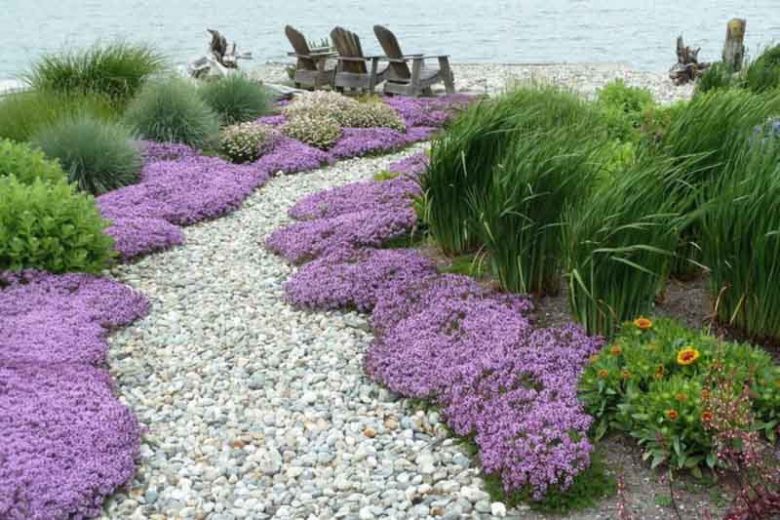
3. Thyme (Thymus spp.)
Various creeping thymes, like 'Elfin' or 'Red Creeping', create fragrant, dense mats. They are tough, drought-tolerant, and can even tolerate light foot traffic, making them great for pathways or between stepping stones.
- Why deer avoid it: Strong aromatic foliage.
- Light: Full sun
- Soil: Well-drained
- Height: 1-4 inches
- Spread: 1-2 feet
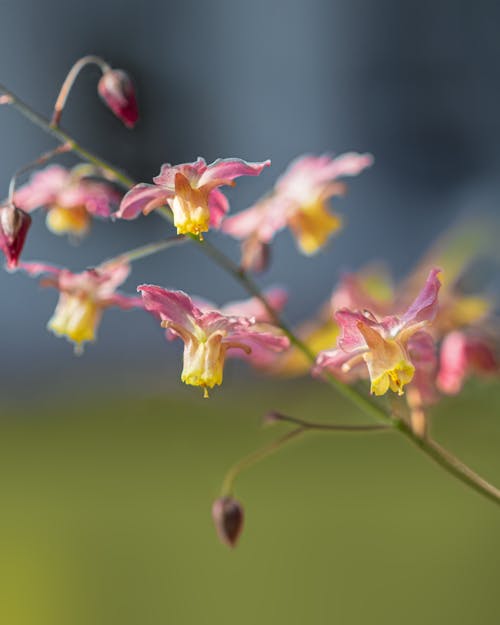
4. Barrenwort (Epimedium spp.)
Also known as Fairy Wings, Epimedium is a fantastic choice for shady spots. It forms delicate clumps of heart-shaped leaves that often take on beautiful bronze or red hues in spring and fall. Dainty, spurred flowers appear in spring.
- Why deer avoid it: Leathery, somewhat spiny foliage.
- Light: Partial to full shade
- Soil: Moist, well-drained, rich in organic matter
- Height: 8-12 inches
- Spread: 1-2 feet
5. Lamb's Ear (Stachys byzantina)
Known for its soft, silvery, fuzzy leaves, Lamb's Ear forms a beautiful, textural carpet. While it does produce flower spikes, it's primarily grown for its unique foliage.
- Why deer avoid it: Extremely fuzzy texture is unappealing to deer.
- Light: Full sun to partial shade
- Soil: Well-drained
- Height: 6-12 inches (foliage), 12-18 inches (flowers)
- Spread: 1-2 feet
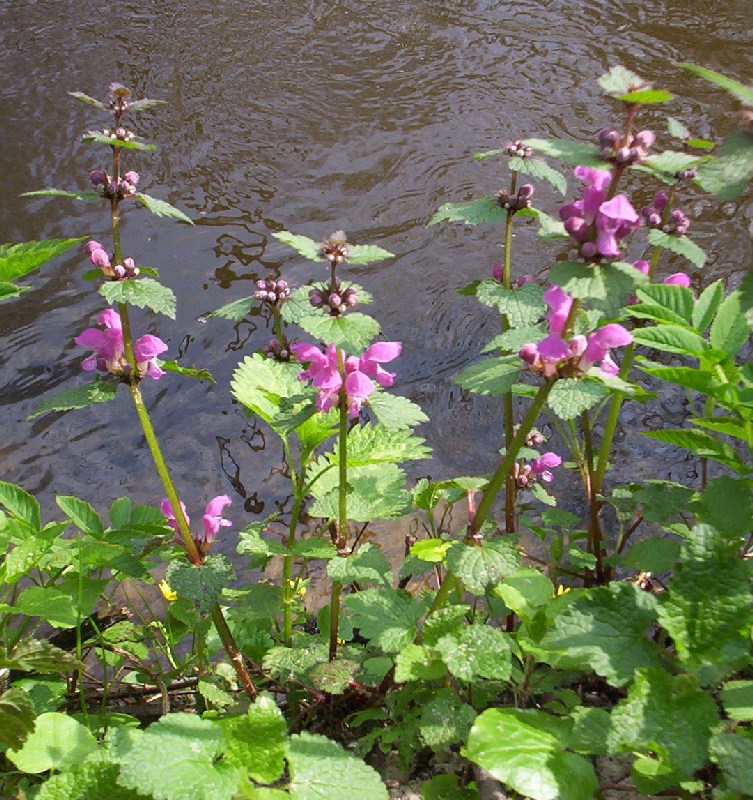
6. Spotted Dead Nettle (Lamium maculatum)
This vigorous ground cover brightens shady areas with its variegated foliage (often silver and green) and small pink, purple, or white flowers. It spreads readily but is generally easy to manage.
- Why deer avoid it: Slightly fuzzy, aromatic foliage.
- Light: Partial to full shade
- Soil: Moist, well-drained
- Height: 6-8 inches
- Spread: 1-2 feet
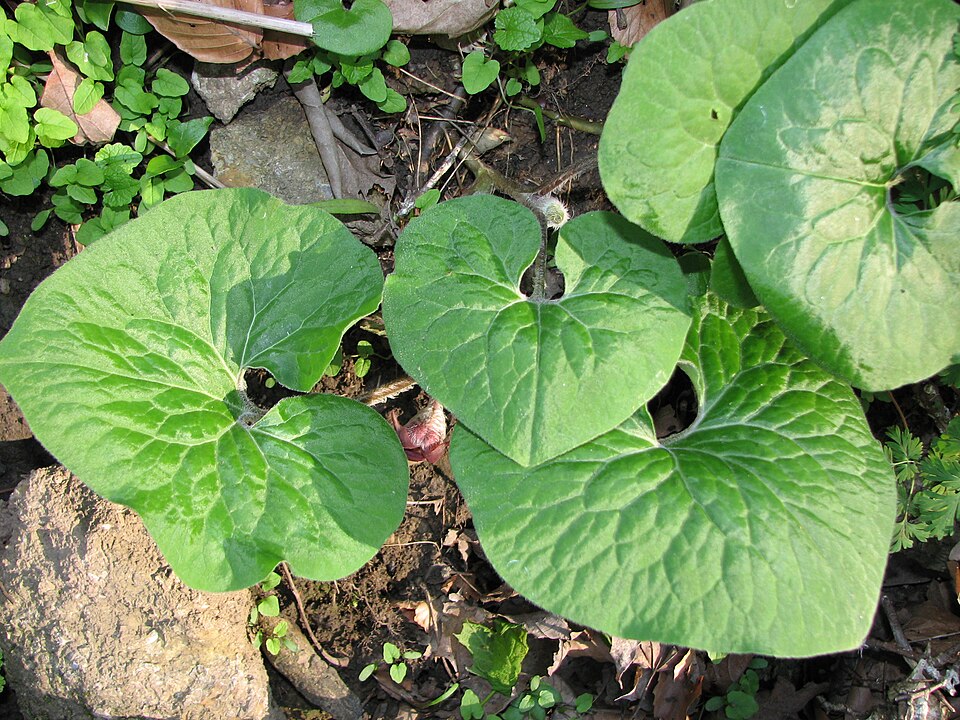
7. Wild Ginger (Asarum canadense)
For deep shade, Wild Ginger offers beautiful heart-shaped leaves that form a lush, dark green carpet. It's a native plant that spreads slowly but effectively.
- Why deer avoid it: Aromatic foliage that is not listed as toxic, but unpalatable to deer.
- Light: Full to deep shade
- Soil: Moist, rich, well-drained
- Height: 4-6 inches
- Spread: 1-2 feet
Other Deer-Resistant Perennials to Consider
While not strictly ground covers, these plants can be used in mass plantings to cover large areas and are also deer-resistant and cold-hardy for Zone 4.
Quick Reference: Deer-Resistant Ground Covers for Zone 4
| Plant Name | Light Needs | Soil Needs | Height (Foliage) | Deer Resistance | Notes |
|---|---|---|---|---|---|
| Creeping Phlox | Full sun to part | Well-drained | 4-6 inches | High | Spring blooms, good for slopes |
| Sedum (low-growing) | Full sun | Well-drained, poor | 2-8 inches | High | Drought-tolerant, succulent foliage |
| Thyme (creeping) | Full sun | Well-drained | 1-4 inches | High | Fragrant, tolerates light foot traffic |
| Barrenwort | Part to full shade | Moist, well-drained | 8-12 inches | High | Unique foliage, shade lover |
| Lamb's Ear | Full sun to part | Well-drained | 6-12 inches | High | Fuzzy, silver foliage |
| Spotted Dead Nettle | Part to full shade | Moist, well-drained | 6-8 inches | High | Variegated foliage, brightens shade |
| Wild Ginger | Full to deep shade | Moist, rich | 4-6 inches | High | Native, heart-shaped leaves |
Tips for Success with Deer-Resistant Ground Covers
- Prepare the Soil: Most ground covers prefer well-drained soil. Amend heavy clay soils with compost to improve drainage and fertility.
- Plant Densely: To achieve a solid carpet and suppress weeds quickly, plant ground covers closer together than you might with other perennials.
- Water Regularly During Establishment: Even drought-tolerant plants need consistent watering during their first growing season to develop strong root systems.
- Mulch Initially: A thin layer of mulch around new plantings can help retain moisture and keep weeds down until the ground cover fills in.
- Monitor for Pests/Diseases: While generally low-maintenance, keep an eye out for any issues.
- Consider Deer Pressure: If deer pressure is extremely high, even "resistant" plants might get nibbled. In such cases, consider additional deterrents like repellents or temporary fencing until plants are well-established.
By selecting the right deer-resistant ground covers, you can create a beautiful, low-maintenance, and deer-friendly landscape in your Zone 4 garden.
Ready to find the perfect plants for your yard? Try the PlantWise Plant Finder →