Best Deer-Resistant Ground Covers for Zone 5
For gardeners in USDA Zone 5 dealing with persistent deer browsing, choosing the right ground covers can transform your landscape from a deer buffet to a resilient, beautiful space. The best deer-resistant ground covers for Zone 5 are typically low-growing, cold-hardy plants that deer find unpalatable due to their strong scent, fuzzy or tough texture, or bitter taste. Excellent choices include creeping phlox, sedum, ajuga, pachysandra, and various types of thyme, all of which can thrive in Zone 5's cold winters while deterring deer.
Deer can be a significant challenge for gardeners, especially in areas where their natural habitat overlaps with residential spaces. They're opportunistic eaters, and while no plant is truly deer-proof when they're hungry enough, certain ground covers are consistently less appealing to them. By selecting these hardy, low-maintenance options, you can create attractive, dense plantings that suppress weeds, prevent erosion, and add year-round interest to your Zone 5 garden without constantly worrying about deer damage.
Why Choose Deer-Resistant Ground Covers?
Ground covers serve multiple purposes in the garden. They are excellent for filling in bare spots, stabilizing soil on slopes, reducing weed growth, and providing a living mulch that conserves soil moisture. When you add deer resistance to the mix, these plants become even more valuable, especially in Zone 5 where deer populations can be high and winter forage is scarce.
Deer-resistant ground covers help you:
- Reduce Deer Damage: By planting things deer don't like, you steer them away from your garden beds.
- Save Time and Effort: Less time spent repairing deer damage or applying repellents.
- Enhance Garden Beauty: Create lush, low-maintenance carpets of foliage and flowers.
- Improve Soil Health: Ground covers protect soil from erosion and compaction.
- Support Pollinators: Many ground covers offer early or late-season blooms for beneficial insects.
Remember, the term "deer-resistant" means deer tend to avoid these plants. A hungry deer, especially during harsh winters, might sample anything. However, consistently choosing plants from this category will significantly reduce your gardening headaches.
🌱 Get Personalized Plant Picks
Answer a few quick questions and we’ll match plants to your exact yard conditions.
Find My Plants →Top Deer-Resistant Ground Covers for Zone 5
Here are some of our favorite deer-resistant ground covers that are well-suited for Zone 5 climates, offering a variety of textures, colors, and bloom times.
1. Creeping Phlox (Phlox subulata)
Creeping Phlox This perennial favorite is a spectacular sight in spring, forming dense mats covered in a profusion of small, star-shaped flowers in shades of pink, purple, white, and blue. Creeping phlox is extremely drought-tolerant once established and thrives in full sun with well-drained soil. Its slightly prickly texture and strong scent are generally unappealing to deer. It's perfect for rock gardens, slopes, or spilling over retaining walls.
2. Sedum (Stonecrop)
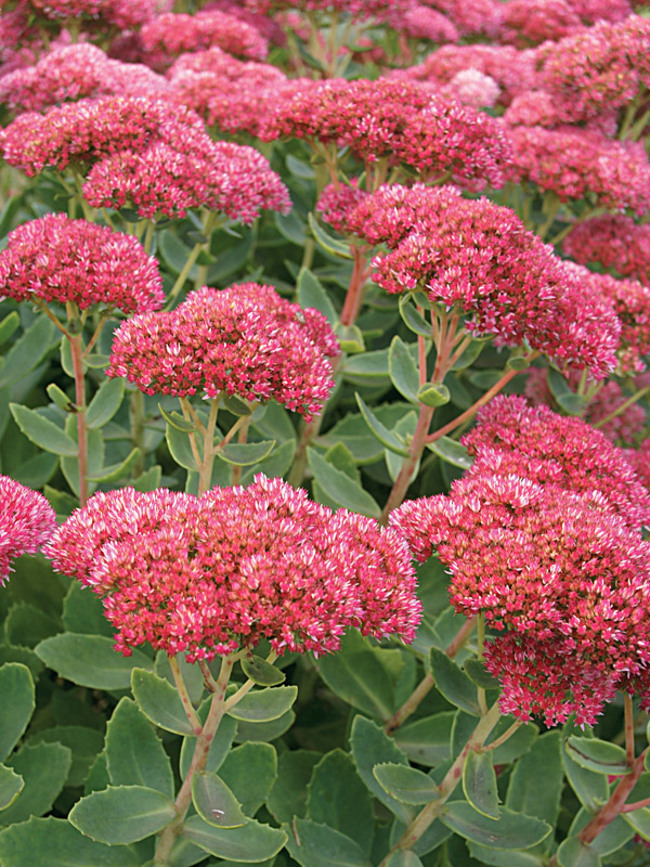
Sedum Autumn Fire Sedum, particularly low-growing varieties like Sedum spurium (Two-Row Stonecrop) or Sedum album (White Stonecrop), are fantastic deer-resistant options. These succulents are incredibly tough, drought-tolerant, and thrive in full sun to partial shade in poor, well-drained soil. They offer attractive foliage that can range from green to red to variegated, often with late-season blooms that are a magnet for pollinators. Deer typically avoid sedum due to its thick, fleshy leaves.
3. Ajuga (Bugleweed)
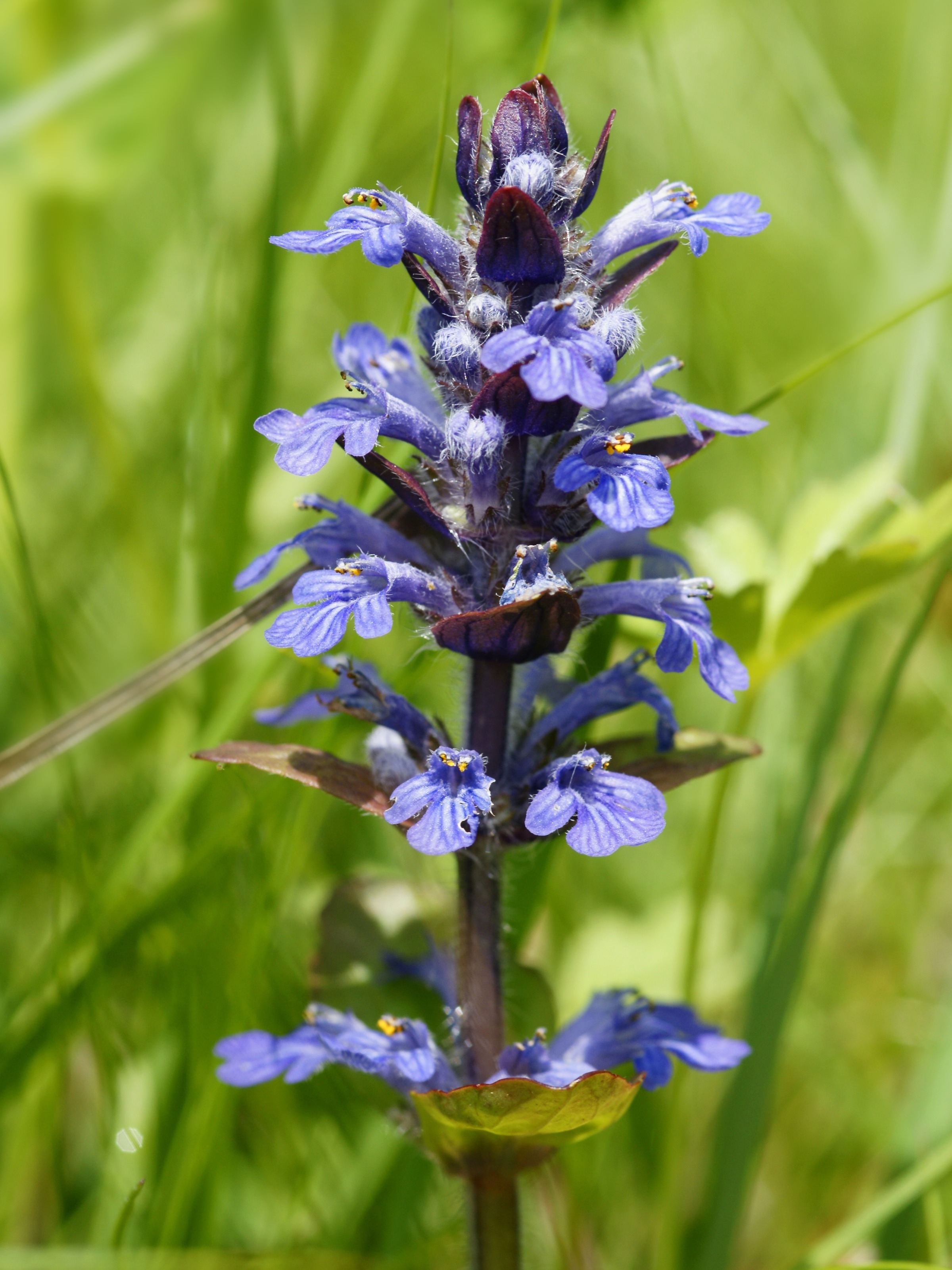
Ajuga Ajuga is a versatile and vigorous ground cover known for its attractive foliage, which comes in shades of green, bronze, purple, and variegated patterns. It produces spikes of blue, purple, or pink flowers in spring. Ajuga prefers partial to full shade and moist, well-drained soil, making it an excellent choice for shadier spots where other ground covers might struggle. Deer tend to leave ajuga alone, likely due to its slightly bitter taste.
4. Pachysandra (Japanese Spurge)
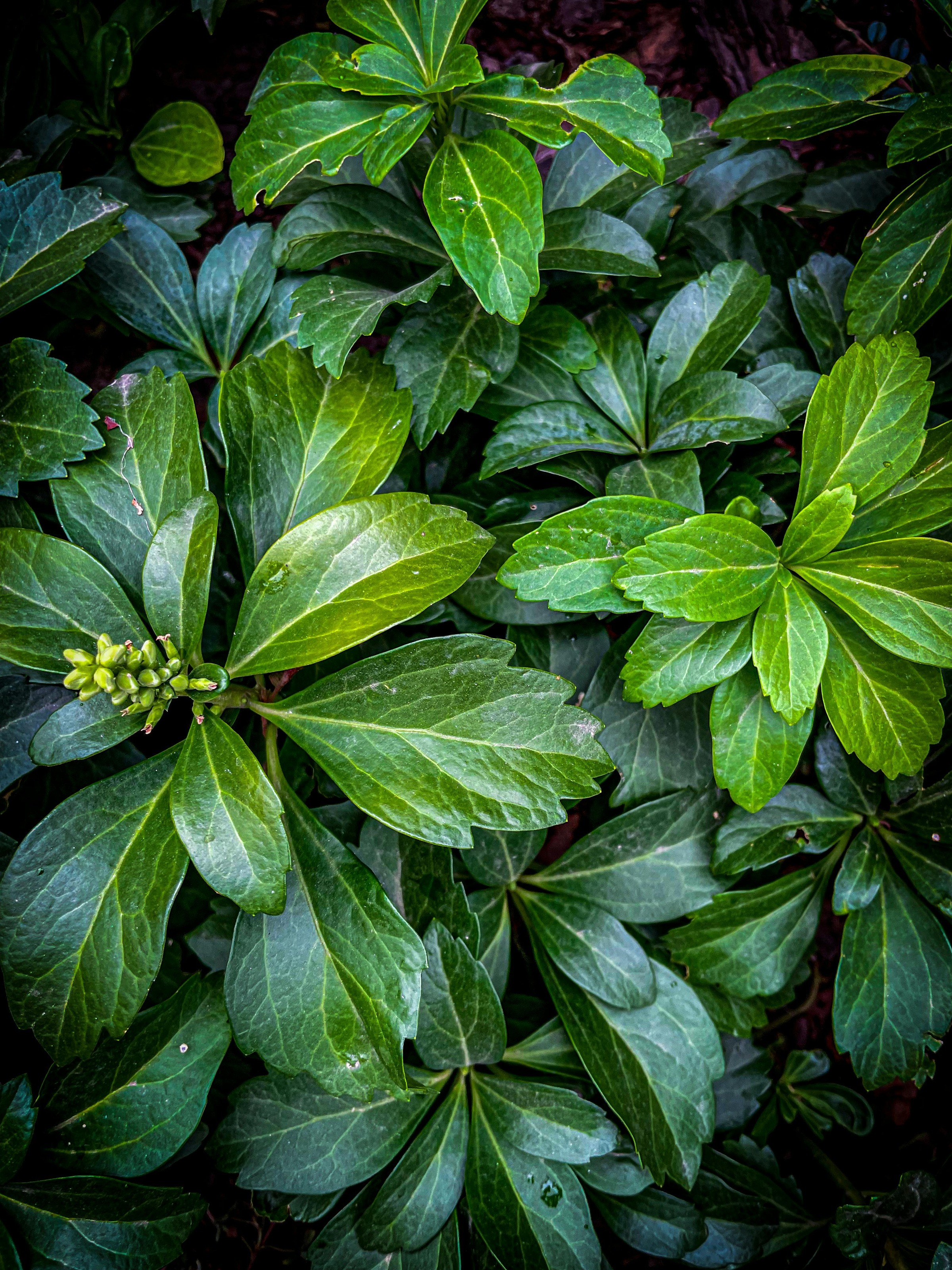
A classic choice for shady, deer-prone areas, Pachysandra is an evergreen ground cover that forms a dense carpet of glossy, dark green leaves. It's incredibly low-maintenance and thrives in full to partial shade, even tolerating dry shade once established. While it produces small white flowers in spring, its primary appeal is its consistent, attractive foliage. Deer rarely bother pachysandra, making it a reliable option for under trees or in woodland gardens.
5. Thyme (Thymus species)
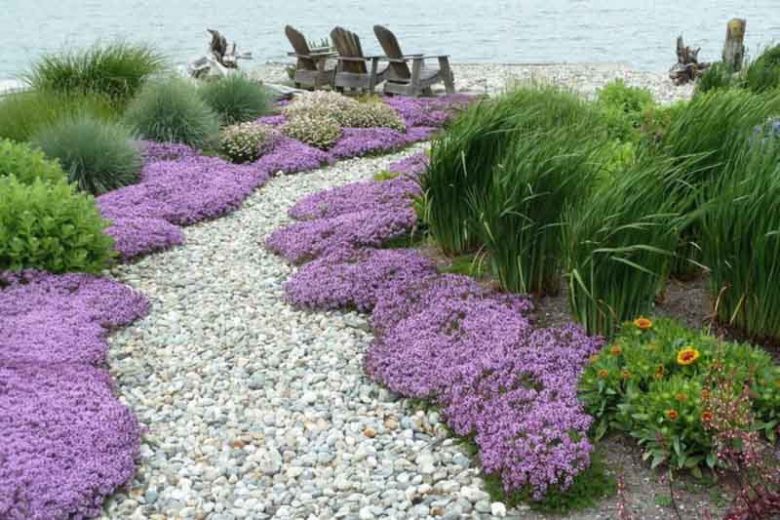
Creeping thymes, such as Thymus serpyllum (Creeping Thyme) or Thymus praecox (Mother of Thyme), are wonderfully fragrant and tough ground covers. They form dense, low-growing mats that can even tolerate light foot traffic. Thyme prefers full sun and well-drained soil and produces tiny flowers that attract bees. Deer typically avoid thyme due to its strong aromatic oils. It's perfect for filling in cracks in pathways, rock gardens, or along borders.
6. Lamiastrum galeobdolon (Yellow Archangel)
While vigorous and sometimes considered aggressive, Yellow Archangel is an excellent choice for challenging, shady, deer-prone areas where you need a tough ground cover. It features attractive silver-variegated green leaves and produces yellow flowers in spring. It tolerates dry shade well and is reliably deer-resistant. If you have a large, difficult area to cover and don't mind its spreading habit, it's a strong contender.
Quick Reference: Deer-Resistant Ground Covers for Zone 5
| Plant Name | Sun Exposure | Soil Preference | Deer Resistance | Notes |
|---|---|---|---|---|
| Creeping Phlox | Full Sun | Well-drained | High | Spring blooms, drought-tolerant, great for slopes |
| Sedum (low-growing) | Full Sun to Part Shade | Well-drained, poor soil | High | Succulent, very tough, attractive foliage |
| Ajuga (Bugleweed) | Part Shade to Full Shade | Moist, well-drained | High | Colorful foliage, spreads well, good for shady spots |
| Pachysandra | Full to Part Shade | Moist, well-drained | High | Evergreen, classic for shade, low maintenance |
| Thyme (creeping) | Full Sun | Well-drained | High | Aromatic, drought-tolerant, tolerates light foot traffic |
| Yellow Archangel | Part Shade to Full Shade | Tolerates dry shade | High | Vigorous, silver-variegated foliage, good for tough spots |
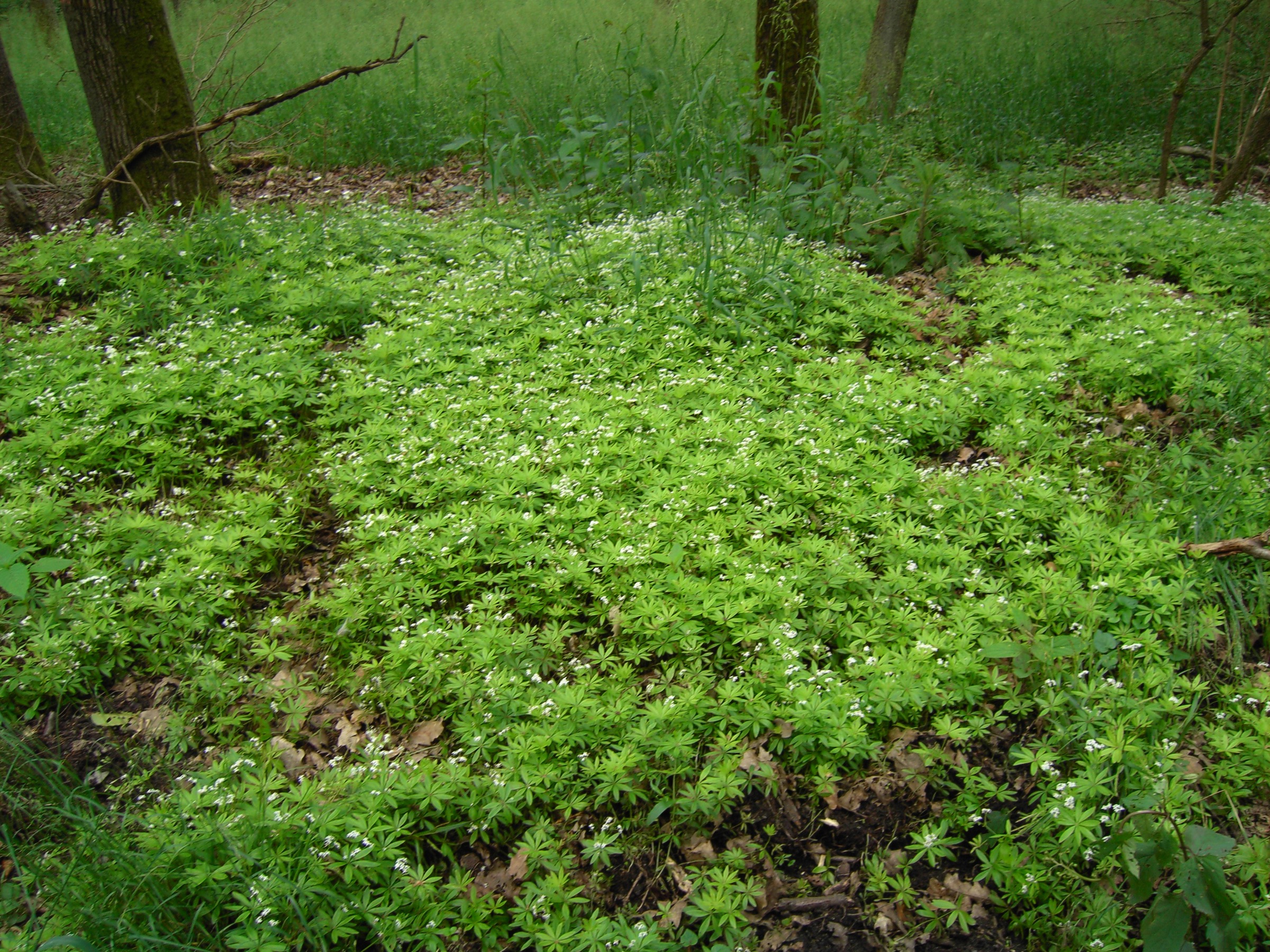
| Sweet Woodruff | Part Shade to Full Shade | Moist, well-drained, rich | High | Delicate white flowers, fragrant foliage, spreads easily |
Designing with Deer-Resistant Ground Covers
Integrating these ground covers into your Zone 5 landscape is straightforward.
- Mass Plantings: Use them to create large, sweeping beds that provide a unified look and suppress weeds effectively.
- Underplanting: Plant them beneath deer-resistant shrubs and trees to complete the garden layers.
- Slopes and Banks: Many ground covers are excellent for erosion control on sloped areas.
- Edging: Define pathways or garden beds with a neat border of low-growing ground covers.
- Rock Gardens: Creeping phlox and sedum are perfect for tucking into crevices among rocks.
When planting, ensure proper soil preparation, including amending with compost if necessary, and provide adequate water until the plants are established. Most of these ground covers are quite resilient once settled in.
Pet Safety Considerations
When selecting plants for your garden, especially if you have pets, it's always wise to be informed. Of the ground covers mentioned:
- Creeping Phlox (Phlox subulata): Not listed as toxic to dogs or cats by the ASPCA.
- Sedum (Stonecrop): Some Sedum species are not listed as toxic, but others may cause mild gastrointestinal upset. It's best to err on the side of caution.
- Ajuga (Bugleweed): Not listed as toxic to dogs or cats by the ASPCA.
- Pachysandra (Japanese Spurge): Listed as toxic to dogs and cats, potentially causing vomiting and diarrhea if ingested.
- Thyme (Thymus species): Culinary thyme is generally considered safe in small amounts, but large ingestions could cause mild stomach upset.
- Lamiastrum galeobdolon (Yellow Archangel): Not listed as toxic to dogs or cats by the ASPCA.
If you suspect your pet has ingested a toxic plant, call the ASPCA Animal Poison Control Center immediately at (888) 426-4435.
By thoughtfully selecting deer-resistant ground covers, you can cultivate a beautiful, thriving garden in Zone 5 that stands up to the challenges of local wildlife. These hardy plants offer an attractive, low-maintenance solution for gardeners looking to minimize deer damage and maximize garden enjoyment.
Ready to find the perfect plants for your yard? Try the PlantWise Plant Finder →