Best Deer-Resistant Ground Covers for Zone 6
For gardeners in USDA Hardiness Zone 6 dealing with persistent deer browsing, selecting the right ground covers can transform your landscape from a deer buffet to a thriving, low-maintenance haven. The best deer-resistant ground covers for Zone 6 are typically those with strong fragrances, fuzzy or spiky textures, or a bitter taste that deer find unappealing. Excellent choices include Catmint (Nepeta), Creeping Phlox (Phlox subulata), Pachysandra (Pachysandra terminalis), and various Sedum varieties, all of which offer beautiful coverage while deterring deer.
Deer can be a significant challenge for many gardeners, especially in Zone 6, where suburban development often encroaches on natural deer habitats. While no plant is truly "deer-proof" - a hungry deer will eat almost anything - many plants are far less appealing to them. By choosing ground covers known for their deer resistance, you can create an attractive, low-maintenance landscape that helps keep these browsing animals at bay.
Understanding Deer Resistance
Deer are selective eaters, and their preferences are influenced by several factors:
- Taste and Smell: Plants with strong aromatic foliage (like herbs) or bitter-tasting leaves are often avoided.
- Texture: Fuzzy, thorny, or spiky leaves and stems are generally less palatable.
- Toxicity: Deer tend to avoid plants that are toxic or irritating to them.
- Availability: When food is scarce, deer will broaden their diet, sometimes eating plants they would normally ignore.
It's important to remember that deer resistance is not a guarantee. A plant that is ignored by deer in one garden might be nibbled in another, especially during harsh winters or droughts when other food sources are scarce. However, by planting a majority of deer-resistant options, you significantly reduce the likelihood of extensive damage.
🌱 Get Personalized Plant Picks
Answer a few quick questions and we’ll match plants to your exact yard conditions.
Find My Plants →Why Choose Ground Covers?
Ground covers offer numerous benefits beyond just deterring deer:
- Weed Suppression: Dense ground covers smother weeds by blocking sunlight and competing for resources.
- Erosion Control: Their spreading root systems help stabilize soil on slopes and prevent runoff.
- Moisture Retention: They shade the soil, reducing evaporation and keeping the ground cooler.
- Aesthetic Appeal: They provide a lush, continuous carpet of foliage and often flowers, unifying garden beds.
- Reduced Maintenance: Once established, most ground covers require less watering, fertilizing, and weeding than traditional annual beds.
Top Deer-Resistant Ground Covers for Zone 6
Here are some of the best options for Zone 6 gardeners looking to deter deer while adding beauty and function to their landscape:
1. Catmint (Nepeta spp.)
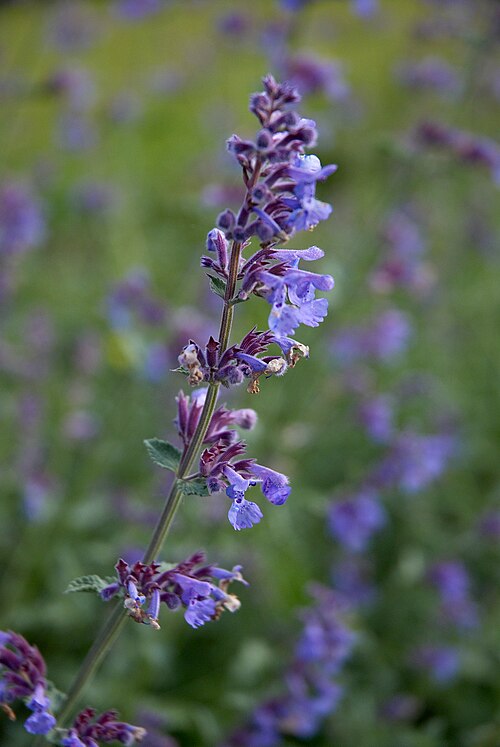
Catmint Catmint is a superstar for deer resistance. Its aromatic, silvery-green foliage and spikes of lavender-blue flowers are highly attractive to pollinators but a major turn-off for deer. It's incredibly drought-tolerant once established and thrives in full sun to partial shade. 'Walker's Low' is a popular cultivar, forming neat mounds of fragrant foliage.
- Light: Full sun to partial shade
- Soil: Well-drained
- Height: 1-3 feet
- Spread: 1-3 feet
- Bloom Time: Late spring to fall
- Deer Resistance: High (due to strong fragrance)
2. Creeping Phlox (Phlox subulata)
This low-growing, mat-forming perennial is a spring showstopper, blanketing the ground with vibrant flowers in shades of pink, purple, blue, and white. Its needle-like foliage is not palatable to deer, making it an excellent choice for sunny slopes, rock gardens, or along pathways.
- Light: Full sun
- Soil: Well-drained
- Height: 4-6 inches
- Spread: 1-2 feet
- Bloom Time: Spring
- Deer Resistance: High (due to texture and taste)
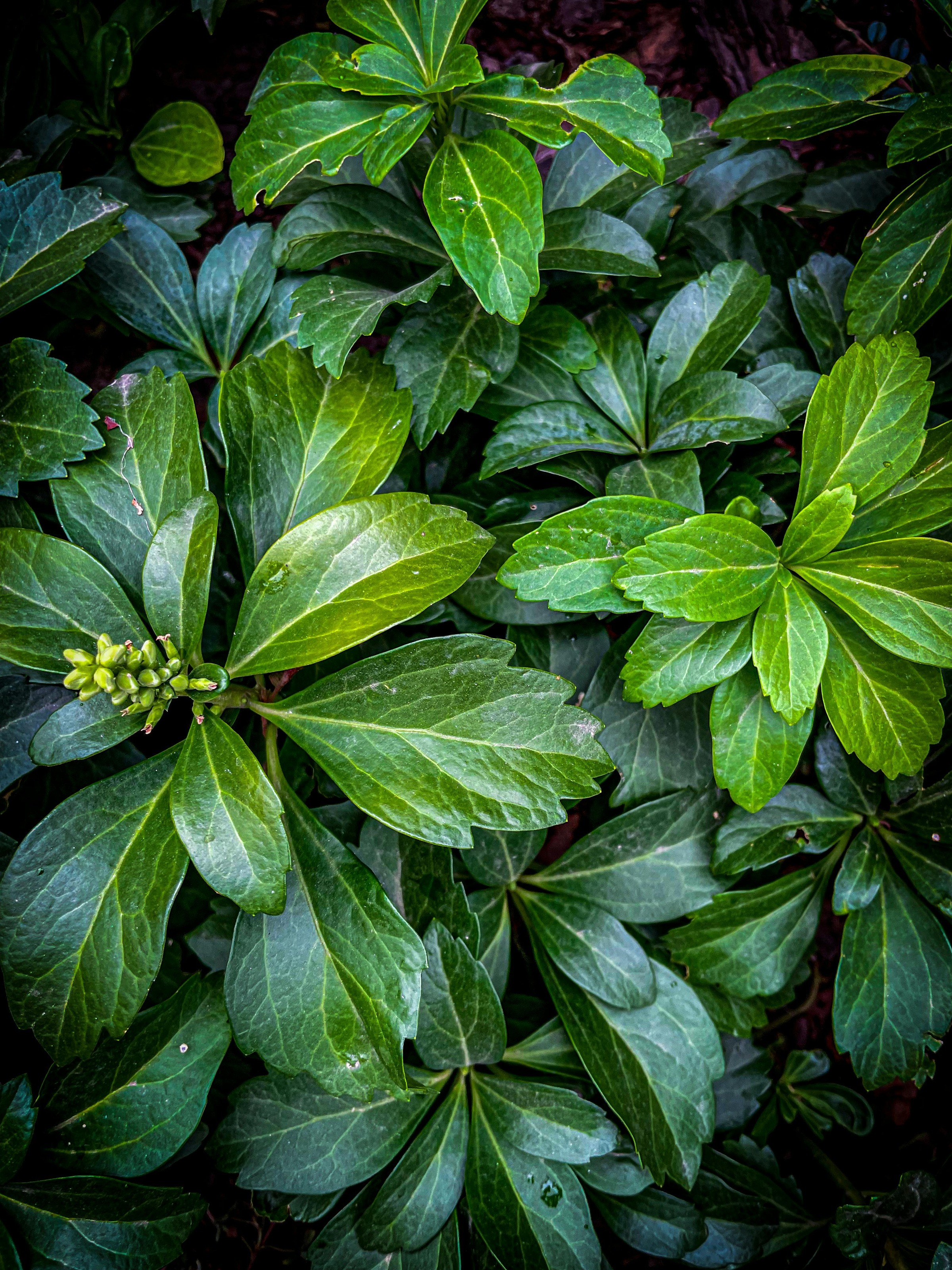
3. Pachysandra (Pachysandra terminalis)
For shadier spots, Japanese Pachysandra is a classic evergreen ground cover. Its glossy, dark green leaves form a dense carpet that deer tend to avoid. It spreads reliably, making it ideal for covering large areas under trees or in woodland gardens. While it can be aggressive in some areas, its evergreen nature and deer resistance make it a valuable choice for tough, shady spots.
- Light: Partial to full shade
- Soil: Moist, well-drained, acidic
- Height: 6-12 inches
- Spread: Spreading
- Bloom Time: Spring (insignificant white flowers)
- Deer Resistance: High (due to taste)
4. Sedum (Stonecrop)
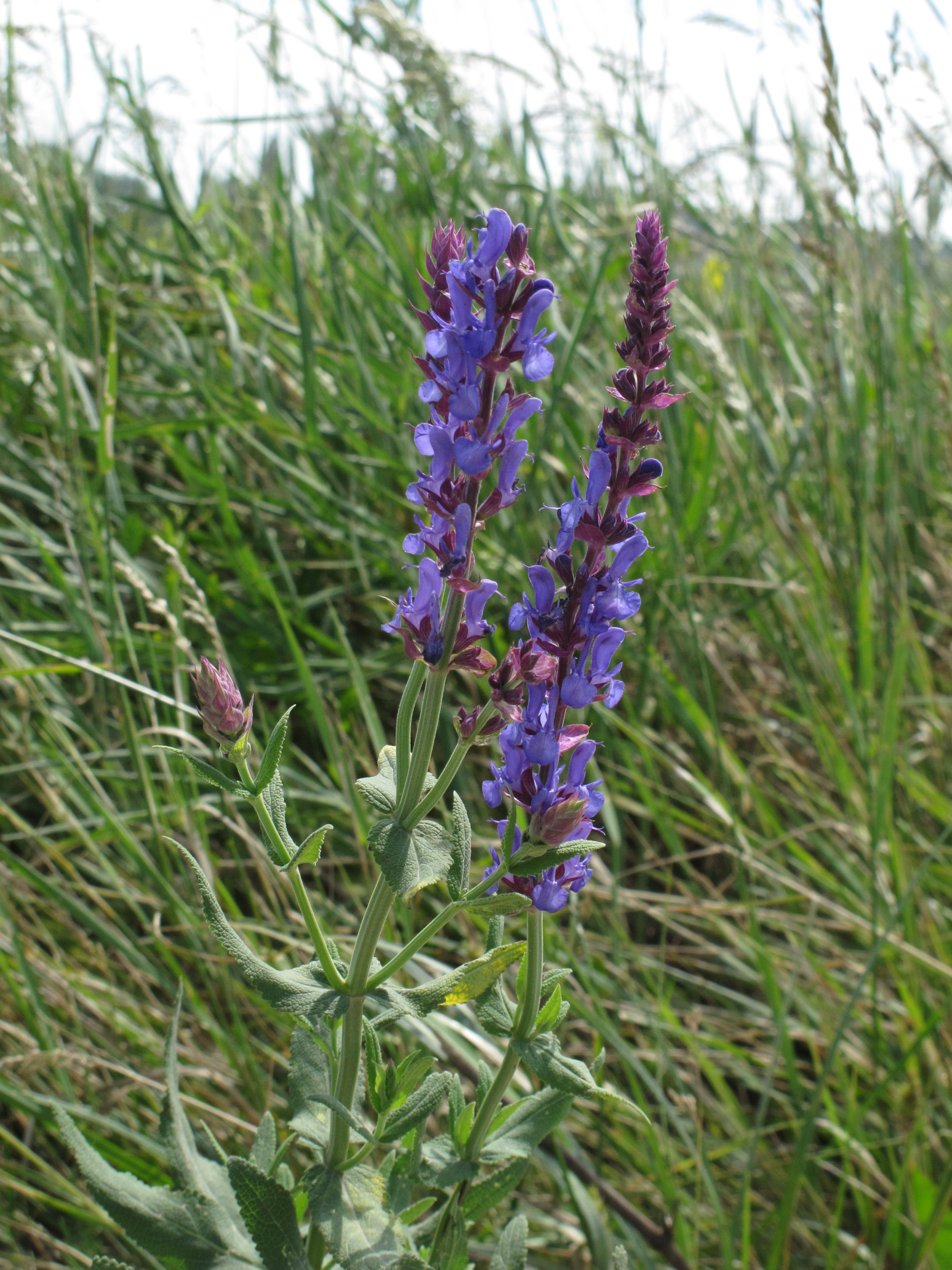
Salvia Many varieties of Sedum, both upright and creeping, are highly deer resistant. Their succulent leaves and often vibrant flowers are not appealing to deer. Creeping varieties like Sedum spurium, Sedum acre, and Sedum album form dense mats of foliage that can tolerate dry, poor soils and full sun. They are excellent for rock gardens, green roofs, or as a living mulch.
- Light: Full sun
- Soil: Well-drained, even poor soil
- Height: 2-10 inches (creeping types)
- Spread: 1-2 feet (creeping types)
- Bloom Time: Summer to fall
- Deer Resistance: High (due to succulent, often bitter leaves)
5. Lamiastrum galeobdolon (Yellow Archangel)
This vigorous evergreen ground cover features attractive silver-variegated green leaves and small yellow flowers in spring. It's incredibly tough and thrives in shade, spreading quickly to form a dense mat. Deer generally leave it alone due to its slightly fuzzy texture and taste. Be aware that it can be very aggressive, so plant it where its spread can be managed or in areas where you want complete coverage.
- Light: Partial to full shade
- Soil: Adaptable, prefers moist
- Height: 6-12 inches
- Spread: Spreading
- Bloom Time: Spring
- Deer Resistance: High (due to texture and taste)
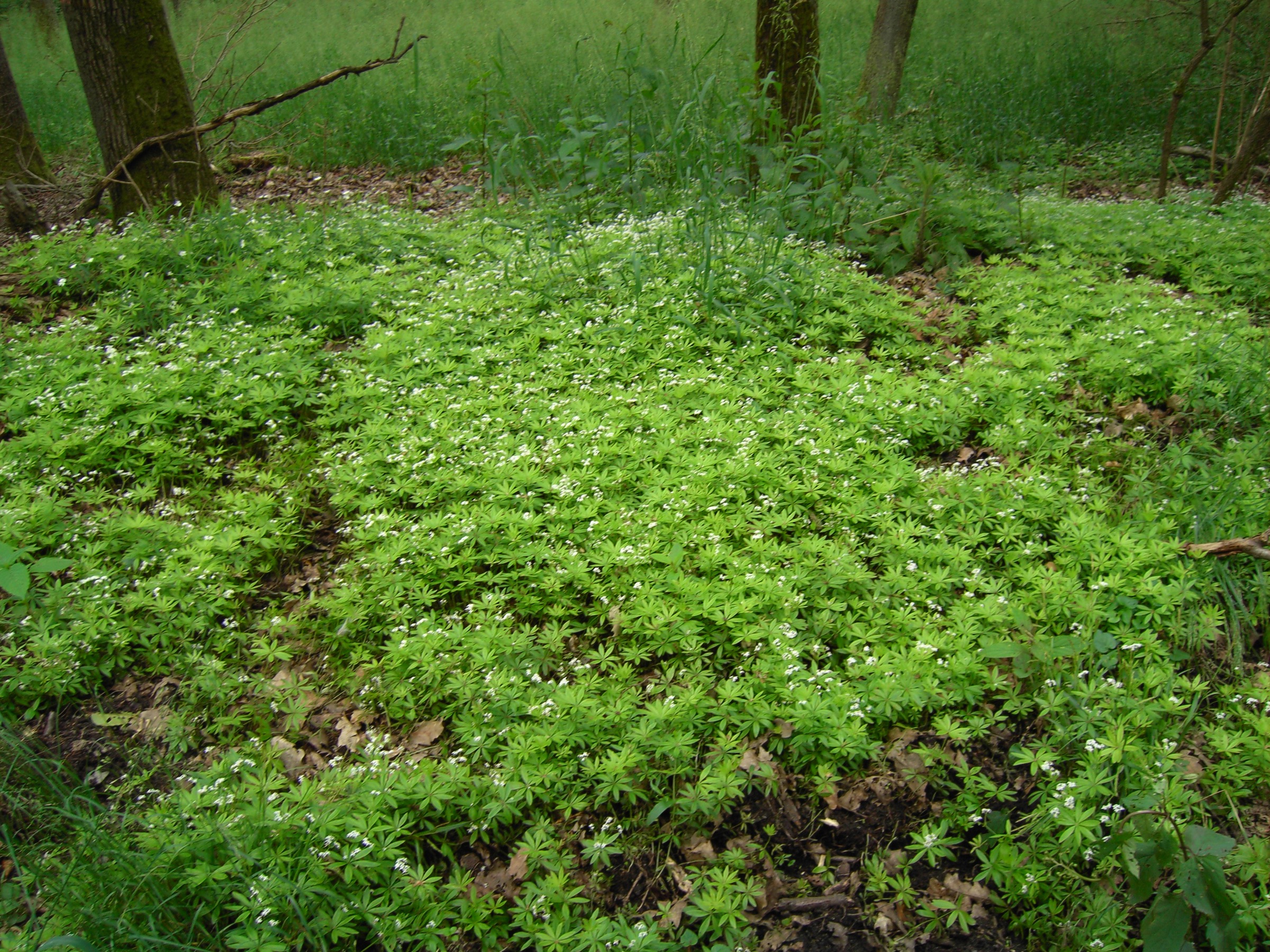
6. Sweet Woodruff (Galium odoratum)
For a delicate, fragrant ground cover in shade, Sweet Woodruff is an excellent choice. Its whorls of bright green leaves and tiny white flowers create a lovely carpet. Deer typically avoid it due to its slightly bitter taste and unique aroma, which becomes more pronounced when the leaves are crushed or dried.
- Light: Partial to full shade
- Soil: Moist, well-drained
- Height: 6-12 inches
- Spread: Spreading
- Bloom Time: Spring
- Deer Resistance: High (due to fragrance and taste)
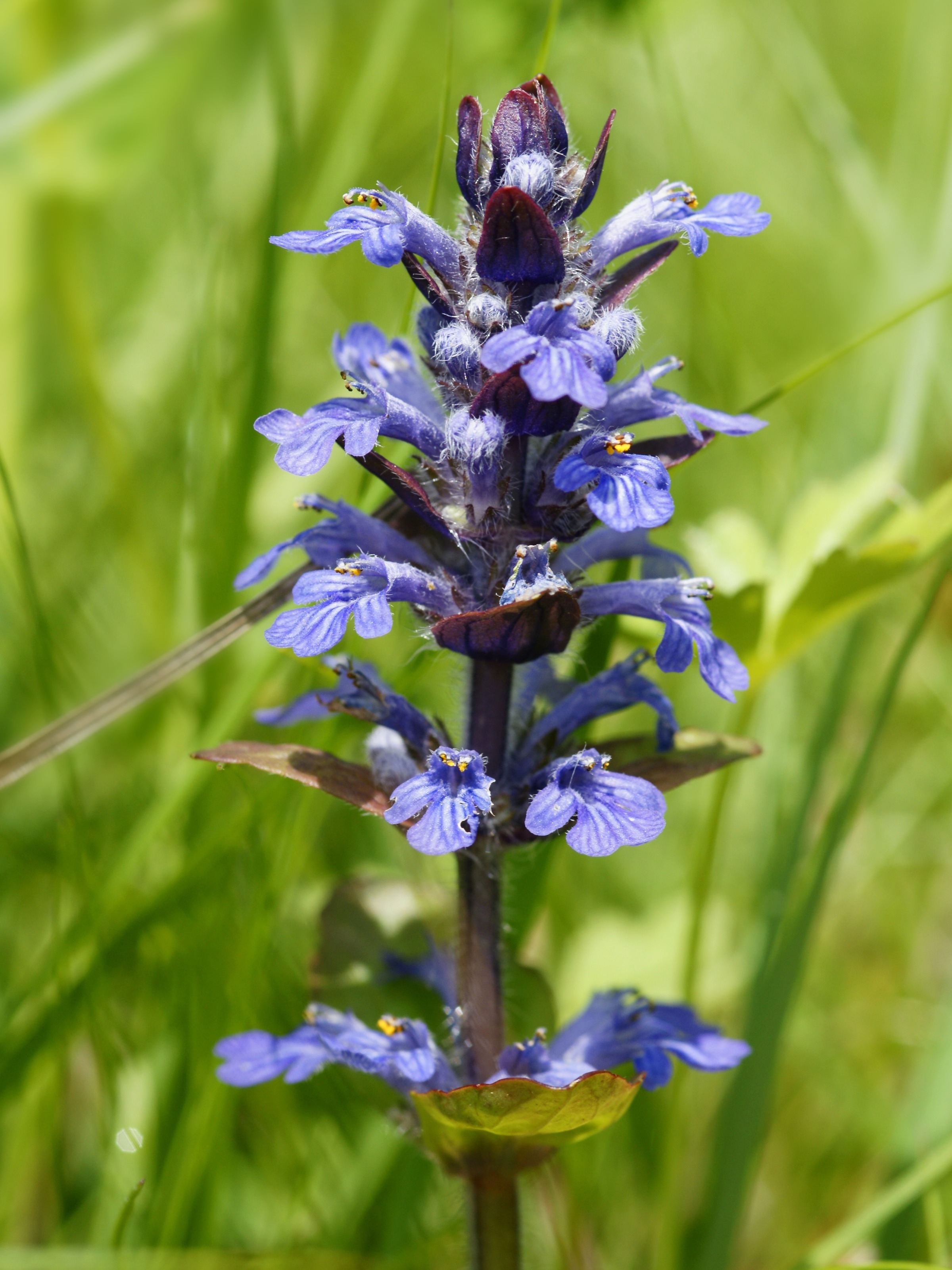
7. Ajuga (Bugleweed)
Ajuga is a low-growing, evergreen ground cover known for its attractive foliage, which can be green, bronze, or variegated, and its spikes of blue, purple, or pink flowers in spring. It forms a dense mat, suppressing weeds, and thrives in partial to full shade. Deer generally avoid Ajuga due to its taste.
- Light: Partial to full shade
- Soil: Moist, well-drained
- Height: 4-10 inches
- Spread: Spreading
- Bloom Time: Spring
- Deer Resistance: High (due to taste)
Quick Reference: Deer-Resistant Ground Covers for Zone 6
| Plant Name | Light Needs | Deer Resistance | Key Features |
|---|---|---|---|
| Catmint | Full Sun to Part Shade | High | Fragrant, long-blooming, drought-tolerant |
| Creeping Phlox | Full Sun | High | Spring bloom, mat-forming, good for slopes |
| Pachysandra | Part to Full Shade | High | Evergreen, dense cover for shade |
| Sedum (Creeping) | Full Sun | High | Succulent, drought-tolerant, various colors |
| Yellow Archangel | Part to Full Shade | High | Silver-variegated, vigorous, evergreen |
| Sweet Woodruff | Part to Full Shade | High | Fragrant, delicate texture, white flowers |
| Ajuga | Part to Full Shade | High | Colorful foliage, evergreen, blue/purple flowers |
Tips for Success with Deer-Resistant Ground Covers
- Site Selection: Ensure your chosen ground cover matches the light and soil conditions of your planting area.
- Soil Preparation: Amend heavy clay soils with compost to improve drainage, and sandy soils to improve moisture retention.
- Planting Density: Plant ground covers closer together than individual perennials to achieve faster coverage and better weed suppression.
- Watering: Water regularly during the first growing season to help plants establish strong root systems. Once established, many deer-resistant ground covers are quite drought-tolerant.
- Mulching: Apply a layer of mulch around new plantings to conserve moisture and further suppress weeds until the ground cover fills in.
- No Plant is Truly Deer-Proof: While these plants are generally avoided, a very hungry deer might still sample them. Consider using additional deterrents like repellents or physical barriers if deer pressure is extremely high.
By incorporating these deer-resistant ground covers into your Zone 6 garden, you can create beautiful, low-maintenance landscapes that stand up to browsing pressure. Enjoy a thriving garden without constantly battling deer!
Ready to find the perfect plants for your yard? Try the PlantWise Plant Finder →