Best Deer-Resistant Ground Covers for Zone 7
Deer can be a persistent challenge for gardeners, especially in Zone 7 where lush landscapes often overlap with their natural habitats. Finding plants that can withstand their browsing while also thriving in the region's climate is key to a beautiful, low-maintenance garden. The best deer-resistant ground covers for Zone 7 are typically those with strong scents, fuzzy or prickly textures, or a bitter taste, combined with an ability to spread and cover ground effectively. Excellent choices include Creeping Phlox, Lamb's Ear, Sedum, and various types of hardy Geraniums, all of which offer beauty and resilience against deer.
While no plant is truly deer-proof, incorporating deer-resistant varieties into your landscape can significantly reduce browsing damage. Ground covers are particularly valuable in this regard, as they can suppress weeds, prevent erosion, and add a lush, finished look to your garden beds without attracting unwanted attention from local wildlife.
Understanding Deer Resistance
Deer are opportunistic feeders, and their preferences can vary based on local populations, time of year, and availability of other food sources. A plant considered "deer-resistant" isn't necessarily deer-proof; it simply means deer are less likely to browse on it, especially if other, more palatable options are available. Factors that contribute to a plant's deer resistance include:
- Texture: Fuzzy, prickly, or rough leaves are often unappealing.
- Scent: Strong, aromatic foliage (like herbs) can deter deer.
- Taste: Bitter or toxic-tasting plants are generally avoided.
- Sap: Milky or sticky sap can be a deterrent.
When selecting plants, always remember that a hungry deer might try anything. The goal is to make your garden less attractive than your neighbor's or the wild areas around your property.
🌱 Get Personalized Plant Picks
Answer a few quick questions and we’ll match plants to your exact yard conditions.
Find My Plants →Why Choose Ground Covers for Deer-Prone Areas?
Ground covers offer several advantages beyond just deterring deer:
- Weed Suppression: A dense ground cover canopy shades out weeds, reducing the need for manual weeding.
- Erosion Control: Their spreading root systems help stabilize soil, especially on slopes.
- Moisture Retention: They act as a living mulch, keeping the soil cooler and reducing water evaporation.
- Aesthetic Appeal: Ground covers provide a continuous carpet of foliage and often flowers, unifying garden beds and softening hard edges.
- Low Maintenance: Once established, many ground covers require minimal care.
Top Deer-Resistant Ground Covers for Zone 7
Here are some of our favorite ground covers that thrive in Zone 7 and are known for their resistance to deer browsing:
1. Creeping Phlox (Phlox subulata)
This vibrant, low-growing perennial is a springtime showstopper, blanketing slopes and rock gardens with masses of pink, purple, blue, or white flowers. Its needle-like foliage is generally unappealing to deer. It prefers full sun and well-drained soil.
Key Features:
- Height: 4-6 inches
- Spread: 1-2 feet
- Light: Full sun
- Soil: Well-drained
- Bloom Time: Spring
- Deer Resistance: High
2. Lamb's Ear (Stachys byzantina)
Named for its wonderfully soft, fuzzy, silver-gray leaves, Lamb's Ear is a tactile delight that deer tend to avoid. Its texture is a major deterrent. It forms a dense mat, making it excellent for borders or as a weed-suppressing ground cover in sunny, dry areas. While it does produce flower spikes, many gardeners prefer to remove them to maintain the foliage's neat appearance.
Key Features:
- Height: 6-12 inches (foliage), 18 inches (flowers)
- Spread: 1-2 feet
- Light: Full sun to partial shade
- Soil: Well-drained
- Bloom Time: Summer (flowers)
- Deer Resistance: High
3. Sedum (Stonecrop)
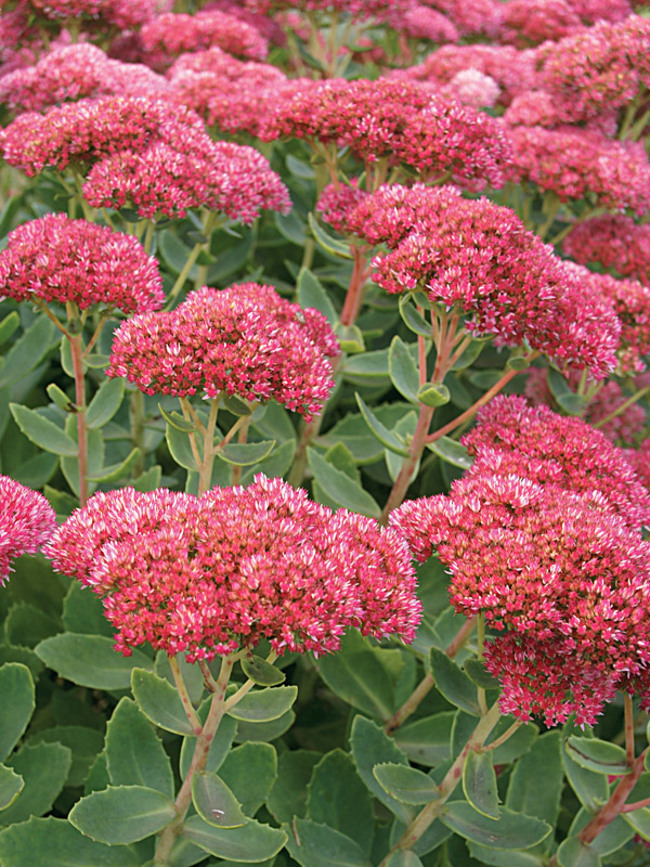
Many varieties of Sedum make excellent deer-resistant ground covers. Their succulent leaves and often vibrant flowers are not on a deer's preferred menu. Groundcover sedums like 'Dragon's Blood' or 'Angelina' spread beautifully, offering a range of colors from green to bronze to golden yellow. They are incredibly drought-tolerant and thrive in full sun with poor, well-drained soil.
Key Features:
- Height: 3-10 inches (depending on variety)
- Spread: 1-2 feet
- Light: Full sun
- Soil: Well-drained, even poor soil
- Bloom Time: Summer to fall
- Deer Resistance: High
4. Hardy Geranium (Cranesbill)
Not to be confused with annual Pelargoniums, perennial Hardy Geraniums are fantastic deer-resistant ground covers. Their aromatic foliage and delicate, often cup-shaped flowers come in shades of pink, purple, blue, and white. Varieties like 'Rozanne' or 'Biokovo' are vigorous spreaders that can fill in spaces beautifully. They tolerate a range of light conditions, from full sun to partial shade, and prefer well-drained soil.
Key Features:
- Height: 1-2 feet
- Spread: 1-3 feet
- Light: Full sun to partial shade
- Soil: Well-drained
- Bloom Time: Late spring to fall (depending on variety)
- Deer Resistance: High
5. Catmint (Nepeta)
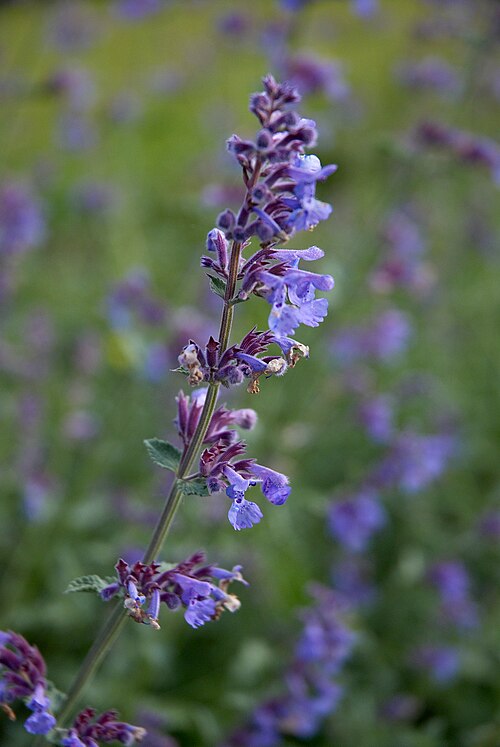
With its strong, minty fragrance, Catmint is a favorite of pollinators and a deterrent to deer. It forms a soft, mounding ground cover with spikes of lavender-blue flowers that bloom for an extended period, often from late spring through fall. It's incredibly tough, drought-tolerant, and thrives in full sun to partial shade.
Key Features:
- Height: 1-3 feet
- Spread: 1-3 feet
- Light: Full sun to partial shade
- Soil: Well-drained
- Bloom Time: Late spring to fall
- Deer Resistance: High
6. Barrenwort (Epimedium)
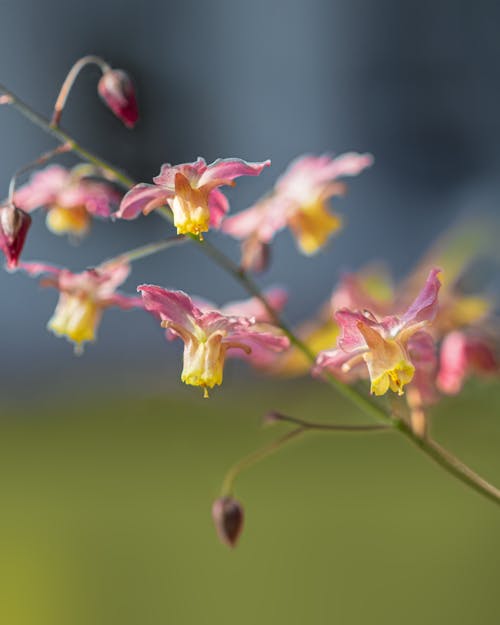
For shadier spots, Barrenwort is an excellent choice. This elegant ground cover features delicate, heart-shaped leaves that often emerge with bronze or reddish tints in spring and can turn coppery in fall. It produces dainty, spider-like flowers in spring. Its leathery foliage is not appealing to deer. It's drought-tolerant once established and thrives in partial to full shade.
Key Features:
- Height: 8-12 inches
- Spread: 1-2 feet
- Light: Partial to full shade
- Soil: Well-drained, rich
- Bloom Time: Spring
- Deer Resistance: High
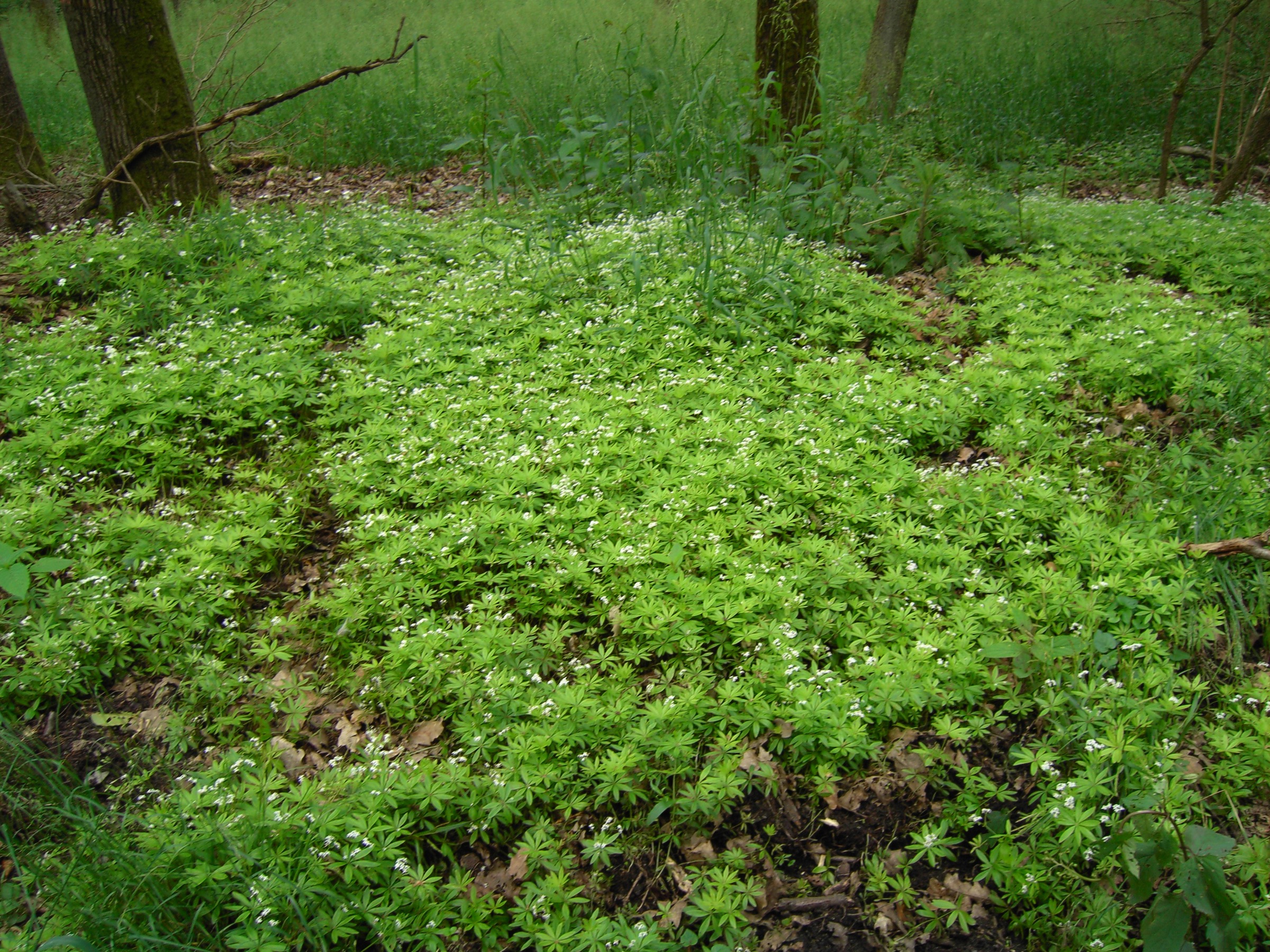
7. Sweet Woodruff (Galium odoratum)
Another excellent choice for shade, Sweet Woodruff forms a delicate, bright green carpet adorned with tiny white flowers in spring. Its foliage has a vanilla-like scent when crushed, which deer tend to avoid. It spreads readily, making it a good choice for filling in large shaded areas.
Key Features:
- Height: 6-12 inches
- Spread: 1-2 feet
- Light: Partial to full shade
- Soil: Moist, well-drained
- Bloom Time: Spring
- Deer Resistance: High
Pet Safety Note
While the plants listed above are generally considered deer-resistant, it's always important to consider pet safety. Of the plants mentioned:
- Creeping Phlox is not listed as toxic to dogs or cats.
- Lamb's Ear is not listed as toxic to dogs or cats.
- Sedum is not listed as toxic to dogs or cats.
- Hardy Geraniums (Cranesbill) are not listed as toxic to dogs or cats.
- Catmint is not listed as toxic to dogs or cats, though large quantities can cause mild stomach upset.
- Barrenwort (Epimedium) is not listed as toxic to dogs or cats.
- Sweet Woodruff is not listed as toxic to dogs or cats.
If you suspect your pet has ingested a toxic plant, call the ASPCA Animal Poison Control Center immediately at (888) 426-4435.
Quick Reference: Deer-Resistant Ground Covers for Zone 7
| Plant Name | Sun Exposure | Soil Type | Height (approx.) | Spread (approx.) | Bloom Time | Deer Resistance |
|---|---|---|---|---|---|---|
| Creeping Phlox | Full Sun | Well-drained | 4-6 inches | 1-2 feet | Spring | High |
| Lamb's Ear | Full Sun to Part Shade | Well-drained | 6-12 inches | 1-2 feet | Summer (flowers) | High |
| Sedum (Groundcover) | Full Sun | Well-drained, poor | 3-10 inches | 1-2 feet | Summer to Fall | High |
| Hardy Geranium | Full Sun to Part Shade | Well-drained | 1-2 feet | 1-3 feet | Late Spring to Fall | High |
| Catmint | Full Sun to Part Shade | Well-drained | 1-3 feet | 1-3 feet | Late Spring to Fall | High |
| Barrenwort | Partial to Full Shade | Well-drained, rich | 8-12 inches | 1-2 feet | Spring | High |
| Sweet Woodruff | Partial to Full Shade | Moist, well-drained | 6-12 inches | 1-2 feet | Spring | High |
Tips for Success with Deer-Resistant Ground Covers
- Site Selection: Ensure your chosen ground cover matches your site's light and soil conditions. Even deer-resistant plants won't thrive if they're in the wrong place.
- Preparation: Prepare the soil by removing weeds and amending it with compost to provide a good start.
- Planting Density: Plant ground covers at the recommended spacing. While they will spread, planting them too far apart can leave open areas for weeds (or deer) in the interim.
- Watering: Water regularly during establishment, typically for the first growing season. Once established, many ground covers are quite drought-tolerant.
- Mulching: A thin layer of mulch around new plantings can help retain moisture and suppress weeds while the ground cover fills in.
- Observation: Keep an eye on your plants. If deer pressure is extremely high, even "resistant" plants might get nibbled. You may need to combine ground covers with other deterrents like fencing or repellents in extreme cases.
By carefully selecting and properly establishing these deer-resistant ground covers, you can create a beautiful, low-maintenance landscape in Zone 7 that stands up to browsing pressure and adds year-round interest to your garden.
Ready to find the perfect plants for your yard? Try the PlantWise Plant Finder →