Best Deer-Resistant Ground Covers for Zone 8
For gardeners in USDA Hardiness Zone 8, finding ground covers that thrive in your region's warm climate and stand up to hungry deer can be a challenge. The best deer-resistant ground covers for Zone 8 are typically those that are drought-tolerant once established, can handle heat and humidity, and possess characteristics deer dislike, such as strong fragrances, fuzzy or coarse textures, or a bitter taste. Excellent choices include various sedums, creeping thyme, certain salvias, and ornamental grasses, which can provide beautiful, low-maintenance coverage while deterring deer.
Zone 8, stretching across much of the Southern and Pacific Northwest United States, offers a long growing season and generally mild winters. However, it also brings significant summer heat and often high humidity, which can be tough on many plants. When you add the persistent challenge of deer browsing, selecting the right plants becomes crucial for a successful and beautiful landscape. While no plant is truly "deer-proof," these ground covers are generally less appealing to deer and are excellent choices for Zone 8 gardens.
🌱 Get Personalized Plant Picks
Answer a few quick questions and we’ll match plants to your exact yard conditions.
Find My Plants →Understanding Deer Resistance
Deer are opportunistic feeders, and their preferences can vary based on local populations, time of year, and availability of other food sources. A plant considered "deer-resistant" isn't necessarily one they'll never touch, but rather one they are less likely to browse, especially if other, tastier options are available.
What makes a plant deer-resistant?
- Strong Scents: Aromatic foliage (like mints, salvias, and thymes) often deters deer.
- Fuzzy or Hairy Leaves: Textures that feel unpleasant in their mouths.
- Coarse or Thorny Foliage: Uncomfortable to chew.
- Bitter Taste or Toxicity: Plants with a bitter sap or those that are mildly toxic are usually avoided.
- Tough, Leathery Leaves: Harder to digest.
Remember, young plants are often more vulnerable than established ones, and deer are more likely to browse during periods of drought or when their natural food sources are scarce. A combination of these plants, along with other deterrents, will give you the best chance of success.
Top Deer-Resistant Ground Covers for Zone 8
Let's explore some of the best options that will thrive in your Zone 8 garden while keeping deer at bay.
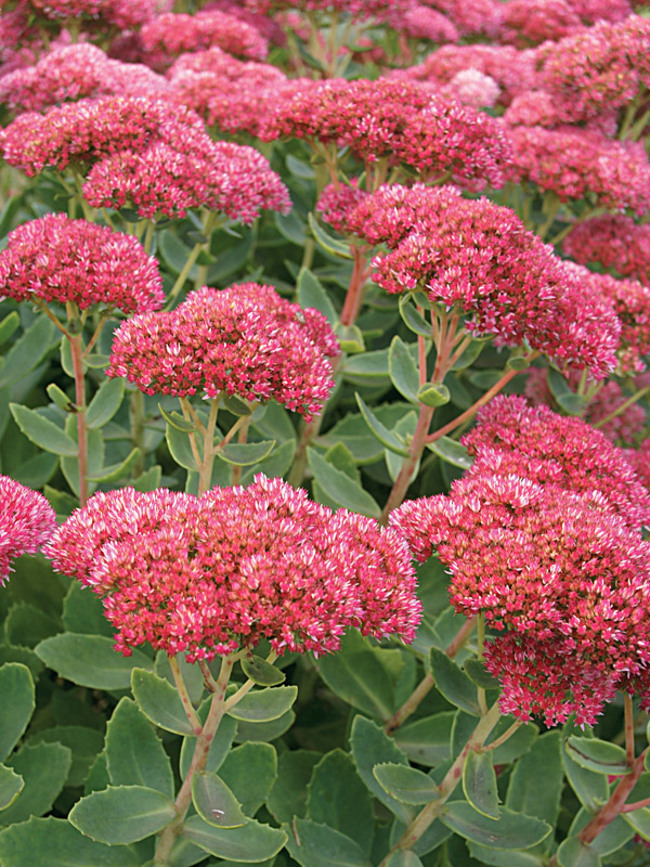
1. Sedum (Stonecrop)
Sedums are champions of drought tolerance and come in a vast array of forms, from low-growing mats to upright clumps. Many of the creeping varieties make excellent ground covers. Deer tend to avoid sedums due to their succulent, often slightly bitter foliage. They thrive in full sun and well-drained soil, making them perfect for hot, dry spots where other plants struggle.
- Recommended varieties: 'Dragon's Blood' (red foliage, pink flowers), 'Angelina' (chartreuse foliage, yellow flowers), 'Blue Spruce' (blue-green foliage).
- Why they're great for Zone 8: Heat-tolerant, drought-tolerant, low-maintenance, and offer year-round interest with their varied foliage colors.
2. Creeping Thyme (Thymus serpyllum)
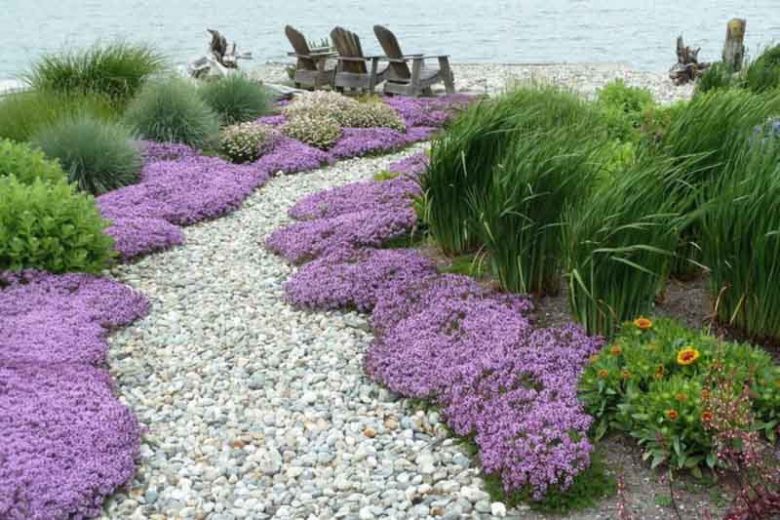
Creeping thyme is a fantastic choice for sunny, well-drained areas. This low-growing, aromatic herb forms a dense mat of tiny leaves that release a pleasant fragrance when stepped on. Deer dislike the strong scent and fuzzy texture of thyme. It's also tolerant of light foot traffic, making it ideal for filling in between stepping stones or along pathways.
- Why it's great for Zone 8: Extremely heat and drought-tolerant once established, provides a lovely scent, and offers small, attractive flowers in spring/early summer.
- Care: Requires full sun and excellent drainage.
3. Lamb's Ear (Stachys byzantina)
Lambs Ear
With its distinctive fuzzy, silvery-gray leaves, Lamb's Ear is a textural delight that deer typically bypass. The soft, woolly texture is unappealing to their palates. It forms a dense, spreading mat that can suppress weeds effectively. While it does produce flower spikes, many gardeners prefer to remove them to maintain a tidy foliage display.
- Why it's great for Zone 8: Tolerant of heat and drought, provides unique texture and color, and is very low-maintenance.
- Care: Prefers full sun to partial shade and well-drained soil. Can spread vigorously in ideal conditions.
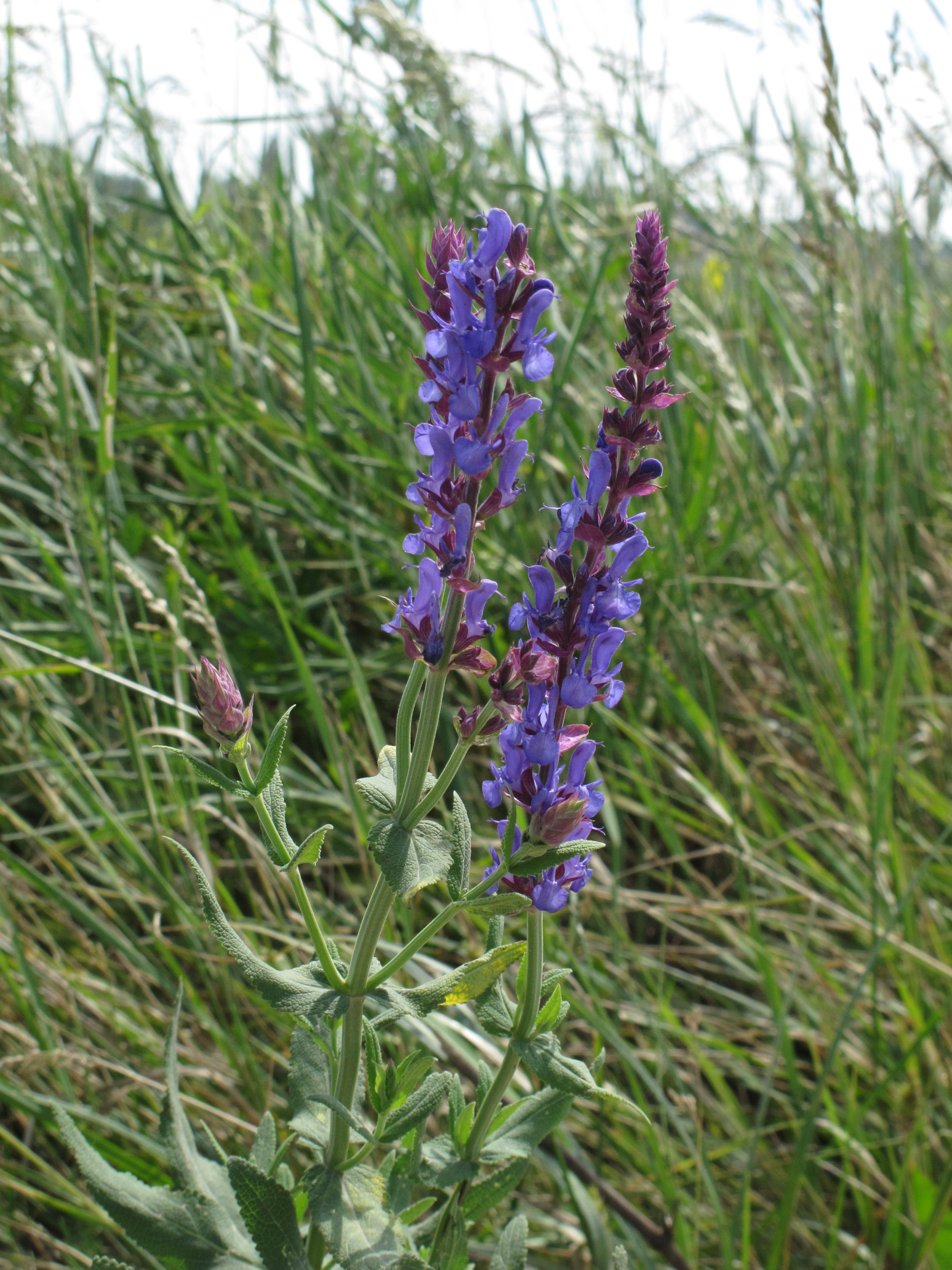
4. Salvia (Perennial Varieties)
Many perennial salvias, particularly the lower-growing varieties, make excellent deer-resistant ground covers. Their aromatic foliage is a major deterrent for deer. While some salvias grow taller, varieties like 'May Night' or 'Caradonna' can form substantial clumps that effectively cover ground, especially when planted en masse. Their vibrant flower spikes also attract pollinators.
- Why they're great for Zone 8: Highly heat and drought-tolerant, long blooming period, and beloved by hummingbirds and bees.
- Care: Full sun, well-drained soil. Deadhead for continuous blooms.
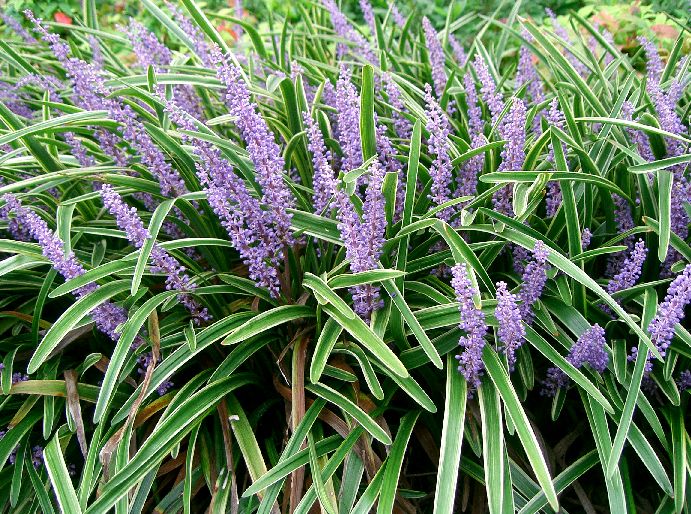
5. Liriope (Lilyturf)
Liriope is a workhorse ground cover, especially for shadier or partially shaded areas where other deer-resistant options might struggle. Its grass-like foliage forms dense clumps that deer generally ignore. It's incredibly tough, tolerating a wide range of soil conditions, including clay. Liriope also produces attractive flower spikes (often purple or white) followed by berries.
- Recommended varieties: Liriope muscari (clumping), Liriope spicata (spreading, more aggressive).
- Why it's great for Zone 8: Extremely adaptable, tolerant of shade, heat, and drought, and provides year-round evergreen foliage.
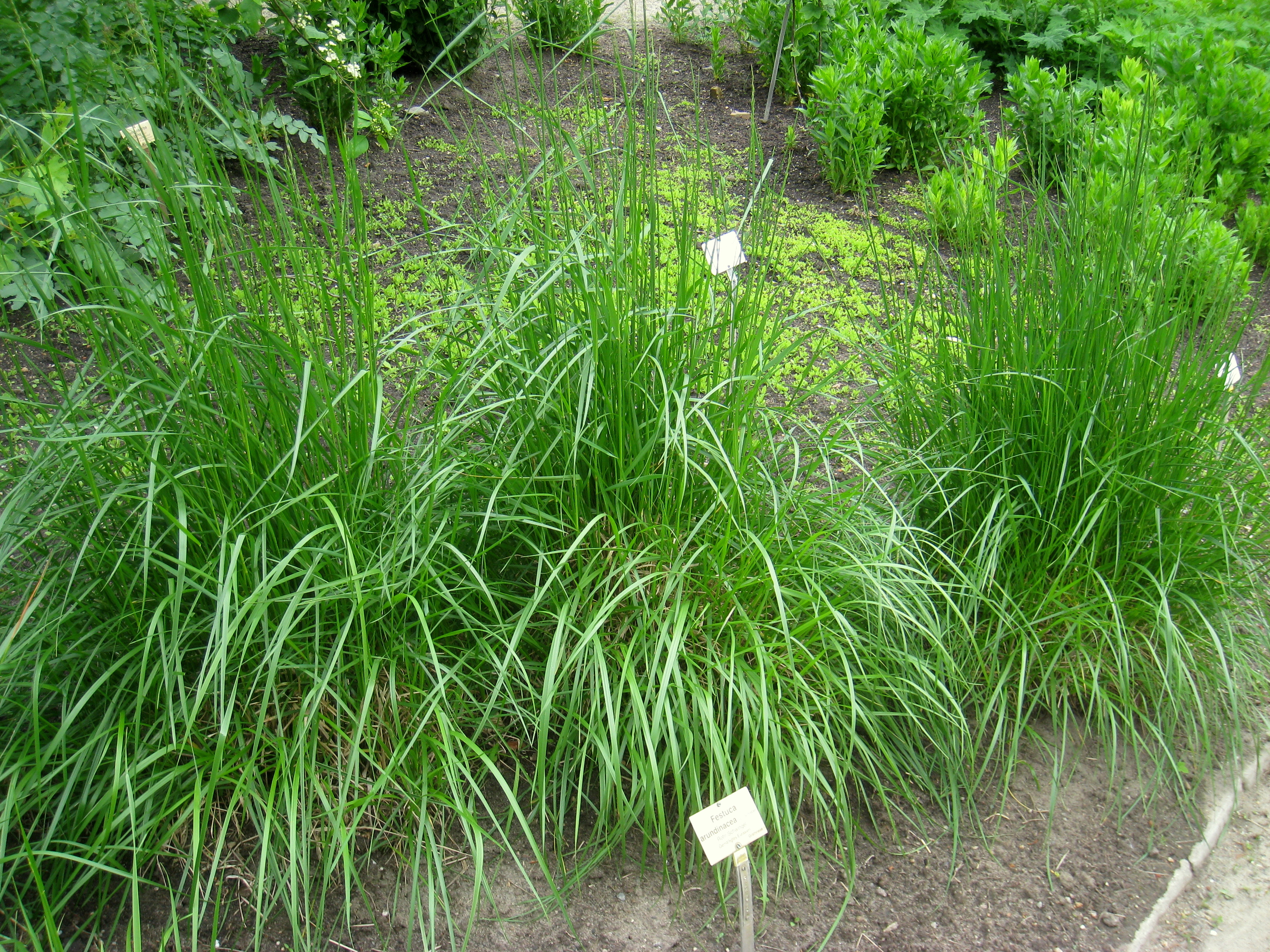
6. Ornamental Grasses (Low-Growing Varieties)
Many ornamental grasses are naturally deer-resistant due to their coarse texture and lack of nutritional appeal. Low-growing varieties can make excellent ground covers, adding movement and fine texture to the landscape.
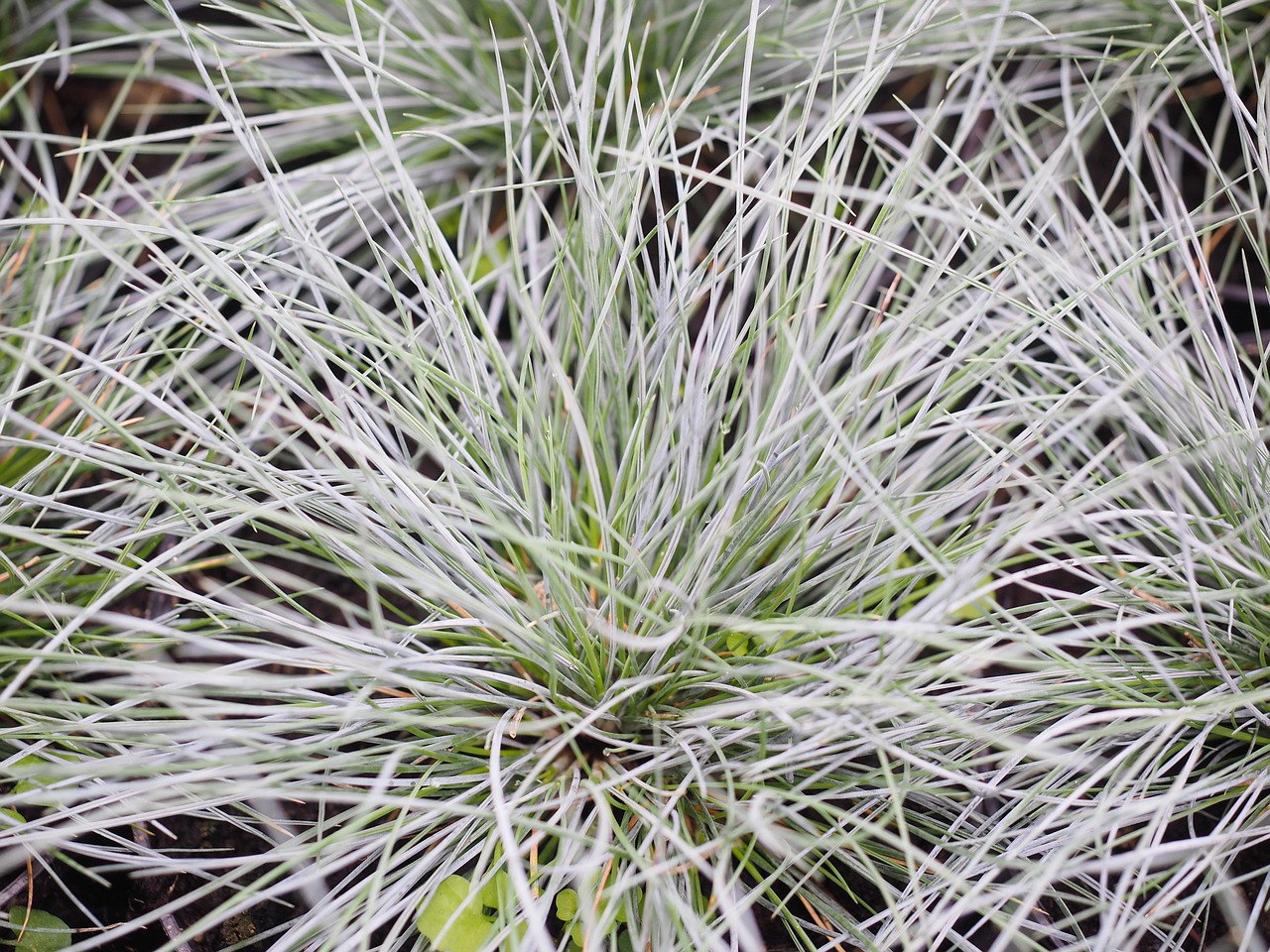
- Blue Fescue (Festuca glauca): Forms neat mounds of striking blue-gray foliage. Thrives in full sun and well-drained soil.
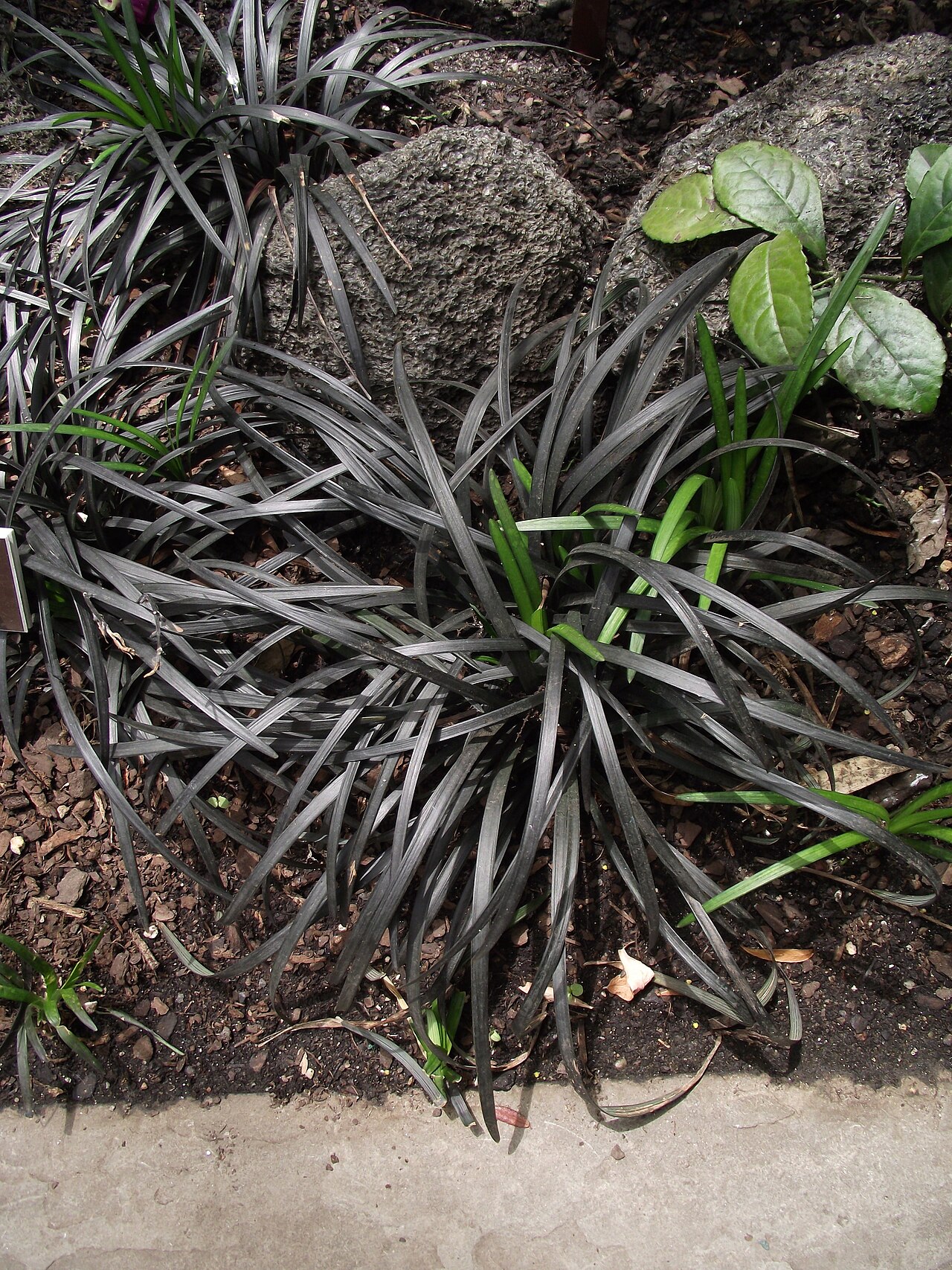
- Mondo Grass (Ophiopogon japonicus): A shade-loving, fine-textured grass-like plant that forms a dense, dark green mat. Black mondo grass (Ophiopogon planiscapus 'Nigrescens') offers dramatic dark foliage.
- Why they're great for Zone 8: Provide year-round interest, excellent texture, and are generally low-maintenance.
Quick Reference: Deer-Resistant Ground Covers for Zone 8
| Plant Name | Light Needs | Soil Needs | Deer Resistance | Key Features |
|---|---|---|---|---|
| Sedum (Stonecrop) | Full Sun | Well-drained | High | Succulent, varied foliage, drought-tolerant |
| Creeping Thyme | Full Sun | Well-drained | High | Aromatic, low-growing, tolerates light foot traffic |
| Lamb's Ear | Full Sun-Part Shade | Well-drained | High | Fuzzy, silver foliage, unique texture |
| Salvia (Perennial) | Full Sun | Well-drained | High | Aromatic foliage, long bloom time, attracts pollinators |
| Liriope (Lilyturf) | Part Shade-Full Shade | Adaptable, well-drained | Medium-High | Grass-like, evergreen, very tough |
| Blue Fescue | Full Sun | Well-drained | Medium-High | Blue-gray foliage, mounding habit |
| Mondo Grass | Part Shade-Full Shade | Well-drained, moist | Medium-High | Fine texture, dark green or black foliage |
Tips for Success with Deer-Resistant Ground Covers
- Preparation is Key: Ensure your soil is well-drained, especially for plants like sedums and thymes that are susceptible to root rot in soggy conditions. Amend with compost to improve fertility and drainage.
- Watering: While many of these plants are drought-tolerant once established, they will need regular watering during their first growing season to develop strong root systems.
- Mulch: Apply a layer of organic mulch around new plantings. This helps retain soil moisture, regulate soil temperature, and suppress weeds, giving your ground covers a better start.
- Observe Deer Behavior: Even with resistant plants, deer can be unpredictable. If you notice browsing, you might need to employ additional deterrents like repellents, fencing, or scare tactics, especially for young plants. Remember, no plant is truly deer-proof, but these options significantly reduce the likelihood of damage.
- Pet Safety Note: While many of these plants are not listed as toxic to pets, it's always wise to supervise pets in the garden. If you suspect your pet has ingested a toxic plant, call the ASPCA Animal Poison Control Center immediately at (888) 426-4435.
By selecting these tough, beautiful, and deer-unappealing ground covers, you can create a vibrant, low-maintenance landscape in your Zone 8 garden that stands up to both the climate and local wildlife.
Ready to find the perfect plants for your yard? Try the PlantWise Plant Finder →