Best Deer-Resistant Ground Covers for Zone 9
If you're gardening in USDA Zone 9 and frequently find your beautiful plants nibbled down by deer, integrating deer-resistant ground covers is a smart strategy. These low-growing plants not only suppress weeds and reduce erosion but also add beauty to your landscape without becoming a deer buffet. Excellent choices for Zone 9 include tough, aromatic plants like Creeping Thyme, Sedum, and various ornamental grasses, as well as flowering options like Lantana and some varieties of Salvia, all known for their ability to deter deer browsing while thriving in warm climates.
Deer can be persistent, and while no plant is truly "deer-proof," many are significantly less appealing to them due to their texture, scent, or taste. By strategically choosing plants known for their deer resistance, you can create a vibrant, low-maintenance garden that looks great year-round, even with local wildlife passing through.
Why Choose Ground Covers for Deer Resistance?
Ground covers offer numerous benefits beyond just deterring deer. They are excellent for:
- Weed Suppression: A dense mat of ground cover chokes out unwanted weeds, reducing your weeding chores.
- Erosion Control: On slopes or in areas prone to runoff, ground covers stabilize the soil, preventing erosion.
- Moisture Retention: They act as a living mulch, keeping the soil cooler and reducing water evaporation, which is particularly beneficial in Zone 9's warmer climate.
- Aesthetic Appeal: Ground covers add texture, color, and sometimes even fragrance to your garden, creating a lush, finished look.
- Low Maintenance: Once established, many ground covers require minimal care, thriving with little intervention.
When deer are a problem, selecting ground covers that they tend to ignore can protect your entire garden. Deer often avoid plants with strong scents, fuzzy or thorny textures, or those that are toxic or bitter-tasting.
🌱 Get Personalized Plant Picks
Answer a few quick questions and we’ll match plants to your exact yard conditions.
Find My Plants →Top Deer-Resistant Ground Covers for Zone 9
Here are some of our favorite ground cover plants that generally fare well against deer in Zone 9, offering a mix of textures, colors, and bloom times.
1. Creeping Thyme (Thymus serpyllum, Thymus praecox)
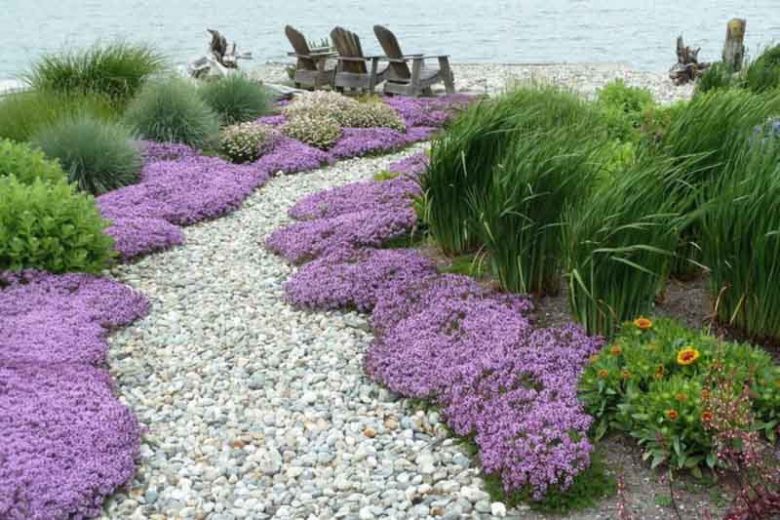
Creeping Thyme is a fantastic choice for Zone 9. This low-growing, aromatic herb forms a dense mat of tiny leaves that release a pleasant fragrance when stepped on or brushed against. Deer tend to avoid it due to its strong scent. It's drought-tolerant once established and thrives in full sun with well-draining soil. In late spring to early summer, it produces a carpet of tiny purple, pink, or white flowers, attracting pollinators like bees. It's perfect for filling in cracks between stepping stones, cascading over walls, or as a lawn alternative in low-traffic areas.
- Sun: Full sun
- Soil: Well-drained
- Water: Low once established
- Height: 2-6 inches
- Spread: 12-24 inches
2. Sedum (Stonecrop)
Sedum, particularly the low-growing varieties like 'Dragon's Blood' or 'Blue Spruce,' are succulents that are incredibly tough and deer-resistant. Their fleshy leaves and often vibrant colors make them stand out. Deer typically leave sedum alone because of its thick, succulent texture and sometimes slightly bitter taste. They are exceptionally drought-tolerant, requiring very little water once established, making them ideal for Zone 9's hot summers. Sedums prefer full sun and well-draining soil and will reward you with clusters of star-shaped flowers in late summer or fall.
- Sun: Full sun
- Soil: Well-drained, sandy
- Water: Very low once established
- Height: 3-8 inches
- Spread: 12-24 inches
3. Lantana (Lantana camara, Lantana montevidensis)
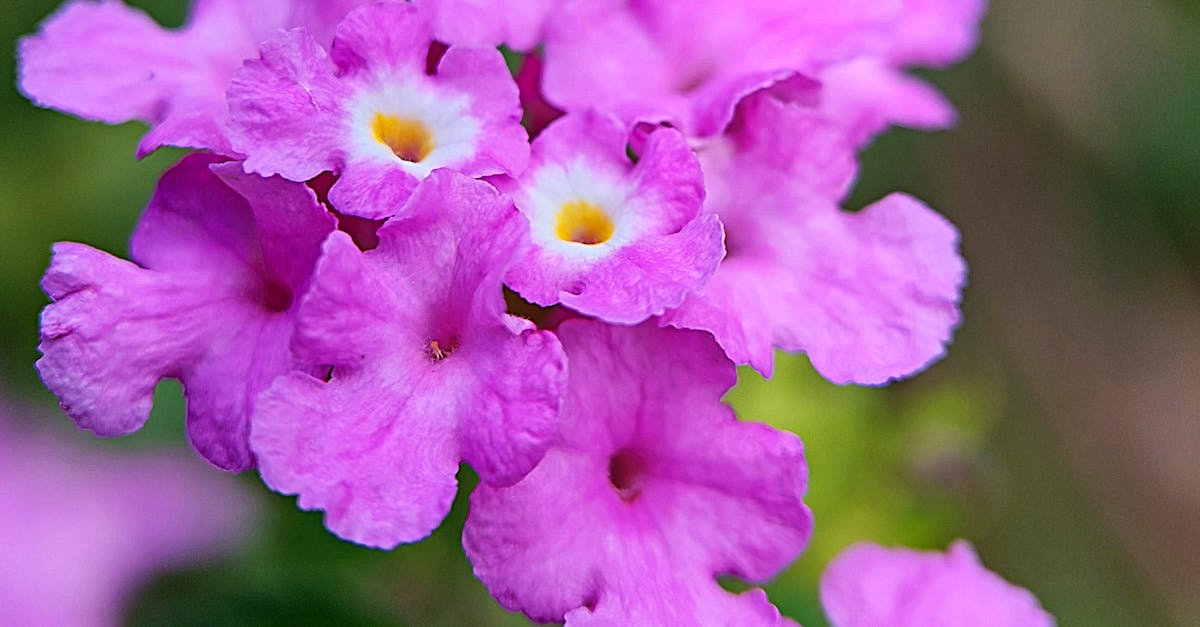
While some Lantana varieties grow into shrubs, Lantana montevidensis (Trailing Lantana) is an excellent ground cover. Its rough, aromatic leaves are a major deterrent for deer. It produces a continuous display of small, colorful flowers (often purple, white, or yellow) from spring through fall, attracting butterflies and hummingbirds. Lantana is incredibly heat and drought-tolerant, thriving in full sun and poor soils, making it a perfect fit for Zone 9. Be aware that the berries are considered toxic if ingested by pets or humans.
- Sun: Full sun
- Soil: Adaptable, well-drained
- Water: Low once established
- Height: 6-12 inches
- Spread: 3-6 feet
- Pet Safety Note: If you suspect your pet has ingested a toxic plant, call the ASPCA Animal Poison Control Center immediately at (888) 426-4435.
4. Ornamental Grasses (Low-Growing Varieties)
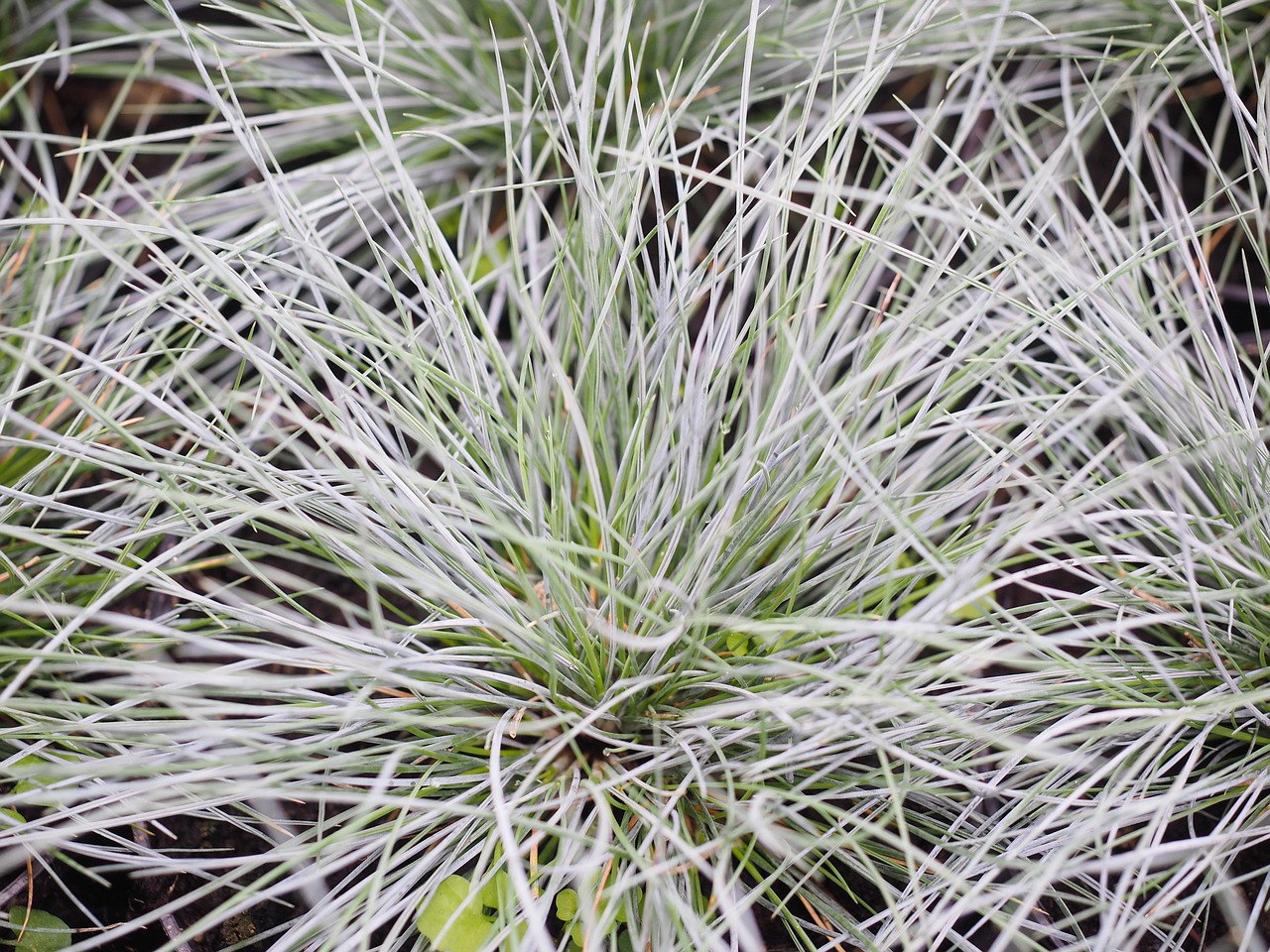
Many ornamental grasses are naturally deer-resistant due to their coarse texture and often sharp blades. Low-growing varieties like Blue Fescue (Festuca glauca) or some forms of Mondo Grass (Ophiopogon japonicus) and Liriope (Liriope muscari) make excellent ground covers. Blue Fescue offers striking blue-gray foliage and a mounding habit, while Mondo Grass and Liriope provide a lush, grass-like texture, often with spikes of flowers. They are generally low-maintenance, drought-tolerant, and provide year-round interest.
- Blue Fescue:
- Sun: Full sun to partial shade
- Soil: Well-drained
- Water: Low once established
- Height: 8-12 inches
- Spread: 8-12 inches
- Mondo Grass/Liriope:
- Sun: Partial shade to full shade (Mondo Grass prefers more shade)
- Soil: Adaptable, well-drained
- Water: Moderate, drought-tolerant once established
- Height: 6-18 inches
- Spread: 12-24 inches
5. Creeping Juniper (Juniperus horizontalis)
For a truly tough, evergreen ground cover, Creeping Juniper is an excellent choice. Its needle-like foliage and strong, resinous scent are unappealing to deer. It forms a dense, spreading mat that effectively suppresses weeds and prevents erosion. It's extremely drought-tolerant and thrives in full sun and poor soils, making it a very low-maintenance option for challenging spots in your Zone 9 landscape. There are many cultivars available, offering different shades of green, blue, or even gold foliage.
- Sun: Full sun
- Soil: Well-drained, adaptable
- Water: Very low once established
- Height: 6-18 inches
- Spread: 4-8 feet
Quick Reference: Deer-Resistant Ground Covers for Zone 9
| Plant Name | Sun Exposure | Water Needs | Deer Resistance | Notes |
|---|---|---|---|---|
| Creeping Thyme | Full Sun | Low | High | Aromatic, good for pathways, attracts pollinators. |
| Sedum (low-growing) | Full Sun | Very Low | High | Succulent, drought-tolerant, vibrant colors. |
| Trailing Lantana | Full Sun | Low | High | Continuous blooms, attracts butterflies, heat-loving. |
| Blue Fescue | Full Sun to Partial Shade | Low | Moderate-High | Blue-gray foliage, textural interest. |
| Mondo Grass/Liriope | Partial to Full Shade | Moderate-Low | Moderate-High | Grass-like, evergreen, good for shaded areas. |
| Creeping Juniper | Full Sun | Very Low | High | Evergreen, tough, excellent for erosion control, strong scent. |
Tips for Success with Deer-Resistant Ground Covers
Even with deer-resistant plants, it's wise to take a few extra precautions, especially when plants are young and most vulnerable. Remember, no plant is truly deer-proof, especially when deer are very hungry or local food sources are scarce.
- Start Strong: Ensure your ground covers are planted in appropriate conditions (sun, soil, water) to help them establish quickly. Healthy plants are more resilient.
- Initial Protection: While young, even deer-resistant plants can be sampled. Consider temporary fencing, netting, or deer repellents for the first few months after planting.
- Vary Your Choices: Plant a diverse range of deer-resistant ground covers. This not only creates a more interesting landscape but also offers more options in case deer develop a taste for one particular plant.
- Observe Your Deer: Deer habits vary by region and even by individual deer. Pay attention to what they browse in your specific yard.
- Consider Companion Planting: Surround more vulnerable plants with strongly scented deer-resistant ground covers.
By incorporating these resilient and beautiful ground covers into your Zone 9 landscape, you can create a garden that thrives and looks fantastic, even in the presence of deer.
Ready to find the perfect plants for your yard? Try the PlantWise Plant Finder →