Best Deer-Resistant Ground Covers for Zone 5
Finding ground covers that thrive in Zone 5's cold winters and also deter hungry deer can be a challenge, but it's entirely possible to create a beautiful, low-maintenance landscape. The best deer-resistant ground covers for Zone 5 often share characteristics like strong fragrances, fuzzy or tough textures, or a bitter taste that deer dislike. Some top performers include Catmint (Nepeta), Yarrow (Achillea), Creeping Phlox (Phlox subulata), and Lamb's Ear (Stachys byzantina), all of which offer excellent coverage, weed suppression, and visual appeal while generally being left alone by deer.
Ground covers are unsung heroes in the garden, providing a living mulch that suppresses weeds, conserves soil moisture, prevents erosion, and adds a lush, finished look to your landscape. When you live in an area with a high deer population, selecting the right plants becomes even more crucial. Deer are notorious for browsing on tender foliage, especially when food sources are scarce. By choosing plants known for their deer resistance, you can protect your garden investment and enjoy a beautiful outdoor space without constant worry.
Why Deer-Resistant Ground Covers?
Deer can decimate a garden overnight. While no plant is truly "deer-proof" - a hungry deer will eat almost anything - many plants are significantly less appealing to them. Deer-resistant plants often have:
- Strong Scents: Aromatic foliage (like mints, salvias, or catmint) can be off-putting.
- Fuzzy or Hairy Leaves: The texture is unpleasant for deer to chew.
- Bitter or Toxic Taste: Plants with a bitter sap or mild toxicity are generally avoided.
- Thorny or Prickly Textures: Though less common in ground covers, these are also deterrents.
For Zone 5 gardeners, the challenge is compounded by the need for plants that can withstand winter temperatures as low as -20°F to -10°F (-29°C to -23°C). The ground covers listed below are excellent choices for their hardiness and their ability to stand up to deer.
🌱 Get Personalized Plant Picks
Answer a few quick questions and we’ll match plants to your exact yard conditions.
Find My Plants →What Characteristics Should I Look for in Zone 5 Deer-Resistant Ground Covers?
When selecting ground covers for Zone 5 with deer resistance in mind, prioritize plants that are not only hardy but also possess traits that make them undesirable to deer. Look for plants that are explicitly rated for USDA Zone 5 or colder. Beyond hardiness, consider their growth habit - do you need a dense mat, a spreading mound, or something that trails?
For deer resistance, focus on plants with fragrant foliage, like many herbs or members of the mint family. Their strong smells can mask the scent of more palatable plants and deter deer from browsing. Plants with fuzzy, coarse, or spiny leaves are also good choices, as deer dislike the texture. Finally, some plants contain compounds that make them taste bitter or slightly toxic to deer, which they learn to avoid after an initial nibble. Always check the mature size and spread of the plant to ensure it fits your space and won't outcompete other desired plantings.
What Are Some Top Deer-Resistant Ground Covers for Zone 5?
Here are some of our top picks for deer-resistant ground covers that flourish in Zone 5, offering a variety of textures, colors, and bloom times.
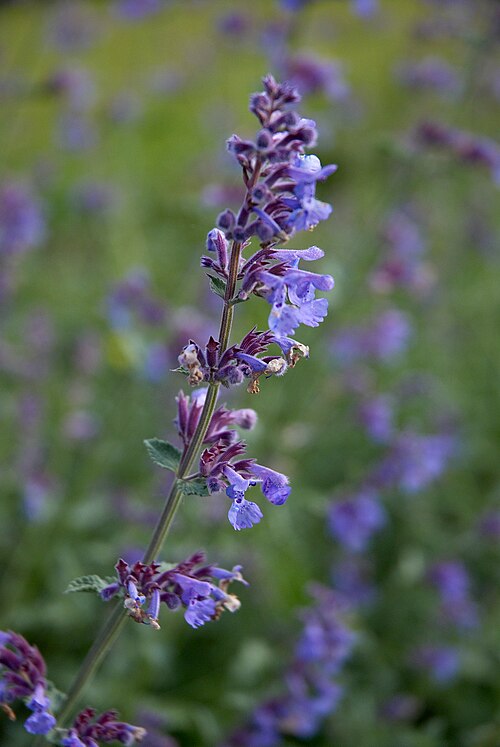
1. Catmint (Nepeta) Catmint
Catmint is a true workhorse in the garden. Its soft, gray-green foliage and spikes of lavender-blue flowers are beautiful from late spring through fall. Deer generally avoid catmint due to its strong, aromatic scent. It's incredibly drought-tolerant once established and thrives in full sun, making it perfect for hot, dry areas where other plants might struggle. It forms a lovely, mounding ground cover that can spill over walls or fill in borders.
- Height: 1-3 feet
- Spread: 1-3 feet
- Sun: Full sun
- Soil: Well-drained
- Bloom: Late spring to fall
- Deer Resistance: High
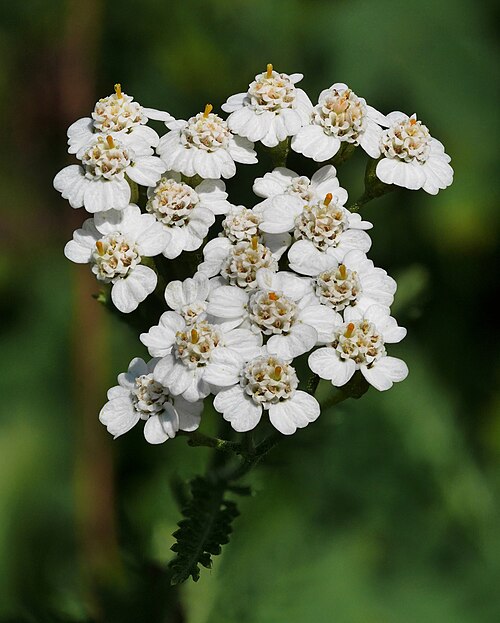
2. Yarrow (Achillea) Yarrow
Yarrow is another fantastic choice, known for its fern-like foliage and flat-topped clusters of flowers in shades of yellow, white, pink, and red. Its aromatic leaves are unappealing to deer. Yarrow is incredibly tough, tolerating poor soil, drought, and heat. It spreads reliably, forming a dense mat that chokes out weeds. It's also a great pollinator plant, attracting bees and butterflies.
- Height: 1-3 feet
- Spread: 1-2 feet
- Sun: Full sun
- Soil: Well-drained, tolerant of poor soil
- Bloom: Early summer to fall
- Deer Resistance: High
3. Creeping Phlox (Phlox subulata)
This low-growing, mat-forming perennial is a showstopper in spring, covering slopes and rock gardens with a carpet of vibrant pink, purple, blue, or white flowers. Its needle-like foliage is not a favorite of deer. Creeping phlox prefers full sun and well-drained soil, making it excellent for sunny banks or cascading over retaining walls.
- Height: 4-6 inches
- Spread: 1-2 feet
- Sun: Full sun
- Soil: Well-drained
- Bloom: Early to mid-spring
- Deer Resistance: Moderate to High
4. Lamb's Ear (Stachys byzantina)
Lamb's Ear is instantly recognizable by its soft, fuzzy, silver-gray leaves, which deer tend to avoid due to their texture. It forms a dense, spreading mat, making it an excellent weed suppressor. While it does produce flower spikes, it's primarily grown for its unique foliage. It thrives in full sun to partial shade and well-drained soil.
- Height: 6-12 inches (foliage), 1-2 feet (flowers)
- Spread: 1-2 feet
- Sun: Full sun to partial shade
- Soil: Well-drained
- Bloom: Early summer (often removed for foliage)
- Deer Resistance: High
5. Sedum (Stonecrop)
Many varieties of Sedum make excellent deer-resistant ground covers. From low-growing mat-forming types like 'Dragon's Blood' or 'Angelina' to taller upright varieties, Sedum offers succulent foliage and often late-season blooms that provide interest when other plants are fading. Deer typically bypass sedums due to their thick, fleshy leaves and sometimes bitter taste. They are incredibly drought-tolerant and prefer full sun.
- Height: 2-10 inches (ground cover types)
- Spread: 1-2 feet
- Sun: Full sun
- Soil: Well-drained, even poor soil
- Bloom: Summer to fall (depending on variety)
- Deer Resistance: High
6. Barrenwort (Epimedium)
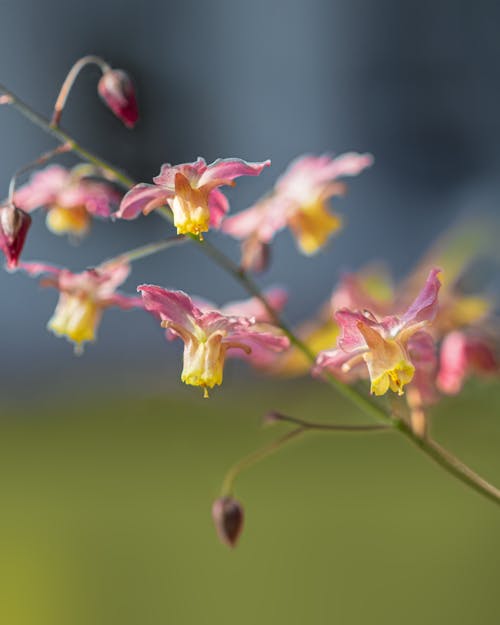
Also known as Fairy Wings, Barrenwort is a fantastic choice for shady areas where deer can still be a problem. Its delicate, heart-shaped leaves often emerge with attractive bronze or red tints in spring, turning green in summer and sometimes taking on fall color. Dainty, spurred flowers appear in spring. Deer tend to avoid Epimedium due to its texture and taste. It forms a slowly spreading, rhizomatous ground cover that is quite drought-tolerant once established.
- Height: 8-15 inches
- Spread: 1-2 feet
- Sun: Partial to full shade
- Soil: Moist, well-drained, rich in organic matter
- Bloom: Spring
- Deer Resistance: High
Quick Reference: Deer-Resistant Ground Covers for Zone 5
| Plant Name | Sun Needs | Height (inches) | Spread (inches) | Foliage/Flower Color | Deer Resistance | Key Feature |
|---|---|---|---|---|---|---|
| Catmint | Full Sun | 12-36 | 12-36 | Gray-green/Lavender | High | Aromatic foliage, long bloom |
| Yarrow | Full Sun | 12-36 | 12-24 | Fern-like/Various | High | Drought-tolerant, pollinator magnet |
| Creeping Phlox | Full Sun | 4-6 | 12-24 | Green/Pink, Purple, White | Mod-High | Early spring flower carpet |
| Lamb's Ear | Full Sun-Part Shade | 6-12 | 12-24 | Silver-gray, fuzzy/Purple | High | Unique texture, weed suppressor |
| Sedum (Groundcover) | Full Sun | 2-10 | 12-24 | Succulent green/Various | High | Extremely drought-tolerant, low-maintenance |
| Barrenwort | Part-Full Shade | 8-15 | 12-24 | Heart-shaped/Various | High | Shade-loving, attractive foliage |
How Can I Further Protect My Garden from Deer?
While selecting deer-resistant plants is a crucial first step, remember that no plant is truly deer-proof - a hungry deer will eat almost anything. To maximize your success in deterring deer, consider a multi-pronged approach:
- Companion Planting: Place less palatable plants (like those listed above) around more susceptible ones. The strong scent or texture of the deer-resistant plants can sometimes mask or deter deer from reaching their favorites.
- Repellents: There are various deer repellents available, both commercial and homemade. These often work by smell or taste. You'll need to reapply them regularly, especially after rain. Rotate types to prevent deer from becoming accustomed to one.
- Physical Barriers: Fencing is the most effective way to keep deer out. For ground covers, this might not be practical for large areas, but it can be useful for protecting specific beds or young plantings. Deer can jump surprisingly high, so fences need to be at least 7-8 feet tall to be truly effective.
- Strategic Placement: Avoid planting highly attractive plants near deer travel paths or known browsing areas. Instead, use deer-resistant plants as a buffer.
- Vary Your Plantings: A diverse garden with a mix of textures, scents, and plant types can be more confusing and less appealing to deer than a monoculture.
By combining deer-resistant ground covers with other deterrent strategies, you can create a beautiful, thriving Zone 5 garden that you and your family can enjoy, rather than providing a buffet for local wildlife.
Ready to find the perfect plants for your yard? Try the PlantWise Plant Finder →