Best Deer-Resistant Ground Covers for Zone 6
Gardening in Zone 6 often means dealing with hungry deer, especially when it comes to low-growing plants. The good news is that you don't have to sacrifice beautiful ground cover to protect your landscape. Many excellent options thrive in Zone 6 and are less appealing to deer, thanks to their strong scents, fuzzy textures, or bitter tastes. Some of the best deer-resistant ground covers for Zone 6 include Catmint, Salvia, creeping thyme, sedum, and ornamental grasses like Liriope. These plants offer attractive foliage, vibrant blooms, and practical solutions for filling spaces while deterring deer.
Deer can be a persistent challenge for gardeners, turning lush landscapes into an all-you-can-eat buffet. While no plant is truly deer-proof, incorporating deer-resistant varieties can significantly reduce browsing damage. Ground covers are particularly vulnerable, as they are easily accessible. By choosing the right plants, you can create a beautiful, low-maintenance garden that deer are more likely to pass by.
Understanding Deer Resistance
Deer resistance isn't about a plant being completely unpalatable; it's about making your garden less appealing than the deer's natural forage. Deer tend to avoid plants that are:
- Aromatic: Strong-smelling herbs or plants with pungent foliage.
- Fuzzy or Thorny: Textured leaves or stems can be unpleasant to chew.
- Toxic or Bitter: Plants with compounds that are unpalatable or harmful.
- Grasses: Many ornamental grasses are not preferred food sources.
When planning your Zone 6 garden, consider these characteristics to select ground covers that will stand up to deer pressure.
🌱 Get Personalized Plant Picks
Answer a few quick questions and we’ll match plants to your exact yard conditions.
Find My Plants →What Characteristics Make a Ground Cover Deer Resistant?
Deer are opportunistic feeders, but they do have preferences. To make your ground covers less attractive, look for plants that possess certain traits. Highly aromatic plants, like many herbs, are often bypassed because their strong scent overpowers the deer's sense of smell, making it harder for them to detect other food sources or predators. Think of plants in the mint family (Lamiaceae) - they are often excellent choices.
Another key characteristic is texture. Deer prefer smooth, tender leaves. Fuzzy, prickly, or tough-leaved plants are generally less appealing. Lamb's Ear (Stachys byzantina) is a classic example, with its soft, velvety leaves that deer tend to avoid. Similarly, plants with leathery or spiky foliage can deter browsing. Finally, plants that are known to be toxic or have a bitter taste are usually on the deer's "do not eat" list. While we often focus on beauty, understanding these defensive mechanisms is crucial for successful deer-resistant gardening.
What Are Some Top Deer-Resistant Ground Covers for Zone 6?
Zone 6 offers a wide range of growing conditions, from hot summers to cold winters, making it suitable for many resilient ground covers. Here are some of the best options known for their deer resistance and ability to thrive in this zone:
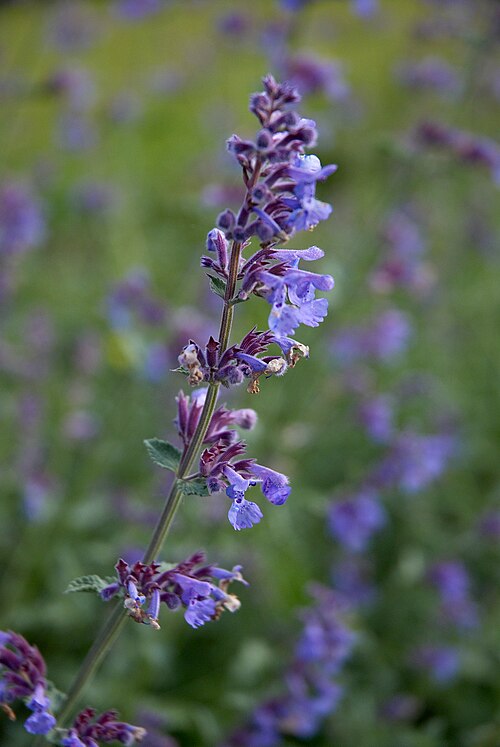
Catmint ( Nepeta spp.)
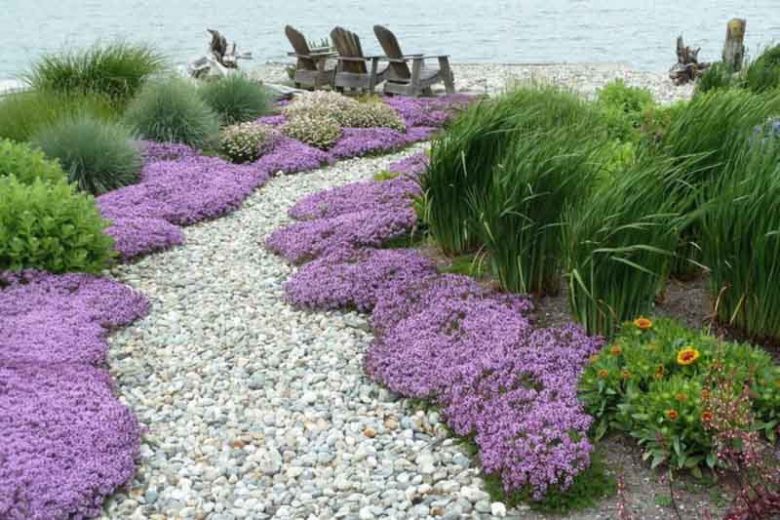
Creeping Thyme ( Thymus serpyllum )
- Why it's deer-resistant: Highly aromatic foliage.
- Description: A low-growing, mat-forming herb with tiny, fragrant leaves and small pink or purple flowers in summer.
- Benefits: Excellent for filling cracks in pathways, rock gardens, or as a lawn substitute in low-traffic areas. Tolerates foot traffic.
Sedum (Stonecrop)
- Why it's deer-resistant: Succulent, often bitter-tasting leaves.
- Description: A diverse genus with many low-growing, mat-forming varieties. Features fleshy leaves and clusters of star-shaped flowers, often in shades of pink, red, or yellow.
- Benefits: Extremely drought-tolerant, thrives in full sun and poor, well-drained soil. Great for rock gardens, green roofs, or dry slopes.
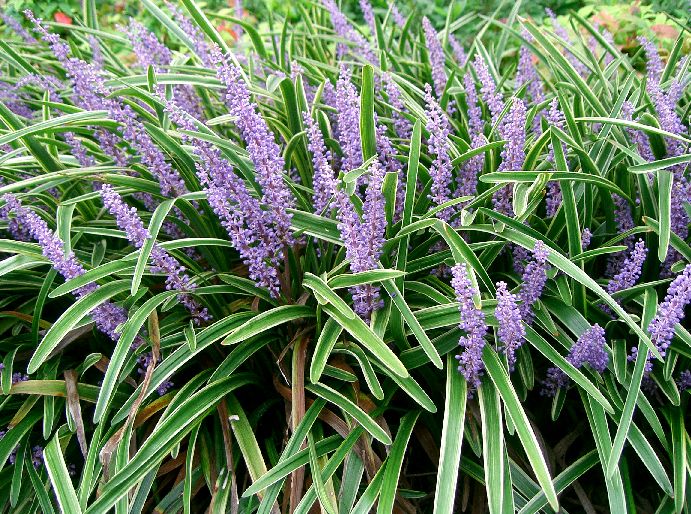
Liriope (Lilyturf)
- Why it's deer-resistant: Tough, grass-like foliage.
- Description: An evergreen, grass-like perennial that forms dense clumps. It produces spikes of purple or white flowers in late summer, followed by black berries.
- Benefits: Excellent for borders, mass plantings, or erosion control. Tolerates a wide range of conditions, including shade and drought.
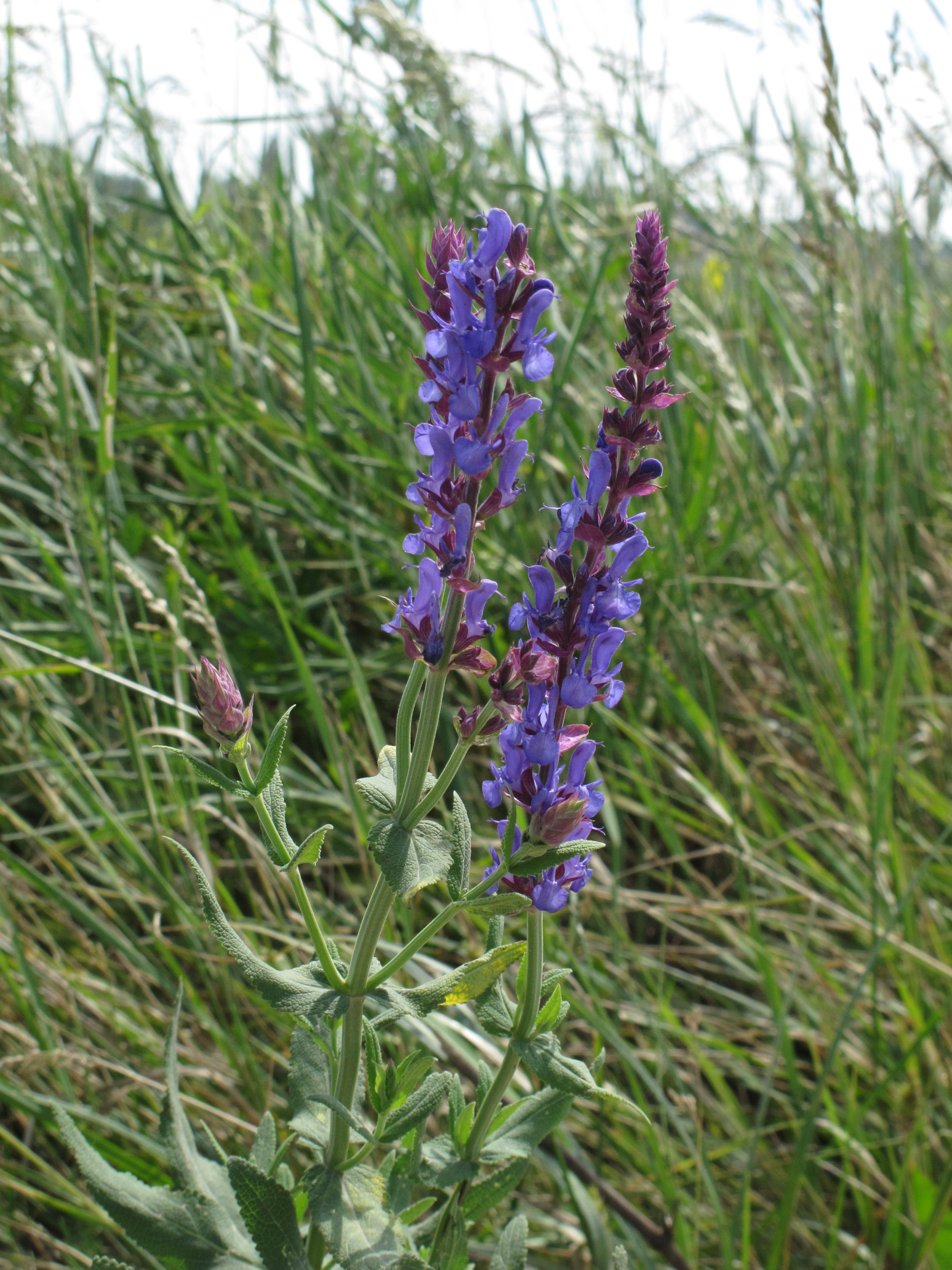
Salvia (Perennial Salvia)
- Why it's deer-resistant: Aromatic foliage.
- Description: Many perennial salvias, especially varieties like 'May Night' or 'Caradonna', form bushy clumps with vibrant spikes of blue, purple, or pink flowers. While some are taller, many spread to create excellent ground cover.
- Benefits: Long blooming season, attracts hummingbirds and butterflies, very drought-tolerant once established.
- Salvia
Lamb's Ear ( Stachys byzantina )
- Why it's deer-resistant: Fuzzy, silvery-gray leaves.
- Description: Forms a dense mat of soft, velvety, silvery-gray leaves. Produces spikes of small purple flowers in summer, though often grown for its foliage.
- Benefits: Excellent for softening edges, rock gardens, or dry areas. Drought-tolerant and low maintenance.
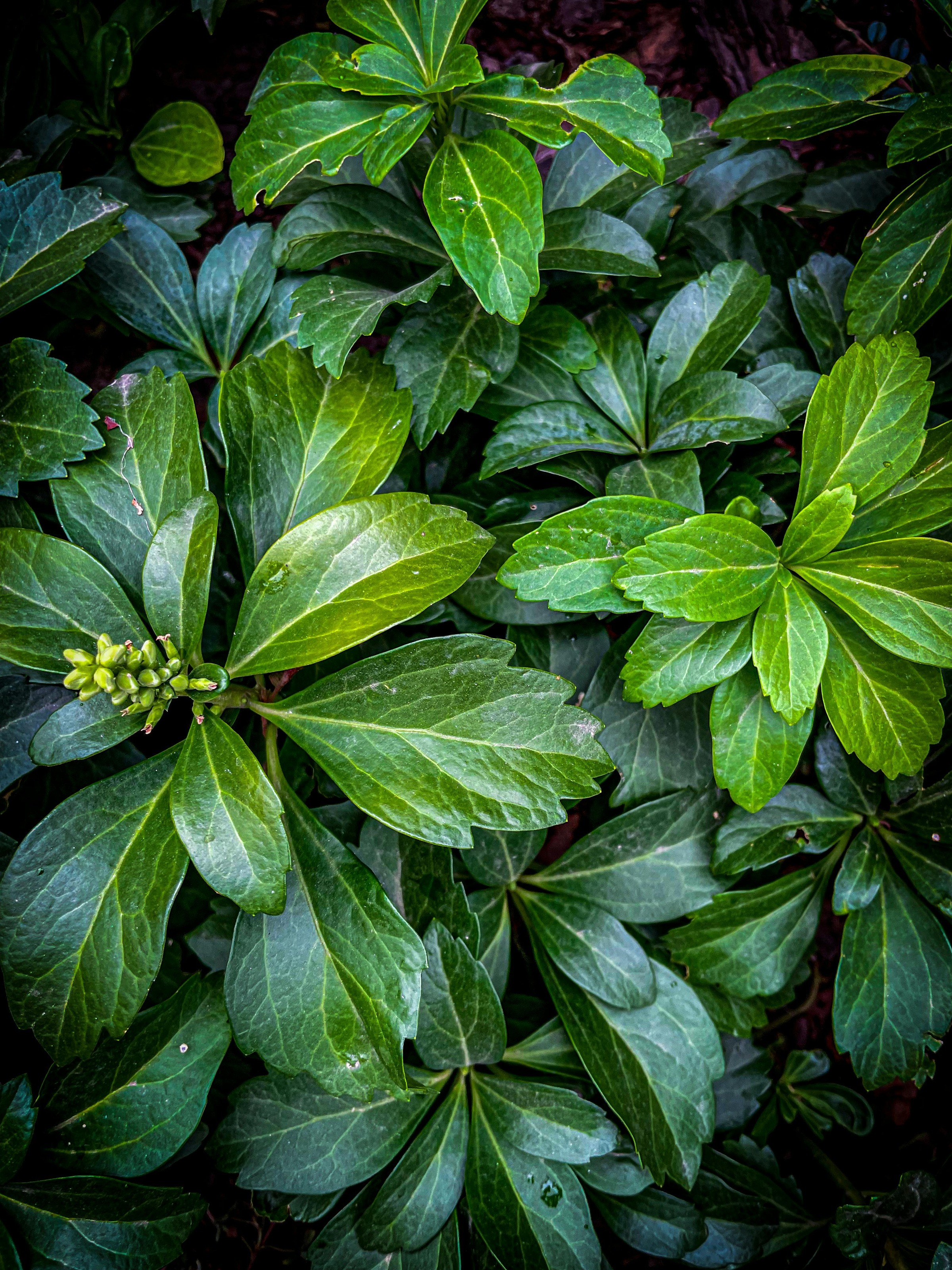
Pachysandra (Japanese Spurge)
- Why it's deer-resistant: Tough, somewhat leathery leaves and bitter taste.
- Description: A classic evergreen ground cover for shade, forming a dense mat of dark green, glossy leaves. Produces small white flowers in spring.
- Benefits: Ideal for shady, challenging spots where other plants struggle. Excellent for erosion control.
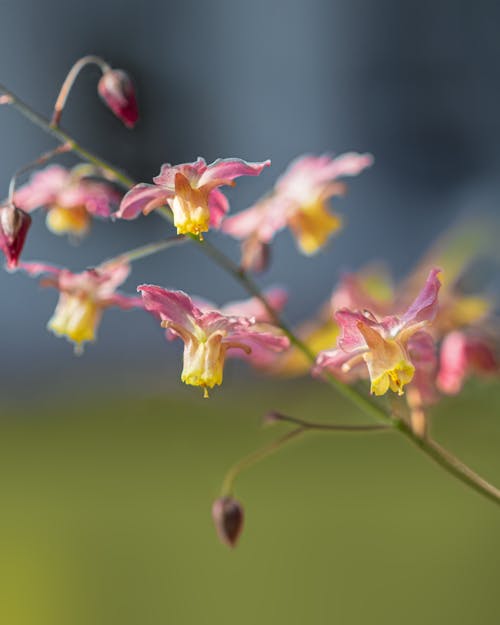
Barrenwort ( Epimedium spp.)
- Why it's deer-resistant: Leathery leaves and often spiny edges.
- Description: A beautiful, shade-loving perennial with delicate, heart-shaped leaves that often emerge with bronze or red tints. Produces dainty, orchid-like flowers in spring.
- Benefits: Excellent for dry shade, forms a dense, weed-suppressing mat. Foliage often turns attractive colors in fall.
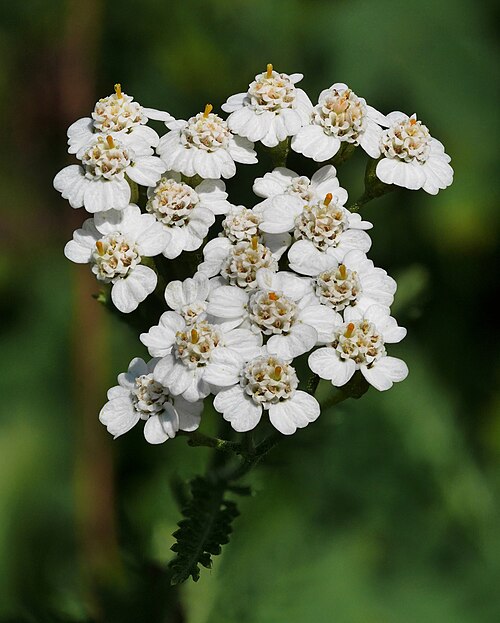
Yarrow ( Achillea spp.)
- Why it's deer-resistant: Aromatic foliage.
- Description: While some varieties are taller, many yarrows form spreading clumps with fern-like, aromatic foliage and flat-topped clusters of flowers in various colors (yellow, pink, red, white).
- Benefits: Extremely drought-tolerant, attracts beneficial insects, long blooming period.
- Yarrow
Quick Reference: Deer-Resistant Ground Covers for Zone 6
| Plant Name | Sun Exposure | Soil Preference | Key Deer-Resistant Trait | Notes |
|---|---|---|---|---|
| Catmint | Full Sun | Well-drained, average | Aromatic | Long blooming, attracts pollinators |
| Creeping Thyme | Full Sun | Well-drained, poor | Aromatic | Tolerates light foot traffic |
| Sedum (low-growing) | Full Sun | Well-drained, poor | Succulent/Bitter | Very drought-tolerant |
| Liriope | Full Sun to Shade | Adaptable | Tough foliage | Evergreen, good for erosion control |
| Perennial Salvia | Full Sun | Well-drained, average | Aromatic | Long blooming, attracts hummingbirds |
| Lamb's Ear | Full Sun to Part | Well-drained, average | Fuzzy texture | Silvery foliage, drought-tolerant |
| Pachysandra | Part Shade to Full Shade | Moist, well-drained | Leathery/Bitter | Evergreen, good for deep shade |
| Barrenwort | Part Shade to Full Shade | Moist, well-drained | Leathery/Spiny | Excellent for dry shade, attractive foliage |
| Yarrow | Full Sun | Well-drained, average | Aromatic | Drought-tolerant, attracts beneficials |
How Can I Maximize Deer Resistance in My Zone 6 Garden?
While choosing deer-resistant plants is the first step, no plant is truly deer-proof, especially when deer are very hungry or their natural food sources are scarce. To further protect your garden in Zone 6, consider a multi-pronged approach:
- Strategic Planting: Place your most vulnerable plants closer to your house or in areas with more activity. Use deer-resistant ground covers as a border or barrier around more appealing plants.
- Repellents: Commercial deer repellents can be effective, especially when applied regularly according to package directions. Rotate different types of repellents to prevent deer from becoming accustomed to them. Homemade remedies (like soap or hair) have mixed results but can be worth trying.
- Fencing: For high-value areas or persistent deer problems, physical barriers are the most effective. Fences need to be at least 8 feet tall to deter deer from jumping over. Electric fencing can also be an option for larger areas.
- Companion Planting: While not a guarantee, planting highly aromatic deer-resistant plants next to more susceptible ones can sometimes offer a degree of protection by masking the scent of the preferred plants.
- Varying Textures and Scents: A diverse garden with a mix of textures and strong scents will be less inviting to deer than a monoculture of their favorite snacks.
- Regular Monitoring: Keep an eye on your garden for signs of deer browsing. Early detection allows you to adjust your strategies before significant damage occurs.
By combining deer-resistant ground covers with these additional strategies, you can create a beautiful and thriving Zone 6 garden that stands up to deer pressure.
Ready to find the perfect plants for your yard? Try the PlantWise Plant Finder →