Best Deer-Resistant Ground Covers for Zone 8
For gardeners in USDA Zone 8 dealing with hungry deer, finding attractive and effective ground covers can be a challenge. The good news is that many beautiful, low-maintenance plants thrive in Zone 8's warm climate while also being less appealing to deer. Some of the best deer-resistant ground covers for Zone 8 include tough, aromatic herbs like Creeping Thyme and Lavender, as well as flowering beauties like Sedum, Liriope, and certain varieties of Phlox. These plants offer excellent coverage, suppress weeds, and add beauty to your landscape without becoming a deer buffet.
Deer can be persistent, and while no plant is truly "deer-proof," many species are significantly less likely to be browsed due to their texture, scent, or taste. By selecting the right ground covers, you can create a lush, low-maintenance landscape that stands up to deer pressure and the specific growing conditions of Zone 8.
🌱 Get Personalized Plant Picks
Answer a few quick questions and we’ll match plants to your exact yard conditions.
Find My Plants →Why Choose Deer-Resistant Ground Covers for Zone 8?
Zone 8, encompassing regions with mild winters and hot summers, offers a long growing season perfect for a diverse array of plants. However, it's also home to thriving deer populations that can decimate unprotected gardens. Ground covers are an excellent solution for several reasons:
- Weed Suppression: A dense ground cover smothers weeds, reducing the need for constant weeding.
- Soil Erosion Control: On slopes or in areas prone to heavy rain, ground covers help stabilize the soil and prevent erosion.
- Moisture Retention: They shade the soil, keeping it cooler and reducing water evaporation, which is beneficial in Zone 8's hot summers.
- Aesthetic Appeal: Ground covers add texture, color, and sometimes fragrant blooms, creating a cohesive and attractive landscape.
- Reduced Deer Damage: By choosing deer-resistant varieties, you protect your garden investment and enjoy your plants rather than seeing them munched away.
What Makes a Ground Cover Deer-Resistant?
Deer are opportunistic browsers, but they do have preferences. Generally, they tend to avoid plants that are:
- Aromatic: Plants with strong scents, often due to essential oils, are less appealing. Think herbs like lavender, thyme, or mint.
- Textured: Fuzzy, prickly, or tough-leaved plants can be off-putting. Lamb's Ear is a classic example.
- Bitter/Toxic: Some plants contain compounds that taste bad or are mildly toxic to deer, causing them to steer clear.
- Grasses/Grass-like: Many ornamental grasses and grass-like plants are not a preferred food source.
Remember, deer preferences can vary by region, time of year, and the availability of other food sources. A hungry deer will eat almost anything, so "deer-resistant" means "less preferred."
Which Deer-Resistant Ground Covers Thrive in Zone 8?
Here are some top picks for deer-resistant ground covers that perform well in USDA Zone 8:
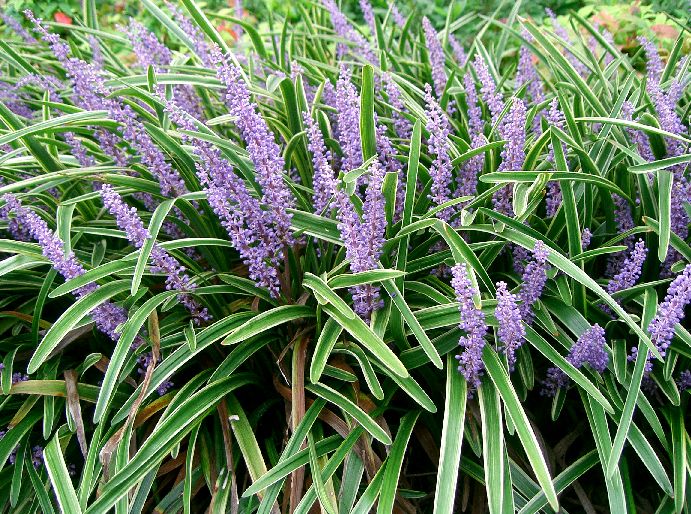
Liriope (Lilyturf): Liriope (Lilyturf)
- Why it's great: Liriope is incredibly tough, drought-tolerant once established, and deer generally leave it alone due to its tough, grass-like foliage. It forms dense clumps, suppresses weeds, and produces spikes of purple or white flowers in late summer.
- Conditions: Full sun to partial shade, adaptable to various soil types.
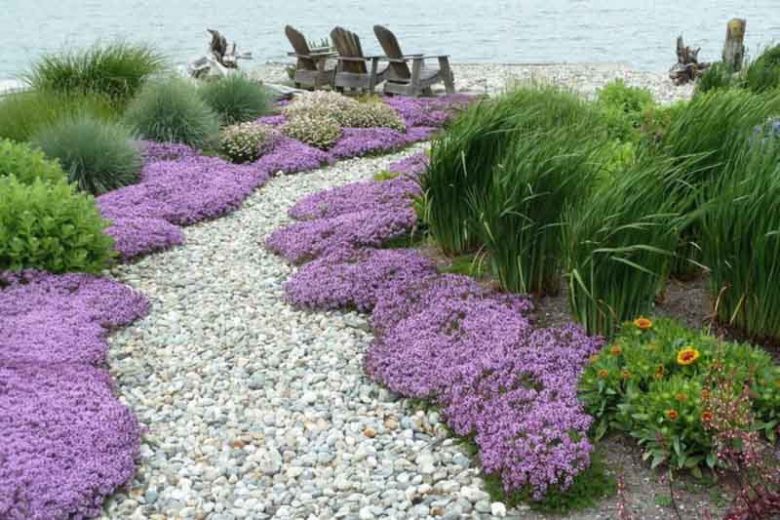
Creeping Thyme (Thymus serpyllum):
- Why it's great: This fragrant herb forms a dense, low-growing mat perfect for pathways, rock gardens, or between stepping stones. Its strong scent deters deer, and it's very drought-tolerant.
- Conditions: Full sun, well-drained soil. Tolerates foot traffic.
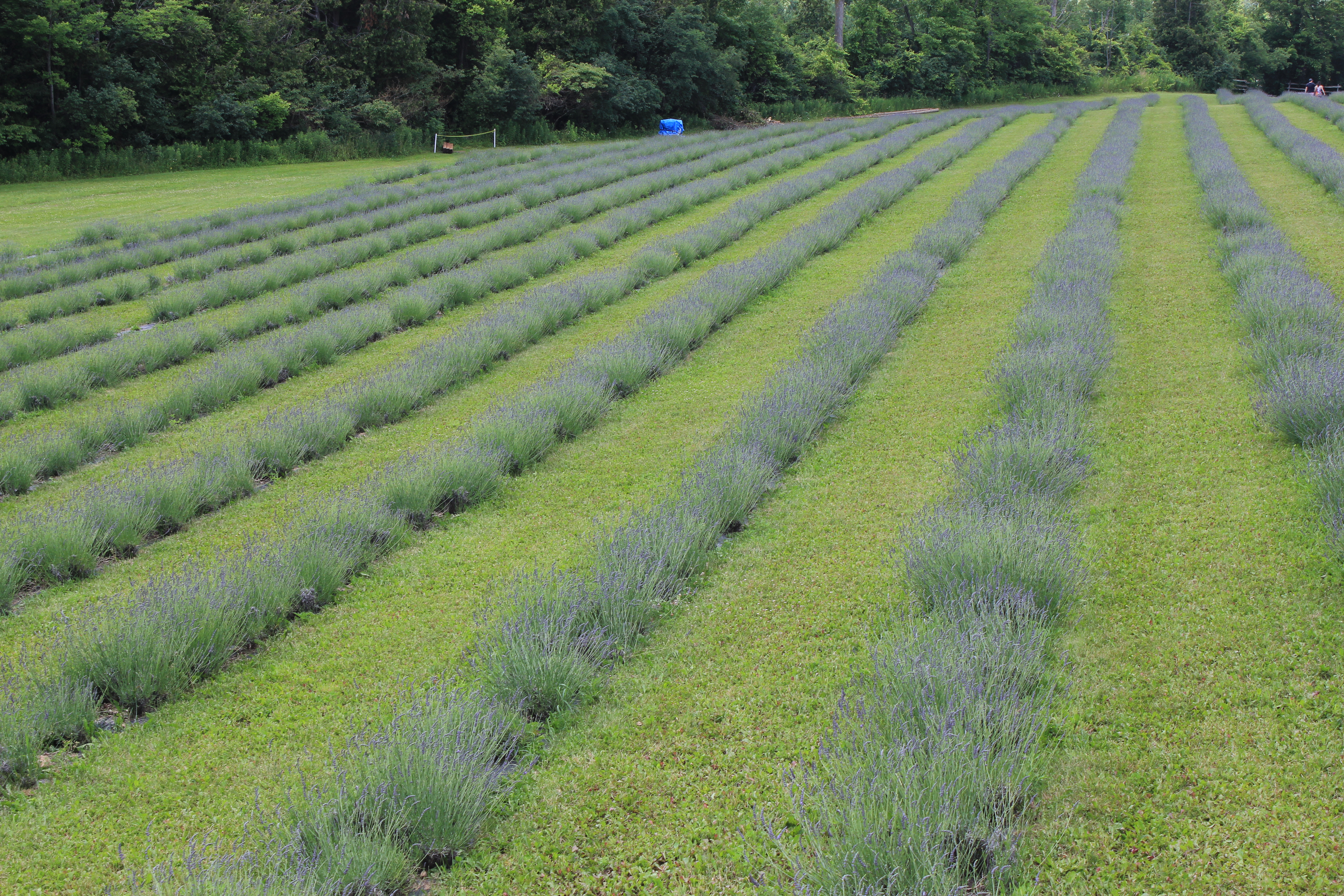
Lavender (Lavandula spp.): Lavender
- Why it's great: Known for its beautiful purple flowers and intoxicating fragrance, lavender is a classic deer deterrent. It thrives in Zone 8's heat and sun, forming attractive, mounding ground cover.
- Conditions: Full sun, well-drained soil. Avoid overly wet conditions.
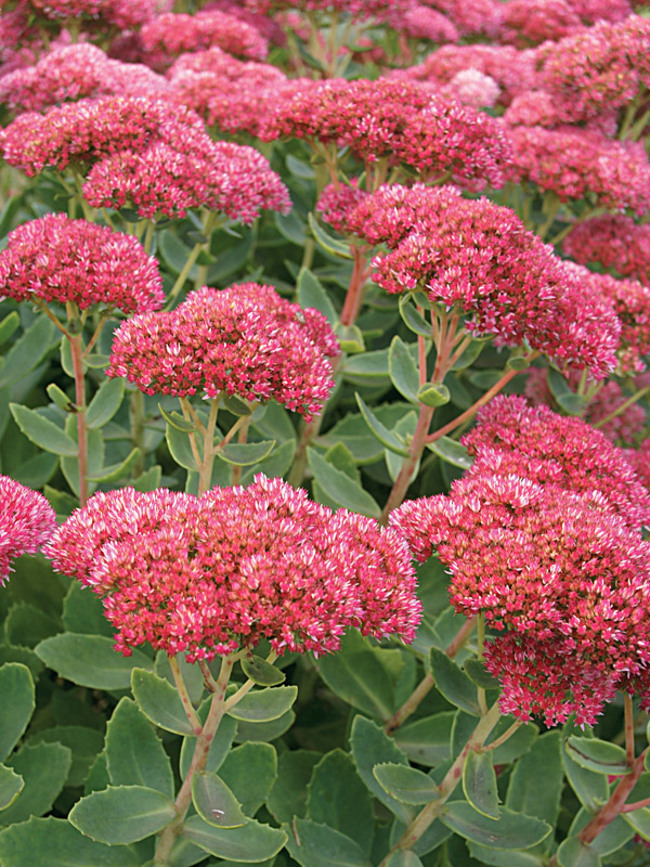
Sedum (Stonecrop): Sedum Autumn Fire
- Why it's great: Many low-growing sedum varieties are excellent ground covers, offering succulent foliage and often colorful flowers. Their fleshy leaves are not appealing to deer, and they are extremely drought-tolerant.
- Conditions: Full sun, well-drained soil. Comes in many forms, from creeping to mounding.
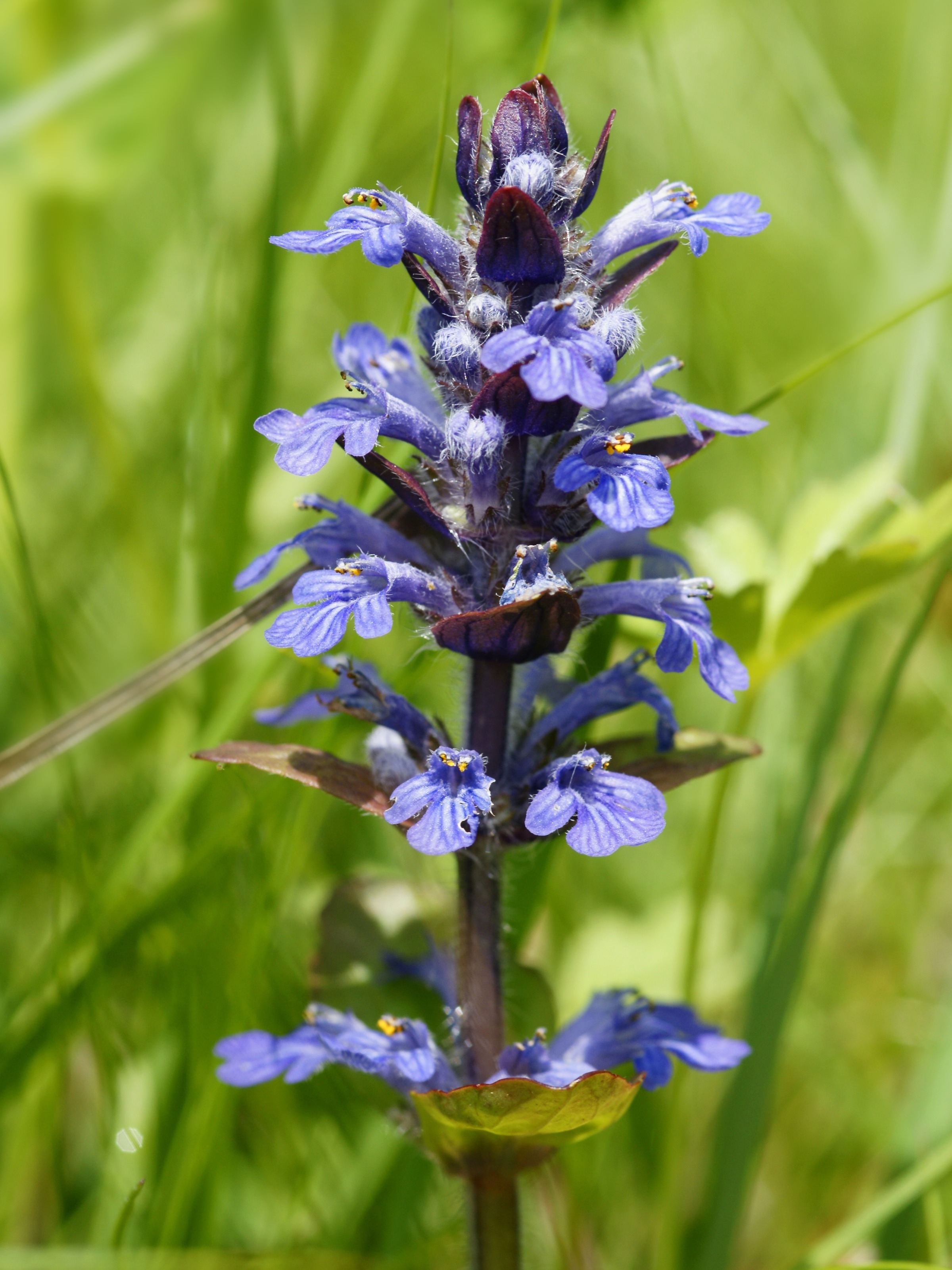
Ajuga (Bugleweed):
- Why it's great: Ajuga forms a dense carpet of attractive foliage, often in shades of green, bronze, or purple. It produces spikes of blue, purple, or pink flowers in spring. Deer tend to avoid it.
- Conditions: Partial to full shade, moist, well-drained soil. Can be invasive in ideal conditions.
Lamb's Ear (Stachys byzantina):
- Why it's great: Its soft, fuzzy, silver-gray leaves are beautiful and distinctive, but their texture is unappealing to deer. It's drought-tolerant and forms a lovely, dense mat.
- Conditions: Full sun to partial shade, well-drained soil.
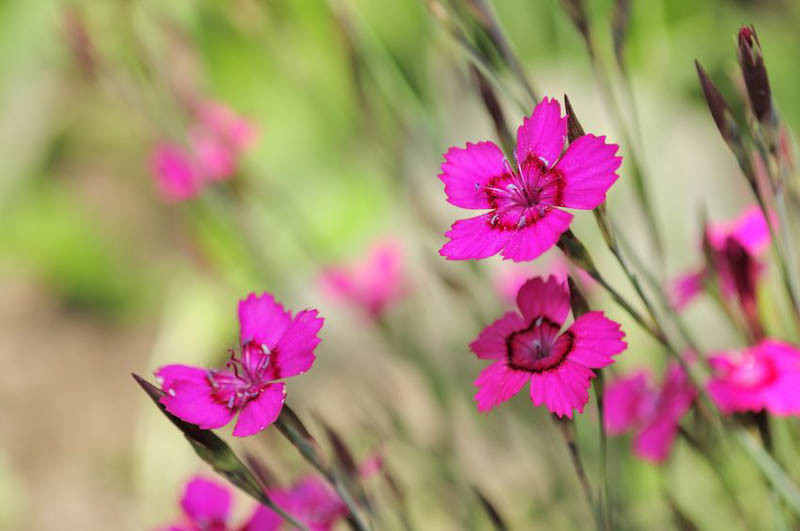
-
- Why it's great: Many low-growing dianthus varieties form attractive mats of blue-green foliage, topped with charming, often fragrant, fringed flowers. Deer generally leave them alone.
- Conditions: Full sun, well-drained soil.
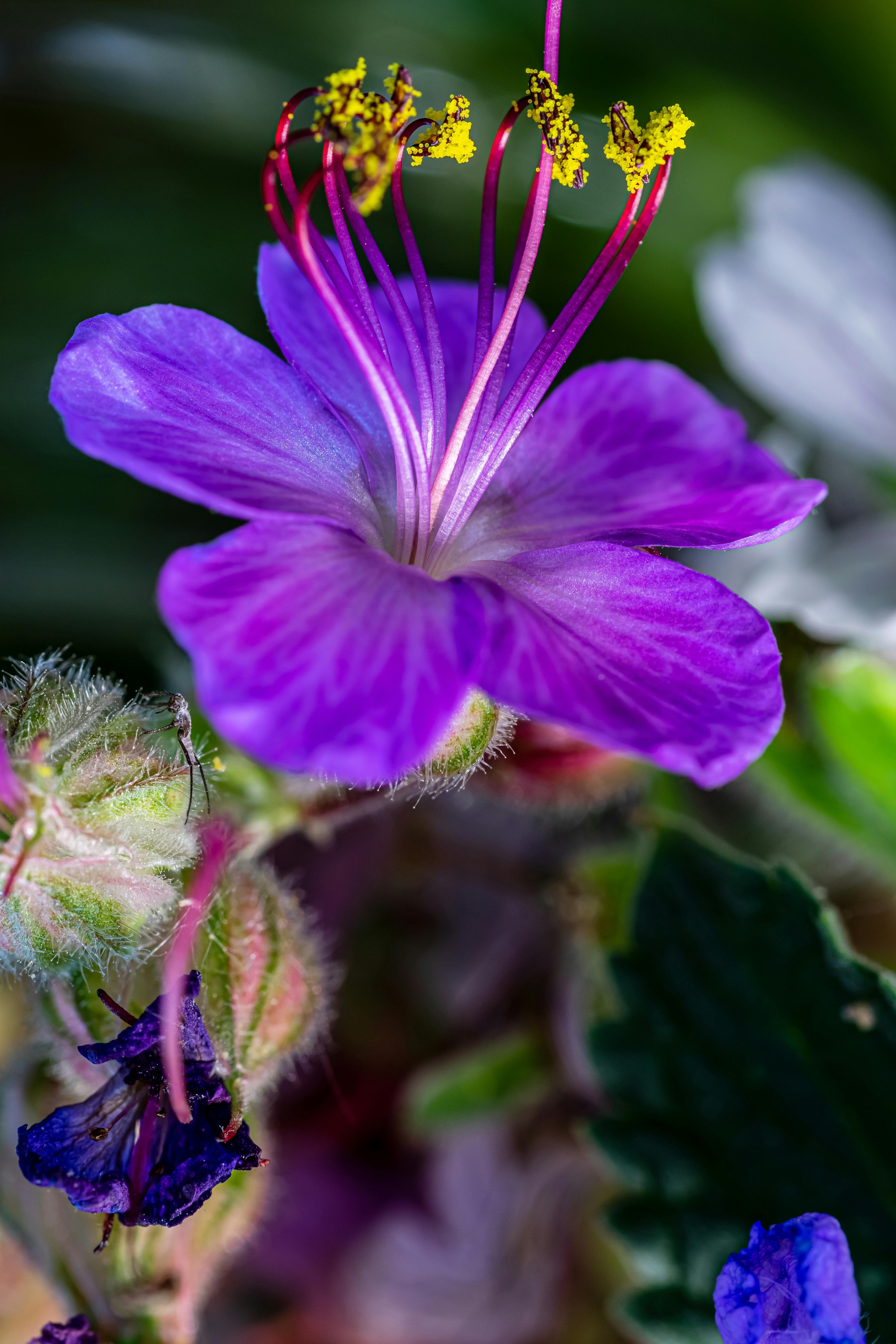
Hardy Geranium (Cranesbill): Hardy Geranium Rozanne
- Why it's great: Unlike annual geraniums, hardy geraniums are perennial ground covers with attractive foliage and delicate flowers. Many varieties are deer-resistant due to their slightly aromatic leaves.
- Conditions: Full sun to partial shade, well-drained soil.
Quick Reference: Deer-Resistant Ground Covers for Zone 8
| Plant Name | Sun Exposure | Soil Needs | Deer Resistance | Notes |
|---|---|---|---|---|
| Liriope (Lilyturf) | Full Sun to Part Shade | Adaptable | High | Tough, grass-like, purple/white flowers. |
| Creeping Thyme | Full Sun | Well-drained | High | Fragrant, tolerates foot traffic. |
| Lavender | Full Sun | Well-drained | High | Aromatic, drought-tolerant, purple blooms. |
| Sedum (Stonecrop) | Full Sun | Well-drained | High | Succulent foliage, very drought-tolerant. |
| Ajuga (Bugleweed) | Part to Full Shade | Moist, well-drained | Medium-High | Colorful foliage, spring flowers. |
| Lamb's Ear | Full Sun to Part Shade | Well-drained | High | Fuzzy, silver foliage, drought-tolerant. |
| Dianthus (Pinks) | Full Sun | Well-drained | Medium-High | Blue-green foliage, fragrant flowers. |
| Hardy Geranium | Full Sun to Part Shade | Well-drained | Medium-High | Attractive foliage, delicate flowers. |
How Do I Ensure My Deer-Resistant Ground Covers Thrive in Zone 8?
Even with deer-resistant plants, proper care is essential for their success in Zone 8's climate:
- Soil Preparation: Most ground covers prefer well-drained soil. Amend heavy clay soils with organic matter like compost to improve drainage and fertility. For sandy soils, compost will help retain moisture and nutrients.
- Watering: While many deer-resistant ground covers are drought-tolerant once established, they will need regular watering during their first growing season. After that, water deeply but infrequently, especially during prolonged dry spells. Zone 8 summers can be hot, so monitor plants for signs of stress.
- Sunlight: Pay close attention to the specific sun requirements of each plant. Full sun in Zone 8 means intense heat, so some plants that tolerate "full sun" in cooler zones might appreciate a little afternoon shade here.
- Mulching: A layer of organic mulch (like pine straw or shredded bark) around your new ground covers can help retain soil moisture, regulate soil temperature, and further suppress weeds.
- Pest and Disease Monitoring: While deer might leave them alone, keep an eye out for other common garden pests or diseases specific to your region. Healthy plants are more resilient.
Will Deer Really Avoid These Plants in My Zone 8 Garden?
While the plants listed are generally considered deer-resistant, it's important to remember that "deer-resistant" does not mean "deer-proof." Deer behavior can be unpredictable. Factors such as local deer population density, the availability of other food sources, and the specific hunger level of the deer can all influence what they choose to eat.
A hungry deer, especially during times of drought or harsh winter conditions (though less common in Zone 8), may browse plants they would normally ignore. Young, tender growth is also more appealing to deer than mature, tougher foliage.
Tips for Maximizing Deer Resistance:
- Diversity: Plant a variety of deer-resistant plants.
- Strategic Placement: Place highly desirable plants closer to your home or behind barriers.
- Repellents: Consider using commercial deer repellents as an additional deterrent, especially when plants are young.
- Fencing: For truly vulnerable areas, physical barriers like fencing are the most effective solution.
By combining smart plant choices with good gardening practices, you can create a beautiful and thriving Zone 8 landscape that largely resists deer damage.
Ready to find the perfect plants for your yard? Try the PlantWise Plant Finder →