FTC Disclosure: This post contains affiliate links. We may earn a commission if you make a purchase through these links at no extra cost to you.
If you’re gardening in USDA Hardiness Zone 5 and struggle with deer nibbling your plants, native deer resistant perennials are a smart, sustainable solution. These plants have evolved alongside local wildlife, often developing natural defenses that make them less appealing to deer. Plus, native perennials support local pollinators and biodiversity, creating a healthier garden ecosystem. In this post, we’ll explore 10 native, deer resistant perennials suitable for Zone 5 that add beauty and resilience to your garden.
Why Choose Native Deer Resistant Perennials in Zone 5?
Zone 5 covers parts of the northern US and includes cold winters with minimum temperatures ranging from -20 to -10°F (-29 to -23°C). Choosing perennials that are native to your region ensures they are well-adapted to these conditions. Native plants also generally require less water and fertilizer than exotics.
Deer resistance is a key consideration in many gardens, especially in suburban and rural areas where deer populations are high. While no plant is completely deer-proof, many natives have characteristics such as strong scents, tough or hairy foliage, or bitter tastes that make them less palatable.
Using native deer resistant perennials supports local wildlife like bees, butterflies, and birds, offering food and habitat. This promotes a balanced, thriving garden that benefits both you and the environment.
Note: While these plants are deer resistant, local deer preferences vary, and hungry deer may browse on them. Always consider additional deer deterrent strategies if needed.
🌱 Get Personalized Plant Picks
Answer a few quick questions and we’ll match plants to your exact yard conditions.
Find My Plants →Top 10 Native Deer Resistant Perennials for Zone 5
1. Purple Coneflower (Echinacea purpurea)
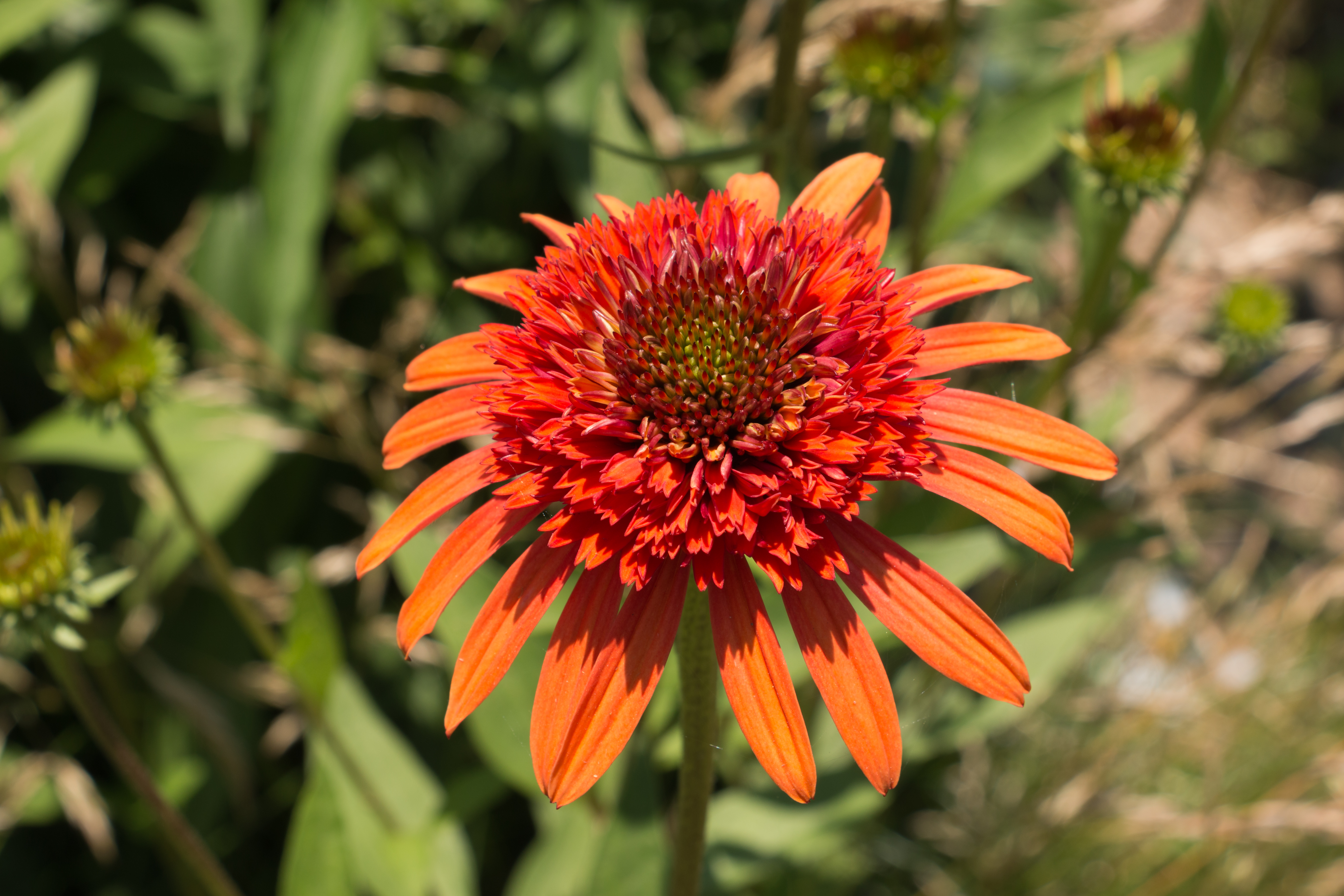
Coneflower
Purple coneflower is a classic native prairie perennial with spiky purple petals and a prominent orange cone center. It thrives in full sun and well-drained soil. Its rough, hairy leaves and bitter-tasting flowers make it less appealing to deer. Coneflowers attract butterflies, bees, and birds, making them a pollinator favorite. They bloom mid to late summer and tolerate drought once established.
2. Wild Bergamot (Monarda fistulosa)
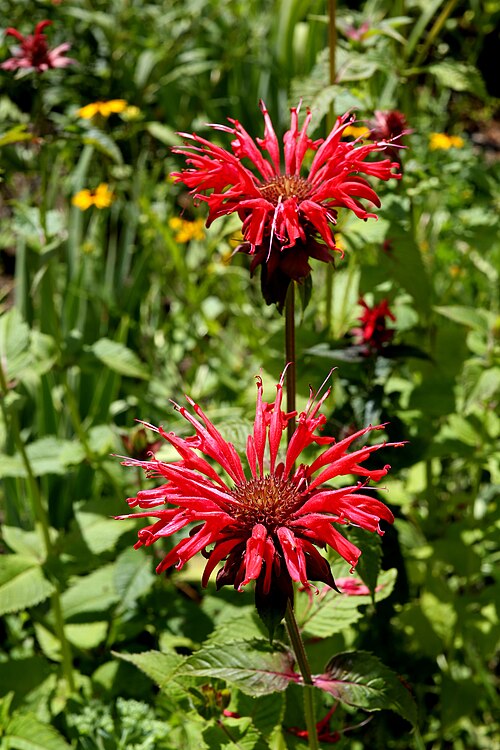
Wild Bergamot
Wild bergamot, also known as bee balm, has aromatic leaves and vibrant lavender-pink flowers. The plant’s strong minty scent deters deer. It prefers full sun to part shade and moist, well-drained soils. This perennial attracts hummingbirds, bees, and butterflies, enhancing garden biodiversity. It blooms mid-summer and can spread nicely to form attractive clumps.
3. Black-eyed Susan (Rudbeckia hirta)
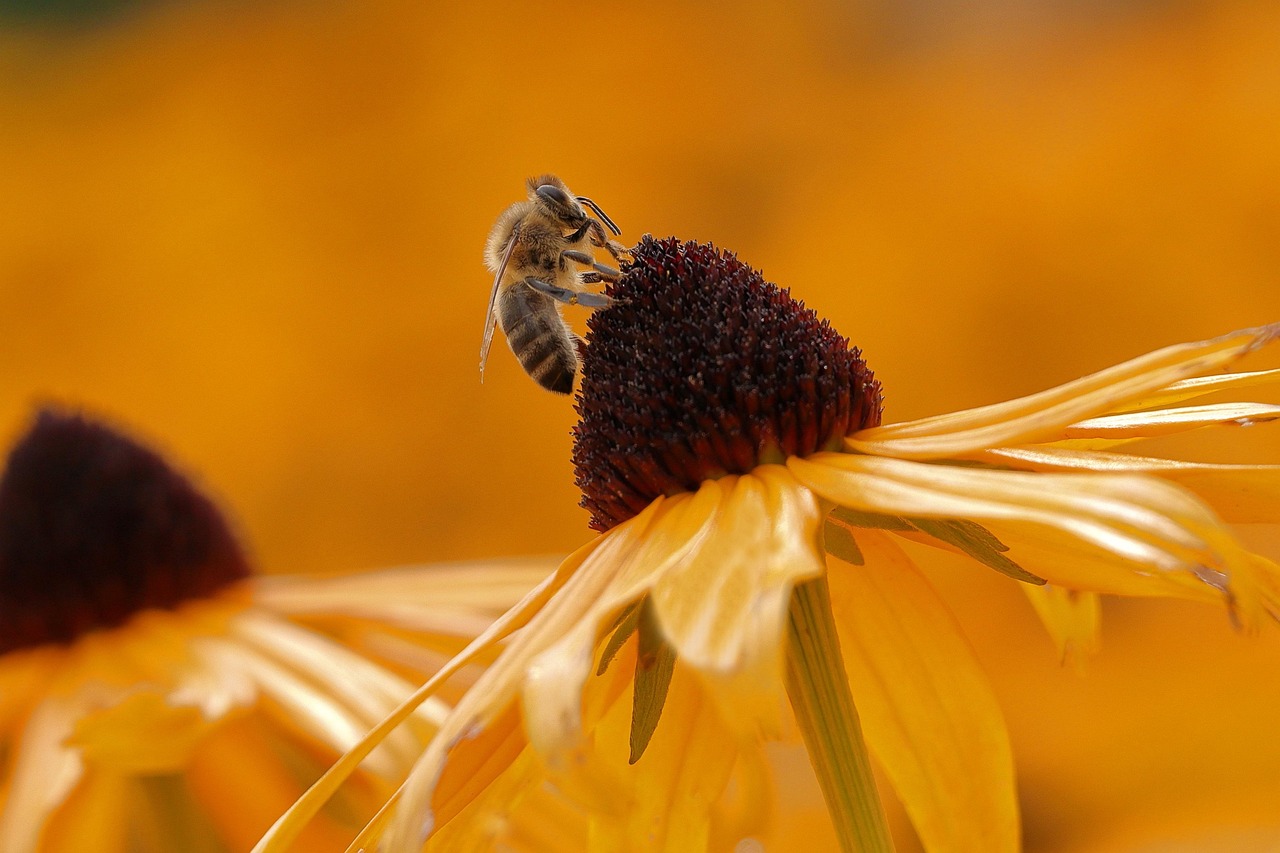
Black-eyed Susan
Black-eyed Susan is a hardy, sunny yellow flower with a dark brown center. Its coarse leaves and stems discourage deer browsing. This plant grows well in full sun with average, well-drained soil. Blooming from summer to fall, it supports pollinators and adds cheerful color to gardens. It self-seeds but is not invasive.
4. Wild Geranium (Geranium maculatum)
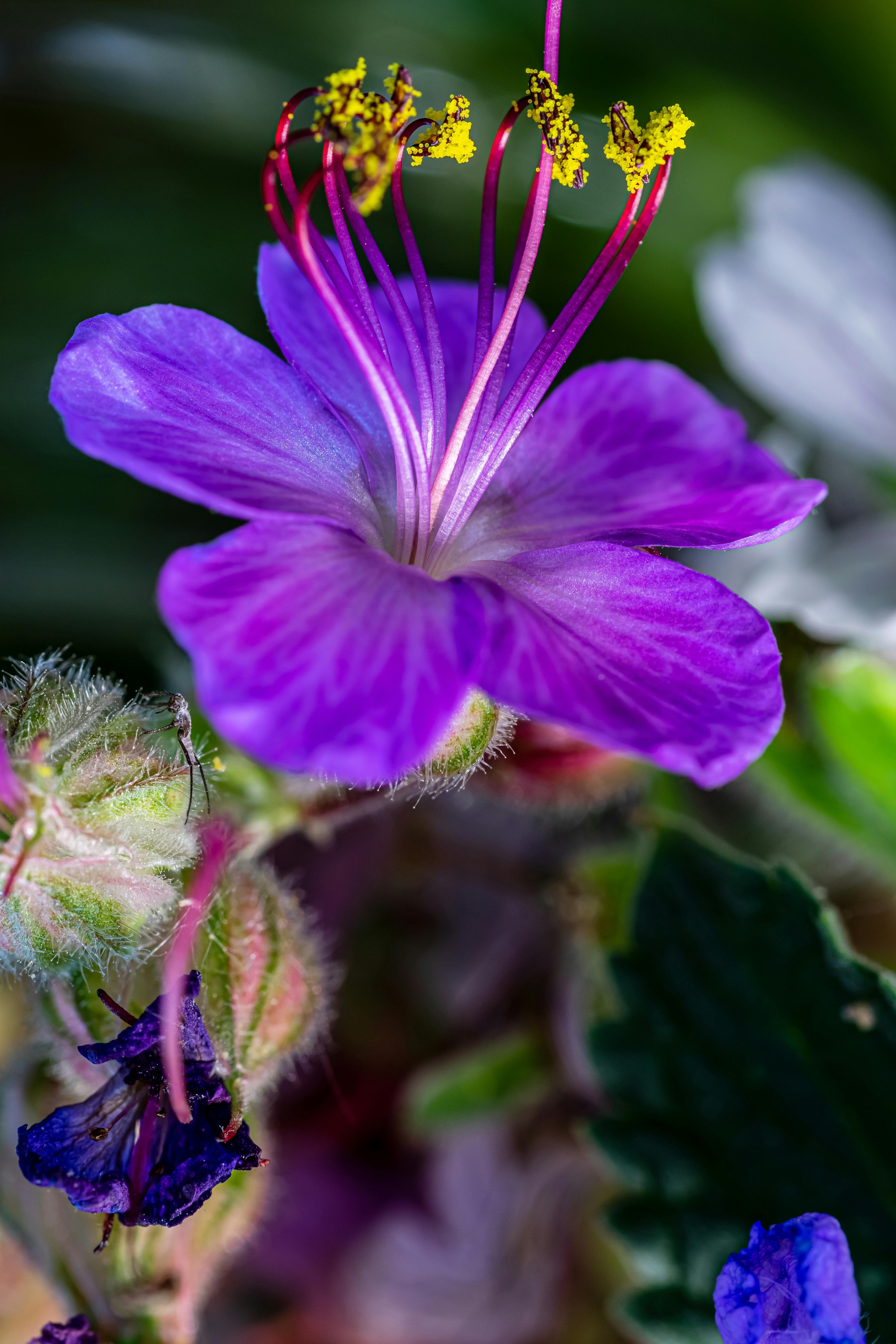
Hardy Geranium Rozanne
Wild geranium features delicate pink to lavender flowers in spring, followed by attractive foliage. The slightly hairy leaves and bitter taste help deter deer. It prefers shade to part shade and moist, well-drained soils. This woodland native supports native bees and butterflies and spreads gradually to form a groundcover.
5. New England Aster (Symphyotrichum novae-angliae)
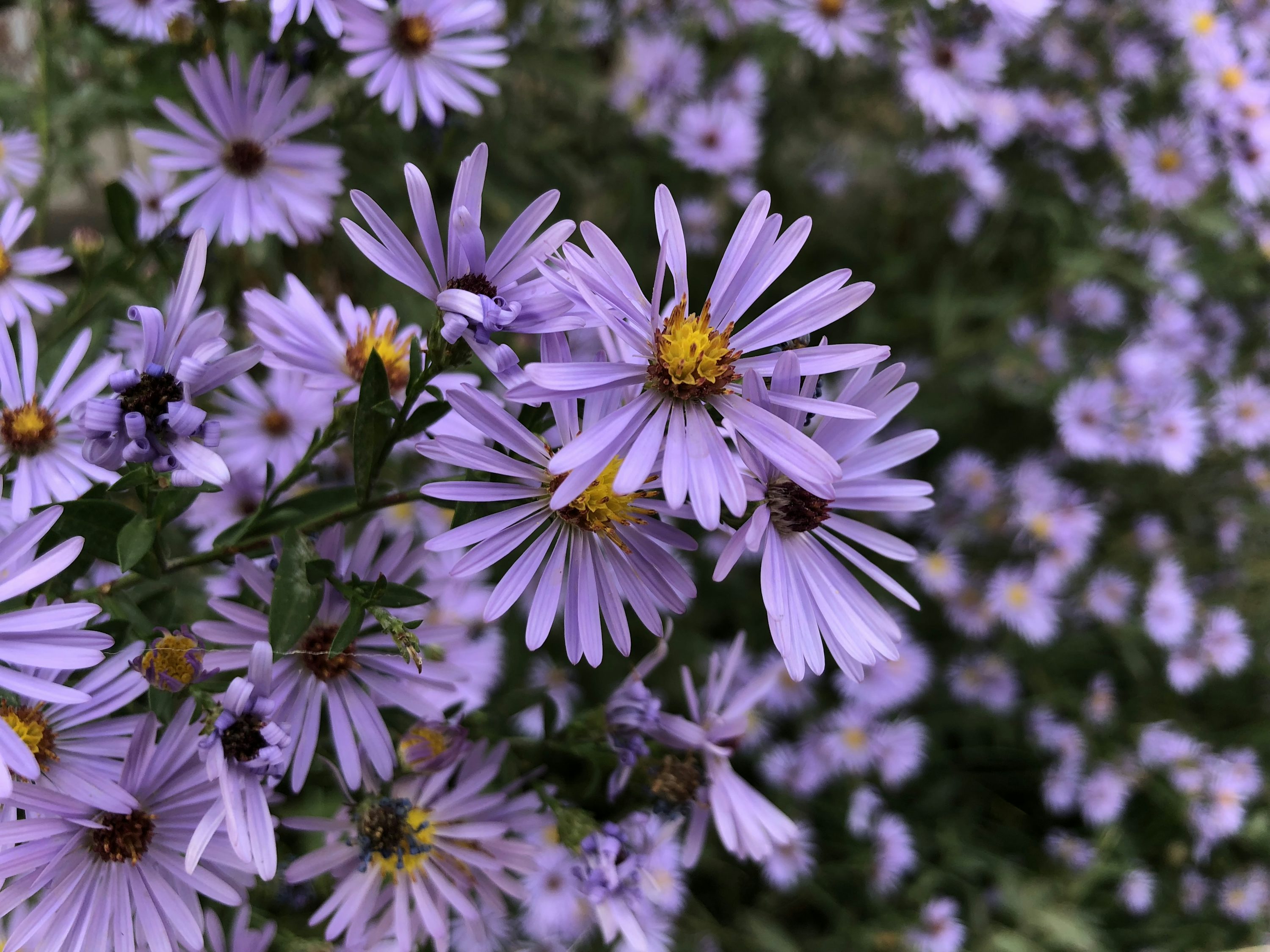
Aster
New England aster blooms late in the growing season with vibrant purple or pink flowers, providing nectar when many other plants have finished. Its rough leaves and stems are unappealing to deer. It thrives in full sun and moist soil, attracting butterflies and bees. It can grow up to 5 feet tall, adding vertical interest.
6. Wild Columbine (Aquilegia canadensis)
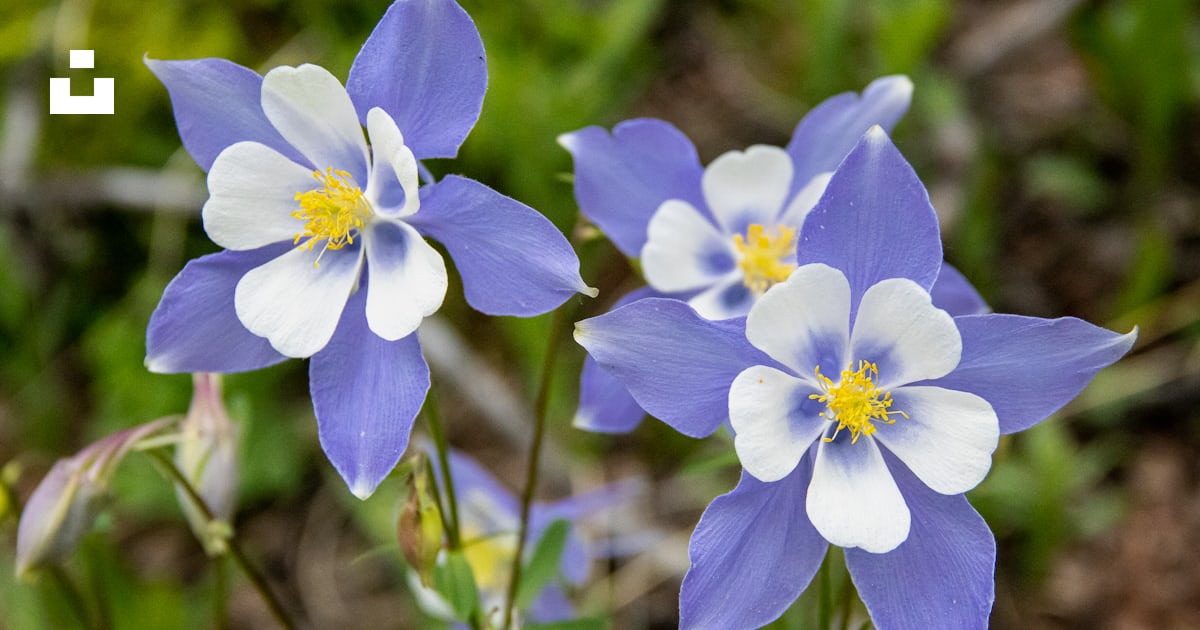
Columbine
Wild columbine is a delicate red and yellow flower native to woodlands and rocky areas. Its unique flower shape and bitter foliage deter deer. Prefers part shade and well-drained soil. It blooms in spring to early summer and attracts hummingbirds and native bees.
7. Butterfly Weed (Asclepias tuberosa)
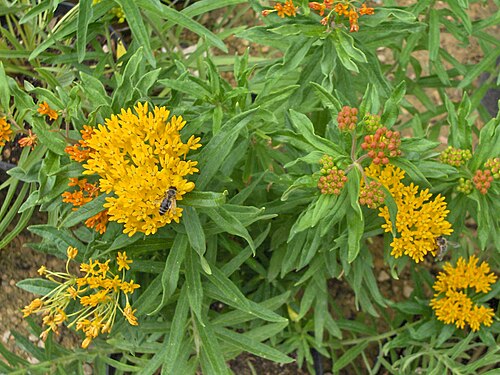
Butterfly Weed
Butterfly weed sports bright orange flowers and is a host plant for monarch butterfly caterpillars. Its tough, hairy leaves and toxic sap make it unattractive to deer. Prefers full sun and dry to medium well-drained soil. Blooming mid to late summer, it supports pollinators and adds brilliant color.
8. Blue False Indigo (Baptisia australis)
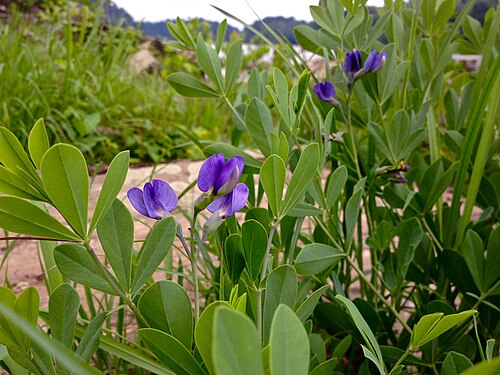
False Indigo
Blue false indigo has pea-like blue flowers with gray-green foliage. The plant’s tough texture and bitter taste help keep deer at bay. Adapted to full sun and well-drained soil, it blooms late spring to early summer. It is long-lived and drought tolerant once established.
9. Foamflower (Tiarella cordifolia)
Foamflower
Foamflower is a shade-loving groundcover with white foamy flowers and attractive foliage. Its hairy, textured leaves discourage deer browsing. It prefers moist, rich soils in partial to full shade. Blooming in spring, it supports native pollinators and adds interest to woodland gardens.
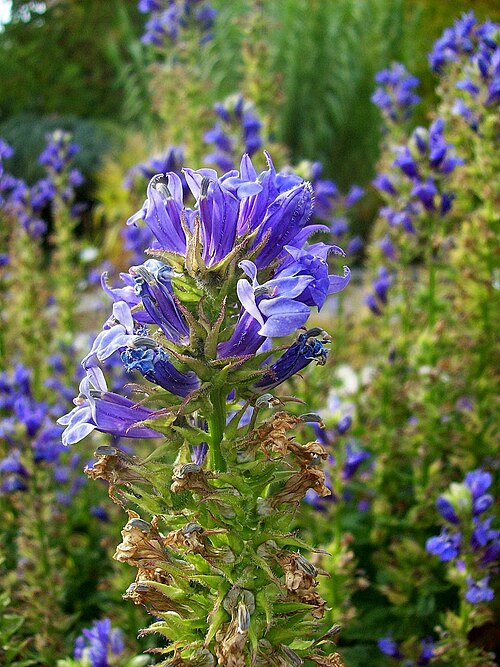
10. Great Blue Lobelia (Lobelia siphilitica)
Great Blue Lobelia
Great blue lobelia features striking tubular blue flowers that attract hummingbirds and bees. Its slightly bitter foliage makes it less favored by deer. Prefers moist to wet soils and full sun to part shade. It blooms late summer to fall and adds vertical color to water-edge or moist garden spots.
Additional Tips for Deer Resistance in Zone 5 Gardens
- Plant in groups: Large clumps of deer resistant natives may be more effective than scattered single plants.
- Use physical barriers: Fencing or netting can protect plants during vulnerable times.
- Companion planting: Mix deer resistant plants with less resistant ones to reduce overall browsing.
- Maintain plant health: Healthy plants are better able to withstand some browsing pressure.
- Consider deer deterrents: Commercial sprays or homemade solutions can supplement plant resistance.
Wildlife Resistance Disclaimer
While these native perennials are generally considered deer resistant, no plant is completely deer-proof. Local deer populations may vary in their feeding habits, especially during harsh winters or food shortages. Use multiple strategies for best results.
Pet Safety Note
These native perennials are not listed as toxic to pets; however, it is important to monitor pets in gardens and discourage ingestion of any plants. If you suspect your pet has ingested a potentially harmful plant, contact the ASPCA Animal Poison Control Hotline at 888-426-4435 immediately.
Conclusion
Selecting deer resistant perennials native to Zone 5 not only helps reduce deer damage but also supports pollinators and enhances your garden’s ecological health. Plants like Coneflower, Wild Bergamot, and Black-eyed Susan combine beauty, resilience, and wildlife benefits. With thoughtful planting and care, you can enjoy a vibrant, sustainable garden that thrives despite deer pressure.
Ready to find the perfect native, deer resistant perennials for your Zone 5 garden? Try our Plant Finder wizard at /wizard to get personalized plant recommendations tailored to your location and garden conditions.