FTC Disclosure: This post contains affiliate links. As an Amazon Associate, we earn from qualifying purchases at no extra cost to you.
If you’re a gardener in USDA Hardiness Zone 6 looking for beautiful, eco-friendly plants that can withstand deer browsing, native deer-resistant perennials are an excellent choice. These plants not only add seasonal interest and support local wildlife but also tend to be more resilient and sustainable in your garden. While no plant is completely deer-proof, especially during hungry seasons, these native perennials have qualities that typically discourage deer from eating them. Here are 10 native deer-resistant perennials perfect for Zone 6 gardens.
If you have pets, always verify plant safety with your veterinarian or the ASPCA Animal Poison Control Center at 888-426-4435. While these plants are generally deer resistant, wildlife resistance can vary by location and population.
Why Choose Native Deer-Resistant Perennials for Zone 6?
Native plants are adapted to the climate, soil, and ecosystem of your area. They often require less water, fertilizer, and pesticides, making them a sustainable choice. Deer tend to avoid plants with tough, aromatic, or fuzzy foliage, and many native perennials have these traits. Choosing native, deer-resistant perennials helps maintain biodiversity and provides food and habitat for native pollinators and birds.
🌱 Get Personalized Plant Picks
Answer a few quick questions and we’ll match plants to your exact yard conditions.
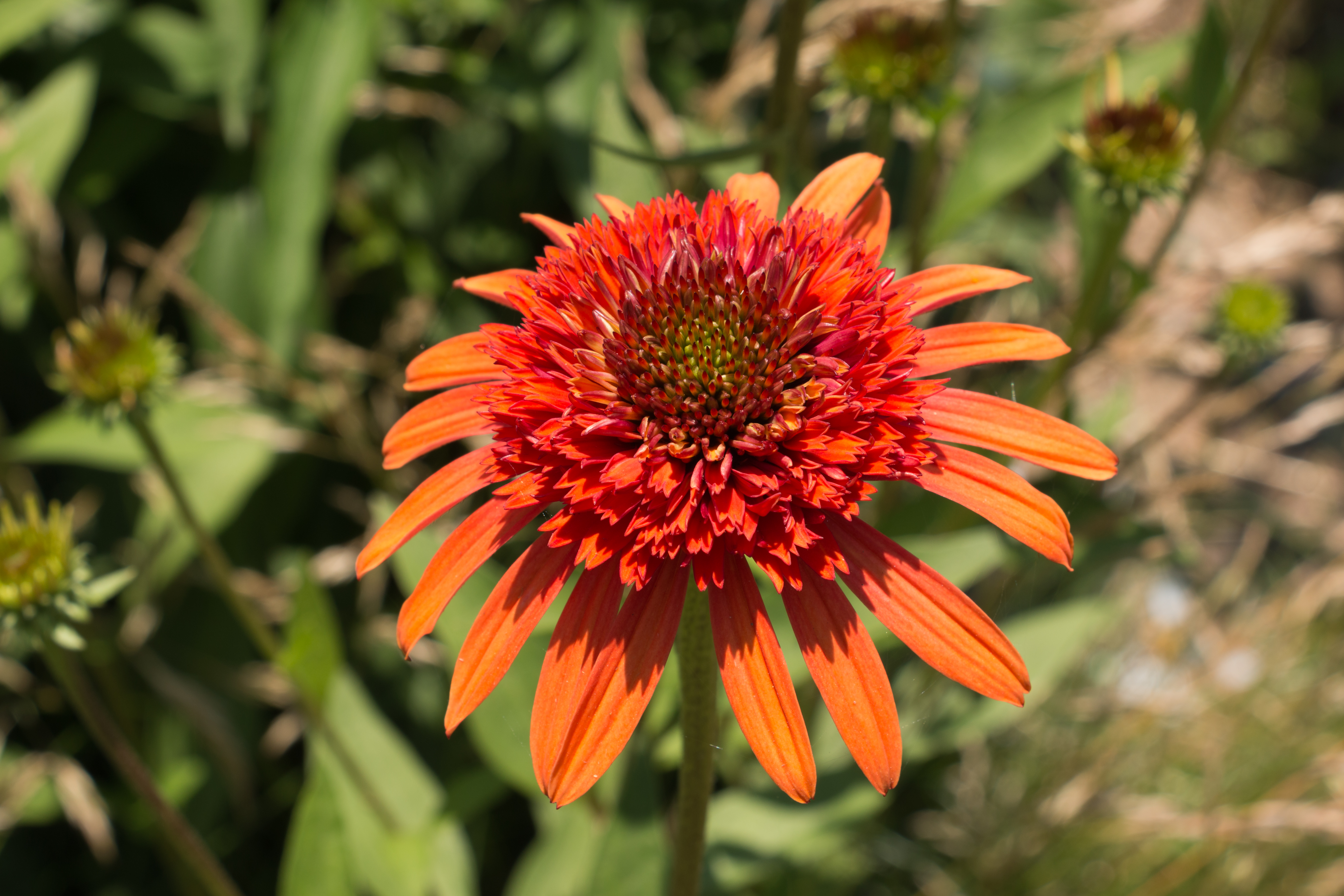
Find My Plants →1. Purple Coneflower (Echinacea purpurea)
Purple Coneflower is a classic native perennial that thrives in Zone 6. Its tough, somewhat hairy leaves and showy purple flowers make it less palatable to deer. The plant blooms from mid-summer to early fall, attracting butterflies and bees while adding vibrant color to your garden.
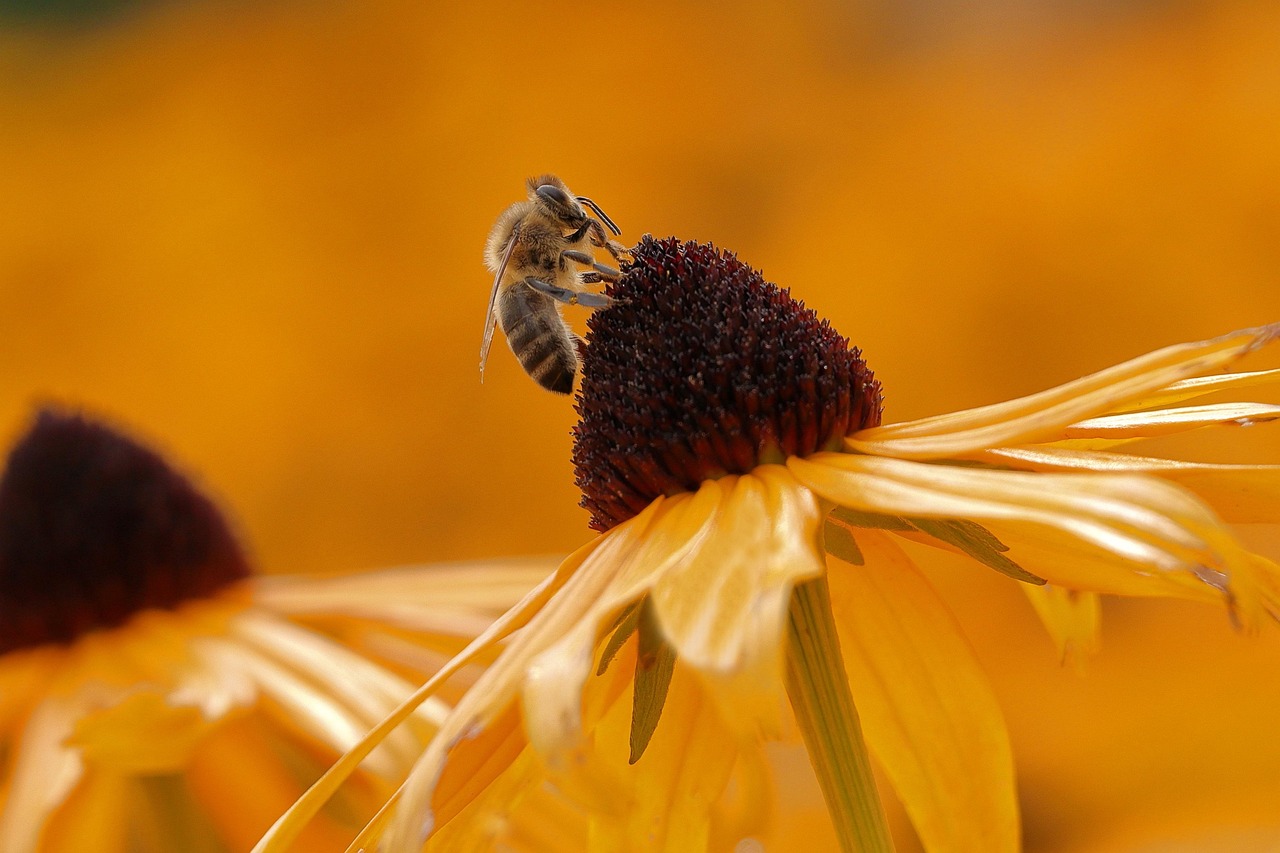
2. Black-Eyed Susan (Rudbeckia hirta)
Black-Eyed Susan is another tough native perennial with daisy-like yellow flowers and dark centers. Its rough leaves and stems deter deer, and it’s drought-tolerant once established. This plant provides long-lasting blooms from summer through fall and supports pollinators.
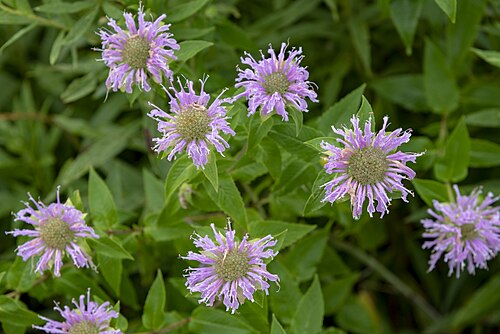
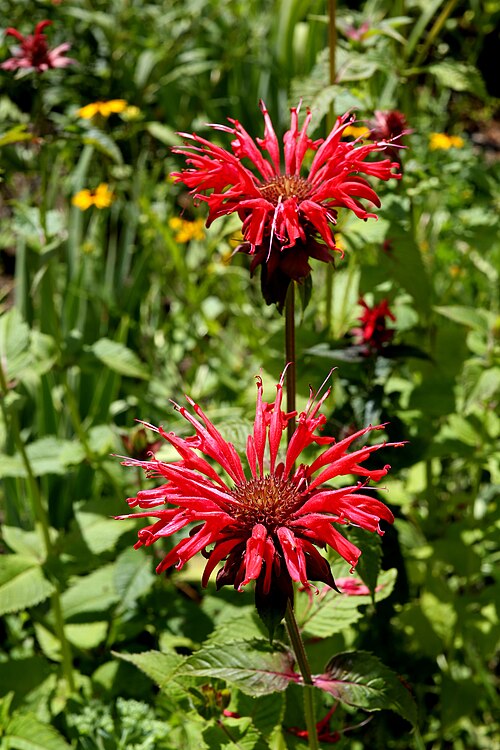
3. Wild Bergamot (Monarda fistulosa)
Known for its aromatic, fuzzy leaves, Wild Bergamot is a native bee balm that deer usually avoid. It features lavender-pink flowers that attract hummingbirds and butterflies. Its strong fragrance and hairy foliage make it less appealing to browsing deer.
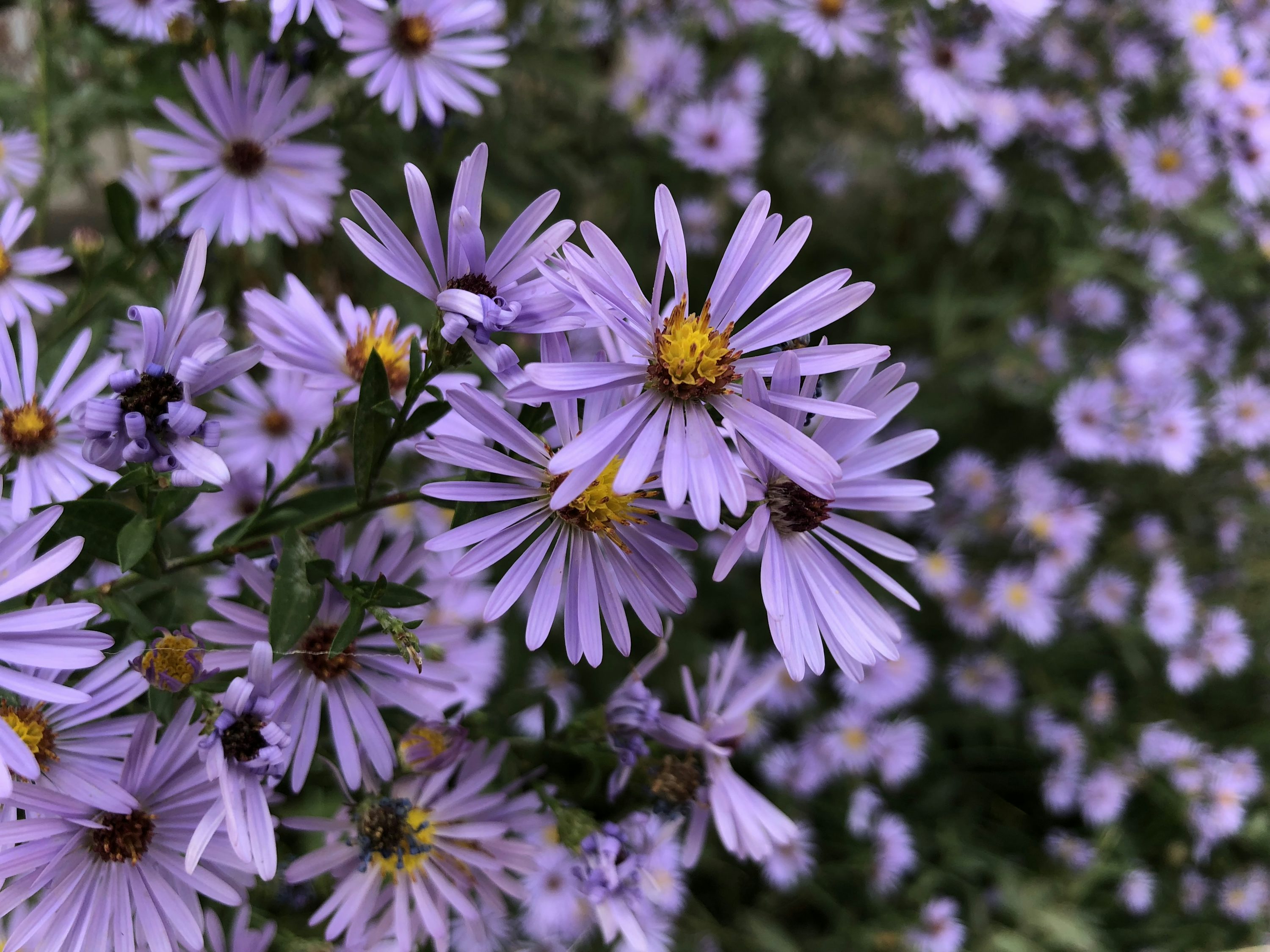
4. New England Aster (Symphyotrichum novae-angliae)
New England Aster offers late-season color with its vibrant purple flowers. The coarse texture of its stems and leaves discourages deer browsing. This perennial thrives in full sun and moist soils and is invaluable for pollinators preparing for winter.
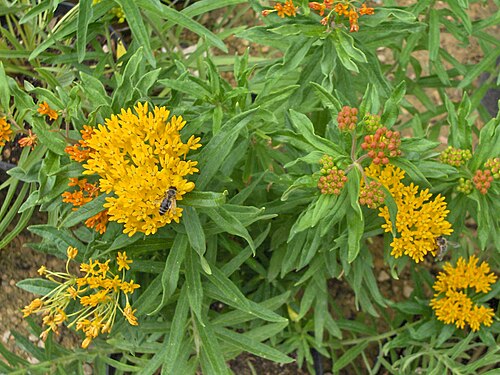
5. Butterfly Weed (Asclepias tuberosa)
Butterfly Weed is a native milkweed species with bright orange flowers. Deer tend to avoid milkweeds because of their bitter sap and tough leaves. This plant supports monarch butterflies and other pollinators, making it a vital addition to native gardens.
6. Wild Indigo (Baptisia australis)
Wild Indigo is a hardy perennial with blue-purple pea-like flowers. It has tough, slightly hairy foliage that deer generally avoid. It grows well in Zone 6 and adds architectural interest with its upright form.
7. Goat’s Beard (Aruncus dioicus)
Goat’s Beard produces feathery white flower plumes in early summer. Its coarse, fern-like leaves are unappealing to deer. It prefers part shade and moist soils and adds texture contrast in woodland or shade gardens.
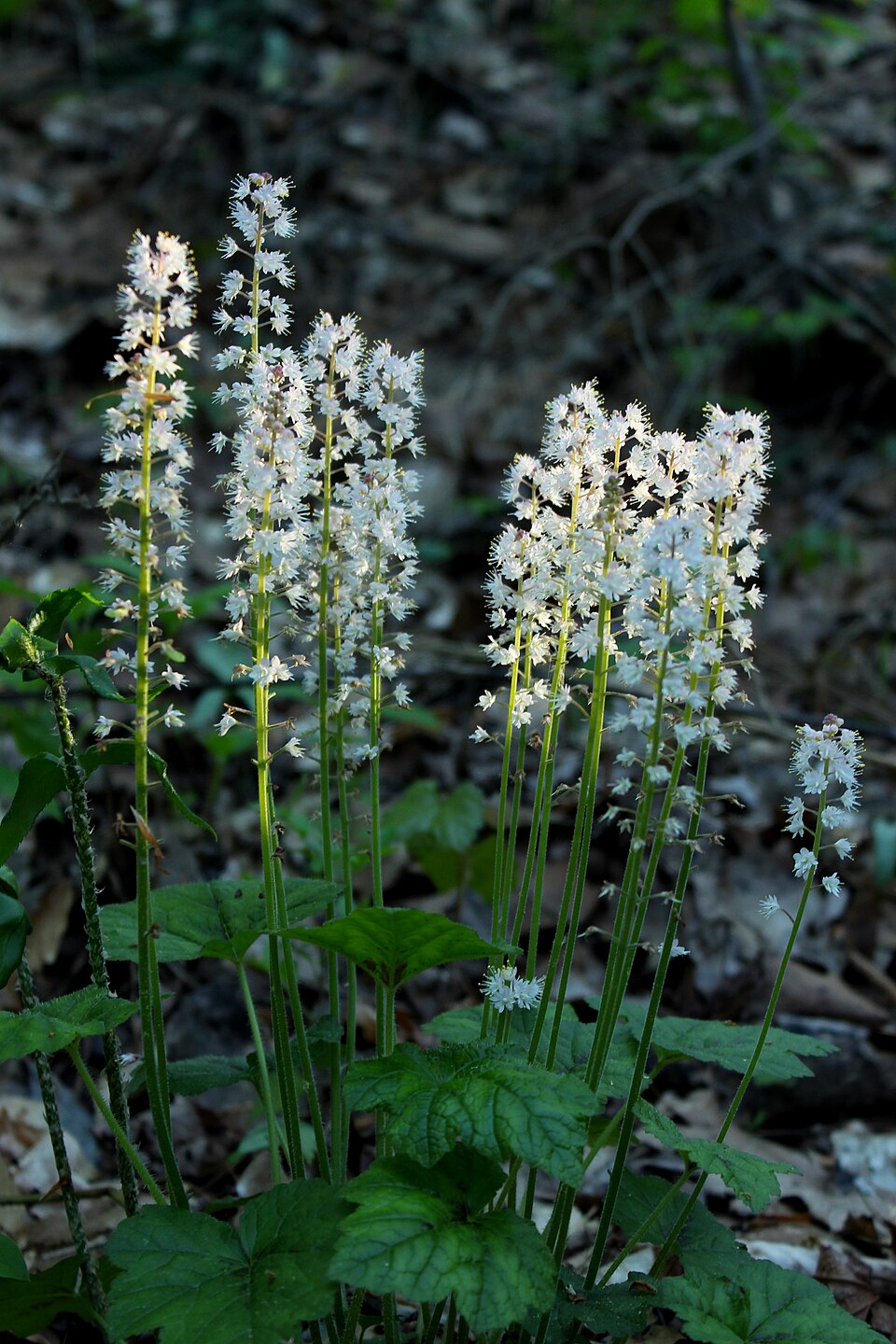
8. Foamflower (Tiarella cordifolia)
Foamflower is a shade-loving perennial with delicate white to pink flowers and lobed foliage. The fuzzy leaves and low-growing habit help deter deer. It’s excellent as a groundcover in woodland gardens.
9. Wild Geranium (Geranium maculatum)
Wild Geranium offers pink to lavender flowers in spring. Its foliage has a somewhat coarse texture that tends to discourage deer. It thrives in part shade and well-drained soils.
10. Goldenrod (Solidago spp.)
Goldenrod includes many native species with bright yellow flower clusters. Deer usually avoid the rough-textured leaves. It blooms in late summer and fall, providing nectar for pollinators preparing for winter.
Tips for Growing Deer-Resistant Perennials in Zone 6
- Plant in groups: Larger clumps of deer-resistant plants can better discourage browsing.
- Combine with other deterrents: Use physical barriers or natural repellents if deer pressure is high.
- Maintain plant health: Stressed plants may be more vulnerable to deer.
- Diversify your garden: Including shrubs and annuals can reduce the chance of deer focusing on perennials.
Wildlife Resistance Disclaimer
While these native perennials have characteristics that typically deter deer, no plant is completely deer-proof. Deer feeding habits vary by region, season, and population density.
Pet Safety Reminder
If you have pets, always confirm the suitability of plants for your household. None of these plants are listed as toxic to pets, but some may cause mild irritation if ingested.
Explore more native, deer-resistant perennials and find the perfect plants for your Zone 6 garden with our Plant Finder wizard at /wizard. Create a sustainable, beautiful garden that supports local wildlife and resists deer browsing!
If you want to learn more about any plant mentioned here, just check out these detailed profiles: