FTC Disclosure: This post contains affiliate links. If you make a purchase through these links, we may earn a small commission at no extra cost to you.
If you're looking for vibrant, spring-blooming perennials that thrive in USDA Zone 6 and can withstand deer browsing, you're in the right place. While deer can be a challenge for gardeners, several perennials naturally resist their appetite, allowing you to enjoy early season color without constant worry. Here are 10 deer-resistant perennials that bloom in spring and are well-suited for Zone 6 gardens.
Understanding Deer Resistance in Perennials
Deer resistance is not absolute, as hungry deer may sample almost any plant given the right conditions. However, certain plants are less palatable due to their texture, taste, or toxicity. Choosing deer-resistant perennials helps reduce damage and maintain a beautiful landscape. Keep in mind that wildlife resistance can vary by region and individual animal preferences.
🌱 Get Personalized Plant Picks
Answer a few quick questions and we’ll match plants to your exact yard conditions.
Find My Plants →10 Spring-Blooming Deer-Resistant Perennials for Zone 6
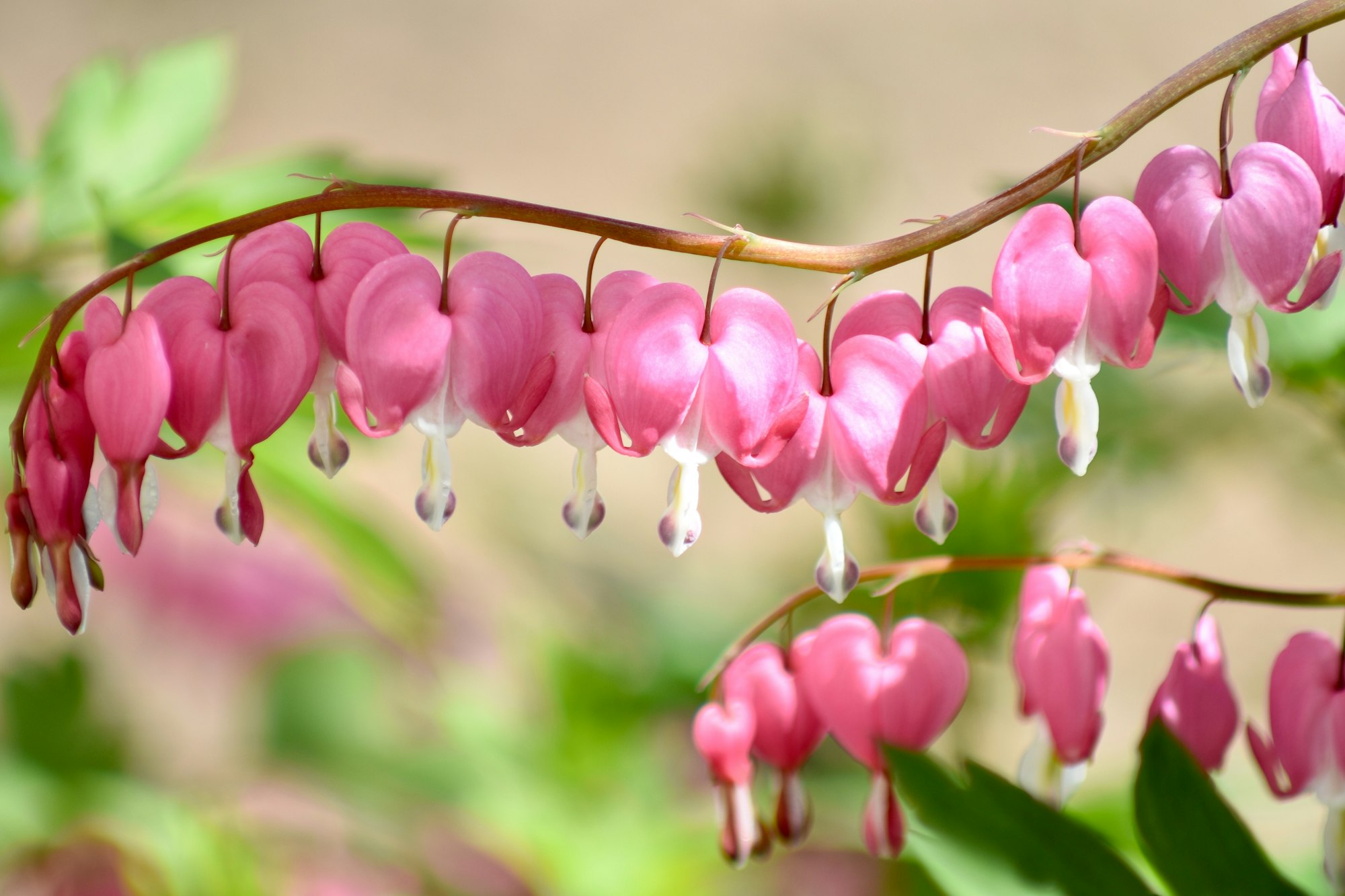
1. Bleeding Heart (Dicentra spectabilis)
Bleeding Heart is a classic spring perennial with arching stems of heart-shaped pink or white flowers. It thrives in partial shade and moist, well-drained soil. Its unique flower shape and mildly toxic foliage discourage deer browsing.
2. Pasque Flower (Pulsatilla vulgaris)
Pasque Flower offers beautiful, nodding purple blooms with a soft, fuzzy texture that deer tend to avoid. This early spring bloomer prefers full sun and well-drained soil, fitting well into rock gardens or borders.
Pulsatilla Vulgaris
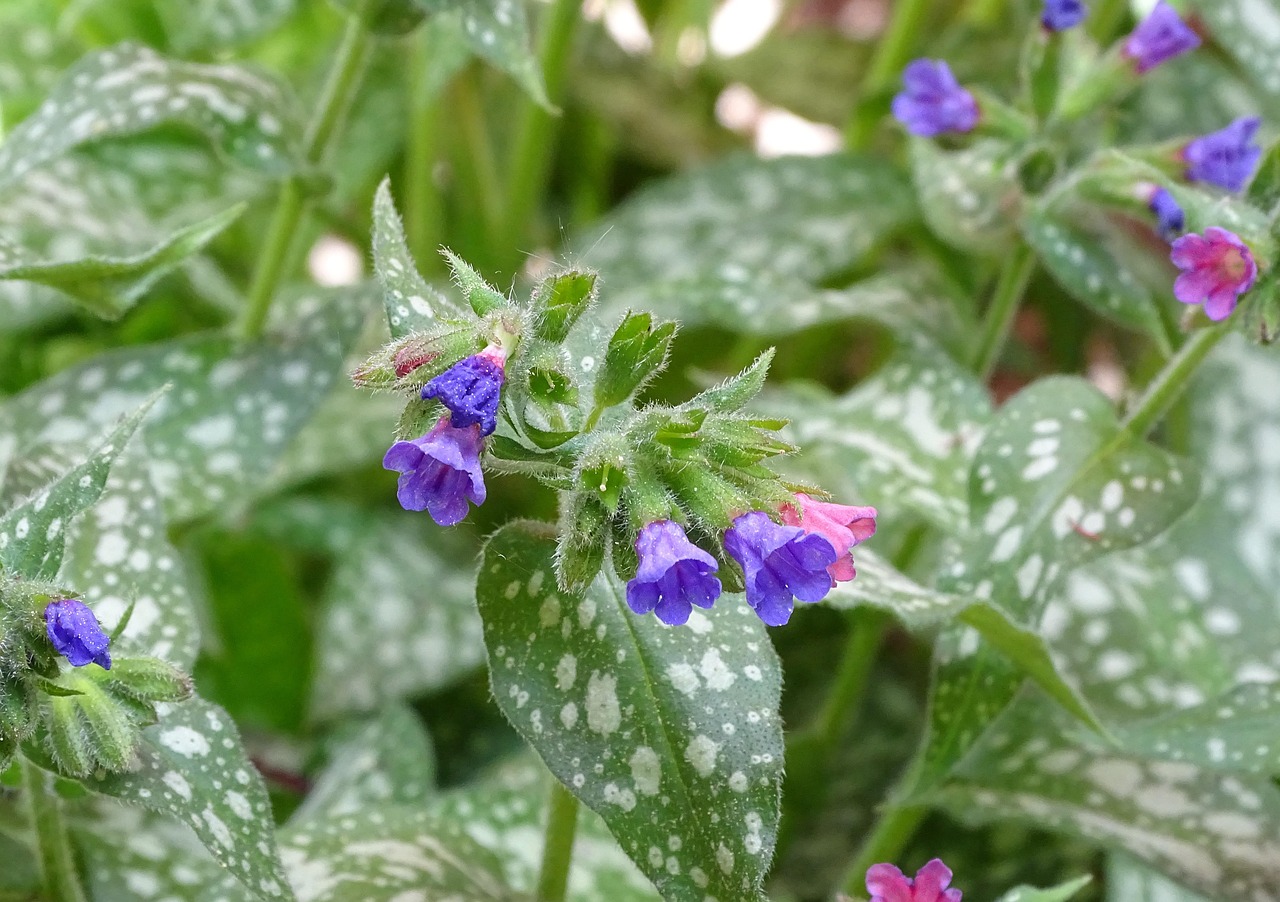
3. Lungwort (Pulmonaria spp.)
Lungwort is prized for its spotted foliage and clusters of blue, pink, or white spring flowers. It grows best in shade to part shade and moist soil. The rough leaves and mild toxicity make it less attractive to deer.
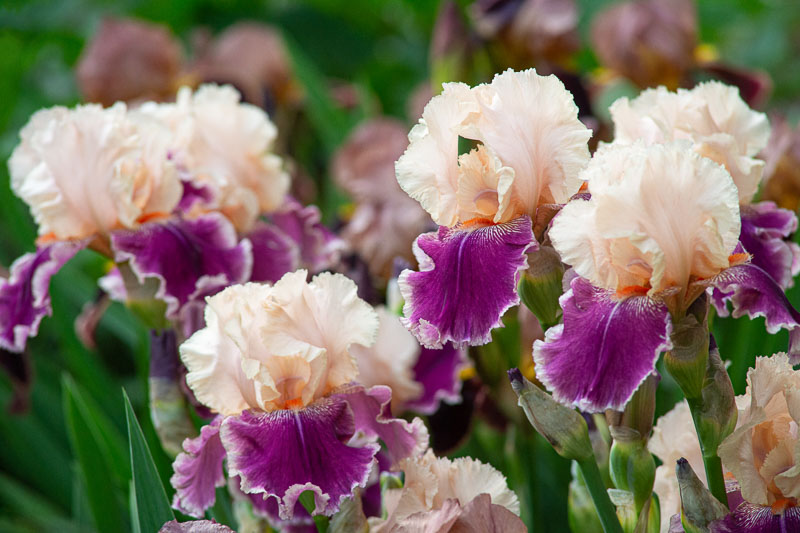
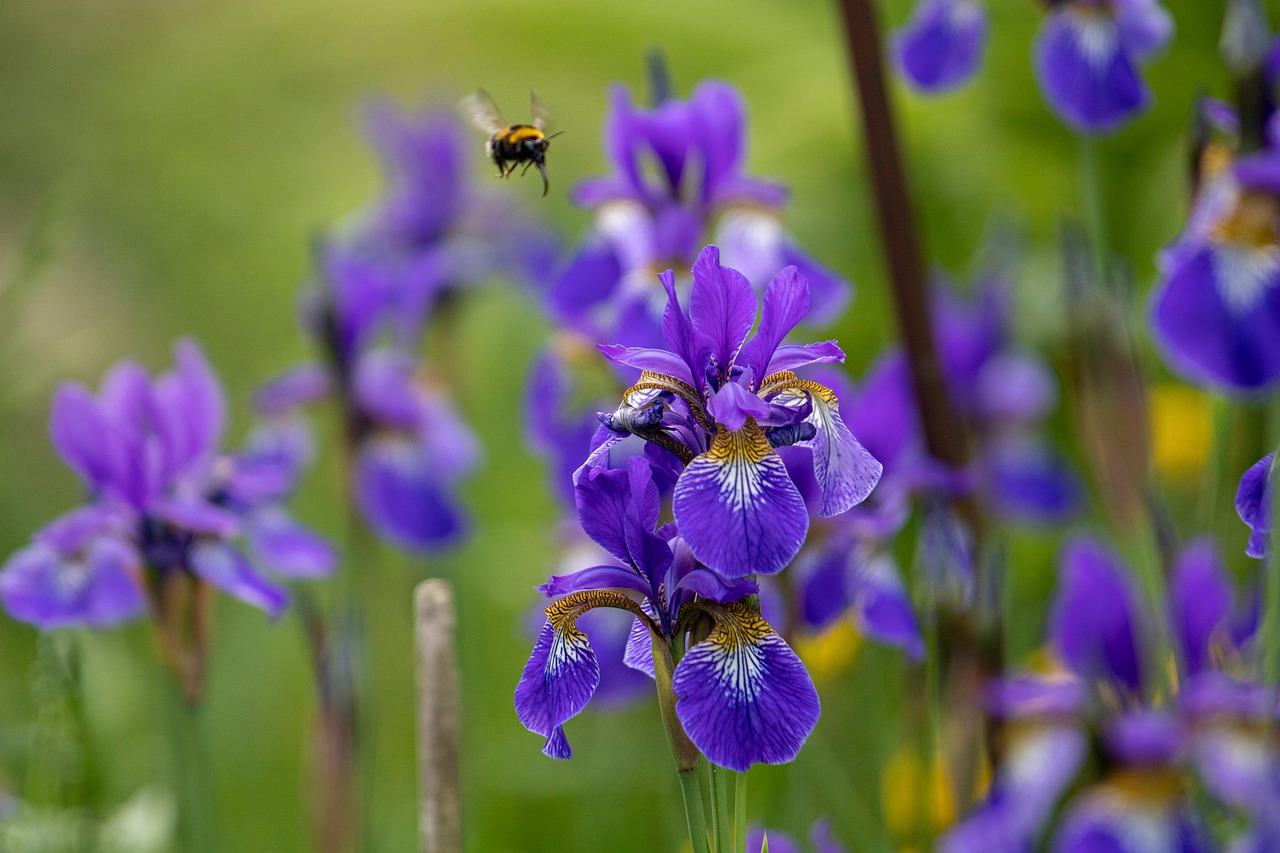
4. iris" class="plant-link">Siberian Iris (Iris sibirica)
Siberian Iris produces elegant blue, purple, or white flowers in late spring. It prefers full sun to part shade and moist, well-drained soil. The tough foliage and bitter taste contribute to its deer resistance.
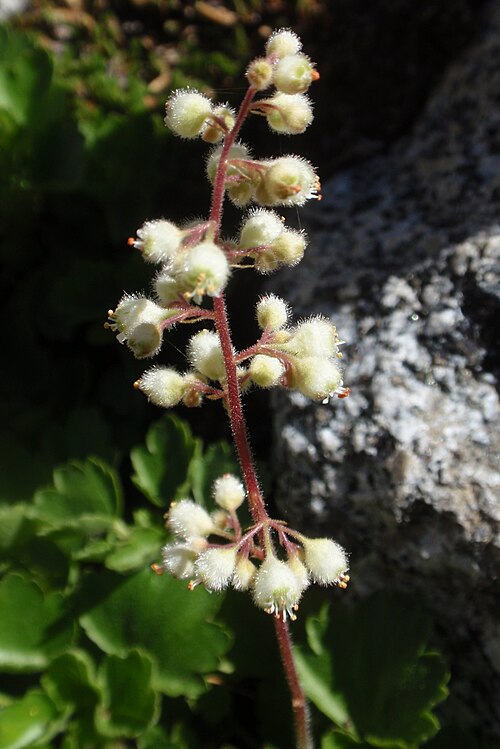
5. Coral Bells (Heuchera spp.)
Coral Bells offer colorful foliage and delicate flower spikes in spring. They thrive in part shade and well-drained soil. The mildly toxic leaves and unappealing texture discourage deer feeding.
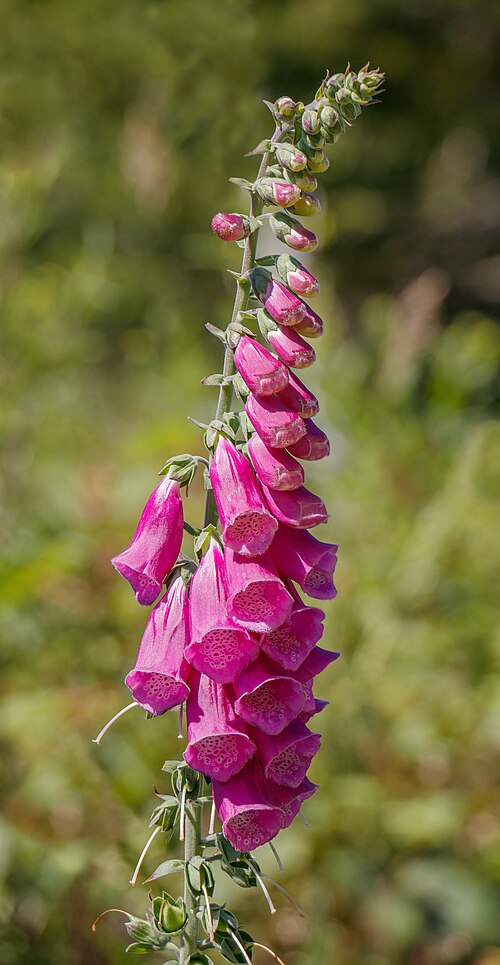
6. Foxglove (Digitalis purpurea)
Foxglove's tall spikes of tubular flowers bloom in late spring, adding drama to garden beds. It prefers partial shade and well-drained soil. All parts of the plant are toxic, providing natural deer resistance.
7. Solomon's Seal (Polygonatum odoratum)
With its graceful arching stems and dangling white flowers in spring, Solomon’s Seal is a shade-loving perennial. The foliage and berries are unappealing to deer, making it a good choice for wooded gardens.
8. Bleeding Heart (Lamprocapnos spectabilis ‘Alba’)
A white-flowered variety of Bleeding Heart, Lamprocapnos spectabilis ‘Alba’ offers elegant spring blooms and deer resistance similar to the classic pink form. It prefers moist, shaded locations.
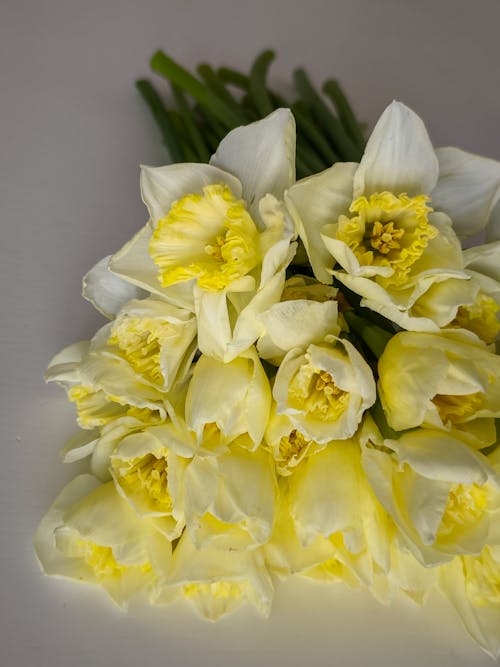
9. Daffodil (Narcissus spp.)
Though technically bulbs, daffodils are perennial and bloom reliably each spring. Their toxic bulbs and foliage make them highly deer resistant, brightening gardens with cheerful yellow, white, or orange flowers.
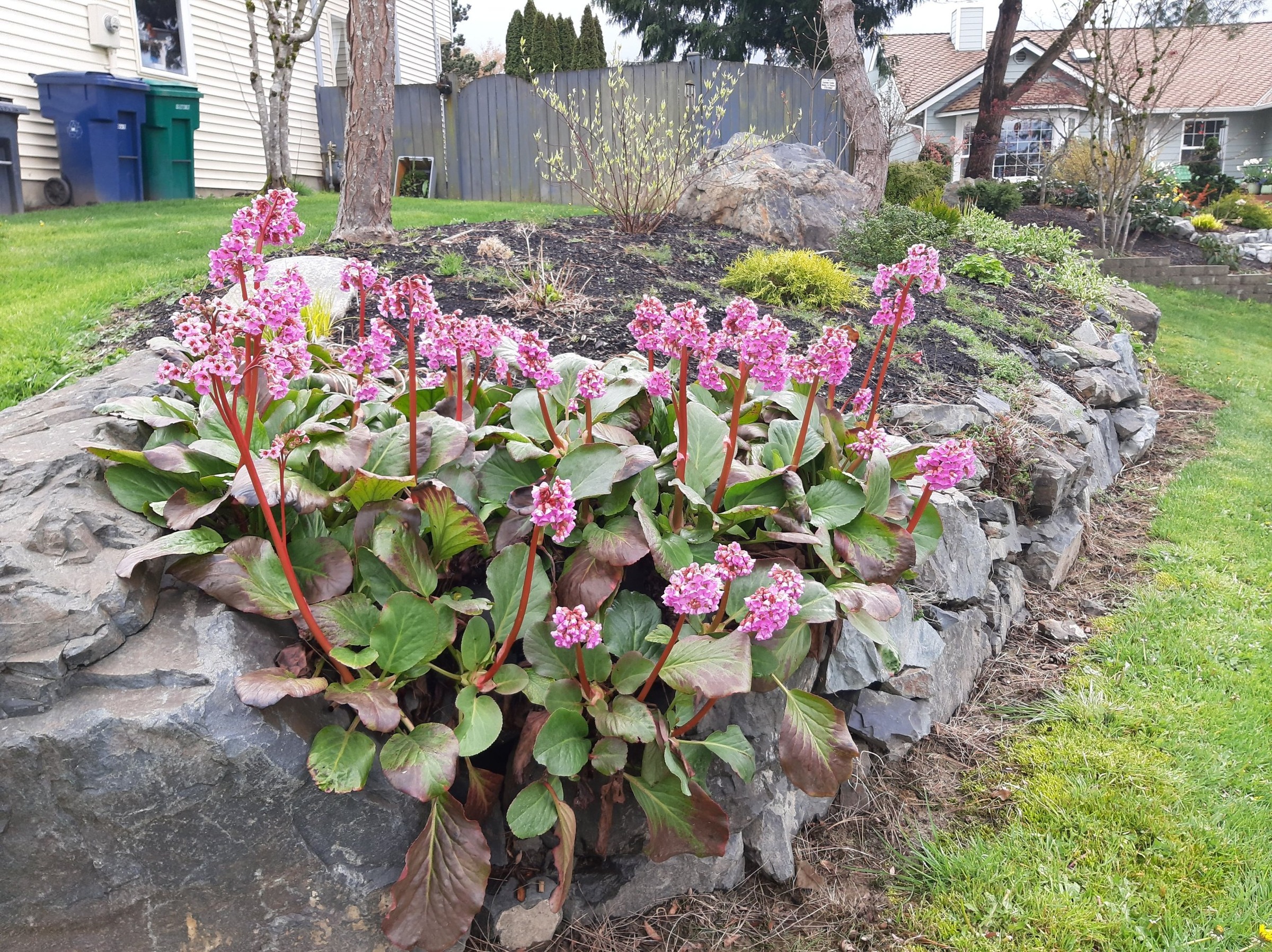
10. Bergenia (Bergenia cordifolia)
Bergenia has large, leathery leaves and clusters of pink to red flowers in early spring. It thrives in part shade to full sun and well-drained soil. The tough foliage feels unappetizing to deer.
Tips for Growing Deer-Resistant Perennials in Zone 6
- Soil Preparation: Most of these perennials prefer well-drained soil enriched with organic matter.
- Sun Exposure: Check each plant’s sunlight requirement to ensure optimal growth.
- Watering: While many tolerate drought once established, regular watering during dry spells helps maintain vigor.
- Companion Planting: Mixing deer-resistant plants with less resistant species may reduce browsing pressure.
- Maintenance: Deadhead spent blooms and cut back in fall or early spring to encourage healthy growth.
Wildlife Resistance Disclaimer
While these perennials are known for their deer resistance, no plant is completely deer-proof. Feeding preferences vary with local deer populations and food availability. Use these plants as part of an integrated approach to wildlife management in your garden.
Pet Safety Considerations
Some of the plants listed contain toxic compounds and should be used cautiously if pets frequent your garden. If you suspect your pet has ingested a potentially toxic plant, contact the ASPCA Animal Poison Control Center at 888-426-4435 immediately. Remember, “deer resistant” does not mean “pet safe” or “non-toxic.”
Conclusion
Choosing deer-resistant perennials that bloom in spring is an excellent strategy to add color and life to your Zone 6 garden while minimizing damage from deer. From Bleeding Heart to Bergenia, these plants provide a variety of textures, colors, and growing conditions to suit many garden styles. Incorporate them into your landscape for early season beauty that usually stays browsing-free.
Ready to find the perfect deer-resistant perennials for your garden? Try our Plant Finder wizard at /wizard to explore more options tailored to your zone and preferences.
Happy gardening!
Bleeding Heart Pulsatilla Vulgaris Lungwort Coral Bells Daffodil