FTC Disclosure: This post contains affiliate links. If you make a purchase through these links, PlantWise may earn a small commission at no extra cost to you.
If you're gardening in Zone 7 and struggling with summer drought and deer nibbling on your plants, you're not alone. The good news is there are several drought-tolerant, deer-resistant perennials that thrive in these conditions while adding beauty to your garden. From tough, sun-loving plants to those with aromatic foliage deer tend to avoid, these eight perennials offer resilience and charm for your landscape.
Remember, while these plants are generally deer resistant, no plant is entirely deer-proof, especially if food is scarce. Also, always consider your local wildlife and garden environment before choosing plants.
For pet owners, please note that deer-resistant does not mean safe for pets. Always verify pet safety, and in case of any concerns, contact the ASPCA Animal Poison Control Center at 888-426-4435.
Why Choose Deer Resistant Perennials for Zone 7 Drought Conditions?
Zone 7 is characterized by moderate winters but can experience hot, dry summers. Gardening here means selecting plants that can tolerate heat, survive with less water, and withstand occasional deer browsing. Perennials fitting these criteria reduce maintenance and water use, making your garden more sustainable and beautiful.
Deer resistance usually comes from plants having tough, aromatic, or fuzzy leaves that deer find unpalatable. Pairing this trait with drought tolerance narrows your choices but many perennials have evolved to thrive in such environments.
🌱 Get Personalized Plant Picks
Answer a few quick questions and we’ll match plants to your exact yard conditions.
Find My Plants →1. Russian Sage (Perovskia atriplicifolia)
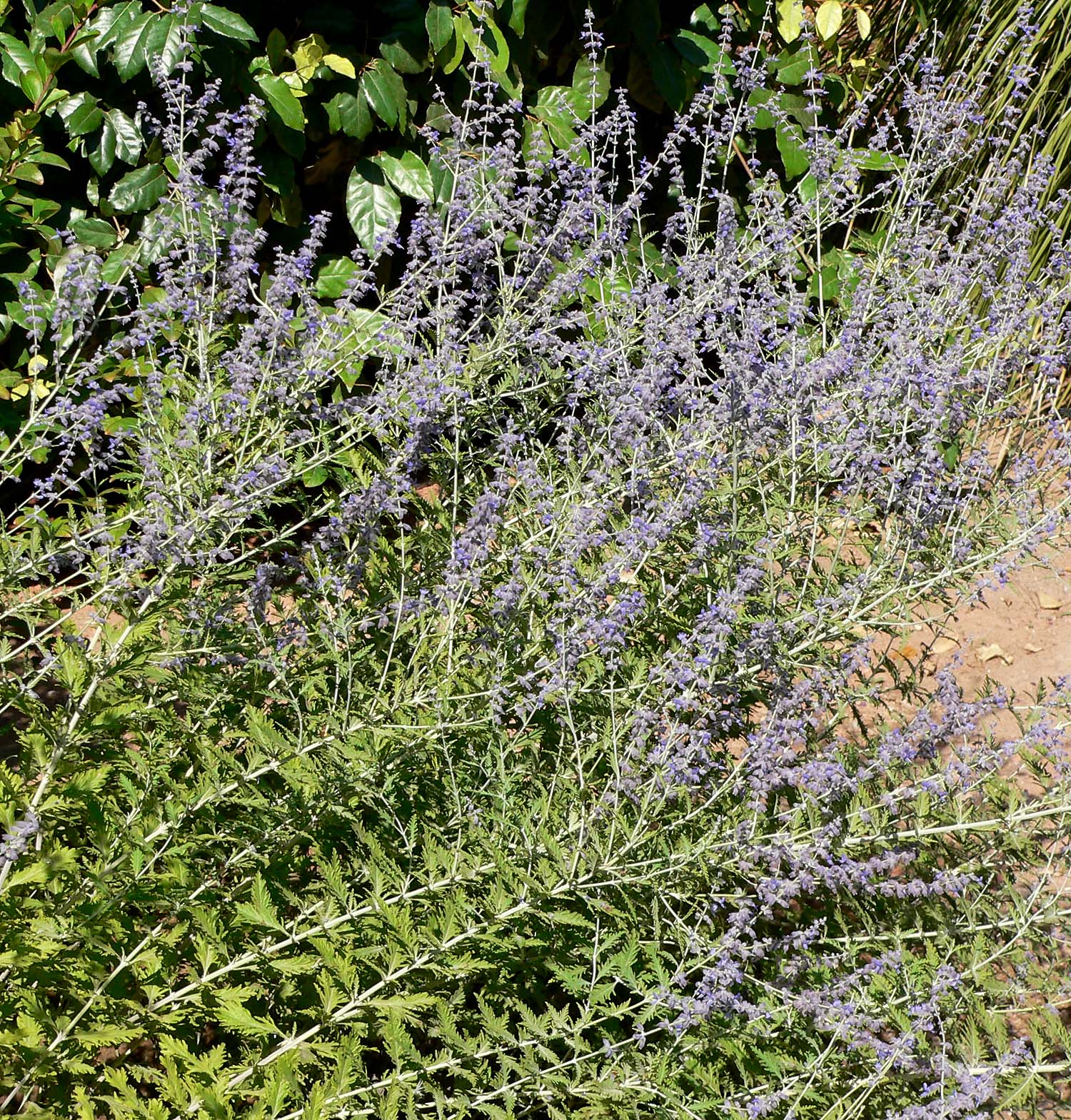
Russian Sage is a standout for Zone 7 gardens facing drought and deer pressure. Its silvery-gray foliage is aromatic and deer tend to avoid it, while its tall spires of lavender-blue flowers add a soft pop of color from mid-summer through fall. Russian Sage thrives in full sun and well-drained soil, requiring minimal supplemental watering once established.
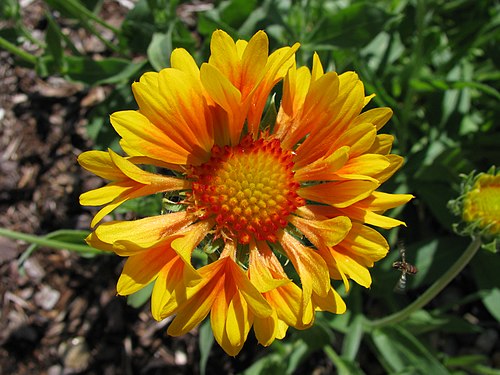
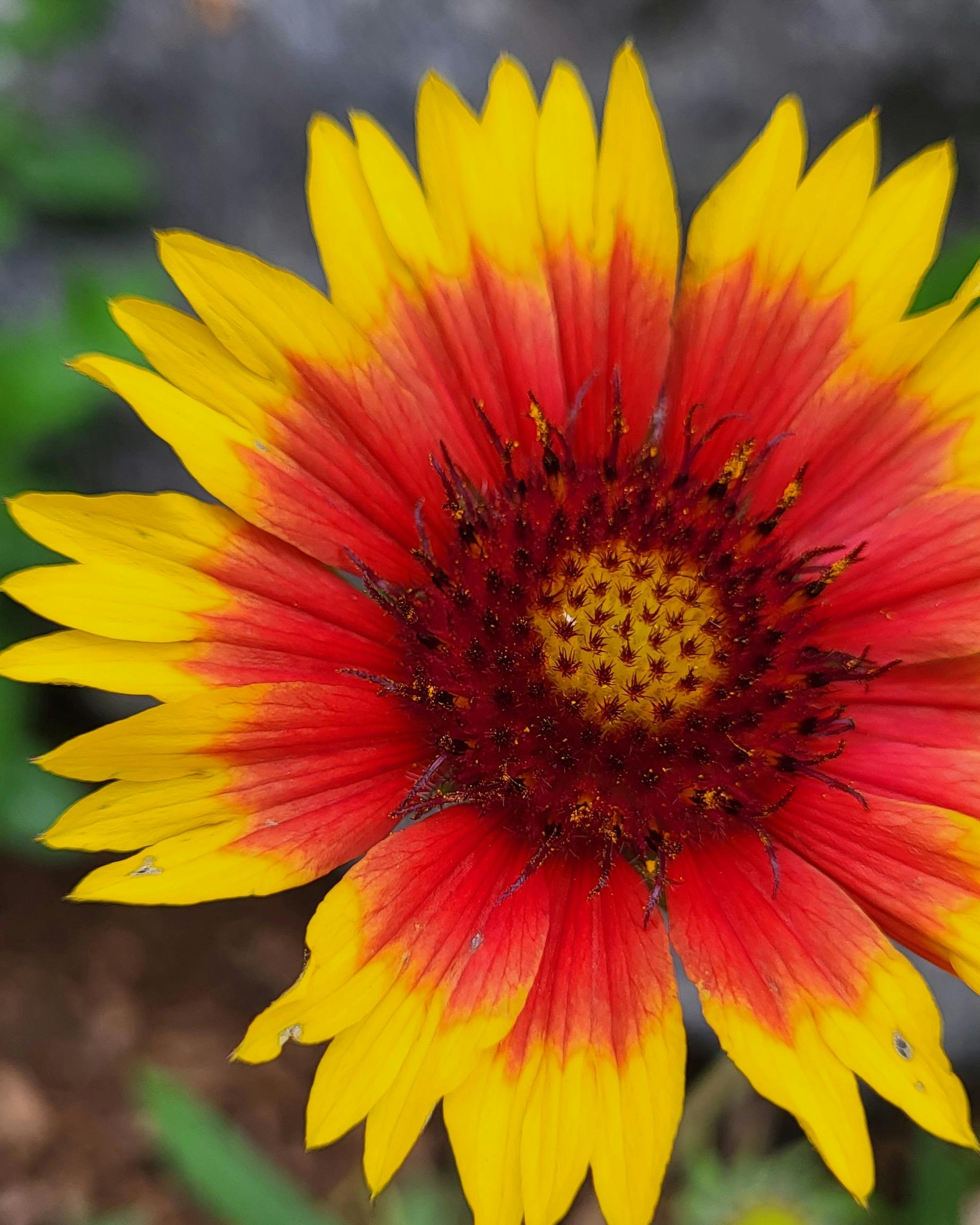
2. Blanket Flower (Gaillardia × grandiflora)
Blanket Flower is a vibrant, drought-tolerant perennial loved by pollinators but typically ignored by deer. Its daisy-like blooms in fiery reds, oranges, and yellows bloom profusely all summer long. Ideal for sunny spots with poor to average soil, Blanket Flower is low maintenance and drought hardy, making it perfect for Zone 7 gardens.
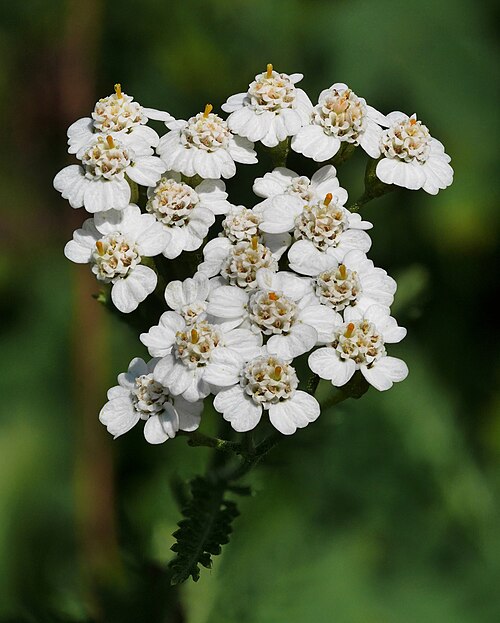
3. Yarrow (Achillea millefolium)
Yarrow is a versatile, tough perennial with fern-like foliage that smells bitter to deer, discouraging them from feeding on it. It produces flat clusters of small flowers in white, yellow, pink, or red during summer. Yarrow tolerates heat, drought, and poor soils, thriving in full sun and attracting beneficial insects and butterflies.
4. Lavender (Lavandula angustifolia)
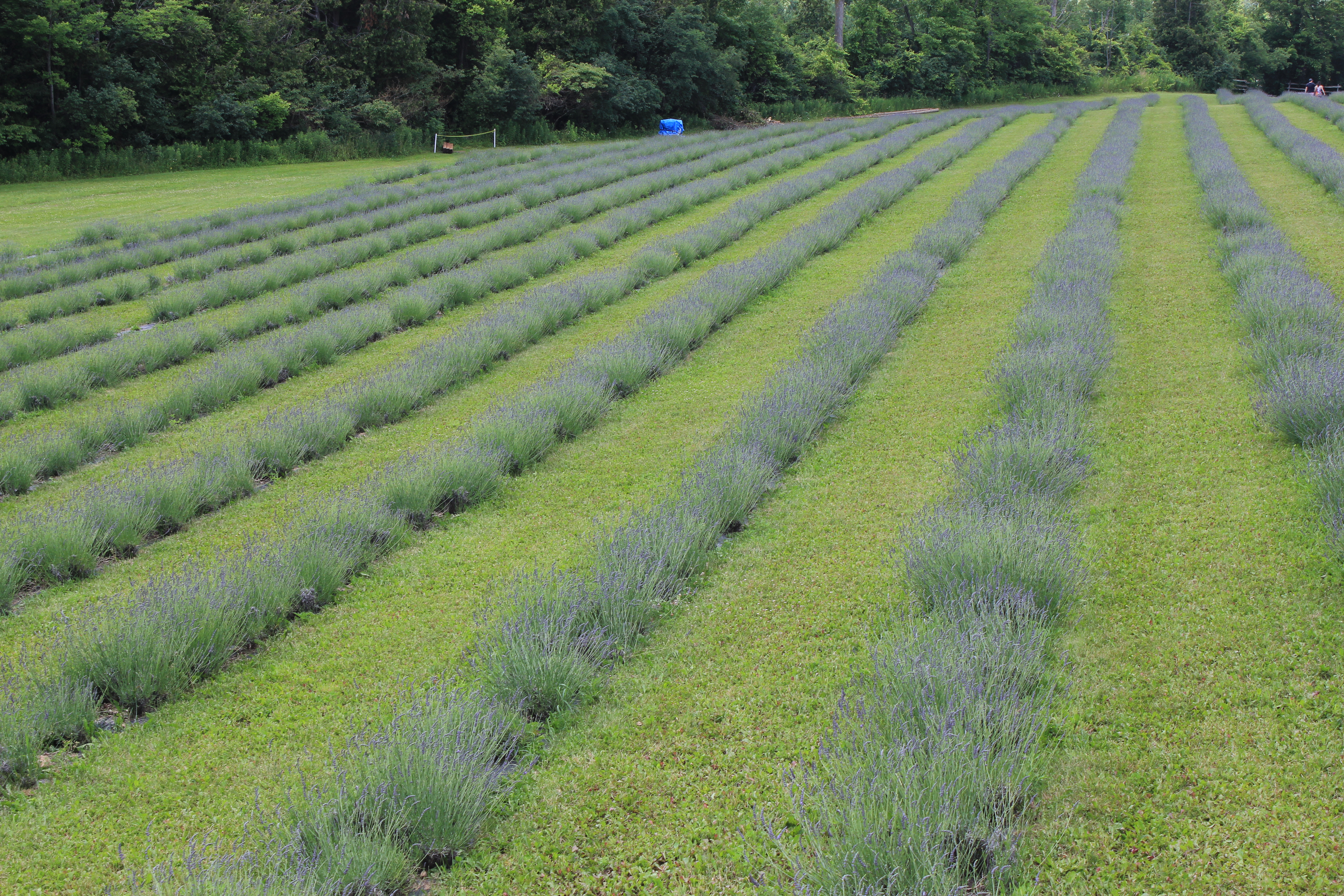
Lavender’s fragrant, gray-green leaves and purple flower spikes make it a favorite for both gardeners and pollinators. Deer generally avoid lavender due to its strong scent and texture. It grows well in full sun with well-drained soils and withstands dry periods once established. Lavender also adds a lovely aroma and can be harvested for crafts and cooking.
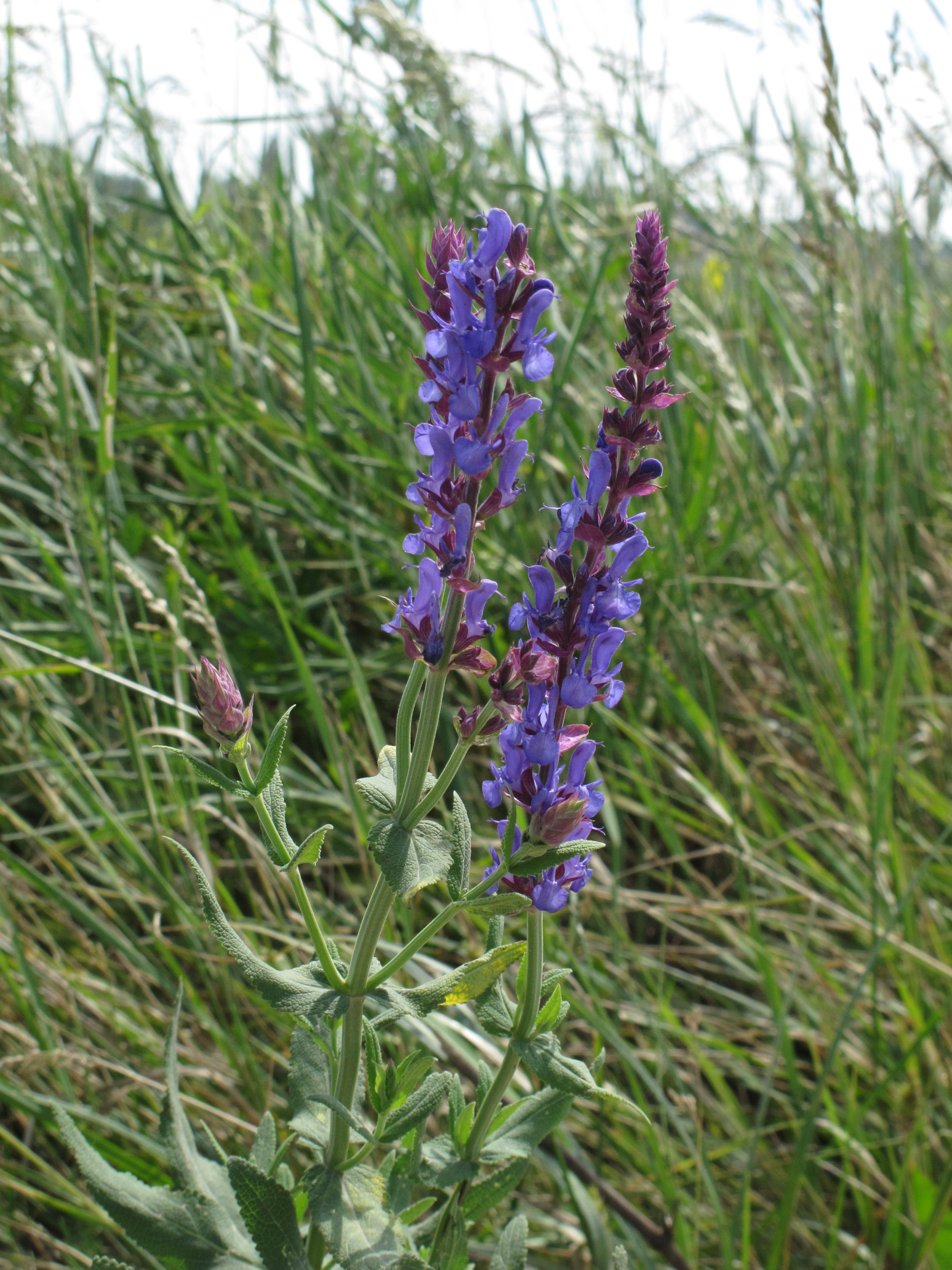
5. Salvia (Salvia nemorosa)
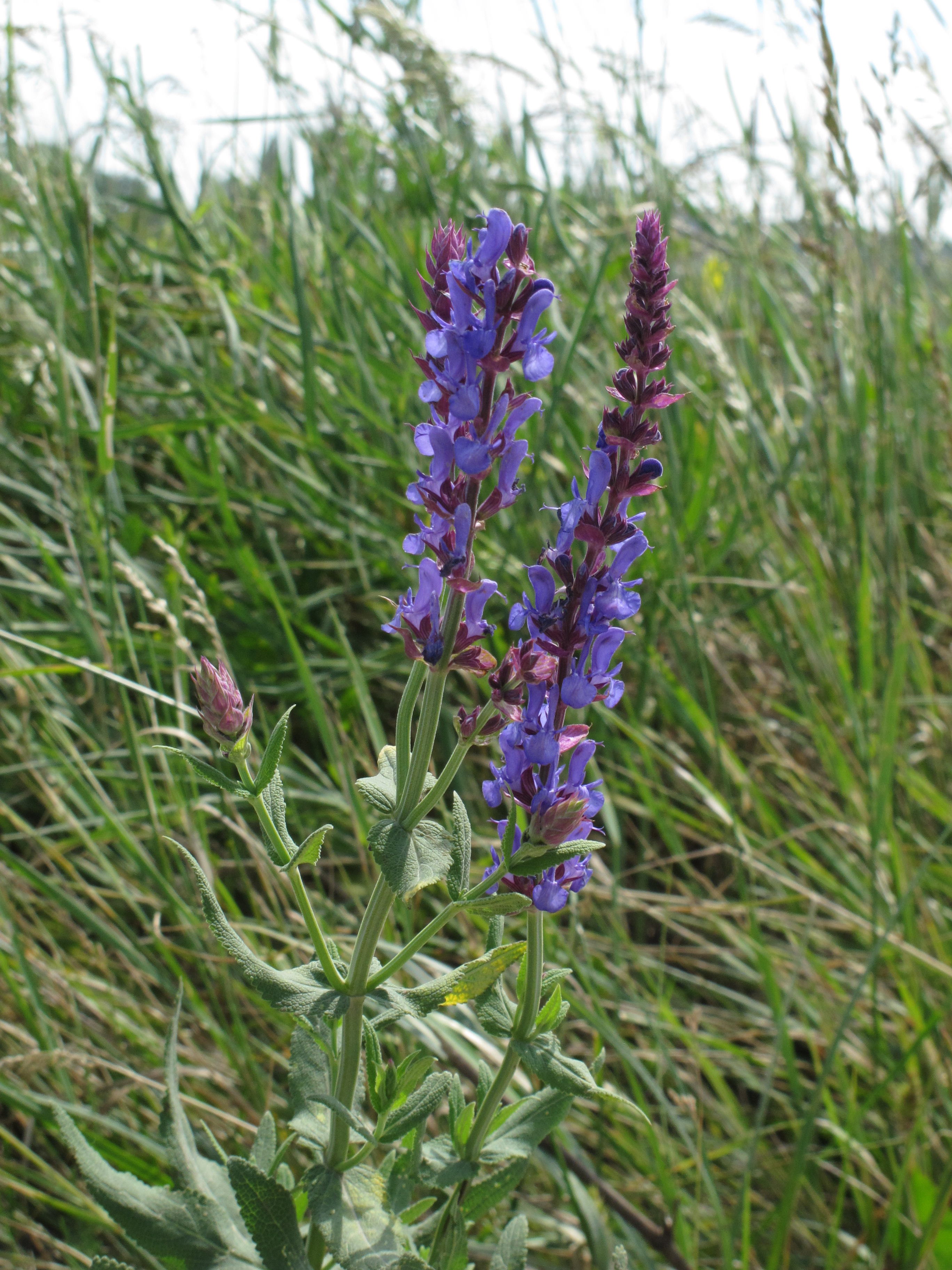
Salvia nemorosa is a drought-tolerant perennial that produces spikes of purple, blue, or pink flowers loved by hummingbirds but avoided by deer. It thrives in full sun, well-drained soil, and requires little water once established. The aromatic foliage also contributes to its deer resistance.
6. Coneflower (Echinacea purpurea)
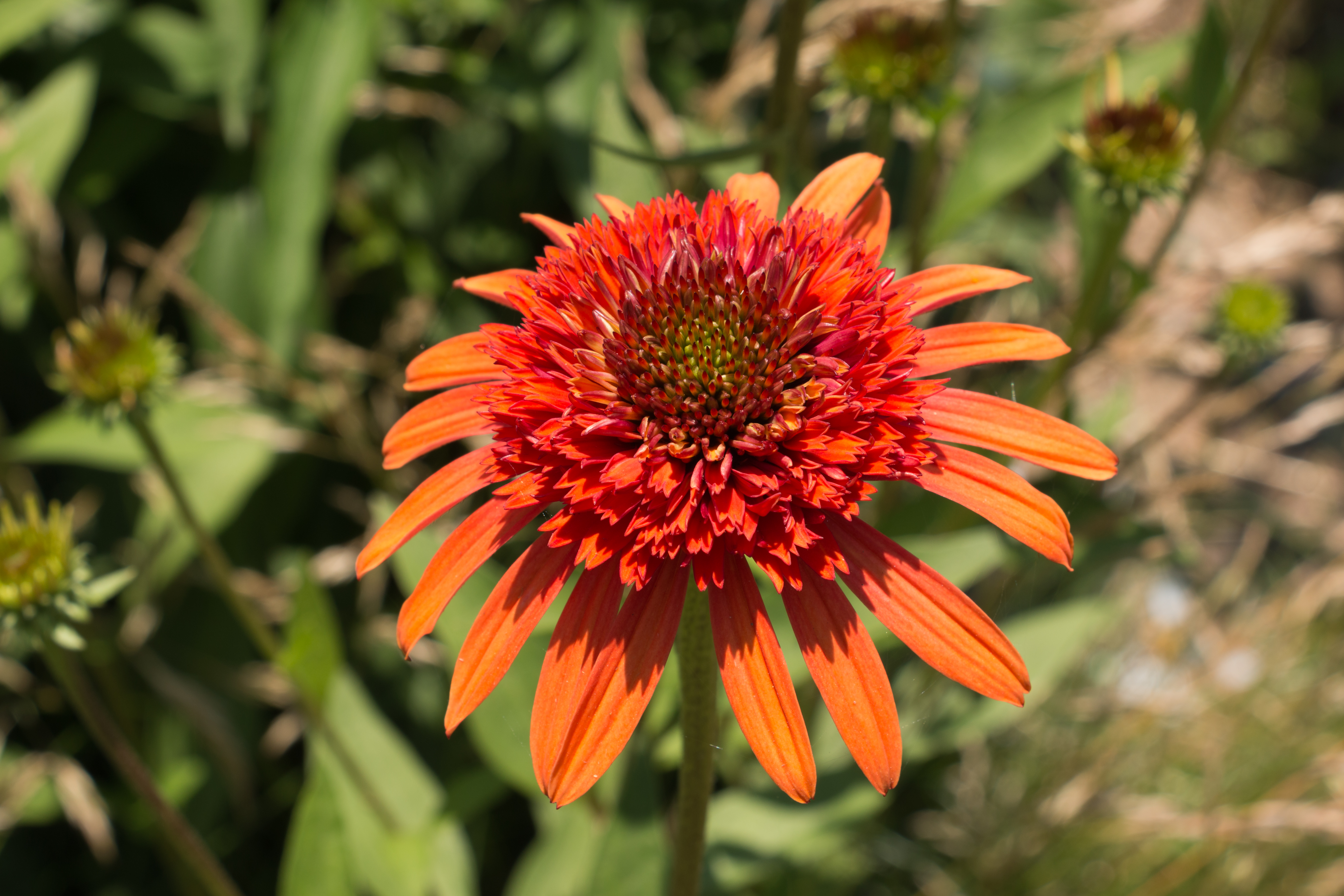
Coneflower is a classic native perennial with daisy-like blooms in shades of pink, purple, and white. Deer tend to avoid its rough, leathery leaves and flower stems. It is drought tolerant, thrives in full sun, and attracts pollinators and birds to your garden. Coneflowers are long-blooming and add a natural prairie look to landscapes.
7. Sedum 'Autumn Joy' (Hylotelephium spectabile)
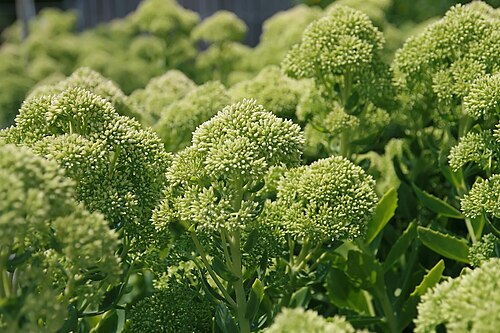
Sedum 'Autumn Joy' is a succulent perennial with fleshy leaves that are unappealing to deer. It grows well in poor, dry soils and full sun, producing large clusters of pink flowers that deepen to rust in the fall. Sedums are excellent for drought-tolerant gardens and require minimal care.
8. Catmint (Nepeta × faassenii)
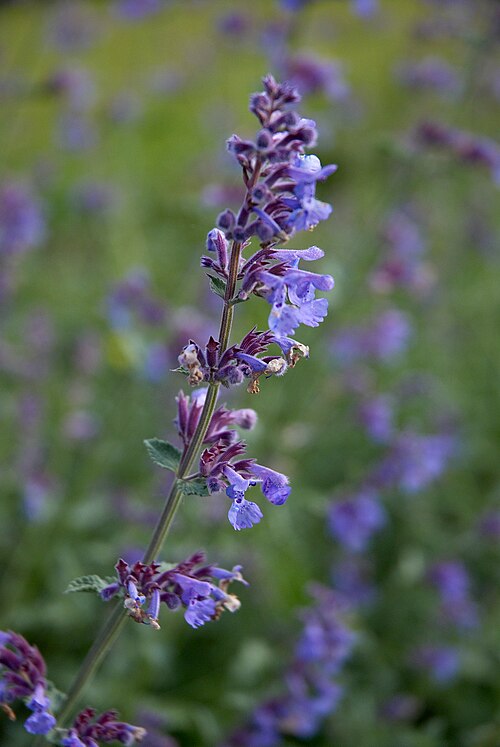
Catmint has aromatic, gray-green leaves and produces spikes of lavender-blue flowers. Deer generally avoid it due to its strong scent and texture. It thrives in full sun, tolerates dry conditions, and blooms from late spring to fall. Catmint also attracts pollinators and is great for borders or mass plantings.
Tips for Success with Deer Resistant Perennials in Zone 7 Drought Gardens
- Soil Preparation: Even drought-tolerant plants benefit from well-drained soil with organic matter to retain moisture without becoming soggy.
- Mulching: Apply mulch to conserve soil moisture and reduce weeds.
- Watering: Water deeply but infrequently to encourage deep root growth.
- Plant Diversity: Mix multiple deer-resistant plants to reduce the chance deer will overbrowse any one species.
- Deer Deterrents: Use physical barriers or repellents as additional protection, especially during heavy deer pressure.
- Pet Safety: Be mindful of plant toxicity. Many deer-resistant plants are not listed as toxic but can cause mild irritation or digestive upset if ingested.
Wildlife Resistance Disclaimer
While these plants are generally resistant to deer, rabbits, and groundhogs, no plant is completely immune to wildlife damage. Local wildlife preferences and food availability can affect browsing behavior.
Final Thoughts
Choosing drought-tolerant, deer-resistant perennials for Zone 7 can transform your garden into a water-wise, beautiful landscape that requires less maintenance and withstands wildlife browsing. The eight perennials listed here combine resilience with aesthetic appeal, making them excellent choices for summer-dry, deer-prone gardens.
Find the best plants for your yard with our Plant Finder wizard at /wizard and take the guesswork out of gardening.
For pet owners, remember if you suspect your pet has ingested any plant material and shows signs of distress, contact the ASPCA Animal Poison Control Center immediately at 888-426-4435.
Happy gardening!