FTC Disclosure: This post contains affiliate links. As an Amazon Associate, we earn from qualifying purchases.
If you’re gardening in Zone 7 and looking for deer resistant perennials that are also native, you’re in luck! Many native plants have evolved natural defenses that make them less appealing to deer, helping you protect your garden while supporting local wildlife. This post highlights 10 native, deer resistant perennials ideal for Zone 7 that provide beauty, ecological benefits, and resilience against deer browsing.
Why Choose Native Deer Resistant Perennials in Zone 7?
Native plants are adapted to the local climate, soil, and wildlife, making them easier to grow and maintain compared to non-natives. By choosing native perennials that deer tend to avoid, you reduce the need for chemical repellents or physical barriers. While no plant is 100% deer-proof, deer resistant plants have characteristics—such as strong scents, fuzzy leaves, or bitter compounds—that discourage feeding. This combination is especially valuable in Zone 7, where deer populations can be high, and gardens face frequent browsing pressure.
🌱 Get Personalized Plant Picks
Answer a few quick questions and we’ll match plants to your exact yard conditions.
Find My Plants →Top 10 Native Deer Resistant Perennials for Zone 7
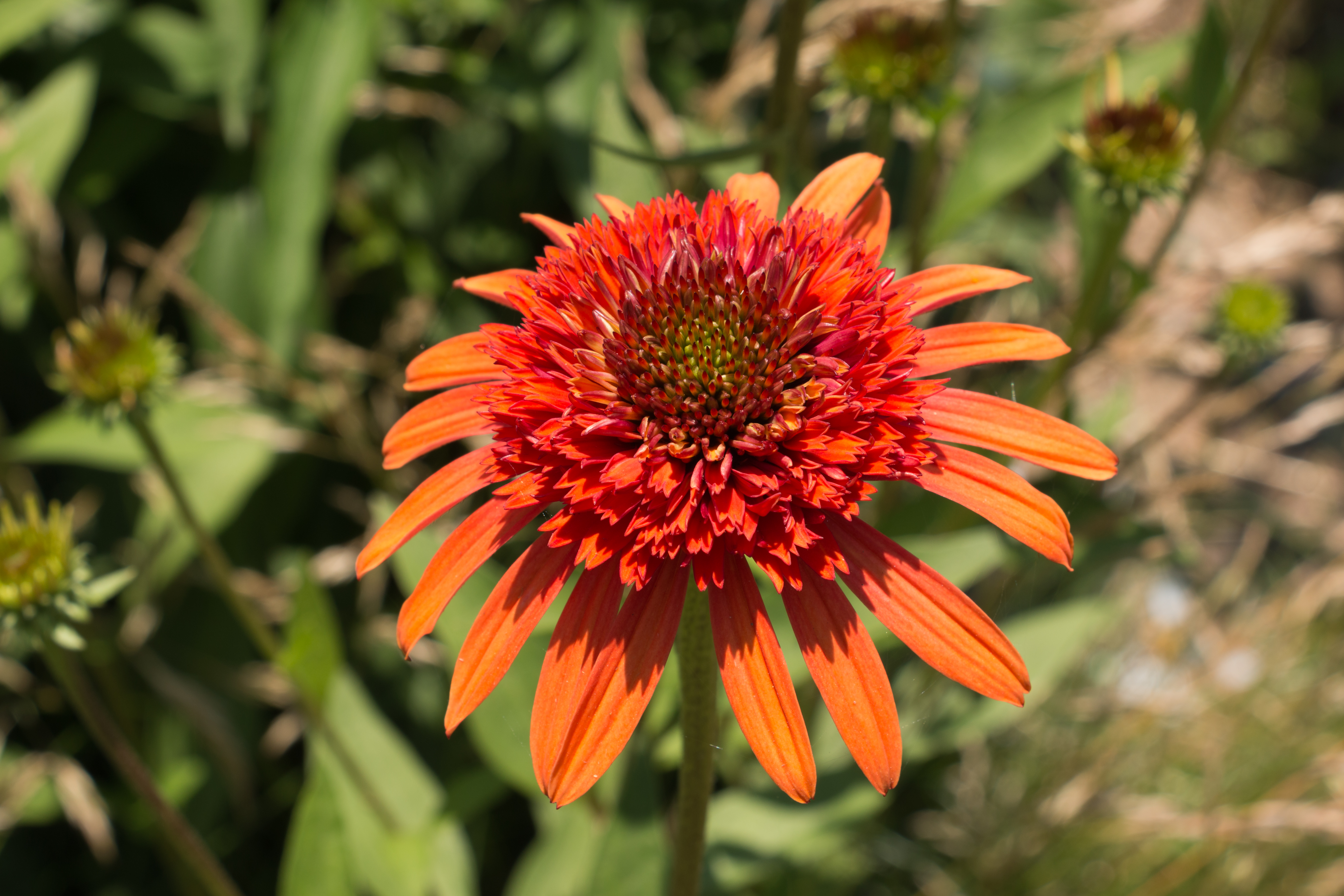
1. Purple Coneflower (Echinacea purpurea)
Purple coneflowers are a staple of native gardens, prized for their daisy-like flowers with raised cone centers. They thrive in full sun to part shade and tolerate a variety of soils. Their coarse leaves and tough flower heads tend to deter deer, while attracting pollinators like bees and butterflies. Purple coneflowers bloom mid to late summer, adding vibrant color and ecological value.
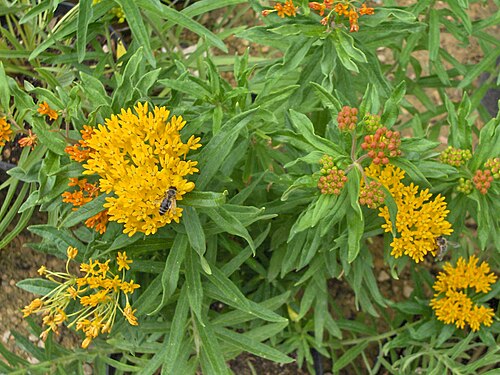
2. Butterfly Weed (Asclepias tuberosa)
This bright orange milkweed is a magnet for butterflies, especially monarchs, and is highly drought-tolerant. The thick, leathery leaves and bitter sap discourage deer browsing. Butterfly weed grows best in well-drained soil and full sun, making it perfect for sunny borders and wildflower gardens.
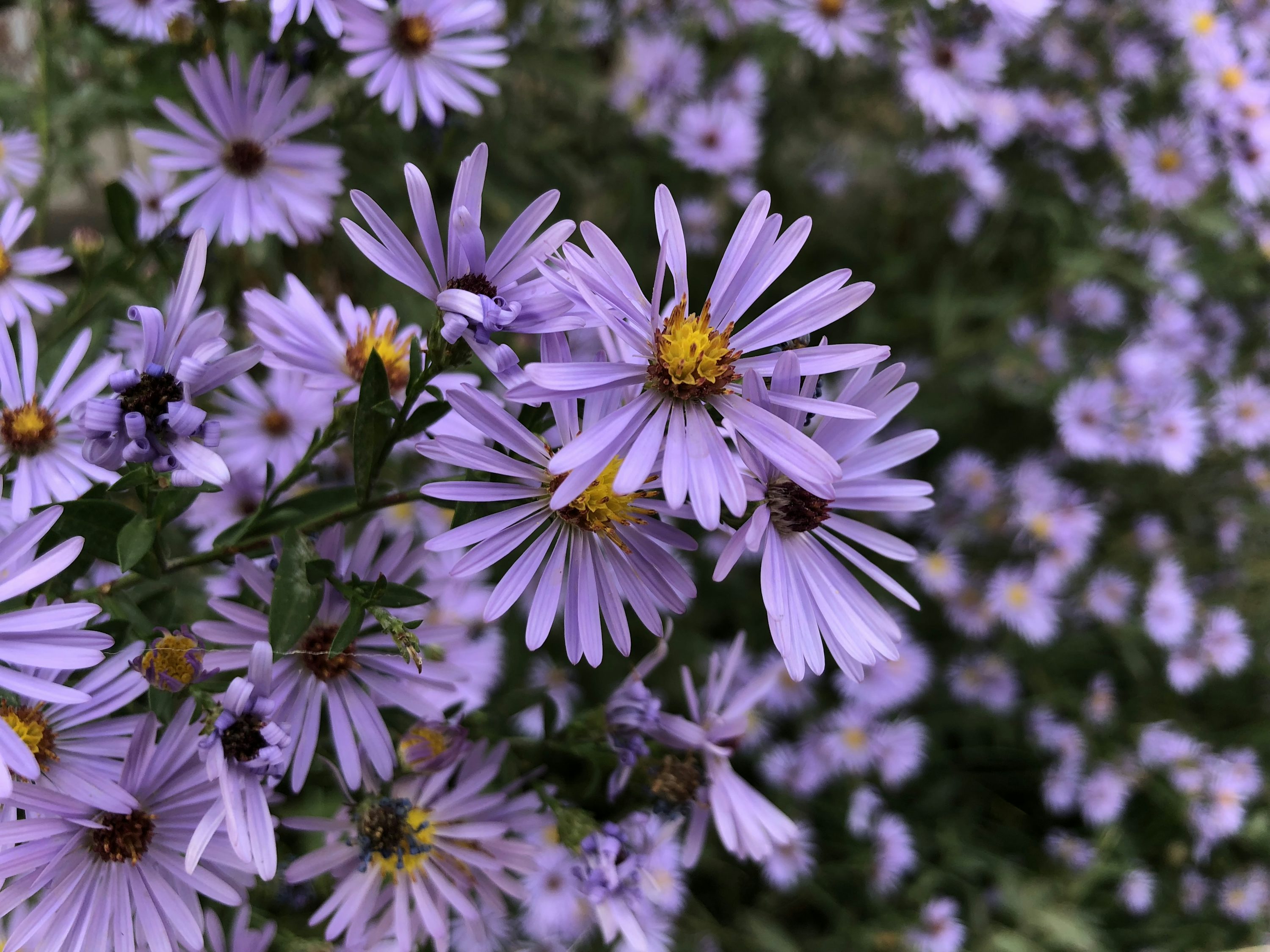
3. New England Aster (Symphyotrichum novae-angliae)
New England asters put on a spectacular fall display with clusters of purple and lavender flowers. Their hairy stems and rough leaves make them less palatable to deer. They prefer moist, well-drained soil and full sun to part shade. These asters provide late-season nectar for pollinators preparing for winter.
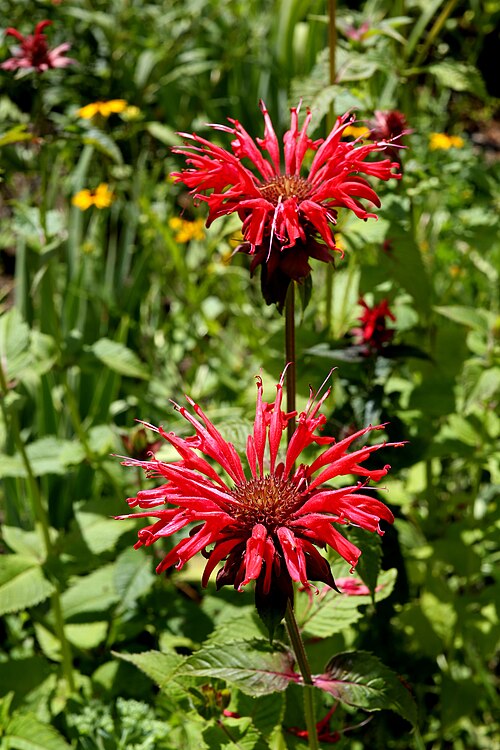
4. Wild Bergamot (Monarda fistulosa)
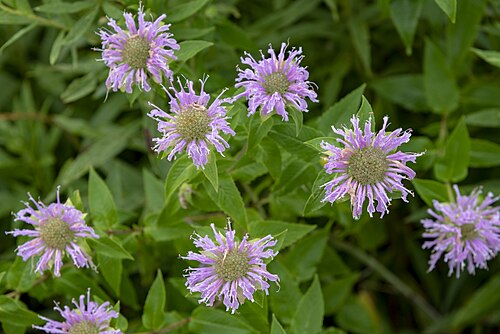
Wild bergamot, also known as bee balm, features fragrant lavender to pink flowers that attract bees, butterflies, and hummingbirds. The strong scent and fuzzy leaves help repel deer. It thrives in full sun to part shade and average, well-drained soils. Plus, the flowers are edible and can be used in teas.
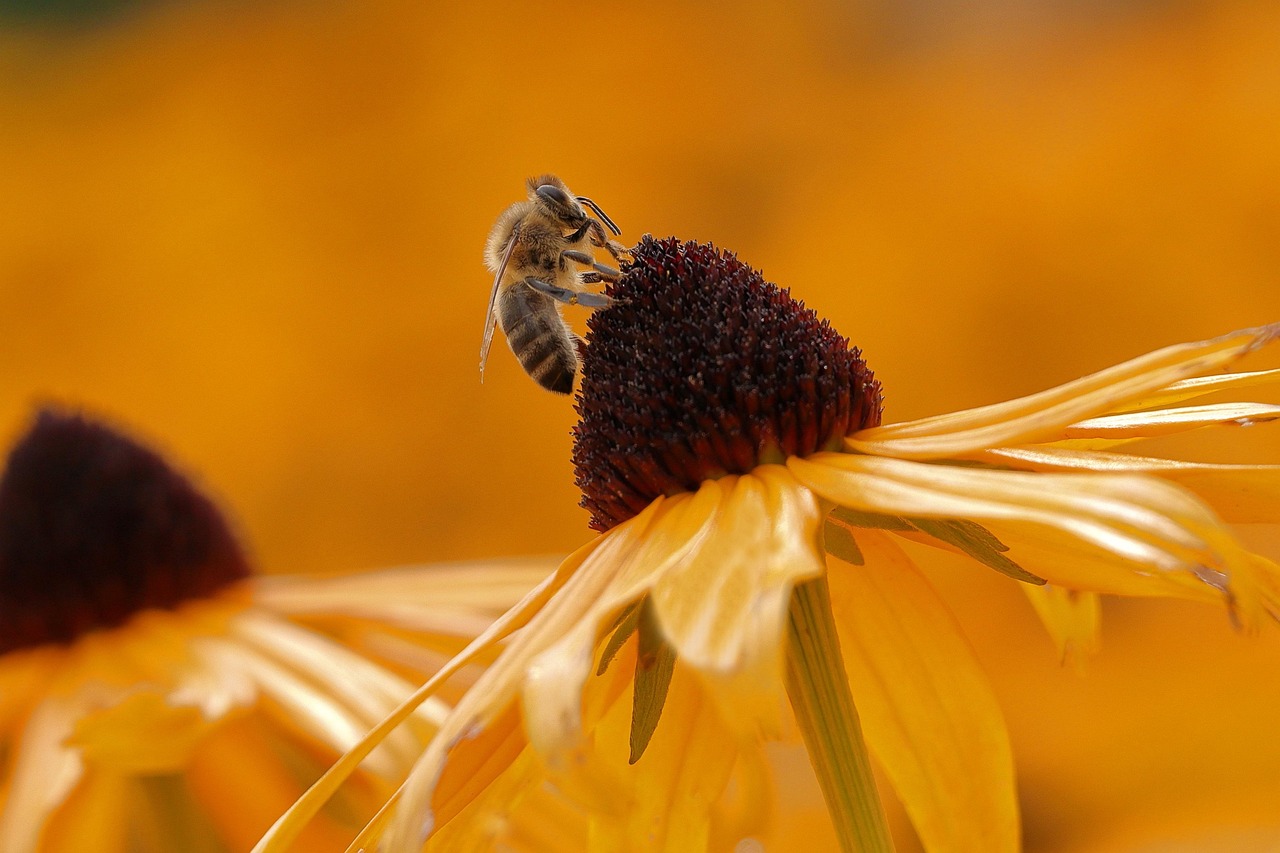
5. Black-eyed Susan (Rudbeckia hirta)
These cheerful yellow flowers with dark centers bloom from summer into fall. Their rough leaves and stems discourage deer browsing. Black-eyed Susans thrive in full sun and tolerate a range of soils, from dry to moderately moist. They are a favorite of pollinators and birds who feed on their seeds.
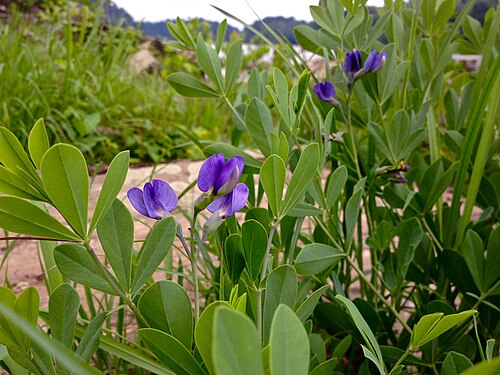
6. Blue False Indigo (Baptisia australis)
Blue false indigo is a durable perennial with pea-like blue flowers in late spring and attractive, blue-green foliage. Its tough, somewhat bitter leaves make it unappealing to deer. It prefers full sun and well-drained soils and can grow quite large, making it a striking specimen plant.
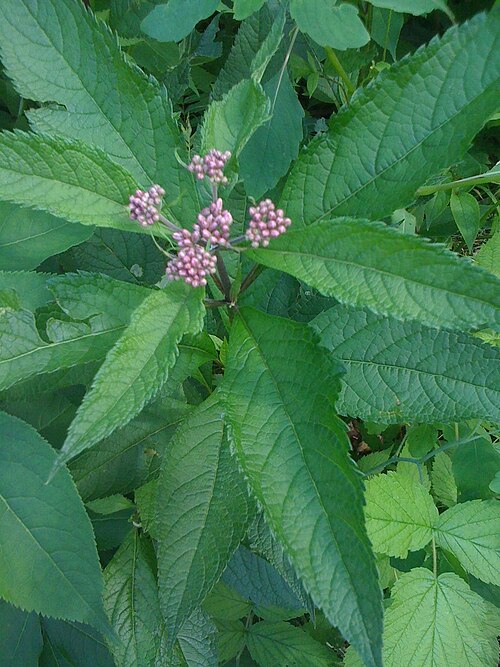
7. Joe-Pye Weed (Eutrochium purpureum)
This tall perennial produces clusters of pinkish-purple flowers that attract butterflies and bees in late summer. The coarse texture and bitter taste reduce deer damage. Joe-Pye weed prefers moist soils and thrives in full sun to part shade, ideal for rain gardens or naturalized areas.
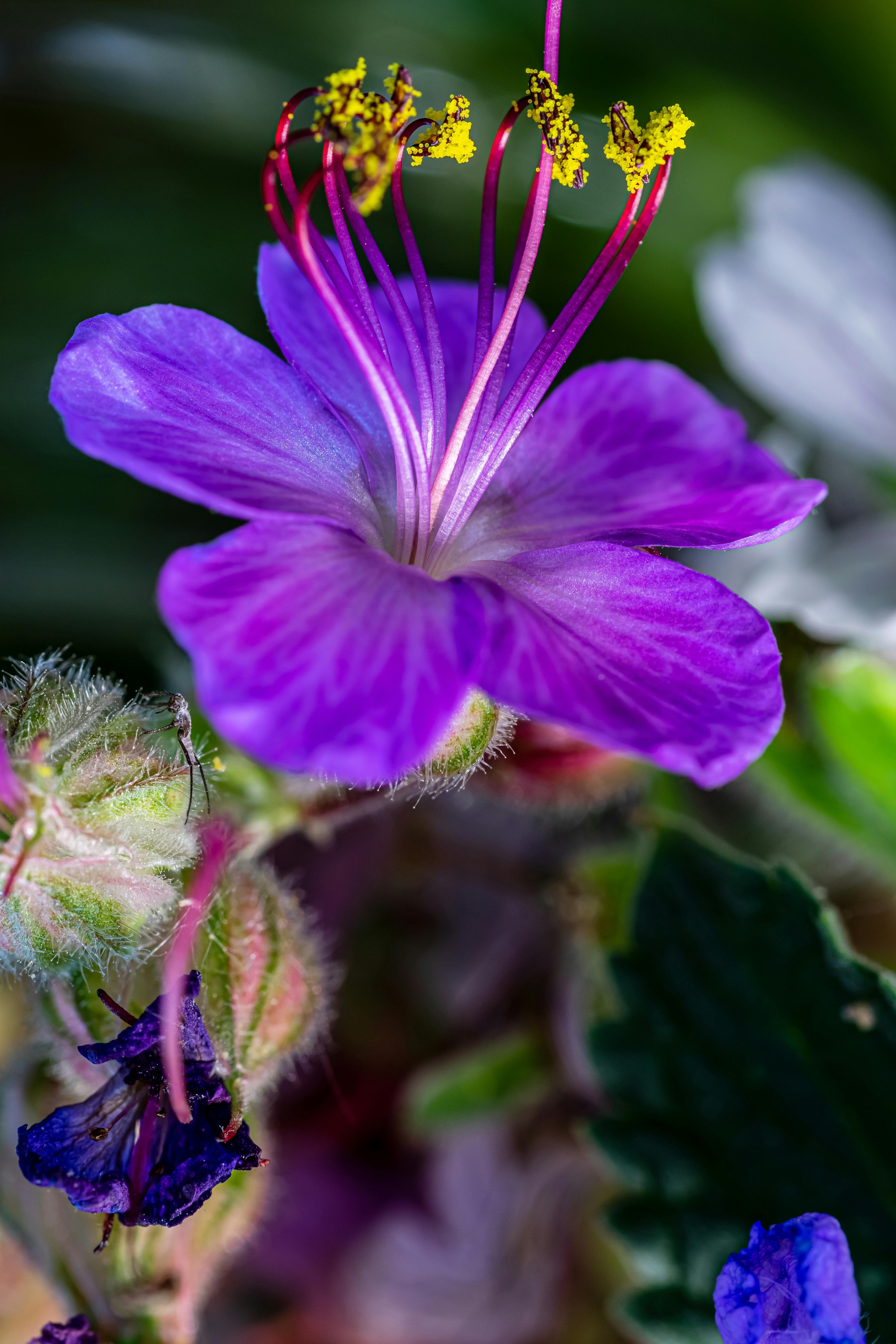
8. Wild Geranium (Geranium maculatum)
Wild geranium offers delicate pink to lavender flowers in spring with deeply lobed, fragrant leaves that deer usually avoid. It grows well in part shade to shade and prefers rich, moist soils. Wild geranium is a great groundcover for woodland gardens.
9. Goldenrod (Solidago spp.)
Goldenrods bloom late summer to fall with tall spikes of bright yellow flowers. Their tough stems and bitter compounds make them less attractive to deer. They prefer full sun and tolerate a variety of soils, supporting numerous native pollinators.
10. Foamflower (Tiarella cordifolia)
Foamflower has attractive, lobed leaves and airy spikes of small white flowers in spring. It thrives in shade to part shade and moist, well-drained soils. Its fuzzy foliage and subtle scent help deter deer, making it a lovely groundcover for shady woodland gardens.
Tips for Managing Deer in Your Native Garden
While these perennials are less likely to be eaten, deer feeding patterns can vary based on food availability, population pressure, and seasonal changes. Consider these additional deer management strategies:
- Plant in groups: Larger masses of deer resistant plants are more effective than scattered single plants.
- Use physical barriers: Fencing or netting can protect especially vulnerable plants.
- Apply natural repellents: Commercial or homemade sprays can add a layer of protection but require reapplication.
- Provide alternative food sources: Planting sacrificial plants away from prized perennials may help divert deer.
Wildlife Resistance Disclaimer
No plant is completely deer-proof or rabbit-proof. Deer preferences vary by region and season, so some browsing may still occur. The plants listed here have shown consistent deer resistance in Zone 7 but results may vary.
Pet Safety Note
Many native plants are not listed as toxic to pets, but always verify individual plant safety if you have dogs or cats who forage in your garden. In case of ingestion of any unknown plant material, contact the ASPCA Animal Poison Control Center at 888-426-4435 immediately.
Conclusion
Choosing native deer resistant perennials in Zone 7 is a smart way to build a beautiful, sustainable garden that supports local wildlife and reduces deer damage. From the vibrant purple coneflower to the late-season goldenrod, these plants offer a diverse palette of colors, textures, and ecological benefits. By combining these species with proactive deer management, you can enjoy a thriving garden year after year.
Ready to find the perfect native deer resistant perennials for your Zone 7 garden? Use our Plant Finder wizard to explore options tailored to your specific site and preferences at /wizard.
Happy gardening!
Coneflower Butterfly Weed Aster Wild Bergamot Black-eyed Susan