FTC Disclosure: This post contains affiliate links. We may earn a commission if you purchase through these links, at no extra cost to you.
If you’re gardening in Zone 7 and struggling to keep deer out of your shady garden beds, deer resistant perennials zone 7 shade varieties offer a great solution. These plants thrive in low-light conditions and have qualities that typically deter deer from nibbling on them. While no plant is completely deer-proof, choosing shade-tolerant perennials with strong scents, tough or fuzzy leaves, or bitter tastes can help reduce deer damage and keep your garden lush.
Why Shade Gardens Are Vulnerable to Deer
Shade gardens, especially under mature trees or on the north side of buildings, often have fewer plant choices due to limited sunlight. Deer are opportunistic feeders and will browse anything palatable when food is scarce, but they tend to avoid plants with certain textures or tastes. Because shade limits plant diversity, deer may focus heavily on the few plants available, making deer resistance an important factor for your perennial selection.
🌱 Get Personalized Plant Picks
Answer a few quick questions and we’ll match plants to your exact yard conditions.
Find My Plants →What Makes a Perennial Deer Resistant?
Deer resistance typically comes from physical or chemical defenses. Plants with fuzzy, leathery, or spiny foliage tend to be less attractive, as do those with strong fragrances or bitter compounds. However, deer feeding habits vary by region and season, so no perennial is completely immune. Combining multiple deer-resistant plants can create a less inviting environment overall.
8 Deer Resistant Perennials for Zone 7 Shade
Here are eight perennials that do well in Zone 7 shade and have reputations for deterring deer browsing.
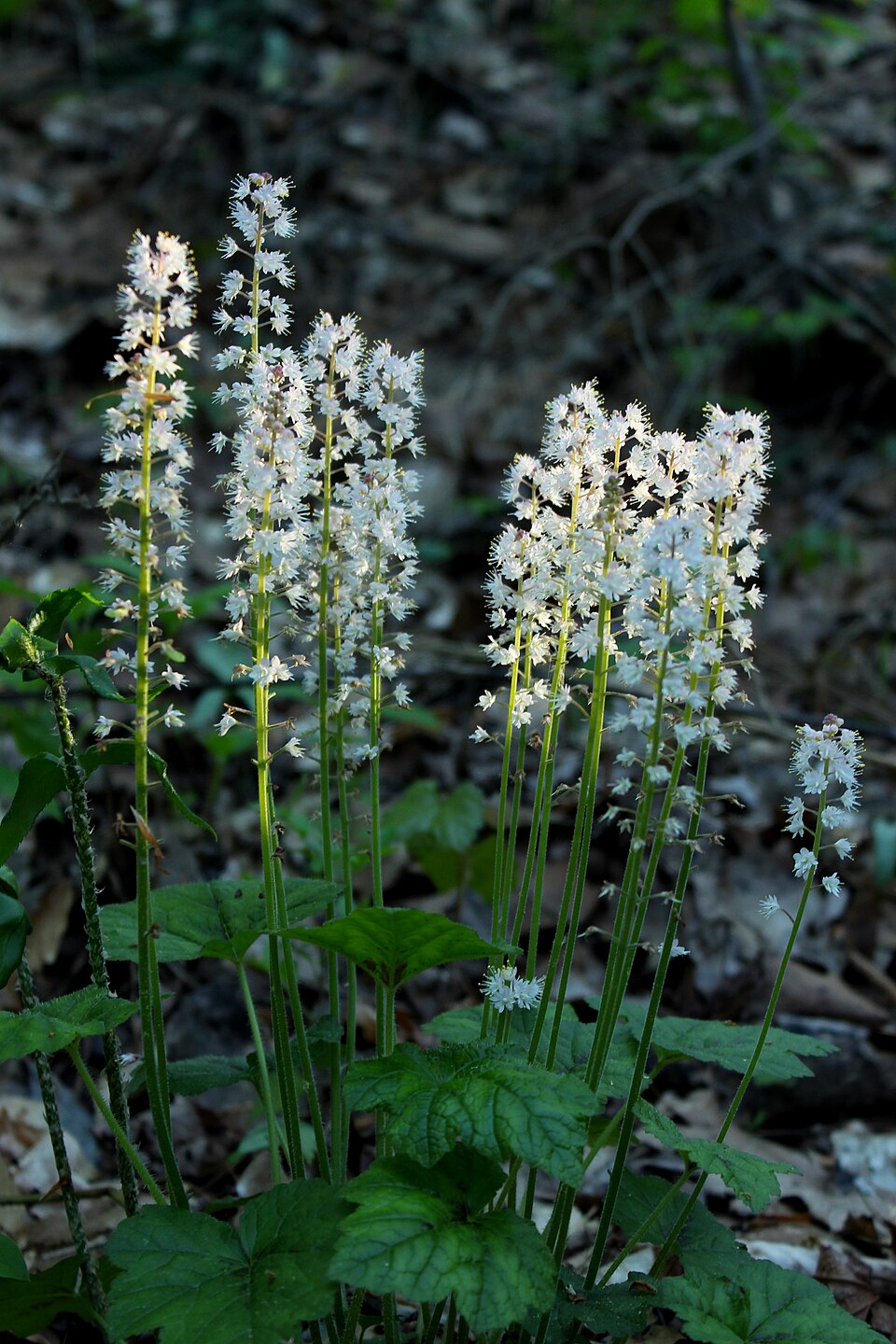
1. Foamflower (Tiarella cordifolia)
Foamflower is a native woodland perennial with attractive lobed leaves and delicate white to pinkish blooms in spring. Its fuzzy foliage and preference for moist, shaded areas make it unappetizing to deer.
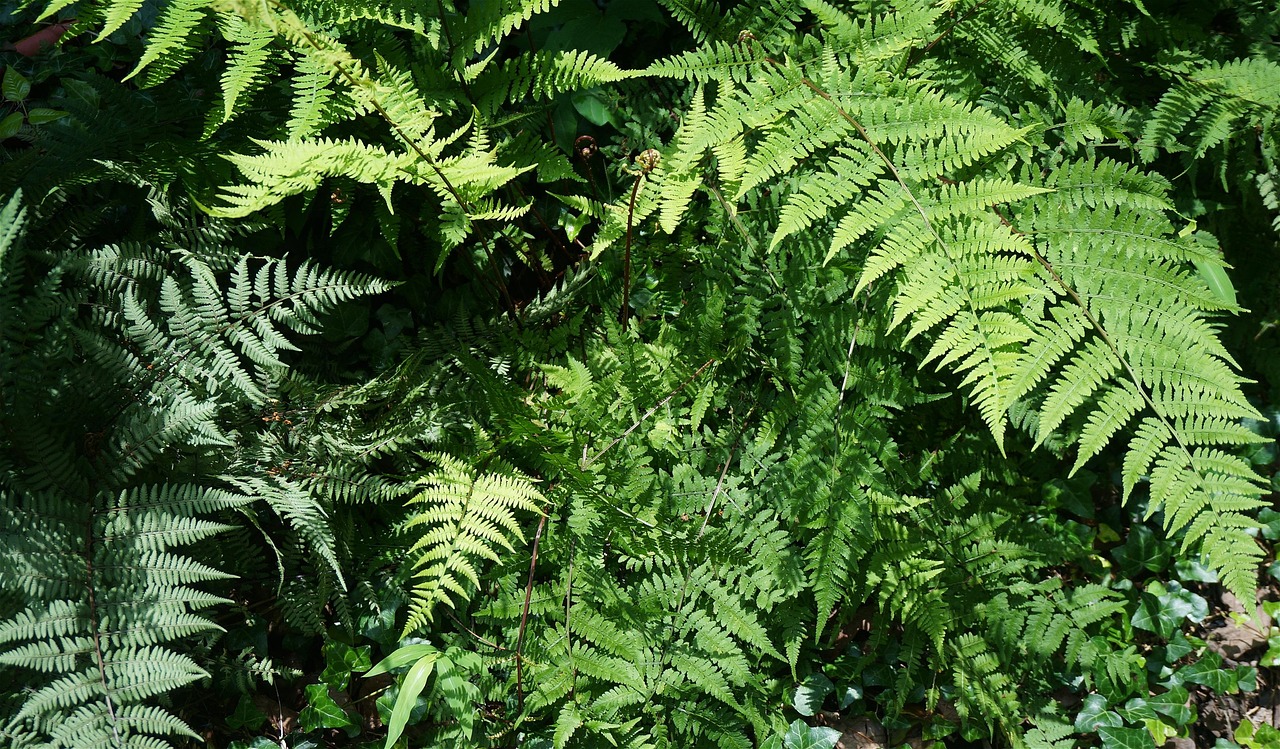
2. Ostrich Fern (Matteuccia struthiopteris)
Ostrich fern thrives in rich, moist shade and produces dramatic, feathery fronds. Deer tend to avoid its tough, fibrous leaves. It’s also a great choice for adding texture to shady spots.
3. Solomon’s Seal (Polygonatum odoratum)
With arching stems and dangling, bell-shaped flowers, Solomon’s seal is elegant and deer resistant. Its bitter-tasting foliage discourages browsing, and it tolerates dense shade well.
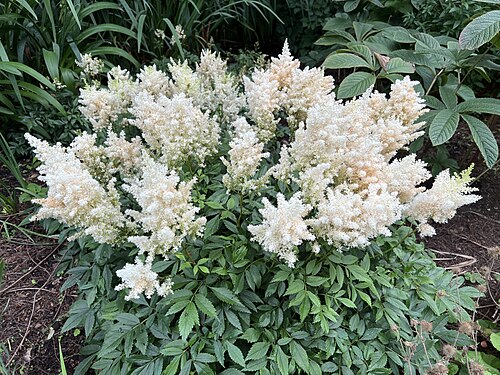
4. Astilbe (Astilbe spp.)
Astilbe offers feathery plumes of pink, white, or red flowers in summer and prefers moist, shady conditions. While some deer may sample it, its coarse texture and bitter taste make it less favored.
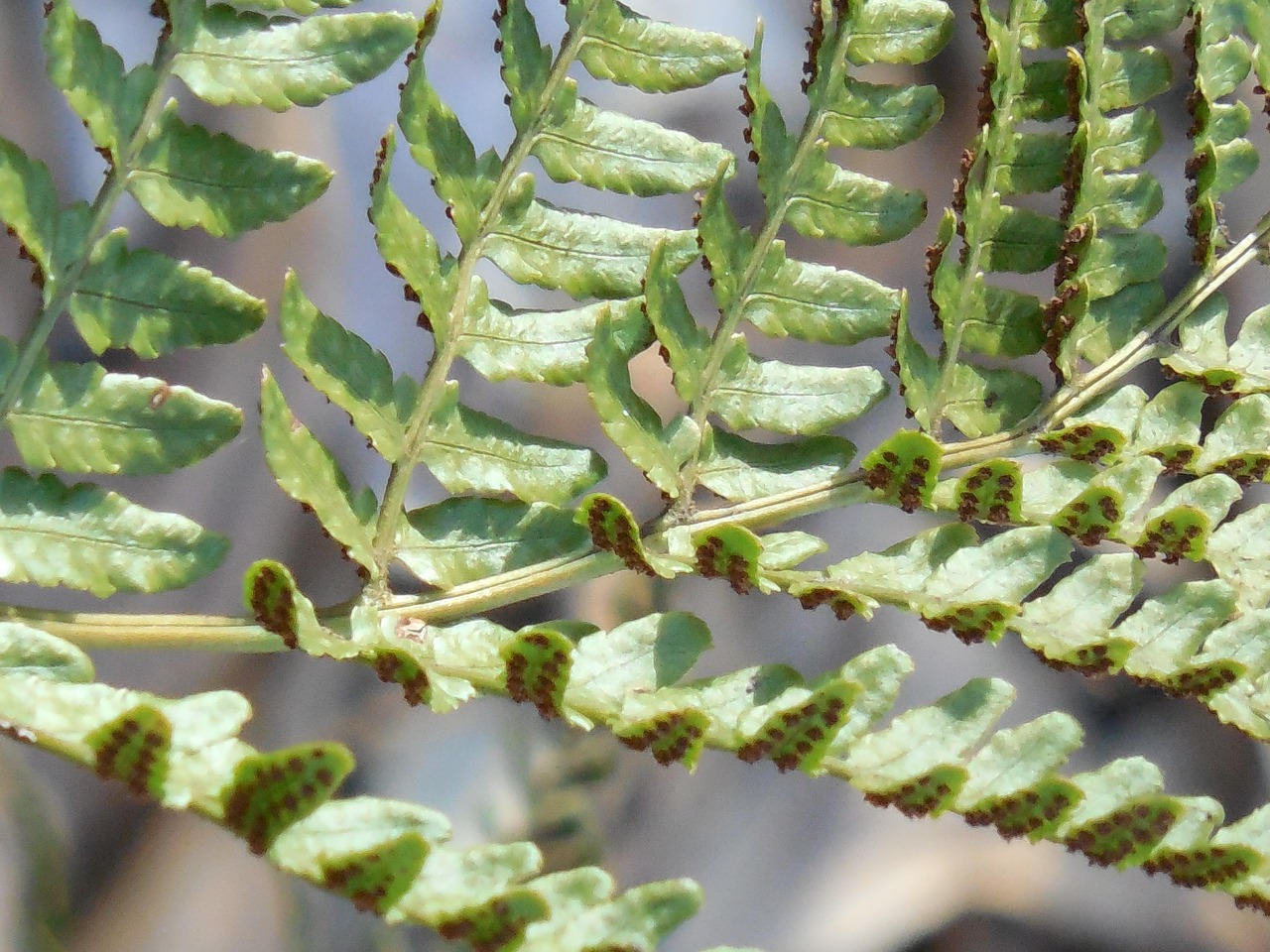
5. Japanese Painted Fern (Athyrium niponicum)
The Japanese painted fern is prized for its silvery fronds with purple and green accents. Its tough, leathery leaves and slightly bitter taste tend to repel deer.
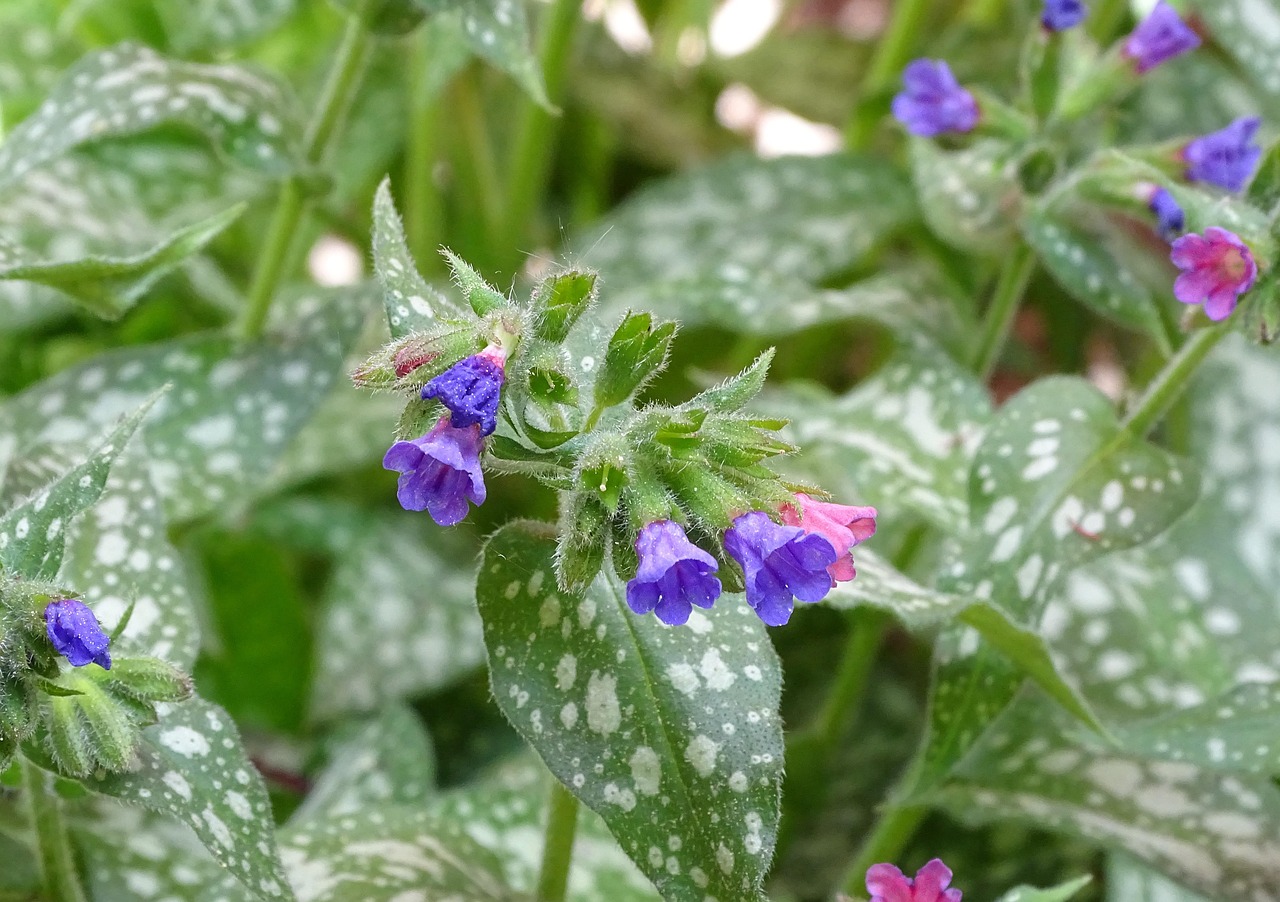
6. Lungwort (Pulmonaria spp.)
Lungwort’s spotted leaves and early spring flowers are a woodland garden favorite. Deer usually avoid it due to its hairy leaves and mildly toxic compounds, although it is not listed as toxic to pets.
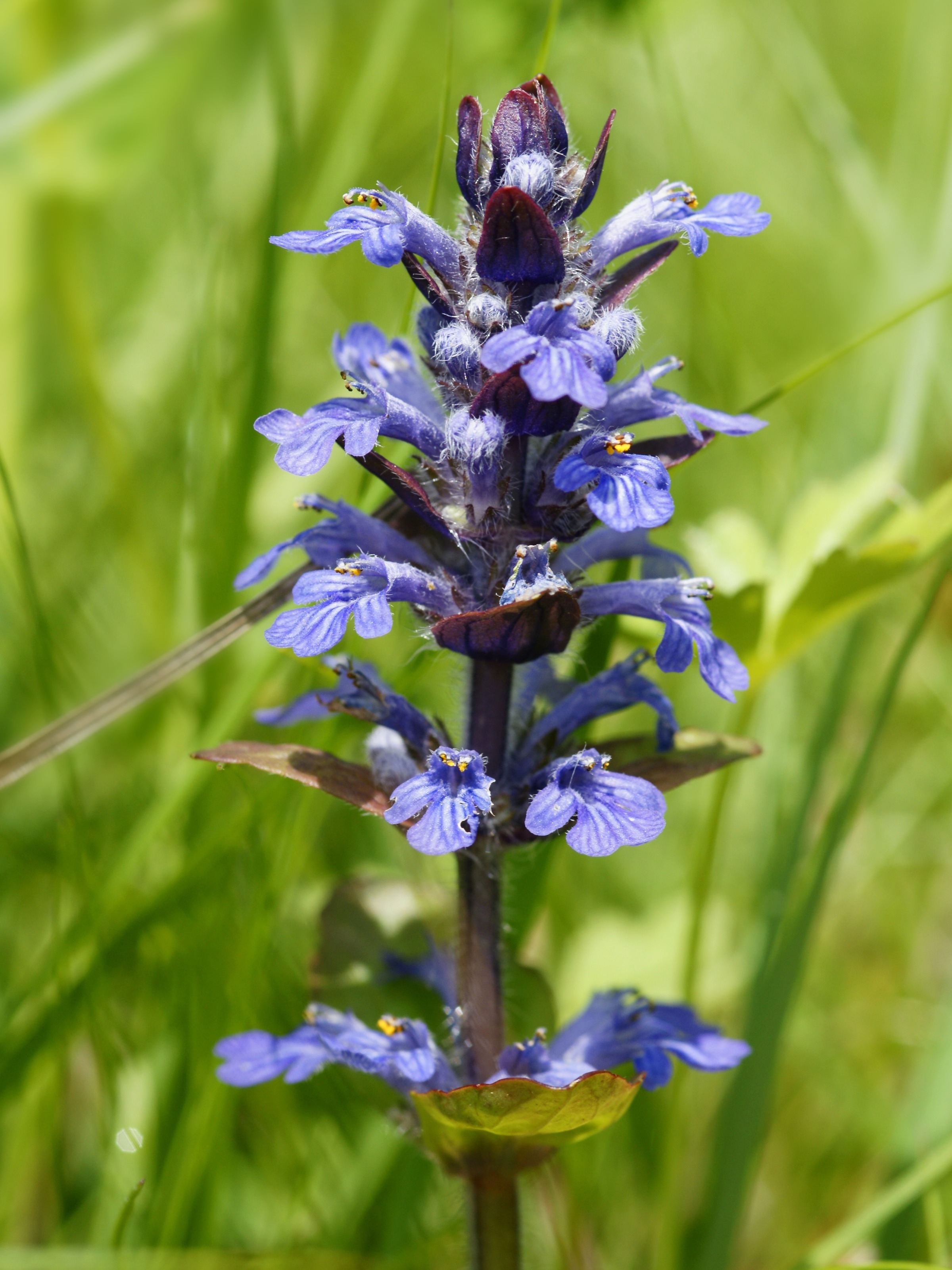
7. Bugleweed (Ajuga reptans)
Bugleweed is a low-growing groundcover with dark foliage and blue flower spikes. Its dense growth habit and slightly bitter leaves make it unattractive to deer.
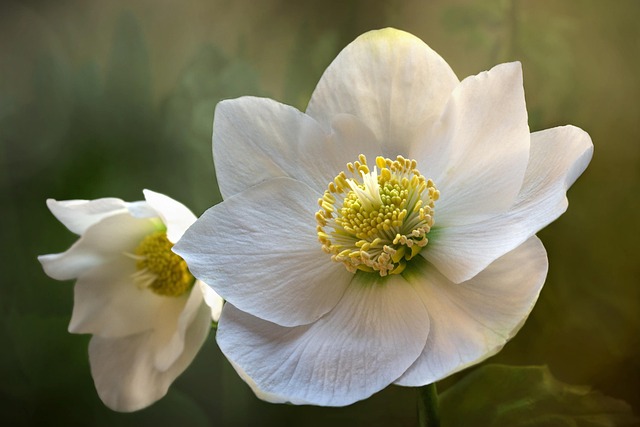
8. Hellebore (Helleborus spp.)
Hellebores bloom in late winter or early spring with nodding flowers in various colors. Their leathery, evergreen leaves and toxic compounds make them deer resistant, though they should be handled carefully around pets.
Tips for Managing Deer in Your Shade Garden
- Plant in groups: Large masses of deer-resistant plants are less likely to be browsed than isolated specimens.
- Use physical barriers: Fencing or netting can help protect especially vulnerable plants.
- Add deer deterrents: Motion-activated sprinklers or scent repellents may reduce deer visits.
- Maintain garden health: Healthy plants recover better from occasional browsing.
Wildlife Resistance Disclaimer
While the above perennials are considered deer resistant, no plant is completely deer proof. Deer feeding habits vary by location, season, and food availability. Use these plants as part of an integrated approach to managing deer in your garden.
Pet Safety Note
Some of these plants contain compounds that may be harmful if ingested by pets. If you have pets, monitor their access to garden plants and contact the ASPCA Animal Poison Control Center at 888-426-4435 if you suspect poisoning. None of the plants listed are known to be listed as toxic to pets, but individual sensitivities vary.
Conclusion
Choosing deer resistant perennials zone 7 shade varieties can make a significant difference in protecting your shady garden beds from deer browsing. Incorporate plants like foamflower, ostrich fern, and hellebore to enjoy a beautiful, resilient landscape. For more personalized recommendations, try the Plant Finder wizard to discover the best plants for your garden conditions.
Explore the Plant Finder wizard now at /wizard to find your perfect shade-loving, deer-resistant perennials!
If you want to learn more about each plant, just click on their names below:
Foamflower
Matteuccia Ostrich Fern
Solomon's Seal
Astilbe
Athyrium Lady Fern
Lungwort
Ajuga
Hellebore