FTC Disclosure: This post contains affiliate links. We may earn a small commission at no extra cost to you.
If you're gardening in USDA Zone 7 and struggle with deer nibbling your spring blooms, you're not alone. Fortunately, there are many beautiful, deer resistant perennials that thrive in Zone 7 and burst into colorful bloom each spring. This guide highlights 10 reliable deer resistant perennials for spring blooming that can add vibrant life to your garden while deterring deer. Keep in mind that no plant is completely deer-proof, as deer feeding habits vary by region and hunger levels.
If you have pets, please note that these plants are generally not listed as toxic to pets, but always supervise pets around plants and contact the ASPCA Animal Poison Control Center at 888-426-4435 if ingestion occurs.
Understanding Deer Resistance in Perennials for Zone 7
Deer resistance in plants typically comes from factors such as strong fragrance, bitter taste, tough or hairy leaves, and sometimes toxicity. While no plant is guaranteed to be deer-proof, selecting species known to be consistently avoided by deer can greatly reduce damage. Zone 7 offers a moderate climate, with spring temperatures ranging from 45-60°F, allowing a rich variety of perennials to thrive. Choosing spring-blooming, deer resistant perennials that fit your soil and sunlight conditions will give you a garden full of color without inviting deer to dinner.
🌱 Get Personalized Plant Picks
Answer a few quick questions and we’ll match plants to your exact yard conditions.
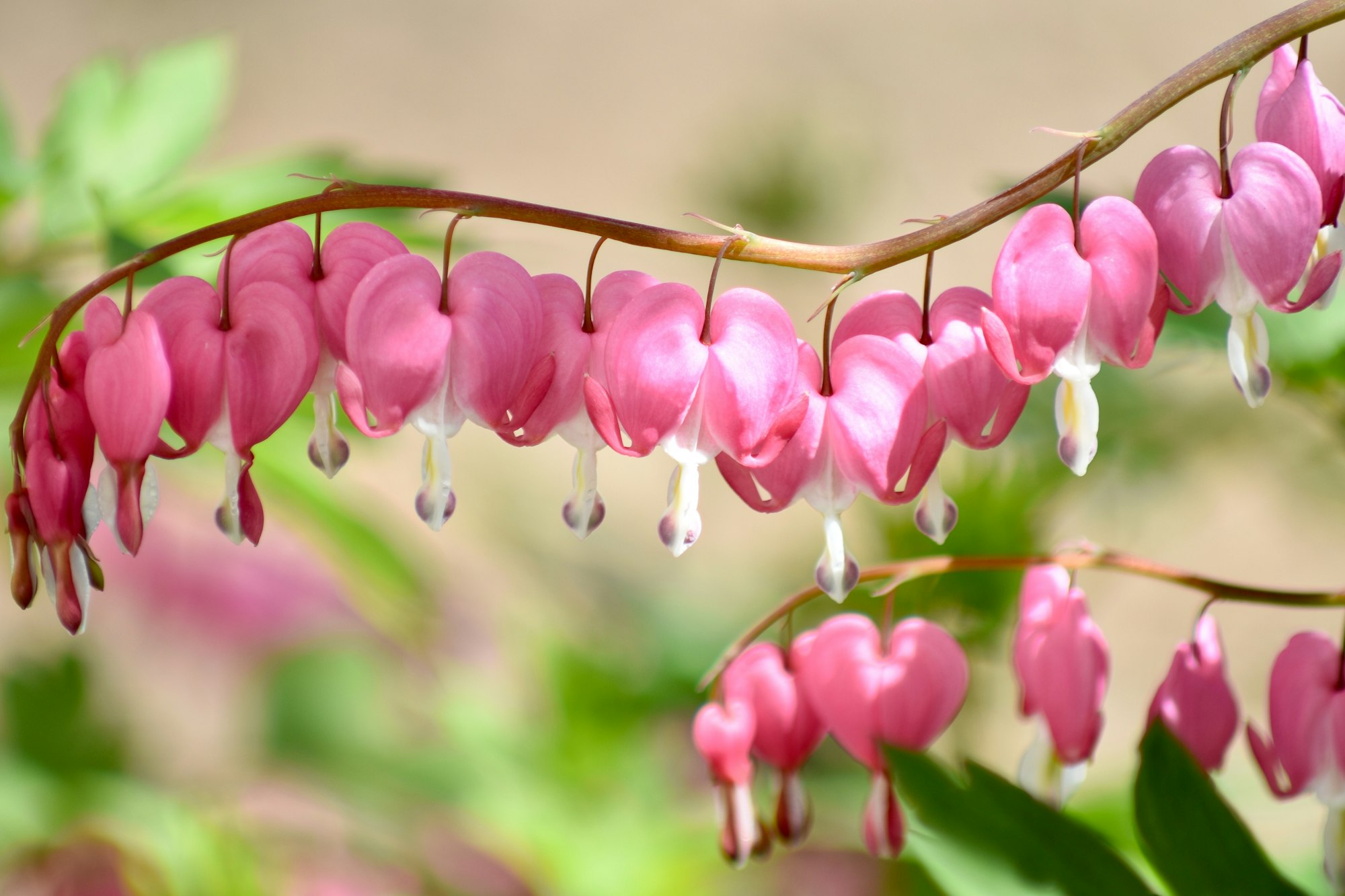
Find My Plants →1. Bleeding Heart (Dicentra spectabilis)
Bleeding Heart is a classic spring perennial known for its graceful, arching stems adorned with heart-shaped pink or white flowers. It thrives in partial to full shade and moist, well-drained soil typical of woodland gardens. Deer tend to avoid its delicate foliage and blooms due to the plant’s bitter taste.
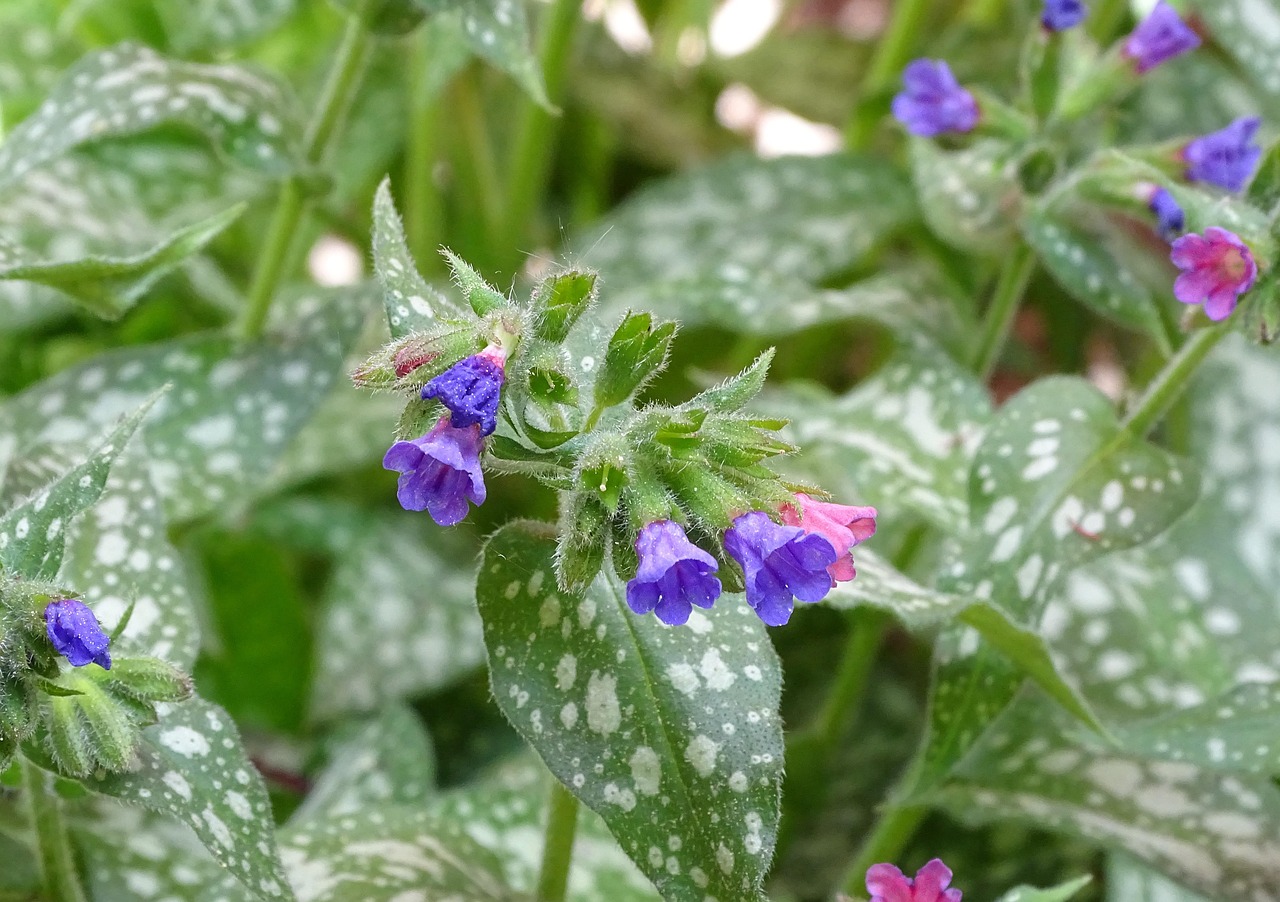
2. Lungwort (Pulmonaria spp.)
Lungwort is a charming early bloomer with spotted or silver-mottled leaves and clusters of blue, pink, or purple flowers. It prefers shady spots and moist soil, making it perfect for woodland or shaded borders. The hairy texture of lungwort leaves and its unique taste make it unappealing to deer.
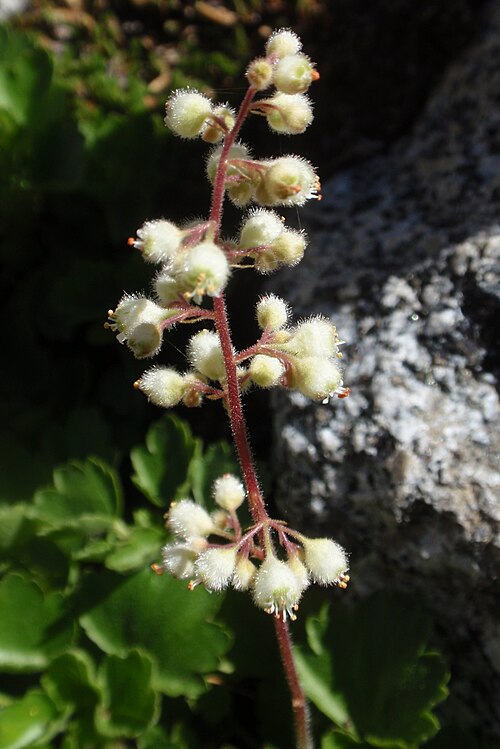
3. Coral Bells (Heuchera spp.)
Coral Bells are valued for their colorful foliage and delicate flower spikes that bloom in spring. They flourish in partial shade to full sun with well-drained soil. The slightly fuzzy leaves and bitter flavor discourage deer from browsing.
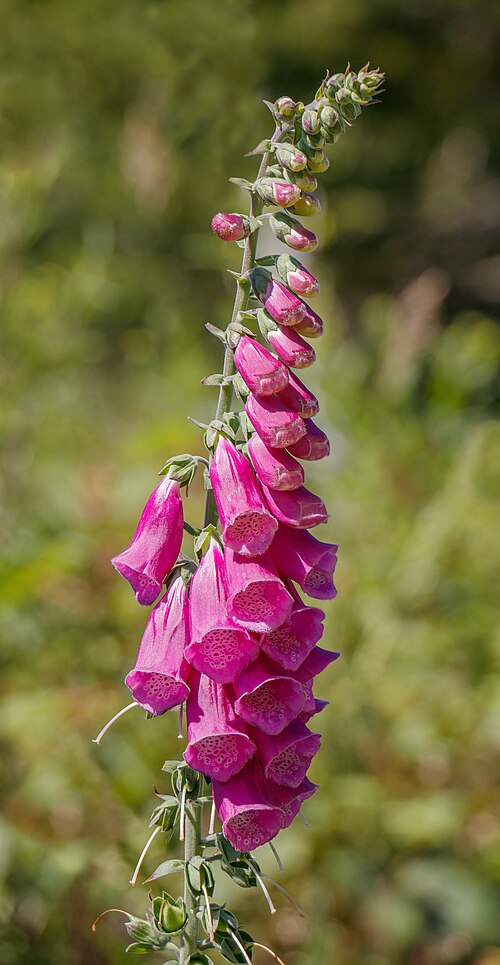
4. Foxglove (Digitalis purpurea)
Foxglove’s tall spires of tubular flowers in shades of purple, pink, white, and yellow make a dramatic statement in spring gardens. It grows best in part shade with moist, rich soil. The plant contains cardiac glycosides, which are toxic compounds that deer avoid.
5. Pasque Flower (Pulsatilla vulgaris)
This early spring bloomer features soft, silky foliage and bell-shaped purple flowers. Pasque Flower prefers full sun and well-drained soil. Its fuzzy texture and bitter compounds contribute to its deer resistance.
Pulsatilla Vulgaris
6. Jacob’s Ladder (Polemonium caeruleum)
Jacob’s Ladder is a delicate perennial with fern-like foliage and clusters of blue, violet, or white flowers in spring. It grows well in partial shade with moist soil. The bitter taste and foliage texture help keep deer away.
Polemonium Caeruleum
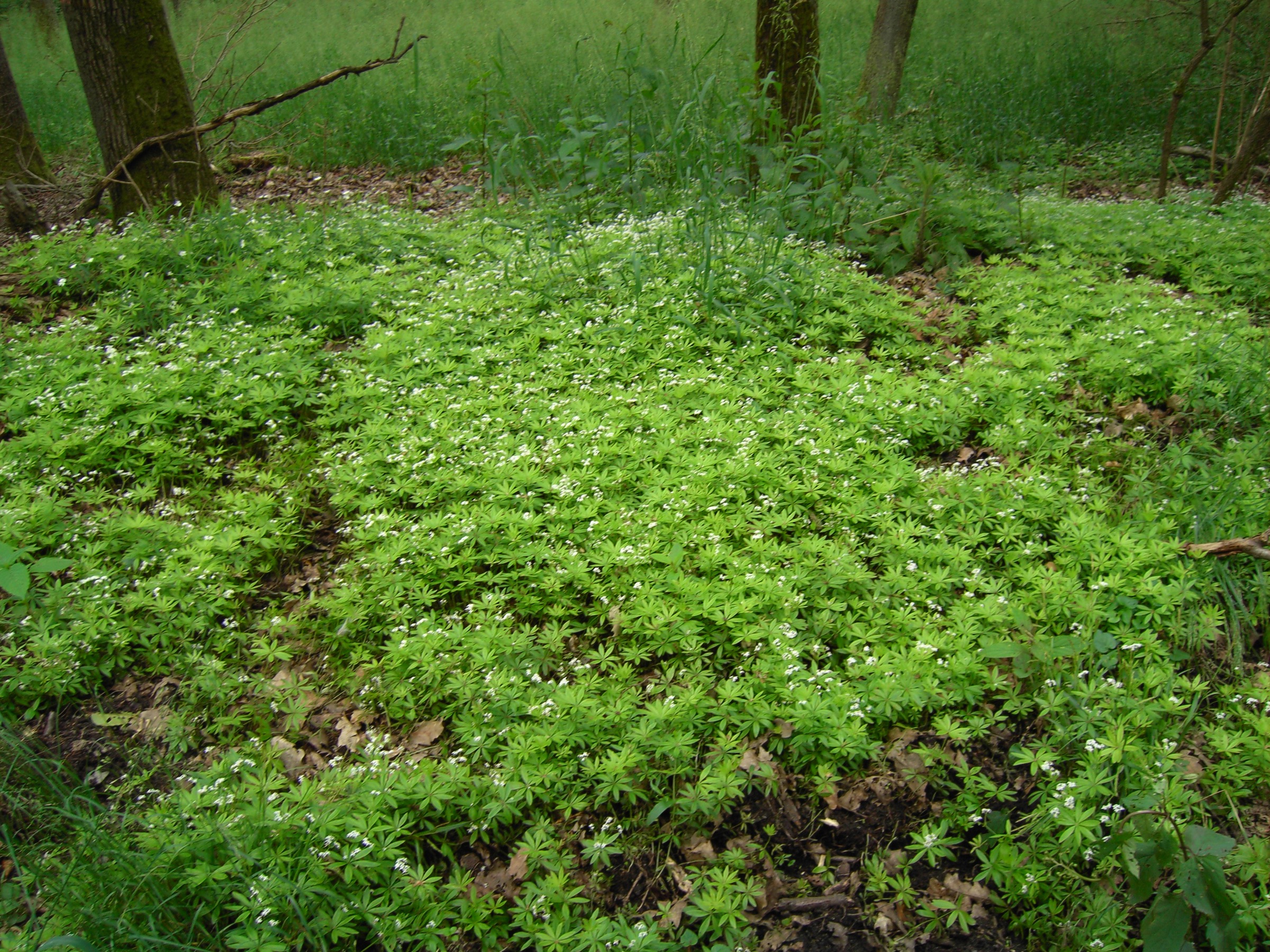
7. Sweet Woodruff (Galium odoratum)
Sweet Woodruff is a low-growing groundcover with whorled leaves and tiny white star-shaped flowers in spring. It thrives in shade with moist, well-drained soil. Its strong scent and taste are disliked by deer.
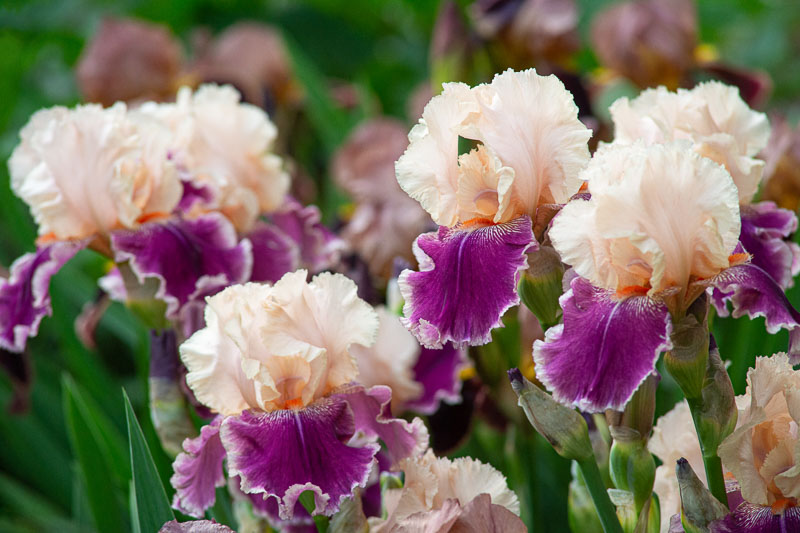
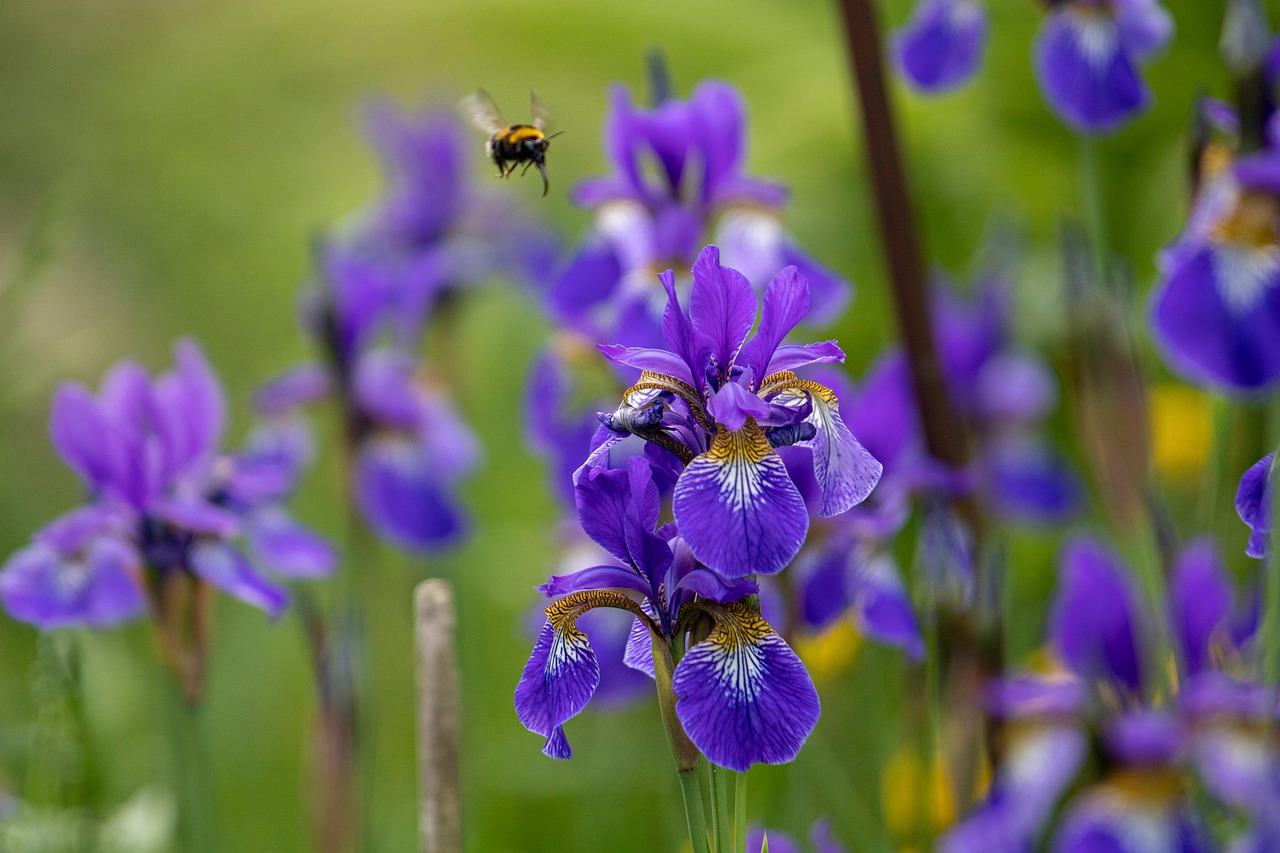
8. iris" class="plant-link">Siberian Iris (Iris sibirica)
Siberian Iris produces elegant, sword-like foliage and vibrant blue to purple flowers in late spring. It prefers full sun to part shade and moist soil but is adaptable. The fibrous leaves and bitter taste deter deer.
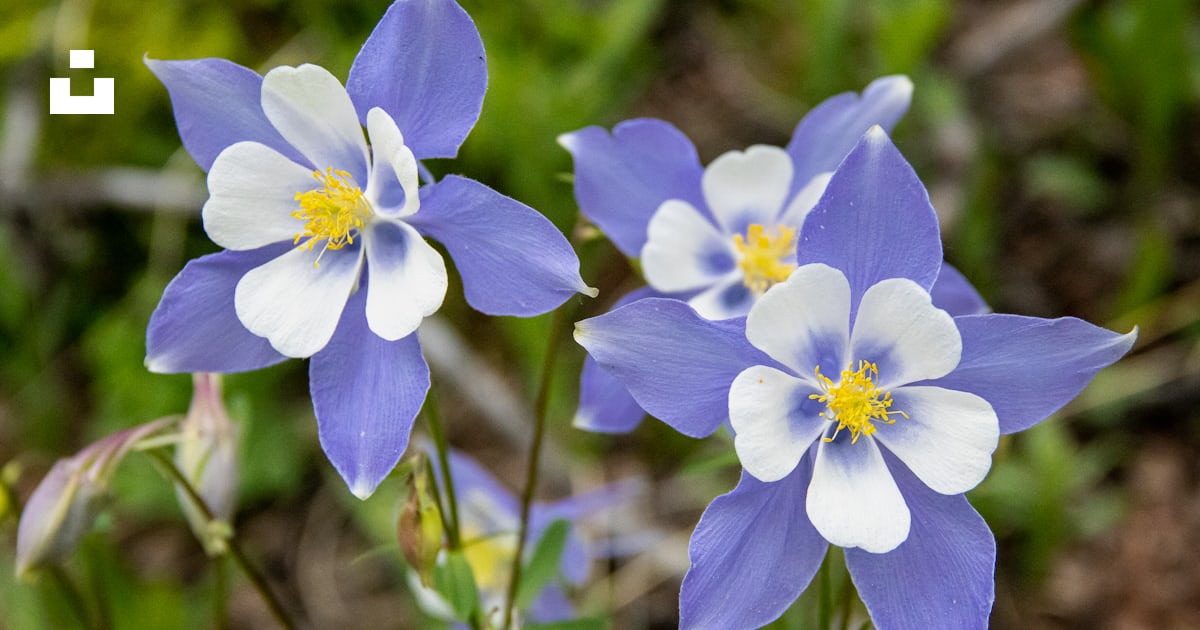
9. Columbine (Aquilegia spp.)
Columbine’s uniquely shaped flowers come in a rainbow of colors and bloom in spring. It grows best in partial shade and well-drained soil. The foliage and flowers have a bitter taste, which deer generally avoid.
10. Solomon’s Seal (Polygonatum odoratum)
Solomon’s Seal features arching stems with dangling white bell-shaped flowers in spring. It prefers shady, moist environments. The plant’s mildly toxic compounds and bitter taste make it less attractive to deer.
Tips for Enhancing Deer Resistance in Your Zone 7 Spring Garden
- Combine with Other Deterrents: Use physical barriers, deer repellents, and motion-activated sprinklers alongside deer resistant plants for best results.
- Choose Native Varieties: Native perennials tend to be more adapted and sometimes less favored by local wildlife.
- Plant in Groups: Mass plantings of deer resistant species emphasize their deterrent qualities.
- Maintain Healthy Plants: Deer often target stressed or weak plants, so good watering, fertilizing, and disease control help.
- Rotate Plants: If deer start to nibble on a plant, try moving it or alternating with other species.
Wildlife Resistance Disclaimer
While these perennials are known to be deer resistant in many regions, no plant is completely deer-proof. Deer feeding habits vary by local population, food availability, and season. Your mileage may vary.
If you want to find the perfect deer resistant perennials for your exact garden conditions, try our Plant Finder wizard for personalized recommendations: /wizard
Remember, if you have pets, these plants are typically not listed as toxic, but always keep an eye on curious animals and contact the ASPCA Animal Poison Control Center at 888-426-4435 in case of ingestion.
Happy spring planting!