FTC Disclosure: This post contains affiliate links. We only recommend products and plants we trust.
If you're gardening in Zone 8 and struggling with deer munching on your plants, choosing native deer resistant perennials is a smart, eco-friendly solution. Native plants are adapted to your region's climate and soil, supporting local wildlife while typically requiring less maintenance. While no plant is completely deer-proof, these 10 native perennials are well-known for being less palatable to deer in Zone 8 landscapes, helping you create a beautiful, low-maintenance garden.
The following guide lists native deer resistant perennials for Zone 8, highlighting their growing requirements, landscape uses, and tips for success.
Why Choose Native Deer Resistant Perennials in Zone 8?
Zone 8 covers parts of the southern U.S., including areas with mild winters and hot summers. Native plants have evolved to thrive in these conditions, offering superior drought tolerance and disease resistance compared to many exotic species. When combined with deer resistance, native perennials are an excellent choice for gardeners aiming to reduce chemical use and protect local ecosystems.
Deer resistance means that deer tend to avoid these plants because of their taste, texture, or odor. However, hungry deer may occasionally nibble on them, especially in winter or when food is scarce. Incorporating these plants into your garden can significantly reduce deer damage while supporting pollinators and other beneficial wildlife.
🌱 Get Personalized Plant Picks
Answer a few quick questions and we’ll match plants to your exact yard conditions.
Find My Plants →10 Native Deer Resistant Perennials for Zone 8
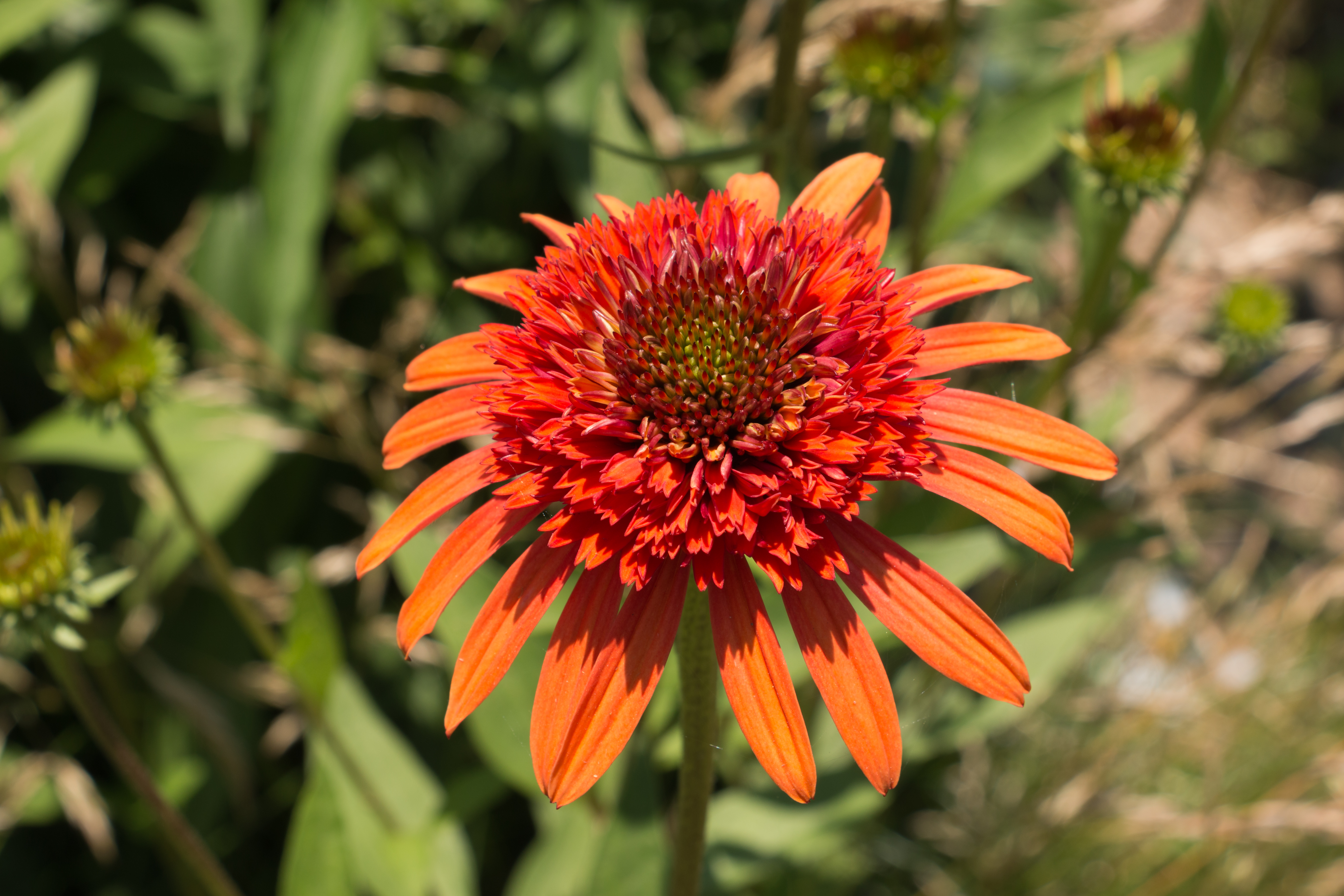
1. Purple Coneflower (Echinacea purpurea)
Coneflower
A classic prairie plant, purple coneflower is beloved for its large, daisy-like purple flowers and sturdy stems. It thrives in full sun and well-drained soil and attracts butterflies and bees. Deer generally avoid its rough leaves and flower bracts.
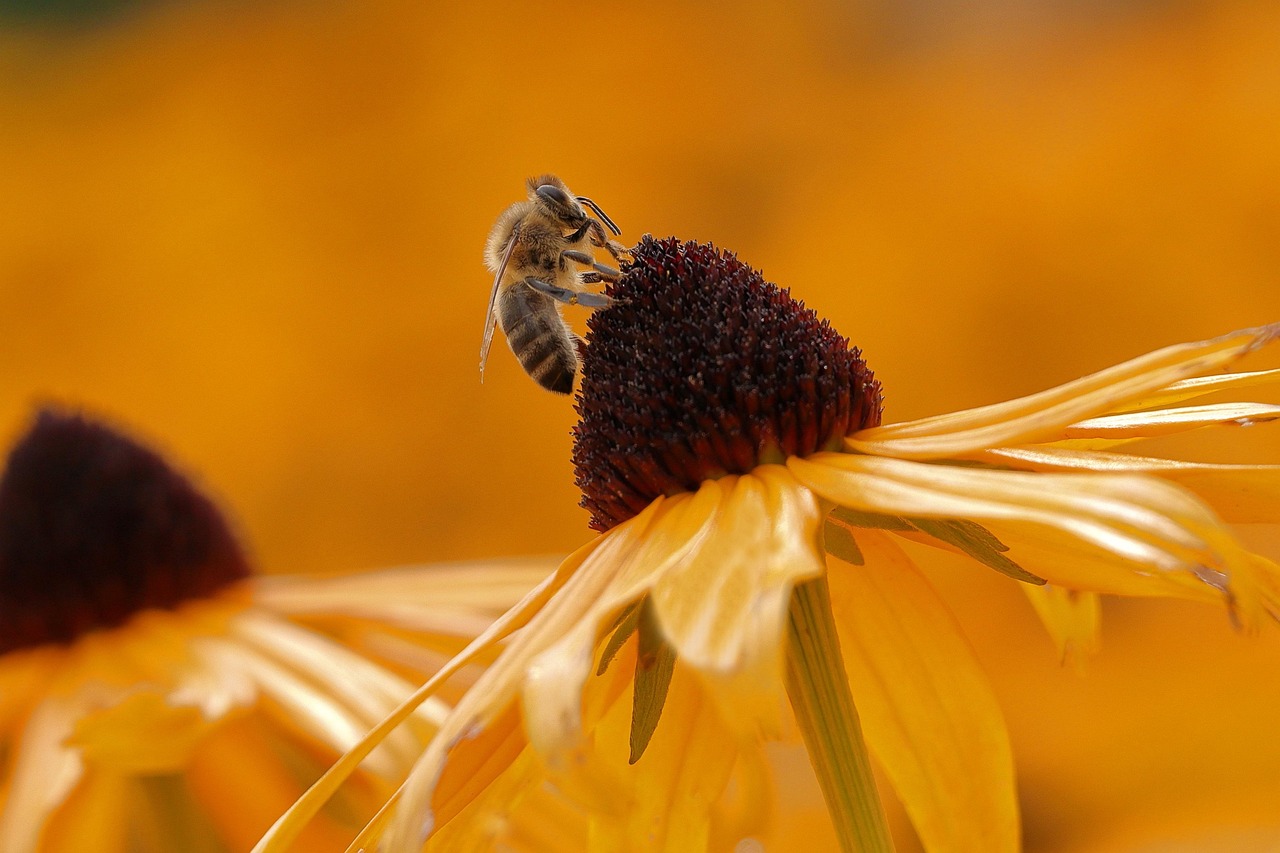
2. Black-eyed Susan (Rudbeckia hirta)
Black-eyed Susan
Known for its bright yellow petals and dark centers, black-eyed Susan is a hardy perennial that blooms from summer into fall. It tolerates a wide range of soils and attracts pollinators. Its slightly coarse foliage and bitter taste discourage deer browsing.
3. Wild Bergamot (Monarda fistulosa)
Wild Bergamot
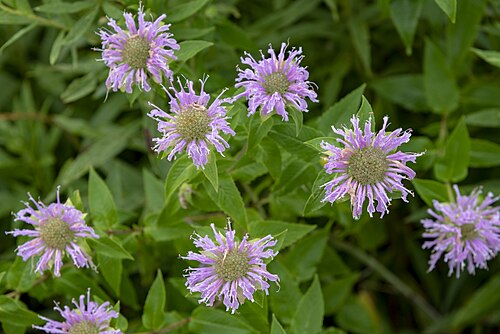
This aromatic member of the mint family produces lavender to pink tubular flowers that attract hummingbirds and bees. Wild bergamot prefers full sun to part shade and well-drained soil. The strong scent and fuzzy leaves help deter deer.
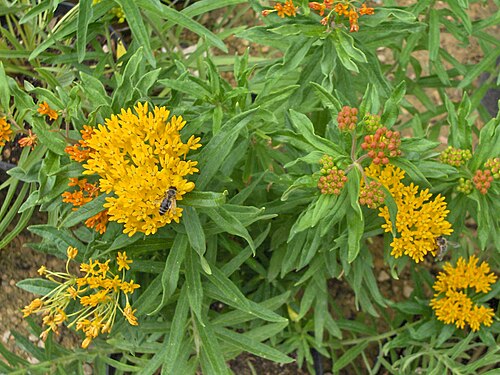
4. Butterfly Weed (Asclepias tuberosa)
Butterfly Weed
A vital plant for monarch butterflies, butterfly weed offers bright orange flowers and thrives in dry, sandy soils. It prefers full sun and is drought tolerant once established. Its milky sap and rough leaves make it less appealing to deer.
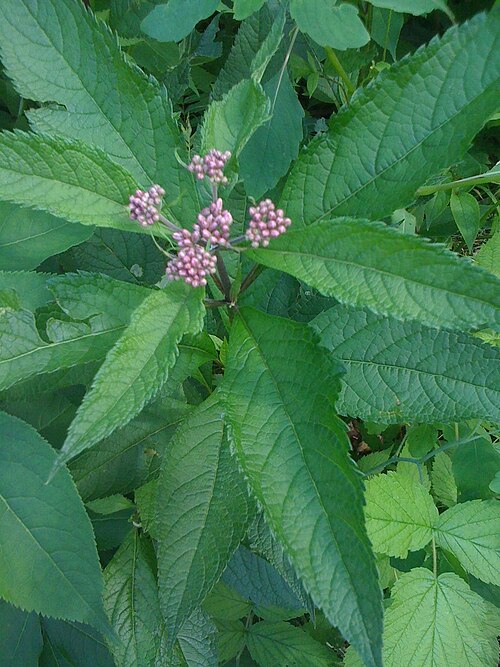
5. Blue Mistflower (Conoclinium coelestinum)
Conoclinium Coelestinum
With delicate powder-blue flowers, blue mistflower is a late summer bloomer that thrives in moist to average soils and full sun to part shade. Its fuzzy foliage and strong scent tend to repel deer.
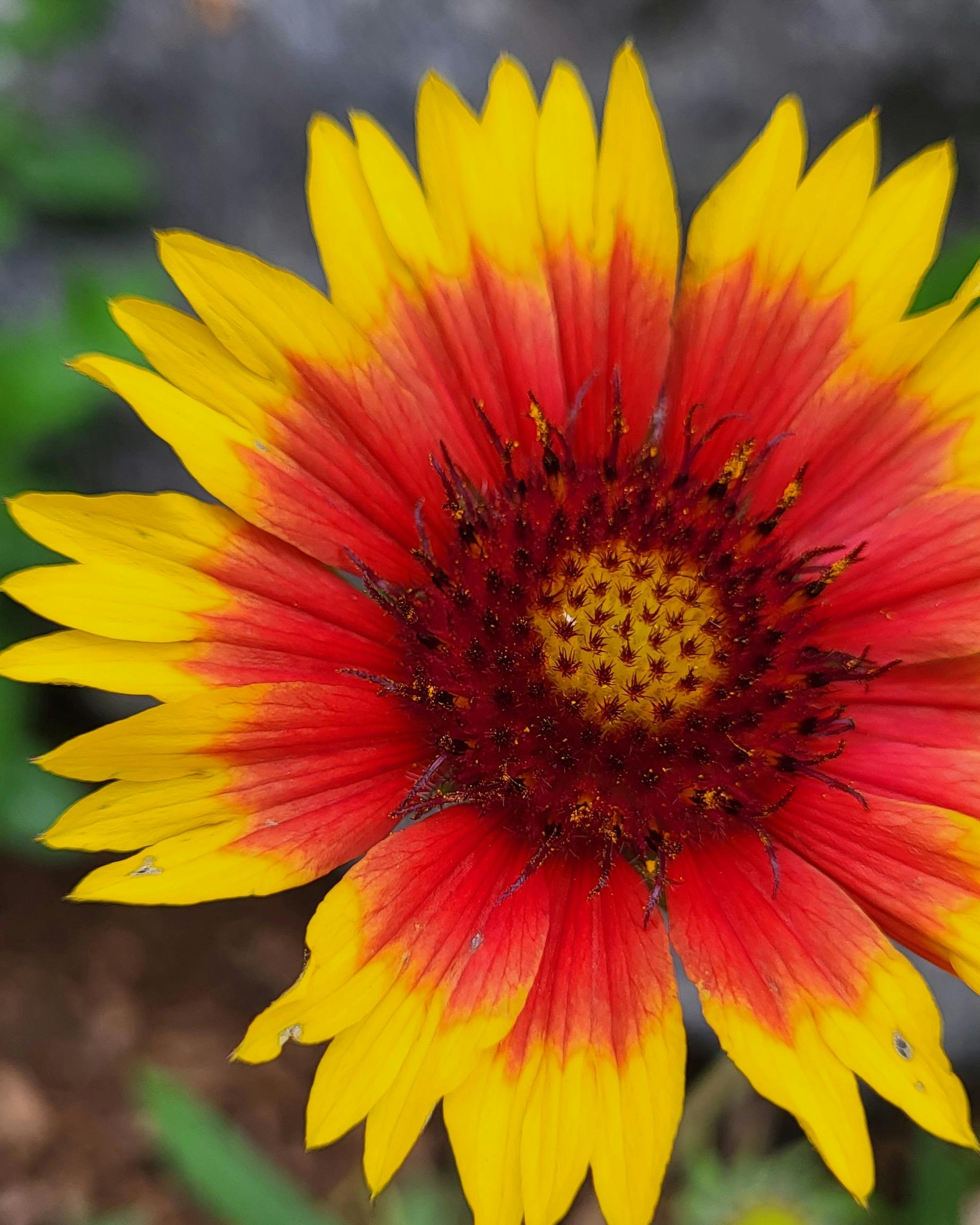
6. Blanket Flower (Gaillardia pulchella)
Blanket Flower
This cheerful, daisy-like flower displays red and yellow blooms and thrives in poor, sandy soils with full sun exposure. Blanket flower is drought tolerant and deer tend to avoid its slightly rough leaves.
7. Joe-Pye Weed (Eutrochium purpureum)
Joe Pye Weed
Joe-Pye weed is a tall perennial with large clusters of pinkish-purple flowers that attract butterflies. It prefers moist soils and part shade to sun. Its coarse leaves and bitter taste reduce deer browsing.
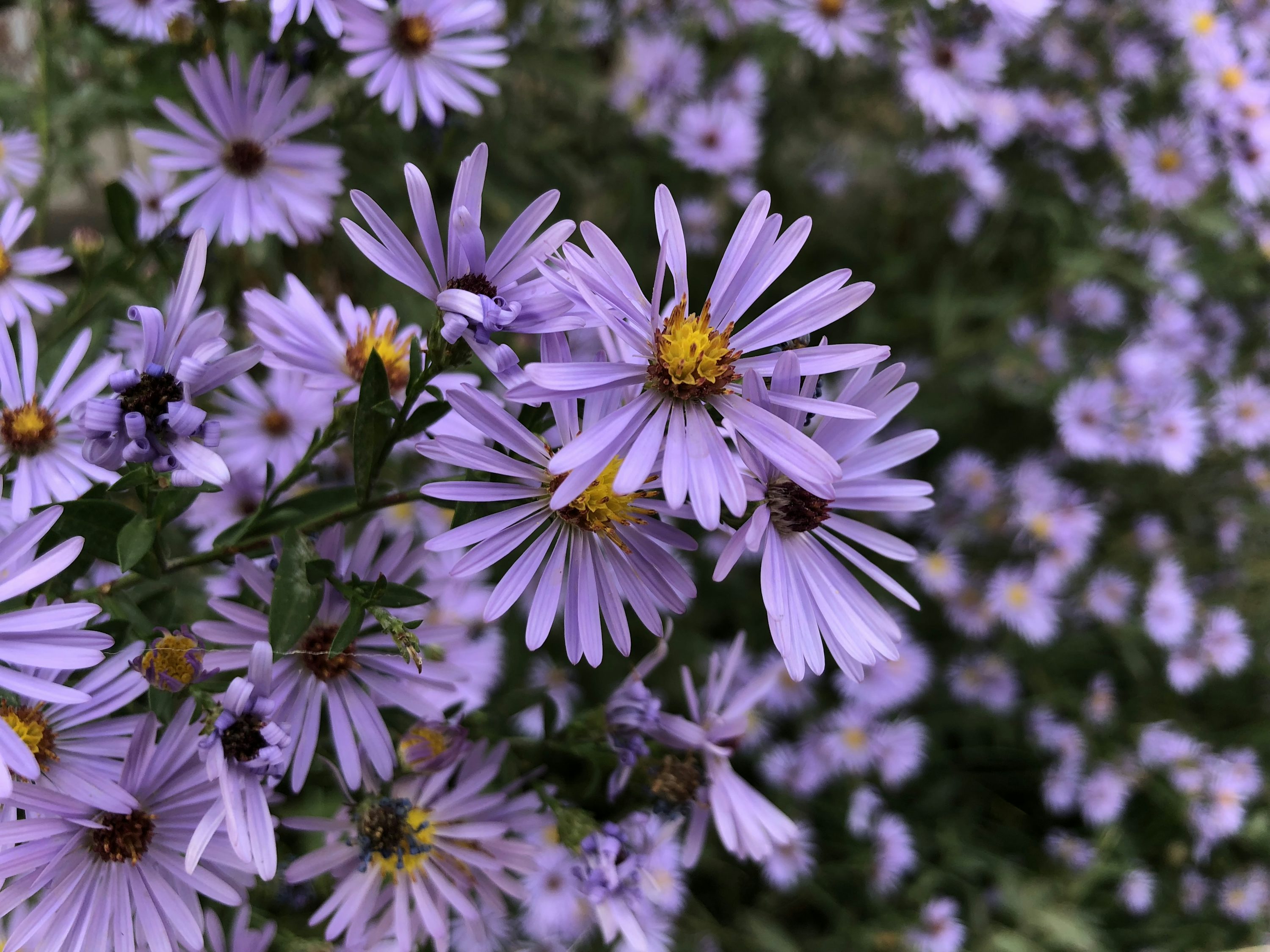
8. New England Aster (Symphyotrichum novae-angliae)
Aster
Blooming in late summer and fall, New England aster produces purple flowers with yellow centers. It prefers full sun and moist, well-drained soil. The tough texture and bitter compounds help it resist deer damage.
9. Wild Lupine (Lupinus perennis)
Wild Lupine
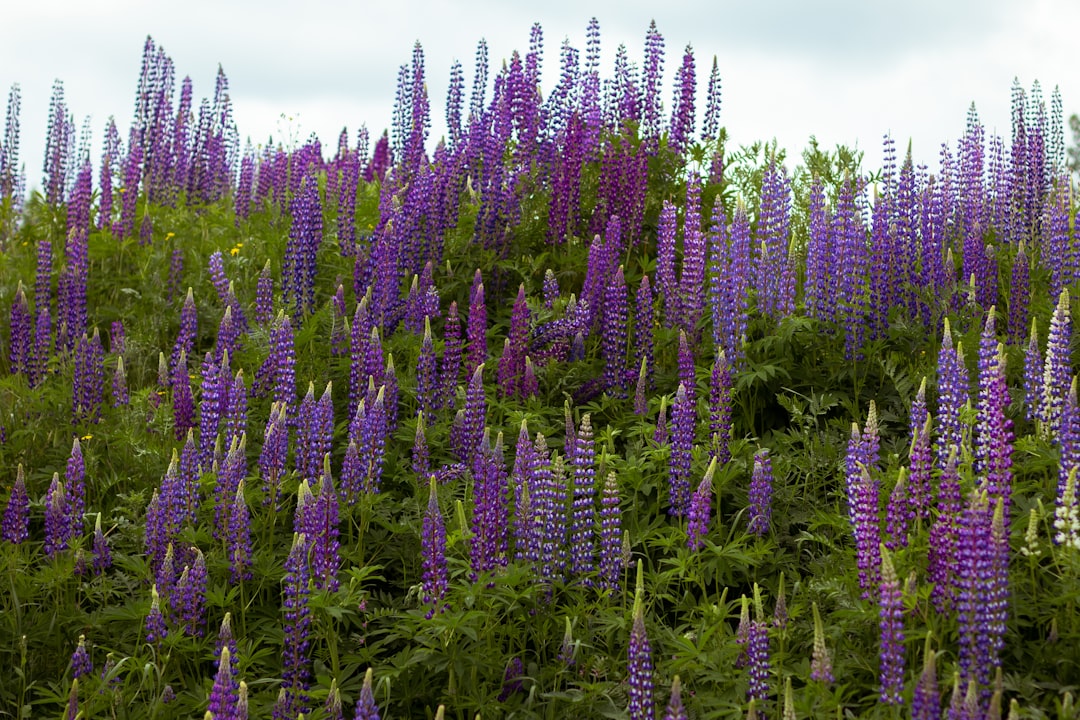
Wild lupine displays tall spikes of blue to purple flowers and fixes nitrogen in the soil, improving fertility. It prefers sandy, well-drained soils and full sun. Deer usually avoid lupines due to their bitter alkaloids.
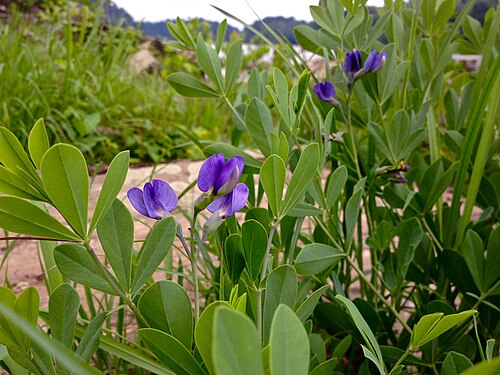
10. False Indigo (Baptisia australis)
False Indigo
False indigo is a long-lived perennial with striking blue flowers and seed pods. It grows best in full sun and well-drained soil and is drought tolerant. Its tough, leathery leaves and bitter taste discourage deer browsing.
Tips for Growing Native Deer Resistant Perennials in Zone 8
- Site Selection: Most of these perennials prefer full sun to part shade and well-drained soils. Choose planting sites accordingly to ensure healthy growth.
- Soil Preparation: Amend heavy clay or sandy soils with organic matter to improve drainage and fertility.
- Watering: Native plants are generally drought tolerant once established but will benefit from supplemental watering during prolonged dry spells.
- Mulching: Apply a 2-3 inch layer of organic mulch to conserve moisture, suppress weeds, and regulate soil temperature.
- Companion Planting: Group deer resistant perennials with other plants that deer dislike, such as herbs with strong scents, to further reduce browsing.
- Maintenance: Deadhead spent flowers to extend bloom time and cut back plants in late winter to encourage vigorous spring growth.
Wildlife Resistance Disclaimer
While these native perennials are considered deer resistant in Zone 8, no plant is completely deer-proof. Deer feeding habits vary based on food availability, population pressure, and season. Using a variety of deterrent methods alongside your plant choices can improve success. This list focuses on deer resistance and does not guarantee resistance to rabbits, groundhogs, or other wildlife.
Pet Safety Reminder
If you have pets, always verify whether plants are listed as toxic or not. Many native plants are not listed as toxic but can still cause mild irritation or digestive upset if ingested. For questions or emergencies related to pet poisoning, contact the ASPCA Animal Poison Control Hotline at 888-426-4435.
Conclusion
Creating a beautiful, eco-friendly garden in Zone 8 that resists deer browsing is achievable by incorporating native deer resistant perennials. Plants like Coneflower, Black-eyed Susan, and Wild Bergamot not only add vibrant color and attract pollinators but also help reduce deer damage naturally.
Explore the PlantWise Plant Finder wizard for personalized recommendations tailored to your specific site conditions and preferences. Start building your deer resistant garden today at /wizard.
Happy gardening!