FTC Disclosure:
If you’re gardening in USDA Zone 8 and want to attract pollinators without battling deer damage, choosing deer-resistant perennials is key. While no plant is completely deer-proof, certain perennials are less appealing to deer yet still thrive in Zone 8’s warm climate and provide nectar and pollen for bees, butterflies, and hummingbirds. Here are 10 deer resistant perennials zone 8 pollinator gardeners love for their beauty, resilience, and wildlife value.
Why Choose Deer-Resistant Pollinator Perennials in Zone 8?
Zone 8 gardens typically experience mild winters and hot summers, with temperatures ranging from 10 to 20°F (-12 to -6°C) in winter. This climate allows for a wide variety of perennials, but deer browsing can quickly ruin your pollinator garden. Deer tend to avoid plants with tough leaves, strong scents, or bitter tastes, making deer-resistant perennials a smart choice. Additionally, selecting plants that bloom throughout the growing season ensures you provide continuous food for pollinators.
Note: While these perennials are less favored by deer, no plant is completely deer-proof. Local deer pressure and preferences vary.
🌱 Get Personalized Plant Picks
Answer a few quick questions and we’ll match plants to your exact yard conditions.
Find My Plants →Top 10 Deer-Resistant Pollinator Perennials for Zone 8
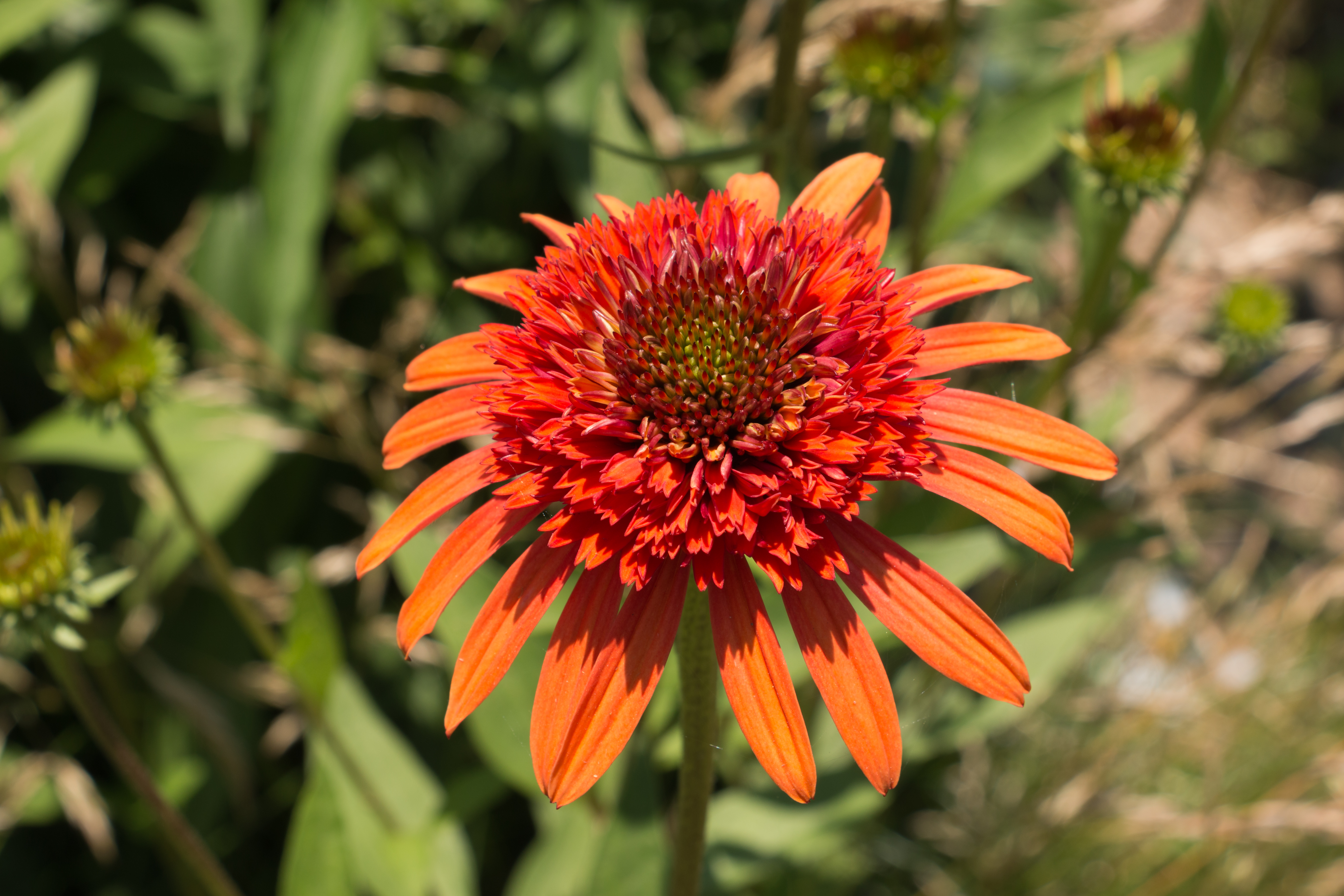
1. Purple Coneflower (Echinacea purpurea)
Coneflower
A classic in pollinator gardens, purple coneflowers have spiky seed heads and rough leaves that deer usually avoid. They thrive in full sun and well-drained soil, blooming from early summer to fall. Their large, daisy-like flowers attract butterflies, bees, and hummingbirds.
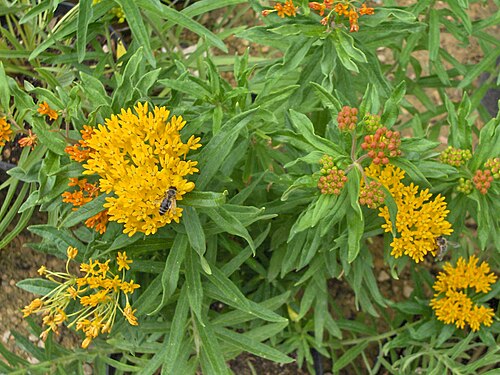
2. Butterfly Weed (Asclepias tuberosa)
Butterfly Weed
This bright orange milkweed is a magnet for monarch butterflies and other pollinators. Its hairy, tough leaves discourage deer browsing. Butterfly weed prefers full sun and well-drained soil, blooming mid-summer through fall.
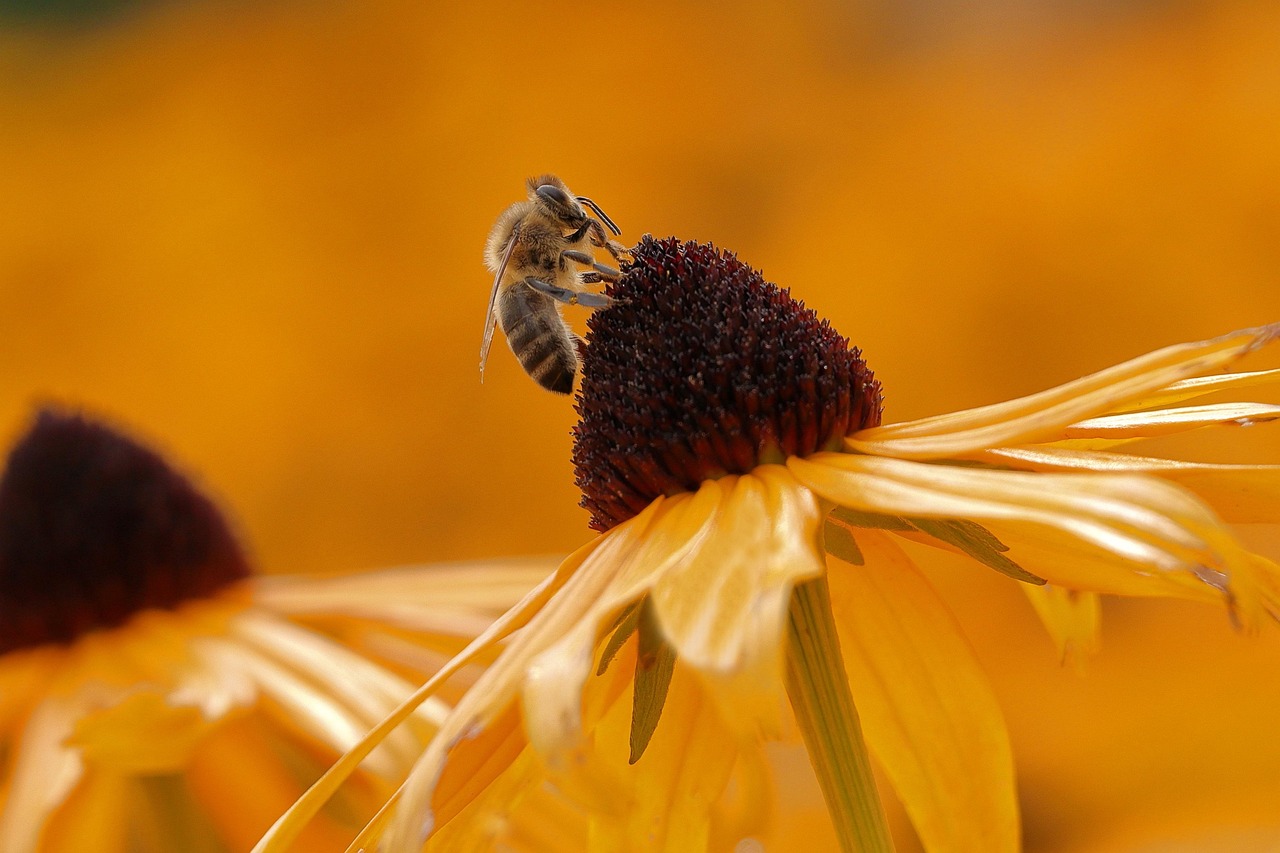
3. Black-eyed Susan (Rudbeckia hirta)
Black-eyed Susan
Known for its sunny yellow petals and dark center, black-eyed Susan is hardy and drought-tolerant. The coarse texture of its foliage makes it less appealing to deer. It blooms profusely in summer and attracts a variety of pollinators.
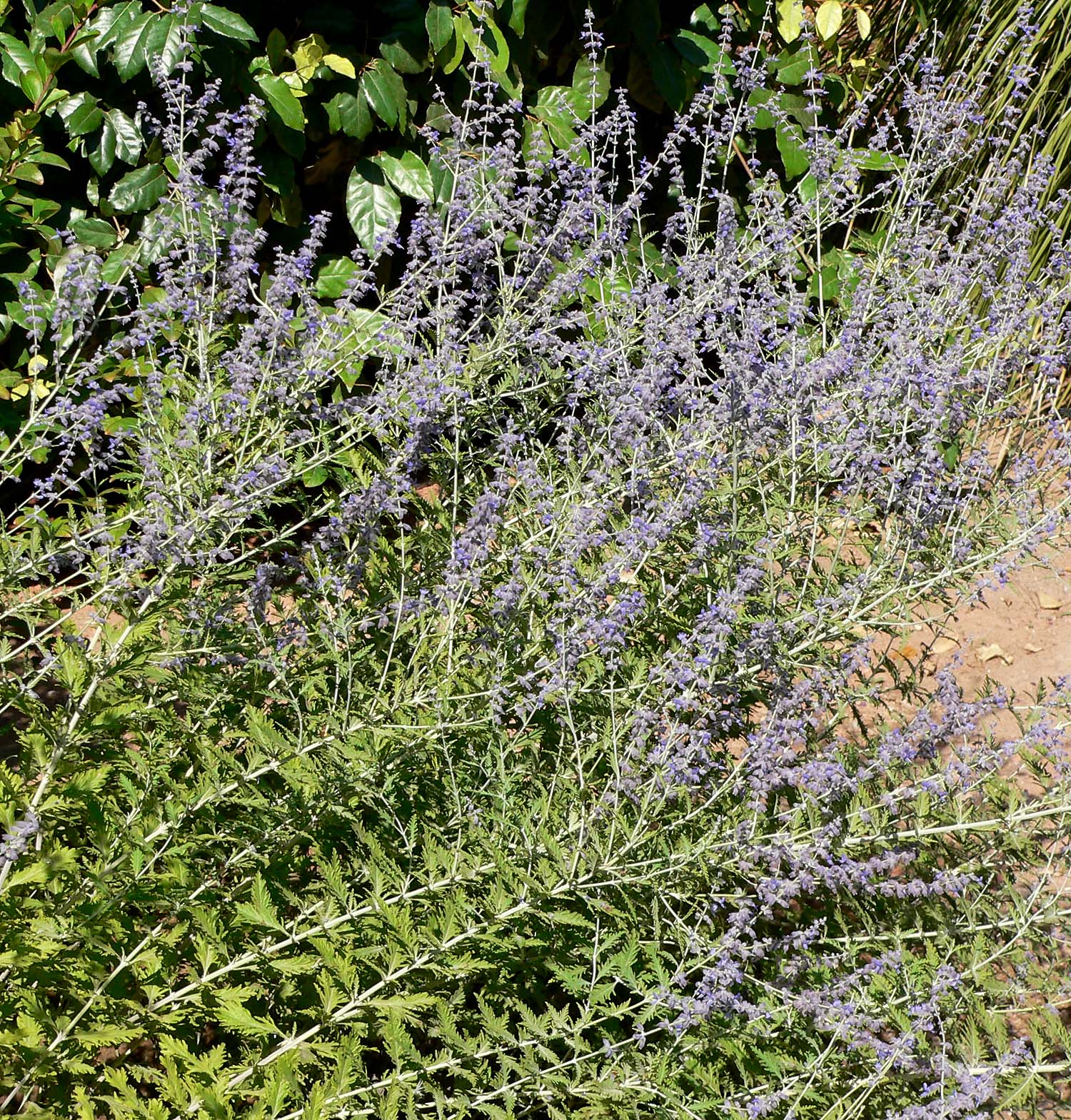
4. Russian Sage (Perovskia atriplicifolia)
Russian Sage
With silvery foliage and tall spikes of lavender-blue flowers, Russian sage is a deer-resistant perennial that thrives in heat and drought. Its aromatic leaves repel deer, while the flowers provide nectar for bees and butterflies.
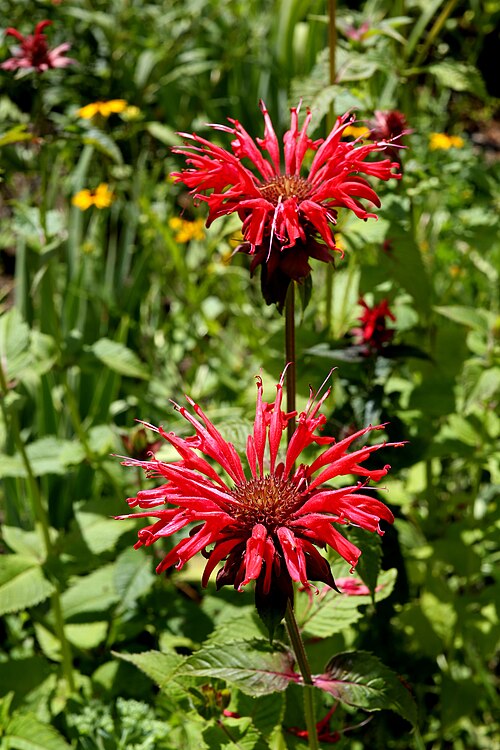
5. Bee Balm (Monarda didyma)
Bee Balm
This vibrant red to pink flowering plant has aromatic foliage deer dislike. Bee balm blooms in mid to late summer and attracts hummingbirds, bees, and butterflies. It prefers moist, well-drained soil and full sun to partial shade.
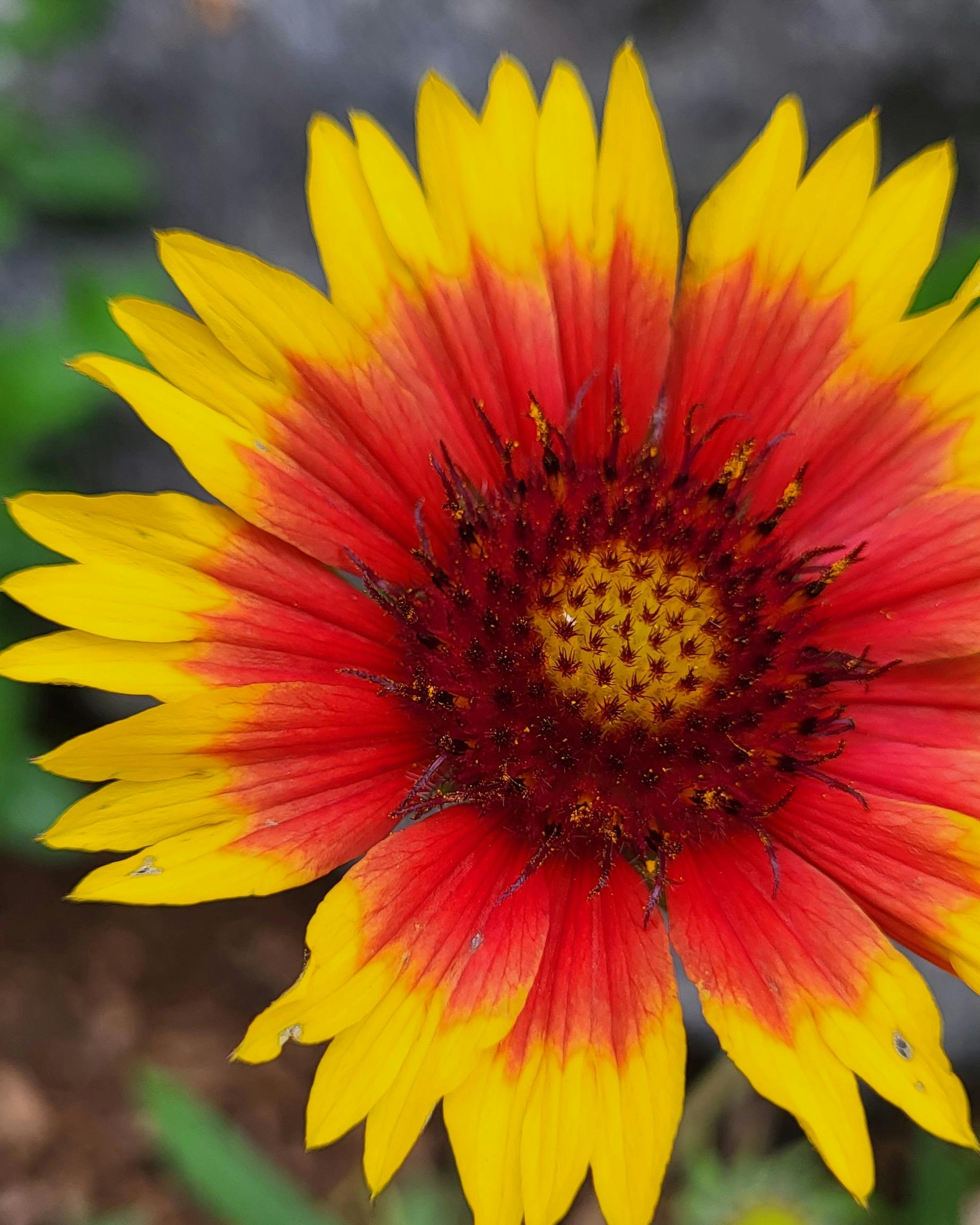
6. Blanket Flower (Gaillardia aristata)
Blanket Flower
Blanket flowers offer bright, daisy-like blooms in red, yellow, and orange shades. Their coarse leaves and drought tolerance make them less attractive to deer. They bloom from early summer to frost and attract many pollinators.
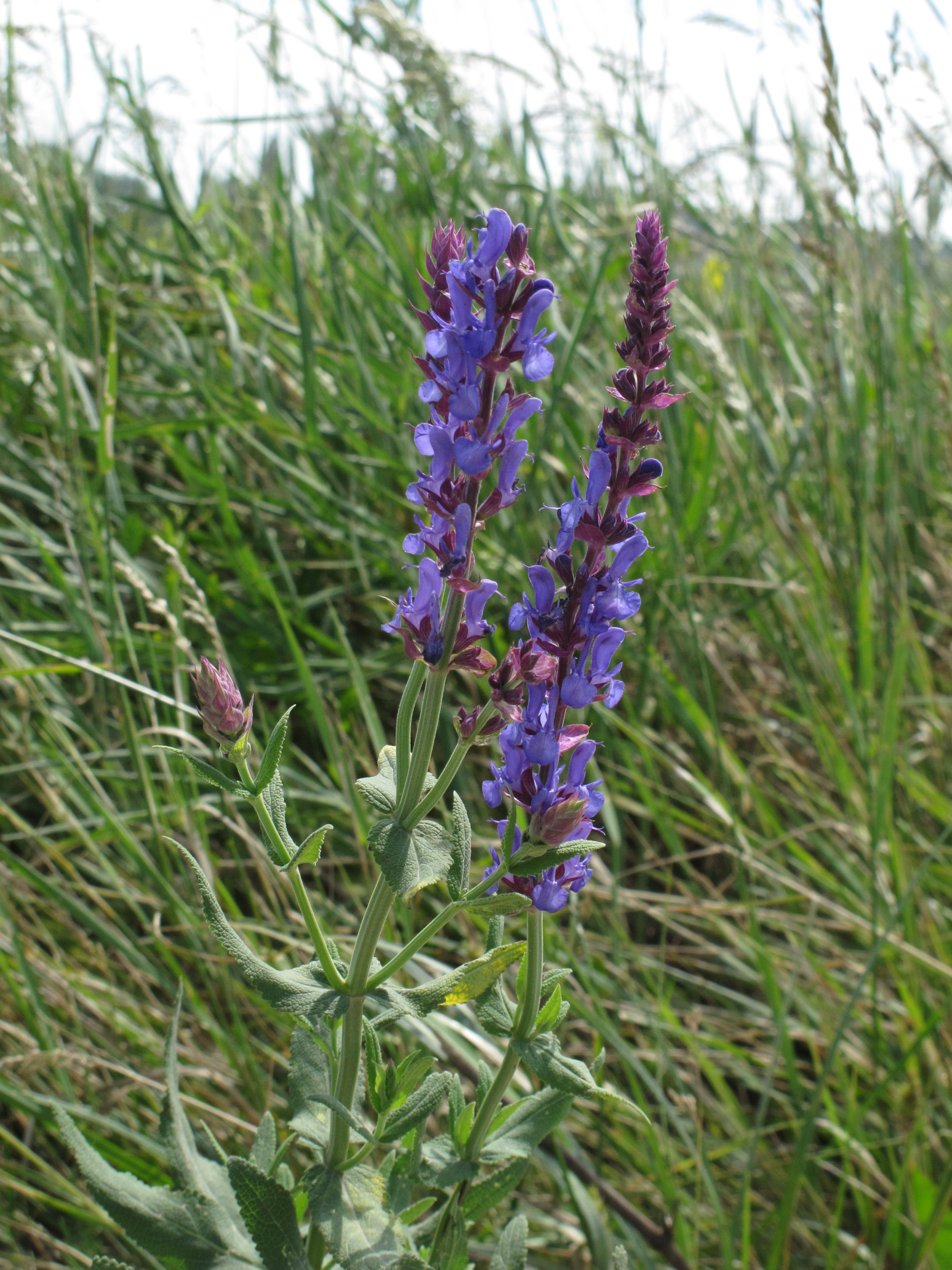
7. Salvia (Salvia nemorosa)
Salvia Nemorosa
Salvia species have aromatic leaves and tubular flowers in purple, blue, or pink hues that hummingbirds and bees adore. Deer tend to avoid their fragrant foliage. They prefer full sun and well-drained soil, blooming in summer.
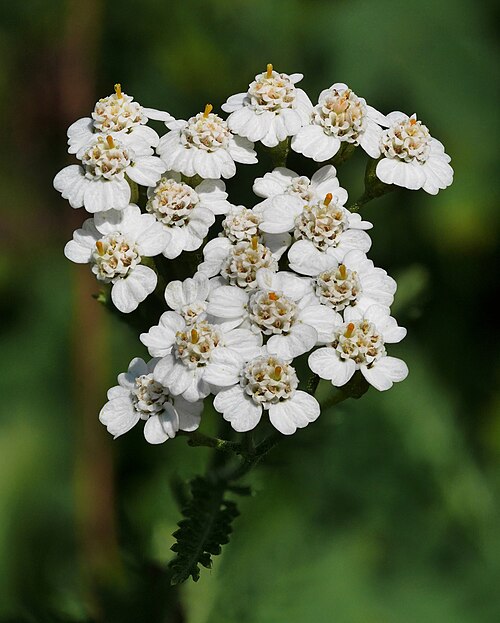
8. Yarrow (Achillea millefolium)
Yarrow
Yarrow’s feathery leaves release a strong scent deer dislike. Its flat-topped clusters of tiny flowers bloom in summer, attracting butterflies and bees. It’s drought-tolerant and thrives in full sun.
9. Lamb’s Ear (Stachys byzantina)
Stachys Byzantina
Known for its soft, fuzzy gray leaves that deer generally avoid, lamb’s ear produces spikes of purple flowers that attract pollinators. It grows well in sunny, well-drained spots and is drought tolerant.
10. Goldenrod (Solidago spp.)
Goldenrod
Goldenrod produces bright yellow flower clusters in late summer and fall, providing vital late-season nectar. Its coarse, hairy leaves and stems deter deer. Goldenrod prefers full sun and adapts well to various soils.
Tips for Maintaining a Deer-Resistant Pollinator Garden
- Plant in groups: Clumps of the same species are more visually appealing to pollinators and create a larger barrier deer might avoid.
- Use companion planting: Combine deer-resistant perennials with aromatic herbs like lavender or rosemary to enhance deer deterrence.
- Mulch and water wisely: Maintain soil moisture to keep plants healthy and resilient against browsing.
- Avoid fertilizing heavily: Overly lush growth can attract deer.
- Add physical barriers: If deer pressure is severe, consider fencing or netting as supplemental protection.
Pet Safety Considerations
Many pollinator plants are considered not-listed-as-toxic to pets, but it’s best to monitor your pets closely in any garden area. For concerns about plant toxicity, contact the ASPCA Animal Poison Control Center at 888-426-4435.
Wildlife Resistance Disclaimer
While these perennials are generally less favored by deer, rabbits, and groundhogs, no plant is completely resistant. Wildlife feeding habits vary by region, season, and availability of food.
Final Thoughts
In Zone 8, you can enjoy a thriving pollinator garden filled with beautiful, deer-resistant perennials that bloom all season long. By selecting plants like purple coneflower, butterfly weed, and Russian sage, you provide vital habitat for pollinators while minimizing deer damage. Remember to combine smart plant choices with maintenance and protective measures for the best results.
Ready to find more perfect plants for your garden? Try our Plant Finder wizard to discover plants tailored to your location, soil, and wildlife challenges. Start now at /wizard.
Coneflower
Butterfly Weed
Black-eyed Susan
Russian Sage
Bee Balm