Best Deer-Resistant Plants for Clay Soil
Gardening in clay soil presents unique challenges, but when you add deer pressure to the mix, it can feel like an uphill battle. The good news is that there are many beautiful, resilient plants that not only tolerate the heavy, moisture-retentive nature of clay but also deter hungry deer. Some of the best deer-resistant plants for clay soil include tough perennials like Yarrow, Salvia, Coneflower, and Bee Balm, as well as ornamental grasses and certain shrubs. These plants often possess characteristics that deer dislike, such as strong fragrances, fuzzy or coarse textures, or a bitter taste, making them excellent choices for challenging garden conditions.
Clay soil, while often frustrating due to its poor drainage and compaction, is also rich in nutrients. The key is to select plants that can handle its dense structure and fluctuating moisture levels - wet in spring, dry and hard in summer. Combining this with deer resistance means looking for plants that are truly tough and unappealing to browsing animals.
🌱 Get Personalized Plant Picks
Answer a few quick questions and we’ll match plants to your exact yard conditions.
Find My Plants →Why is Clay Soil So Challenging, and How Can I Improve It?
Clay soil is characterized by its very fine particles, which pack together tightly, leaving little space for air and water to move freely. This can lead to waterlogging when wet and a hard, brick-like consistency when dry. It also warms up slowly in spring. However, clay soil is often rich in essential nutrients because its fine particles hold onto them effectively, preventing leaching.
Improving clay soil is a long-term process, but it's incredibly beneficial for plant health. The most effective method is to incorporate organic matter. This could include compost, well-rotted manure, leaf mold, or even finely shredded bark. Organic matter acts like a sponge, creating larger air pockets, improving drainage, and making the soil more friable and easier for roots to penetrate. It also helps to moderate moisture levels, keeping the soil from becoming too wet or too dry.
When adding organic matter, aim to work it into the top 6-12 inches of soil. Avoid tilling when the soil is very wet, as this can compact it further. Raised beds are another excellent solution for clay soil, allowing you to create an ideal growing medium from scratch. For individual plants, amending the planting hole with compost can give them a good start, but remember that roots will eventually grow into the surrounding clay, so broader soil improvement is always best.
What Characteristics Make Plants Deer-Resistant?
Deer are notoriously picky eaters, and they tend to avoid plants with certain characteristics. Understanding these traits can help you choose plants that are less likely to be browsed:
- Strong Scents: Aromatic plants, especially those with strong herbal or pungent odors, are often passed over by deer. Think of plants like Salvia, Catmint, and Yarrow.
- Fuzzy or Hairy Leaves: Deer dislike the texture of fuzzy or bristly foliage. Plants like Lamb's Ear (though not ideal for clay) or certain Mulleins are good examples.
- Coarse or Thorny Textures: Spiky or rough leaves, as well as plants with thorns, are generally unappealing.
- Bitter Taste: Many plants produce secondary compounds that make them taste unpleasant or even toxic to deer. This is a common defense mechanism.
- Sap or Latex: Some plants exude a milky sap when broken, which deer tend to avoid.
It's important to remember that "deer-resistant" does not mean "deer-proof." A hungry deer, especially in times of drought or severe winter, will eat almost anything. However, by choosing plants with these characteristics, you significantly reduce the likelihood of damage.
Top Deer-Resistant Perennials for Clay Soil
These tough-as-nails perennials are not only disliked by deer but also thrive in the unique conditions of clay soil.
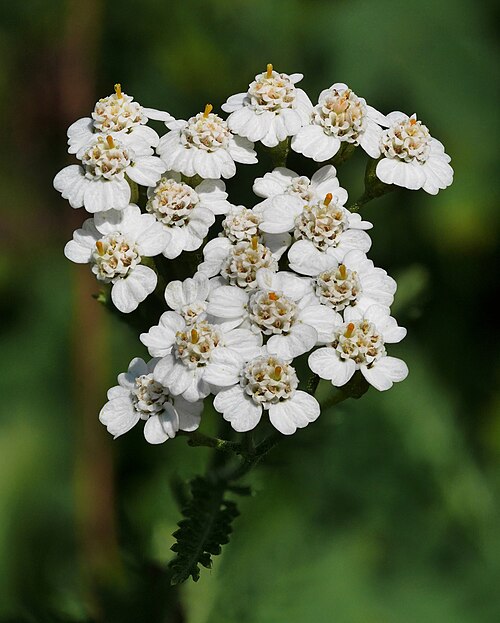
Yarrow (Achillea millefolium): Yarrow With its feathery foliage and flat-topped clusters of flowers, Yarrow is a classic choice. It's incredibly drought-tolerant once established and thrives in full sun and well-drained clay. Deer dislike its aromatic foliage. Available in white, yellow, pink, and red.
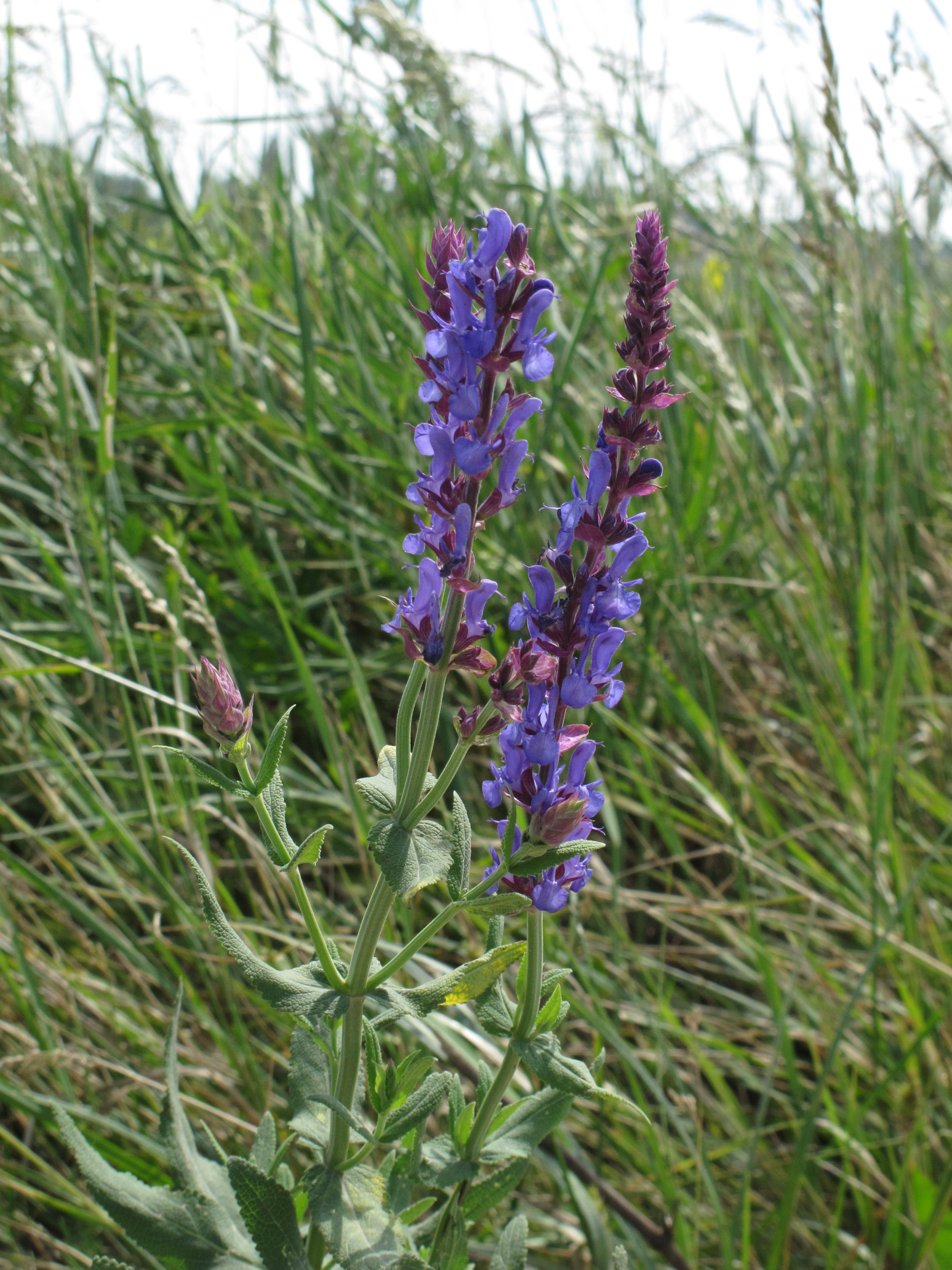
Salvia (Salvia spp.): Salvia A large genus with many excellent options, Salvias are known for their vibrant flower spikes and aromatic foliage. Most varieties prefer full sun and can tolerate a range of soil conditions, including clay, as long as it's not constantly waterlogged. Deer typically avoid them. Look for varieties like 'May Night' or 'Caradonna'.
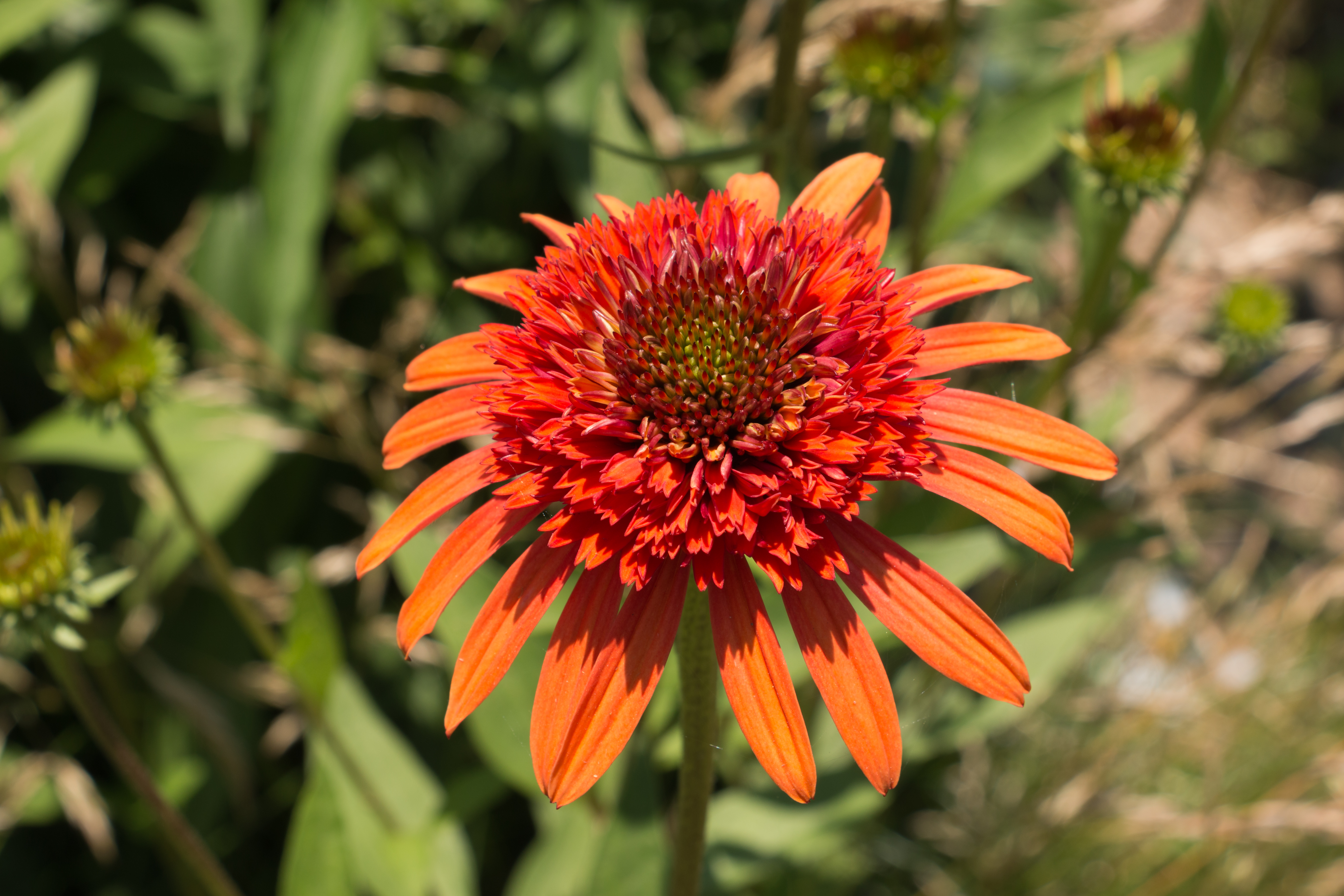
Coneflower (Echinacea purpurea): Coneflower These iconic prairie plants are incredibly resilient. They boast large, daisy-like flowers with prominent central cones, attracting pollinators but not deer. Coneflowers are highly adaptable to clay soil and drought once established, preferring full sun.
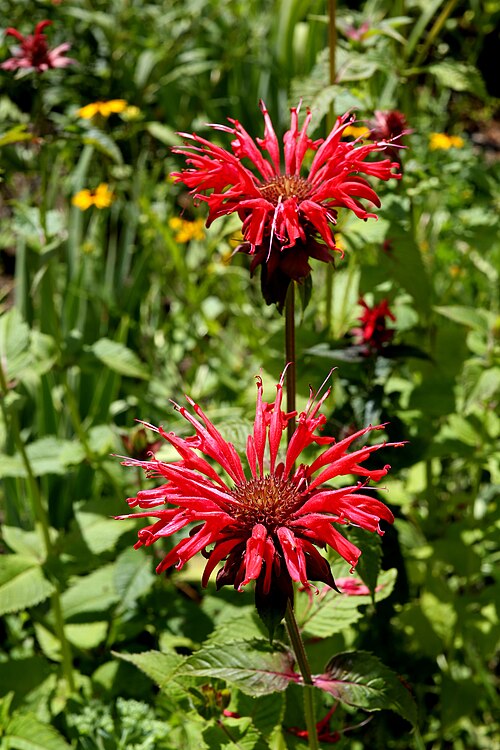
Bee Balm (Monarda didyma): Bee Balm A North American native, Bee Balm is a fantastic choice for clay soil, especially in areas that might stay a bit moister. Its unique, shaggy flowers are a magnet for hummingbirds and bees, but deer tend to leave its aromatic foliage alone. It prefers full sun to partial shade.
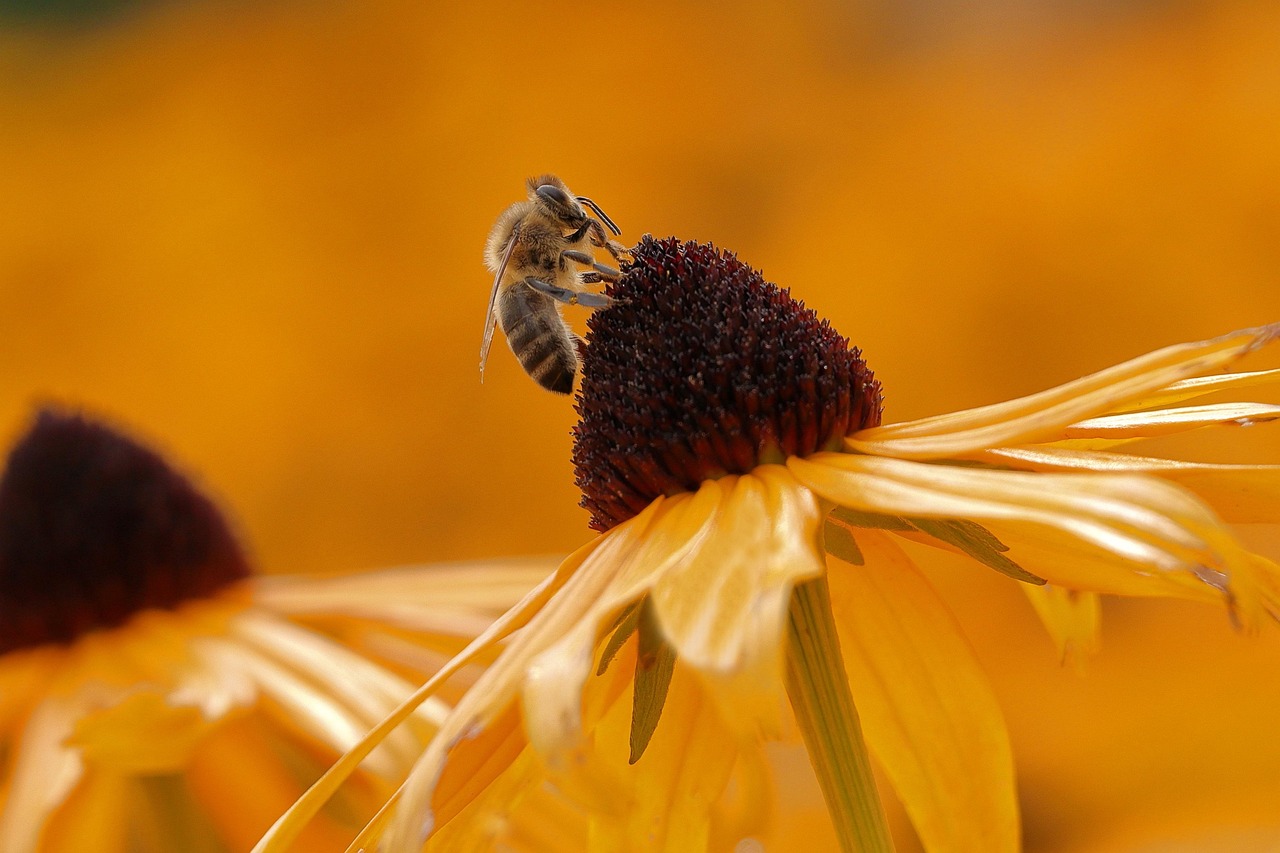
Black-Eyed Susan (Rudbeckia hirta): Black-eyed Susan Cheery and bright, Black-Eyed Susans are another native wildflower that performs beautifully in clay. They are drought-tolerant and deer-resistant, offering a long season of bloom with their golden-yellow petals and dark centers. Full sun is ideal.
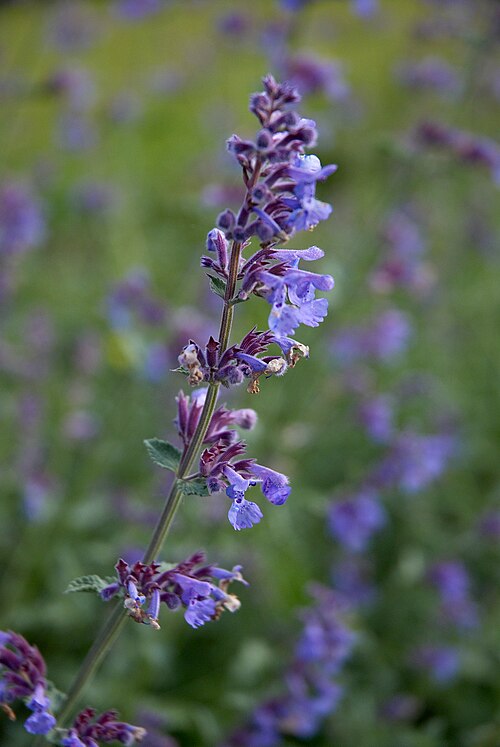
Catmint (Nepeta x faassenii): Catmint This tough perennial forms mounds of silvery-green, aromatic foliage topped with spikes of lavender-blue flowers. Catmint is extremely drought-tolerant, loves full sun, and is completely ignored by deer. It's also a great plant for edging or mass planting.
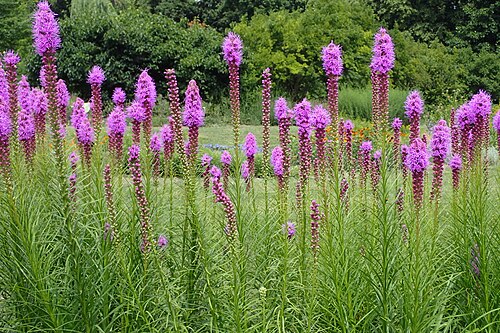
Blazing Star (Liatris spicata): Blazing Star Also known as Gayfeather, Liatris sends up tall, spiky plumes of purple flowers that bloom from the top down. It's a striking vertical accent, excellent for attracting butterflies, and thrives in full sun and various soil types, including heavy clay. Deer typically avoid it.
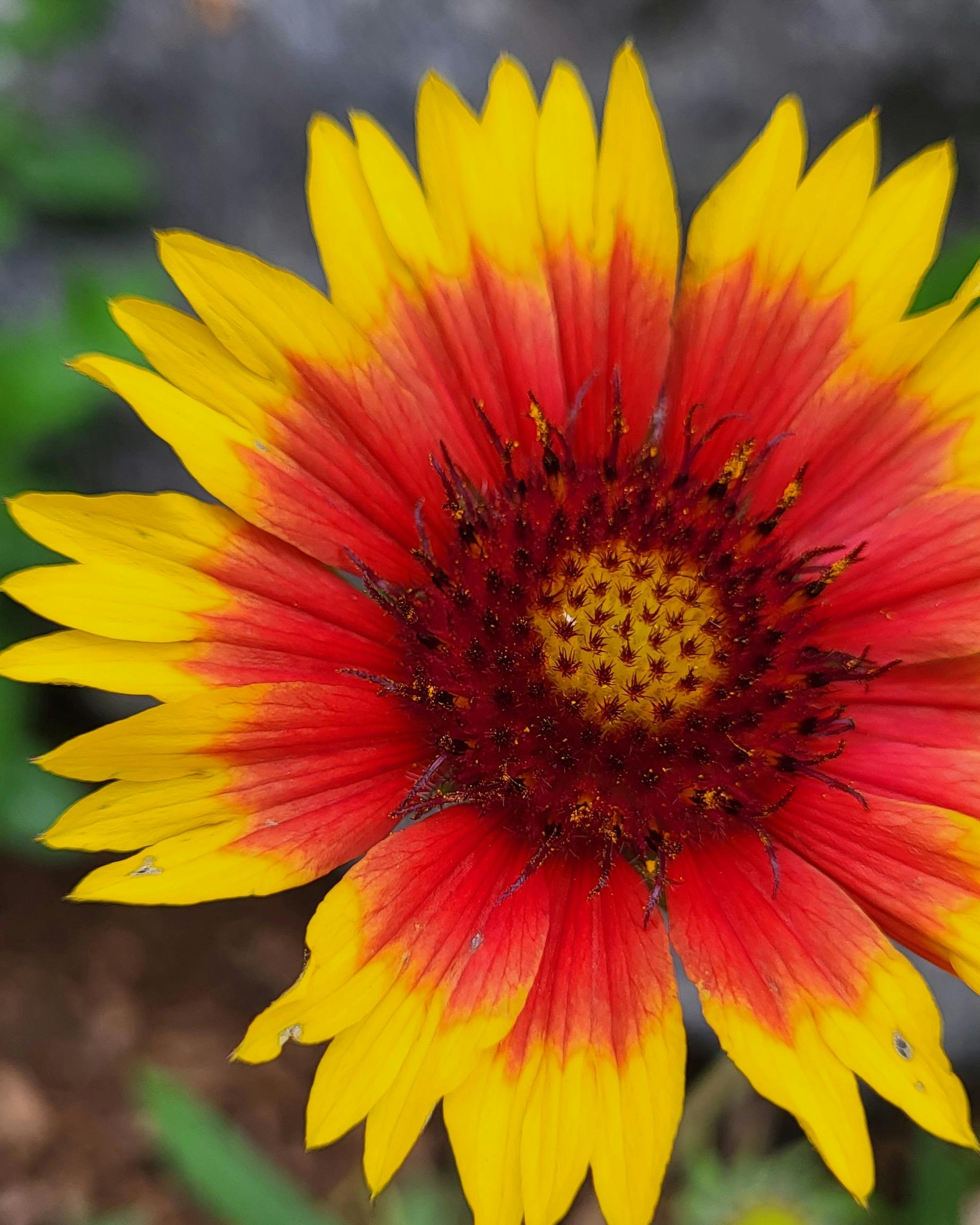
Blanket Flower (Gaillardia x grandiflora): Blanket Flower These cheerful, daisy-like flowers with their fiery red and yellow hues are a long-blooming addition to any garden. Blanket flowers are very drought-tolerant and perform well in full sun and poor to average clay soils, making them a great deer-resistant choice.
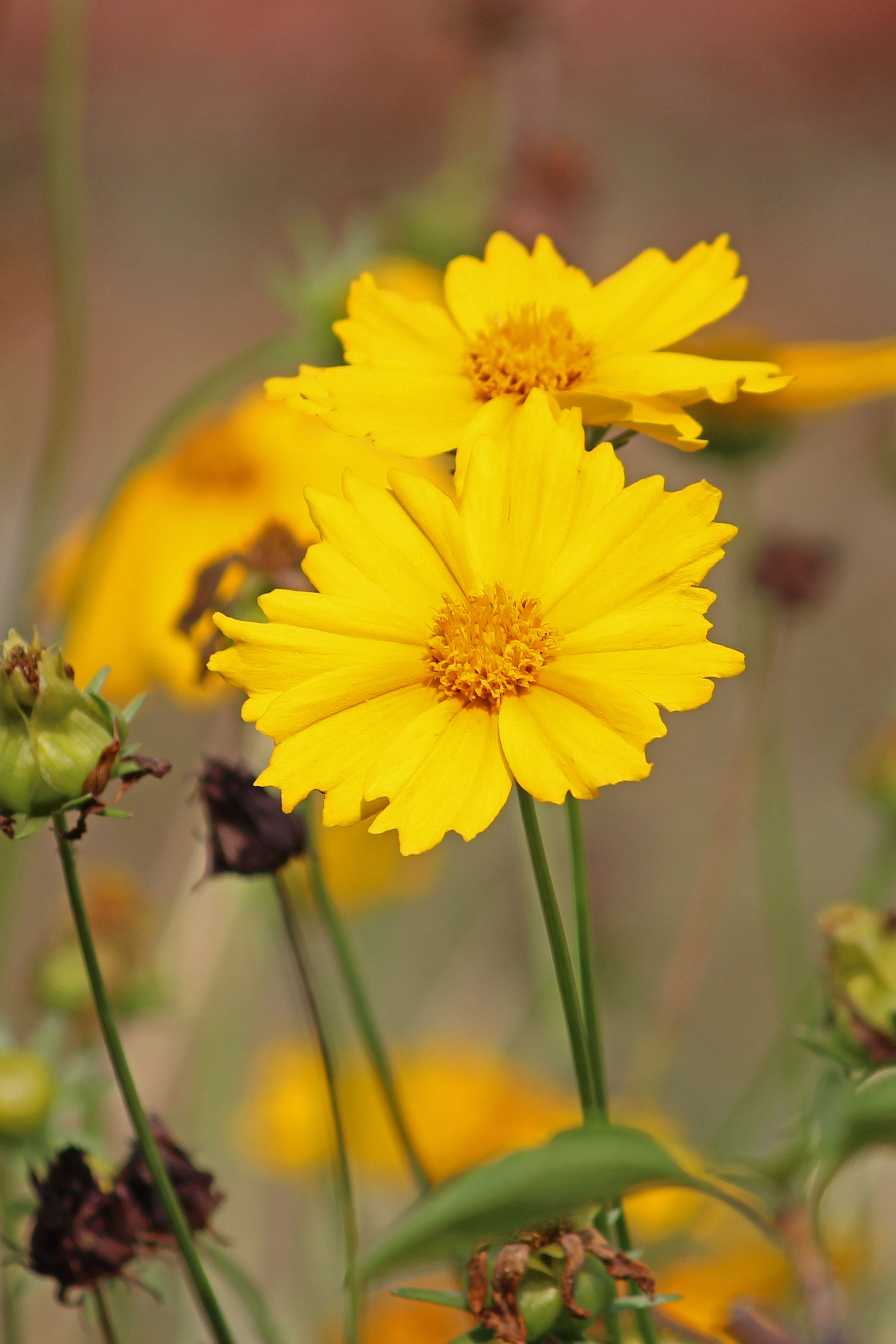
Coreopsis (Coreopsis verticillata): Coreopsis Threadleaf Coreopsis, like 'Moonbeam' or 'Zagreb', offers a delicate texture with its fine, airy foliage and a profusion of small yellow flowers. It's incredibly tough, drought-tolerant, and thrives in full sun and clay soil, and deer generally pass it by.
Quick Reference: Deer-Resistant Plants for Clay Soil
| Plant Name | Sun Exposure | Flower Color | Deer Resistance | Notes |
|---|---|---|---|---|
| Yarrow | Full Sun | White, Yellow, Pink | High | Aromatic foliage, drought-tolerant. |
| Salvia | Full Sun | Purple, Blue, Pink | High | Aromatic, long-blooming. |
| Coneflower | Full Sun | Pink, Purple, White | Medium-High | Tough, attracts pollinators. |
| Bee Balm | Full Sun-Part Shade | Pink, Purple, Red | High | Aromatic, attracts hummingbirds. |
| Black-Eyed Susan | Full Sun | Yellow | Medium-High | Cheerful, long bloom time. |
| Catmint | Full Sun | Lavender-Blue | High | Aromatic, drought-tolerant, low maintenance. |
| Blazing Star | Full Sun | Purple | High | Striking vertical accent, attracts butterflies. |
| Blanket Flower | Full Sun | Red, Yellow | Medium-High | Long-blooming, drought-tolerant. |
| Coreopsis | Full Sun | Yellow | Medium-High | Fine texture, prolific bloomer, drought-tolerant. |
Disclaimer: No plant is truly deer-proof. Deer resistance can vary based on local deer populations, food availability, and the specific plant variety.
By carefully selecting plants that are both deer-resistant and tolerant of clay soil, you can create a beautiful and thriving garden that stands up to the challenges of your landscape. Remember to improve your clay soil with organic matter to give your new plants the best possible start.
Ready to find the perfect plants for your yard? Try the PlantWise Plant Finder →