Best Deer-Resistant Plants for Coastal Gardens
Coastal gardens present a unique set of challenges: sandy soils, salt spray, strong winds, and often, hungry deer. Finding plants that can not only tolerate these harsh conditions but also deter browsing deer can feel like a tall order. Fortunately, many beautiful and resilient plants thrive in these environments while being less appealing to deer. Some of the best deer-resistant plants for coastal gardens include lavender, ornamental grasses, yarrow, blanket flower, salvia, catmint, and coneflower. These plants are generally tough, drought-tolerant once established, and possess characteristics like strong scents, fuzzy leaves, or tough textures that deer tend to avoid.
🌱 Get Personalized Plant Picks
Answer a few quick questions and we’ll match plants to your exact yard conditions.
Find My Plants →What Makes a Plant Deer-Resistant and Coastal-Friendly?
When selecting plants for a coastal garden, especially one frequented by deer, you need to consider a combination of factors. Deer resistance isn't about being "deer-proof" (as no plant truly is), but rather about choosing varieties that deer find unpalatable. They typically avoid plants with:
- Strong scents: Herbs like lavender, rosemary, and mint.
- Fuzzy or hairy leaves: Lamb's Ear, some salvias.
- Tough, leathery, or spiny textures: Many ornamental grasses, sedum.
- Toxic properties: While we don't recommend planting highly toxic plants, deer instinctively avoid some.
For coastal conditions, plants need to tolerate:
- Salt spray: Direct exposure to ocean spray can desiccate leaves.
- Sandy soil: Often fast-draining and low in nutrients.
- Wind: Can cause physical damage and increase water loss.
- Full sun: Many coastal areas are exposed and sunny.
Combining these traits helps narrow down the best choices for a thriving, deer-resistant coastal landscape. Remember, no plant is truly deer-proof, especially when deer are very hungry, but these options are consistently less preferred.
Which Perennials Thrive in Coastal Conditions and Deter Deer?
Many perennials are perfectly suited to the rigors of a coastal environment and are generally ignored by deer. These plants often have deep root systems, waxy or tough foliage, or strong aromatic qualities that make them unappealing to browsing animals.
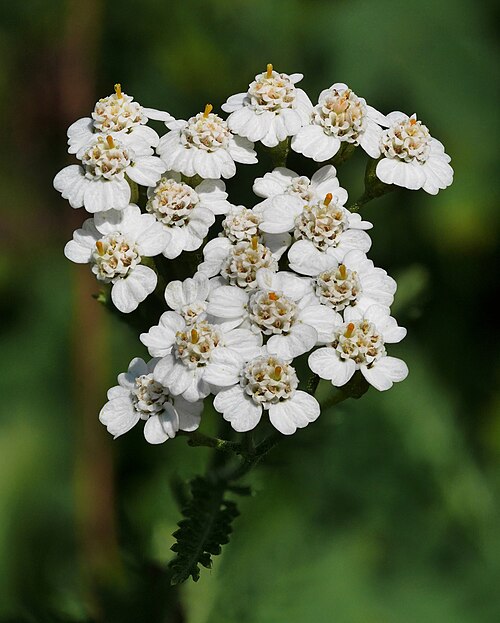
Yarrow (Achillea millefolium) Yarrow is an absolute workhorse for coastal gardens. Its finely textured, aromatic foliage is deer-resistant, and its flat-topped flower clusters come in shades of yellow, red, pink, and white. It's incredibly drought-tolerant once established and thrives in full sun and sandy soils. Yarrow
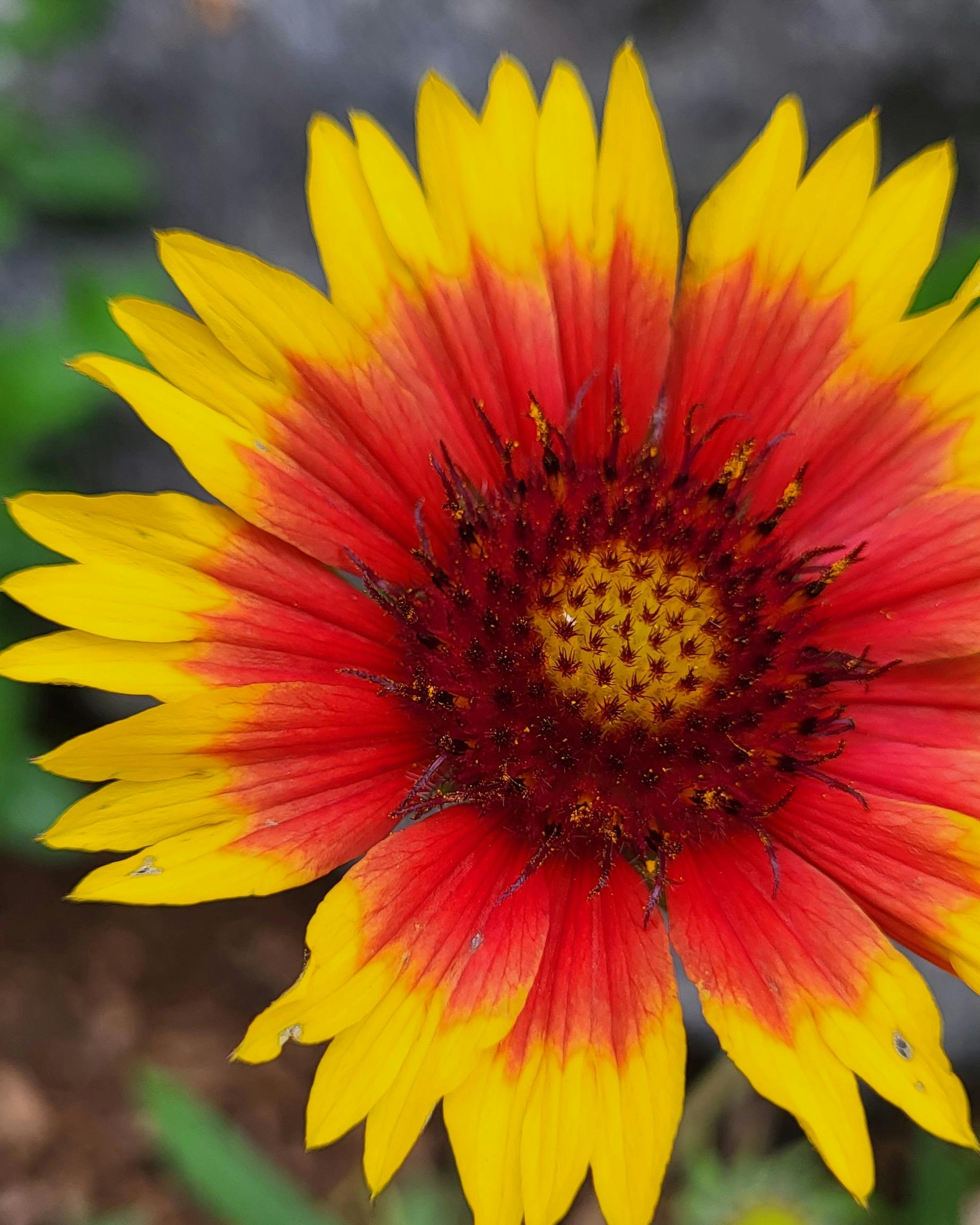
Blanket Flower (Gaillardia) With its vibrant, daisy-like flowers in reds, oranges, and yellows, Blanket Flower is a cheerful addition. It's tough, drought-tolerant, and perfectly happy in sandy, well-draining soils. Deer typically leave it alone due to its slightly fuzzy leaves and tough texture. Blanket Flower
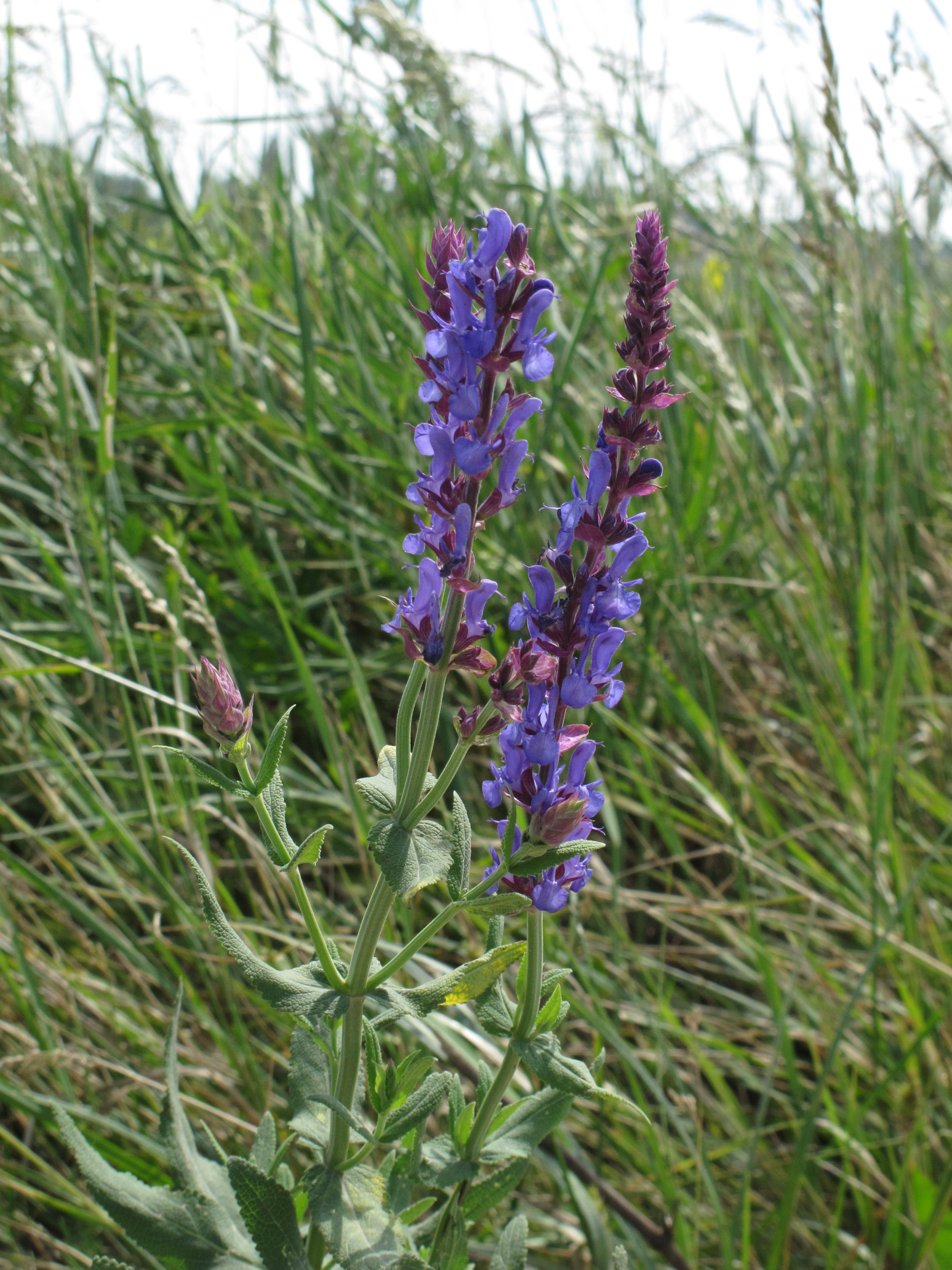
Salvia (Salvia spp.) There's a salvia for almost every garden, and many are excellent for coastal, deer-prone areas. Their aromatic foliage, often slightly fuzzy, is a major deterrent for deer. Varieties like 'May Night' or 'Caradonna' offer beautiful purple spikes, while others provide different colors. They love full sun and well-drained soil. Salvia
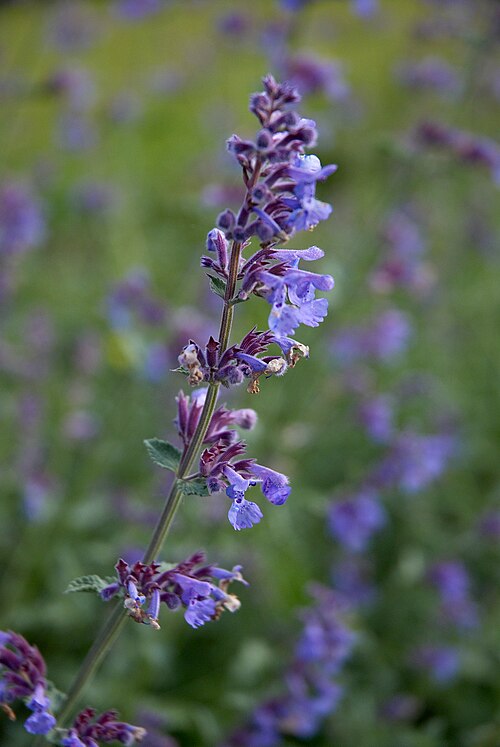
Catmint (Nepeta) This soft, mounding perennial is a favorite of pollinators but generally ignored by deer. Its silvery-green, aromatic foliage and spikes of lavender-blue flowers create a beautiful, soft texture in the garden. Catmint is extremely drought-tolerant and thrives in full sun and poor, sandy soils. Catmint
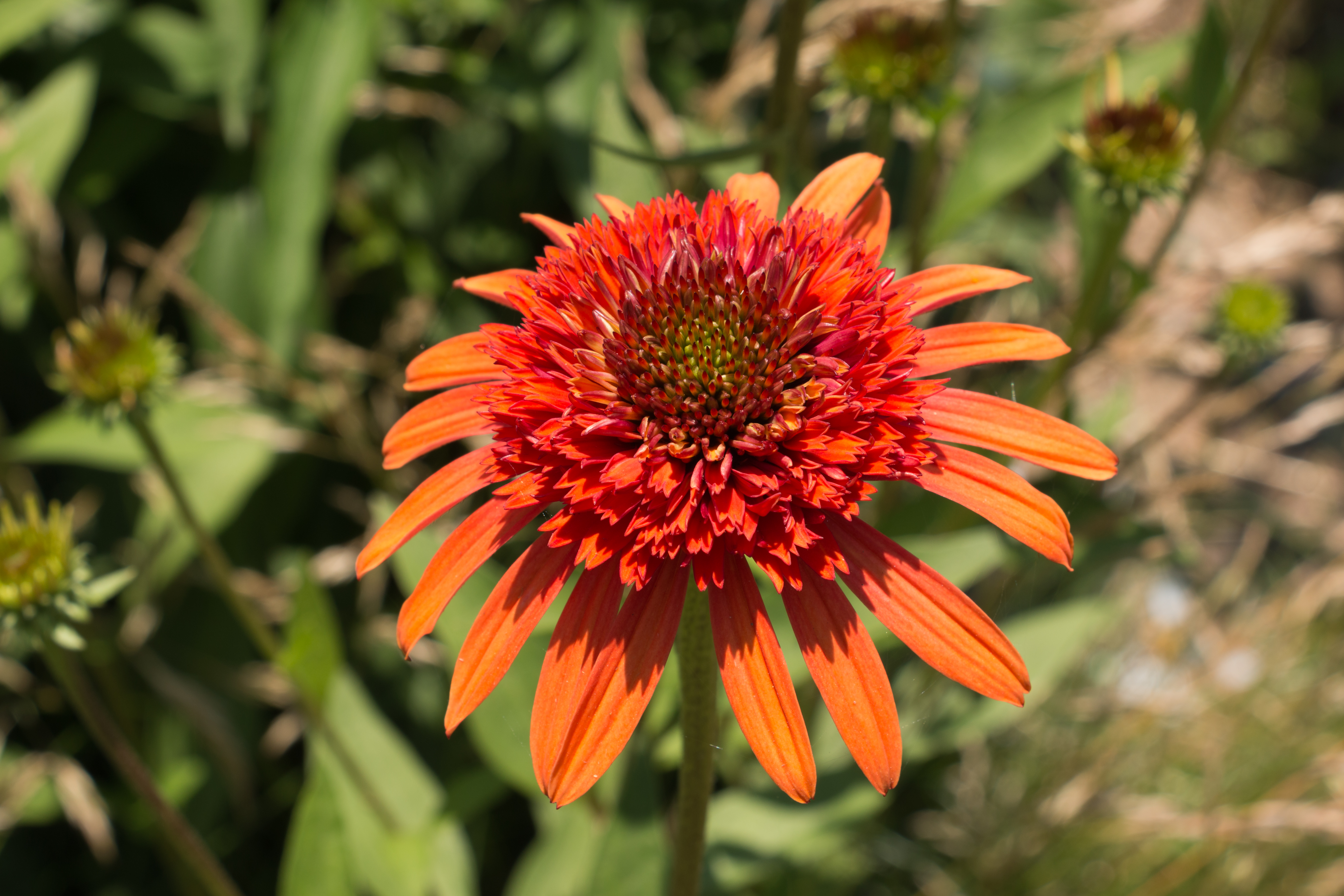
Coneflower (Echinacea purpurea) A classic prairie plant, coneflower is surprisingly adaptable to coastal conditions, provided it has good drainage. Its sturdy stems and tough, daisy-like flowers (often purple, but also white, yellow, and orange) are not a favorite food source for deer. It's also a fantastic pollinator magnet. Coneflower
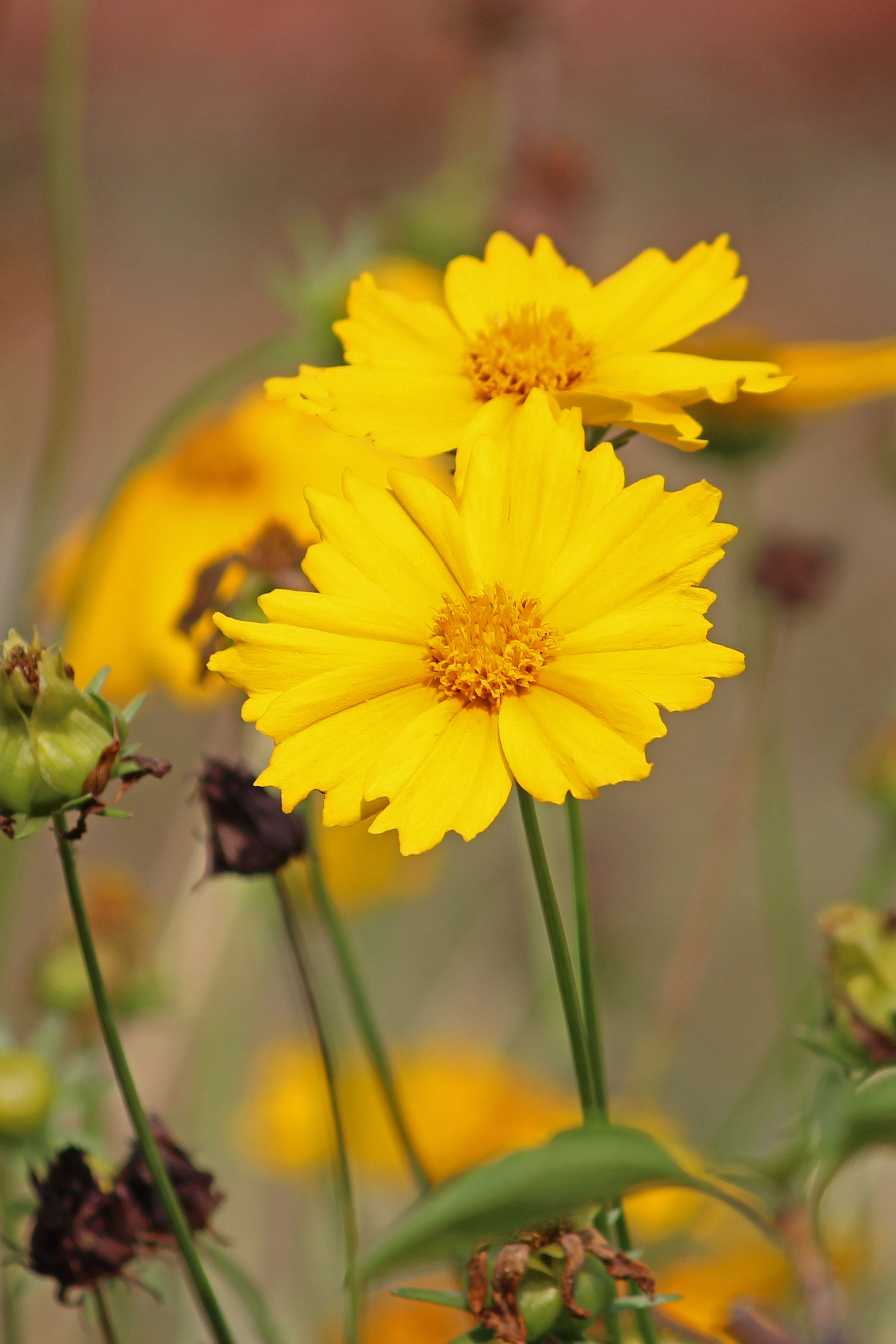
Coreopsis (Coreopsis spp.) Also known as Tickseed, Coreopsis offers a profusion of bright yellow, orange, or red flowers. Many varieties are native to sandy, open areas, making them ideal for coastal gardens. Their fine, sometimes slightly hairy foliage is typically deer-resistant. Coreopsis
How Can I Further Protect My Coastal Garden from Deer?
While choosing deer-resistant plants is your first line of defense, a multi-pronged approach often yields the best results. Deer are creatures of habit and opportunity, so making your garden less appealing can go a long way.
- Vary Your Plantings: Deer are less likely to browse an entire bed if it contains a mix of plants, some of which they dislike. Interspersing deer-resistant plants among more vulnerable ones can offer some protection.
- Repellents: Commercial deer repellents can be effective, especially when applied regularly and rotated to prevent deer from becoming accustomed to them. Look for products that use scent (like putrescent egg solids) or taste (like capsaicin).
- Physical Barriers: For smaller, highly prized plants, temporary netting or cages can provide protection. For larger areas, a tall, sturdy fence (at least 8 feet high) is the most effective, though often impractical for aesthetic or cost reasons in an open coastal setting.
- Companion Planting: While not a foolproof method, planting strongly scented herbs like rosemary or lavender around more susceptible plants can sometimes deter deer.
- Clean Up Fallen Fruit/Vegetables: Deer are opportunistic. Removing fallen fruit or vegetables from your garden reduces easy food sources that might attract them.
- Motion-Activated Sprinklers: These can be surprisingly effective for a period, startling deer away with a sudden spray of water.
Quick Reference: Deer-Resistant Coastal Plants
| Plant Name | Deer Resistance | Coastal Tolerance | Key Features |
|---|---|---|---|
| Yarrow | High | High | Aromatic foliage, drought-tolerant, full sun |
| Blanket Flower | High | High | Drought-tolerant, sandy soil, vibrant blooms |
| Salvia | High | High | Aromatic, many varieties, full sun, well-drained |
| Catmint | High | High | Aromatic, very drought-tolerant, silvery foliage |
| Coneflower | Medium-High | Medium-High | Sturdy, tough flowers, pollinator magnet |
| Coreopsis | Medium-High | High | Bright flowers, sandy soil, drought-tolerant |
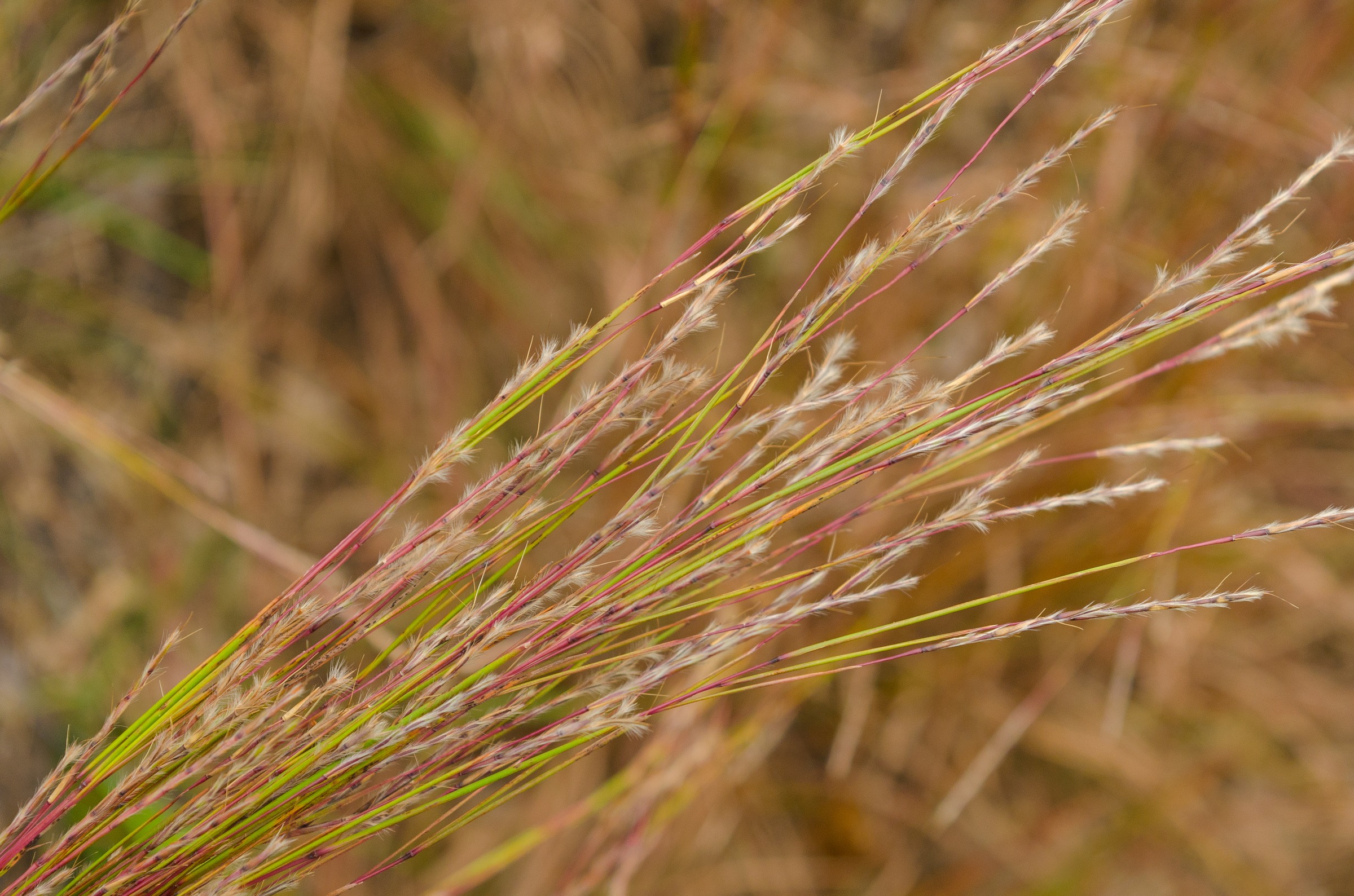
| Ornamental Grasses (e.g., Little Bluestem, Switchgrass) | High | High | Salt-tolerant, wind-resistant, textural interest |
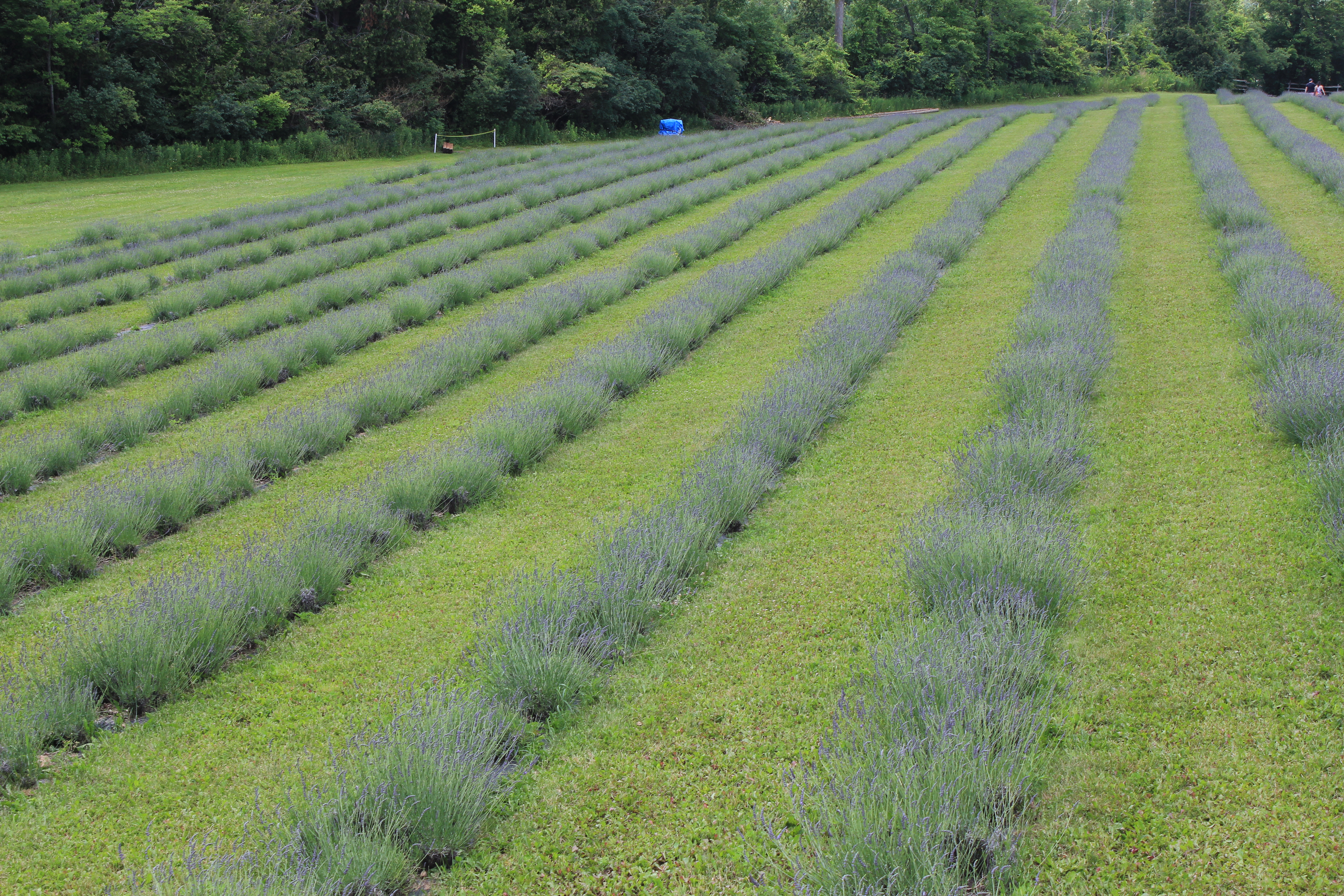
| Lavender | High | Medium-High | Highly aromatic, prefers well-drained soil |
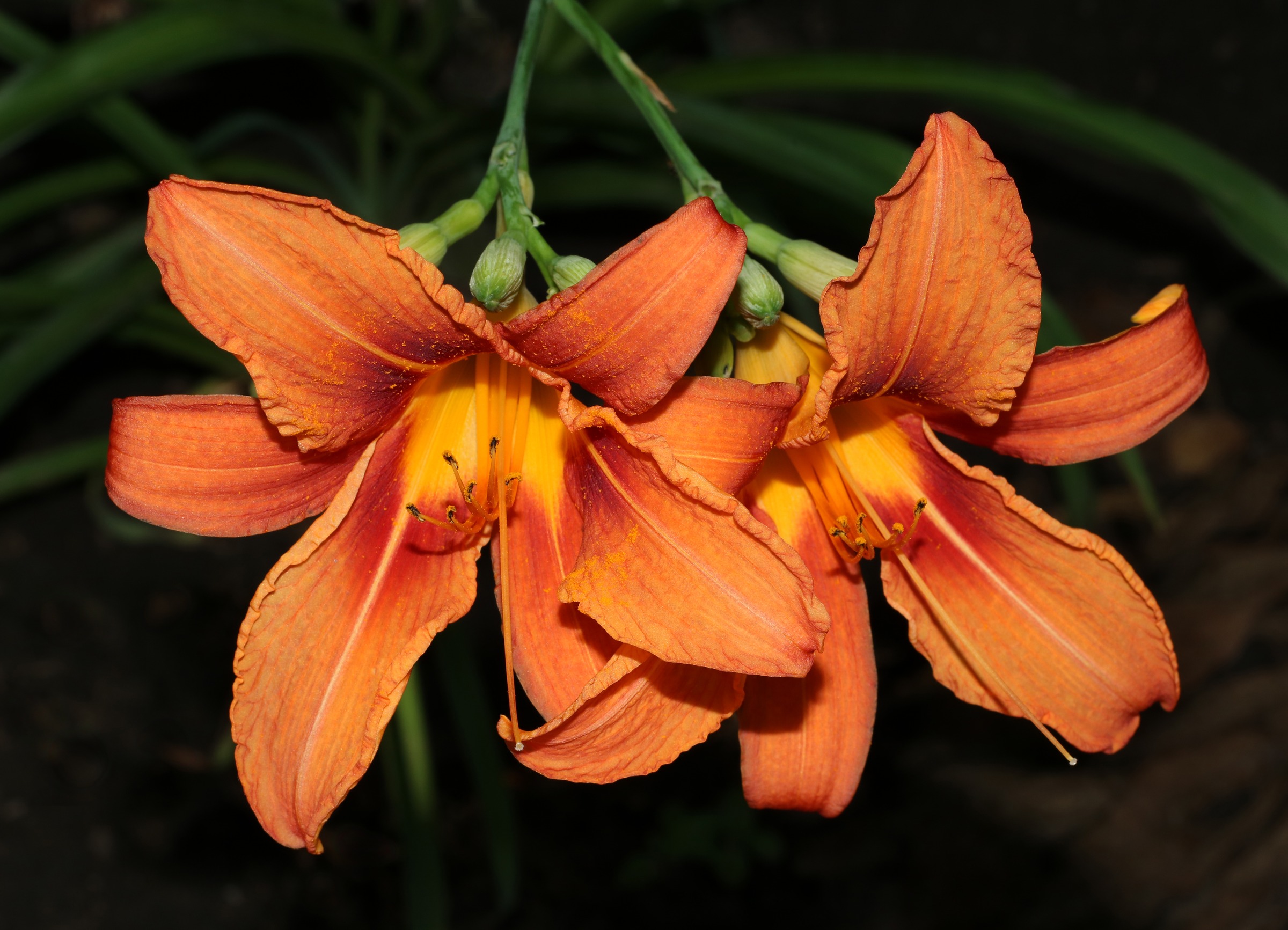
| Daylily | Medium | Medium | Tolerates some salt, but deer may browse if hungry |
If you suspect your pet has ingested a toxic plant, call the ASPCA Animal Poison Control Center immediately at (888) 426-4435.
Designing a coastal garden that stands up to deer and the elements is entirely achievable. By focusing on plants known for their resilience and unappealing qualities to deer, you can create a beautiful, low-maintenance landscape that thrives by the sea.
Ready to find the perfect plants for your yard? Try the PlantWise Plant Finder →