Best Fast-Growing Deer-Resistant Plants
Dealing with deer in your garden can be a frustrating challenge, especially when you're trying to establish new plantings quickly. The good news is that many beautiful, robust plants grow rapidly and are less appealing to deer, helping you achieve a lush landscape without constant browsing. Some of the best fast-growing deer-resistant plants include perennials like Coneflower, Black-Eyed Susan, Yarrow, and Salvia, as well as certain ornamental grasses and shrubs. These options offer quick coverage, vibrant blooms, and a lower likelihood of becoming a deer snack, making them excellent choices for gardeners seeking both speed and resilience.
🌱 Get Personalized Plant Picks
Answer a few quick questions and we’ll match plants to your exact yard conditions.
Find My Plants →Why Do Deer Avoid Certain Plants?
Deer are not picky eaters, but they do have preferences. While no plant is truly deer-proof, some are significantly less appealing to them. Deer typically avoid plants that have:
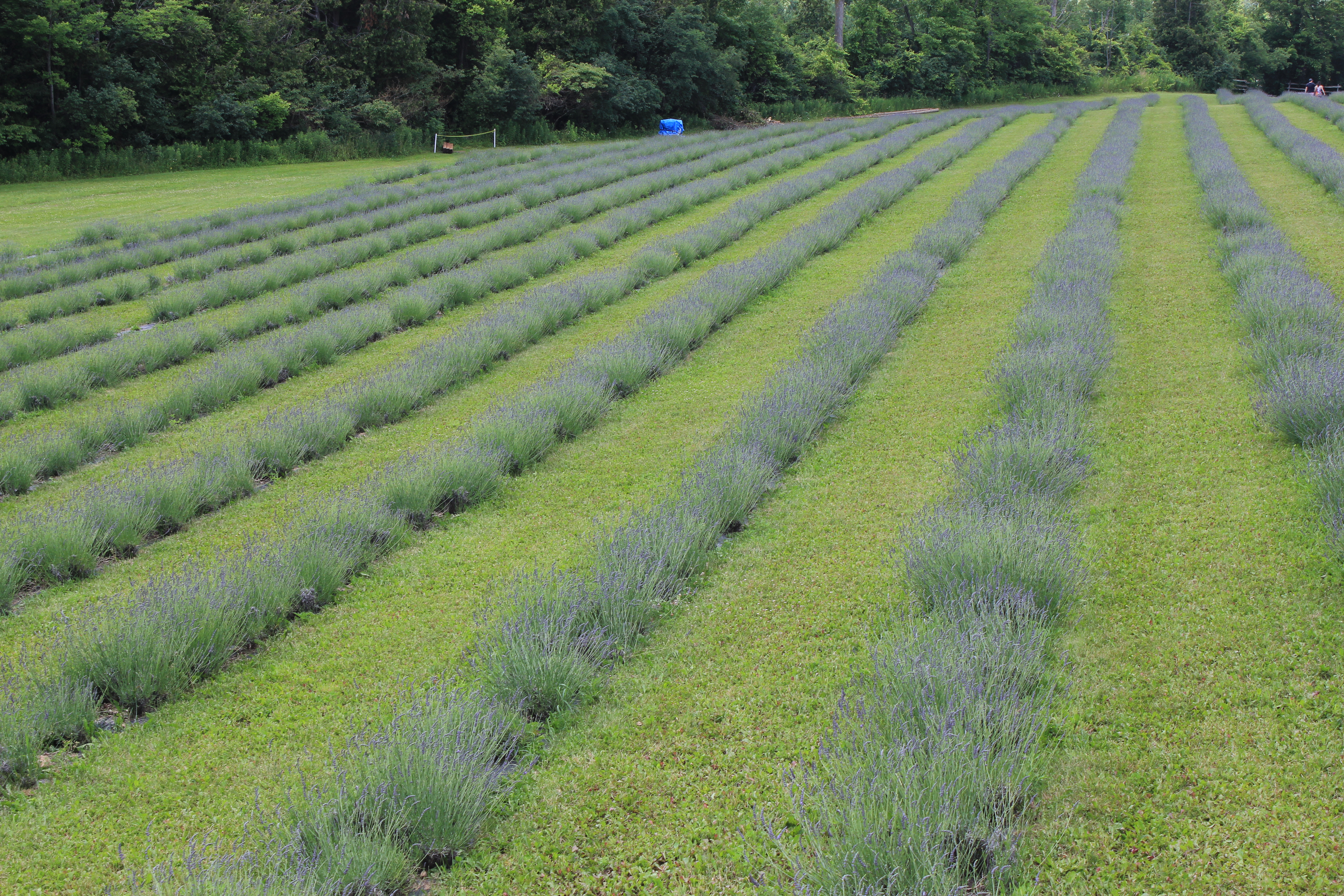
- Strong Scents: Aromatic foliage, often containing essential oils, can be off-putting. Think herbs like lavender, mint, or plants like salvia and catmint.
- Fuzzy or Hairy Leaves: The texture of fuzzy leaves can be unpleasant in their mouths. Lamb's Ear is a classic example.
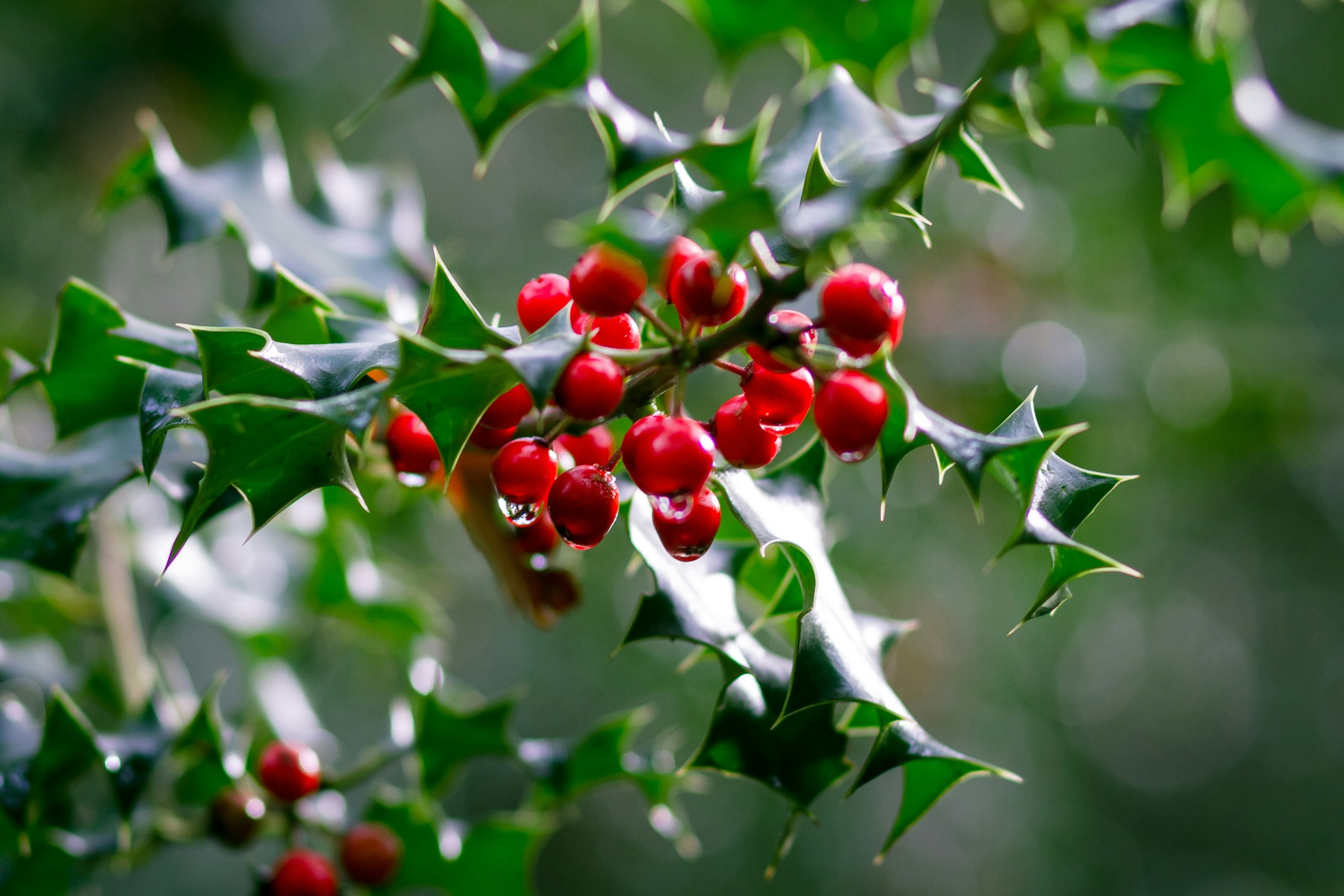
- Thorns or Prickles: Naturally, deer will steer clear of plants that might cause them physical discomfort. Roses (though some deer will still browse them), barberry, and holly are examples.
- Toxicity: Plants that are poisonous or cause digestive upset are generally avoided. However, deer will sometimes browse toxic plants if other food sources are scarce.
- Leathery or Tough Leaves: Some plants simply have foliage that is difficult for them to chew and digest.
Understanding these characteristics can help you make informed choices when selecting plants for your deer-prone garden.
What Are Some Reliable Fast-Growing Deer-Resistant Perennials?
Perennials are a fantastic choice for deer-resistant gardens because they return year after year, establishing a strong root system and growing more robustly over time. Many popular perennials also offer quick growth and beautiful blooms.
Here are some top picks that typically establish and grow quickly:
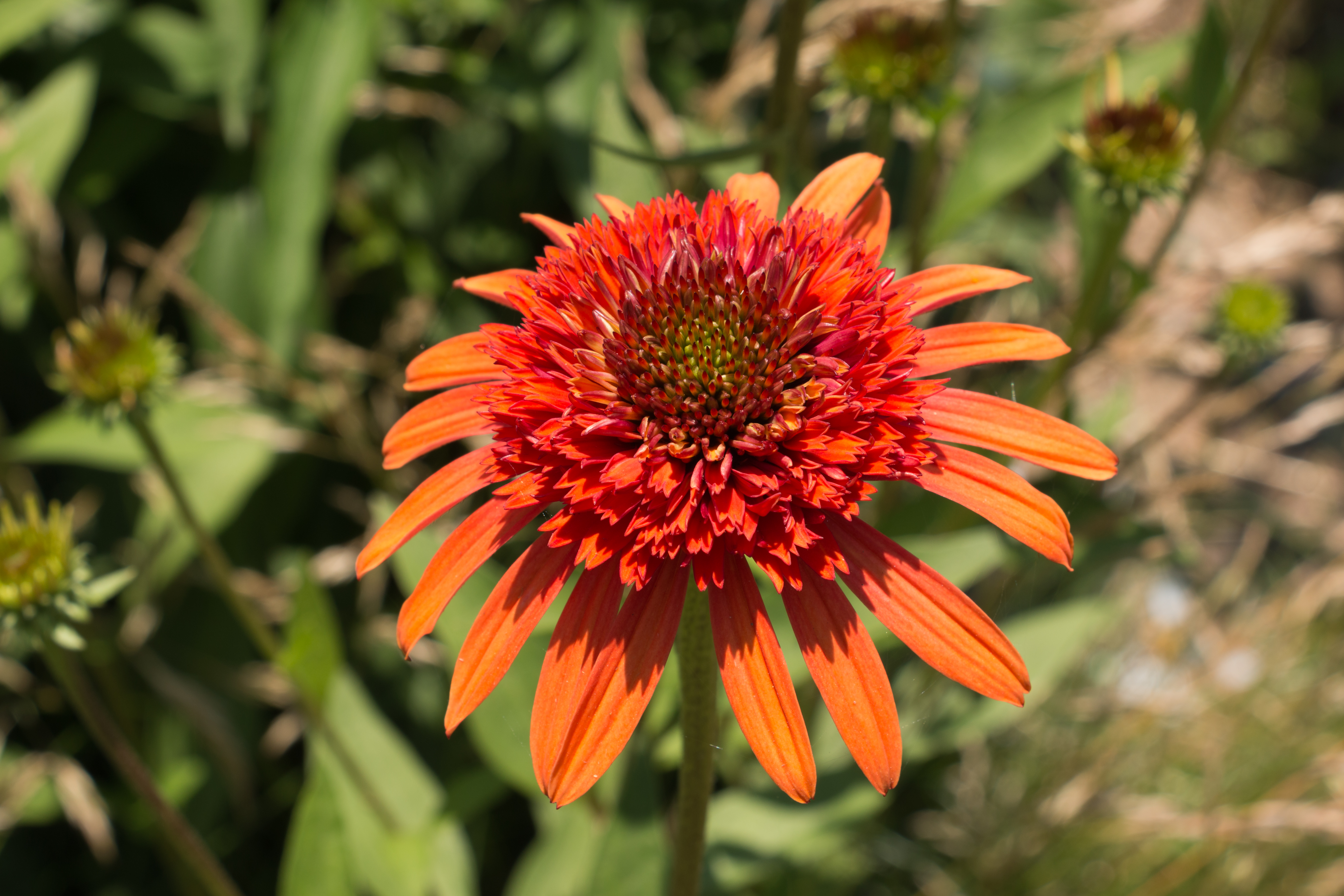
Coneflower (Echinacea) These prairie natives are incredibly resilient and grow quickly, reaching mature size within a season or two. Their daisy-like flowers come in a range of colors and are a favorite of pollinators, while deer tend to leave them alone. They thrive in full sun and well-drained soil. Coneflower
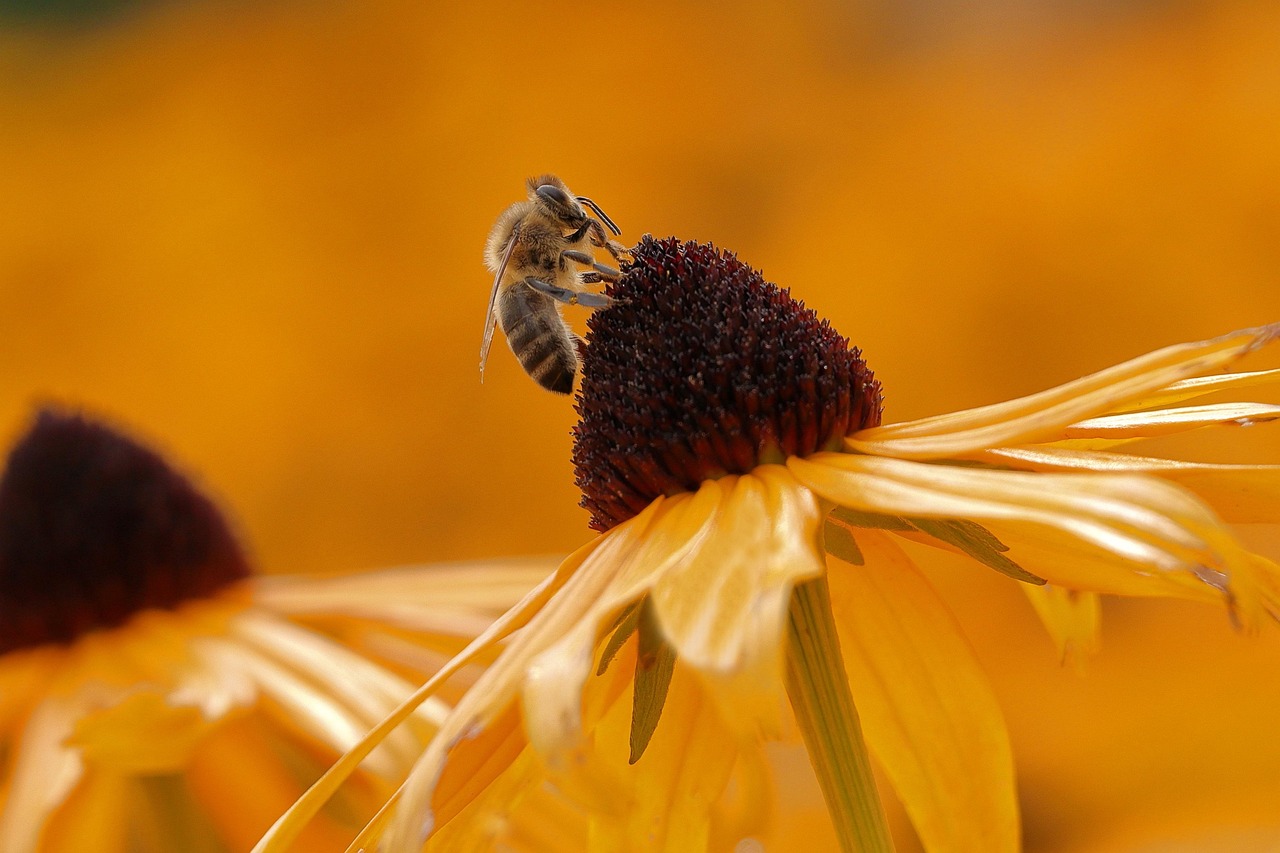
Black-Eyed Susan (Rudbeckia hirta) Another North American native, Black-Eyed Susans are cheerful, fast-growing, and spread readily, providing a burst of golden-yellow color. They are drought-tolerant once established and rarely bothered by deer. Black-eyed Susan
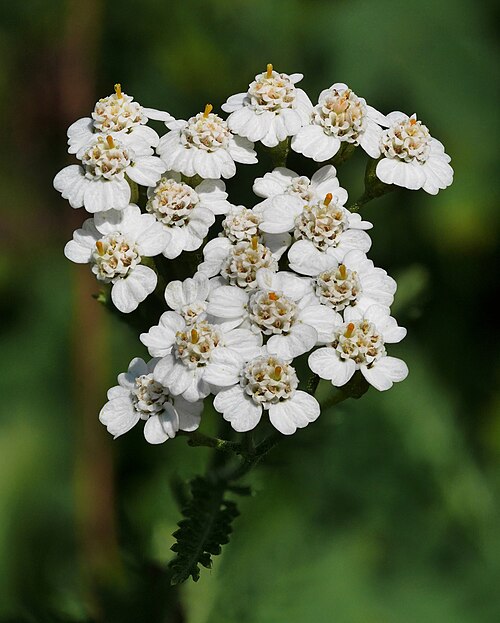
Yarrow (Achillea) Yarrow is known for its feathery foliage and flat-topped clusters of flowers in various colors. It's extremely drought-tolerant, loves full sun, and grows vigorously. The aromatic foliage is a deterrent to deer. Yarrow
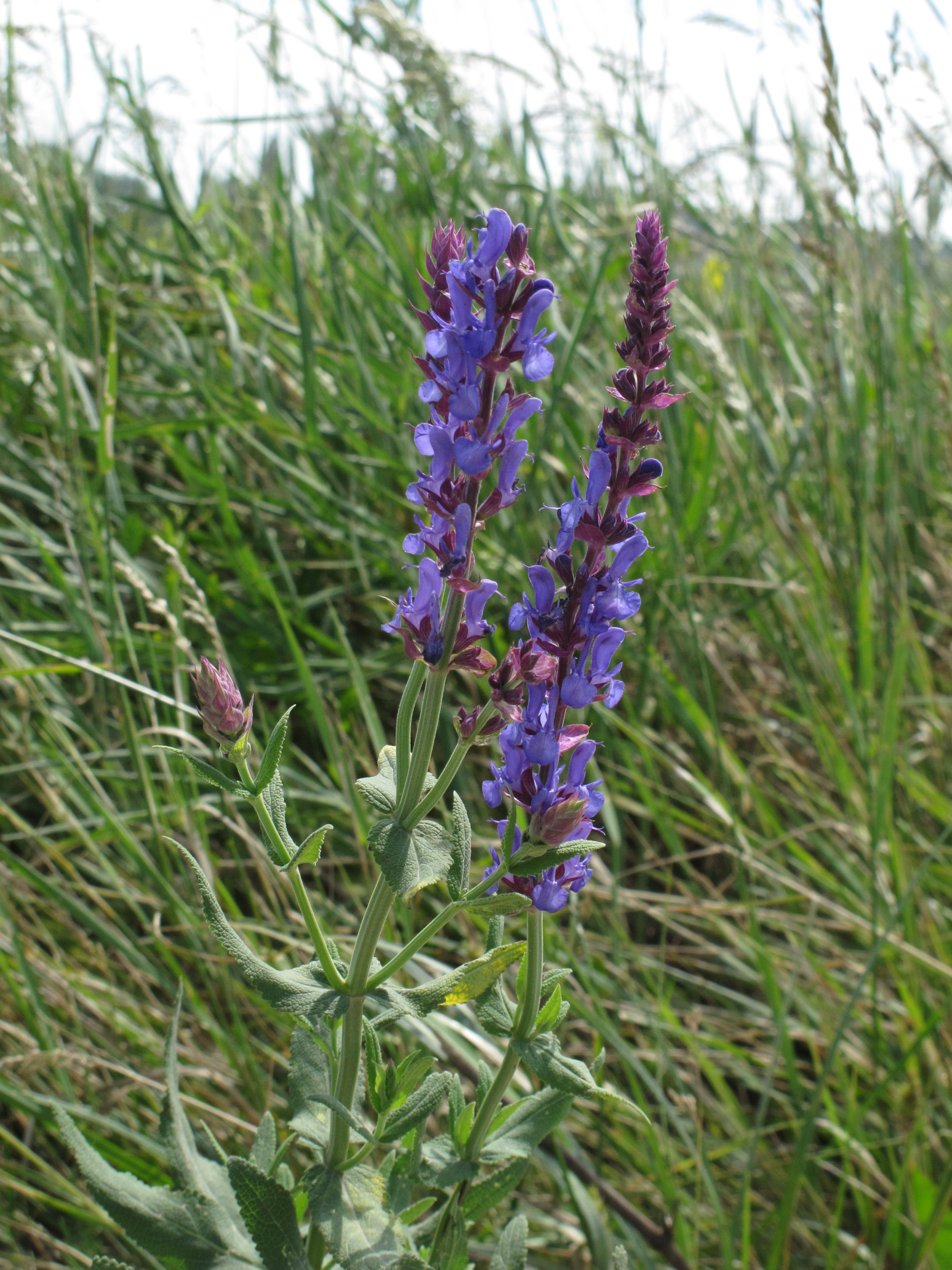
Salvia (Salvia spp.) With hundreds of species, salvias offer a huge range of sizes, colors, and bloom times. Many perennial salvias, like 'May Night' or 'Caradonna', are fast-growing, highly deer-resistant due to their fragrant foliage, and provide long-lasting blooms that attract hummingbirds and butterflies. Salvia
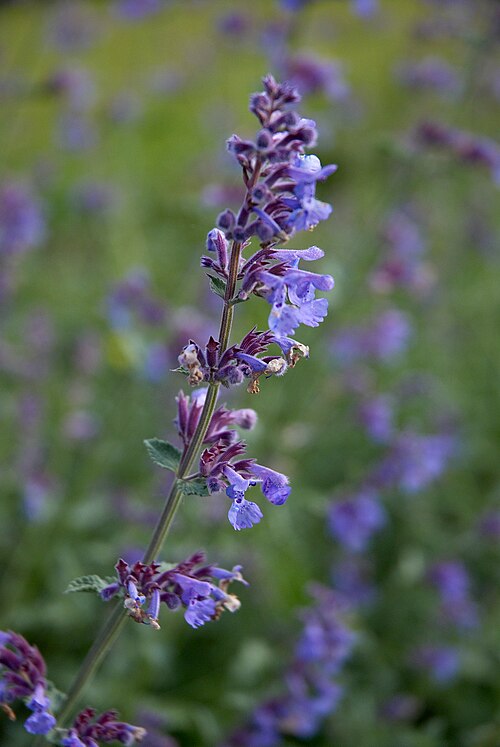
Catmint (Nepeta) This tough perennial forms mounds of soft, gray-green, aromatic foliage topped with spikes of lavender-blue flowers. Catmint grows incredibly fast, tolerates poor soil and drought, and is a reliable deer deterrent. It's also a favorite of bees! Catmint
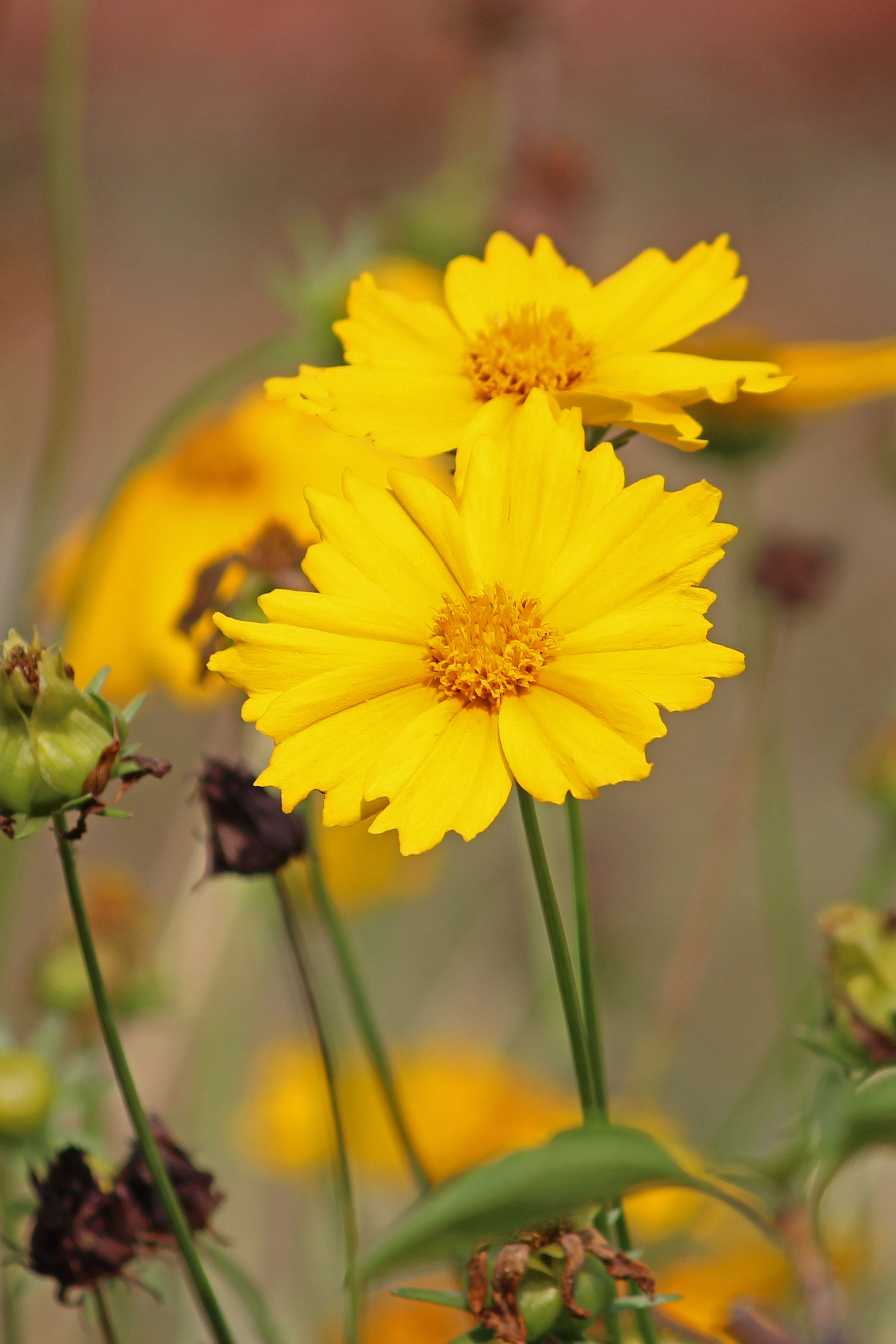
Coreopsis (Coreopsis spp.) Also known as Tickseed, Coreopsis varieties offer bright, cheerful flowers, often in shades of yellow, but also pink and red. They are generally fast-growing, especially in full sun and well-drained soil, and are not typically preferred by deer.
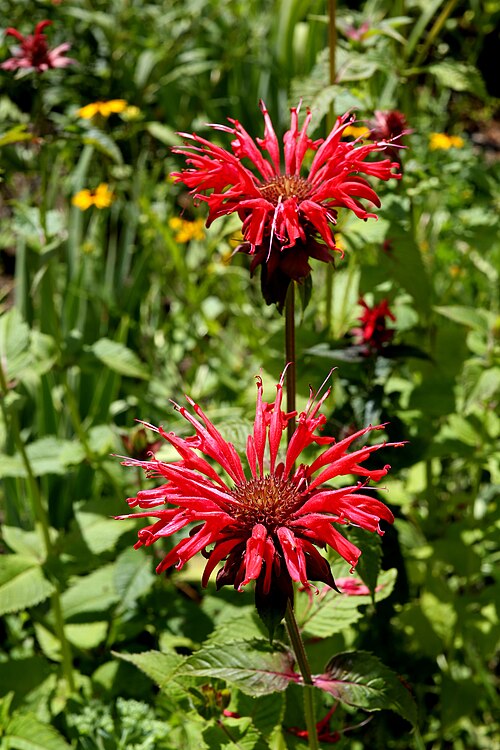
Bee Balm (Monarda) A vibrant native perennial, Bee Balm produces unique, shaggy flowers that are a magnet for pollinators, especially bees and hummingbirds. Its aromatic foliage deters deer, and it spreads readily, filling in spaces quickly.
Are There Fast-Growing Shrubs or Grasses That Deer Avoid?
Yes, incorporating shrubs and ornamental grasses can provide structure, texture, and year-round interest while also being deer-resistant and growing quickly.
Shrubs:
- Spirea (Spiraea spp.): Many Spirea varieties, like 'Goldflame' or 'Little Princess', grow quickly, offer attractive foliage and clusters of flowers, and are generally unappealing to deer.
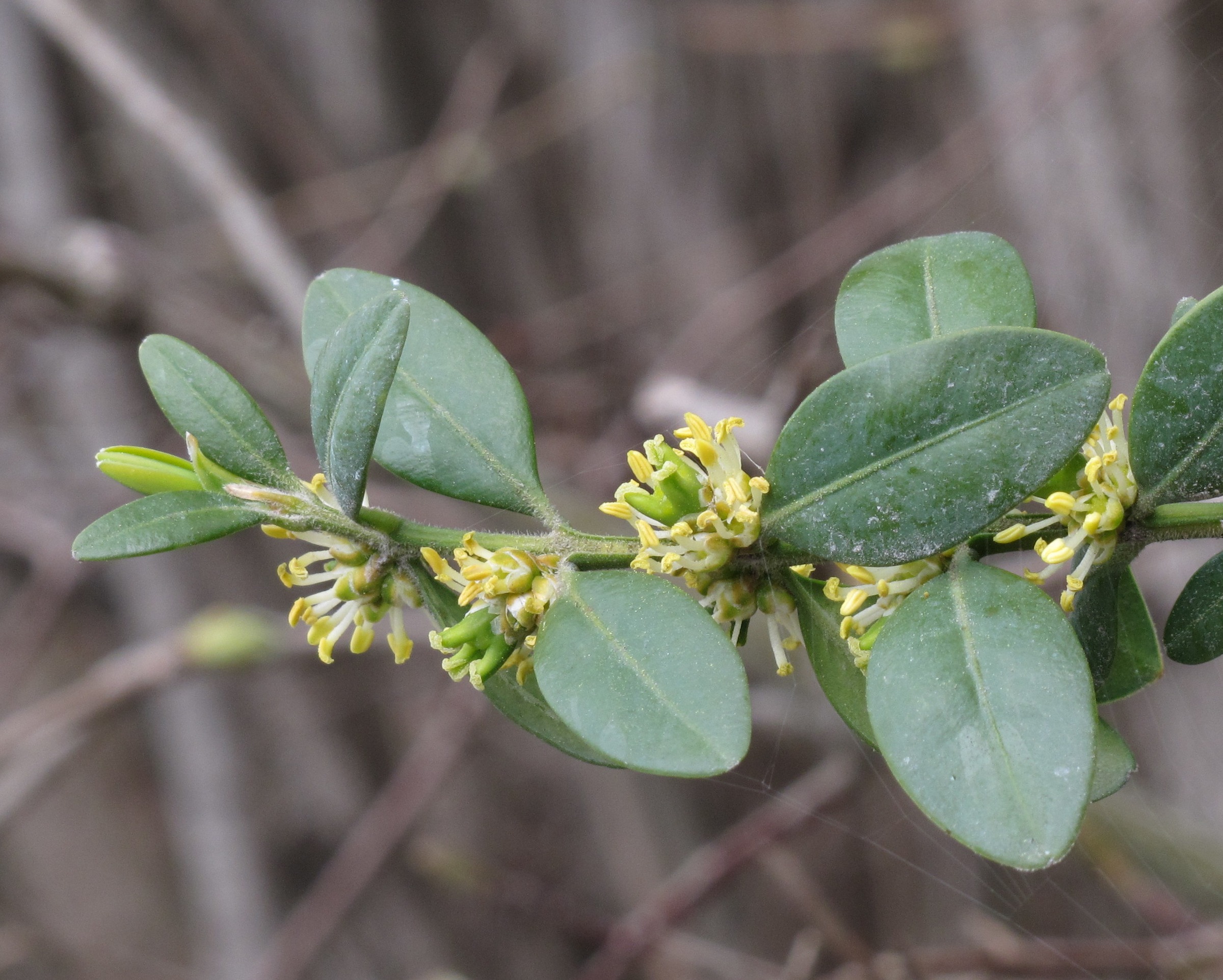
- Boxwood (Buxus spp.): While not "fast" in the same way a perennial is, boxwood provides quick visual density and is highly deer-resistant due to its strong scent and somewhat bitter taste.
- Juniper (Juniperus spp.): Most junipers are fast-growing evergreens that offer excellent deer resistance due to their prickly or scale-like foliage and strong aroma.
Ornamental Grasses:
Ornamental grasses are excellent for adding movement and texture to the garden, and most are inherently deer-resistant. They establish quickly and provide significant visual impact in a short amount of time.
- Maiden Grass (Miscanthus sinensis): Many varieties grow very quickly, forming large clumps with elegant plumes. Deer typically avoid them.
- Switchgrass (Panicum virgatum): A native prairie grass that grows rapidly, offering beautiful fall color and seed heads. It's highly deer-resistant and drought-tolerant.
- Feather Reed Grass (Calamagrostis x acutiflora 'Karl Foerster'): This popular grass grows quickly into upright clumps, providing vertical interest with its feathery plumes. Deer usually leave it alone.
How Can I Maximize Deer Resistance in My Garden?
Even with deer-resistant plants, it's wise to employ a multi-pronged approach to protect your garden. Remember, no plant is truly deer-proof, especially when food sources are scarce.
- Strategic Planting: Place more vulnerable plants closer to your house or in areas with more human activity. Surround them with highly deer-resistant options.
- Repellents: Use commercial or homemade deer repellents. Rotate them regularly, as deer can become accustomed to specific scents or tastes.
- Physical Barriers: Fencing is the most effective method, but it needs to be at least 7-8 feet tall to deter jumping deer. Smaller, temporary fences can protect new plantings.
- Companion Planting: While not a guaranteed solution, planting strong-smelling herbs like garlic, chives, or mint near more susceptible plants might offer some deterrence.
- Clean Up: Remove fallen fruit or vegetables that might attract deer to your property.
- Pet Presence: A dog in the yard can often deter deer, as they are wary of predators.
Quick Reference: Fast-Growing, Deer-Resistant Plants
| Plant Type | Examples | Key Characteristics | Growth Rate |
|---|---|---|---|
| Perennials | Coneflower, Black-Eyed Susan, Yarrow, Salvia, Catmint, Coreopsis, Bee Balm | Aromatic foliage, coarse texture, or generally unpalatable. Many are drought-tolerant and attract pollinators. | Fast |
| Shrubs | Spirea, Boxwood, Juniper | Strong scent, tough/prickly foliage. Provide structure and year-round interest. | Medium-Fast |
| Ornamental Grasses | Maiden Grass, Switchgrass, Feather Reed Grass | Coarse texture, often sharp blades, generally unappealing. Add movement and texture. | Fast |
If you suspect your pet has ingested a toxic plant, call the ASPCA Animal Poison Control Center immediately at (888) 426-4435.
By selecting these fast-growing, deer-resistant plants and implementing smart gardening practices, you can create a beautiful, thriving landscape that stands up to browsing pressure. Enjoy watching your garden fill in quickly without becoming a deer buffet!
Ready to find the perfect plants for your yard? Try the PlantWise Plant Finder →