Best Deer-Resistant Plants for Beginning Gardeners
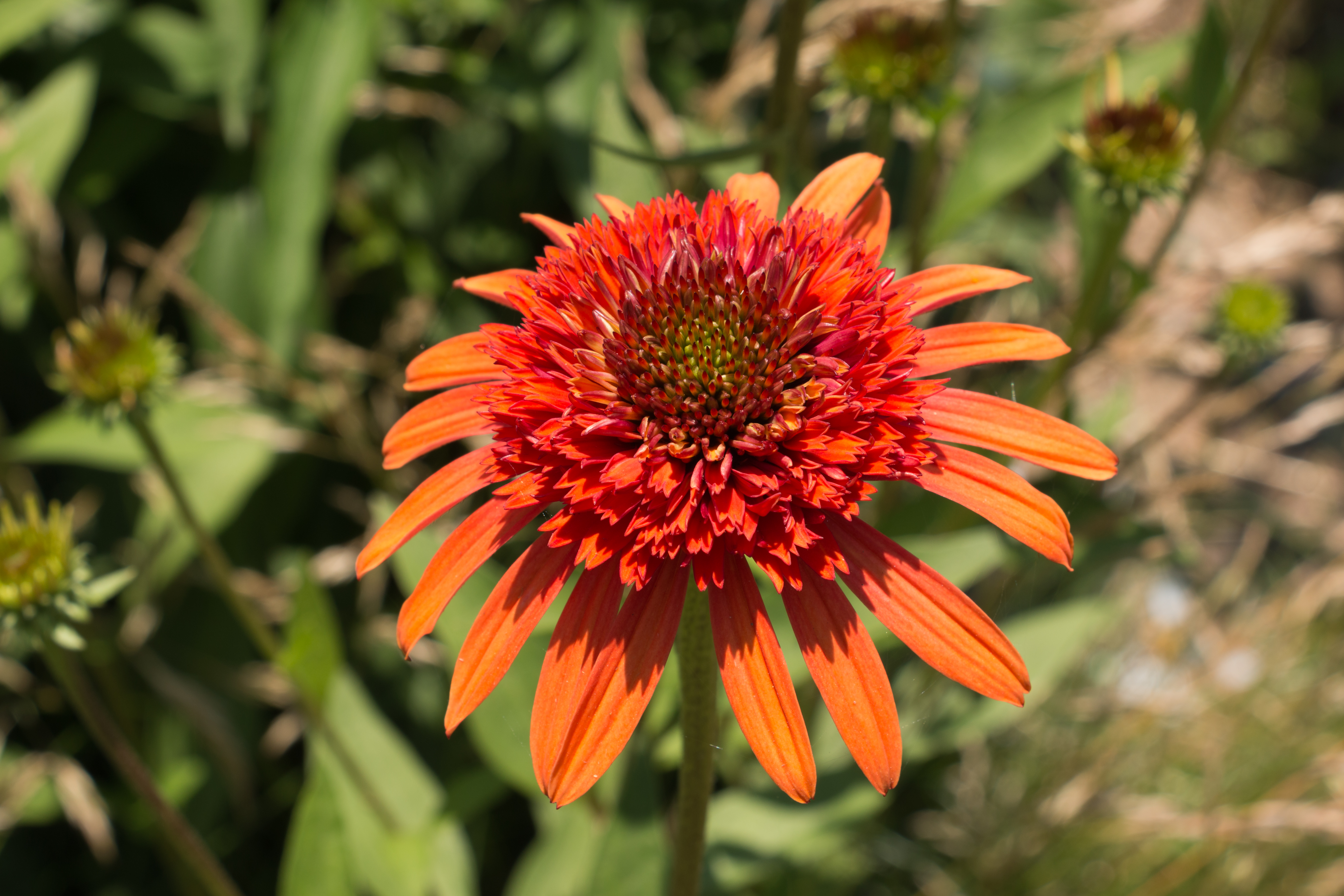
Starting a garden in an area with deer can feel like an uphill battle, but it doesn't have to be! For beginning gardeners, the key is to choose plants that are not only unappealing to deer but also easy to grow and forgiving of common beginner mistakes. The best deer-resistant plants for beginners are generally low-maintenance perennials with strong scents, fuzzy leaves, or tough textures that deer tend to avoid. These include popular choices like Coneflower, Salvia, Bee Balm, and Yarrow, which offer vibrant blooms and reliable performance without constant attention.
Deer can be beautiful to observe, but their browsing habits can quickly devastate a newly planted garden. They are opportunistic feeders, and while no plant is truly deer-proof if they're hungry enough, some plants are significantly less appealing to them. By selecting these less-palatable options, you can greatly reduce the chances of your garden becoming a deer buffet and enjoy a thriving landscape from the start.
🌱 Get Personalized Plant Picks
Answer a few quick questions and we’ll match plants to your exact yard conditions.
Find My Plants →Why Do Deer Avoid Certain Plants?
Deer are not picky eaters when food is scarce, but given a choice, they will opt for plants that are tender, succulent, and easy to digest. They tend to avoid plants with strong aromatic foliage (like herbs), fuzzy or prickly leaves, milky sap, or tough, leathery textures. Many of these plants have evolved natural defenses, such as bitter tastes or irritating compounds, to deter herbivores.
For beginning gardeners, understanding these preferences is half the battle. Instead of constantly trying to deter deer from plants they love, it's far easier and more successful to simply plant what they don't like. This strategy saves you time, money, and frustration.
What Makes a Plant "Beginner-Friendly"?
Beyond being deer-resistant, a beginner-friendly plant should possess several key characteristics:
- Low Maintenance: Requires minimal pruning, fertilizing, or special care.
- Drought Tolerant: Can handle periods without rain once established.
- Pest and Disease Resistant: Less likely to succumb to common garden ailments.
- Adaptable: Tolerates a range of soil types and light conditions.
- Reliable Bloomers: Provides consistent color and interest without much fuss.
- Perennial: Comes back year after year, reducing the need for annual replanting.
Combining deer resistance with these beginner-friendly traits creates a winning formula for a successful first garden.
How Can I Protect My Garden from Deer Effectively?
While choosing deer-resistant plants is your primary defense, it's important to remember that no plant is truly deer-proof, especially when deer are very hungry or their natural food sources are scarce. A multi-pronged approach often yields the best results.
Here are some additional strategies to consider:
- Physical Barriers: Fencing is the most effective method, but it needs to be at least 8 feet tall to deter jumping deer. For smaller areas, temporary netting or cages around vulnerable plants can help.
- Repellents: Scent or taste-based repellents can be effective, but they require consistent reapplication, especially after rain. Rotate types of repellents to prevent deer from becoming accustomed to them.
- Strategic Planting: Place highly desirable plants closer to your house or behind less appealing, deer-resistant plants.
- Cleanliness: Remove fallen fruit or vegetables that might attract deer to your yard.
For beginners, starting with deer-resistant plants significantly reduces the immediate need for these more intensive protection methods, allowing you to focus on basic gardening skills.
Quick Reference: Top Deer-Resistant Plants for Beginners
Here’s a summary of some of the best choices that combine deer resistance with ease of care:
| Plant Name | Light Needs | Deer Resistance | Key Features |
|---|---|---|---|
| Coneflower | Full Sun | High | Daisy-like flowers, drought tolerant, attracts pollinators. |
| Salvia | Full Sun | High | Spikes of purple, blue, or pink flowers, aromatic foliage, long bloom time. |
| Bee Balm | Full Sun-Part Shade | High | Unique "shaggy" flowers, minty scent, attracts hummingbirds and bees. |
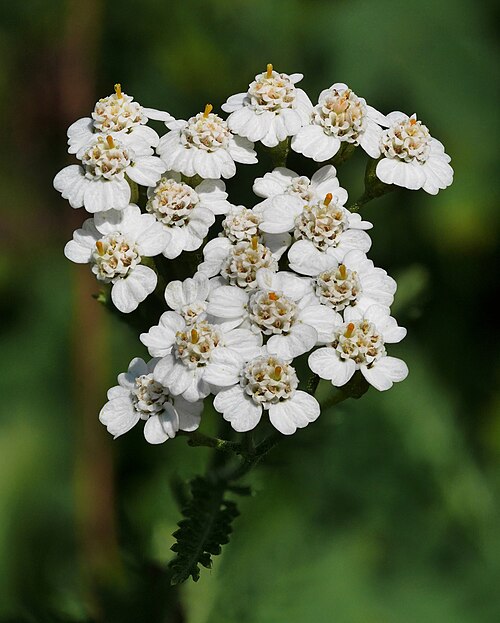
| Yarrow | Full Sun | High | Flat-topped flower clusters, fern-like foliage, very drought tolerant. |
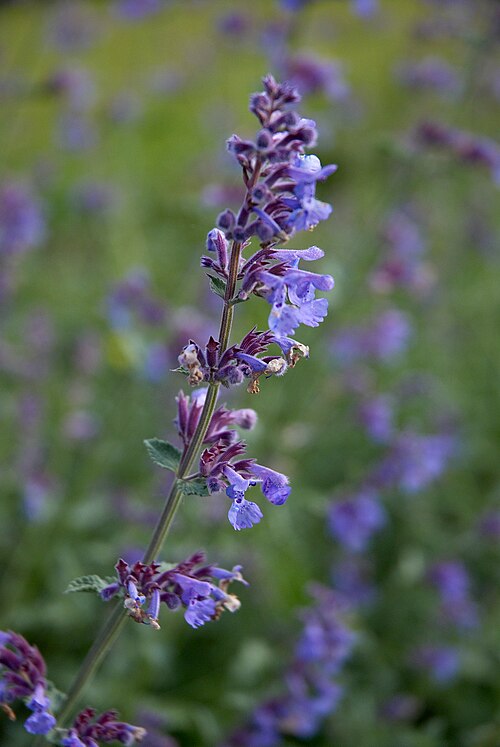
| Catmint | Full Sun | High | Lavender-blue spikes, aromatic, very tough and low-maintenance. |
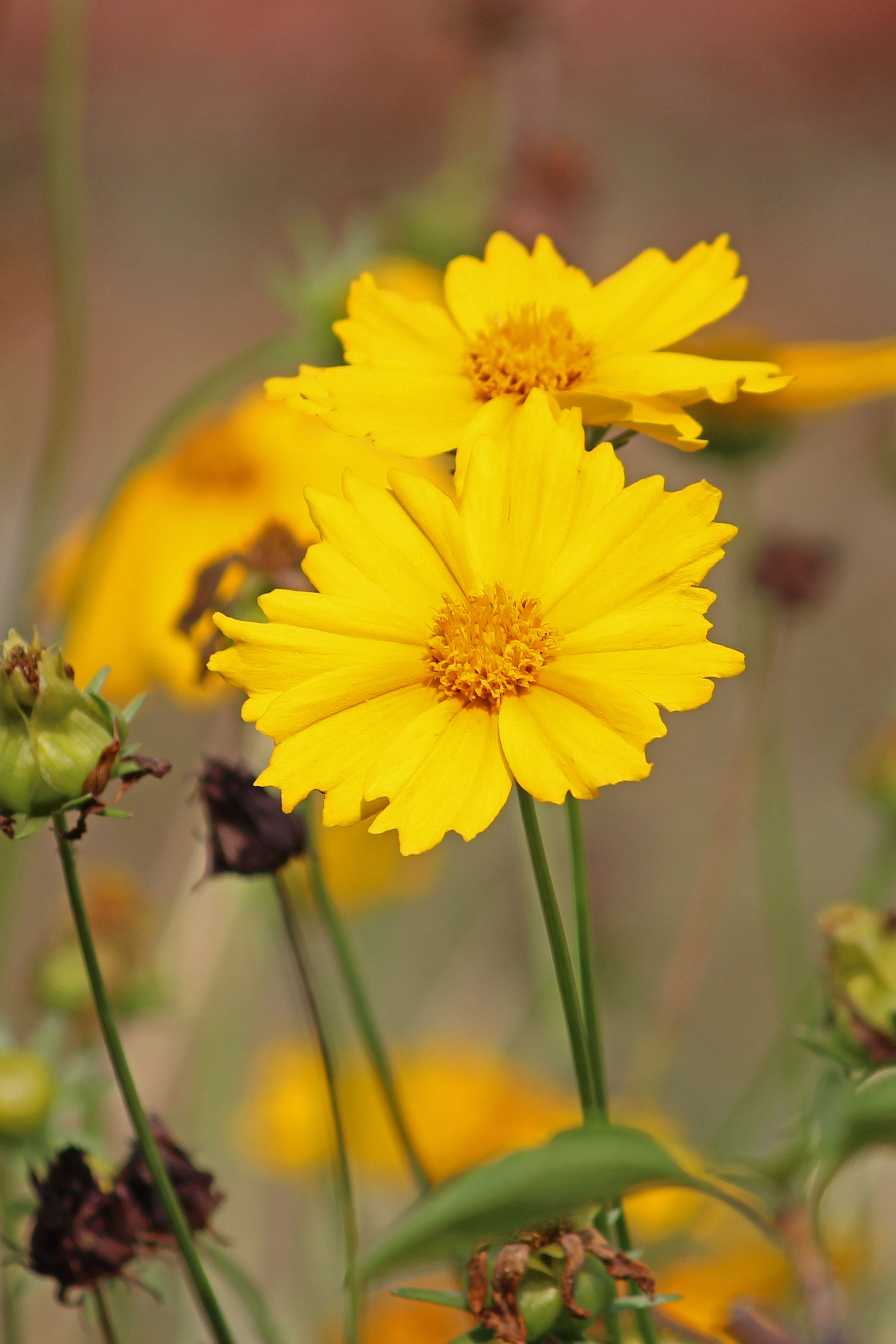
| Coreopsis | Full Sun | High | Bright yellow daisy-like flowers, long blooming, adaptable. |
| Black-eyed Susan | Full Sun | High | Classic yellow petals with dark centers, cheerful, easy to grow. |
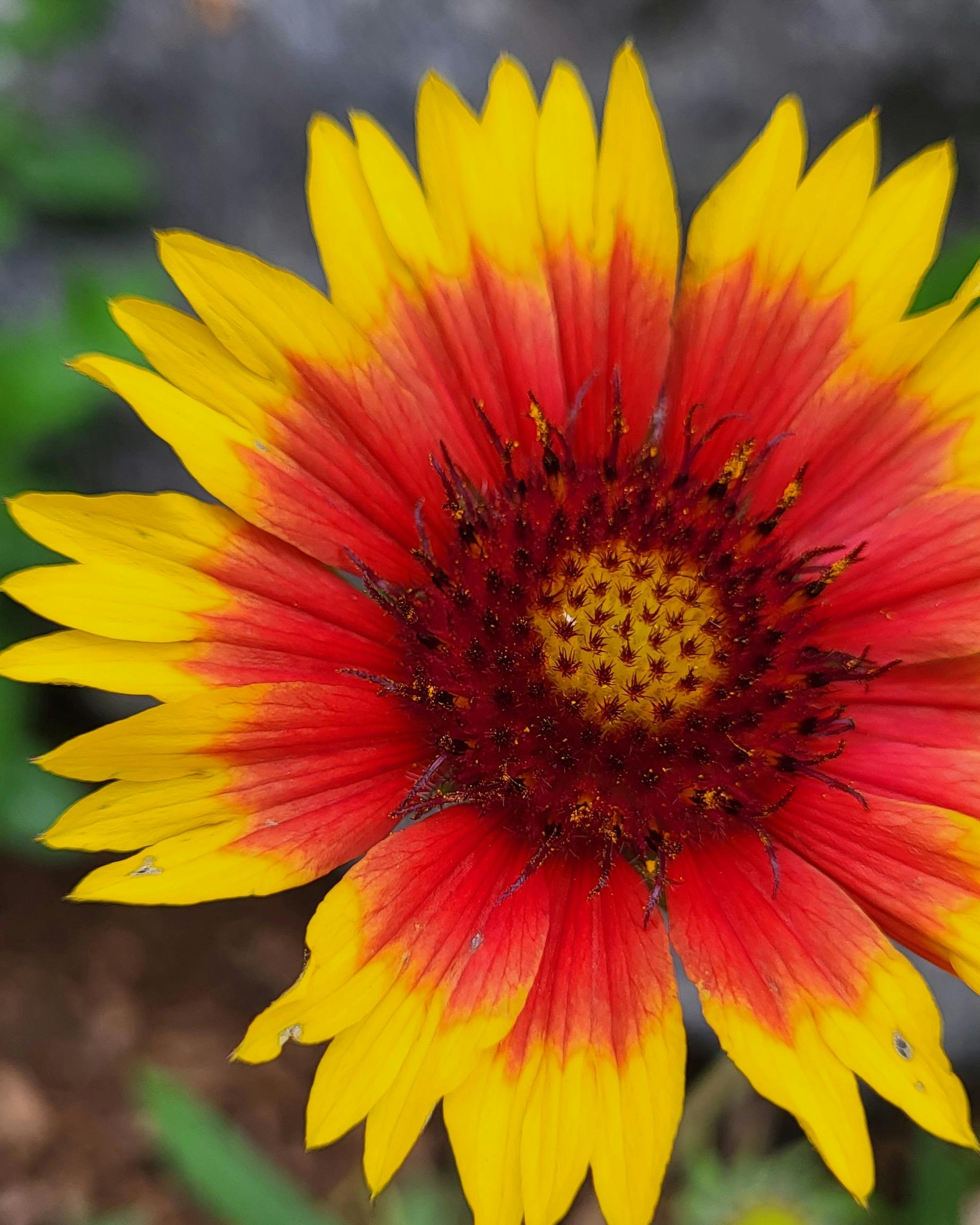
| Blanket Flower | Full Sun | High | Daisy-like flowers in red, orange, yellow, very drought tolerant, long bloom. |
Our Top Picks for Your Deer-Resistant Beginner Garden
Here are some specific plants that reliably perform well and deter deer:
Coneflower (Echinacea purpurea)
Coneflower A garden staple for a reason! Coneflowers are incredibly tough, drought-tolerant once established, and their large, daisy-like blooms are a favorite of pollinators but generally ignored by deer. They come in various colors, from classic purple to pink, white, and even yellow, offering extended bloom time from summer into fall. They thrive in full sun and well-drained soil, making them perfect for beginners.
Salvia (Salvia spp.)
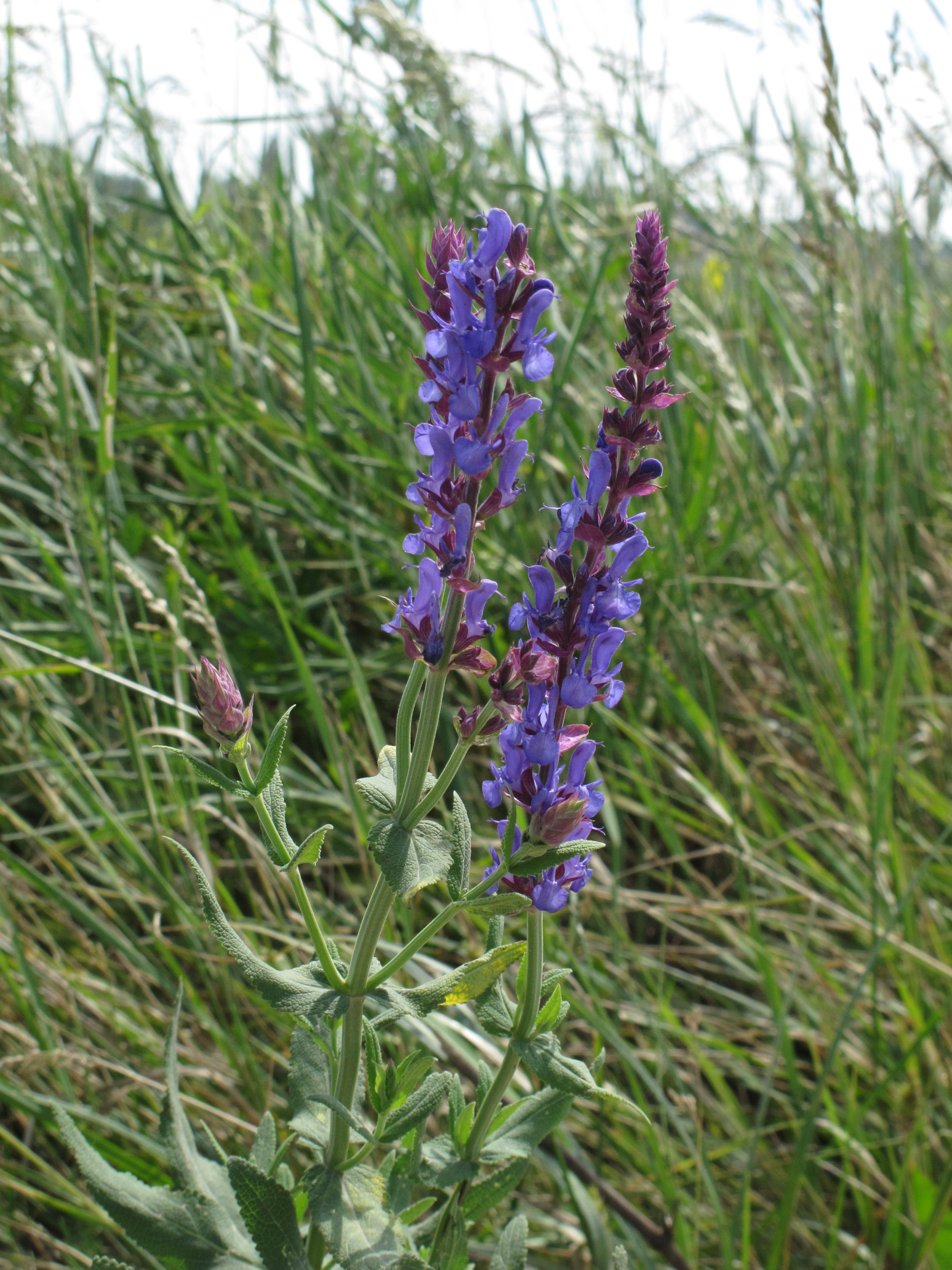
Salvia With hundreds of species, Salvia offers a vast array of choices, many of which are highly deer-resistant due to their aromatic foliage. Varieties like 'May Night' or 'Caradonna' produce stunning spikes of deep purple-blue flowers that bloom for weeks, attracting hummingbirds and butterflies. They prefer full sun and well-drained soil and are remarkably drought-tolerant. Plus, they require very little care beyond a quick deadheading to encourage more blooms.
Bee Balm (Monarda didyma)
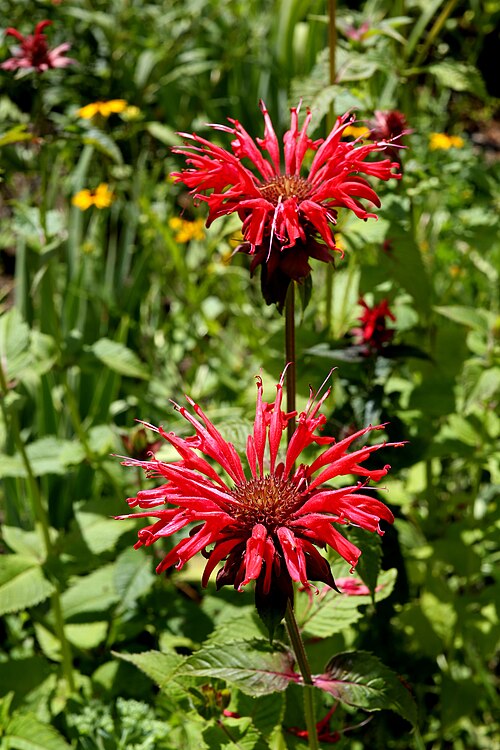
Bee Balm Known for its unique, shaggy flowers and minty-scented foliage, Bee Balm is a fantastic choice for attracting pollinators while deterring deer. It's a vigorous grower that tolerates a range of conditions, though it prefers full sun to partial shade and consistently moist soil. Its vibrant blooms in shades of red, pink, purple, and white add a playful touch to any garden and are a magnet for hummingbirds and bees.
Yarrow (Achillea millefolium)
Yarrow Yarrow is a true workhorse in the garden. Its fern-like, aromatic foliage is unappealing to deer, and its flat-topped clusters of flowers come in a rainbow of colors, including yellow, red, pink, and white. It's incredibly drought-tolerant once established and thrives in full sun and poor soils, making it an ideal choice for challenging spots. Yarrow is also excellent for cut flowers, fresh or dried.
Black-Eyed Susan (Rudbeckia hirta)
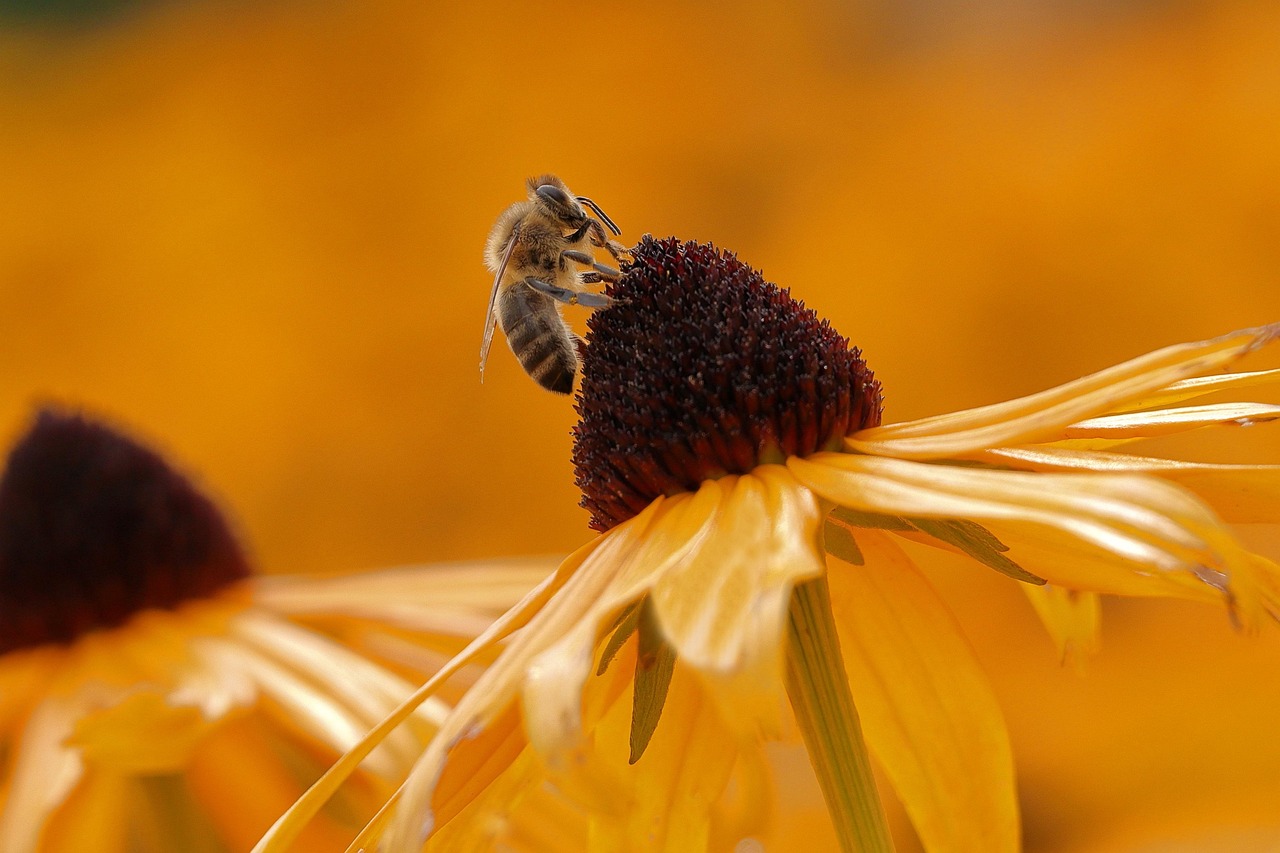
Black-eyed Susan These cheerful, daisy-like flowers with their iconic dark centers are a quintessential summer bloom. Black-eyed Susans are incredibly easy to grow, tolerant of various soil conditions, and thrive in full sun. They provide a long season of color, from mid-summer into fall, and are generally left alone by deer. They're perfect for adding a splash of bright yellow to your beginner garden.
By incorporating these resilient and beautiful plants into your landscape, you can create a vibrant, low-maintenance garden that you and your local wildlife (the non-browsing kind!) will enjoy.
Ready to find the perfect plants for your yard? Try the PlantWise Plant Finder →