Best Deer-Resistant Plants for Full Sun and Drought
Gardening in areas with full sun, drought conditions, and deer pressure can feel like a triple challenge, but it's far from impossible! Many beautiful, resilient plants thrive in these tough environments while also deterring hungry deer. The best deer-resistant plants for full sun and drought often share characteristics like fragrant or fuzzy foliage, tough textures, or a bitter taste that deer find unappetizing. By selecting plants adapted to dry, sunny spots that deer typically avoid, you can create a vibrant, low-maintenance landscape that stands up to the elements and wildlife.
🌱 Get Personalized Plant Picks
Answer a few quick questions and we’ll match plants to your exact yard conditions.
Find My Plants →The Triple Threat: Sun, Drought, and Deer
Before we dive into specific plant recommendations, let's understand why these conditions are challenging and what makes a plant suitable.
- Full Sun: This means at least 6 hours of direct sunlight per day, often more. Plants for these areas need to tolerate intense heat and UV exposure.
- Drought: Once established, these plants can go for extended periods without supplemental water, relying on natural rainfall. They often have adaptations like deep taproots, waxy leaves, or small, silvery foliage to conserve moisture.
- Deer Resistance: While no plant is truly deer-proof (a very hungry deer will try almost anything!), many plants are consistently less appealing to them. Deer tend to avoid plants with strong scents, fuzzy or thorny textures, or those that are toxic or bitter.
Combining these three requirements narrows the field, but the plants that make the cut are often incredibly tough, beautiful, and rewarding. Many of these are native plants, which are naturally adapted to local conditions and provide ecological benefits.
What Characteristics Make a Plant Deer-Resistant?
Deer are browsers, not grazers, meaning they prefer to nibble on leaves, shoots, and flowers. They have a keen sense of smell and taste, which guides their dining choices. Plants that are frequently left alone by deer often possess one or more of these traits:
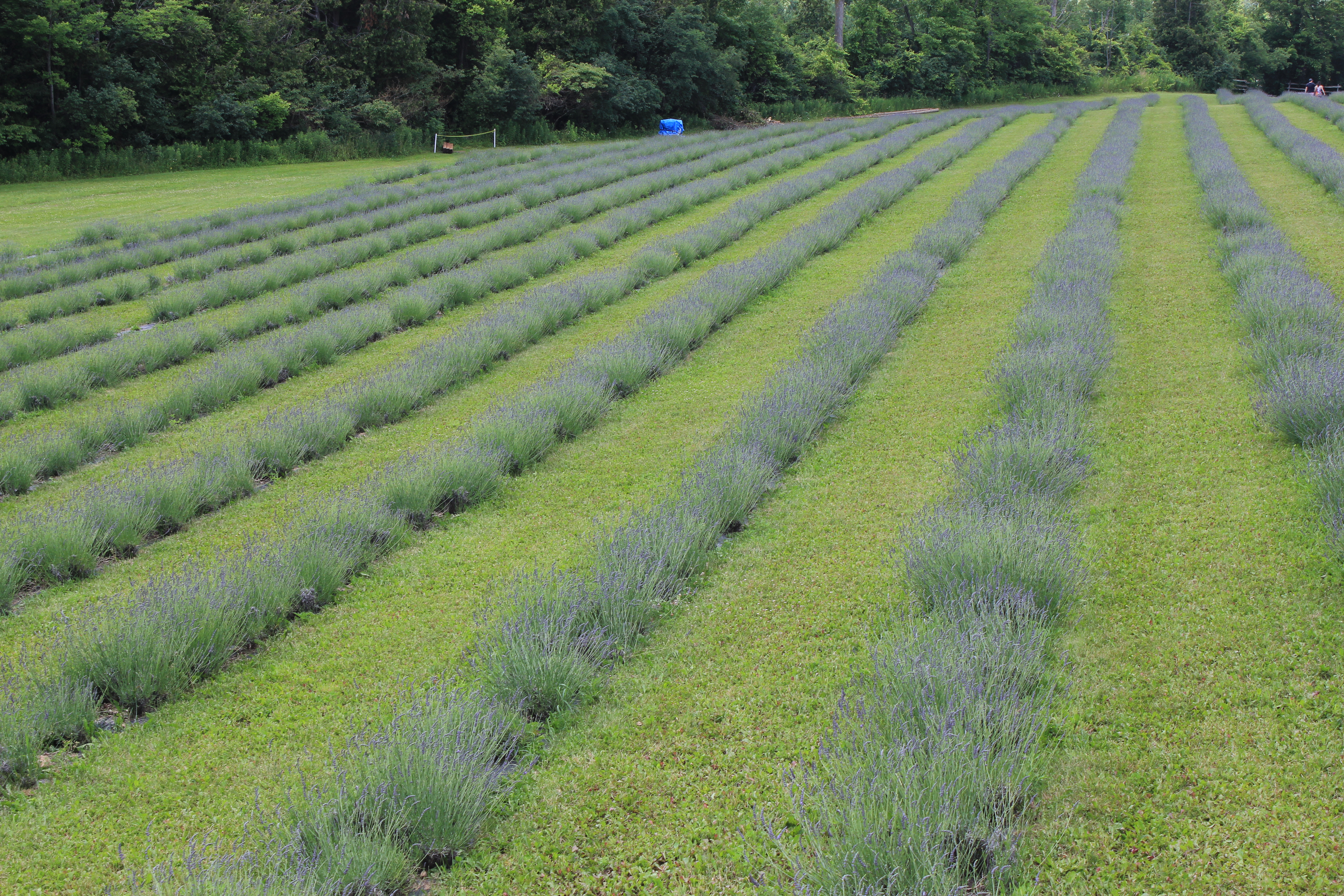
- Strongly Scented Foliage: Aromatic herbs like lavender, rosemary, and many salvias are often passed over.
- Fuzzy or Hairy Leaves: The texture is unpleasant to their sensitive mouths. Think lamb's ear or mullein.
- Thorns or Spines: Obvious deterrents, though less common among herbaceous perennials.
- Leathery or Tough Leaves: Harder to chew and digest.
- Bitter or Toxic Taste: Many plants produce compounds that are unpalatable or harmful to deer.
When planning your garden, remember that deer preferences can vary by region, time of year, and the availability of other food sources. A plant considered "deer-resistant" in one area might get nibbled in another if deer are particularly hungry.
Quick Reference: Deer-Resistant Plants for Full Sun & Drought
Here's a quick look at some top performers that fit the bill:
| Plant Name | Bloom Color | Height (inches) | Deer Resistance | Notes |
|---|---|---|---|---|
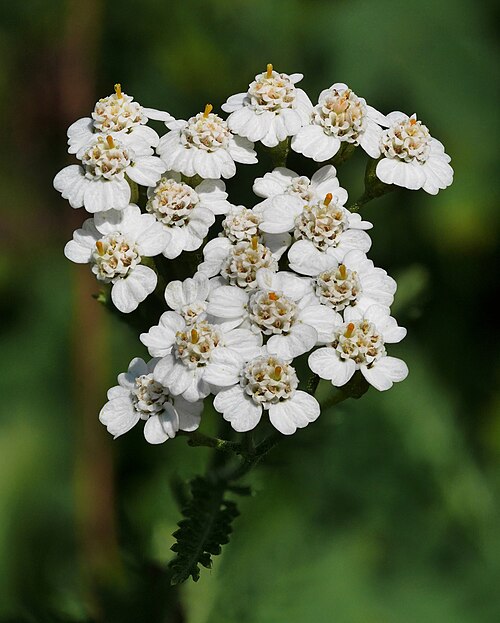
| Yarrow | Yellow, Pink, Red | 12-36 | High | Aromatic foliage, excellent cut flower |
| Coneflower | Purple, Pink, White | 24-48 | Medium-High | Attracts pollinators, tough |
| Black-eyed Susan | Yellow | 24-36 | Medium-High | Classic prairie look, long blooming |
| Blazing Star | Purple | 24-60 | High | Upright spikes, attracts butterflies |
| Coreopsis | Yellow, Pink, Red | 12-30 | Medium-High | Cheerful, continuous blooms |
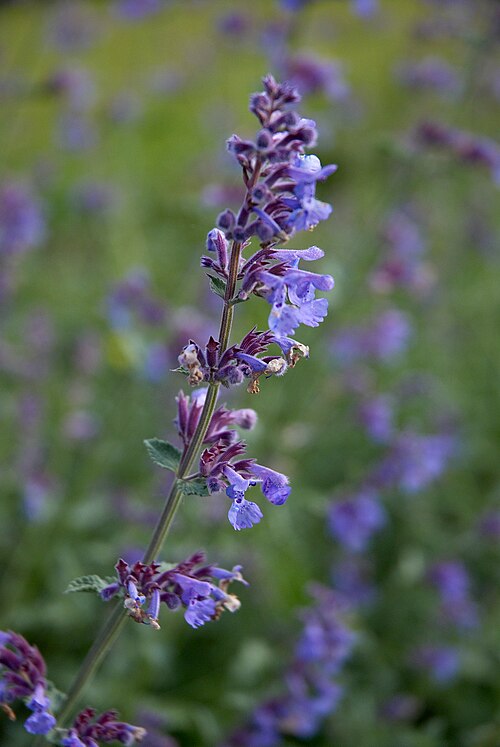
| Catmint | Lavender-Blue | 12-36 | High | Aromatic, long blooming, low maintenance |
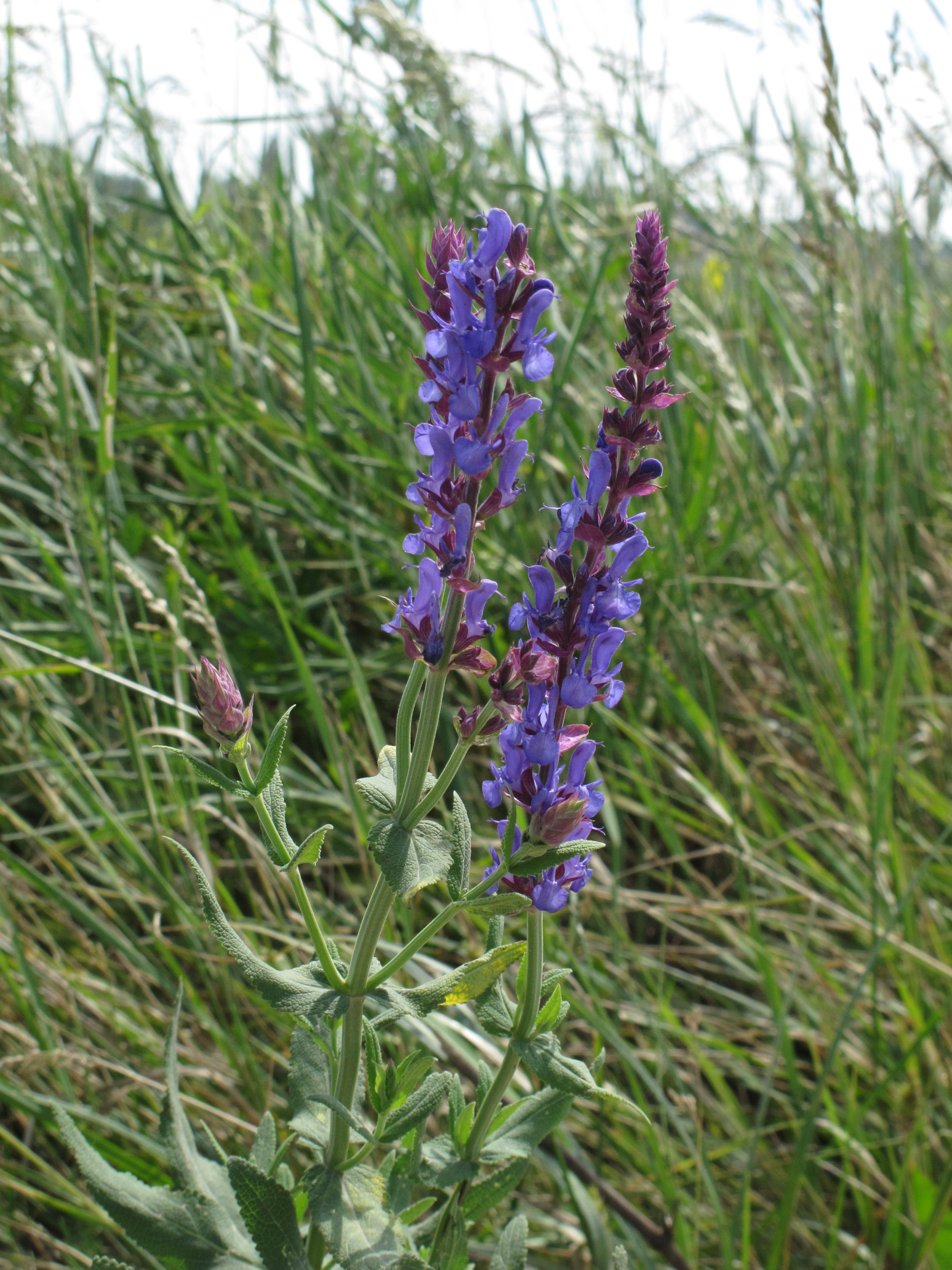
| Salvia | Blue, Purple, Pink | 12-48 | High | Aromatic, spiky blooms, many varieties |
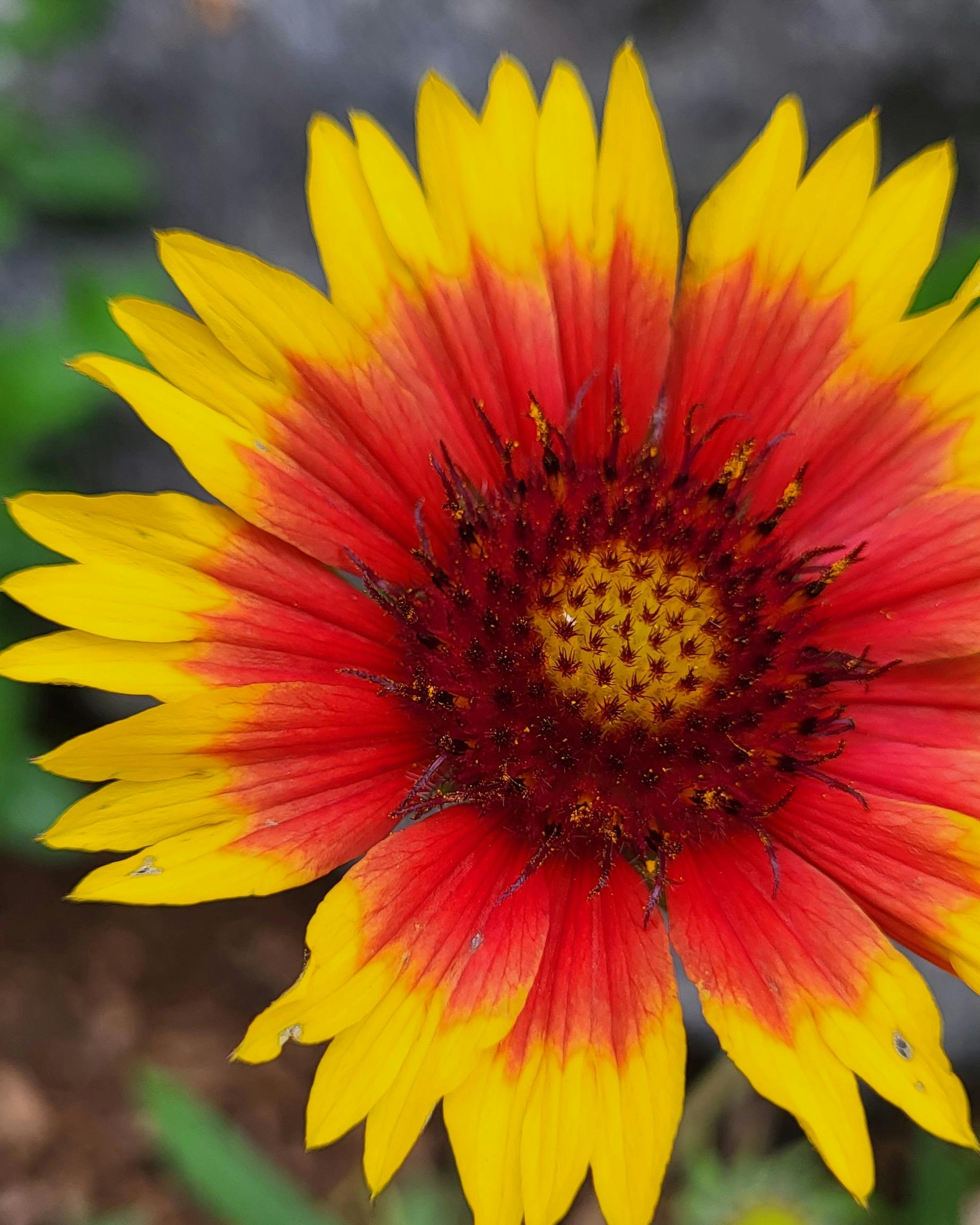
| Blanket Flower | Red, Yellow, Orange | 12-24 | Medium-High | Bright, daisy-like flowers, very drought tolerant |
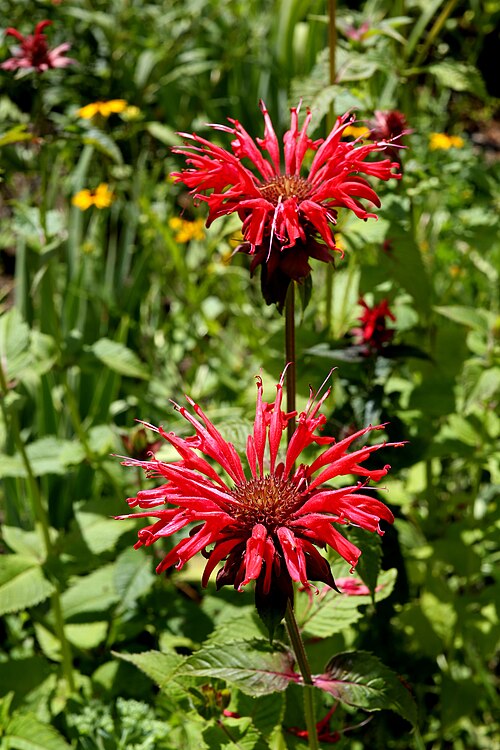
| Bee Balm | Red, Pink, Purple | 24-48 | Medium-High | Aromatic, attracts hummingbirds & bees |
Which Perennials Offer the Best Combination of Traits?
Many perennials excel in full sun and dry conditions while also being unappealing to deer. Here are some of our favorites:
Yarrow (Achillea millefolium): Yarrow Yarrow is a superstar for tough conditions. Its finely textured, often silvery-green foliage is aromatic, and deer tend to avoid it. The flat-topped flower clusters come in shades of yellow, pink, red, and white, blooming from late spring through summer. It's incredibly drought-tolerant once established and thrives in full sun. Plus, it's a fantastic cut flower!
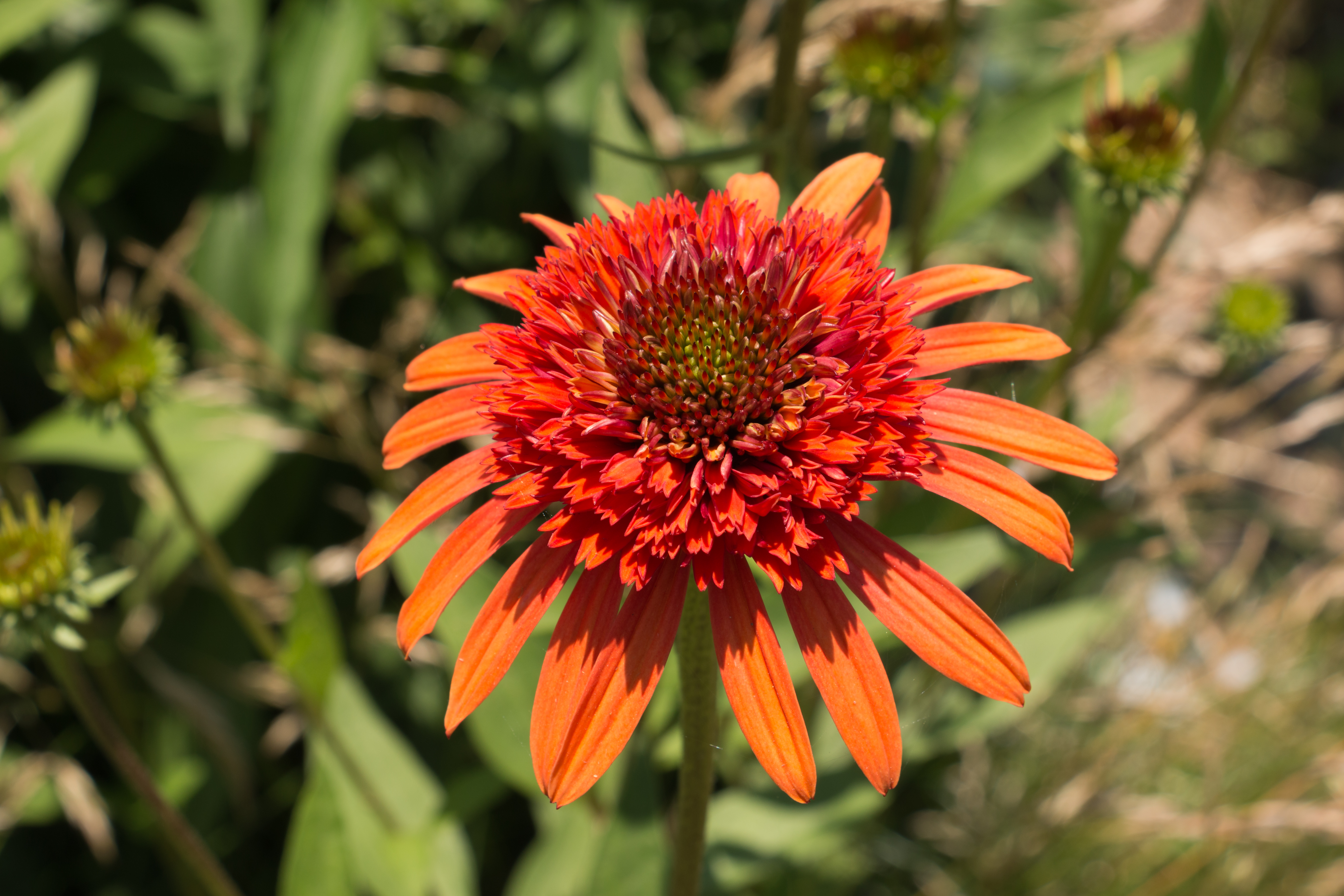
Coneflower (Echinacea purpurea): Coneflower A prairie staple, coneflowers are known for their distinctive daisy-like flowers with prominent central cones. While deer might occasionally sample them, they are generally considered deer-resistant, especially compared to other garden flowers. They love full sun and are very drought-tolerant once established, attracting bees and butterflies in droves.
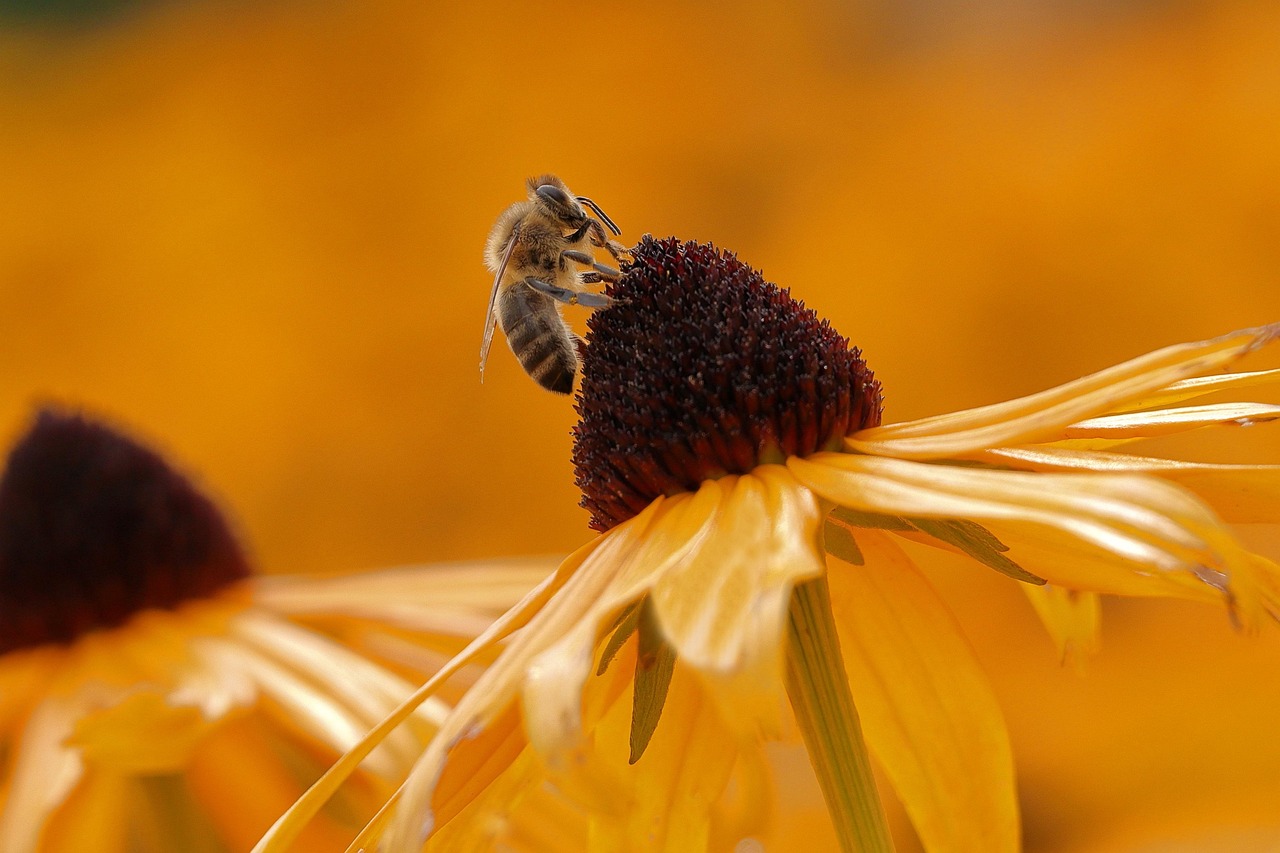
Black-eyed Susan (Rudbeckia hirta): Black-eyed Susan Another iconic prairie flower, Black-eyed Susans bring cheerful yellow blooms with dark centers to the garden. They are tough, adaptable, and perform beautifully in full sun and dry soils. Deer usually pass them by, making them an excellent choice for a sunny border.
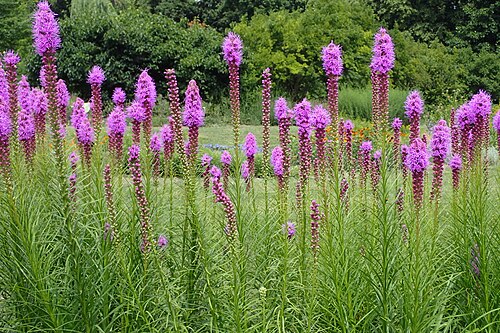
Blazing Star (Liatris spicata): Blazing Star With their striking upright spikes of purple flowers, Blazing Stars add vertical interest to the garden. They are highly attractive to butterflies and other pollinators but are generally ignored by deer. They demand full sun and excellent drainage, making them perfect for dry, sunny spots.
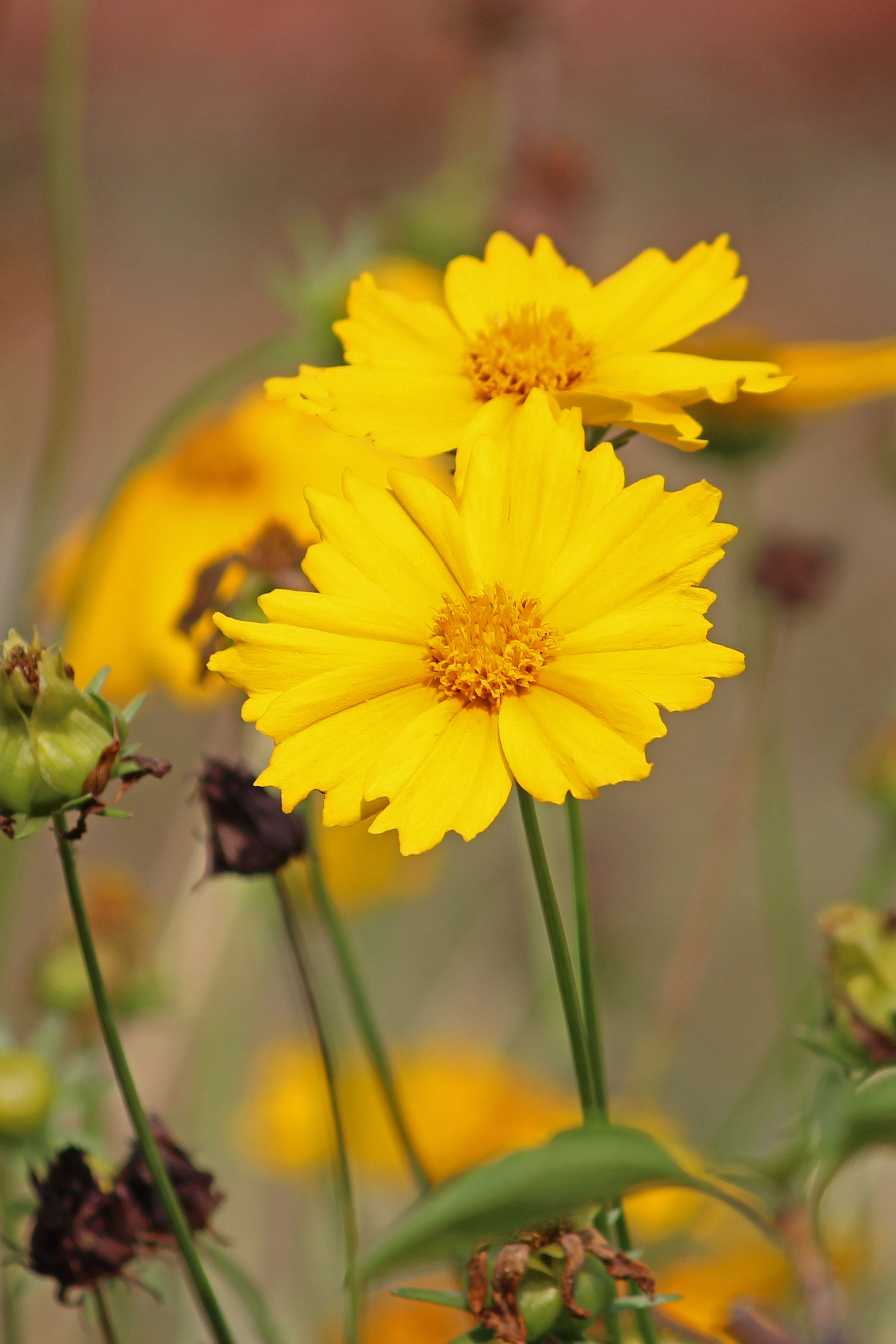
Coreopsis (Coreopsis verticillata & grandiflora): Coreopsis Often called Tickseed, Coreopsis offers a profusion of cheerful yellow, pink, or red daisy-like flowers. Many varieties have fine, airy foliage that deer find unappetizing. They are exceptionally drought-tolerant and bloom for an extended period in full sun, providing continuous color.
Catmint (Nepeta x faassenii): Catmint This plant is a true workhorse. Catmint forms mounds of soft, gray-green, aromatic foliage topped with spikes of lavender-blue flowers for months on end. Deer absolutely despise the scent, making it an excellent border plant or mass planting. It laughs at heat and drought.
Salvia (Salvia nemorosa & others): Salvia Many perennial salvias, particularly those in the Salvia nemorosa group (like 'Caradonna' or 'May Night'), are outstanding for full sun and drought. Their aromatic foliage and spiky blue, purple, or pink flowers are highly deer-resistant and attract hummingbirds and butterflies. They offer long-lasting blooms and require minimal care.
Blanket Flower (Gaillardia x grandiflora): Blanket Flower These vibrant, daisy-like flowers in shades of red, orange, and yellow are incredibly tough. Blanket Flowers thrive in poor, sandy soils and intense heat, making them ideal for drought-prone areas. Deer typically avoid them, allowing their bright colors to shine all summer long.
Bee Balm (Monarda didyma & fistulosa): Bee Balm While some deer may occasionally browse Monarda, many varieties are considered deer-resistant due to their aromatic foliage. They are fantastic for attracting hummingbirds and bees with their unique, shaggy flowers. They prefer full sun and can tolerate drier conditions once established, especially the native Monarda fistulosa.
How Can I Further Protect My Plants from Deer?
Even with deer-resistant plants, an extra layer of protection can be beneficial, especially for new plantings or if deer pressure is very high.
- Strategic Planting: Place highly deer-resistant plants on the outer edges of your garden beds to create a "buffer zone" for less resistant plants.
- Repellents: Commercial deer repellents can be effective, but they need to be reapplied regularly, especially after rain. Rotate different types to prevent deer from becoming accustomed to them.
- Physical Barriers: For severe deer problems, fencing is the most reliable solution. Fences need to be at least 8 feet tall to deter deer from jumping over.
- Companion Planting: While not a foolproof method, planting strongly scented herbs like rosemary or lavender near more vulnerable plants can sometimes help mask their appeal.
- Cleanliness: Remove fallen fruit or vegetables promptly, as these can attract deer to your yard.
By combining smart plant choices with these protective measures, you can enjoy a beautiful, thriving garden even in challenging full sun, drought, and high deer pressure conditions.
Ready to find the perfect plants for your yard? Try the PlantWise Plant Finder →