Complete Guide to Deer-Resistant Plants in Zone 3
Gardening in Zone 3 presents unique challenges with its extremely cold winters, but adding deer pressure to the mix can feel like an uphill battle. Fortunately, you can create a beautiful, thriving landscape that stands up to both the elements and hungry deer. The key is selecting plants that are not only hardy enough to survive frigid temperatures but also possess characteristics deer find unappealing, such as strong scents, fuzzy or tough textures, or a bitter taste. This comprehensive guide will help Zone 3 gardeners choose the best deer-resistant plants to minimize browsing and maximize beauty, ensuring your garden remains a sanctuary for you, not a buffet for deer.
🌱 Get Personalized Plant Picks
Answer a few quick questions and we’ll match plants to your exact yard conditions.
Find My Plants →Understanding Deer Behavior and Zone 3 Challenges
Before we dive into specific plants, it’s helpful to understand why deer browse certain plants and how Zone 3 conditions influence their choices.
Deer are opportunistic feeders. While they have preferences, a hungry deer will eat almost anything, especially during harsh winters when food is scarce. This is why no plant is truly deer-proof, but many are highly deer-resistant. Their preferences are often based on scent, texture, and taste. Plants with strong aromatic oils (like herbs), fuzzy leaves, thorny stems, or a milky sap are generally less appealing.
Zone 3, with its average annual extreme minimum temperature ranging from -40°F to -30°F (-40°C to -34°C), means plants must be exceptionally cold-hardy. This limits the palette of available plants compared to warmer zones. When combining cold hardiness with deer resistance, the list narrows further, but plenty of beautiful and robust options remain.
Strategies for Deer Resistance Beyond Plant Choice
While plant selection is paramount, combining it with other strategies offers the best defense:
- Physical Barriers: Fencing (at least 8 feet high) is the most effective method, though not always practical or aesthetically pleasing. Smaller fences or netting can protect individual plants.
- Repellents: Scent-based or taste-based repellents can deter deer, but they require consistent reapplication, especially after rain or new growth.
- Diversion: In some cases, planting a "sacrifice crop" that deer prefer away from your prized plants can draw them elsewhere, but this is a gamble.
- Vigilance: Regularly inspect your plants for signs of browsing and adjust your strategies as needed.
Top Deer-Resistant Perennials for Zone 3
Perennials are the backbone of a low-maintenance, deer-resistant Zone 3 garden. They return year after year, establishing strong root systems that can withstand both cold and browsing pressure.
- Aromatic Herbs & Flowers: Many plants with strong scents are naturally avoided by deer.
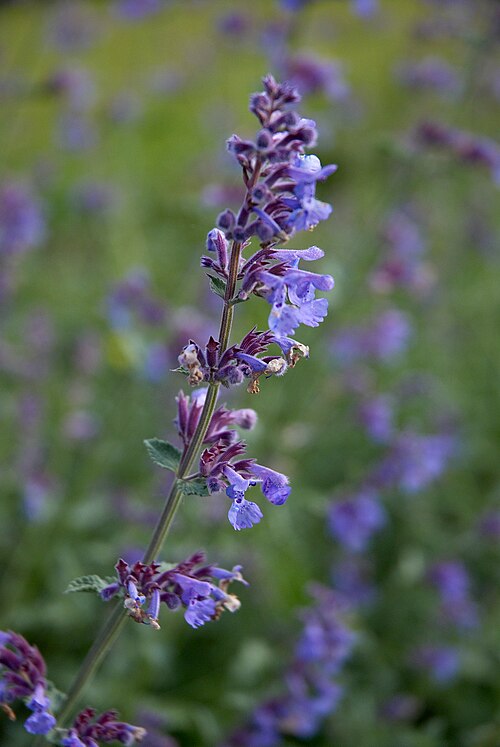
Catmint ( Nepeta ): A fantastic, long-blooming perennial with soft, silvery-green foliage and spikes of lavender-blue flowers. Deer find its minty aroma unappealing. It's drought-tolerant once established and thrives in full sun.
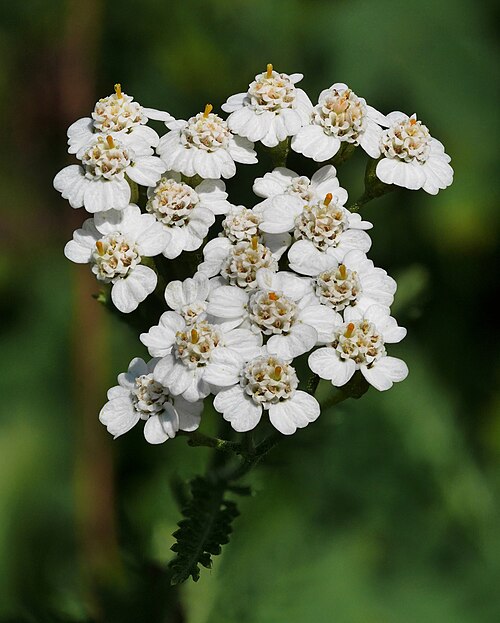
Yarrow ( Achillea millefolium ): Known for its feathery foliage and flat-topped clusters of flowers in various colors. It’s tough, drought-tolerant, and its pungent scent deters deer.
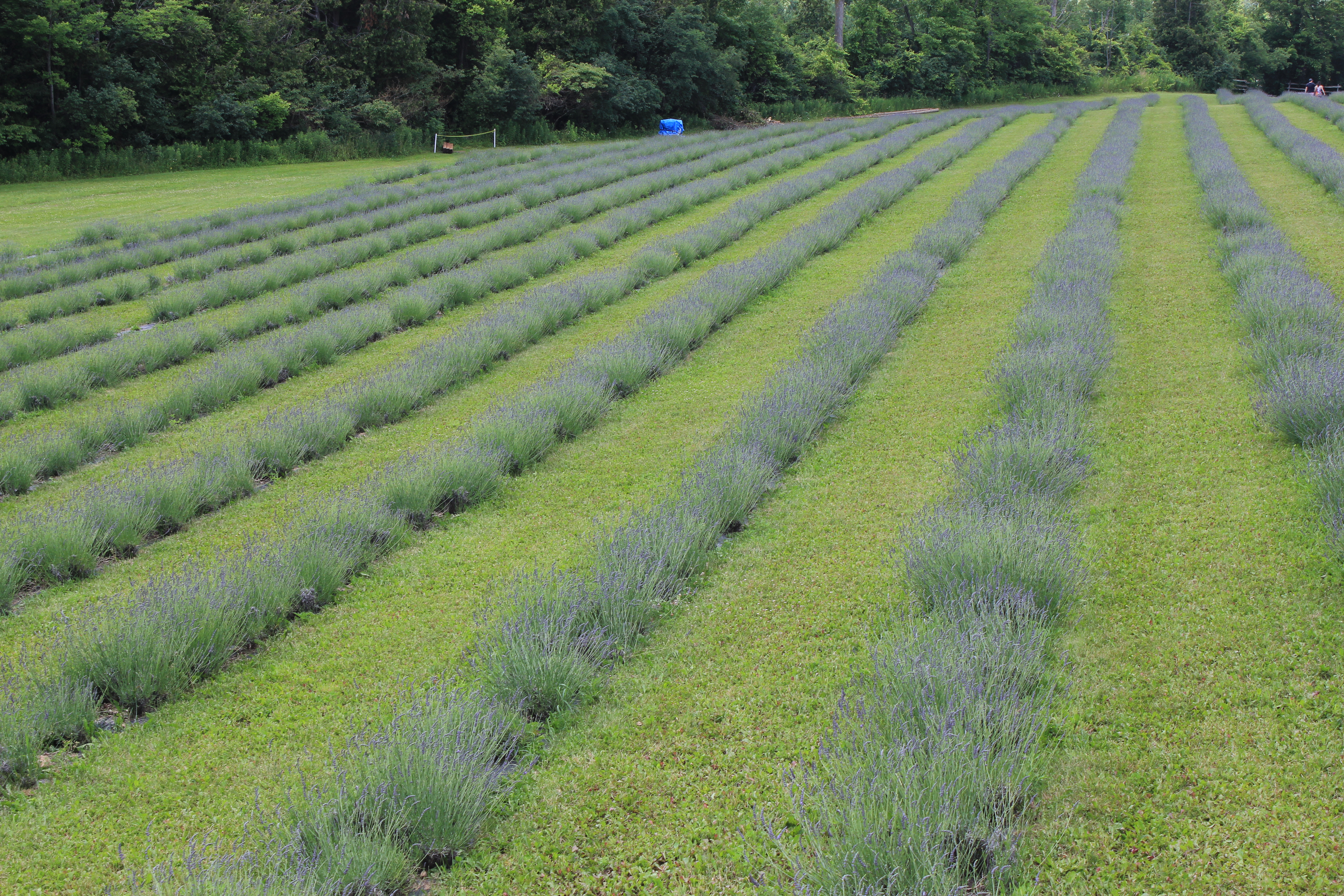
Lavender ( Lavandula angustifolia ): While some varieties can be borderline in Zone 3, 'Munstead' and 'Hidcote' are often successful with good winter drainage. Its strong fragrance is a major deer deterrent.
- Plants with Unpleasant Textures or Tastes:
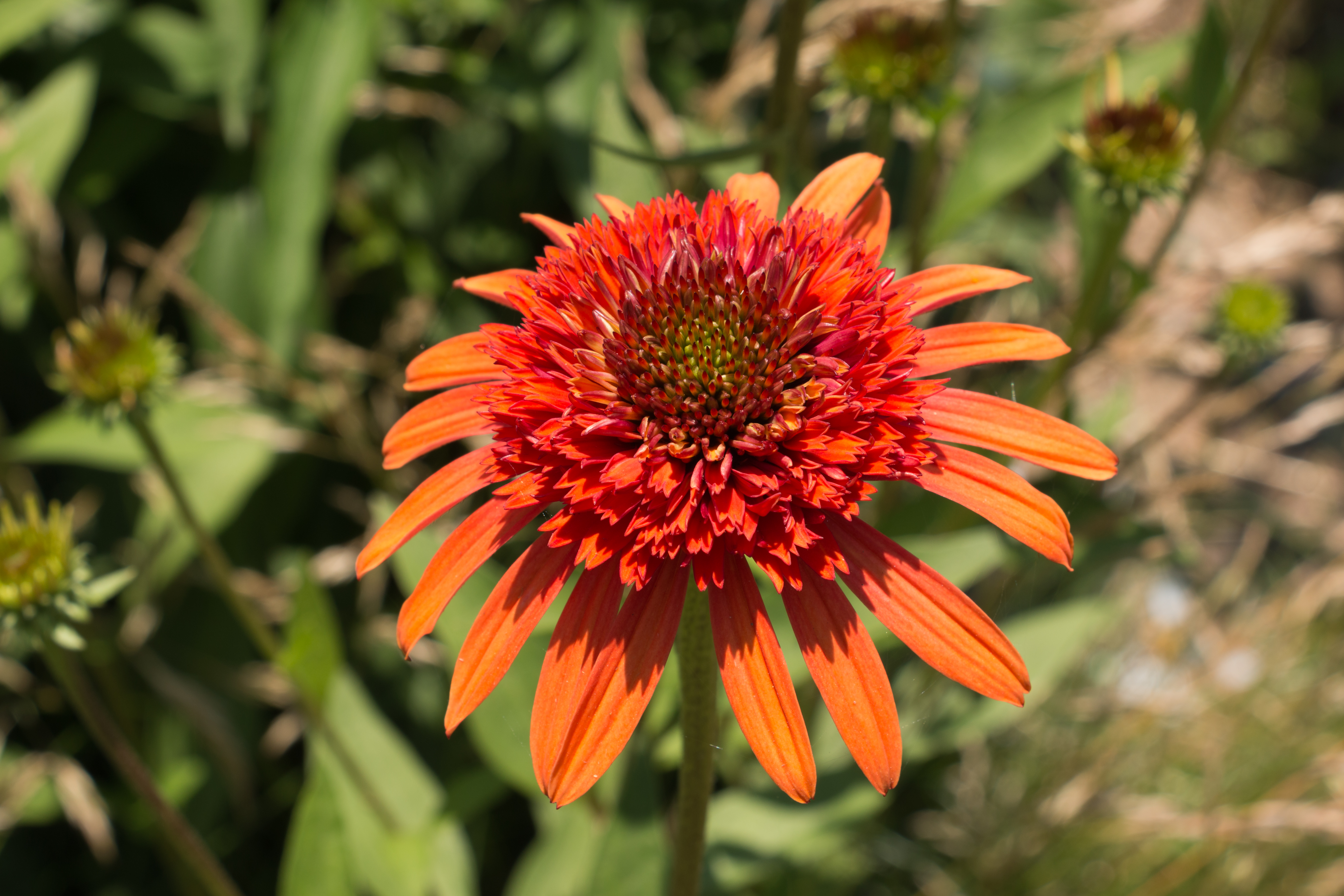
Coneflower ( Echinacea purpurea ): A classic prairie plant with daisy-like flowers and a prominent cone. Deer generally avoid its rough texture and spiny center.
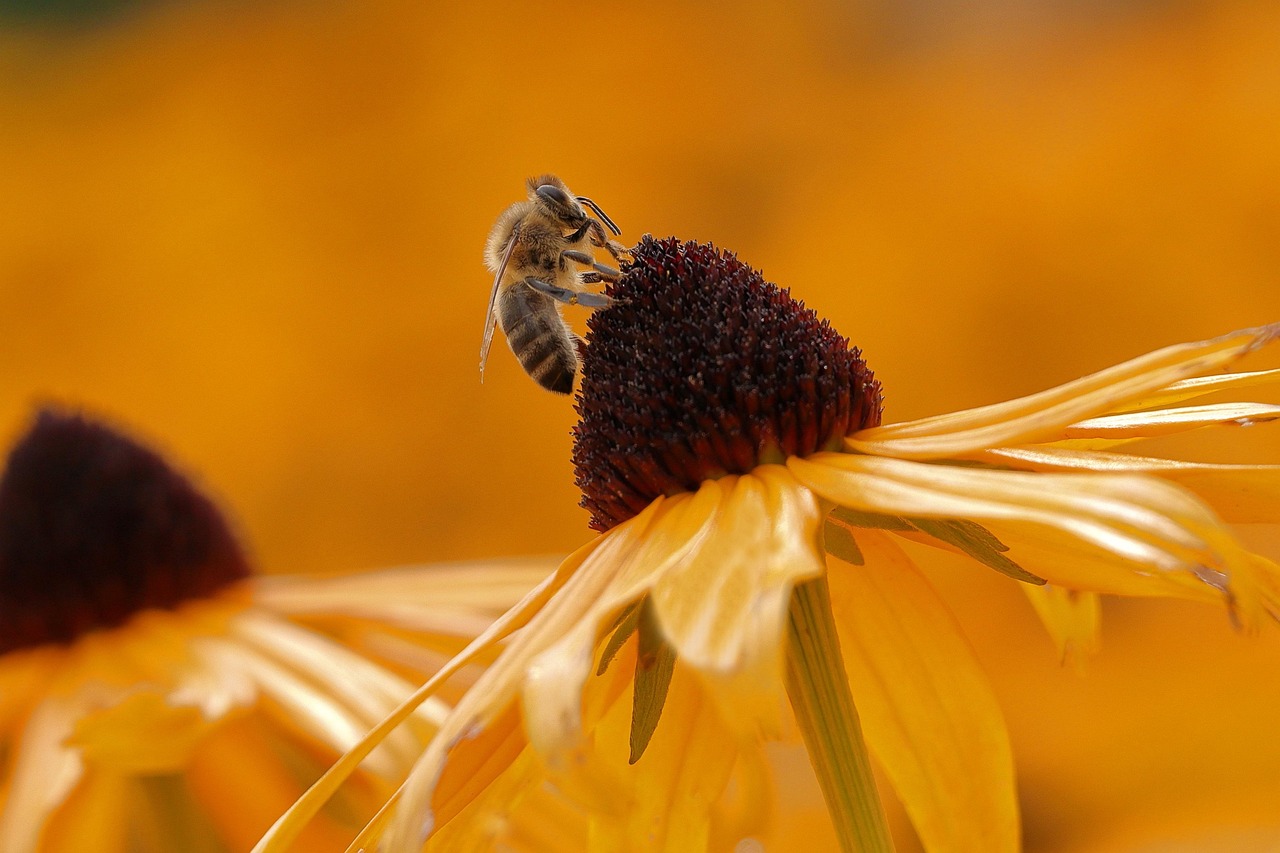
Black-Eyed Susan ( Rudbeckia hirta ): Similar to coneflower, these cheerful yellow flowers with dark centers are usually left alone by deer due to their coarse texture.
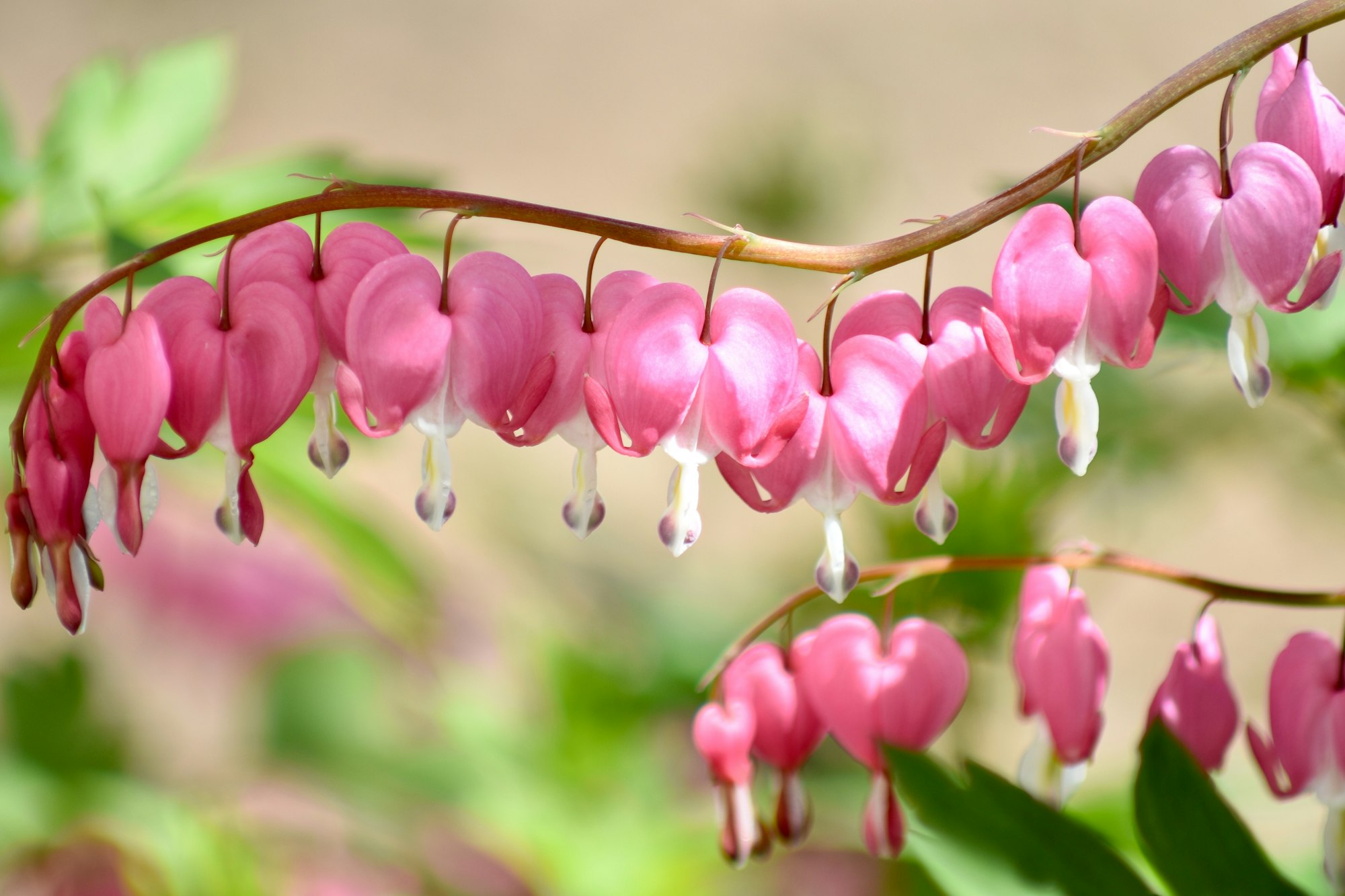
Bleeding Heart ( Dicentra spectabilis ): A shade-loving favorite with delicate heart-shaped flowers. Its foliage is not palatable to deer, making it a great choice for shadier spots.
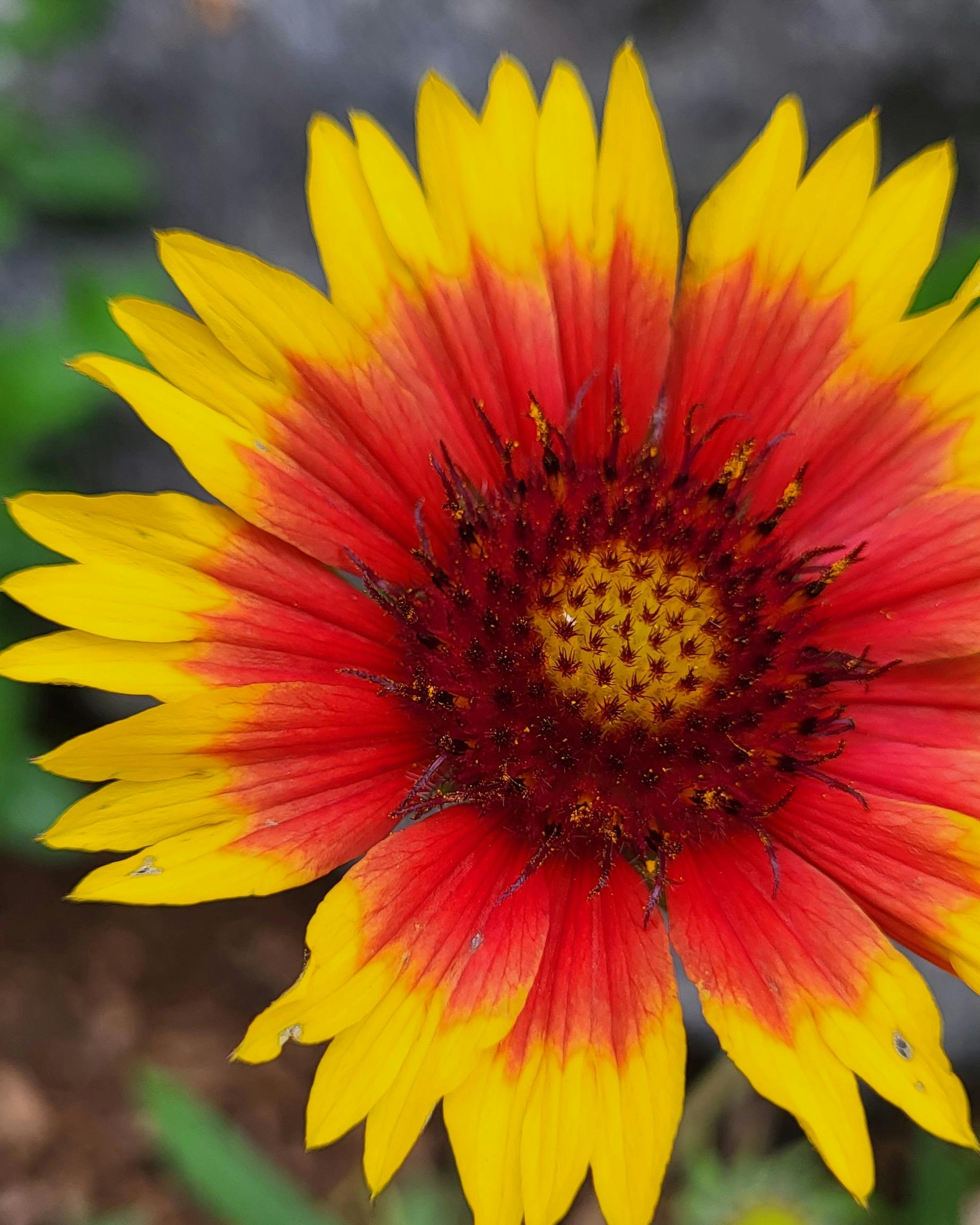
Blanket Flower ( Gaillardia ): Vibrant, daisy-like flowers that bloom for a long season. Deer tend to avoid its slightly fuzzy foliage and bitter taste.
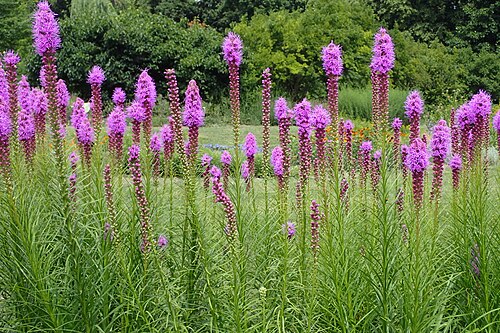
Blazing Star ( Liatris spicata ): Tall, spiky purple flowers that attract pollinators but are generally ignored by deer. Its grass-like foliage is not a deer favorite.
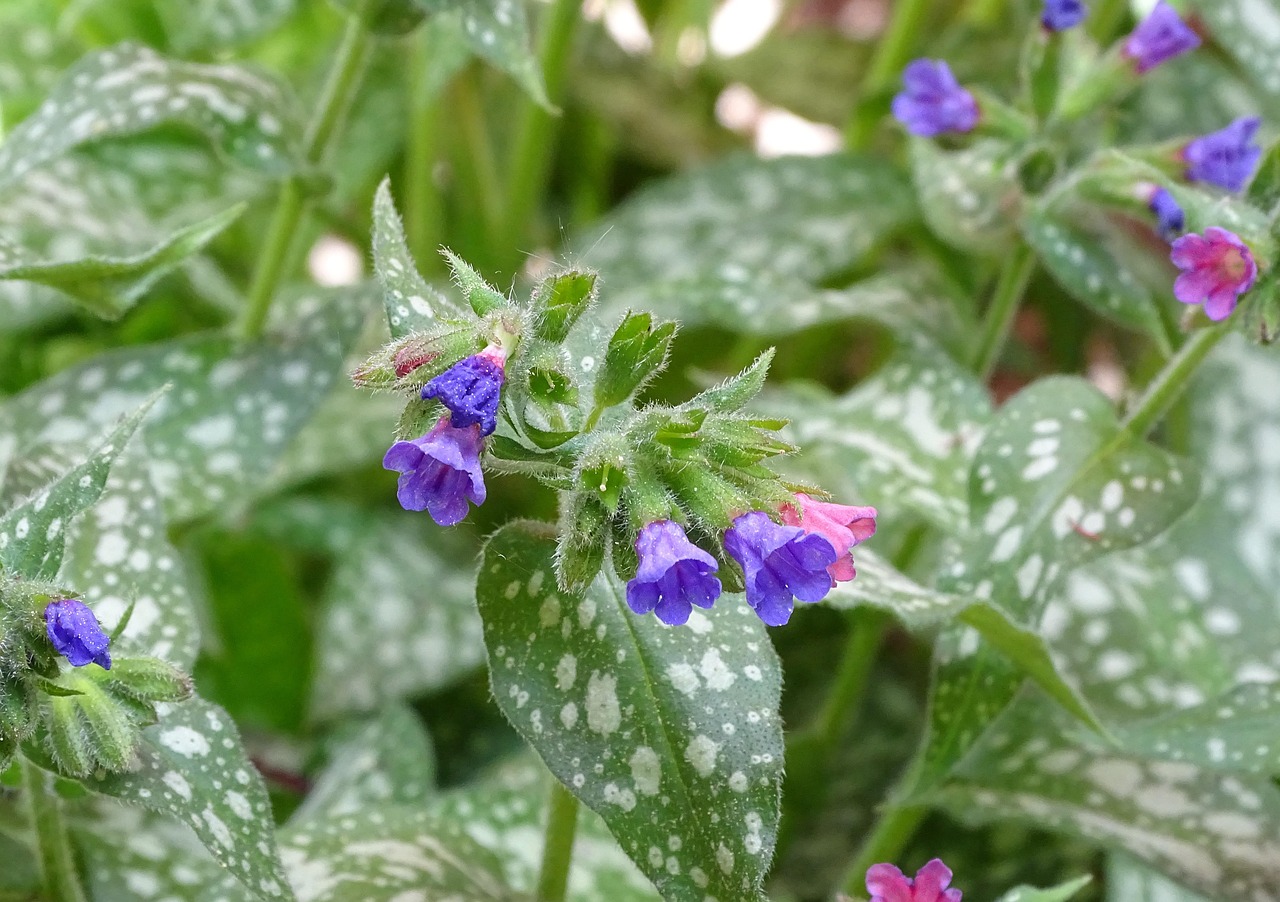
Lungwort ( Pulmonaria ): A lovely shade perennial with spotted foliage and early spring flowers. Its rough, hairy leaves are a turn-off for deer.
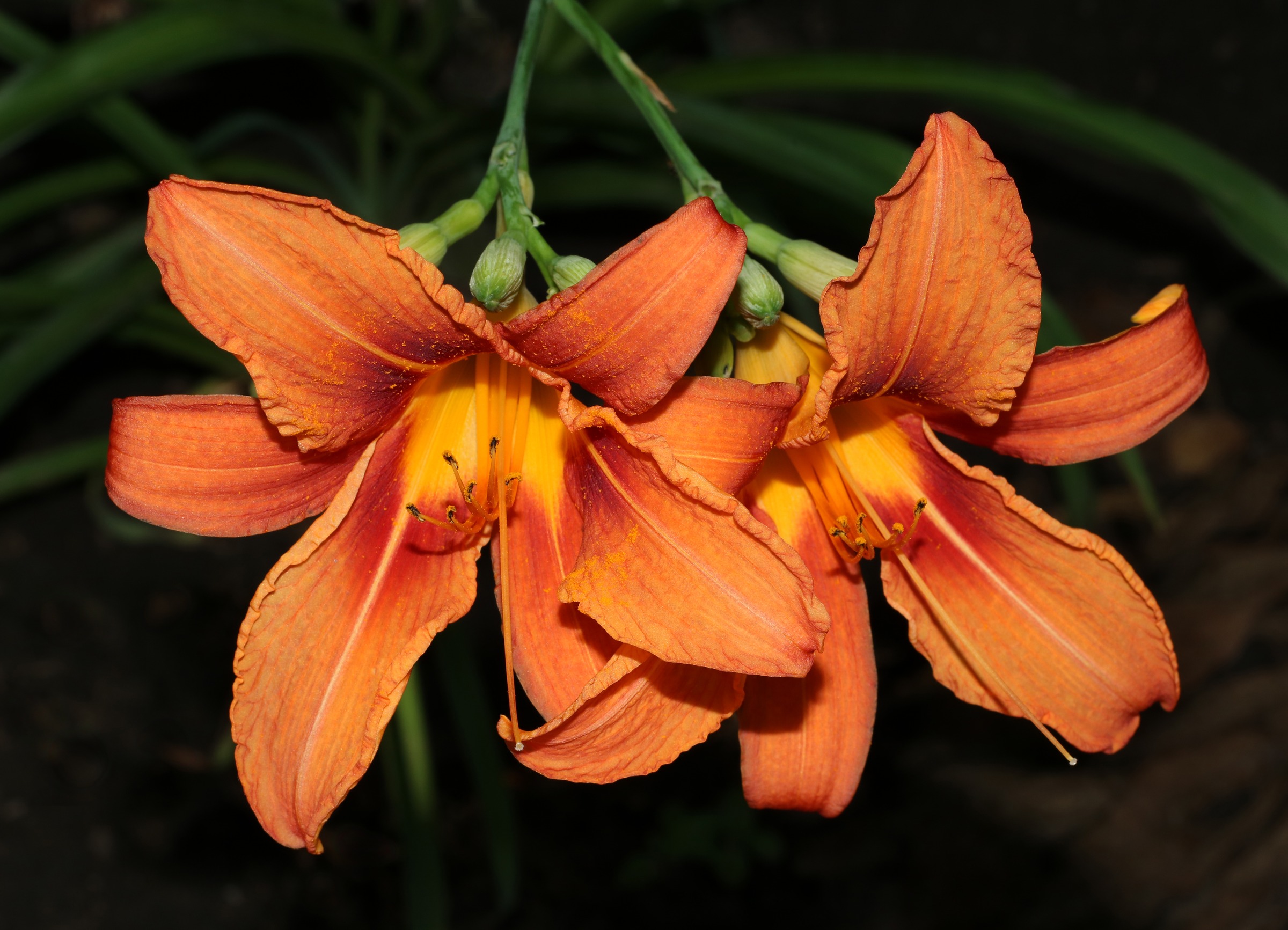
Daylily ( Hemerocallis ): While some sources list daylilies as occasionally browsed, many gardeners in deer-heavy areas find they are generally left alone, especially the older, more common varieties. Their tough, strap-like leaves are not a primary food source.
Peony ( Paeonia ): A hardy, long-lived perennial with large, showy blooms. Deer typically avoid peonies due to their strong scent and tough foliage.
Oriental Poppy ( Papaver orientale ): Bold, vibrant flowers that emerge in late spring. The foliage has a milky sap that deer dislike.
Ferns: Most ferns are highly deer-resistant due to their unique texture and often bitter taste. Ostrich fern, Lady fern, and Hay-scented fern are excellent Zone 3 options.
Deer-Resistant Shrubs and Trees for Zone 3
Don't forget the structural elements of your garden! Many hardy shrubs and trees are also deer-resistant.
- Shrubs:
- Spirea ( Spiraea ): Many varieties offer beautiful flowers and foliage. Deer generally avoid their woody stems and slightly bitter leaves.
- Potentilla ( Potentilla fruticosa ): A very hardy shrub with small, bright flowers that bloom all summer. Its tough foliage is not appealing to deer.
- Juniper ( Juniperus ): Most junipers are highly deer-resistant due to their prickly needles and strong scent.
- Lilac ( Syringa vulgaris ): A classic spring bloomer with fragrant flowers. Deer tend to avoid lilacs.
- Dogwood ( Cornus sericea ): Especially the red-twig dogwood, valued for its vibrant winter stems. Deer usually leave it alone.
- Boxwood ( Buxus ): A popular evergreen for hedging and structure. Its leaves are unpalatable to deer.
- Trees:
- Spruce ( Picea ): All spruce varieties are deer-resistant due to their sharp needles.
- Pine ( Pinus ): Similar to spruce, pines are generally avoided.
- Maple ( Acer ): While young maples can be browsed, established trees are generally resistant.
- Oak ( Quercus ): Deer may browse young oak saplings, but mature trees are typically safe.
- Birch ( Betula ): Deer usually leave birch trees alone.
Quick Reference: Zone 3 Deer-Resistant Plant List
| Plant Type | Common Name | Botanical Name | Sun Needs | Notes |
|---|---|---|---|---|
| Perennials | Catmint | Nepeta | Full Sun | Aromatic, long-blooming, drought-tolerant |
| Yarrow | Achillea millefolium | Full Sun | Feathery foliage, pungent scent | |
| Coneflower | Echinacea purpurea | Full Sun | Rough texture, spiny center | |
| Black-Eyed Susan | Rudbeckia hirta | Full Sun | Coarse texture, cheerful blooms | |
| Bleeding Heart | Dicentra spectabilis | Part Shade | Unpalatable foliage, unique flowers | |
| Blanket Flower | Gaillardia | Full Sun | Slightly fuzzy, bitter taste | |
| Blazing Star | Liatris spicata | Full Sun | Spiky flowers, grass-like foliage | |
| Lungwort | Pulmonaria | Part Shade | Hairy leaves, early spring blooms | |
| Daylily | Hemerocallis | Full Sun | Tough, strap-like leaves | |
| Peony | Paeonia | Full Sun | Strong scent, tough foliage | |
| Oriental Poppy | Papaver orientale | Full Sun | Milky sap, bold flowers | |
| Most Ferns | Various | Shade/Part | Bitter taste, unique texture | |
| Shrubs | Spirea | Spiraea | Full Sun | Woody, slightly bitter |
| Potentilla | Potentilla fruticosa | Full Sun | Tough foliage, continuous blooms | |
| Juniper | Juniperus | Full Sun | Prickly needles, strong scent | |
| Lilac | Syringa vulgaris | Full Sun | Strong fragrance | |
| Red-Twig Dogwood | Cornus sericea | Full Sun/Part | Woody stems, not palatable | |
| Boxwood | Buxus | Full Sun/Part | Unpalatable leaves | |
| Trees | Spruce | Picea | Full Sun | Sharp needles |
| Pine | Pinus | Full Sun | Sharp needles | |
| Birch | Betula | Full Sun | Generally avoided by deer |
Pet Safety Note
When selecting plants for your garden, always consider the safety of your furry friends. While the plants listed above are generally deer-resistant, some may still be toxic to pets if ingested. For example, Bleeding Heart ( Dicentra spectabilis ) is not listed as toxic to deer but is considered toxic to dogs and cats. Always research individual plant toxicity for pets before planting. If you suspect your pet has ingested a toxic plant, call the ASPCA Animal Poison Control Center immediately at (888) 426-4435.
Creating a Thriving, Deer-Resistant Zone 3 Garden
Building a deer-resistant garden in Zone 3 requires a thoughtful approach, but it's entirely achievable. By focusing on plants known for their cold hardiness and unappealing characteristics to deer, you can cultivate a landscape that brings joy to you, not to the local deer population. Remember to combine plant selection with other deterrents for the most effective protection. With a little planning, your Zone 3 garden can be both beautiful and resilient against the challenges of winter and wildlife.
Ready to find the perfect plants for your yard? Try the PlantWise Plant Finder →