Complete Guide to Deer-Resistant Plants in Zone 5
Dealing with deer can be one of the most frustrating challenges for gardeners in Zone 5. While no plant is truly deer-proof, especially when deer are hungry, there are many beautiful and robust plants that deer tend to avoid due to their texture, scent, or taste. This complete guide will help you select a diverse array of deer-resistant plants that thrive in Zone 5's cold winters and warm summers, allowing you to create a vibrant garden without constantly battling browsing deer.
Understanding Deer Behavior and Zone 5 Challenges
Deer are creatures of habit and opportunity. They are most likely to browse on plants that are easily accessible, palatable, and provide good nutrition. When food sources are scarce, such as during harsh winters or droughts, deer will eat almost anything, including plants they typically avoid. This is why the disclaimer "no plant is truly deer-proof" is so important - a plant considered deer-resistant in one area might be munched on in another if deer pressure is high enough.
Zone 5 encompasses regions with average minimum winter temperatures between -20°F and -10°F (-29°C to -23°C). This means plants must be hardy enough to withstand significant cold. When selecting deer-resistant plants for Zone 5, you're looking for a combination of cold hardiness and characteristics that deter deer.
Common deer deterrents in plants include:
- Strong Scents: Aromatic foliage (like herbs or salvias) often deters deer.
- Fuzzy or Hairy Leaves: Textures that feel unpleasant in their mouths.
- Spiny or Thorny Structures: Physical barriers.
- Bitter Taste: Plants with sap or leaves that taste bad.
- Toxicity: Plants that are toxic to deer (and often other animals, so be mindful of pets).
🌱 Get Personalized Plant Picks
Answer a few quick questions and we’ll match plants to your exact yard conditions.
Find My Plants →Strategies for a Deer-Resistant Zone 5 Garden
Beyond choosing the right plants, employing a few strategic gardening practices can significantly reduce deer damage:
- Diversify Your Plantings: A monoculture of even deer-resistant plants might eventually be sampled. A mix of textures, scents, and forms makes your garden less appealing as a consistent food source.
- Location Matters: Place highly desirable plants closer to your house or in fenced areas. Use deer-resistant plants as a "buffer" around the perimeter of your garden.
- Physical Barriers: Fencing is the most effective deer deterrent. For serious deer pressure, an 8-foot fence is often recommended. Netting can protect individual plants or small beds.
- Repellents: Commercial or homemade repellents can be effective, but they require consistent reapplication, especially after rain. Rotate repellents to prevent deer from becoming accustomed to them.
- Start Small: New plantings are often more vulnerable. Protect young plants with cages or netting until they are established.
Top Deer-Resistant Perennials for Zone 5
Perennials are a fantastic choice for Zone 5 because they return year after year, establishing strong root systems and providing long-term beauty. Many popular perennials are naturally deer-resistant.
Full Sun / Partial Sun Options:
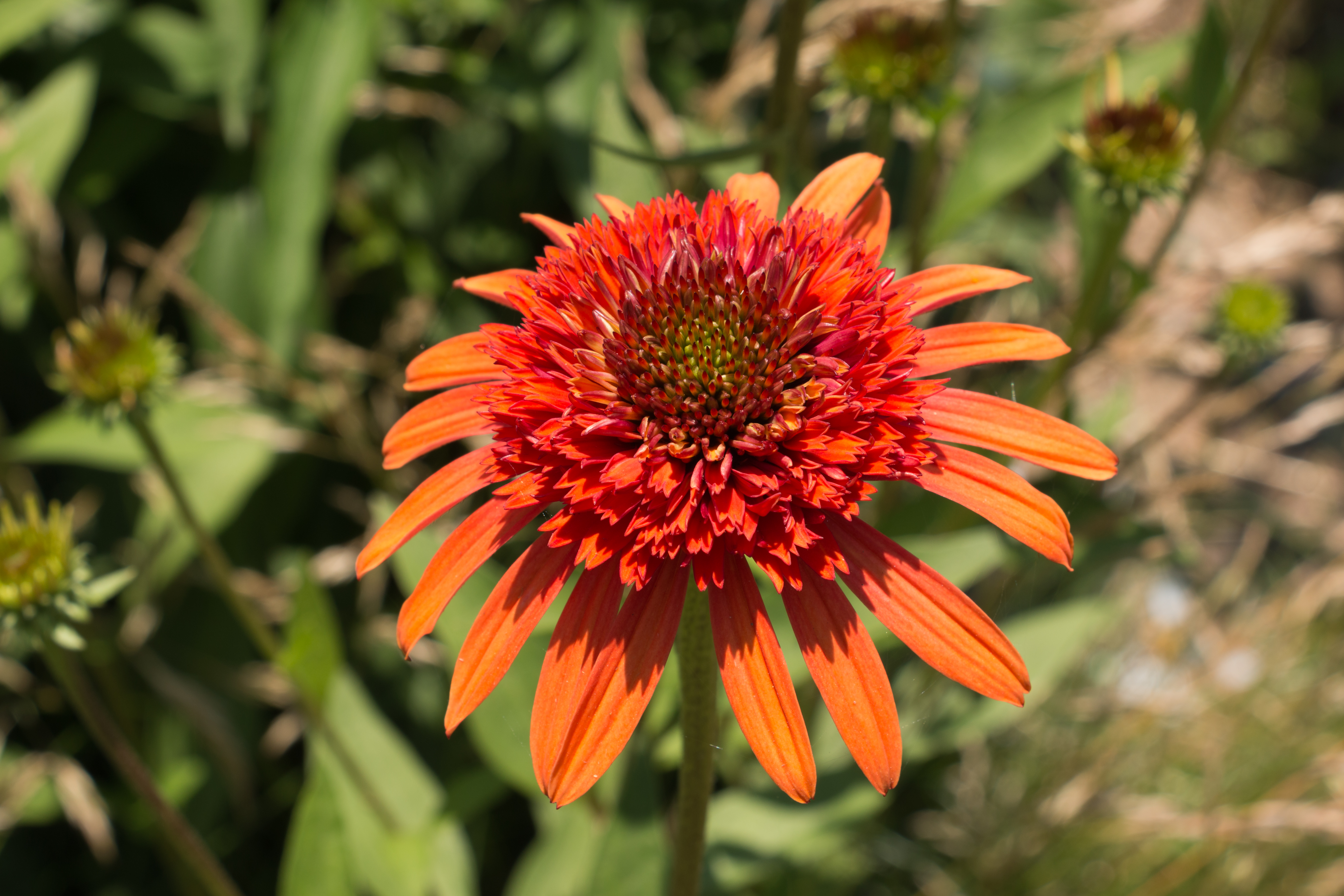
Coneflower ( Echinacea purpurea ): These cheerful, daisy-like flowers are a garden staple. Their coarse texture and strong scent are generally unappealing to deer. They come in various colors and bloom from summer into fall.
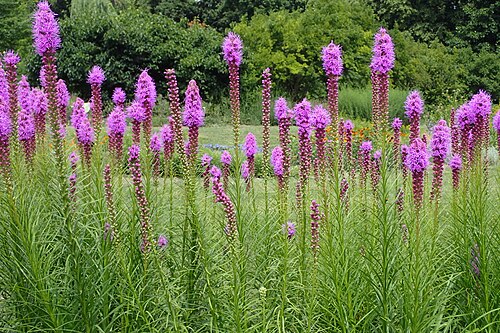
Blazing Star ( Liatris spicata ): Known for its striking purple, bottlebrush-like flowers, Liatris is a pollinator magnet and deer tend to leave it alone. Its stiff, upright form adds architectural interest.
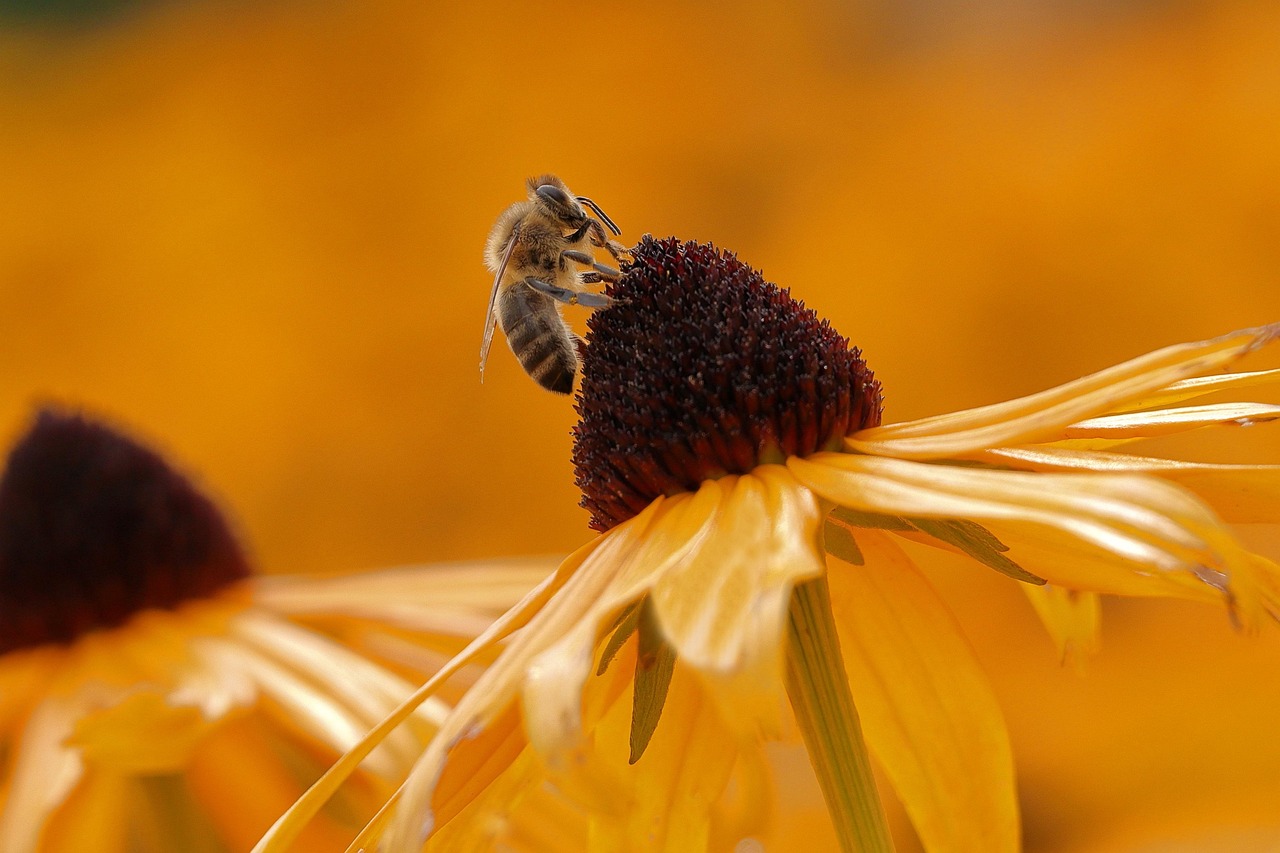
Black-Eyed Susan ( Rudbeckia hirta ): Similar to coneflowers, these bright yellow flowers with dark centers are tough, drought-tolerant once established, and generally ignored by deer. They provide a long season of color.
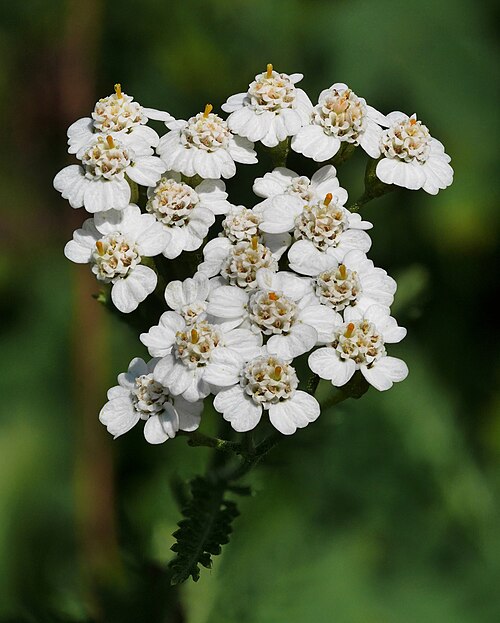
Yarrow ( Achillea millefolium ): With feathery foliage and flat-topped flower clusters, yarrow is highly drought-tolerant and deer-resistant. Its aromatic leaves are a deterrent. Available in white, yellow, pink, and red.
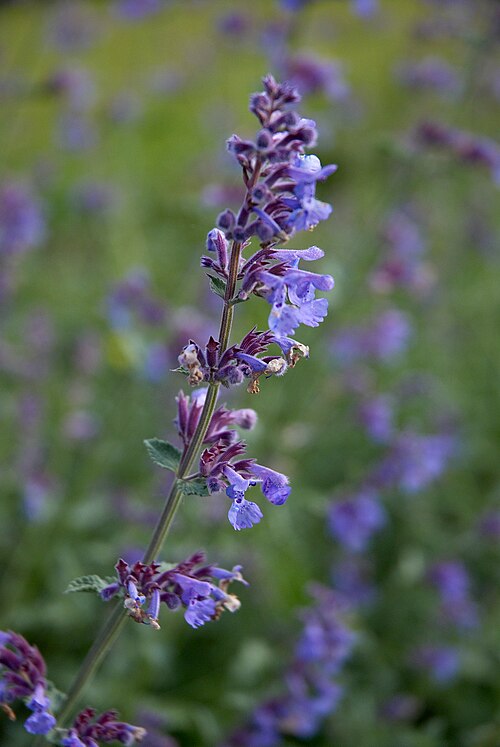
Catmint ( Nepeta spp.): This fragrant, low-maintenance perennial forms soft mounds of silvery-green foliage and lavender-blue flowers. Its strong, minty scent is a major deer deterrent.
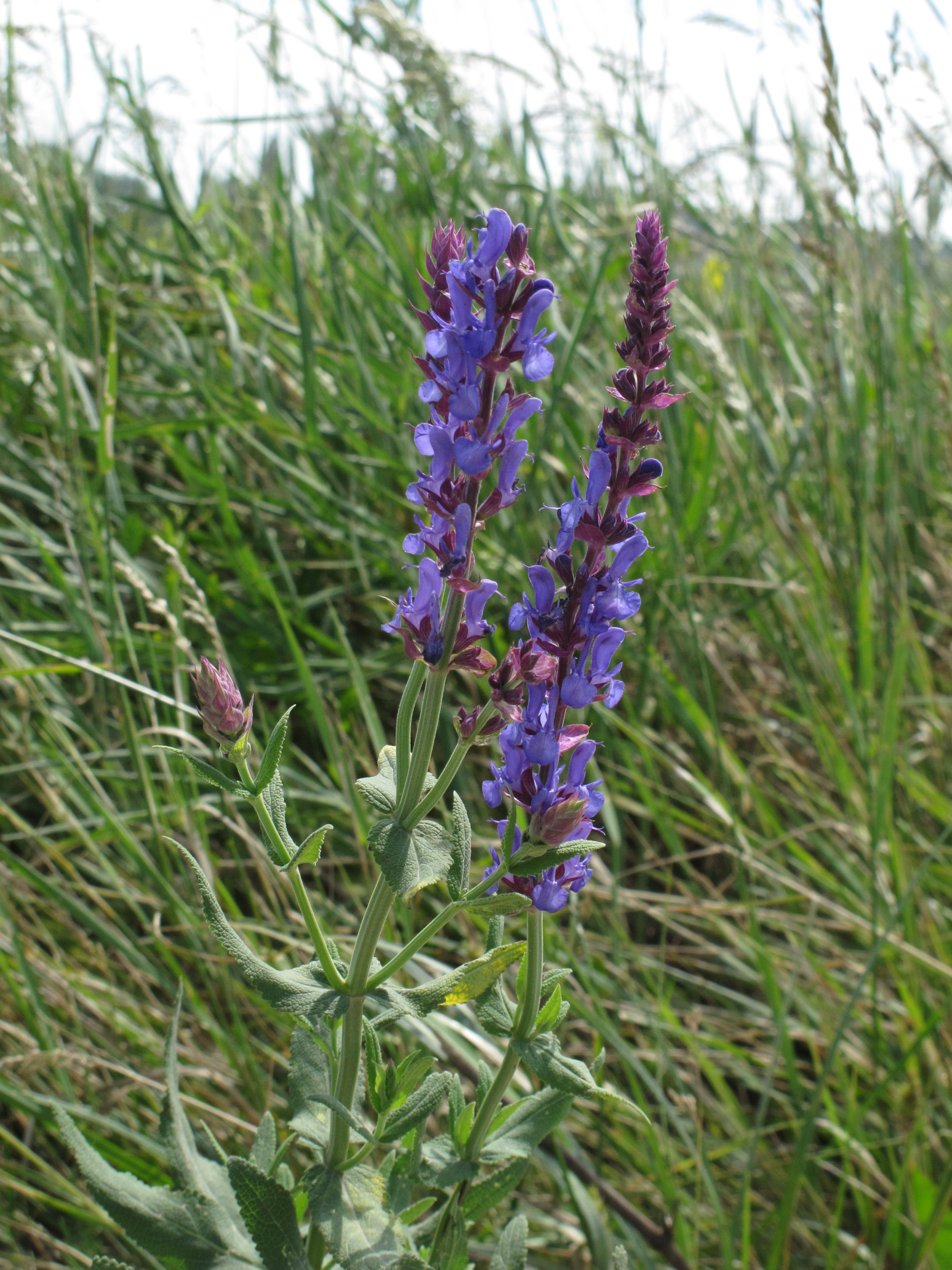
Salvia ( Salvia spp.): Many varieties of salvia (perennial sages) are excellent deer-resistant choices. Their aromatic foliage and vibrant flower spikes are attractive to hummingbirds and butterflies but not deer. Look for varieties like 'May Night' or 'Caradonna'.
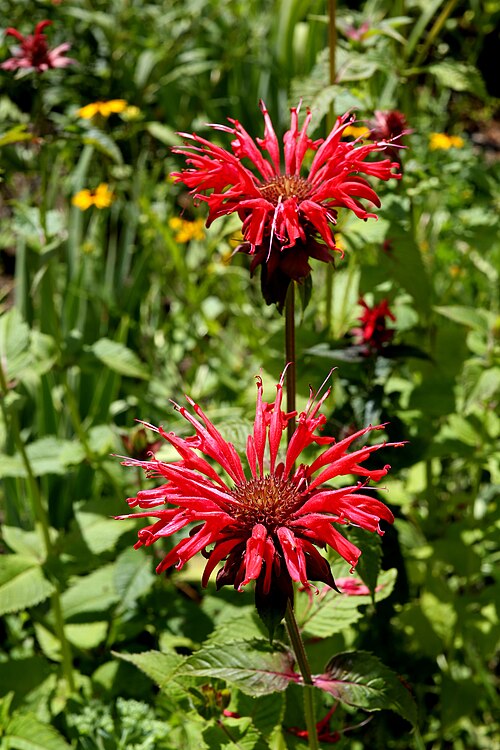
Bee Balm ( Monarda didyma ): Another aromatic herb in the mint family, Bee Balm offers unique, shaggy flowers in shades of red, pink, purple, and white. Deer dislike its strong scent.
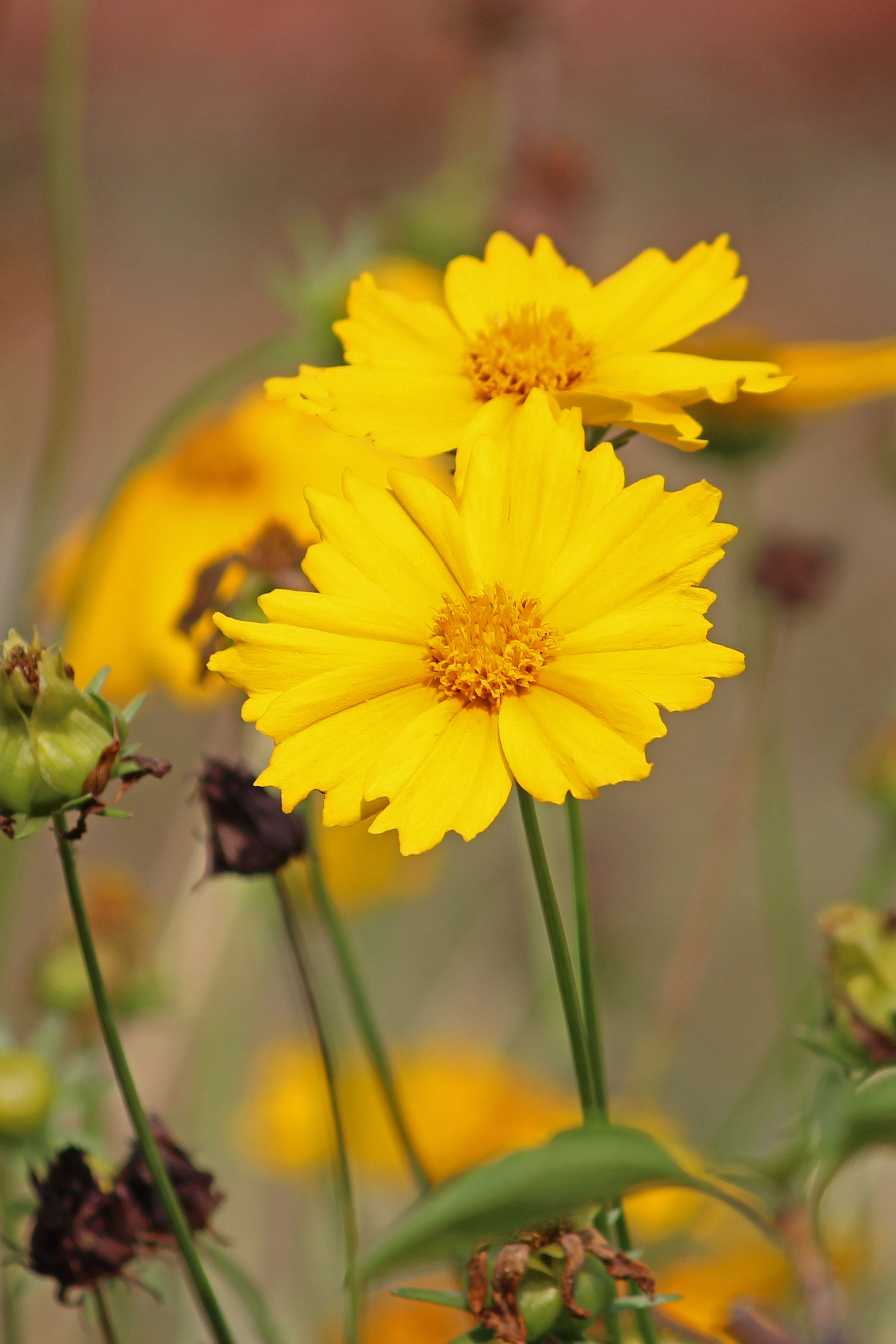
Coreopsis ( Coreopsis spp.): Often called Tickseed, Coreopsis produces a profusion of cheerful, daisy-like flowers, typically in shades of yellow. Its fine-textured foliage is generally passed over by deer.
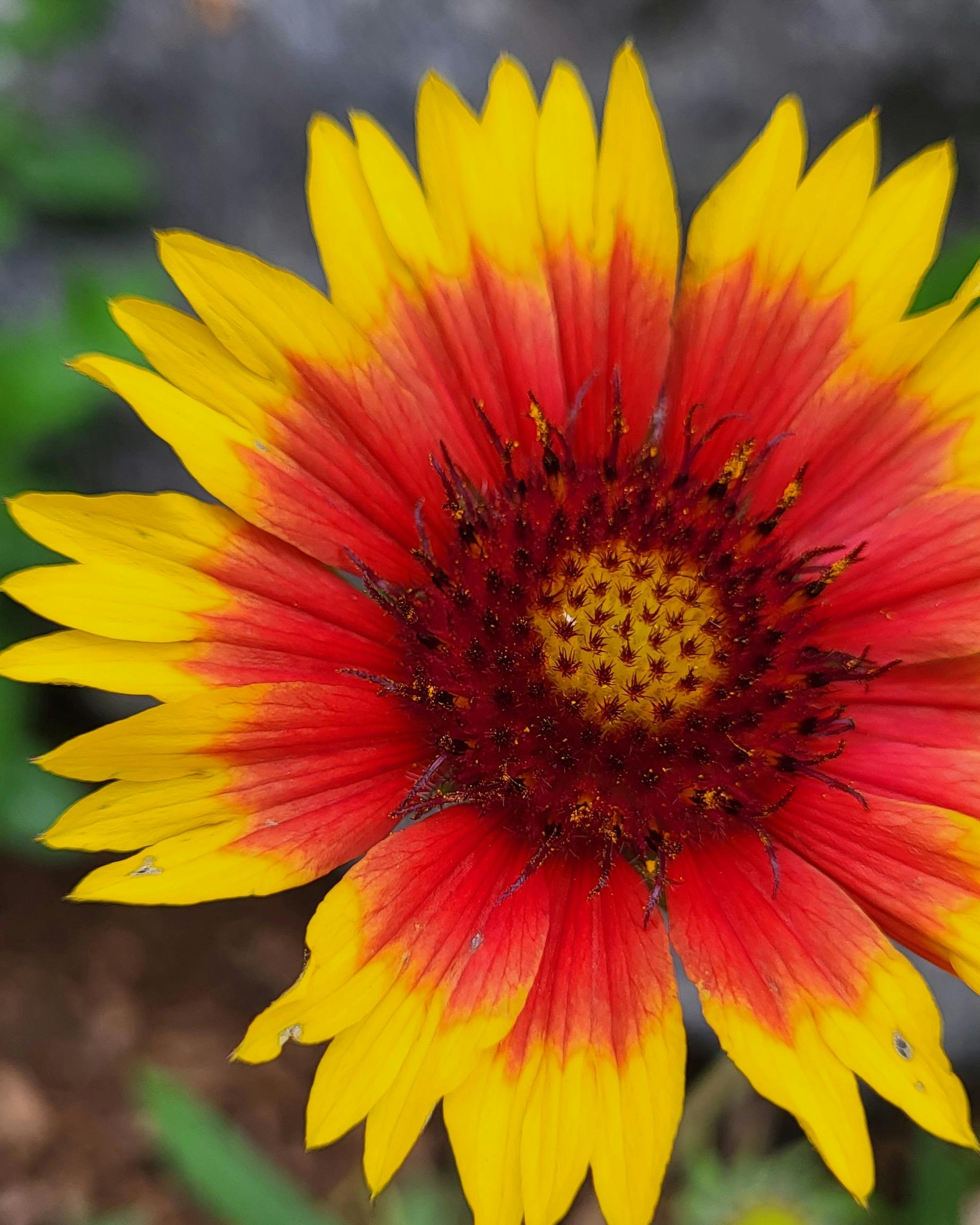
Blanket Flower ( Gaillardia spp.): These vibrant, long-blooming perennials feature daisy-like flowers in warm shades of red, orange, and yellow. They are tough, drought-tolerant, and deer-resistant.
Shade / Partial Shade Options:
- Bleeding Heart ( Dicentra spectabilis ): Known for its charming heart-shaped flowers, Bleeding Heart is a classic shade garden plant that deer typically avoid.
- Ferns (various species): Most ferns are deer-resistant due to their texture and, in some cases, toxicity. Good Zone 5 options include Ostrich Fern, Lady Fern, and Japanese Painted Fern.
- Hellebore ( Helleborus orientalis ): Also known as Lenten Rose, these early-blooming beauties offer evergreen foliage and cup-shaped flowers in late winter to early spring. They are toxic to deer (and other animals).
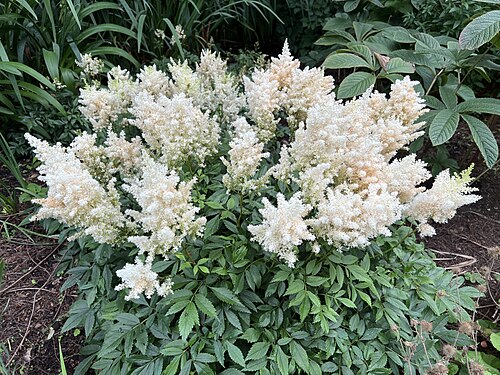
- Astilbe ( Astilbe spp.): With their feathery plumes and attractive foliage, Astilbes add texture and color to shady spots. Deer generally leave them alone.
Deer-Resistant Shrubs and Trees for Zone 5
Don't forget the backbone of your garden! Many woody plants also offer deer resistance.
Shrubs:
- Boxwood ( Buxus spp.): Their distinct scent and leathery leaves make boxwoods a reliable choice for hedging and formal gardens.
- Juniper ( Juniperus spp.): Most junipers, with their prickly or scale-like foliage and strong scent, are highly deer-resistant.
- Spirea ( Spiraea spp.): These versatile shrubs offer beautiful flowers and attractive foliage, and deer usually pass them by.
- Lilac ( Syringa vulgaris ): The fragrant blooms of lilac are irresistible to humans but generally unappealing to deer.
- Potentilla ( Potentilla fruticosa ): Also known as Shrubby Cinquefoil, this tough shrub offers continuous blooms and is very deer-resistant.
- Barberry ( Berberis spp.): The thorny branches of barberry are an excellent deterrent. (Note: some varieties are invasive in certain regions, so choose carefully or opt for sterile cultivars).
Trees:
- Colorado Blue Spruce ( Picea pungens ): The sharp needles of spruces deter deer.
- Pine ( Pinus spp.): Most pines, with their aromatic needles, are deer-resistant.
- Serviceberry ( Amelanchier spp.): While deer might browse young plants, established serviceberries are generally resistant.
- Oak ( Quercus spp.): Mature oaks are rarely bothered by deer, though young saplings may need protection.
Annuals and Bulbs That Deer Dislike
For seasonal color and spring cheer, consider these deer-resistant options:
Annuals:
- Marigold ( Tagetes spp.): Their pungent scent is a classic deer deterrent.
- Zinnia ( Zinnia elegans ): Bright and cheerful, zinnias are usually ignored by deer.
- Lantana ( Lantana camara ): Aromatic foliage and vibrant flower clusters make this a great choice.
- Snapdragon ( Antirrhinum majus ): Deer tend to avoid their bitter taste.
Bulbs:
- Daffodil ( Narcissus spp.): These iconic spring flowers are toxic to deer (and other animals), making them a safe bet.
- Snowdrop ( Galanthus nivalis ): Another early spring bloomer that deer avoid due to toxicity.
- Grape Hyacinth ( Muscari spp.): Their small, bell-shaped flowers are generally left alone.
- Allium ( Allium spp.): The oniony scent of alliums is a strong deer deterrent.
Quick Reference: Deer-Resistant Plants for Zone 5
| Plant Type | Sun Exposure | Deer Resistance | Key Features |
|---|---|---|---|
| Perennials | |||
| Coneflower | Full/Partial Sun | High | Coarse texture, long bloom time |
| Blazing Star | Full Sun | High | Stiff texture, attracts pollinators |
| Black-Eyed Susan | Full/Partial Sun | High | Coarse texture, long bloom time |
| Yarrow | Full Sun | High | Aromatic foliage, drought-tolerant |
| Catmint | Full Sun | High | Aromatic foliage, low maintenance |
| Salvia | Full Sun | High | Aromatic foliage, vibrant spikes |
| Bee Balm | Full/Partial Sun | High | Aromatic foliage, unique flowers |
| Coreopsis | Full Sun | High | Fine texture, prolific blooms |
| Blanket Flower | Full Sun | High | Coarse texture, vibrant colors |
| Bleeding Heart | Partial/Full Shade | High | Unique flowers, early spring interest |
| Ferns | Partial/Full Shade | High | Coarse texture, diverse forms |
| Hellebore | Partial/Full Shade | High | Evergreen foliage, early blooms, toxic |
| Astilbe | Partial/Full Shade | High | Feathery plumes, shade tolerant |
| Shrubs | |||
| Boxwood | Full Sun/Partial Shade | High | Strong scent, dense foliage |
| Juniper | Full Sun | High | Prickly/scaly foliage, strong scent |
| Spirea | Full Sun | High | Attractive flowers & foliage |
| Lilac | Full Sun | High | Fragrant blooms |
| Potentilla | Full Sun | High | Continuous blooms, tough |
| Barberry | Full Sun | High | Thorny branches |
| Trees | |||
| Colorado Blue Spruce | Full Sun | High | Sharp needles |
| Pine | Full Sun | High | Aromatic needles |
| Annuals | |||
| Marigold | Full Sun | High | Pungent scent |
| Zinnia | Full Sun | High | Coarse texture, vibrant blooms |
| Lantana | Full Sun | High | Aromatic foliage, vibrant clusters |
| Snapdragon | Full Sun | High | Bitter taste |
| Bulbs | |||
| Daffodil | Full Sun/Partial Sun | High | Toxic |
| Snowdrop | Full Sun/Partial Sun | High | Toxic |
| Grape Hyacinth | Full Sun/Partial Sun | High | Generally avoided |
| Allium | Full Sun | High | Onion scent |
Disclaimer: No plant is truly deer-proof. Deer resistance can vary based on local deer populations, food availability, and individual deer preferences. Young or stressed plants are often more vulnerable.
Pet Safety Note
While many of these plants are deer-resistant due to their toxicity or unpleasant taste, it's crucial to remember that what deters deer might also be harmful to pets. Always research the specific plants you choose to ensure they are appropriate for your household, especially if you have curious cats or dogs. If you suspect your pet has ingested a toxic plant, call the ASPCA Animal Poison Control Center immediately at (888) 426-4435.
Creating a beautiful garden in Zone 5 with deer pressure is entirely achievable with careful plant selection and strategic planning. By focusing on deer-resistant varieties and employing smart gardening practices, you can enjoy a vibrant landscape that thrives season after season.
Ready to find the perfect plants for your yard? Try the PlantWise Plant Finder →