Complete Guide to Deer-Resistant Plants in Zone 6
Gardening in Zone 6 comes with its perks - a good balance of cold winters and warm summers allows for a wide variety of plants to thrive. However, if you share your landscape with deer, you know the frustration of waking up to munched-on hostas or defoliated roses. Finding plants that can withstand the appetites of these graceful, yet often destructive, creatures is key to a beautiful and thriving garden. This complete guide will help Zone 6 gardeners select a diverse range of plants that deer generally avoid, allowing you to create a vibrant, deer-resistant landscape without constant worry.
🌱 Get Personalized Plant Picks
Answer a few quick questions and we’ll match plants to your exact yard conditions.
Find My Plants →Understanding Deer Behavior and Plant Preferences
Before diving into specific plant recommendations, it's helpful to understand why deer prefer certain plants over others. No plant is truly deer-proof, especially when deer are hungry or their natural food sources are scarce. However, some plants are consistently less appealing to them due to several characteristics:
- Strong Scents: Aromatic plants with strong-smelling foliage (like herbs or many salvias) often deter deer.
- Fuzzy or Hairy Leaves: The texture of plants like Lamb's Ear or Mullein can be off-putting.
- Thorny or Prickly: Roses are an exception, but many thorny plants are avoided.
- Toxic or Bitter Taste: Plants that are poisonous or simply taste bad to deer are usually left alone.
- Milky Sap: Some plants with milky sap are also less appealing.
Deer are creatures of habit and opportunity. They often browse along familiar paths, and young, tender growth is always more attractive than mature, tougher foliage. While this guide focuses on plants they tend to avoid, remember that a hungry deer might try anything once!
Strategies for a Deer-Resistant Zone 6 Garden
Beyond plant selection, consider these strategies to further protect your garden:
- Diversify Your Planting: A monoculture of deer favorites is an open invitation. Mix in deer-resistant varieties.
- Physical Barriers: Fencing is the most effective method, but even temporary netting around new plantings can help.
- Repellents: Scent or taste-based repellents can be effective, but require consistent reapplication, especially after rain.
- Location, Location, Location: Place highly desirable plants closer to your home or in more protected areas.
- Companion Planting: While not foolproof, planting strong-smelling deer-resistant plants next to more vulnerable ones can sometimes offer a degree of protection.
Deer-Resistant Perennials for Zone 6
Perennials are the backbone of any garden, returning year after year. Here are some excellent deer-resistant choices for Zone 6 that offer long-lasting beauty:
- Aromatic Herbs & Flowers: Many herbs are naturally deer-resistant.
A tough, low-maintenance plant with soft purple blooms. * Salvia (Salvia spp.):
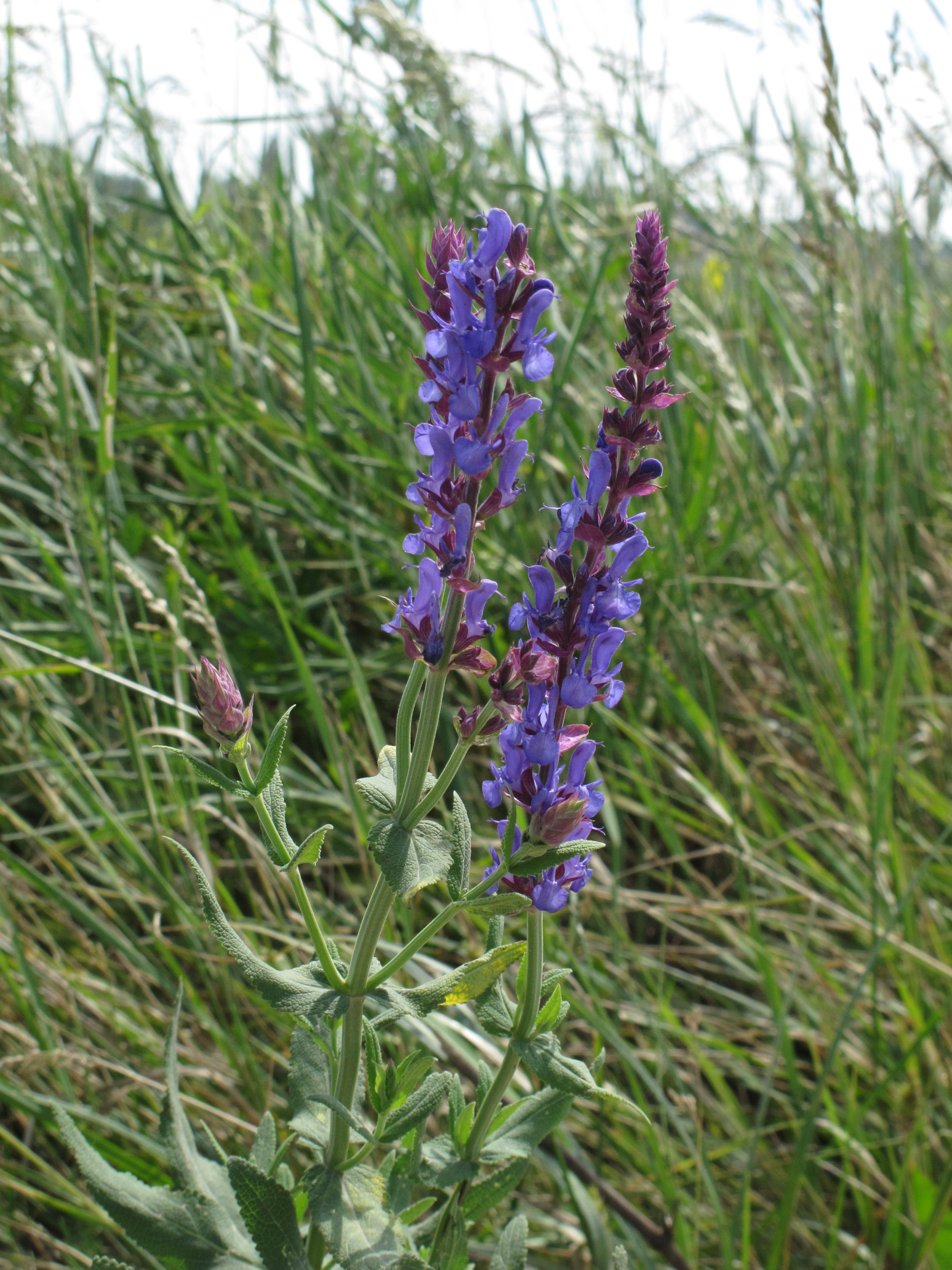
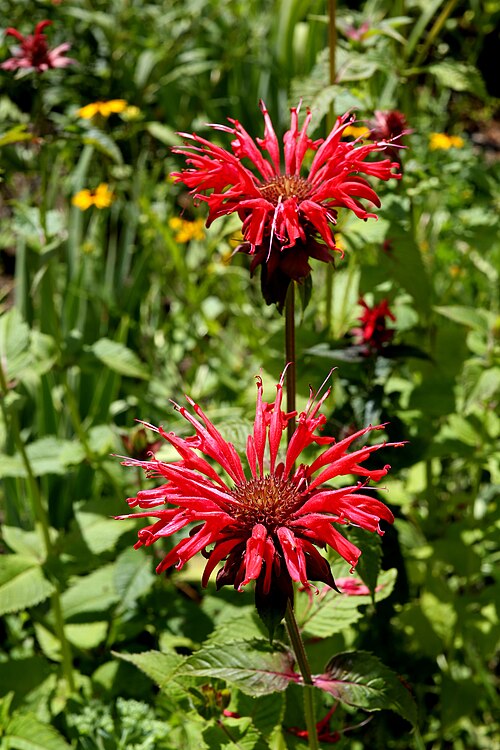
A vast genus offering a huge range of colors and forms, many with aromatic foliage. * Bee Balm (Monarda didyma):
Striking, shaggy flowers that attract pollinators but deter deer.
- Textural & Tough Foliage:
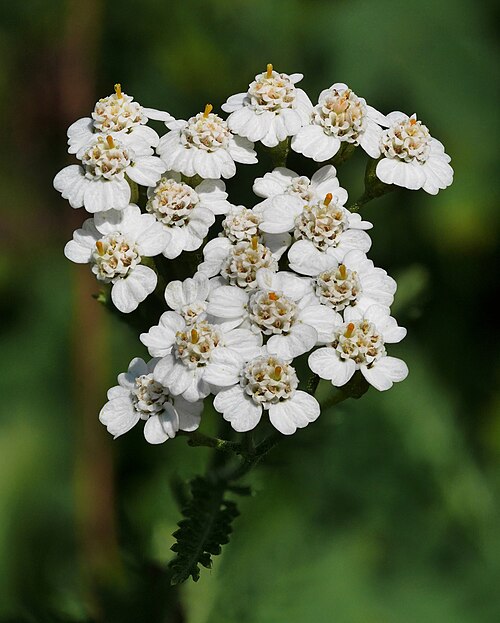
- Yarrow (Achillea millefolium):
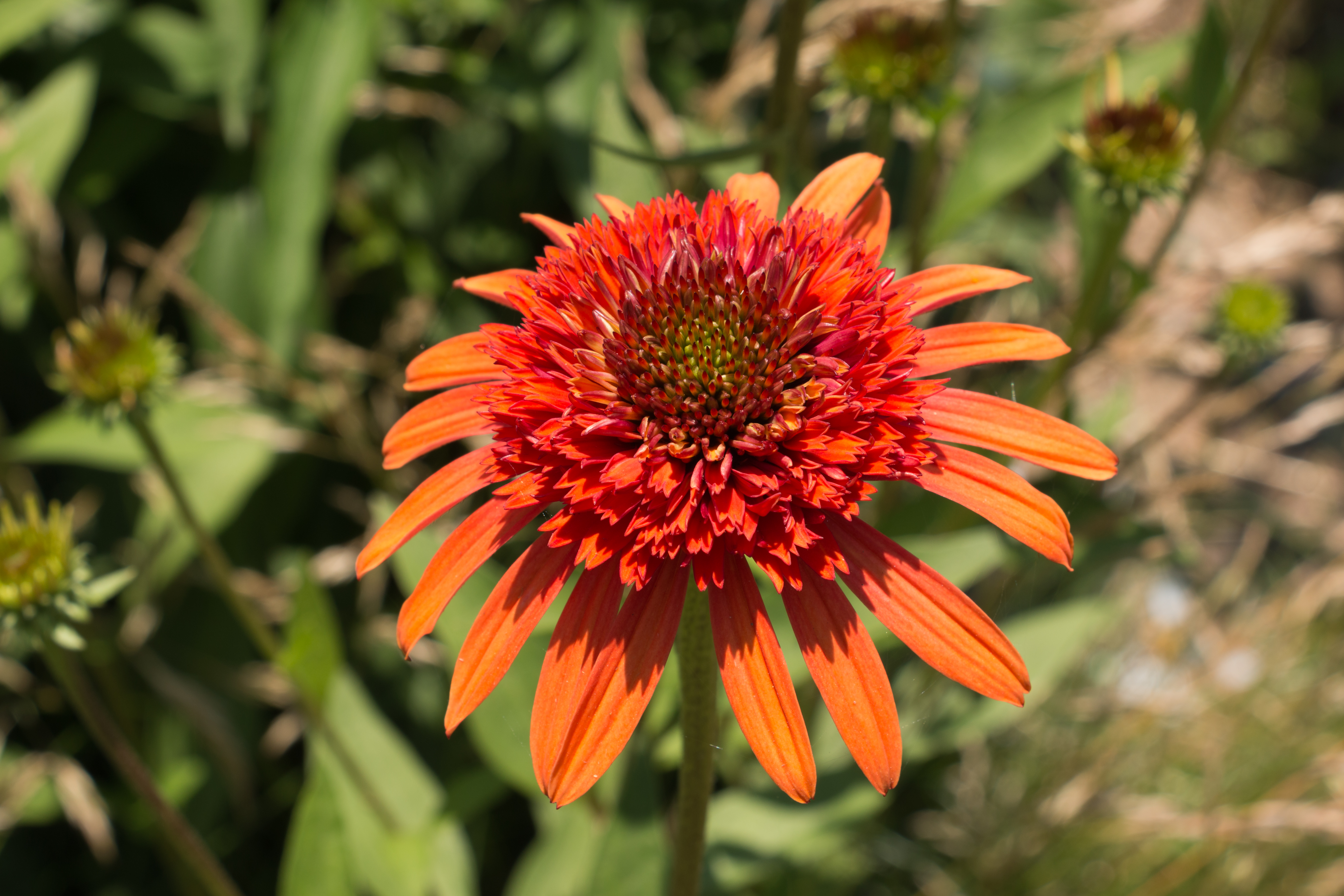
Feathery foliage and flat-topped flower clusters in various colors. Very drought-tolerant once established. * Coneflower (Echinacea purpurea):
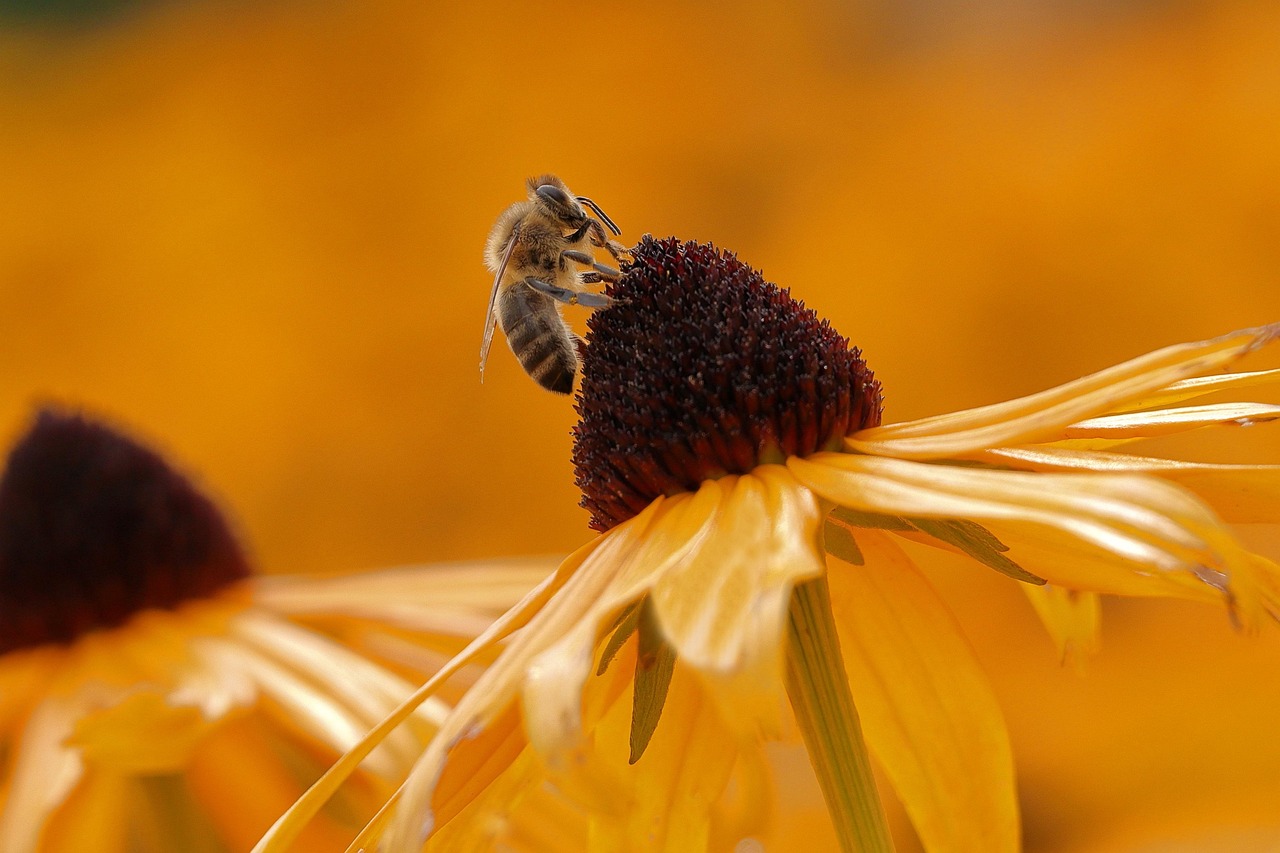
Iconic daisy-like flowers with a prominent central cone. * Black-eyed Susan (Rudbeckia hirta):
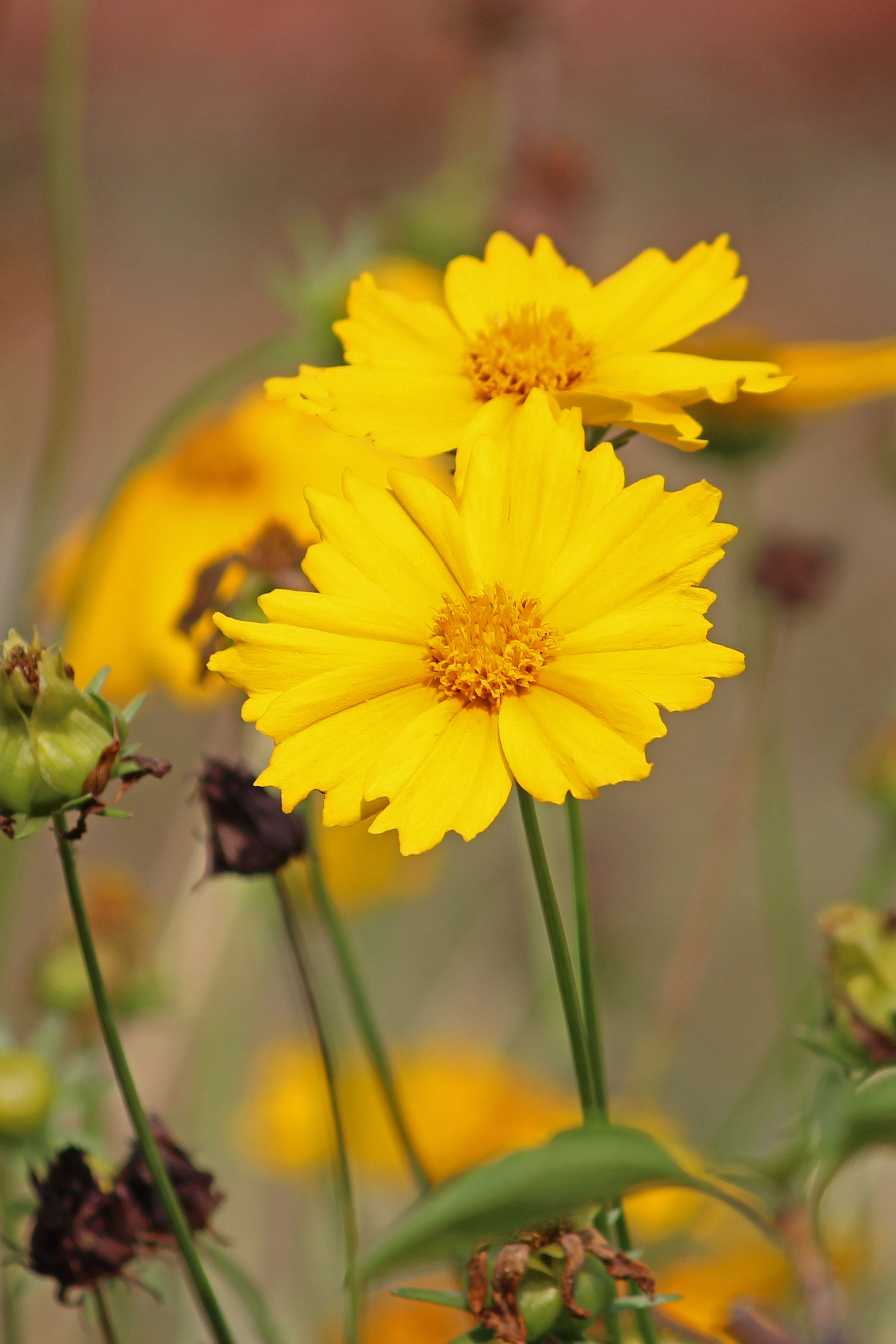
Cheerful yellow petals with a dark center. * Coreopsis (Coreopsis spp.):
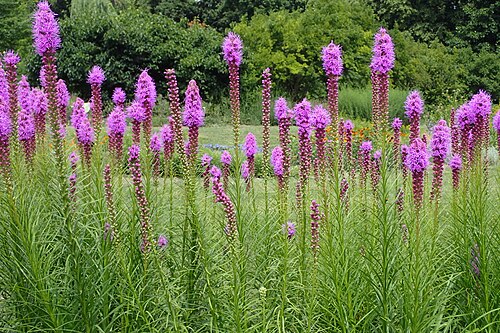
Bright, long-blooming daisy-like flowers. * Blazing Star (Liatris spicata):
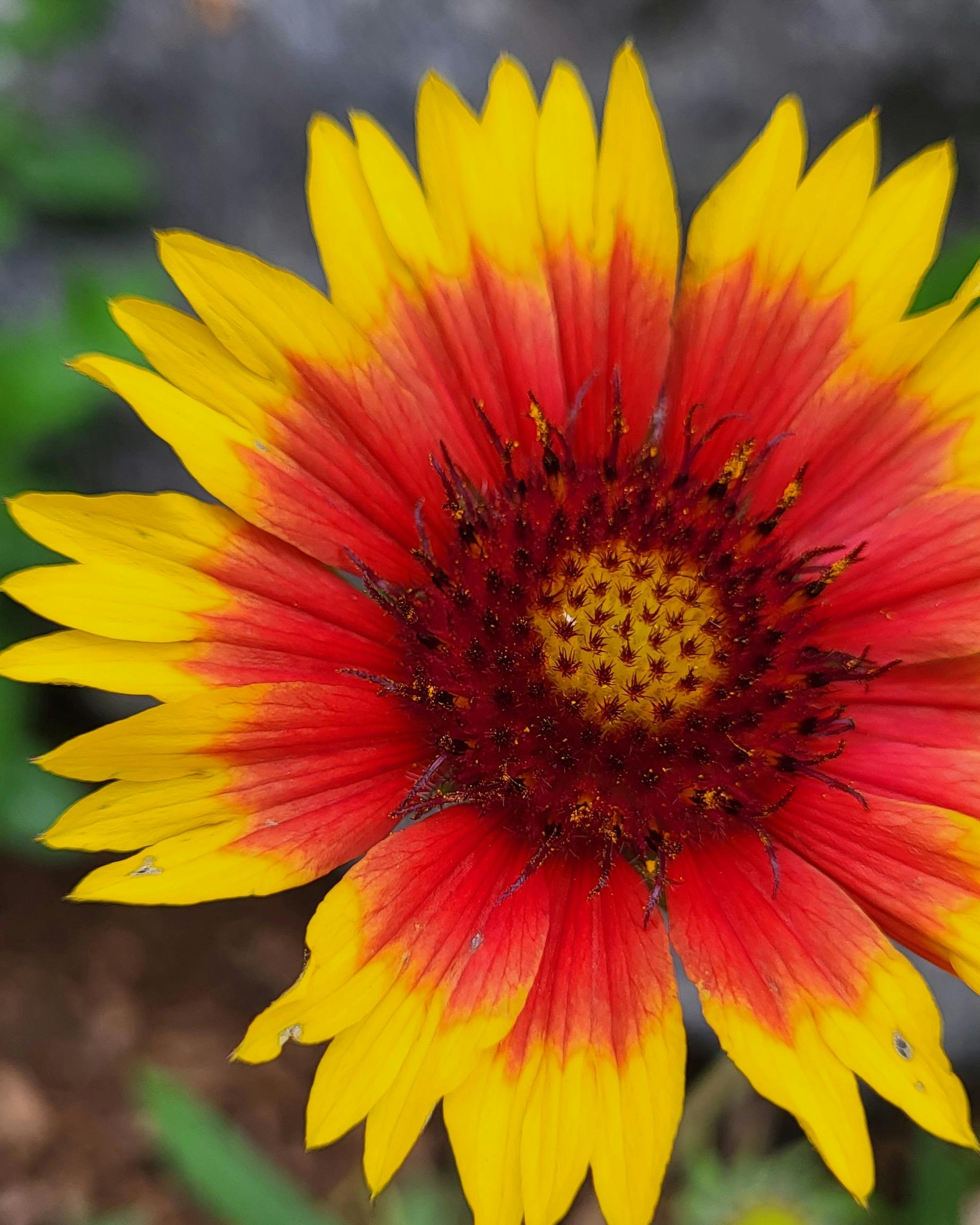
Tall, spiky purple flowers that bloom from the top down. * Blanket Flower (Gaillardia x grandiflora):
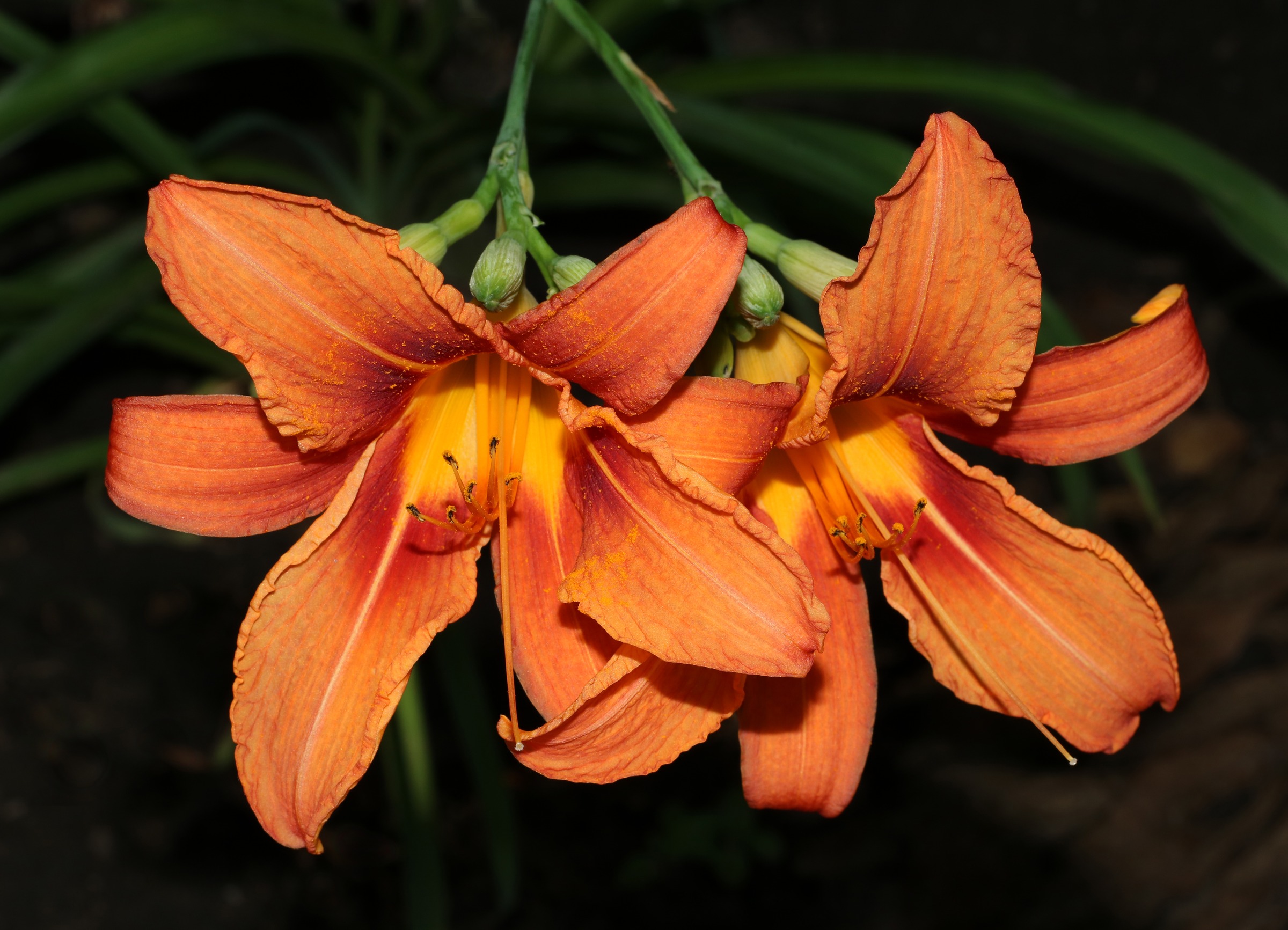
Vibrant, daisy-like flowers in shades of red, orange, and yellow. * Daylily (Hemerocallis spp.):
While deer can browse daylilies, many gardeners find them to be reasonably resistant, especially older, tougher varieties. Their quick regrowth often makes them a tolerable choice. * Bleeding Heart (Dicentra spectabilis): Delicate heart-shaped flowers, typically avoided. * Peony (Paeonia spp.): Large, fragrant blooms are generally left alone. * Hellebore (Helleborus spp.): Early-blooming, evergreen perennials that are highly toxic to deer. * Ferns: Most ferns are not appealing to deer.
Deer-Resistant Shrubs for Zone 6
Shrubs provide structure and year-round interest. Here are some reliable deer-resistant options:
- Boxwood (Buxus spp.): Classic evergreen for hedging and formal gardens. Its distinct scent deters deer.
- Juniper (Juniperus spp.): Many varieties offer different forms and textures, from groundcovers to upright specimens.
- Spirea (Spiraea spp.): Cheerful flowering shrubs with various bloom times and colors.
- Potentilla (Potentilla fruticosa): Long-blooming, low-maintenance shrub with small, rose-like flowers.
- Barberry (Berberis thunbergii): Thorny branches make this a deer deterrent, though some states restrict certain invasive varieties. Check local regulations.
- Lilac (Syringa vulgaris): Beloved for its fragrant spring blooms, lilacs are generally ignored by deer.
- Weigela (Weigela florida): Attractive flowering shrub with bell-shaped flowers.
- Sumac (Rhus spp.): Native shrubs with interesting fall color and seed heads.
Deer-Resistant Trees for Zone 6
For shade, height, and seasonal interest, consider these deer-resistant trees:
- Maple (Acer spp.): While young maples can sometimes be browsed, mature trees are generally safe.
- Oak (Quercus spp.): A wide variety of oaks are excellent choices for larger landscapes.
- Birch (Betula spp.): Known for their striking bark, birches are typically deer-resistant.
- Serviceberry (Amelanchier canadensis): Offers spring blooms, edible berries, and beautiful fall color.
- Ginkgo (Ginkgo biloba): A unique, ancient tree with distinctive fan-shaped leaves and brilliant yellow fall color.
- Pine (Pinus spp.): Most conifers, including pines, are not preferred by deer.
- Spruce (Picea spp.): Another excellent conifer choice for year-round interest.
Deer-Resistant Annuals for Zone 6
Annuals fill in gaps and provide continuous color. While you'll replant them each year, these options are less likely to be nibbled:
- Marigold (Tagetes spp.): Their strong, pungent scent is a well-known deer deterrent.
- Zinnia (Zinnia elegans): Bright, cheerful flowers that bloom profusely.
- Cosmos (Cosmos bipinnatus): Delicate, airy flowers that self-seed readily.
- Snapdragon (Antirrhinum majus): Unique flower spikes in a range of colors.
- Lantana (Lantana camara): Clusters of vibrant, multi-colored flowers.
- Nicotiana (Nicotiana alata): Fragrant, trumpet-shaped flowers, especially at night.
Quick Reference: Deer-Resistant Plant Characteristics
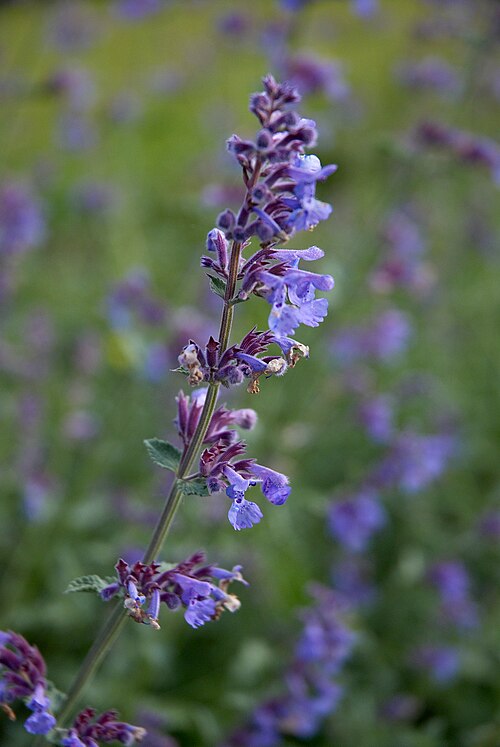
| Characteristic | Examples Lavender (Lavandula spp.): The fragrant foliage of lavender is generally avoided by deer. * Catmint (Nepeta spp.):
This tough, drought-tolerant perennial has aromatic foliage and a profusion of small, airy purple flowers that deer tend to ignore. * Salvia (Salvia spp.):
Many varieties, from annual bedding salvias to perennial sages, have fragrant leaves and vibrant blooms that deer find unappealing. * Bee Balm (Monarda didyma):
Its minty-scented foliage and unique, shaggy flowers are a hit with pollinators but not with deer.
- Fuzzy or Hairy Foliage:
- Lamb's Ear (Stachys byzantina): The soft, fuzzy leaves are a tactile delight for humans but not for deer.
- Mullein (Verbascum spp.): Tall spikes of flowers emerge from rosettes of large, fuzzy leaves.
- Coarse or Tough Foliage:
- Yarrow (Achillea millefolium):
Its finely dissected, fern-like foliage and flat-topped flower clusters are generally deer-resistant. * Coneflower (Echinacea purpurea):
The coarse texture of its leaves and strong stems make it less palatable. * Black-eyed Susan (Rudbeckia hirta):
Similar to coneflowers, their slightly rough leaves are often passed over. * Coreopsis (Coreopsis spp.):
The fine, almost needle-like foliage of many varieties is not a deer favorite. * Blazing Star (Liatris spicata):
Its grass-like foliage and stiff flower spikes are generally ignored. * Blanket Flower (Gaillardia x grandiflora):
Slightly hairy leaves and a bitter taste make this a good choice. * Daylily (Hemerocallis spp.):
While deer can browse daylilies, their tough, strap-like leaves and ability to quickly regrow often make them a tolerable choice for many gardeners.
- Toxic or Bitter:
- Hellebore (Helleborus spp.): Also known as Lenten Rose, these early bloomers are highly toxic and deer avoid them.
- Bleeding Heart (Dicentra spectabilis): Delicate, heart-shaped flowers and foliage are toxic.
- Peony (Paeonia spp.): The foliage and large, fragrant blooms are generally left alone.
- Ferns: Most varieties are not palatable to deer.
Pet Safety Note
When selecting plants, always consider your pets. While many deer-resistant plants are also not listed as toxic to common household pets, some can be. For example, Hellebores are toxic to deer and also to dogs and cats. Always research the specific plant's toxicity to pets. If you suspect your pet has ingested a toxic plant, call the ASPCA Animal Poison Control Center immediately at (888) 426-4435.
Building Your Deer-Resistant Oasis
Creating a deer-resistant garden in Zone 6 is entirely achievable with careful planning and plant selection. By focusing on plants with characteristics that deer dislike - strong scents, fuzzy textures, or unpalatable tastes - you can cultivate a beautiful and thriving landscape that you and your local wildlife can both enjoy, without the constant battle. Remember, no plant is truly deer-proof, but these selections offer a high degree of resistance, giving you peace of mind and a more beautiful garden.
Ready to find the perfect plants for your yard? Try the PlantWise Plant Finder →