Complete Guide to Deer-Resistant Plants in Zone 7
Dealing with deer can be one of the most frustrating challenges for gardeners in Zone 7, where these persistent foragers are often year-round residents. While no plant is truly "deer-proof" when food is scarce, choosing deer-resistant plants is your best strategy for a thriving garden that doesn't become a deer buffet. This guide will help you select beautiful, resilient plants that deer typically avoid, allowing you to create a vibrant landscape in your Zone 7 garden without constant worry.
🌱 Get Personalized Plant Picks
Answer a few quick questions and we’ll match plants to your exact yard conditions.
Find My Plants →Understanding Deer Behavior and Preferences
Deer are creatures of habit and opportunity. They are most active at dawn and dusk, and their feeding patterns are influenced by population density, food availability, and even the weather. In Zone 7, which encompasses a wide range of climates from the Mid-Atlantic to parts of the Southeast, deer populations can be significant.
Why do deer eat some plants and not others? Deer tend to avoid plants that are:
- Highly aromatic: Strong-smelling herbs or flowers often deter them.
- Fuzzy or spiky: Textured leaves or stems are unpleasant to chew.
- Toxic or bitter: Plants with compounds that are unpalatable or harmful.
- Tough or leathery: Difficult to digest.
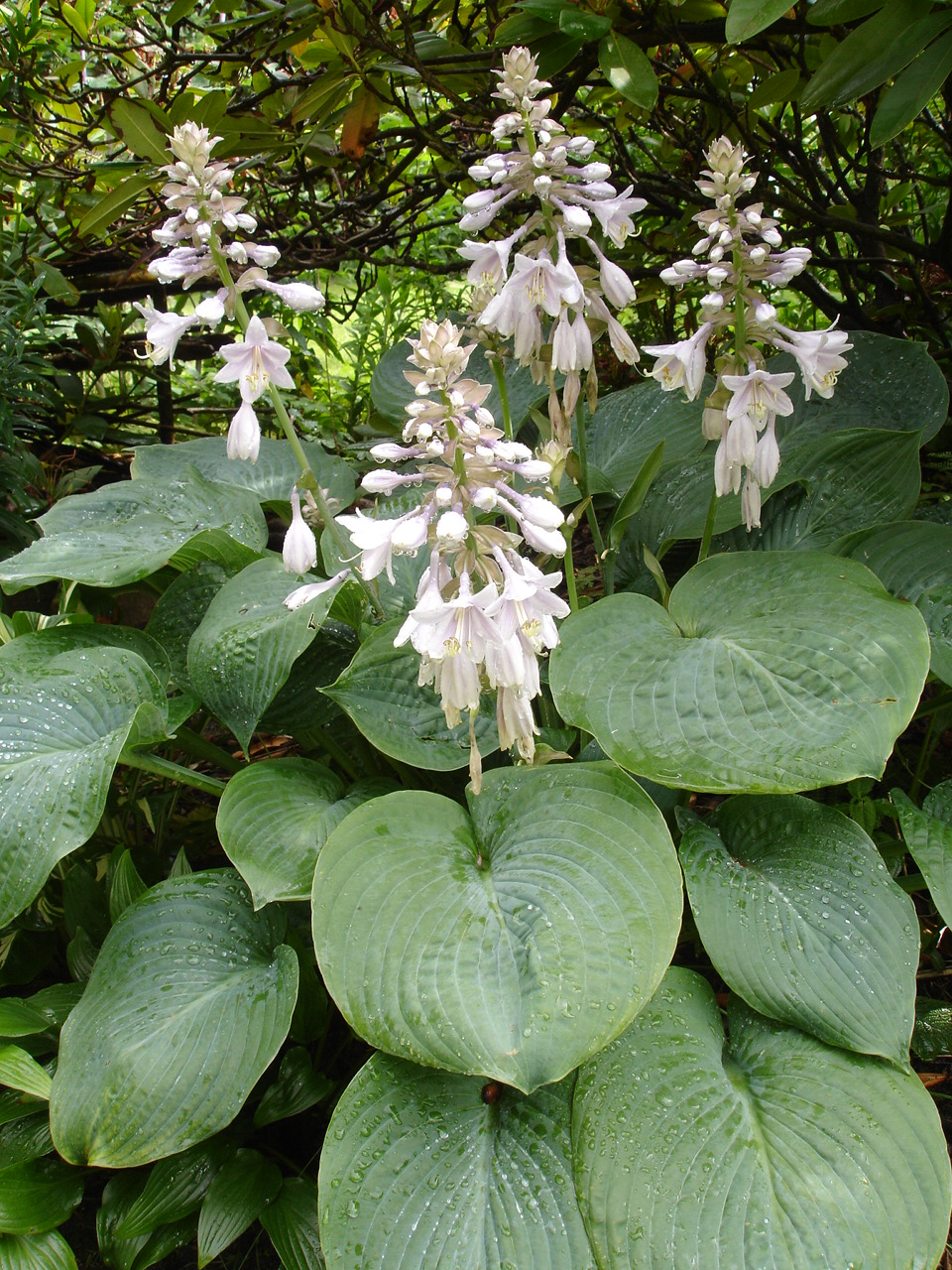
Conversely, deer are often drawn to tender, leafy greens, hostas, tulips, and roses. Understanding these preferences is key to making smart planting choices. Remember, a hungry deer will eat almost anything, so while we use the term "deer-resistant," it's more accurate to think of these plants as "less preferred."
Strategies for a Deer-Resistant Garden
Beyond plant selection, incorporating a few other strategies can significantly reduce deer damage:
- Layering: Plant deer-resistant plants around more vulnerable ones. This creates a "buffer zone."
- Fencing: The most effective, though often the most expensive and aesthetically challenging, solution. Fences need to be at least 8 feet tall to be truly deer-proof.
- Repellents: Scent-based or taste-based repellents can work, but require consistent reapplication, especially after rain. Rotate types to prevent deer from becoming accustomed to them.
- Companion Planting: While not a foolproof method, planting strong-smelling herbs like rosemary or lavender near vulnerable plants might offer some protection.
- Clean Up: Remove fallen fruit or vegetables that might attract deer to your yard.
Top Deer-Resistant Perennials for Zone 7
Perennials are the backbone of any garden, returning year after year. Here are some excellent deer-resistant choices for Zone 7 that offer beauty and resilience.
Flowering Perennials:
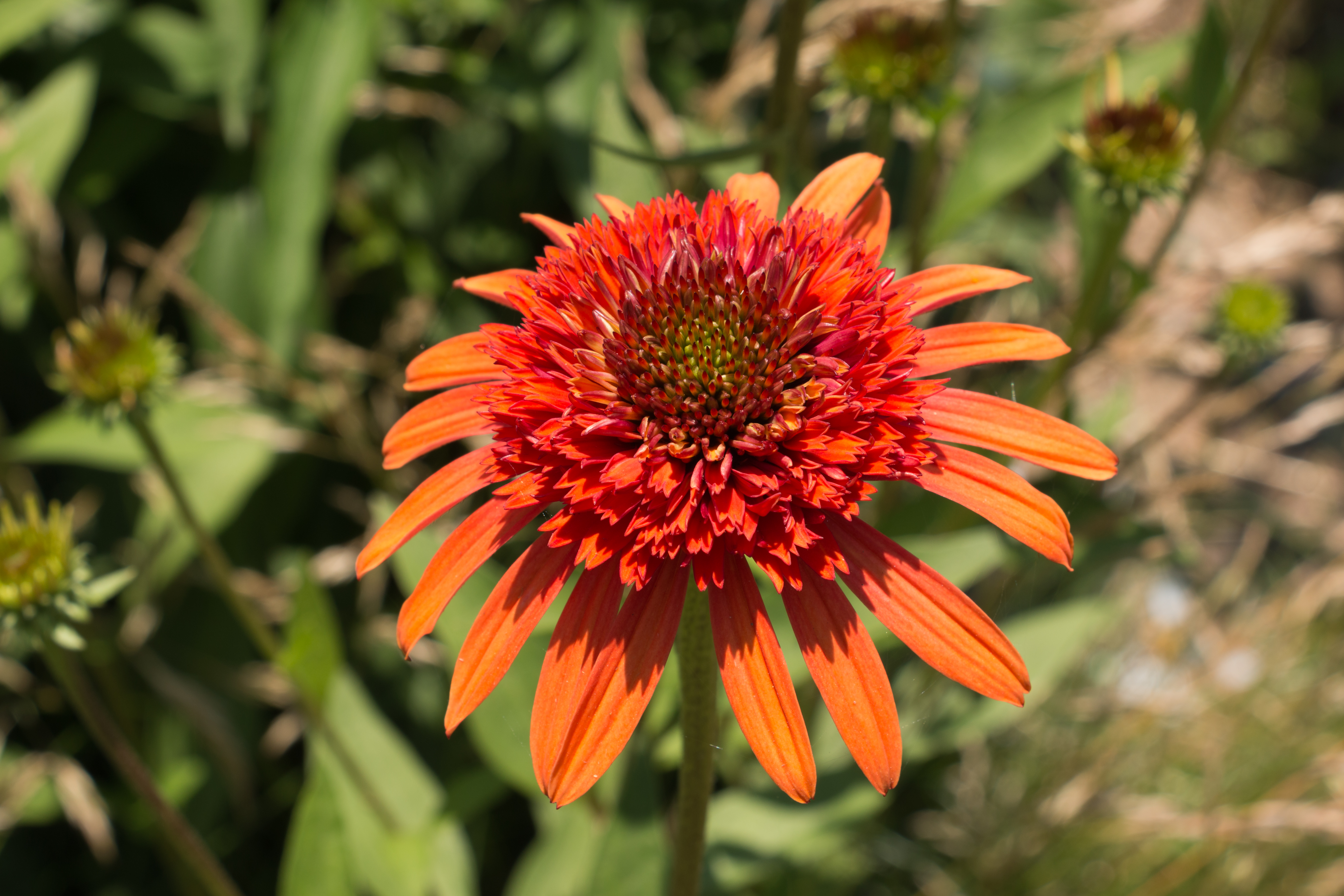
(Echinacea purpurea):** These cheerful, daisy-like flowers are a pollinator magnet and rarely bothered by deer. They thrive in full sun and well-drained soil.
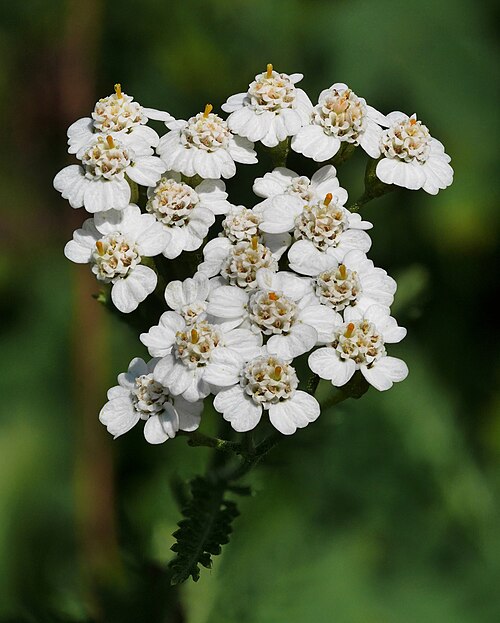
(Achillea millefolium):** With flat-topped flower clusters and fern-like foliage, yarrow is drought-tolerant and deer-resistant. Its strong scent is a deterrent.
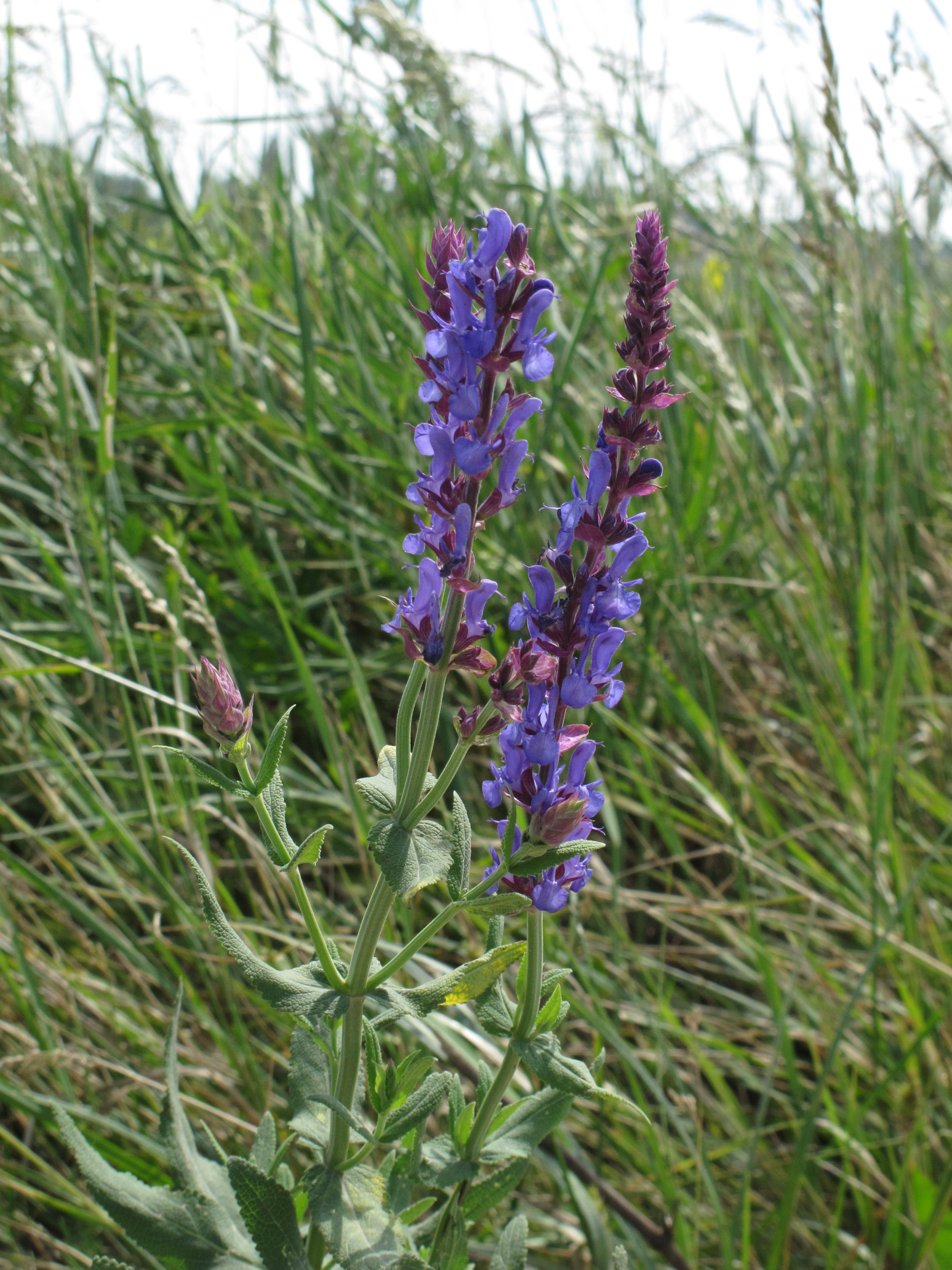
(Salvia spp.):** A vast genus offering a wide range of colors and bloom times. Most salvias are highly aromatic and deer tend to steer clear. They love full sun.
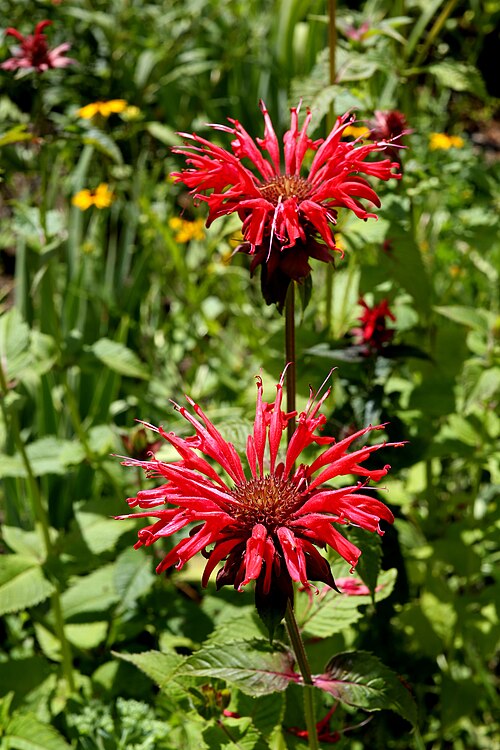
(Monarda didyma):** Known for its unique, shaggy flowers and minty fragrance, Bee Balm is a favorite of hummingbirds and bees, but not deer. It prefers moist, well-drained soil.
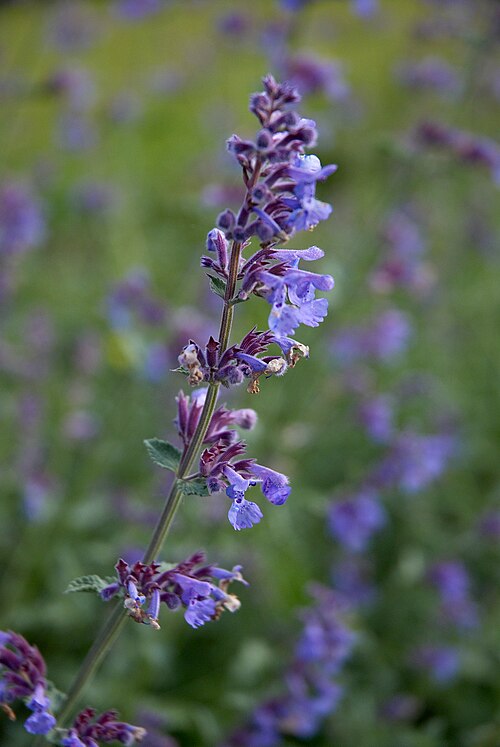
(Nepeta x faassenii):** This tough, low-maintenance plant produces clouds of lavender-blue flowers for months. Its aromatic foliage is a strong deer deterrent.
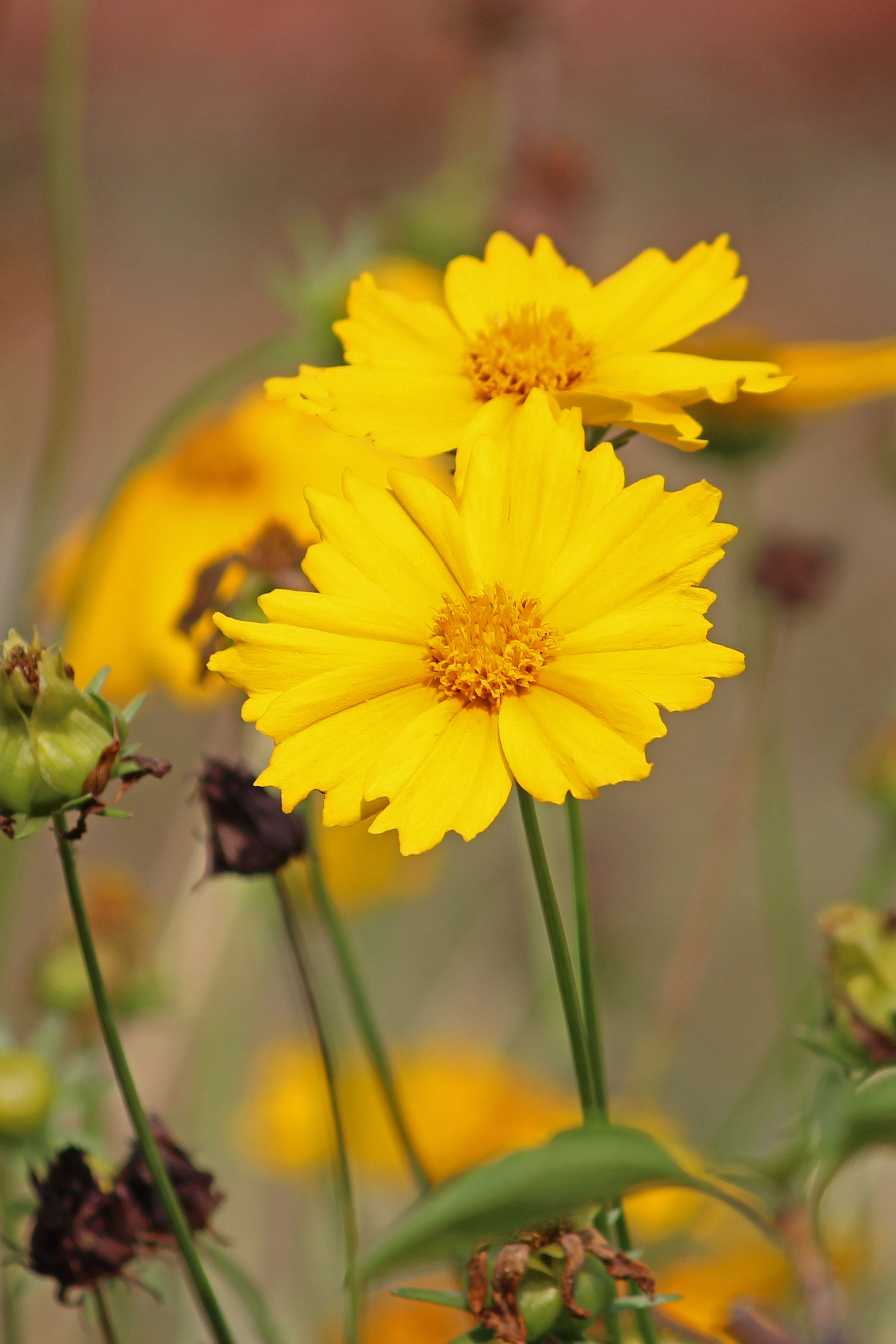
(Coreopsis spp.):** Also known as Tickseed, these bright, cheerful flowers bloom profusely in full sun. Most varieties are reliably deer-resistant.
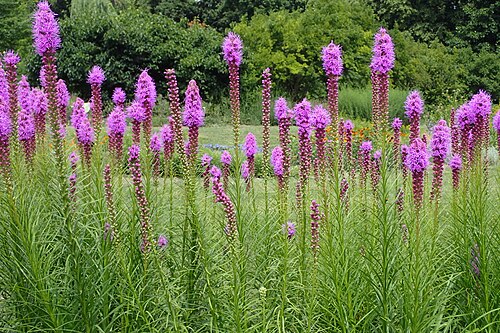
(Liatris spicata):** Tall, spiky purple flowers that bloom from the top down. A striking vertical accent that deer typically ignore.
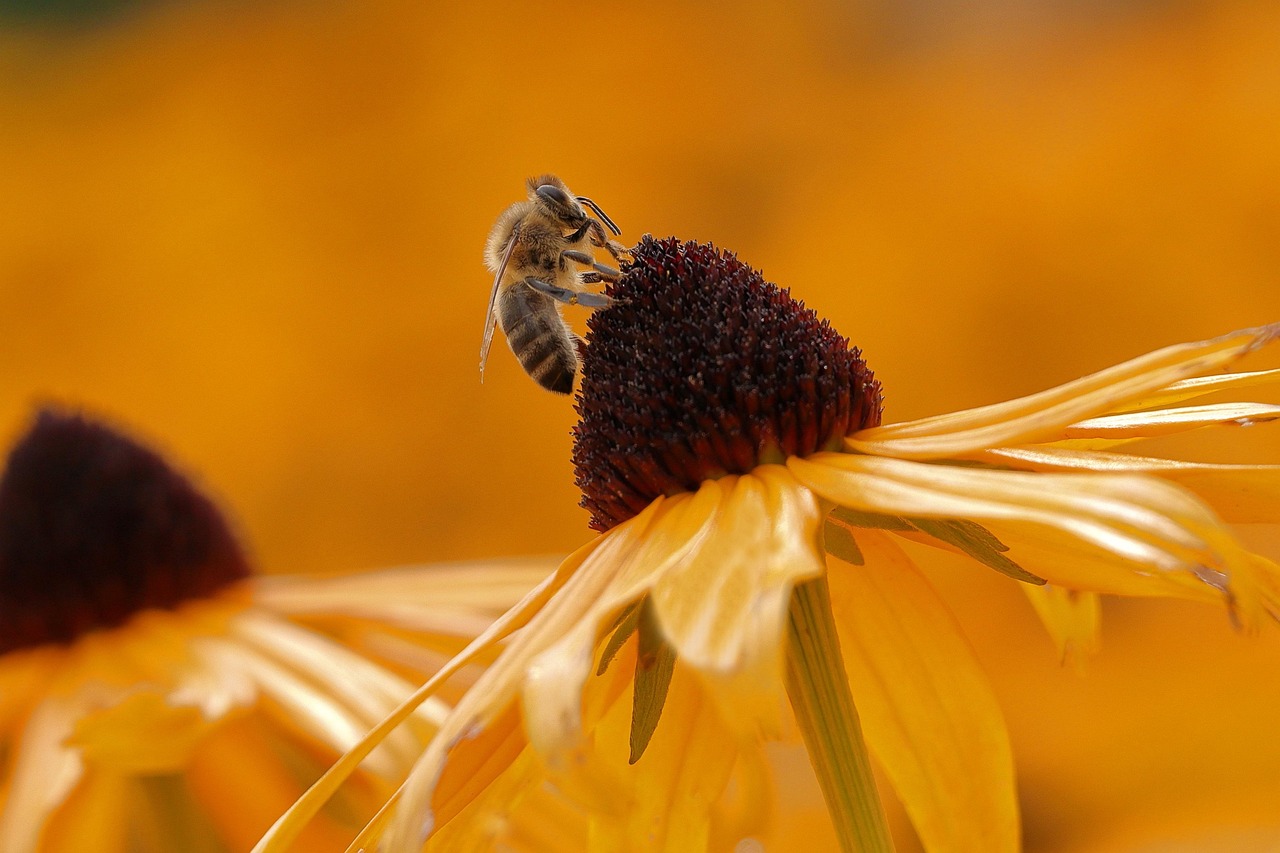
(Rudbeckia hirta):** Classic yellow flowers with dark centers, providing a sunny display. They are tough, adaptable, and deer-resistant.
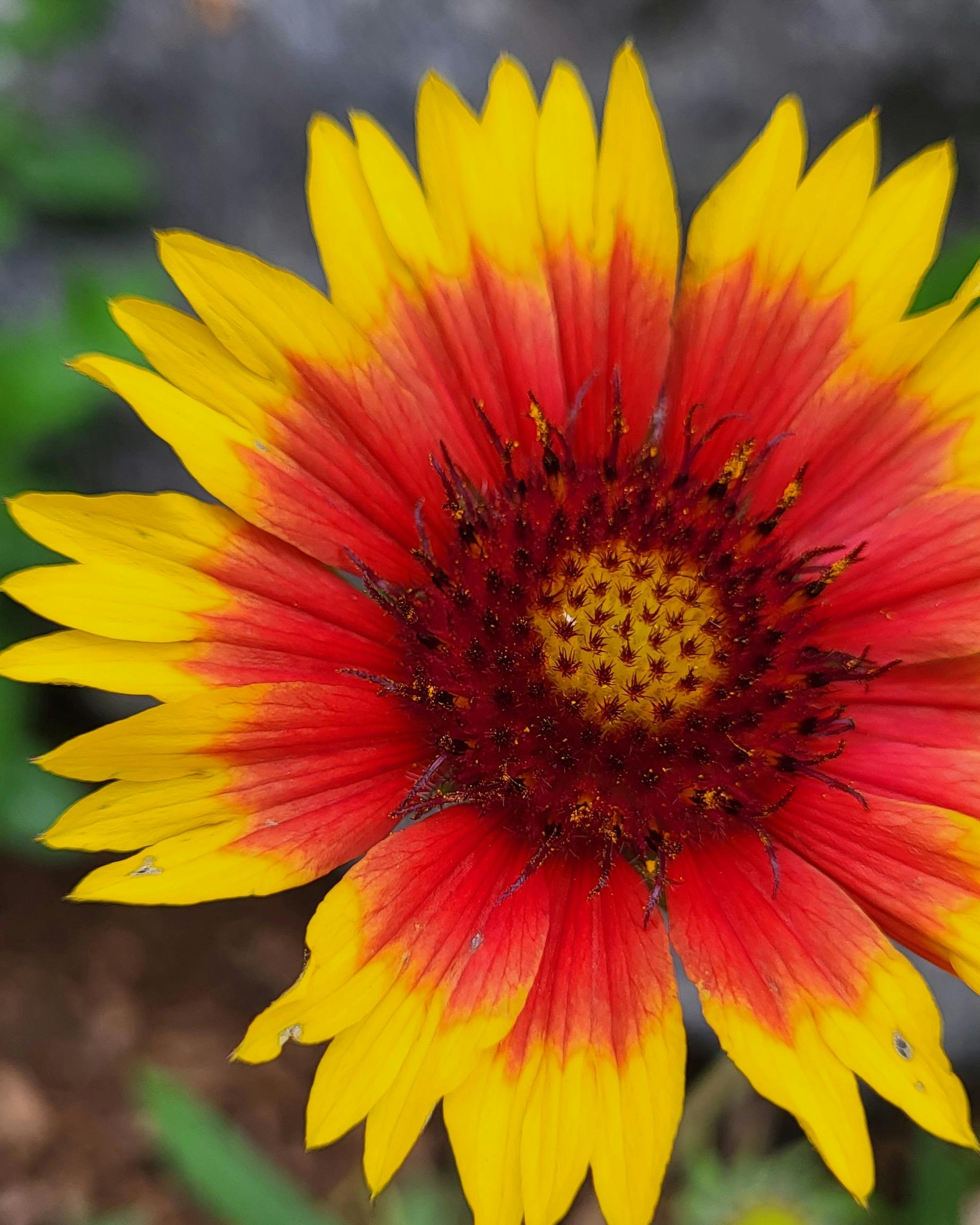
(Gaillardia x grandiflora):** Vibrant, daisy-like flowers in shades of red, orange, and yellow. Drought-tolerant and deer-resistant once established.
(Hemerocallis spp.):** While often listed as deer-resistant, some varieties can be browsed, especially when young or if deer pressure is high. However, many gardeners find them to be a good choice.
Foliage Perennials & Groundcovers:
- Lamb's Ear (Stachys byzantina): Its fuzzy, silvery leaves are unappealing to deer. Excellent for groundcover or edging.
- Lavender (Lavandula angustifolia): The strong, pleasant aroma that we love is a major turn-off for deer. Requires full sun and excellent drainage.
- Peonies (Paeonia lactiflora): These classic, large-flowered beauties are rarely bothered by deer.
- Ferns (various species): Many ferns, such as Ostrich Fern (Matteuccia struthiopteris) or Japanese Painted Fern (Athyrium niponicum), are deer-resistant due to their texture and potential bitterness.
- Bleeding Heart (Dicentra spectabilis): Delicate heart-shaped flowers and attractive foliage, deer tend to leave them alone.
Deer-Resistant Shrubs and Trees for Zone 7
Adding structure and year-round interest, these woody plants are generally safe from deer browsing.
Shrubs:
- Boxwood (Buxus sempervirens): A classic evergreen for hedges and formal gardens. Its leaves are unpalatable to deer.
- Spirea (Spiraea spp.): Offers beautiful flowers in spring or summer and attractive foliage. Generally deer-resistant.
- Forsythia (Forsythia x intermedia): Known for its bright yellow spring blooms, deer typically avoid it.
- Juniper (Juniperus spp.): The prickly, aromatic foliage of many junipers makes them a poor choice for deer.
- Mahonia (Mahonia aquifolium): Spiky, holly-like leaves and yellow winter flowers. Very deer-resistant.
- Daphne (Daphne odora): Highly fragrant flowers in late winter/early spring. Deer avoid its toxic foliage.
- Virginia Sweetspire (Itea virginica): Native shrub with fragrant white flowers and excellent fall color. Deer-resistant.
Trees:
- Maple (Acer spp.): While young maples can be browsed, mature trees are generally safe.
- Oak (Quercus spp.): Most oak species are deer-resistant once established.
- Serviceberry (Amelanchier spp.): Offers beautiful spring blooms, edible berries, and fall color. Deer usually leave it alone.
- Redbud (Cercis canadensis): A stunning native tree with vibrant pink-purple flowers in spring.
- Dogwood (Cornus florida): Iconic flowering tree for Zone 7, rarely bothered by deer.
Deer-Resistant Annuals for Zone 7
For seasonal color, these annuals can brighten your garden without attracting deer.
- Lantana (Lantana camara): Drought-tolerant and produces vibrant clusters of flowers. Its rough, aromatic leaves deter deer.
- Marigold (Tagetes spp.): The strong, pungent scent of marigolds is a well-known deer deterrent.
- Zinnia (Zinnia elegans): Bright, cheerful flowers that bloom profusely. Generally deer-resistant, especially the more common varieties.
- Snapdragon (Antirrhinum majus): Unique flower spikes that deer tend to ignore.
- Ageratum (Ageratum houstonianum): Fluffy blue, purple, or white flowers.
- Nicotiana (Nicotiana alata): Fragrant, trumpet-shaped flowers, often avoided by deer due to toxicity.
Quick Reference: Deer-Resistant Plants for Zone 7
| Plant Type | Common Name | Botanical Name | Key Feature for Resistance |
|---|---|---|---|
| Perennials | Coneflower | Echinacea purpurea | Rough texture, somewhat bitter |
| Yarrow | Achillea millefolium | Aromatic foliage | |
| Salvia | Salvia spp. | Highly aromatic foliage | |
| Bee Balm | Monarda didyma | Aromatic foliage | |
| Catmint | Nepeta x faassenii | Highly aromatic foliage | |
| Coreopsis | Coreopsis spp. | Generally unpalatable | |
| Blazing Star | Liatris spicata | Tough, fibrous stems | |
| Black-eyed Susan | Rudbeckia hirta | Hairy stems, rough texture | |
| Blanket Flower | Gaillardia x grandiflora | Hairy stems, rough texture | |
| Lavender | Lavandula angustifolia | Strong aroma | |
| Lamb's Ear | Stachys byzantina | Fuzzy texture | |
| Shrubs | Boxwood | Buxus sempervirens | Bitter taste, dense foliage |
| Spirea | Spiraea spp. | Generally unpalatable | |
| Juniper | Juniperus spp. | Prickly, aromatic foliage | |
| Mahonia | Mahonia aquifolium | Spiky, tough leaves | |
| Trees | Redbud | Cercis canadensis | Generally unpalatable |
| Dogwood | Cornus florida | Generally unpalatable | |
| Annuals | Lantana | Lantana camara | Rough, aromatic foliage |
| Marigold | Tagetes spp. | Strong, pungent aroma | |
| Zinnia | Zinnia elegans | Generally unpalatable |
Important Considerations
Even with the most deer-resistant plants, vigilance is key. Young plants are always more vulnerable than established ones. Protect new plantings with temporary fencing or repellents until they are strong enough to withstand minor browsing. Remember that deer preferences can change, and a plant that was ignored last year might become a snack this year if other food sources are scarce.
If you suspect your pet has ingested a toxic plant, call the ASPCA Animal Poison Control Center immediately at (888) 426-4435.
By thoughtfully selecting plants known for their deer resistance and implementing additional deterrents, you can create a beautiful, thriving garden in Zone 7 that you and your local wildlife (the non-browsing kind!) can enjoy.
Ready to find the perfect plants for your yard? Try the PlantWise Plant Finder →