Complete Guide to Deer-Resistant Plants in Zone 8
For gardeners in USDA Hardiness Zone 8, especially those in the Southern US with mild winters, finding plants that can withstand the persistent browsing of deer is a common challenge. While no plant is truly "deer-proof," many varieties are significantly less appealing to deer due to their texture, scent, or taste. This guide will help you select a beautiful and thriving landscape for your Zone 8 garden, focusing on plants that deer tend to avoid, allowing you to enjoy your outdoor space without constant worry.
Deer are opportunistic feeders, and their preferences can vary based on local populations, food availability, and even the time of year. However, by choosing plants known for their deer resistance, you can greatly reduce the likelihood of your garden becoming a deer buffet.
🌱 Get Personalized Plant Picks
Answer a few quick questions and we’ll match plants to your exact yard conditions.
Find My Plants →Understanding Deer Behavior in Zone 8
Zone 8, characterized by its mild winters and long growing seasons, often means deer populations remain active year-round. Unlike colder climates where deer might migrate or rely more heavily on dormant woody browse, Zone 8 deer often have access to a wider variety of green plants throughout the year. This means that even plants considered "deer-resistant" elsewhere might occasionally be sampled if other food sources are scarce, or if a young, inexperienced deer is exploring.
Deer tend to avoid plants with:
- Strong Scents: Aromatic herbs like lavender, rosemary, and mint are often passed over.
- Fuzzy or Hairy Leaves: Lamb's Ear or Mullein are examples.
- Thorny or Prickly Textures: Roses (though deer love the buds, they dislike the thorns), Mahonia.
- Bitter or Toxic Tastes: Many deer-resistant plants fall into this category, though they aren't necessarily toxic to humans or pets in small amounts.
Remember, a hungry deer will eat almost anything, so the goal is to make your garden as unappealing as possible compared to other food sources.
Top Deer-Resistant Perennials for Zone 8
Perennials are the backbone of any garden, returning year after year. Here are some excellent deer-resistant choices that thrive in Zone 8:
Aromatic Herbs & Flowers
Many plants with strong fragrances are natural deer deterrents.
Lavender (Lavandula spp.): Its distinct aroma and fuzzy leaves make it highly unappealing to deer. Thrives in full sun and well-drained soil.
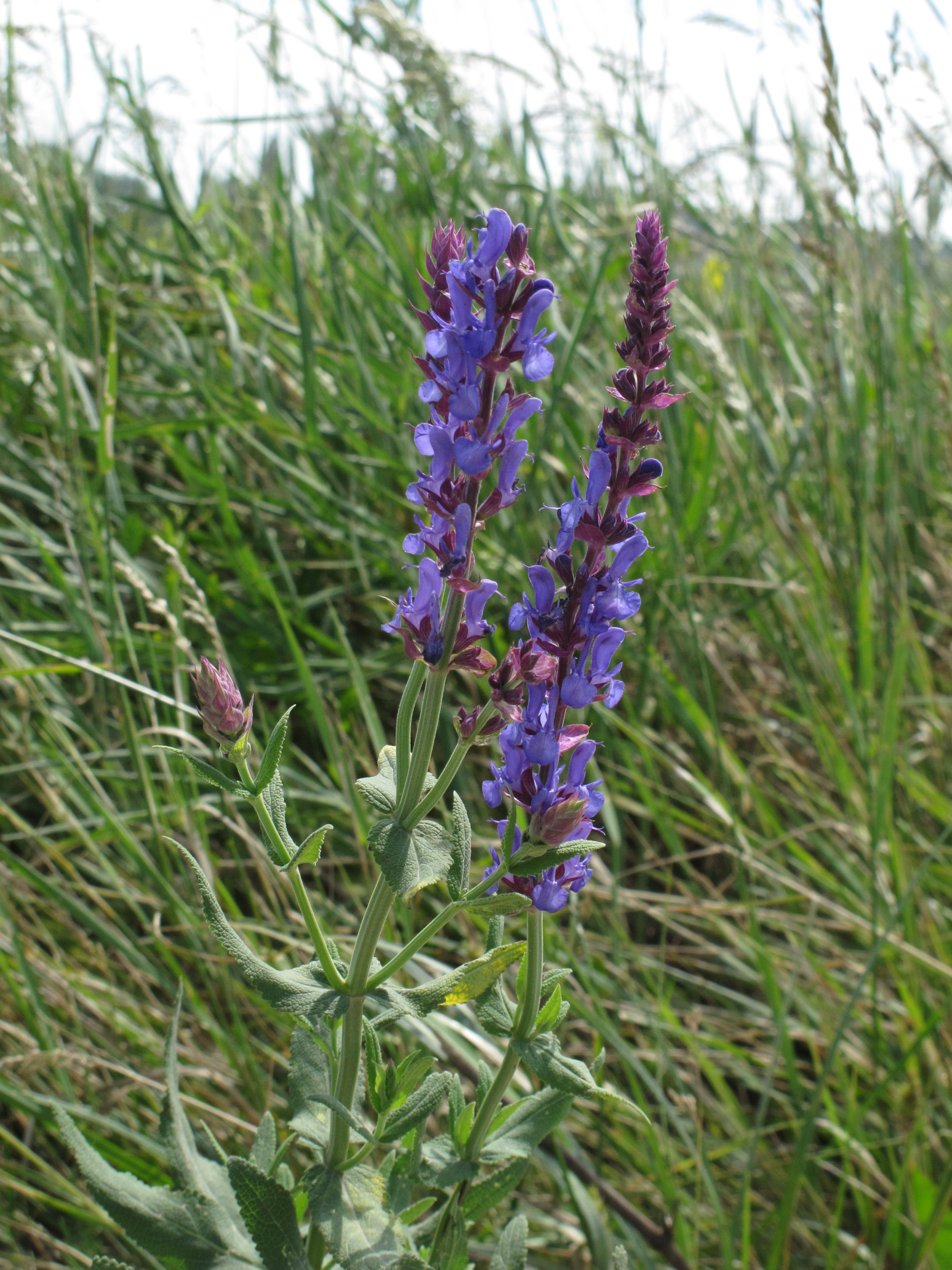
Salvia (Salvia spp.): A large genus offering a huge variety of colors and forms. Many salvias have aromatic foliage that deer dislike. They are also drought-tolerant once established.
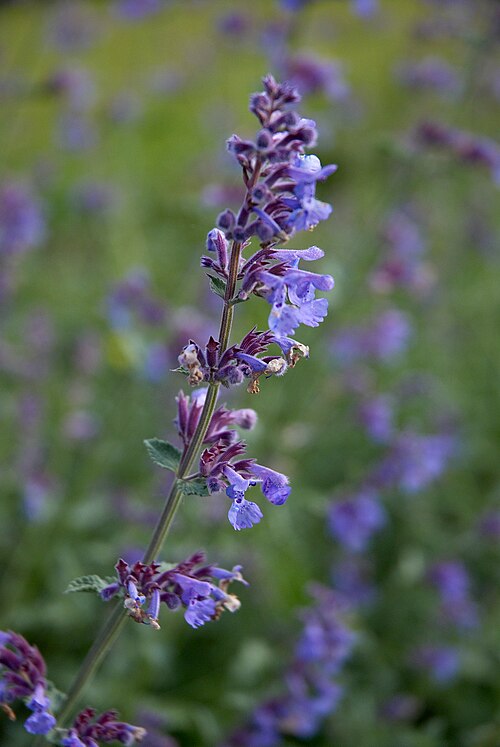
Catmint (Nepeta spp.): Similar to lavender, catmint boasts a strong scent and lovely purple blooms that attract pollinators but deter deer. It's incredibly tough and drought-tolerant.
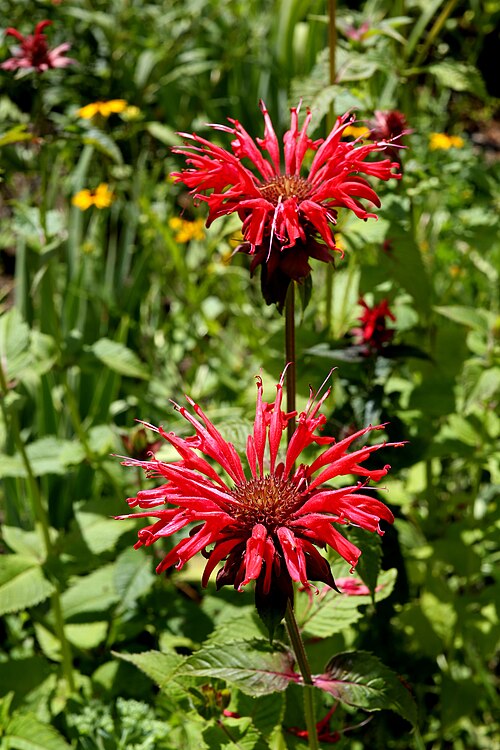
Bee Balm (Monarda didyma): A native powerhouse, Bee Balm has aromatic foliage and unique, spiky flowers. It's a magnet for hummingbirds and butterflies but typically ignored by deer.
Textured & Tough Foliage
Plants with rough, fuzzy, or otherwise unpalatable textures are often left alone.
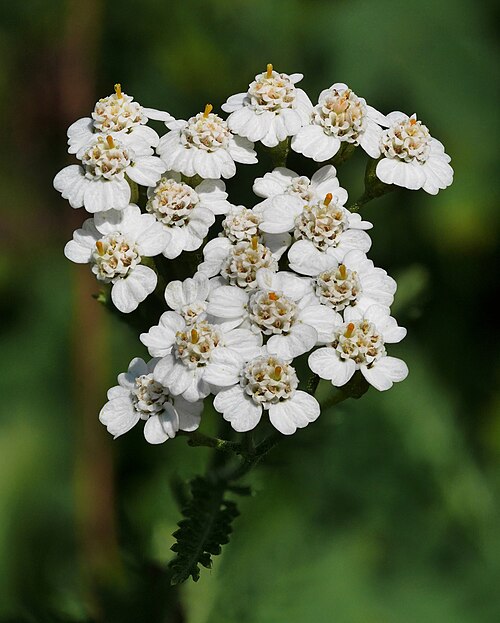
Yarrow (Achillea millefolium): Its finely textured, fern-like leaves and flat-topped flower clusters are not to deer's taste. It's also very drought-tolerant.
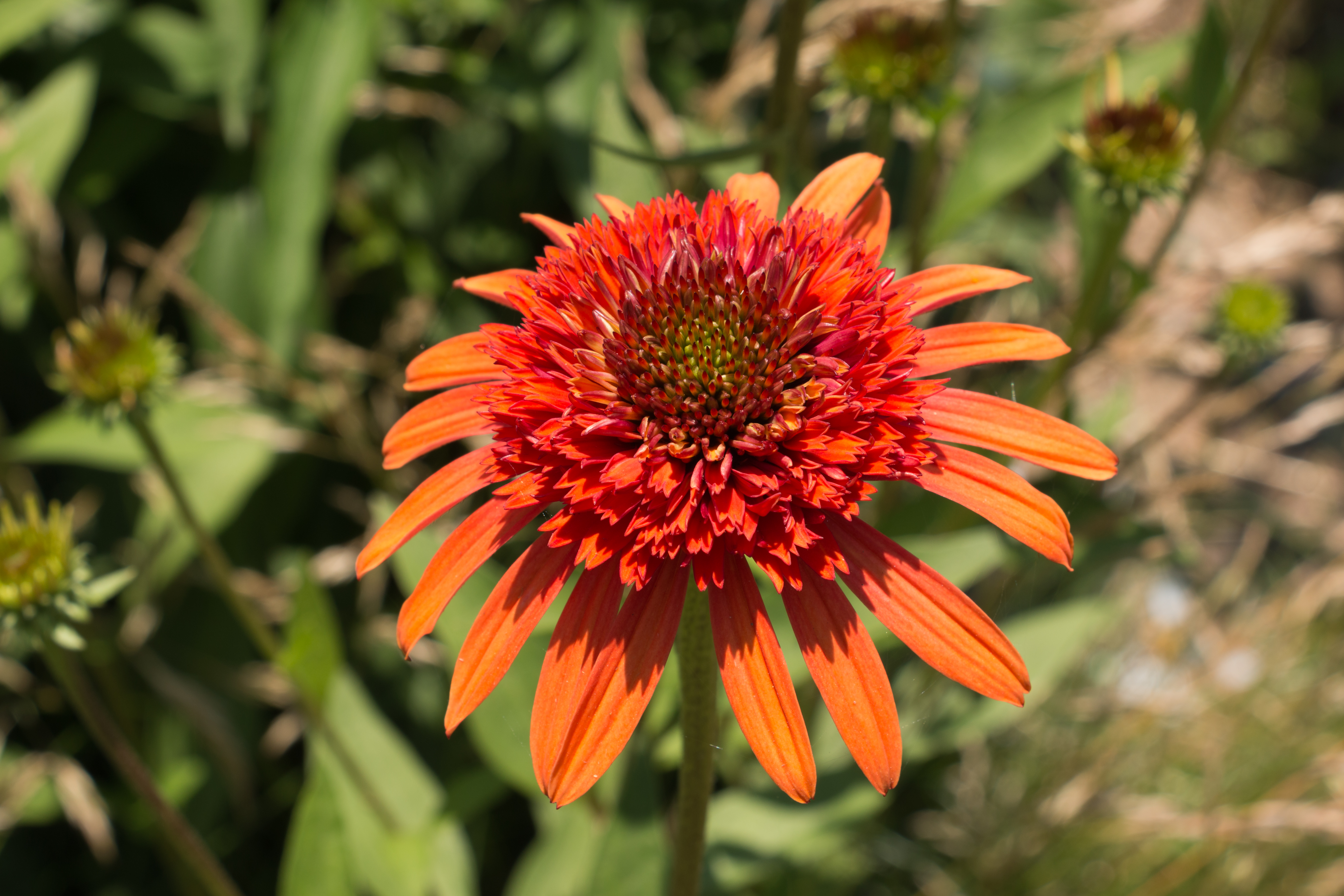
Coneflower (Echinacea purpurea): A classic prairie plant, coneflowers have sturdy stems and somewhat rough foliage that deer tend to avoid. They are excellent for pollinators.
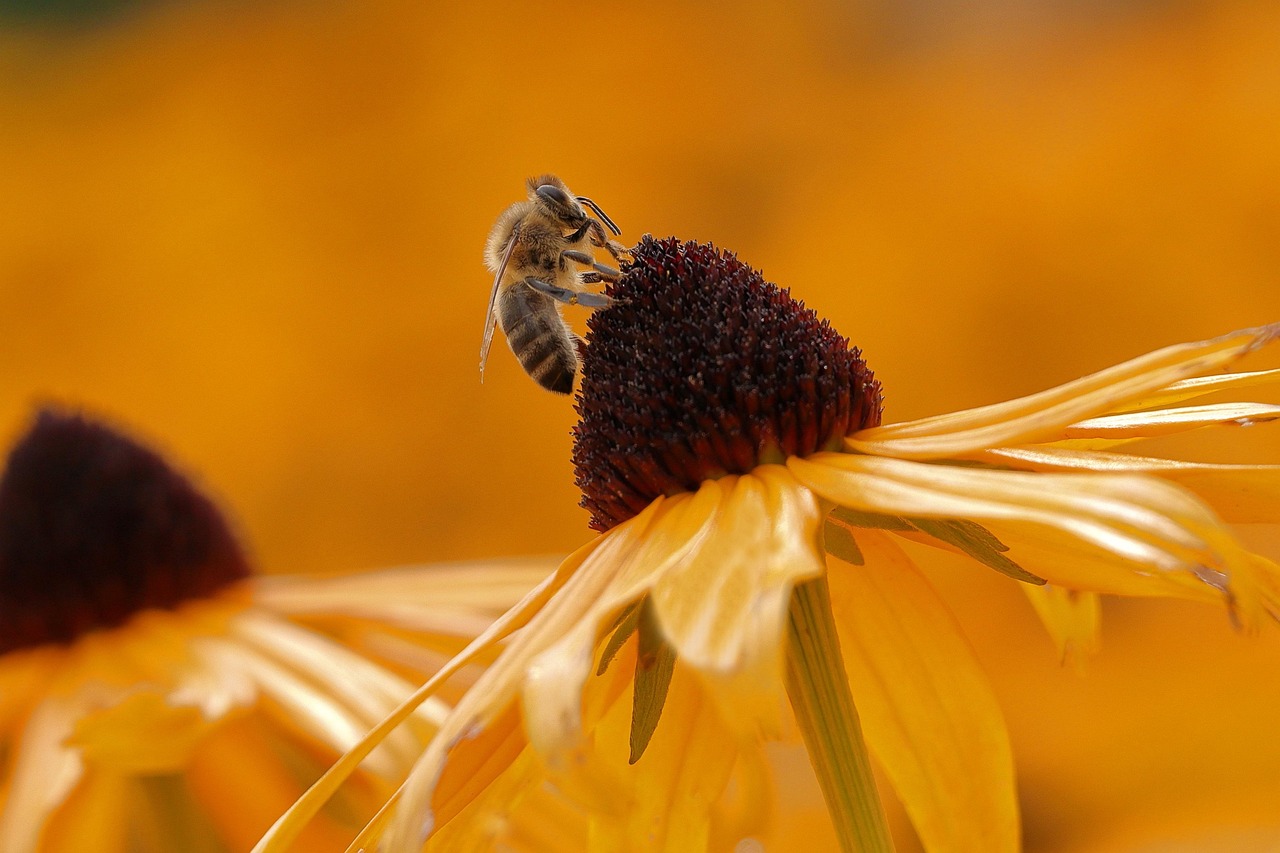
Black-eyed Susan (Rudbeckia hirta): Cheerful yellow daisies with dark centers. Their slightly hairy leaves and sturdy stems make them less attractive to deer.
Plants with a Bitter Taste
Many plants produce compounds that make them unpalatable to deer.
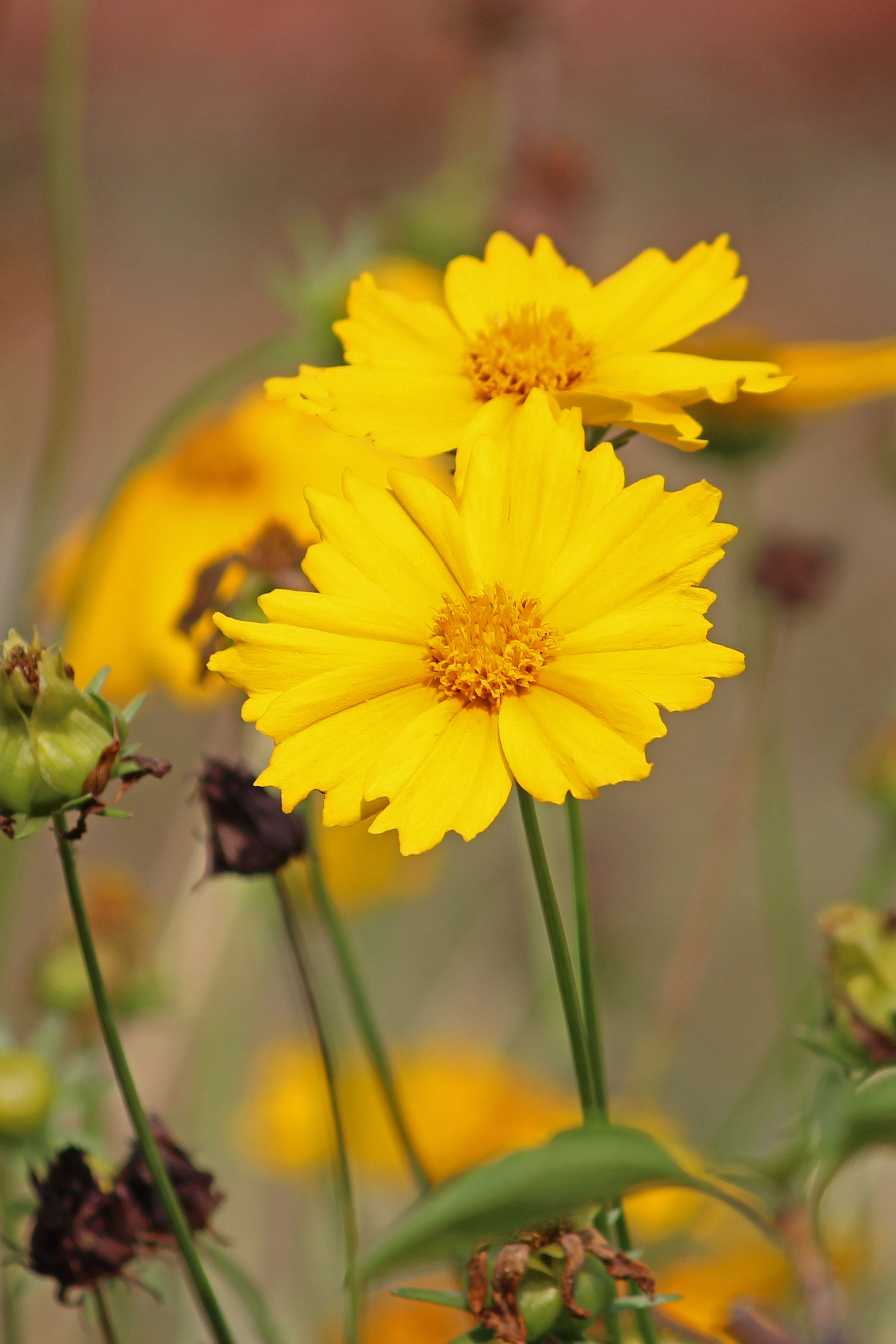
Coreopsis (Coreopsis spp.): Also known as Tickseed, these bright, daisy-like flowers are prolific bloomers and generally ignored by deer. They prefer full sun and good drainage.
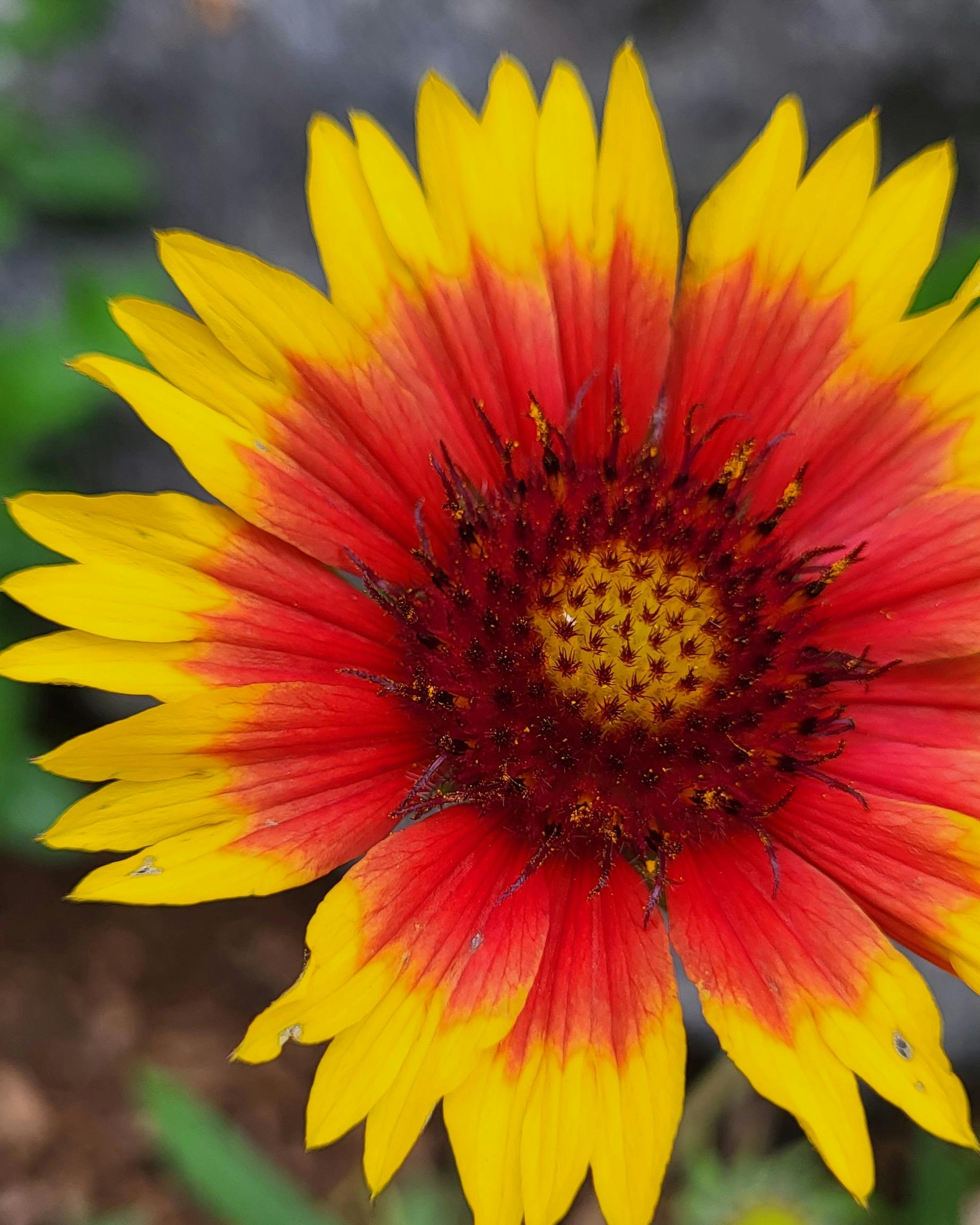
Blanket Flower (Gaillardia x grandiflora): Vibrant, long-blooming flowers that are tough, drought-tolerant, and deer-resistant.
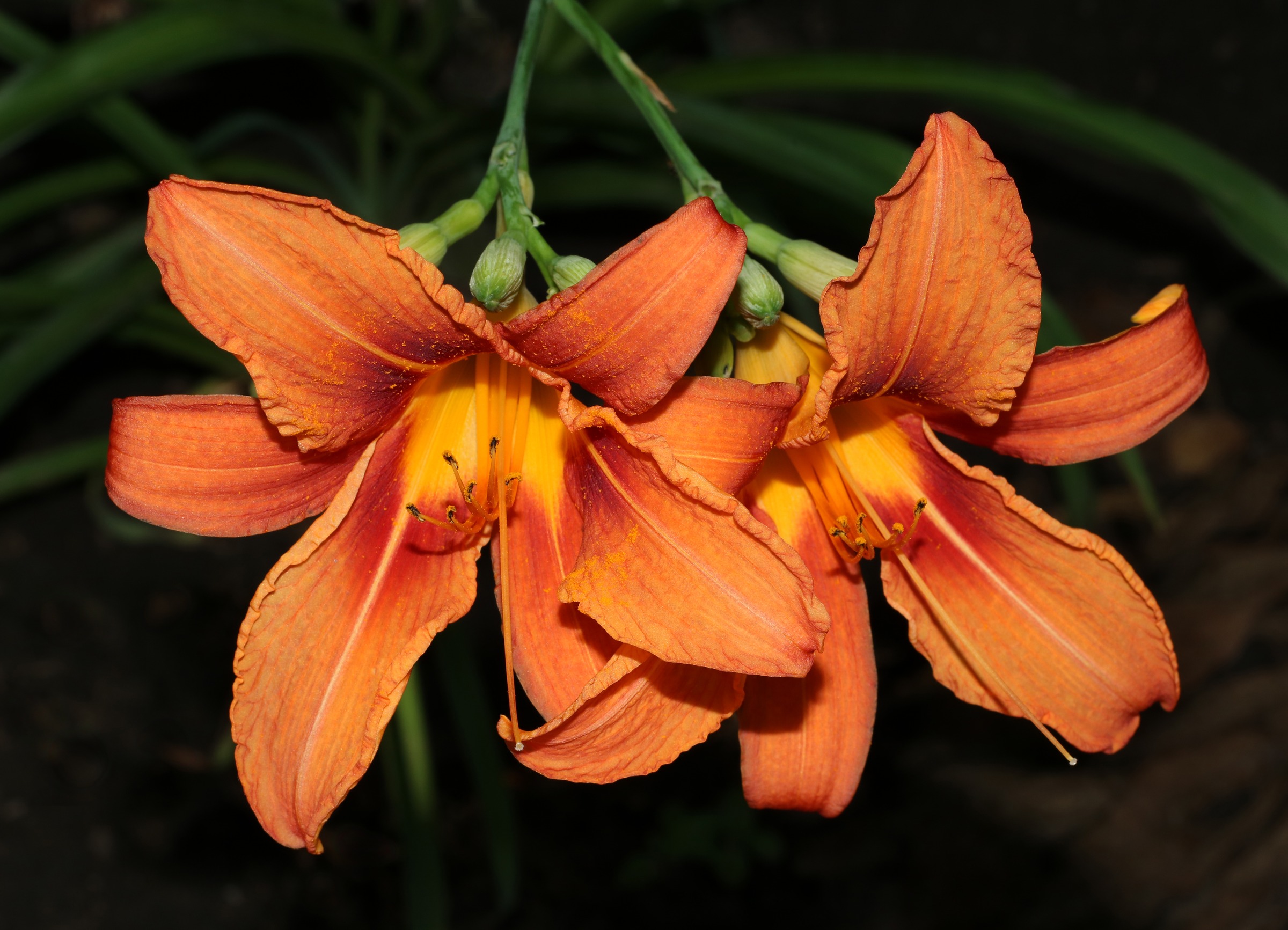
Daylily (Hemerocallis spp.): While some varieties might be occasionally nibbled, many daylilies are considered deer-resistant, especially the older, more common varieties. Their tough, strappy leaves are not a preferred food source.
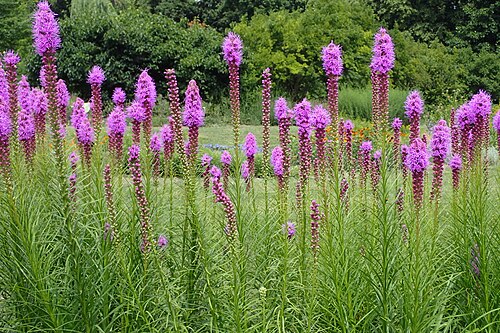
Blazing Star (Liatris spicata): Tall, striking purple flower spikes that bloom from the top down. Deer typically leave this native perennial alone.
Deer-Resistant Shrubs and Trees for Zone 8
Don't forget the structural elements of your garden! Here are some woody plants that deer tend to avoid:
- Boxwood (Buxus spp.): The distinct scent and taste of boxwood foliage make it a consistent deer deterrent.
- Mahonia (Mahonia spp.): With its spiky, holly-like leaves, Mahonia is an obvious choice for deer resistance.
- Nandina (Nandina domestica): Also known as Heavenly Bamboo, this evergreen shrub offers year-round interest and is seldom bothered by deer.
- Oakleaf Hydrangea (Hydrangea quercifolia): Unlike some other hydrangeas, the coarse, lobed leaves of the Oakleaf Hydrangea are generally deer-resistant.
- Crape Myrtle (Lagerstroemia indica): A quintessential Southern tree, Crape Myrtles offer beautiful summer blooms and attractive bark, and deer typically leave them alone.
- Japanese Maple (Acer palmatum): While young trees can sometimes be browsed, mature Japanese Maples are generally considered deer-resistant.
Deer-Resistant Annuals for Seasonal Color
For vibrant, season-long color, consider these deer-resistant annuals:
- Lantana (Lantana camara): A tough, heat-loving plant with colorful clusters of flowers and aromatic foliage that deer avoid.
- Zinnia (Zinnia elegans): While not 100% deer-proof, zinnias are often left alone, especially if other food sources are available. Their rough stems and leaves are less appealing.
- Marigold (Tagetes spp.): The strong, pungent scent of marigolds is a well-known deer deterrent.
- Coleus (Coleus scutellarioides): Many varieties have a bitter taste that deer dislike.
- Ageratum (Ageratum houstonianum): Fluffy blue, purple, or white flowers that deer typically ignore.
Quick Reference: Deer Resistance Levels
Here's a general guide to deer resistance. Remember, "resistant" does not mean "proof."
- Rarely Damaged: Plants deer almost never eat. (e.g., Boxwood, Lavender, Mahonia, Catmint)
- Seldom Damaged: Plants deer occasionally browse, especially if other food is scarce. (e.g., Salvia, Yarrow, Coneflower, Crape Myrtle)
- Occasionally Damaged: Plants deer will eat if preferred foods are unavailable. (e.g., Daylily, Zinnia)
- Frequently Damaged: Plants deer love and will consistently browse. (e.g., Hostas, most Hydrangeas, Azaleas, Impatiens)
Strategies for Coexisting with Deer
Beyond plant selection, here are a few additional tips to protect your Zone 8 garden:
- Diversify Your Planting: A mix of deer-resistant plants makes your garden less appealing overall.
- Repellents: Commercial or homemade repellents can be effective, but require consistent reapplication, especially after rain.
- Physical Barriers: Fencing is the most effective method, but often impractical for large areas. Netting can protect individual plants.
- Companion Planting: While not a foolproof solution, planting highly aromatic deer-resistant plants around more vulnerable ones might offer some protection.
- Clean Up: Remove fallen fruit or vegetables that might attract deer.
No plant is truly deer-proof, but by incorporating a thoughtful selection of deer-resistant plants and employing a few strategic deterrents, you can create a beautiful and thriving garden in Zone 8 that you and your family can enjoy, without constantly battling browsing deer.
Ready to find the perfect plants for your yard? Try the PlantWise Plant Finder →