Best Deer-Resistant Plants for Privacy Hedges
Creating a beautiful, private outdoor space can be a challenge when deer consider your garden their personal buffet. Fortunately, you don't have to sacrifice your privacy for the sake of deer resistance. The best deer-resistant plants for privacy hedges often share characteristics like strong scents, fuzzy or thorny textures, or a bitter taste that deer find unappealing. While no plant is truly 100% deer-proof, choosing species known for their low palatability to deer can significantly reduce browsing damage, allowing you to establish lush, green screens that provide both seclusion and beauty.
Why Do Deer Eat Some Plants and Not Others?
Deer are opportunistic browsers, meaning they will eat what's available, especially when food sources are scarce. However, they do have preferences. Generally, deer tend to avoid plants that have:
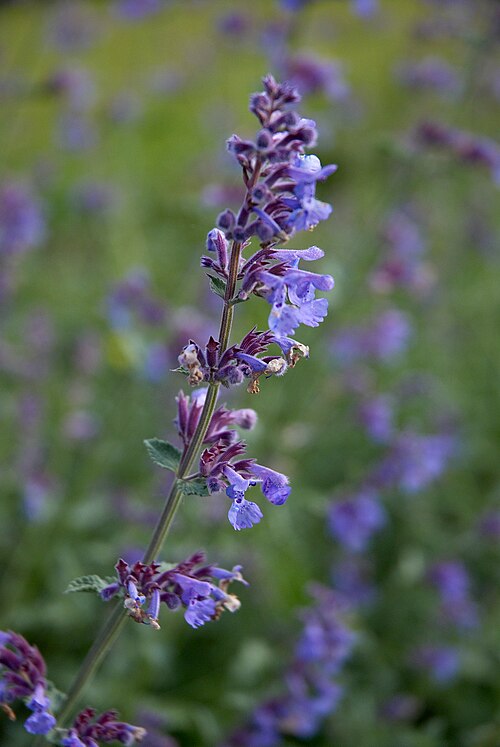
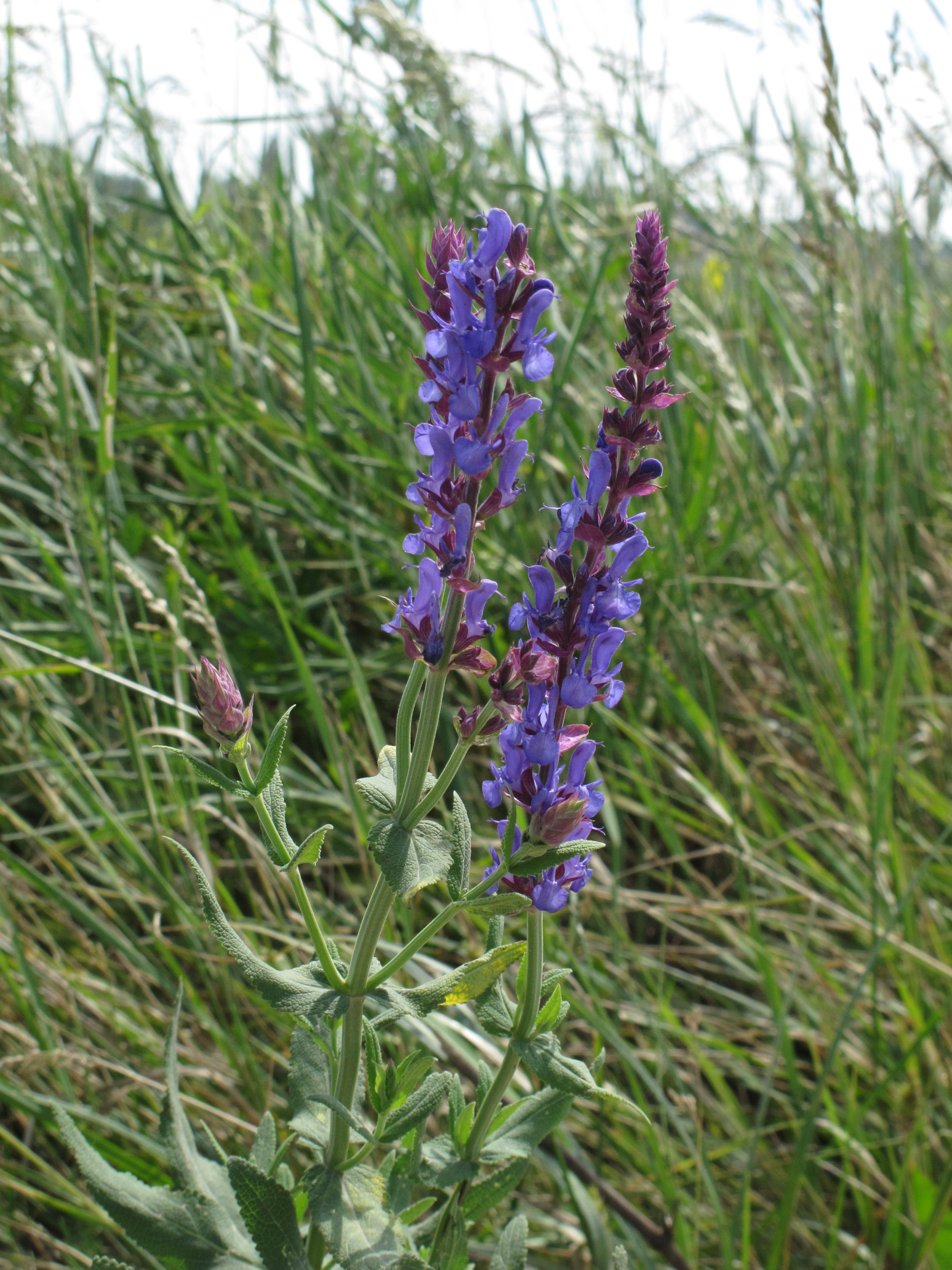
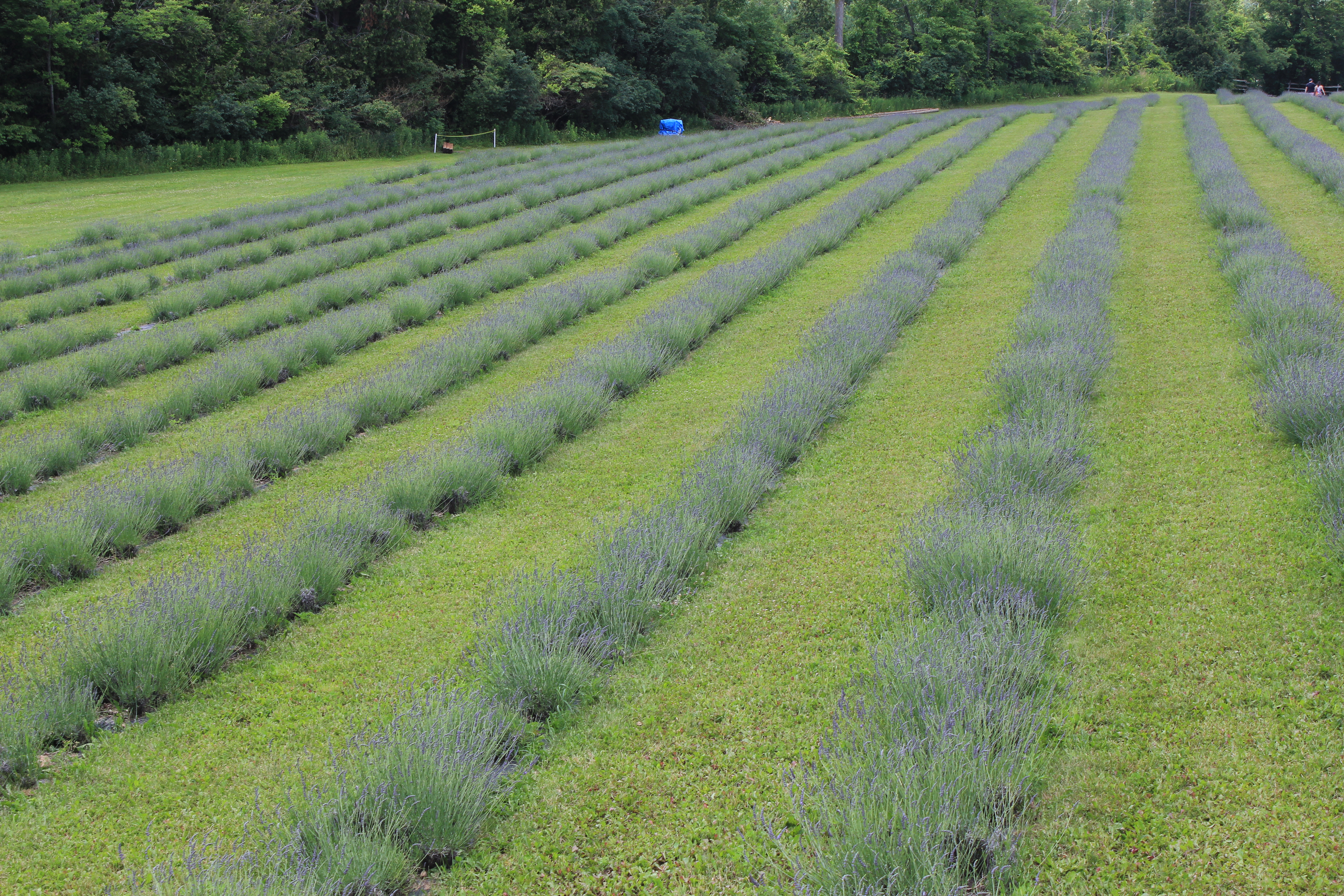
- Strong Aromas: Herbs like lavender, rosemary, and many plants in the mint family (Lamiaceae) often deter deer due to their pungent oils.
- Fuzzy or Hairy Leaves: The texture of plants like Lamb's Ear or certain ornamental grasses can be off-putting.
- Thorns or Spines: Naturally, thorny plants offer a physical deterrent.
- Bitter or Toxic Taste: Plants with a high concentration of tannins, alkaloids, or other compounds that taste bad or are mildly toxic to deer are usually left alone.
- Leathery or Tough Leaves: Some plants simply aren't as palatable due to their physical structure.
Understanding these characteristics can help you make informed choices when selecting plants for your deer-resistant privacy hedge.
🌱 Get Personalized Plant Picks
Answer a few quick questions and we’ll match plants to your exact yard conditions.
Find My Plants →What Are the Best Shrubs for Deer-Resistant Hedges?
When it comes to creating a robust, deer-resistant privacy hedge, shrubs are often the go-to choice due to their density, height, and year-round interest. Here are some top contenders that typically fare well against deer browsing:
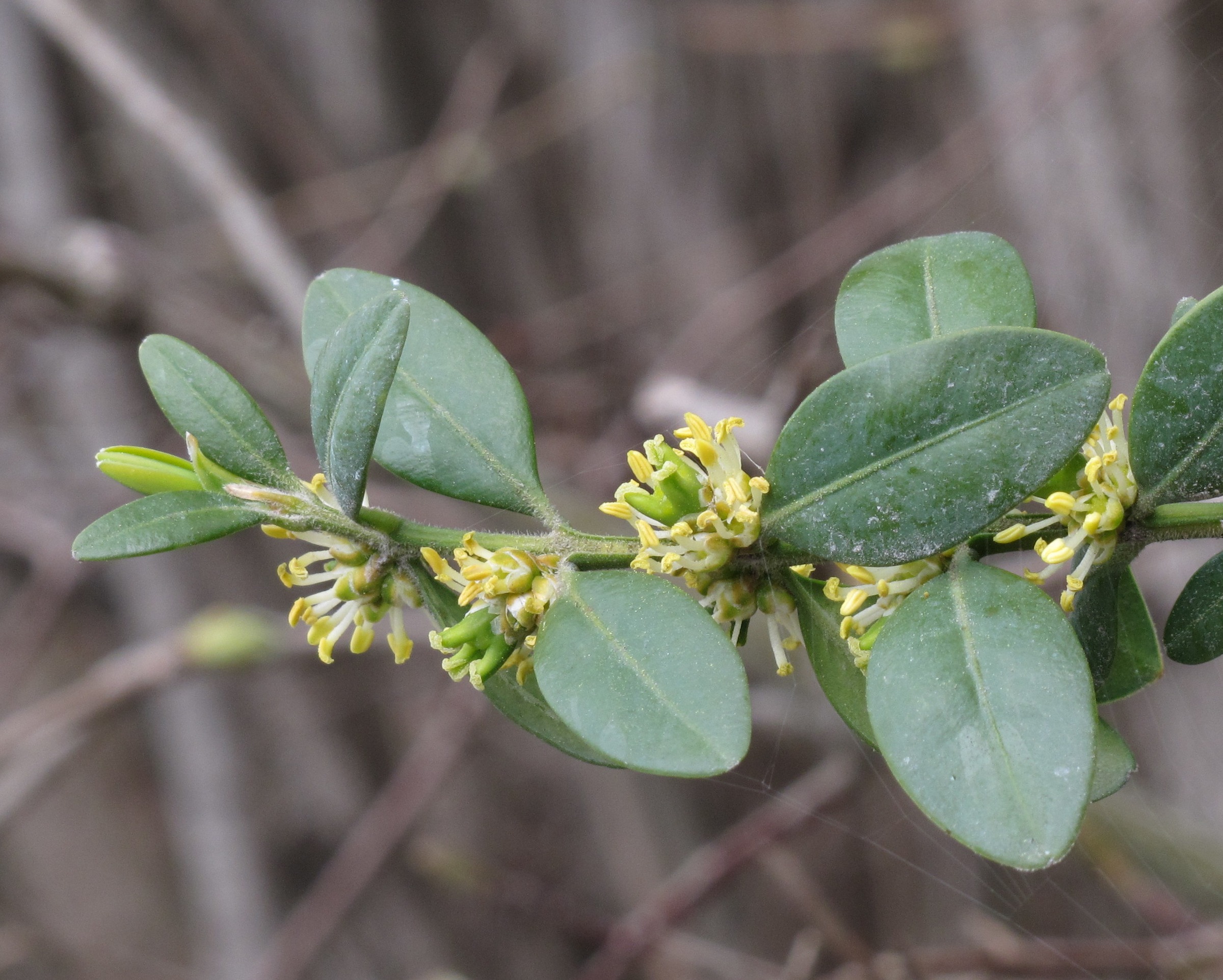
- Boxwood (Buxus spp.): A classic choice for formal hedges, boxwood is generally considered deer-resistant. Its small, dense leaves and compact growth habit make it excellent for creating a solid screen. It's evergreen, providing year-round privacy.
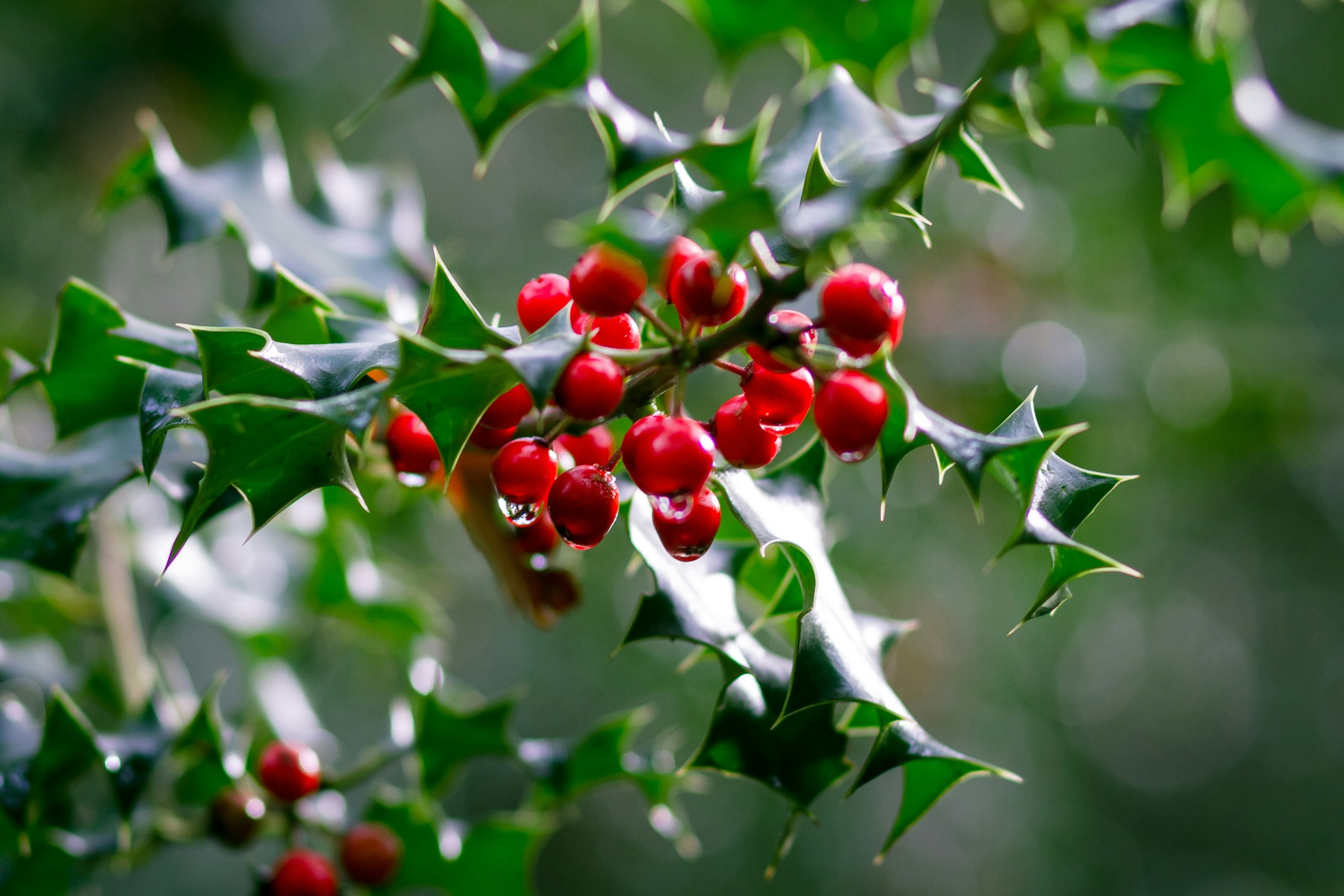
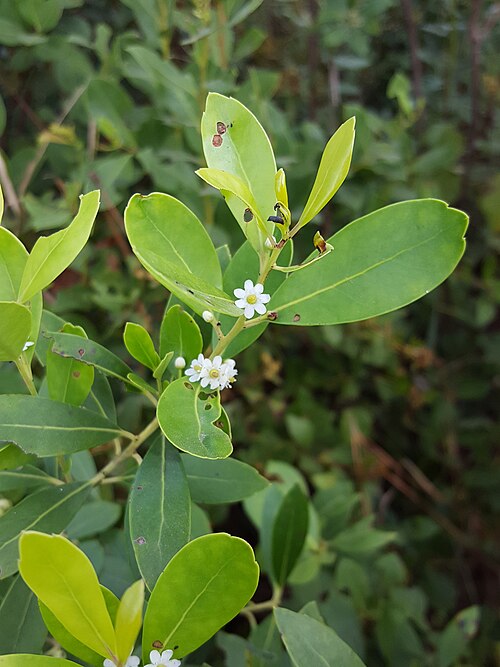
- Inkberry Holly (Ilex glabra): This native evergreen shrub offers a fine-textured alternative to boxwood. It's tolerant of various soil conditions and provides a dense, dark green screen.
- Japanese Pieris (Pieris japonica): With its attractive evergreen foliage, bell-shaped flowers in spring, and colorful new growth, Pieris is a beautiful option. Deer tend to avoid it due to its slightly toxic leaves.
- Oregon Grape Holly (Mahonia aquifolium): This evergreen shrub has spiny, holly-like leaves that deer dislike. It also produces fragrant yellow flowers and blue berries, adding seasonal interest.
- Bayberry (Myrica pensylvanica): A tough, deciduous or semi-evergreen shrub native to North America, bayberry tolerates poor soils and salt spray. Its aromatic foliage and waxy berries are generally ignored by deer.
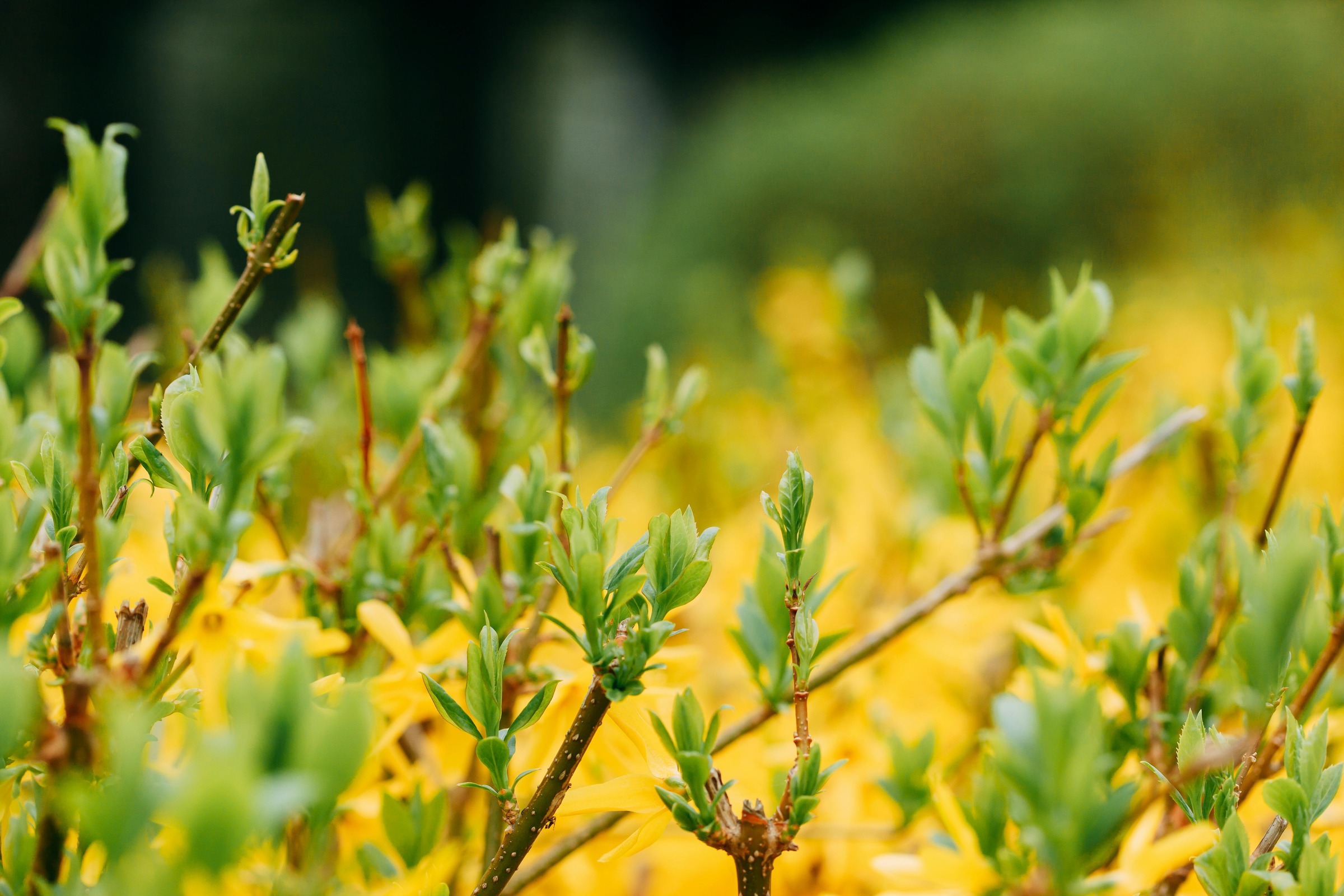
- Forsythia (Forsythia spp.): While deciduous, forsythia offers a spectacular burst of yellow flowers in early spring before its leaves emerge. Its dense, twiggy growth can still provide some visual screening in winter, and deer typically leave it alone.
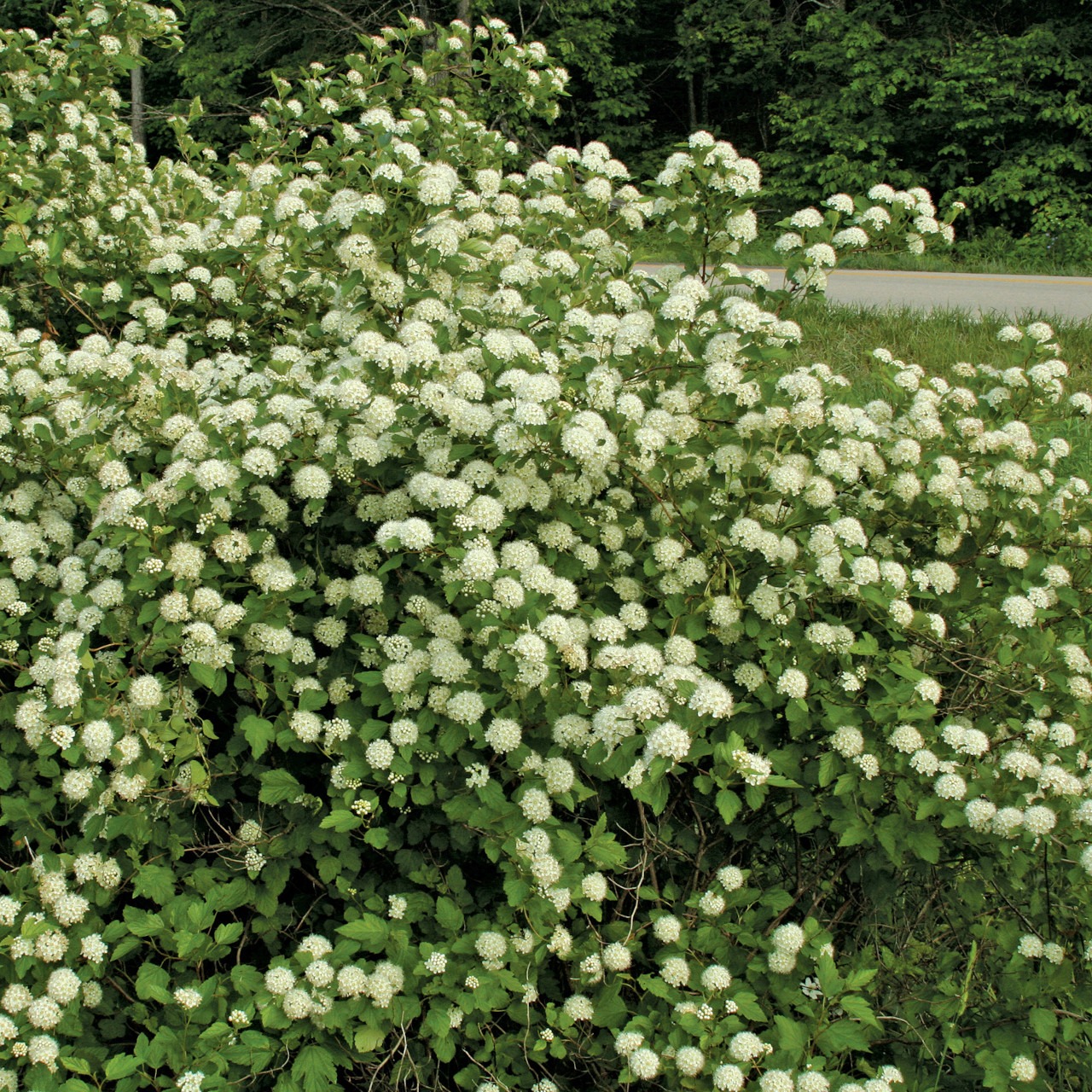
- Ninebark (Physocarpus opulifolius): Known for its attractive exfoliating bark, colorful foliage (especially cultivars like 'Summer Wine' or 'Diabolo'), and white spring flowers, ninebark is a versatile and deer-resistant shrub.
- Juniper (Juniperus spp.): Many juniper varieties, from upright to spreading, are highly deer-resistant. Their prickly needles and strong scent deter browsers. Choose upright varieties for a dense screen.
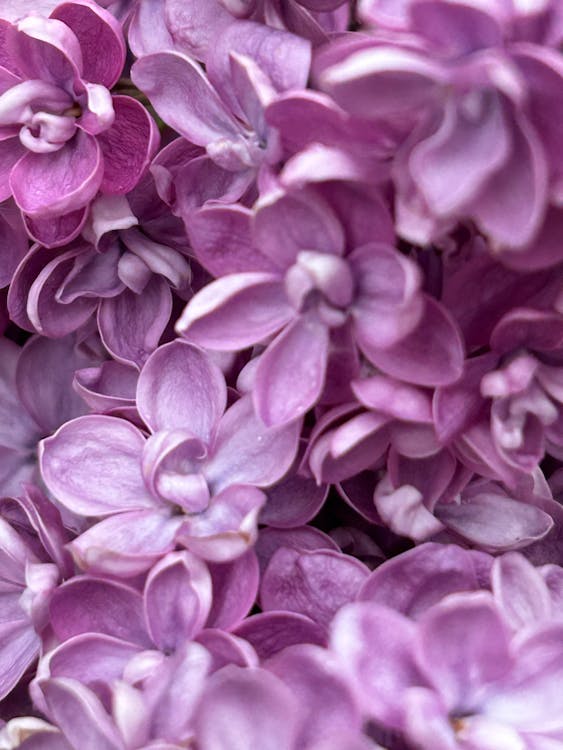
- Lilac (Syringa vulgaris): While deer might nibble on very young, tender shoots, mature lilac shrubs are generally deer-resistant. Their fragrant flowers are a welcome spring bonus.
How Can I Make My Hedge More Deer-Resistant?
Beyond choosing the right plants, there are several strategies you can employ to further protect your privacy hedge from deer damage.
- Combine Deer-Resistant Plants: Even the most deer-resistant plant might get a nibble if deer are desperate. Planting a mix of highly unpalatable plants can create a more effective deterrent.
- Physical Barriers (Temporary): For newly planted hedges, consider using temporary fencing or netting until the plants are established and more robust. This is especially important during winter when food is scarce.
- Repellents: Deer repellents, both commercial and homemade (e.g., rotten egg spray, hot pepper spray), can be effective. However, they require consistent reapplication, especially after rain, and deer can sometimes habituate to them.
- Strategic Planting: If you have a highly desirable plant that deer love, plant it closer to your house or in a more protected area, and surround it with deer-resistant species.
- Varying Textures and Scents: A diverse planting with a range of textures, scents, and tastes can make your garden less appealing overall to deer.
- Pruning and Maintenance: Keep your hedge healthy and well-maintained. Stressed plants are more susceptible to damage from pests and browsing animals.
Remember, no plant is truly deer-proof, and deer pressure can vary greatly depending on your location, the time of year, and the availability of other food sources. A multi-pronged approach often yields the best results.
Quick Reference: Deer-Resistant Hedge Plants
| Plant Name | Type | Deer Resistance | Key Features |
|---|---|---|---|
| Boxwood (Buxus spp.) | Evergreen | High | Dense, small leaves, formal hedge, year-round privacy |
| Inkberry Holly | Evergreen | High | Fine texture, native, dense screen |
| Japanese Pieris | Evergreen | High | Bell-shaped flowers, colorful new growth, slightly toxic leaves |
| Oregon Grape Holly | Evergreen | High | Spiny leaves, yellow flowers, blue berries |
| Bayberry | Deciduous/SE | High | Aromatic foliage, waxy berries, tough |
| Forsythia | Deciduous | High | Early spring yellow flowers, dense twigs |
| Ninebark | Deciduous | High | Exfoliating bark, colorful foliage, white flowers |
| Juniper (Juniperus spp.) | Evergreen | High | Prickly needles, strong scent, various forms |
| Lilac (Syringa spp.) | Deciduous | Moderate-High | Fragrant flowers, generally avoided by mature deer |
Disclaimer: No plant is truly deer-proof. Deer resistance can vary based on local deer populations, food availability, and specific plant varieties.
Ready to find the perfect plants for your yard? Try the PlantWise Plant Finder →