How to Design a Deer-Resistant Shade Garden
Designing a beautiful deer-resistant shade garden is entirely possible by strategically selecting plants that deer tend to avoid, incorporating physical barriers, and utilizing deterrents. The key is to understand deer browsing habits and choose plants with textures, scents, or tastes that are unappealing to them, while also considering the specific light conditions of your shaded areas. By focusing on a diverse palette of deer-resistant perennials, shrubs, and groundcovers, you can create a lush, thriving garden that remains untouched by hungry deer.
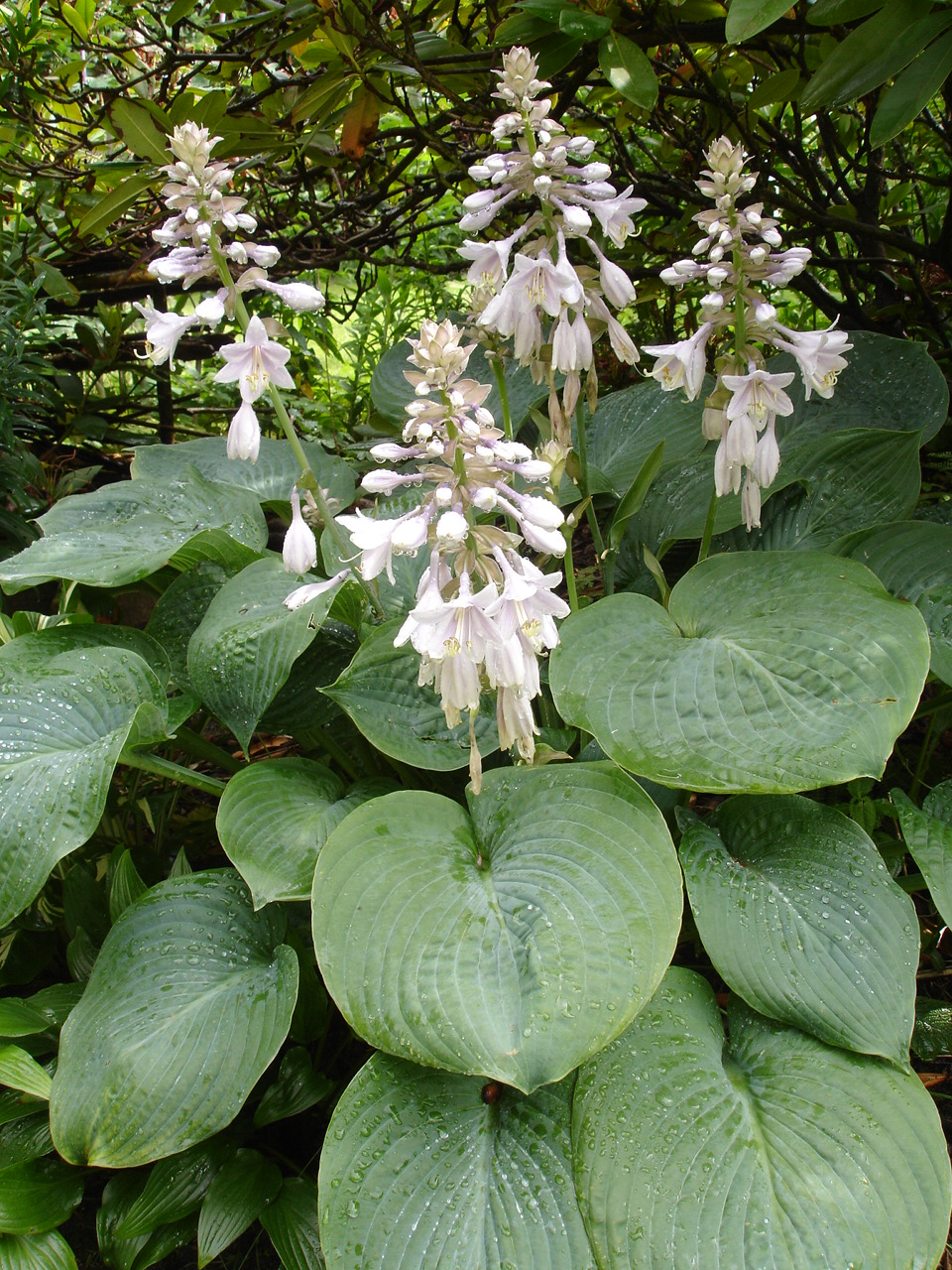
Shade gardens often present unique challenges, and when you add deer pressure into the mix, it can feel like an uphill battle. Many popular shade plants, such as hostas, are unfortunately a deer's favorite snack. But don't despair! With careful planning and plant selection, you can transform your shady spots into an enchanting, deer-proof (or at least deer-resistant) haven.
🌱 Get Personalized Plant Picks
Answer a few quick questions and we’ll match plants to your exact yard conditions.
Find My Plants →What Makes a Plant Deer-Resistant?
Deer are not picky eaters, especially when food is scarce, but they do have preferences. Generally, plants that deer tend to avoid share a few common characteristics:
- Strong Scents: Aromatic herbs and plants with pungent foliage often deter deer. They dislike the strong smells interfering with their ability to detect predators.
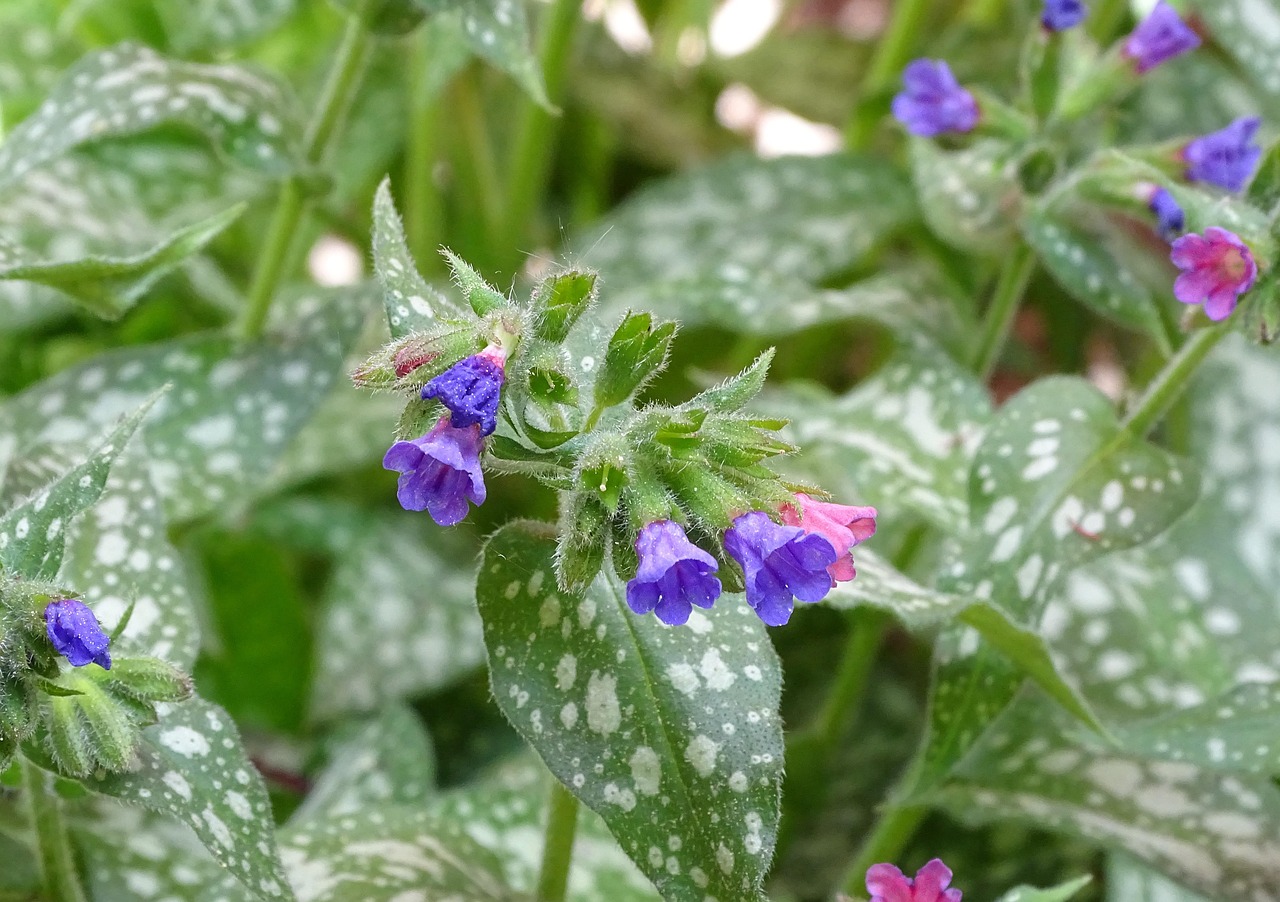
- Fuzzy or Hairy Leaves: The texture of lamb's ear or lungwort, for example, is unpleasant for deer to chew.
- Thorny or Prickly: Plants with thorns, spines, or sharp edges are naturally less appealing.
- Toxic or Bitter Taste: Many deer-resistant plants contain compounds that are unpalatable or even mildly toxic to deer. This is a natural defense mechanism.
- Milky Sap: Some plants, when broken, exude a milky sap that deer find unappealing.
It's important to remember that no plant is truly deer-proof. A hungry deer will eat almost anything. However, by prioritizing plants with these characteristics, you significantly reduce the likelihood of your garden becoming a deer buffet.
How Do I Choose the Best Plants for a Deer-Resistant Shade Garden?
Selecting the right plants is the cornerstone of a successful deer-resistant shade garden. Beyond considering deer resistance, you'll also need to match plants to your specific shade conditions (full shade, partial shade, dappled shade), soil type, and moisture levels.
Here are some excellent deer-resistant options for various shade conditions:
Perennials & Groundcovers:
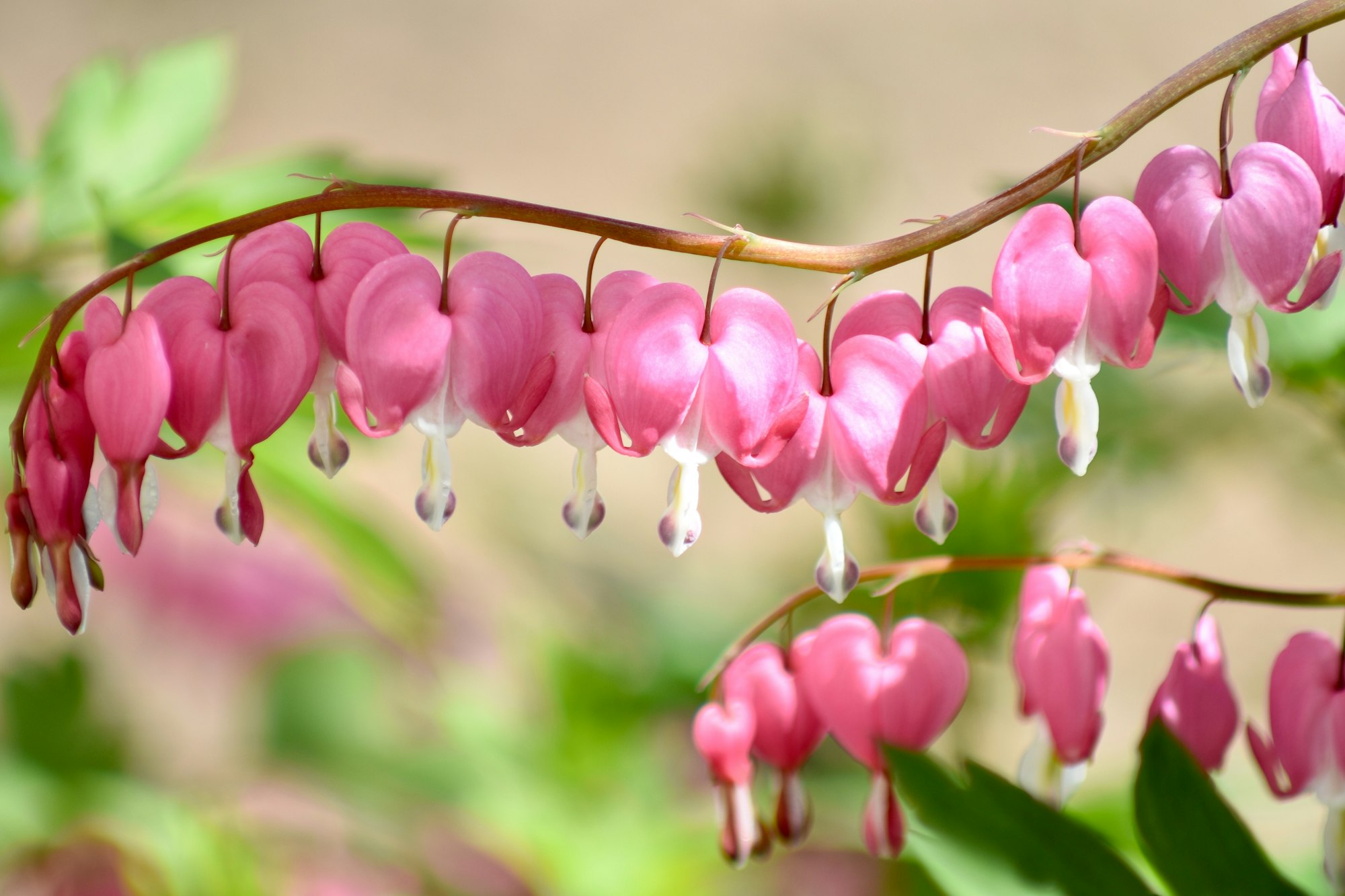
- Bleeding Heart (Dicentra spectabilis or Lamprocapnos spectabilis): Beautiful heart-shaped flowers in spring. Deer tend to leave them alone.
- Ferns (various species): Most ferns are highly deer-resistant due to their texture and taste. Options like Lady Fern, Maidenhair Fern, and Christmas Fern thrive in shade.
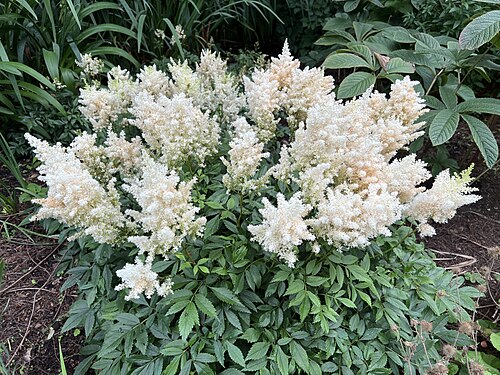
- **Astilbe (Astilbe spp.)**: Known for their feathery plumes and attractive foliage, astilbes are a great choice for moist, shady areas.
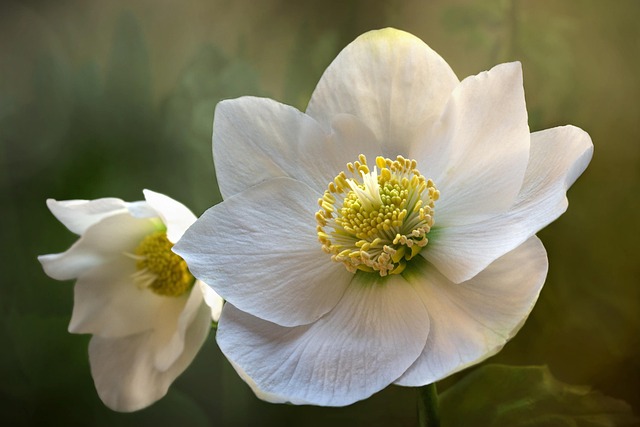
- **Hellebore (Helleborus spp.)**: Also known as Lenten Rose, these early bloomers offer beautiful flowers in late winter/early spring and are very deer-resistant.
- **Lungwort (Pulmonaria spp.)**: Attractive spotted foliage and early spring flowers. Deer dislike the fuzzy leaves.
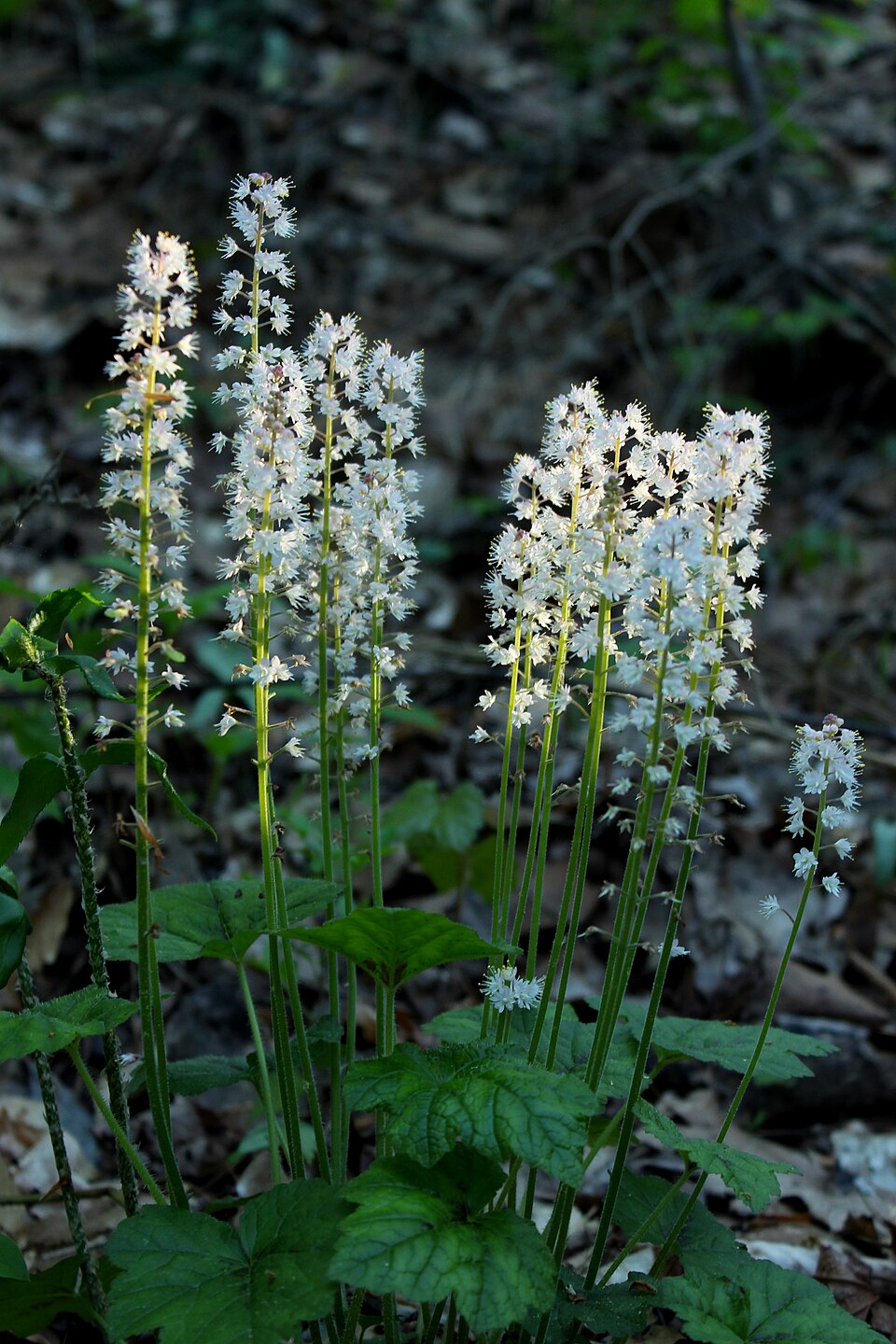
- Foamflower (Tiarella cordifolia): Delicate white flowers and attractive foliage, perfect for groundcover.
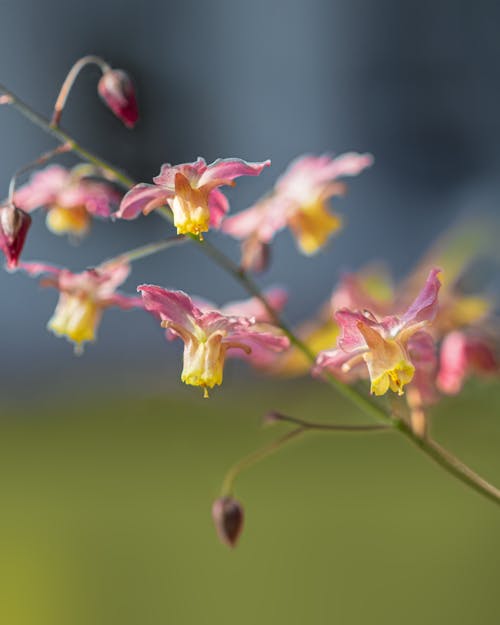
- **Barrenwort (Epimedium spp.)**: A tough, drought-tolerant groundcover for dry shade once established.
- **Solomon's Seal (Polygonatum spp.)**: Elegant arching stems with bell-shaped flowers.
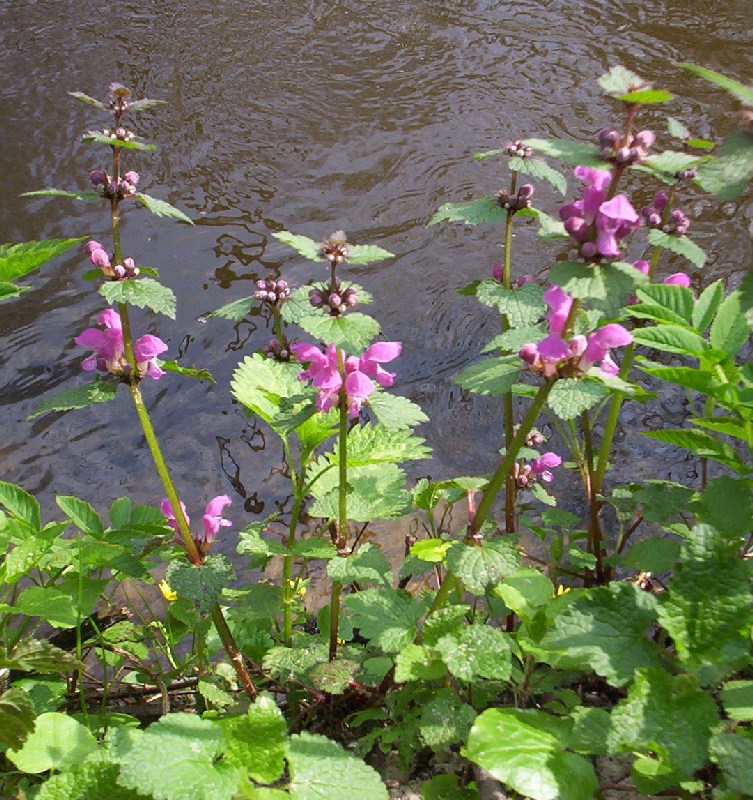
- Dead Nettle (Lamium maculatum): A colorful groundcover with variegated leaves.
Shrubs:
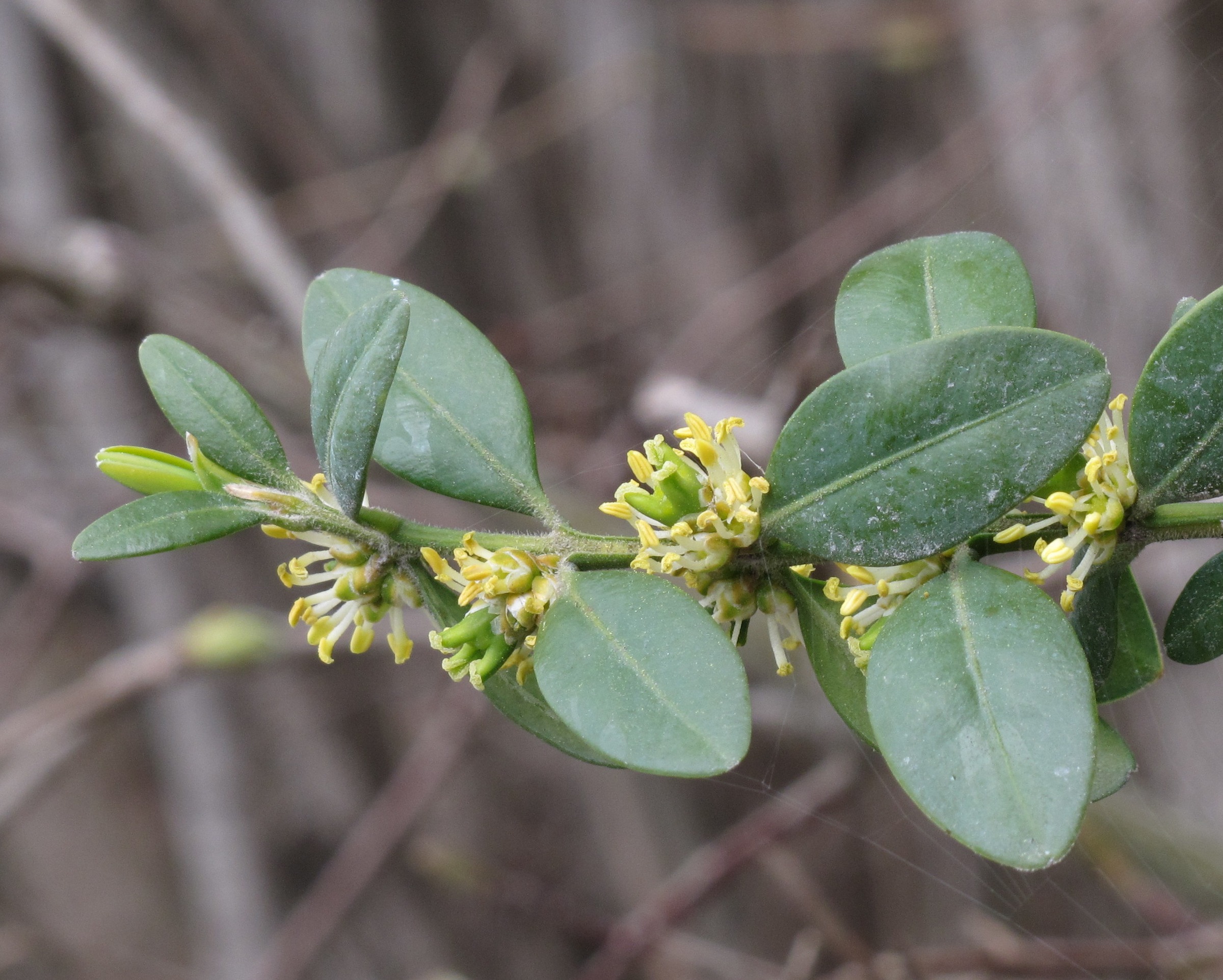
- **Boxwood (Buxus spp.)**: Classic evergreen shrub, excellent for formal hedges or structural elements. Deer generally avoid it.
- Pieris (Pieris japonica): Also known as Andromeda, this evergreen shrub offers beautiful flowers and new foliage color.
- **Rhododendron & Azalea (Rhododendron spp.)**: While some varieties can be browsed, many are considered deer-resistant, especially the larger, more mature plants. Their toxicity is a deterrent.
- Fothergilla (Fothergilla gardenii): A deciduous shrub with unique bottlebrush flowers in spring and brilliant fall color.
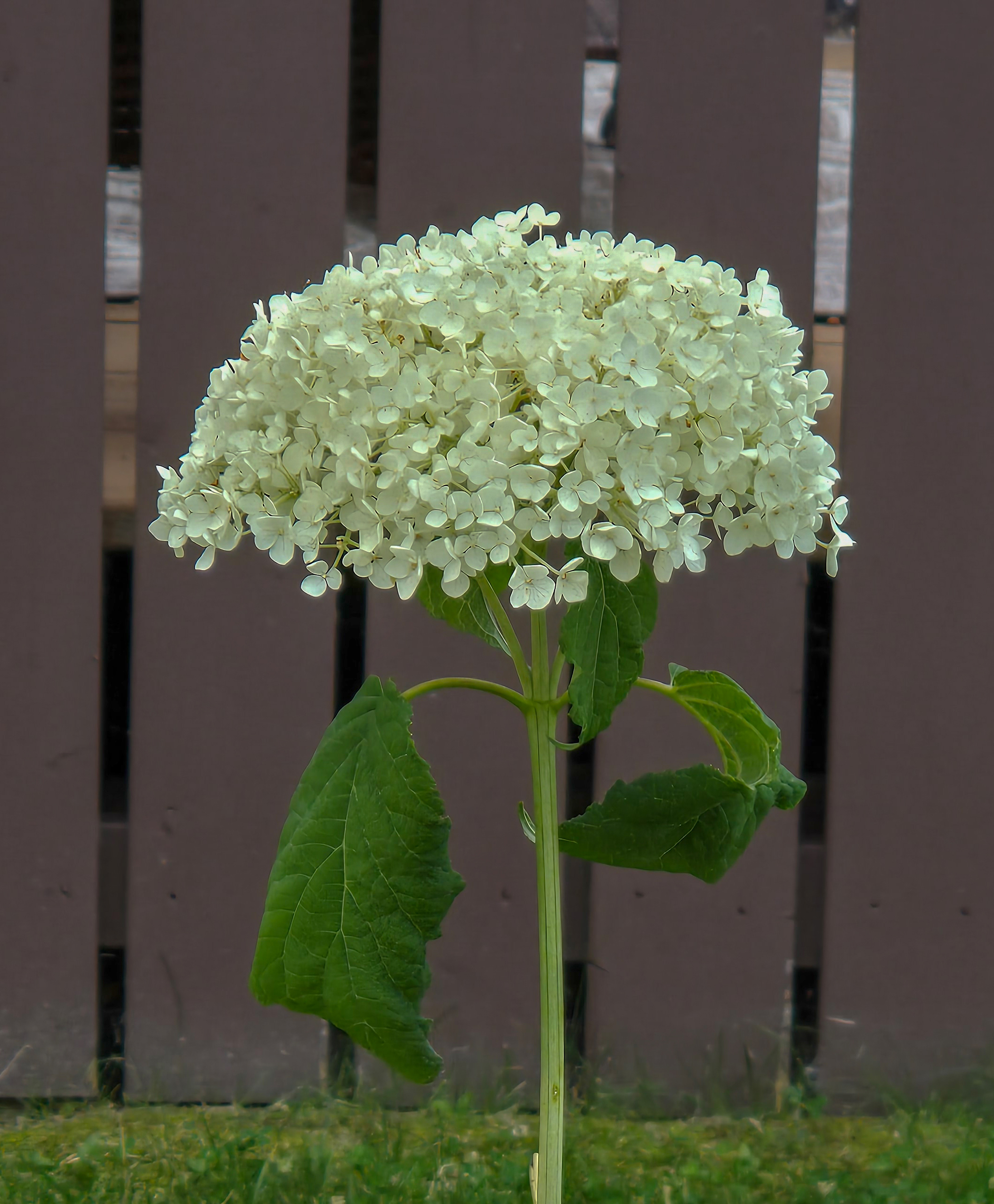
- **Hydrangea (Hydrangea spp.)**: While some hydrangeas (like H. macrophylla) can be browsed, others like
are often less appealing.
- Spicebush (Lindera benzoin): A native shrub with aromatic leaves and bright red berries, offering good fall color.
Annuals (for seasonal color in shade):
- Impatiens (Impatiens walleriana - New Guinea Impatiens are more resistant than traditional): While traditional impatiens can be browsed, New Guinea Impatiens are often less appealing.
- Coleus (Plectranthus scutellarioides): Offers incredible foliage color and is generally deer-resistant.
- Tuberous Begonia (Begonia tuberhybrida): Bright, showy flowers for shady spots.
How Can I Protect My Shade Garden from Deer?
Beyond plant selection, several strategies can help protect your deer-resistant shade garden. Combining multiple approaches often yields the best results.
Physical Barriers:
- Fencing: The most effective method, though not always practical or aesthetically pleasing for a garden bed. For deer, a fence needs to be at least 8 feet high.
- Netting: Can be temporarily draped over vulnerable plants, especially young ones, during periods of high deer activity.
- Individual Cages: For prized plants, a wire cage can provide protection.
Deer Repellents:
- Commercial Sprays: Many products contain ingredients like putrescent egg solids, capsaicin (hot pepper), or strong scents that deter deer. They need to be reapplied regularly, especially after rain.
- Homemade Solutions: Some gardeners swear by soap bars, human hair, or strong-smelling spices, though their effectiveness can vary greatly.
- Motion-Activated Sprinklers: These can startle deer and deter them from entering an area.
Strategic Planting:
- "Sacrifice" Plants: If you have a large property, you might plant highly attractive plants (like hostas) in an area far from your main garden to draw deer away.
- Perimeter Planting: Surround more vulnerable plants with highly deer-resistant ones to create a "barrier" layer.
- Mass Planting: Deer are less likely to browse a large mass of a plant they don't particularly enjoy compared to a single specimen.
Garden Maintenance:
- Remove Temptations: Clean up fallen fruit or vegetables that might attract deer.
- Avoid Over-Fertilizing: Lush, new growth can be particularly attractive to deer.
Quick Reference: Deer-Resistant Shade Plants
| Plant Name | Light Needs | Deer Resistance | Notes |
|---|---|---|---|
| Astilbe | Partial to Full Shade | High | Feathery plumes, moist soil |
| Bleeding Heart | Partial to Full Shade | High | Heart-shaped flowers, spring bloomer |
| Boxwood | Partial to Full Shade | High | Evergreen shrub, structural |
| Ferns (various) | Partial to Full Shade | High | Diverse textures, low maintenance |
| Hellebore | Partial to Full Shade | High | Early bloomer, evergreen foliage |
| Lungwort | Partial to Full Shade | High | Spotted foliage, fuzzy leaves |
| Pieris | Partial to Full Shade | High | Evergreen shrub, spring flowers |
| Solomon's Seal | Partial to Full Shade | High | Elegant arching stems |
| Foamflower | Partial to Full Shade | High | Delicate flowers, good groundcover |
| Barrenwort | Partial to Dry Shade | High | Tough groundcover, drought tolerant |
| Hydrangea (Smooth) | Partial Shade | Medium-High | Less preferred than bigleaf hydrangeas |
| Coleus | Partial to Full Shade | Medium-High | Vibrant foliage, annual |
Remember, consistency is key. If you use repellents, reapply them regularly. If deer pressure is very high, a multi-pronged approach combining resistant plants with physical deterrents will give you the best chance of success.
Ready to find the perfect plants for your yard? Try the PlantWise Plant Finder →