Best Deer-Resistant Shrubs for Zone 3
Gardening in Zone 3 presents unique challenges with its extremely cold winters, but adding structure and year-round interest with shrubs is entirely possible, even when deer are frequent visitors. The best deer-resistant shrubs for Zone 3 are those that are not only cold-hardy but also possess characteristics that deer find unappealing, such as strong fragrances, fuzzy or thorny textures, or bitter tastes. While no plant is truly deer-proof, selecting varieties known for their resistance can significantly reduce browsing damage, allowing you to enjoy a beautiful, resilient landscape even in the harshest climates.
🌱 Get Personalized Plant Picks
Answer a few quick questions and we’ll match plants to your exact yard conditions.
Find My Plants →What Makes a Shrub Deer-Resistant?
Deer are opportunistic browsers, and their preferences can vary based on food availability, local populations, and even individual deer. However, certain plant characteristics generally deter them:
- Strong Scents: Aromatic foliage, often with a pungent or minty smell, is frequently avoided by deer. They tend to dislike strong odors that might mask the scent of predators or other food sources.
- Fuzzy or Hairy Leaves: Plants with textured leaves can be unappealing to deer, as they find the sensation unpleasant in their mouths.
- Thorny or Prickly Stems: Naturally, anything with sharp thorns or spines is a deterrent, as it makes for an uncomfortable meal.
- Bitter Taste: Some plants contain compounds that, while not necessarily toxic, simply taste bad to deer.
- Toxicity: While we don't recommend planting highly toxic plants indiscriminately, deer often learn to avoid plants that cause them digestive upset.
Remember, even "deer-resistant" plants can be nibbled during periods of extreme hunger, especially in winter when other food sources are scarce. The goal is to make your garden less appealing than your neighbor's or the surrounding wild areas.
Which Deer-Resistant Shrubs Thrive in Zone 3?
Finding shrubs that can withstand Zone 3's brutal winters and deter deer requires careful selection. Here are some excellent choices that offer both resilience and resistance:
- Siberian Peashrub (Caragana arborescens): This tough-as-nails shrub is incredibly cold-hardy and drought-tolerant once established. Its fine texture and yellow spring flowers are attractive, and deer generally leave it alone due to its somewhat coarse foliage and quick growth. It can even be grown as a small tree or hedge.
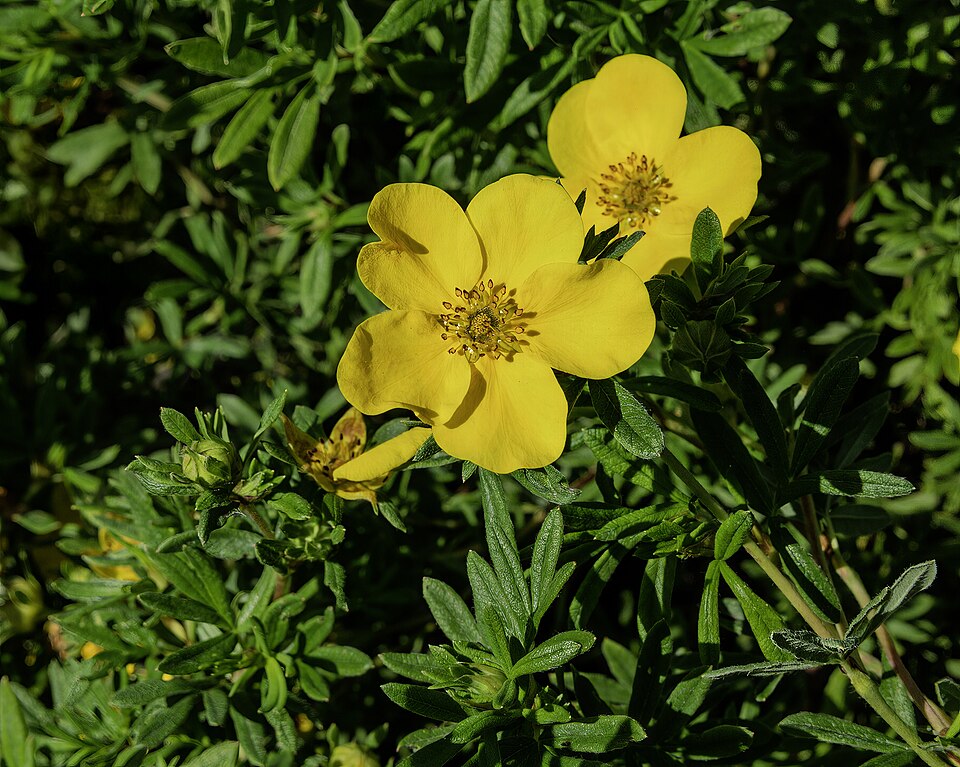
- Potentilla (Potentilla fruticosa): Also known as Shrubby Cinquefoil, Potentilla is a champion of cold climates. It offers an abundance of small, five-petaled flowers (usually yellow, but pink, orange, and white varieties exist) from late spring until frost. Deer typically avoid Potentilla due to its somewhat woody, unpalatable foliage. It's low-maintenance and comes in various sizes.
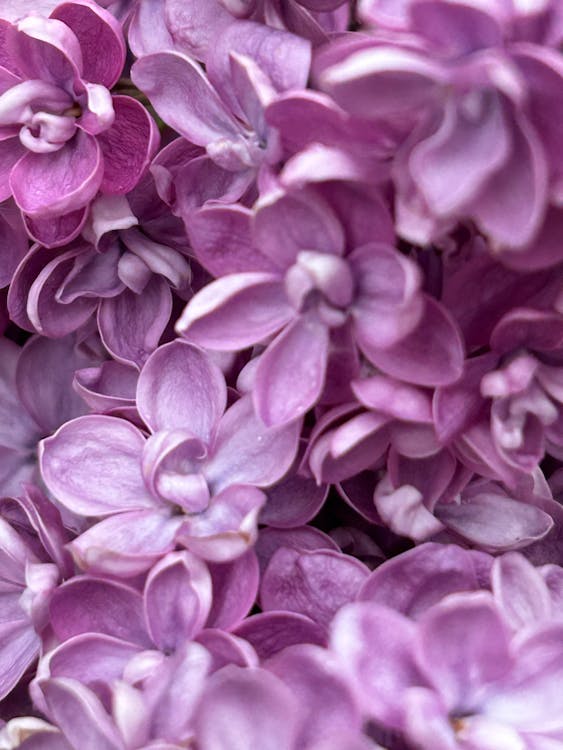
- Common Lilac (Syringa vulgaris): A classic for a reason! Lilacs are incredibly hardy, fragrant, and beautiful. Their strong, sweet scent, while delightful to us, is often a deterrent to deer. While they might occasionally browse young shoots, established lilacs are rarely severely damaged.
- Juniper (Juniperus spp.): Many juniper varieties are excellent deer-resistant choices for Zone 3. Their prickly, often aromatic needles are a major turn-off for deer. From low-spreading groundcovers to upright columnar forms, junipers offer diverse textures and evergreen interest, providing crucial structure in winter.
- Nanking Cherry (Prunus tomentosa): This multi-stemmed shrub offers attractive white spring blooms, edible tart red cherries in summer (loved by birds!), and good fall color. Its slightly fuzzy leaves and stems, combined with its relatively fast growth, often deter deer.
- Cotoneaster (Cotoneaster spp.): Many cotoneaster varieties are hardy to Zone 3, offering attractive foliage, small flowers, and bright berries that persist into winter. Their somewhat stiff, often wiry branches and small leaves are generally not preferred by deer.
- Dwarf Arctic Willow (Salix purpurea 'Nana'): This compact willow offers fine-textured, bluish-green foliage and a graceful, mounding habit. While some willows can be deer magnets, the Dwarf Arctic Willow is often listed as more resistant due to its slightly bitter taste and compact form.
- Dogwood (Cornus sericea/stolonifera): While some dogwoods can be browsed, the native Red Osier Dogwood (Cornus sericea or Cornus stolonifera) is generally considered deer-resistant, especially once established. Its vibrant red stems provide fantastic winter interest. Deer tend to prefer other browse over its somewhat bitter-tasting bark and leaves.
Here are some other plants that pair well with deer-resistant shrubs:
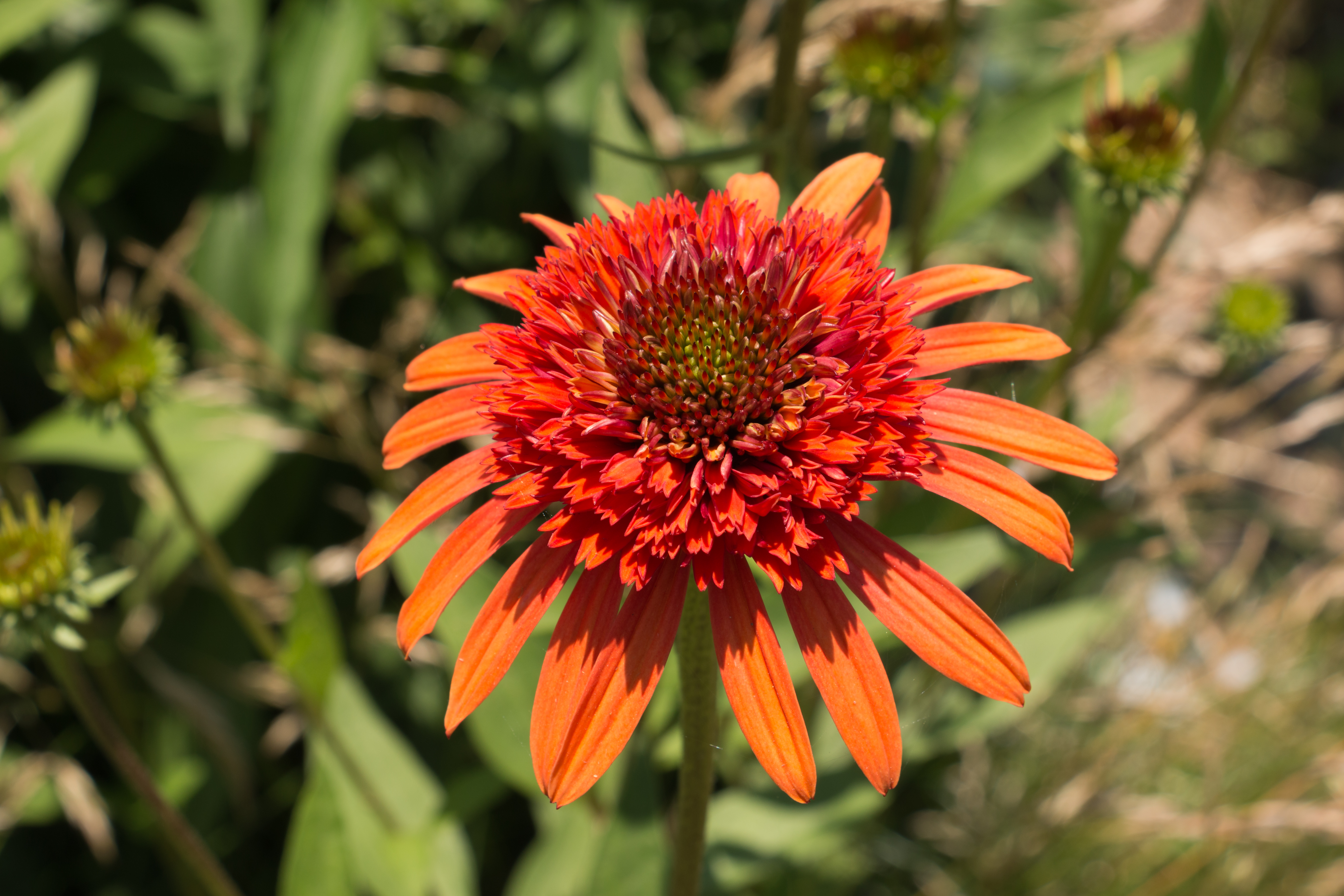
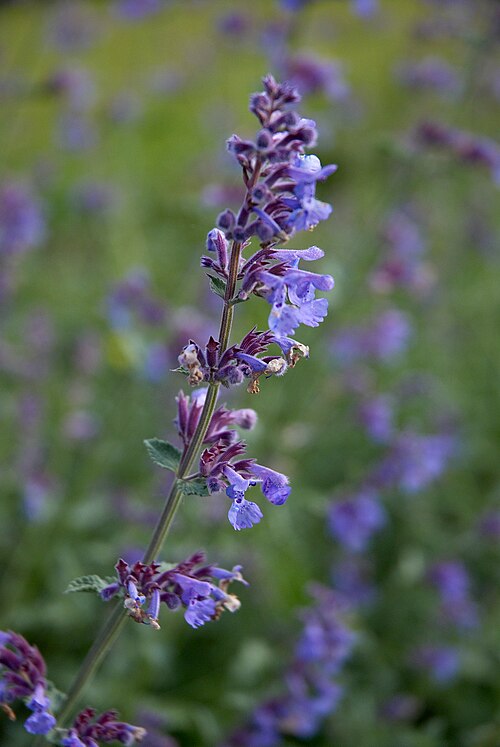
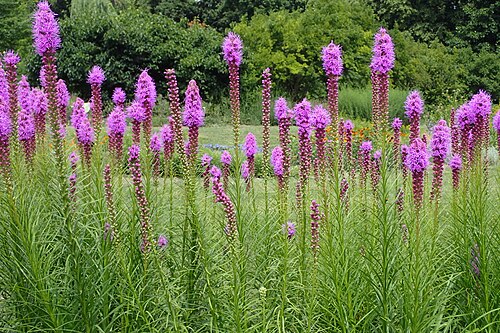
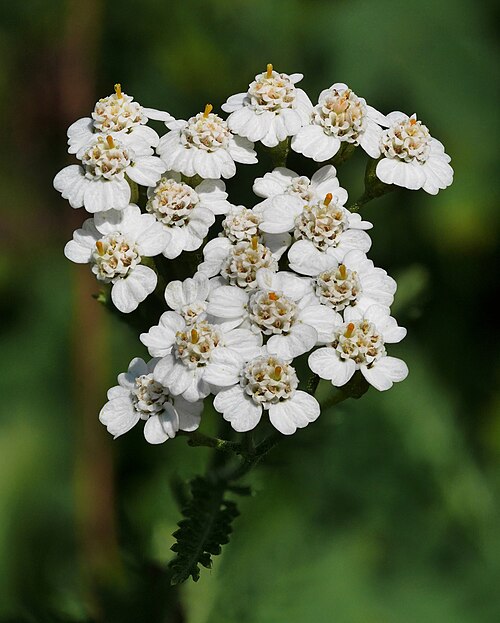
Catmint Coneflower Yarrow Blazing Star
Quick Reference: Zone 3 Deer-Resistant Shrubs
| Shrub Name | Key Deer-Resistant Trait(s) | Key Features for Zone 3 | Size (Approx.) |
|---|---|---|---|
| Siberian Peashrub | Coarse foliage, fast growth | Very hardy, drought tolerant, yellow flowers | 10-20 ft tall/wide |
| Potentilla | Woody, unpalatable foliage | Long bloom time, various colors, low maint. | 2-4 ft tall/wide |
| Common Lilac | Strong fragrance | Extremely hardy, fragrant spring blooms | 8-15 ft tall/wide |
| Juniper | Prickly, aromatic needles | Evergreen, diverse forms, low maintenance | Varies greatly |
| Nanking Cherry | Slightly fuzzy leaves/stems | Edible fruit, white flowers, fall color | 6-10 ft tall/wide |
| Cotoneaster | Stiff branches, small leaves | Berries, foliage interest, various forms | Varies (2-15 ft) |
| Dwarf Arctic Willow | Bitter taste, compact form | Fine texture, blue-green foliage, mounding | 3-5 ft tall/wide |
| Red Osier Dogwood | Bitter bark/leaves | Red winter stems, native, adaptable | 6-10 ft tall/wide |
How Can I Further Protect My Shrubs from Deer?
Even with deer-resistant selections, a multi-pronged approach is often the most effective.
- Physical Barriers: For young or highly prized plants, temporary fencing or cages can offer crucial protection until they are established. Permanent fencing is the most effective solution for large areas, but can be costly.
- Repellents: Scent or taste-based repellents can be effective, but require consistent reapplication, especially after rain or new growth. Rotate types to prevent deer from becoming accustomed to one.
- Strategic Planting: Place more vulnerable plants closer to your house or in areas with more human activity. Create layers of deer-resistant plants around less resistant ones.
- Companion Planting: While not a guaranteed solution, planting strongly scented herbs like Catmint or Yarrow near shrubs might help mask their scent from deer.
- Clean Up: Remove fallen fruit or vegetables that might attract deer to your yard.
Remember, no plant is truly deer-proof. The goal is to make your garden as unappealing as possible to deer, encouraging them to browse elsewhere. By combining hardy, deer-resistant shrubs with smart gardening practices, you can create a beautiful and resilient landscape in Zone 3.
Ready to find the perfect plants for your yard? Try the PlantWise Plant Finder →