FTC Disclosure: This post contains affiliate links. We may earn a commission at no extra cost to you if you purchase through these links.
If you live in USDA Hardiness Zone 6 and struggle with deer browsing your landscape, you’re not alone. Deer resistant shrubs for Zone 6 are essential for creating a beautiful, structured garden that withstands the persistent deer pressure common in colder winter climates. While no plant is completely deer-proof, the following eight shrubs are known for their reliable resistance to deer, offering a combination of hardiness, ornamental appeal, and resilience to help protect your garden investment.
Understanding Deer Resistance in Zone 6 Shrubs
Zone 6 includes regions with average minimum winter temperatures ranging from -10 to 0°F (-23 to -18°C). Plants thriving here must be cold-hardy but also deer-resistant due to the presence of hungry deer throughout much of the year. Deer resistance means these plants are generally avoided by deer because of their taste, texture, or toxicity, but hungry deer may occasionally nibble on them when food is scarce.
Before planting, consider the local deer population density and their feeding habits in your area. Using deer-resistant shrubs in combination with other deterrents like fencing or repellents will maximize success. Also, keep in mind that “deer resistant” does not mean safe for pets or children. Always check toxicity information before planting.
🌱 Get Personalized Plant Picks
Answer a few quick questions and we’ll match plants to your exact yard conditions.
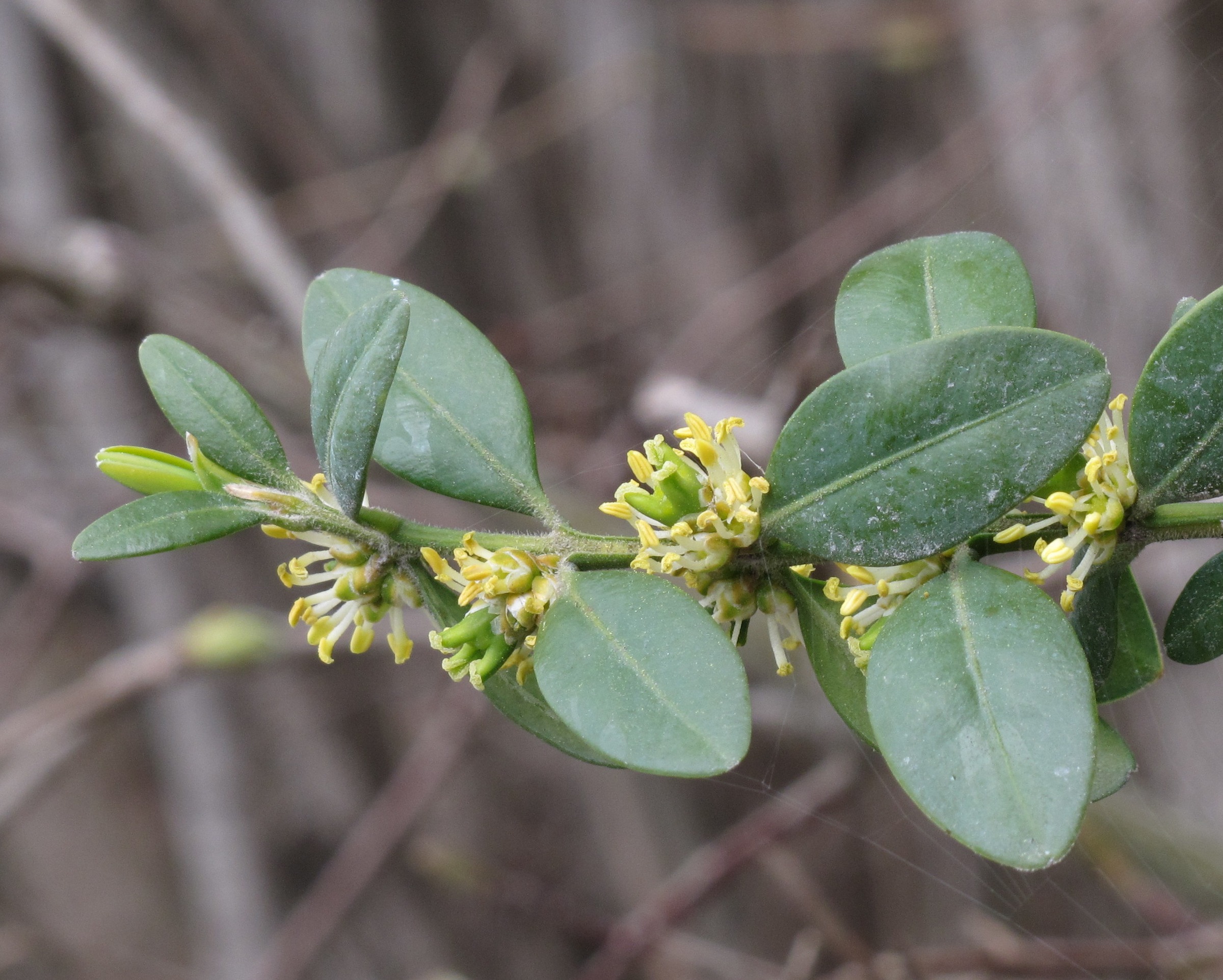
Find My Plants →1. Boxwood (Buxus spp.)
Boxwood is a classic evergreen shrub that offers year-round structure with dense, glossy green foliage. It is hardy in Zone 6 and moderately deer resistant, thanks to its leathery, slightly bitter leaves. Boxwoods are versatile, suitable for hedges, formal gardens, or foundation plantings.
Their slow growth and dense habit make them less attractive to deer. While not completely immune, deer tend to avoid them unless food is very scarce. Boxwoods also tolerate pruning well, allowing you to maintain neat shapes.
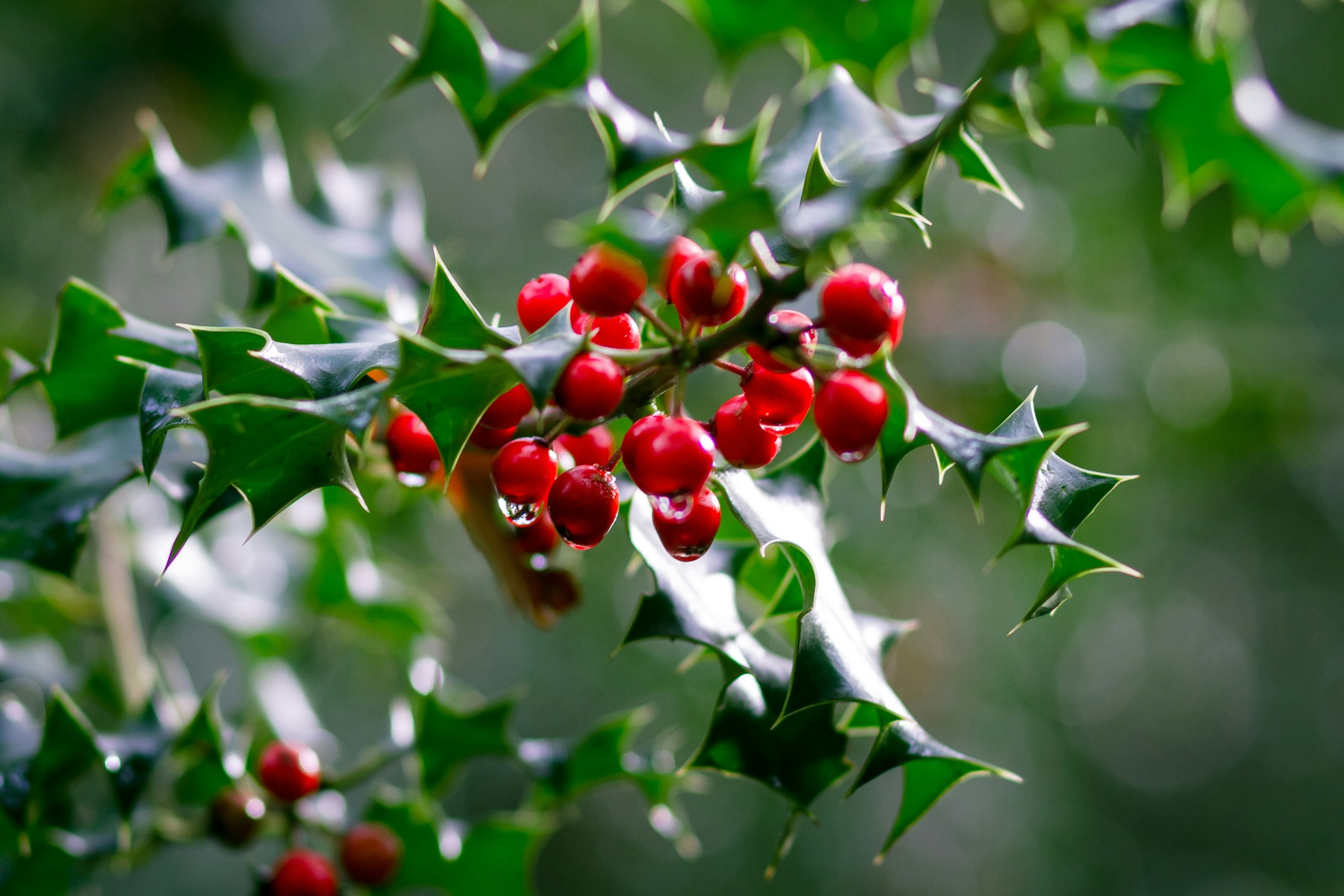
2. Winterberry Holly (Ilex verticillata)
Winterberry Holly is a deciduous holly native to North America, prized for its bright red berries that persist into winter. Deer generally avoid the spiny leaves and bitter taste of this shrub. It thrives in moist, acidic soil common in Zone 6 and adapts well to both sun and partial shade.
Winterberry adds seasonal interest with its berries providing food for birds while being unappealing to deer. Male and female plants are required for berry production, so plant at least one male for every three to four females.
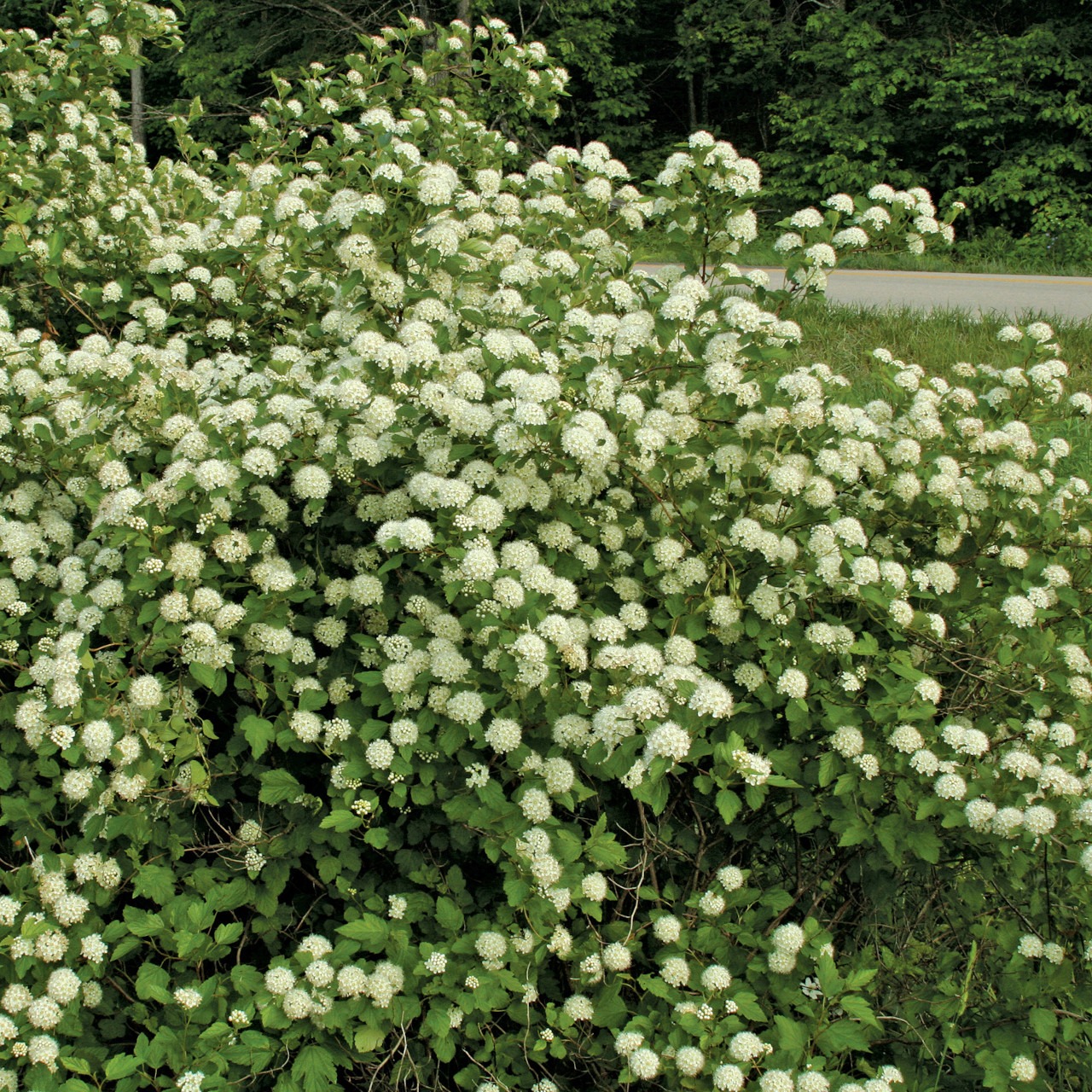
3. Ninebark (Physocarpus opulifolius)
Ninebark is a tough, deciduous shrub well-suited to Zone 6 that offers beautiful exfoliating bark, clusters of small flowers, and colorful fall foliage. Its coarse leaves and bitter taste deter deer browsing. It’s drought tolerant once established and adaptable to many soil types.
This shrub’s multi-stemmed habit makes it great for naturalizing or mass plantings. It also attracts pollinators but generally remains off the deer menu, making it a reliable choice for deer resistance.
4. Serviceberry (Amelanchier spp.)
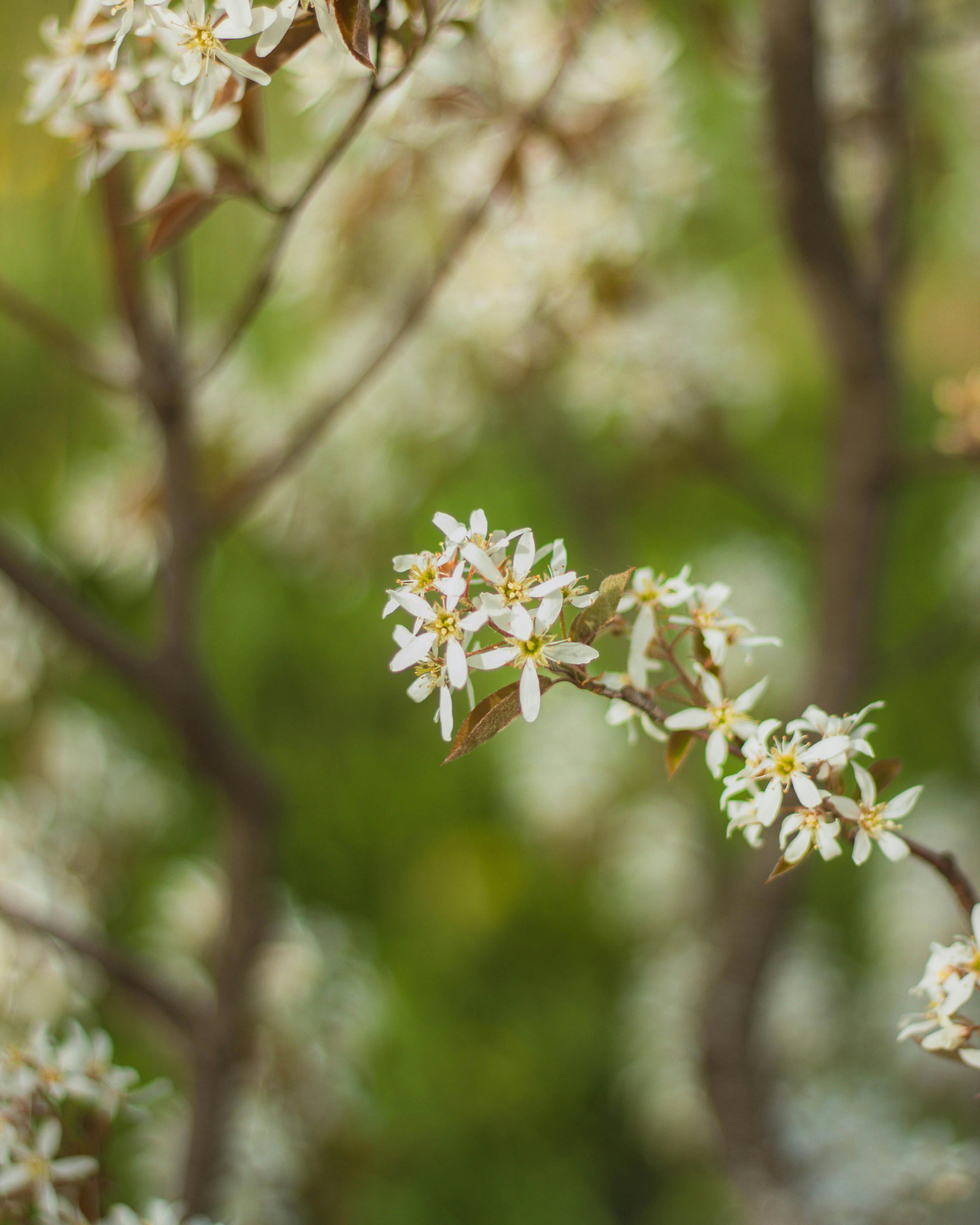
Serviceberry is a deciduous shrub or small tree native to North America, robust in Zone 6 climates. It produces delicate white flowers in spring and edible berries in summer, which attract birds rather than deer. The leaves are generally unappealing to deer, offering moderate resistance.
Serviceberry also provides excellent fall color and can be used as a specimen or hedge. Its natural, multi-stemmed form fits well into woodland or mixed shrub borders.
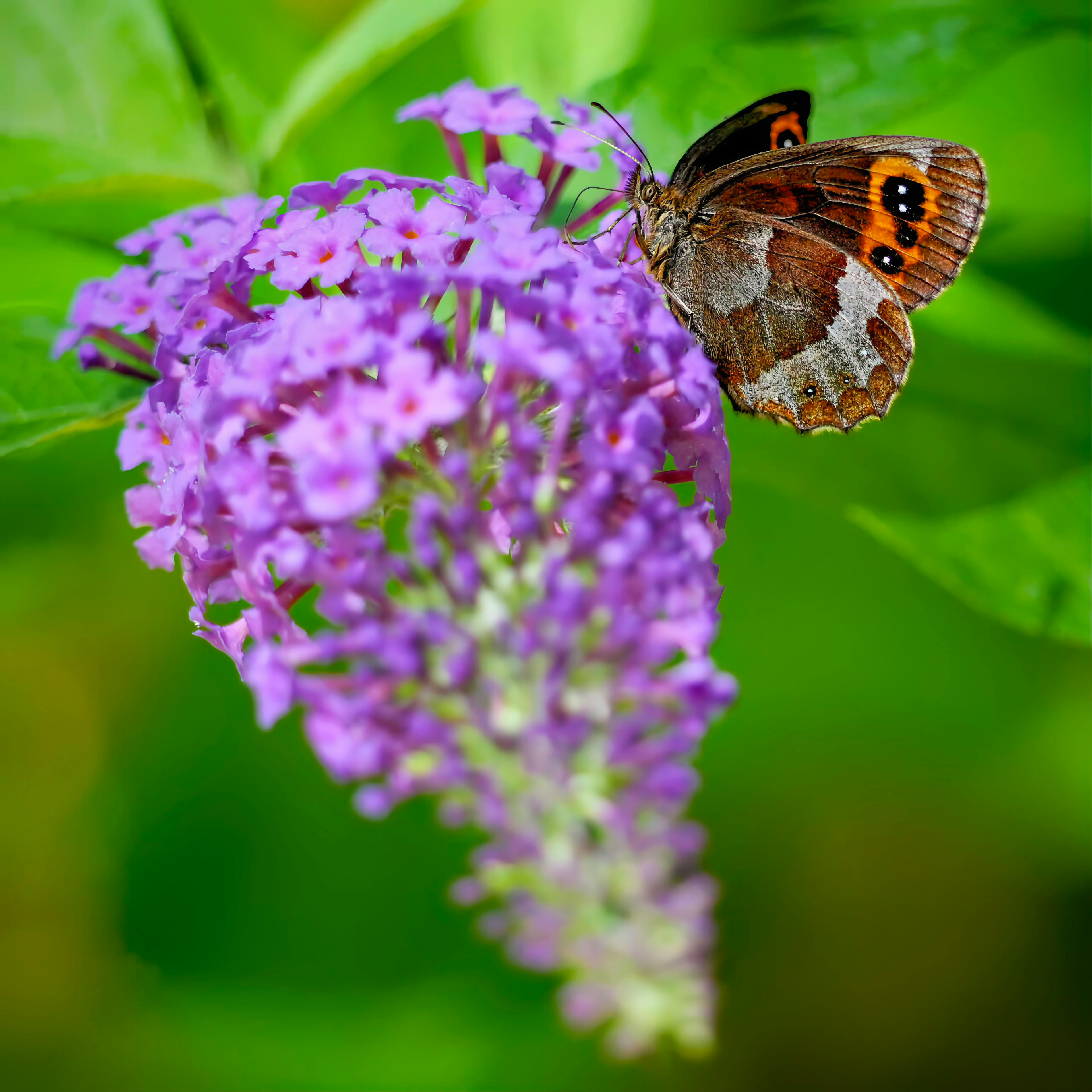
5. Butterfly Bush (Buddleja davidii)
Butterfly Bush is a fast-growing deciduous shrub known for its large, fragrant flower spikes that attract butterflies and hummingbirds. It is hardy to Zone 6 and has a bitter taste that makes it undesirable to deer.
Though deer may occasionally sample new growth, Butterfly Bush generally withstands browsing pressure well. It prefers full sun and well-drained soil and can be pruned back hard in late winter to promote vigorous flowering.
6. Spirea (Spiraea spp.)
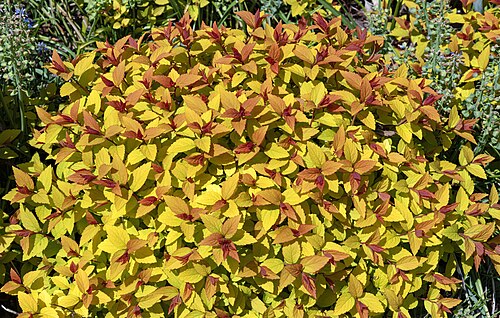
Spirea shrubs are hardy, deciduous plants with clusters of white or pink flowers in spring or summer. Their coarse, somewhat bitter foliage discourages deer from feeding. They grow well in Zone 6 with full sun to part shade exposure.
Spirea is easy to grow, low maintenance, and excellent for borders, mass plantings, or foundation beds. The variety of flower colors and shapes adds seasonal interest while withstanding deer pressure.
7. Viburnum (Viburnum spp.)
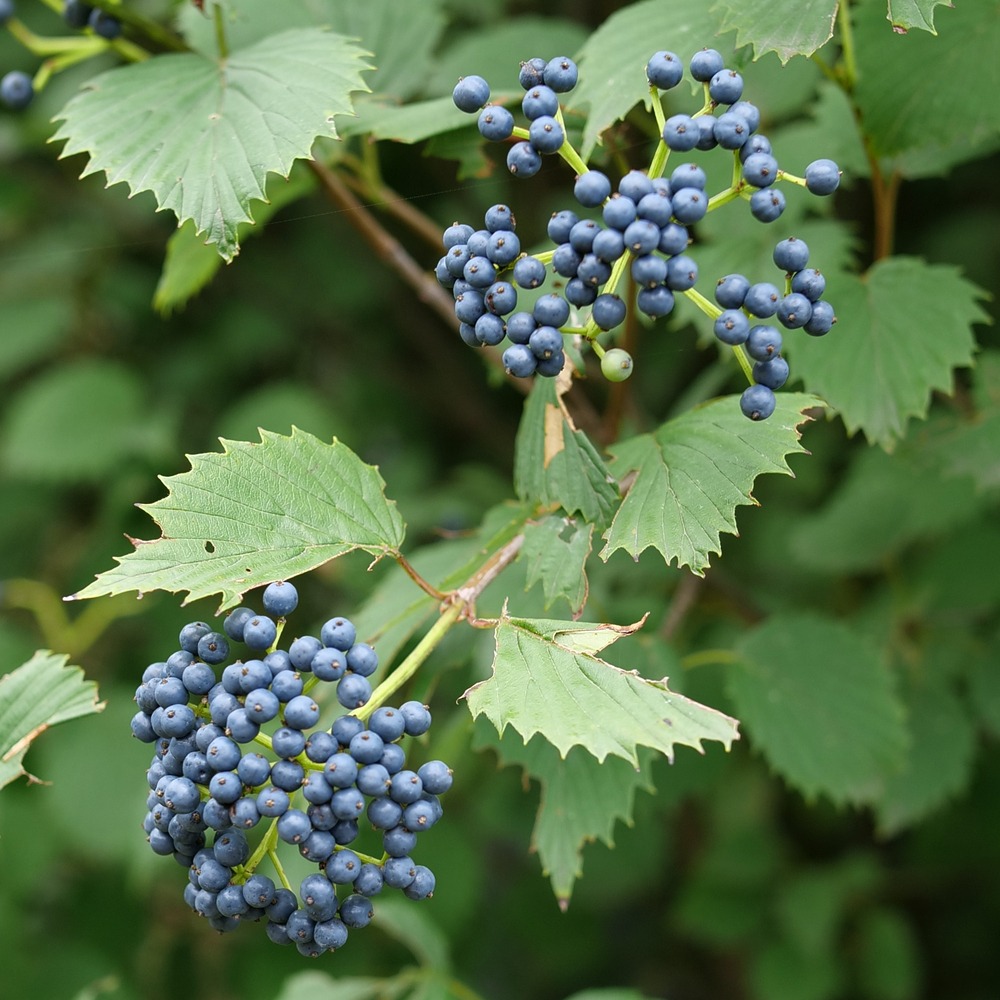
Viburnum shrubs offer multi-season interest with their showy flowers, attractive foliage, and colorful berries. Most Viburnum species are moderately deer resistant due to their tough, sometimes aromatic leaves.
They thrive in Zone 6, tolerating a range of soil conditions and sun exposures. Viburnums provide wildlife value while generally deterring deer browsing, making them a practical choice for mixed shrub borders.
8. Redosier Dogwood (Cornus sericea)
Redosier Dogwood is a deciduous shrub notable for its striking red stems that add winter interest. It grows well in Zone 6 and moist soils such as near ponds or rain gardens. The coarse leaves and bitter taste make it unappealing to deer.
This shrub is also excellent for erosion control and wildlife habitat, offering berries for birds. Its unique winter color and deer resistance make it a valuable landscape addition.
Tips for Enhancing Deer Resistance in Your Garden
While these shrubs are generally deer resistant in Zone 6, no plant is deer-proof. To further protect your garden:
- Use physical barriers like fencing or netting during peak deer activity.
- Apply deer repellents regularly, especially in new plantings.
- Mix in highly deer-resistant plants with less resistant species.
- Avoid planting highly palatable plants near resistant shrubs.
- Maintain plant health with proper watering and fertilizing to reduce stress.
Wildlife Resistance Disclaimer
Please note that while these shrubs are generally deer resistant, hungry deer, rabbits, or groundhogs may occasionally browse them, especially during food shortages. No plant is completely resistant to all wildlife feeding.
Pet Safety Notice
If you have pets, be aware that some of these shrubs may not be listed as safe for pets. Always check toxicity information before planting and contact the ASPCA Animal Poison Control Center at 888-426-4435 if you suspect your pet has ingested a potentially harmful plant.
Conclusion
Choosing the right deer resistant shrubs for Zone 6 can transform your landscape into a beautiful, structured, and resilient space despite persistent deer pressure. Boxwood, Winterberry Holly, Ninebark, Serviceberry, Butterfly Bush, Spirea, Viburnum, and Redosier Dogwood all offer excellent options combining ornamental appeal with proven deer resistance. Incorporate these shrubs thoughtfully, alongside additional deterrents, to enjoy a thriving, wildlife-friendly garden.
Ready to find the perfect deer resistant shrubs for your Zone 6 garden? Try our Plant Finder wizard now at /wizard to customize your selections based on your site conditions and preferences.
#PlantWise #DeerResistant #Zone6Shrubs #Gardening #WildlifeResistance