Best Deer-Resistant Plants for Slopes and Hillsides
Slopes and hillsides present unique gardening challenges, from erosion control to difficult access for maintenance. When you add deer pressure to the mix, finding the right plants can feel daunting. Fortunately, many resilient, beautiful plants thrive in these conditions while deterring deer. The best deer-resistant plants for slopes and hillsides are typically tough, drought-tolerant once established, have strong root systems to stabilize soil, and possess characteristics that deer find unappealing, such as fuzzy leaves, strong scents, or bitter tastes. Think native grasses, sturdy perennials like {{yarrow}} and {{coneflower}}, and low-maintenance shrubs that can handle the often-drier, poorer soil conditions of a sloped site.
Gardening on a slope isn't just about aesthetics; it's also crucial for preventing soil erosion, managing stormwater runoff, and creating a stable landscape. Deer, with their keen sense of smell and opportunistic grazing habits, can quickly decimate new plantings, especially on easily accessible slopes. Choosing plants that are less palatable to deer is a proactive step in protecting your investment and ensuring your hillside remains vibrant and intact.
🌱 Get Personalized Plant Picks
Answer a few quick questions and we’ll match plants to your exact yard conditions.
Find My Plants →Why are Slopes and Hillsides Challenging for Gardening?
Slopes and hillsides pose several specific challenges that gardeners must address. Understanding these issues is the first step in selecting the right plants and ensuring their success.
Firstly, erosion is a primary concern. Rainwater runs down slopes more quickly, carrying away topsoil, nutrients, and even young plants. This can lead to bare patches, gulleys, and instability. Plants with extensive, fibrous root systems are essential for binding the soil and slowing down water flow.
Secondly, water retention can be poor. Despite heavy rainfall, water often drains away rapidly on slopes before it can deeply penetrate the soil, leading to drier conditions, especially at the top of the slope. This means drought-tolerant plants are often the best choice once established. However, the bottom of a slope might accumulate more moisture, so understanding your specific microclimates is important.
Thirdly, soil quality can be compromised. Erosion often strips away nutrient-rich topsoil, leaving behind compacted or less fertile subsoil. Plants that can tolerate lean soil conditions will perform better.
Finally, maintenance can be difficult. Mowing or weeding on a steep incline is physically demanding and potentially hazardous. Opting for low-maintenance, spreading plants that can outcompete weeds and don't require frequent pruning or watering is highly beneficial.
What Characteristics Make a Plant Deer-Resistant?
While it's important to remember that no plant is truly deer-proof - a hungry deer will eat almost anything - certain characteristics make plants less appealing to them. Incorporating these types of plants significantly reduces the likelihood of deer damage.
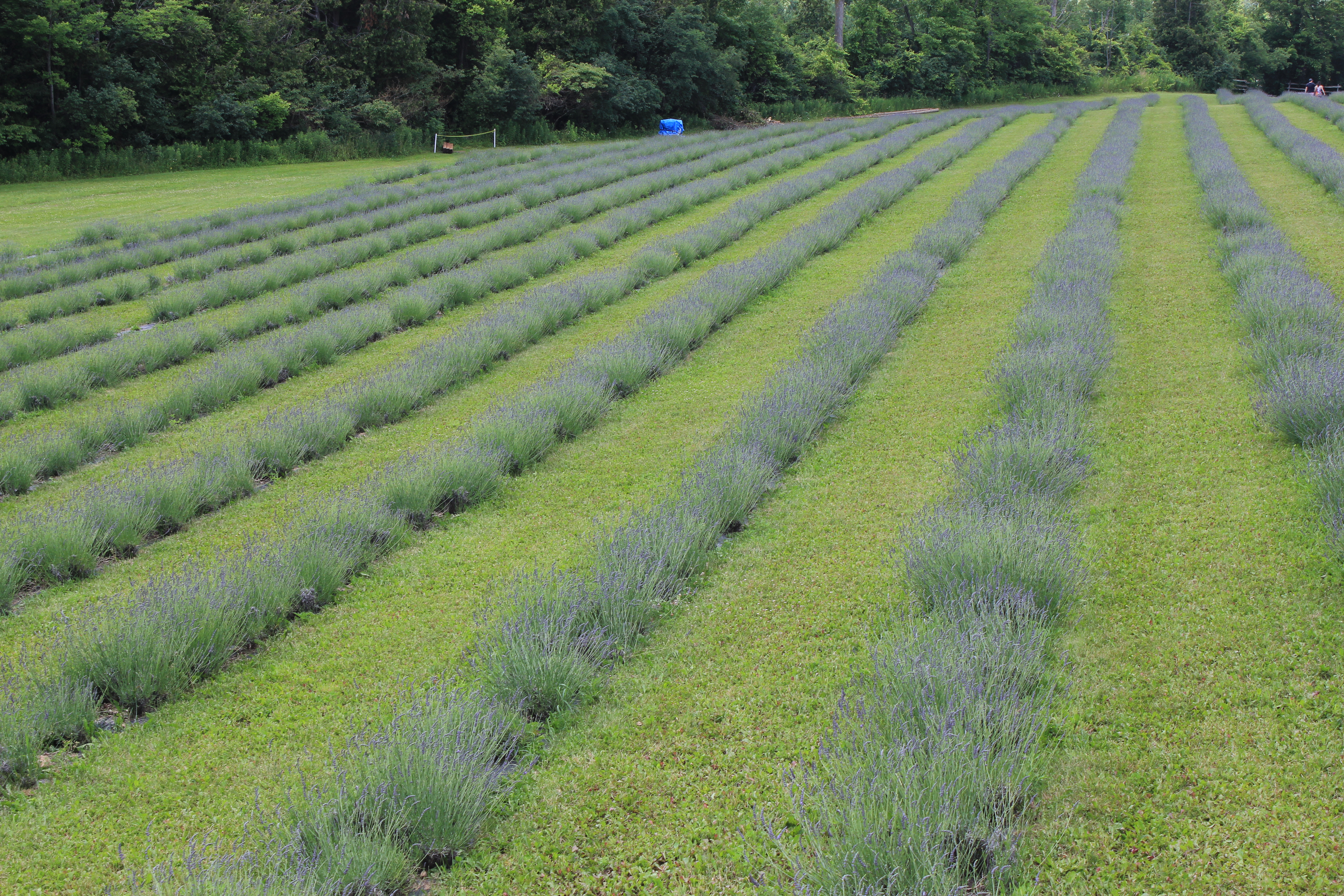
- Strong Scents: Deer have a highly developed sense of smell, and many plants with aromatic foliage, like lavender, {{catmint}}, or {{salvia}}, are often avoided. The strong fragrance can be off-putting.
- Fuzzy or Hairy Leaves: Plants with textured, fuzzy, or prickly leaves are generally less palatable. Deer prefer smooth, tender foliage. Examples include Lamb's Ear or certain varieties of {{coneflower}}.
- Bitter Taste or Toxicity: Some plants contain compounds that make them taste bitter or are mildly toxic to deer, causing them to steer clear. While we don't want to plant highly toxic species, many common garden plants fall into this category.
- Tough or Leathery Foliage: Plants with coarse, tough, or leathery leaves are harder for deer to chew and digest, making them less desirable than soft, succulent greens.
- Thorns or Spines: While less common for groundcover on slopes, thorny plants like roses (though some roses are deer favorites, others are less so) or barberry can deter deer from browsing.
Combining several of these characteristics in your plant selections will give you the best chance of success in a deer-prone area.
Recommended Deer-Resistant Plants for Slopes and Hillsides
Here's a selection of tough, beautiful, and deer-resistant plants that are excellent choices for stabilizing slopes and adding beauty to your landscape:
Perennials & Groundcovers:
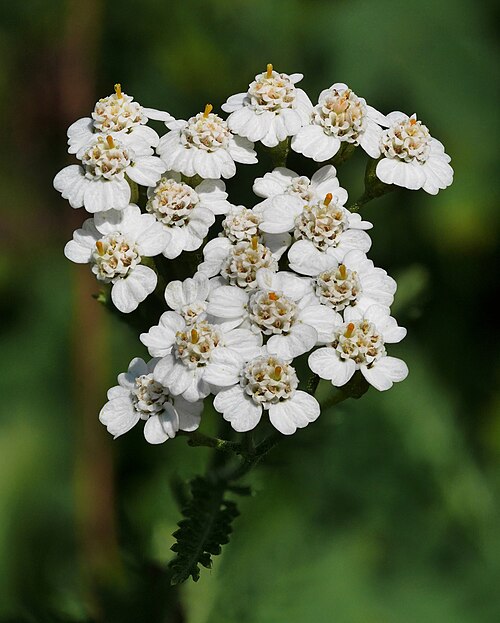
- {{Yarrow}} (Achillea millefolium): Known for its feathery foliage and flat-topped flower clusters in various colors. Yarrow is extremely drought-tolerant, thrives in poor soil, and its aromatic leaves are unappealing to deer. Its spreading habit helps with erosion control.
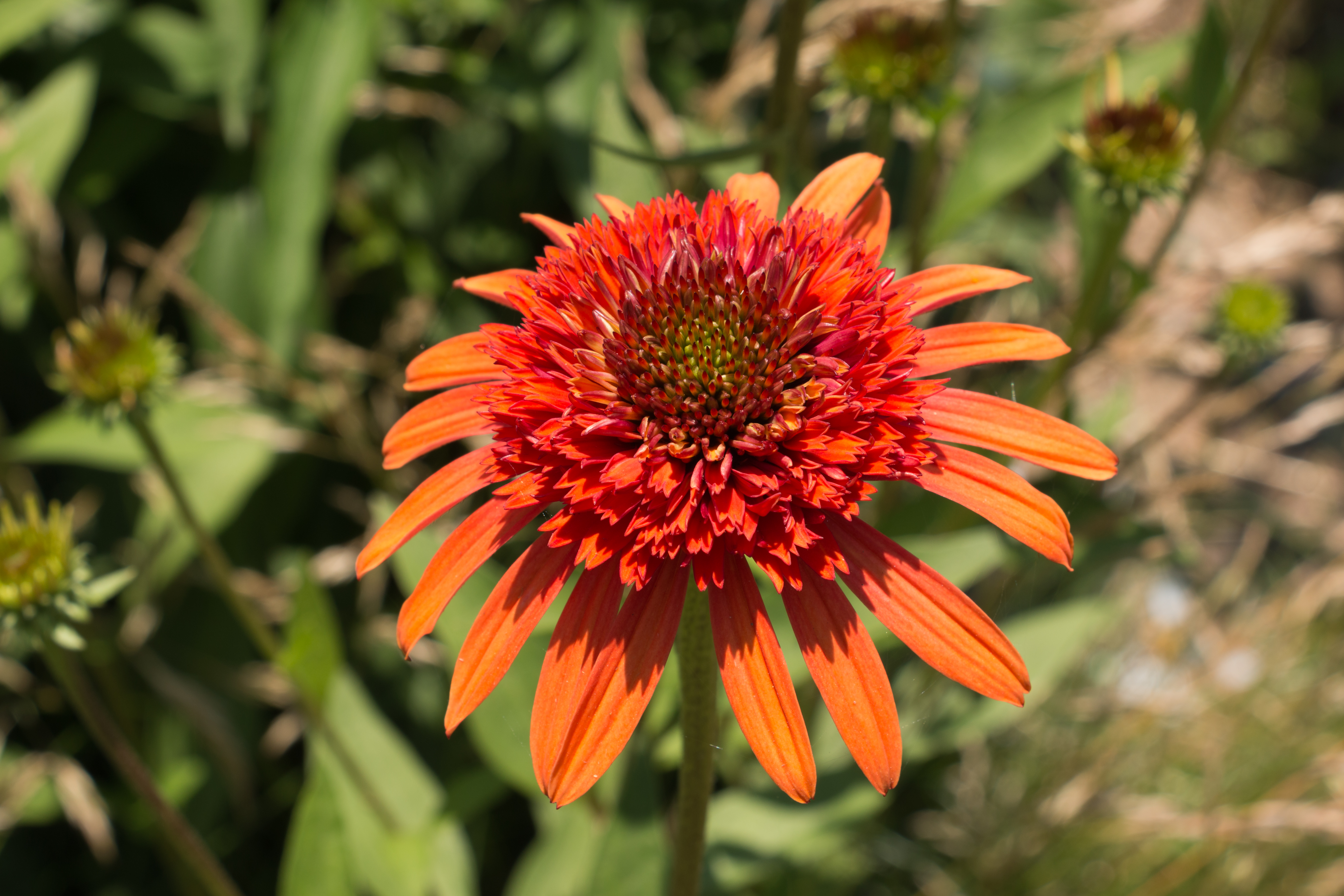
- {{Coneflower}} (Echinacea purpurea): A classic prairie plant with sturdy stems and daisy-like flowers. Coneflowers are tough, drought-tolerant, and their somewhat coarse leaves are generally ignored by deer. They attract pollinators and have strong root systems.
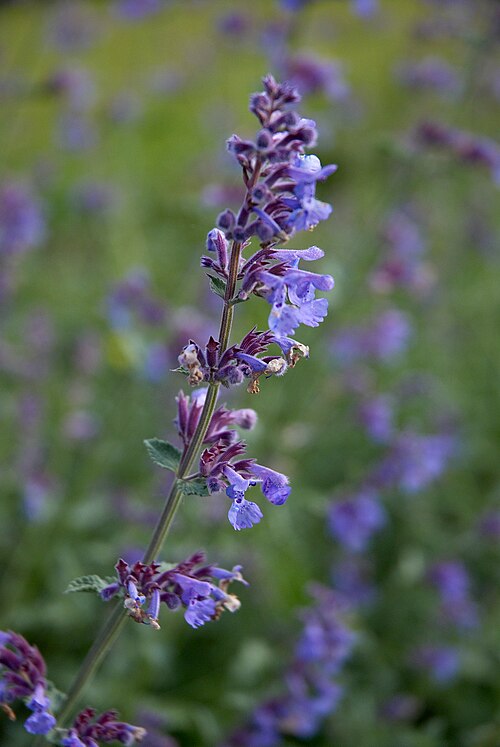
- {{Catmint}} (Nepeta x faassenii): This low-growing, spreading perennial forms a beautiful carpet of silvery-green, aromatic foliage and spikes of lavender-blue flowers. Deer find its strong minty scent repulsive. It's incredibly drought-tolerant and virtually maintenance-free.
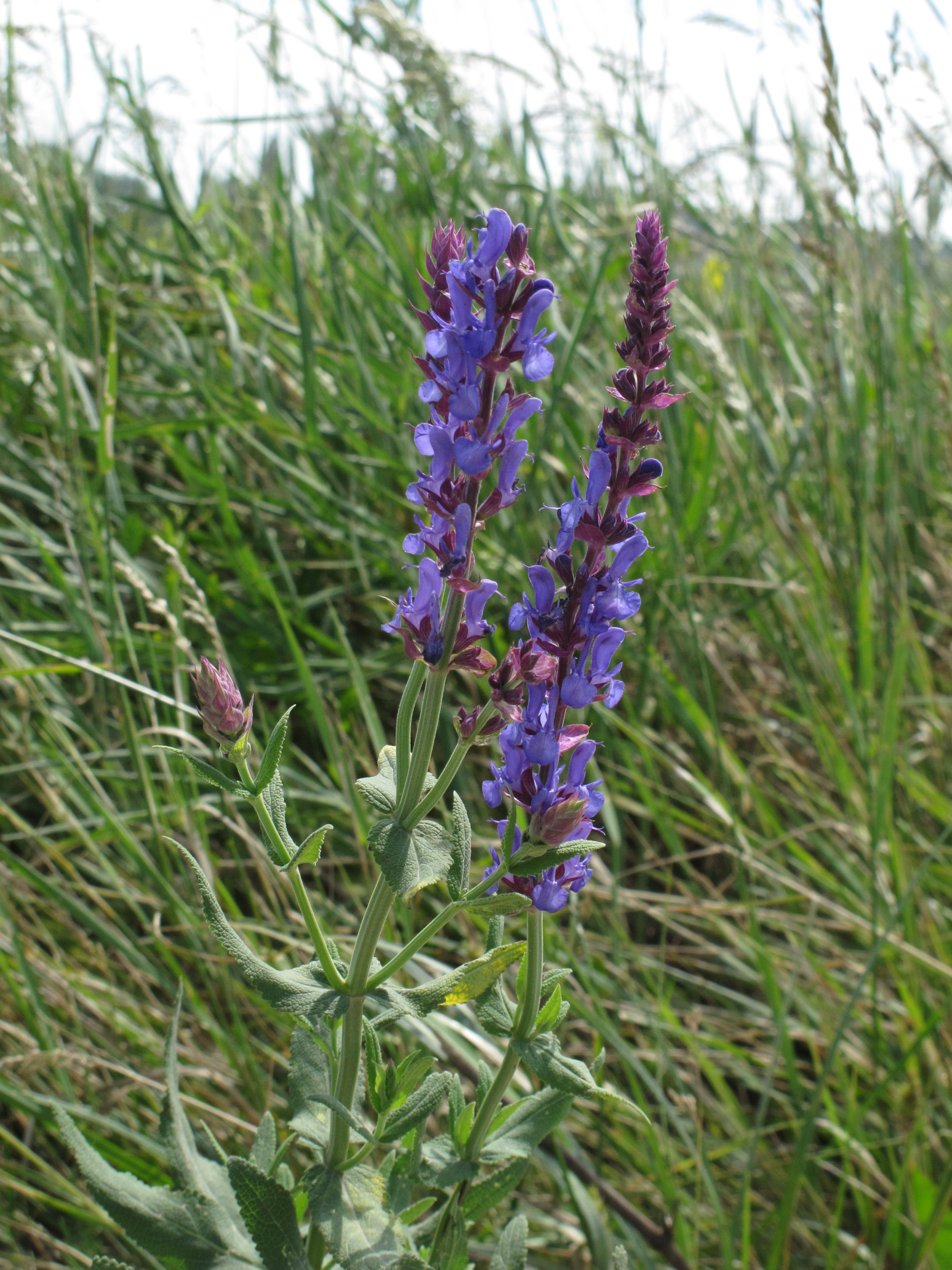
- {{Salvia}} (Salvia spp.): Many varieties of Salvia, particularly perennial types like 'May Night' or 'Caradonna', offer vibrant flower spikes and aromatic foliage. They are excellent for dry conditions and deer tend to avoid them.
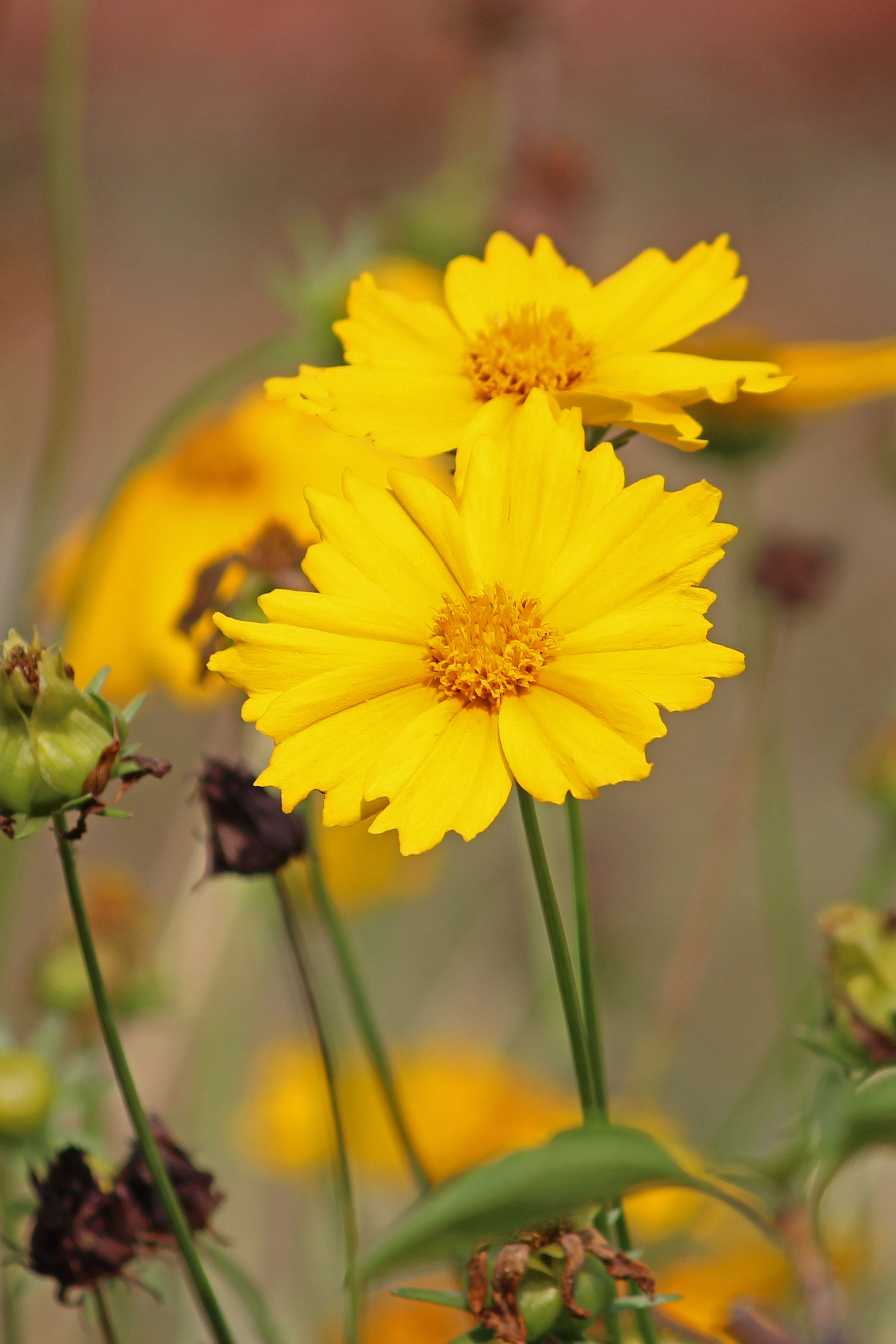
- {{Coreopsis}} (Coreopsis spp.): Also known as Tickseed, Coreopsis offers a profusion of cheerful yellow, orange, or pink daisy-like flowers. Most varieties are drought-tolerant and deer-resistant, forming nice clumps that help stabilize soil.
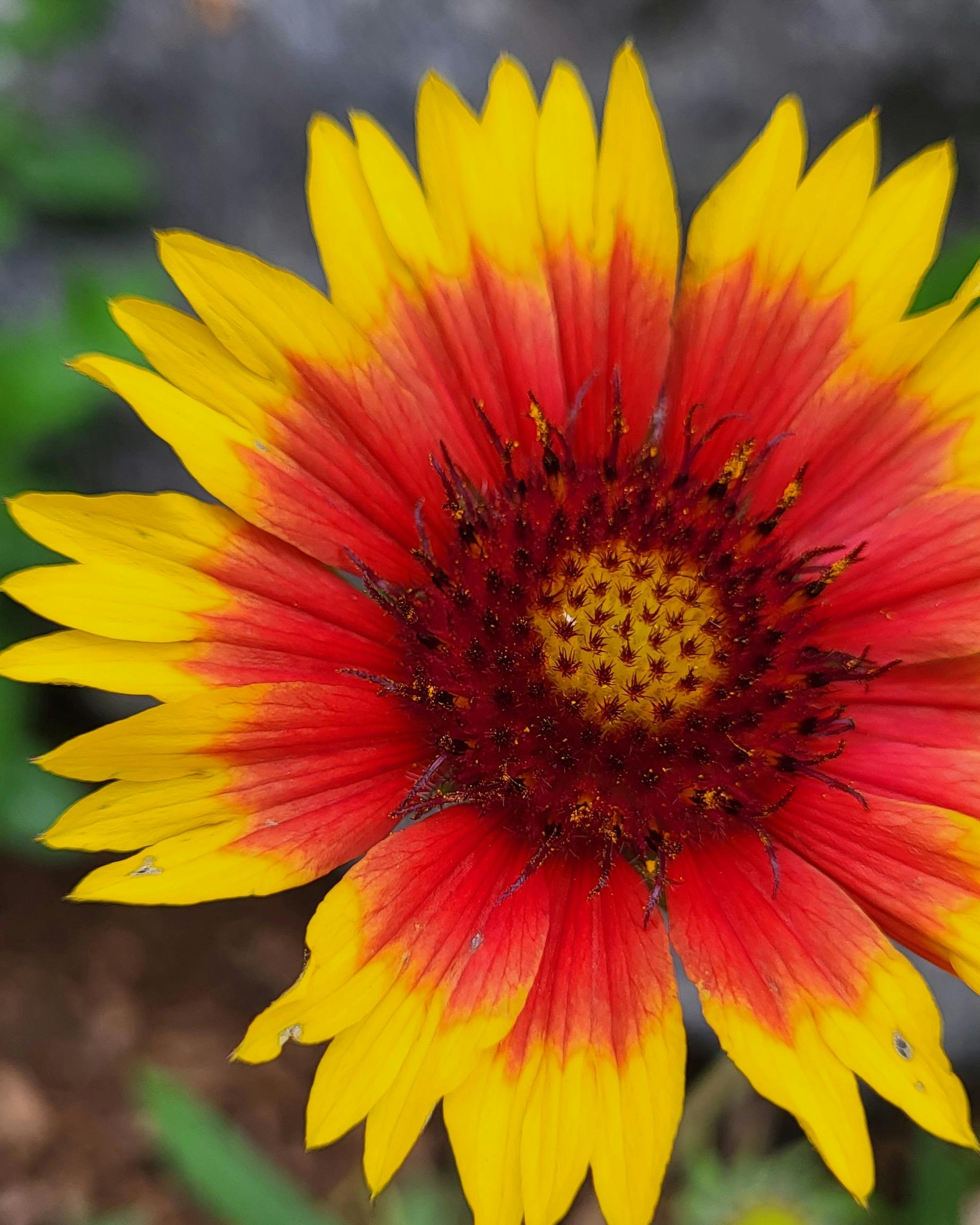
- {{Blanket Flower}} (Gaillardia x grandiflora): Bright, cheerful, and incredibly tough, Blanket Flower thrives in full sun and poor, dry soils. Its fuzzy leaves and strong scent deter deer. It's a great choice for long-lasting color.
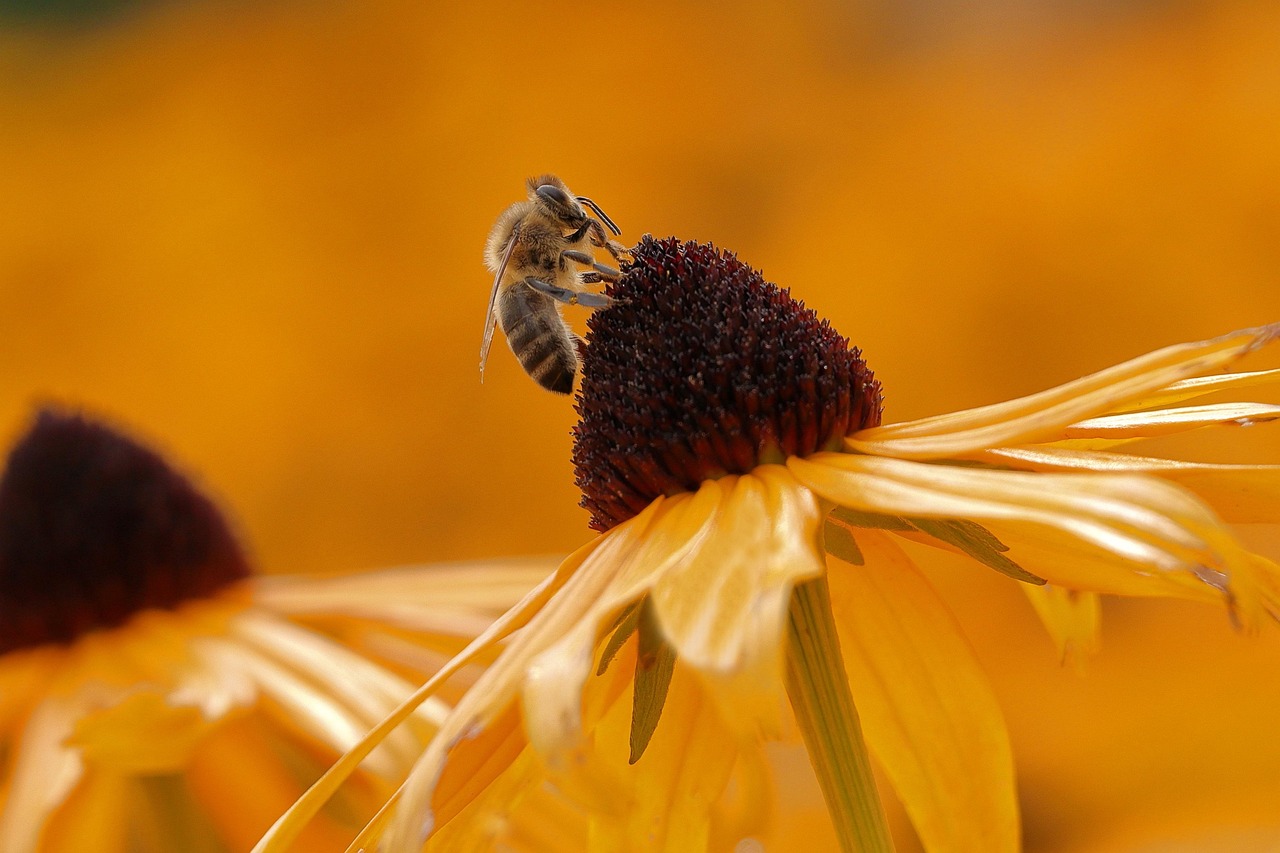
- {{Black-eyed Susan}} (Rudbeckia hirta): Similar to coneflowers, these cheerful yellow flowers with dark centers are robust, adaptable, and generally deer-resistant. They tolerate a wide range of soil conditions and are excellent for naturalizing on slopes.
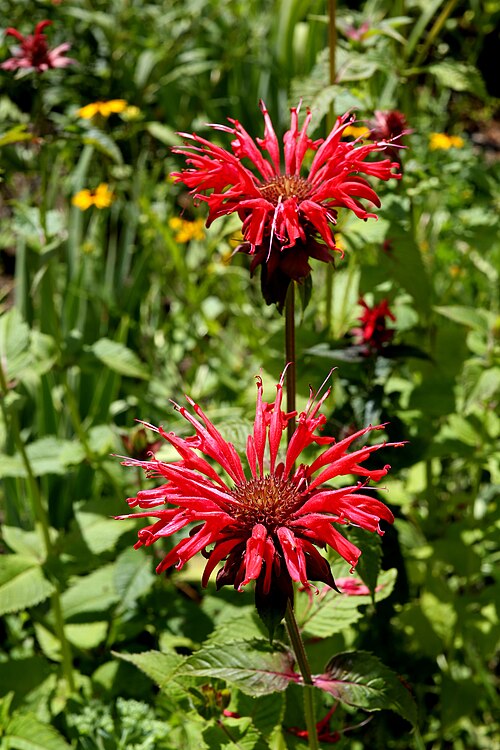
- {{Bee Balm}} (Monarda didyma): While some deer might nibble, many varieties of Bee Balm are considered deer-resistant due to their aromatic foliage. They prefer slightly more moisture than some other options but can tolerate drier conditions once established. Their strong root systems are good for erosion.
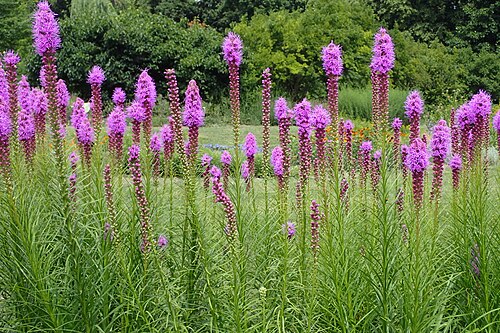
- {{Blazing Star}} (Liatris spicata): With its striking purple flower spikes, Blazing Star is a fantastic vertical element for slopes. It's drought-tolerant, attracts pollinators, and its tough, grass-like foliage is not a favorite of deer.
Ornamental Grasses:
Ornamental grasses are fantastic for slopes because of their deep, fibrous root systems that excel at erosion control. Most are also deer-resistant.
- Little Bluestem (Schizachyrium scoparium): A beautiful native grass with blue-green foliage that turns russet in fall. It's extremely drought-tolerant and provides year-round interest.
- Switchgrass (Panicum virgatum): Tall and stately, Switchgrass offers excellent erosion control and habitat. It's very adaptable to various soil types and moisture levels.
- Fountain Grass (Pennisetum alopecuroides): While some varieties self-seed aggressively, many sterile cultivars offer graceful arching foliage and bottlebrush-like plumes. Deer generally leave it alone.
Quick Reference: Deer-Resistant Slope Plants
| Plant Name | Sun Needs | Soil Needs | Water Needs (Est.) | Deer Resistance | Erosion Control | Notes |
|---|---|---|---|---|---|---|
| {{Yarrow}} | Full Sun | Poor to Average, well-drained | Low | High | Excellent | Aromatic foliage, spreading habit. |
| {{Coneflower}} | Full Sun | Average, well-drained | Low to Medium | High | Good | Coarse leaves, sturdy. |
| {{Catmint}} | Full Sun | Poor to Average, well-drained | Low | High | Excellent | Strong scent, spreading groundcover. |
| {{Salvia}} | Full Sun | Average, well-drained | Low to Medium | High | Good | Aromatic foliage, diverse forms. |
| {{Coreopsis}} | Full Sun | Average, well-drained | Low to Medium | High | Good | Cheerful flowers, clump-forming. |
| {{Blanket Flower}} | Full Sun | Poor, well-drained | Low | High | Good | Fuzzy leaves, long bloom time. |
| {{Black-eyed Susan}} | Full Sun | Average, well-drained | Low to Medium | High | Good | Adaptable, cheerful. |
| {{Bee Balm}} | Full Sun-Part Shade | Average, moist to well-drained | Medium | Medium-High | Good | Aromatic, attracts pollinators. |
| {{Blazing Star}} | Full Sun | Average, well-drained | Low to Medium | High | Good | Striking vertical form, tough. |
| Little Bluestem | Full Sun | Poor to Average, well-drained | Low | High | Excellent | Native grass, year-round interest. |
| Switchgrass | Full Sun-Part Shade | Wide range | Low to Medium | High | Excellent | Tall, strong roots, native. |
| Fountain Grass | Full Sun | Average, well-drained | Low to Medium | High | Good | Graceful form, check for invasiveness. |
How Do I Prepare a Slope for Planting and Ensure Success?
Proper preparation is key to establishing a successful, deer-resistant planting on a slope. Don't skip these crucial steps:
- Assess Your Slope: Observe the sun exposure throughout the day. Is it full sun, or does it get afternoon shade? Note any areas where water might collect or drain excessively. Test your soil for pH and nutrient levels if possible, but assume it might be lean.
- Control Weeds: Before planting, clear the area of existing weeds. This can be done manually, by solarization (covering the area with clear plastic for several weeks in hot weather), or with herbicides if you choose. Starting with a clean slate is vital, as weeding on a slope is challenging later.
- Improve Soil (Carefully): While many deer-resistant slope plants tolerate poor soil, adding some organic matter (like compost) can improve drainage, water retention, and nutrient availability. However, avoid adding too much loose material, as it can worsen erosion before plants are established. Focus on incorporating it into the top few inches rather than creating a distinct layer.
- Terracing or Contouring (Optional): For very steep slopes, consider creating small terraces or swales to slow water flow and create flatter planting beds. This can be done with logs, rocks, or specialized landscaping materials.
- Planting Strategy:
- Plant in Groups: Grouping plants together rather than scattering them helps them establish a strong root network faster, which is better for erosion control.
- Staggered Rows: Plant in staggered, horizontal rows (on the contour) rather than straight up and down the slope. This helps slow water runoff.
- Dig Proper Holes: Dig holes twice as wide as the root ball and just as deep. Gently loosen roots before planting.
- Water In Thoroughly: Water each plant immediately after planting to settle the soil around the roots.
- Mulch: Apply a 2-3 inch layer of organic mulch (shredded bark, wood chips, pine needles) around your new plantings. Mulch helps retain moisture, suppress weeds, and slowly adds organic matter to the soil. On slopes, use a coarser, shredded mulch that interlocks and is less likely to wash away than fine mulch.
- Temporary Erosion Control: For very steep or newly planted slopes, consider using erosion control blankets or netting until plants are established. These biodegradable materials help hold soil in place.
- Initial Watering: Even drought-tolerant plants need regular watering during their first growing season to establish a strong root system. Water deeply and less frequently to encourage roots to grow down.
By selecting the right plants and preparing your slope thoughtfully, you can transform a challenging area into a beautiful, low-maintenance, and deer-resistant landscape that benefits both your yard and the environment.
Ready to find the perfect plants for your yard? Try the PlantWise Plant Finder →