How to Grow a Deer-Resistant Vegetable Garden
Growing a deer-resistant vegetable garden involves a multi-faceted approach, combining strategic plant selection, physical barriers, and smart gardening practices. While no plant is truly deer-proof, you can significantly reduce damage by choosing less appealing vegetables, incorporating strong-smelling companion plants, and installing effective fencing. By understanding deer behavior and preferences, you can create a productive garden that deters these persistent foragers.
Deer are beautiful creatures, but their appetite for tender greens can be a gardener's nightmare. If you've ever woken up to find your carefully nurtured rows of lettuce or beans decimated overnight, you know the frustration. The good news is that you don't have to give up on your dream of a homegrown harvest. With a bit of planning and persistence, you can create a vegetable garden that is less attractive to deer, allowing you to enjoy the fruits (and vegetables!) of your labor.
🌱 Get Personalized Plant Picks
Answer a few quick questions and we’ll match plants to your exact yard conditions.
Find My Plants →What Vegetables Do Deer Prefer, and Which Do They Avoid?
Deer are opportunistic feeders, meaning they'll eat almost anything if they're hungry enough. However, they do have preferences. They tend to favor tender, leafy greens, soft fruits, and succulent plants. This means your prized lettuce, spinach, beans, peas, and young corn are often at the top of their menu. They also enjoy browsing on brassicas like cabbage and broccoli, and root crops like carrots and beets if the tops are accessible.
On the other hand, deer generally dislike plants with strong odors, fuzzy or prickly textures, or bitter tastes. This provides a fantastic opportunity to choose vegetables that are less appealing to them.
Deer-Less Preferred Vegetables:
- Strong-Smelling Herbs & Alliums: Garlic, onions, chives, leeks, mint, rosemary, sage, thyme, oregano. These are often ignored due to their pungent aroma.
- Fuzzy/Hairy Leaves: Squash (especially older leaves), cucumbers (some varieties), artichokes. The texture can be off-putting.
- Bitter/Spicy Taste: Hot peppers, eggplant.
- Toxic/Unpalatable: Rhubarb (leaves are toxic to humans and animals), asparagus.
- Grasses: Corn (though they will eat young stalks and ears if desperate).
Quick Reference: Deer Vegetable Preferences
| Deer Favorite (High Appeal) | Deer Less Preferred (Lower Appeal) |
|---|---|
| Lettuce, Spinach | Garlic, Onions, Chives |
| Beans, Peas | Rosemary, Sage, Thyme |
| Cabbage, Broccoli | Mint, Oregano |
| Sweet Potatoes | Hot Peppers |
| Young Corn | Eggplant |
| Strawberries | Asparagus |
| Tomatoes (leaves) | Rhubarb (leaves) |
| Carrots (tops) | Artichokes |
| Beets (tops) | Fuzzy-leafed Squash/Cucumbers |
How Can Companion Planting Help Deter Deer?
Companion planting is a time-honored gardening technique where you strategically place different plants near each other to benefit growth, deter pests, or attract beneficial insects. When it comes to deer, the goal is to use plants with characteristics they dislike to protect more vulnerable vegetables.
Strong-Scented Herbs and Flowers: Planting pungent herbs like rosemary, sage, thyme, mint, and oregano around the perimeter of your garden or interspersed among your vegetables can help mask the appealing scent of your crops. Deer rely heavily on their sense of smell to find food, so confusing their olfactory senses can be an effective deterrent.
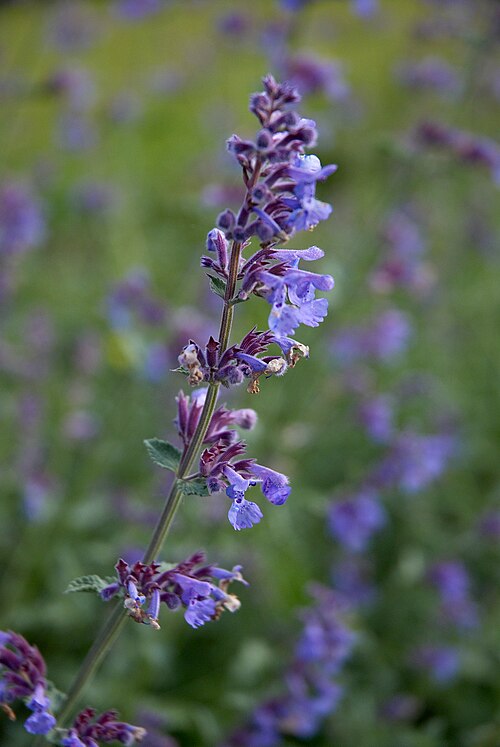
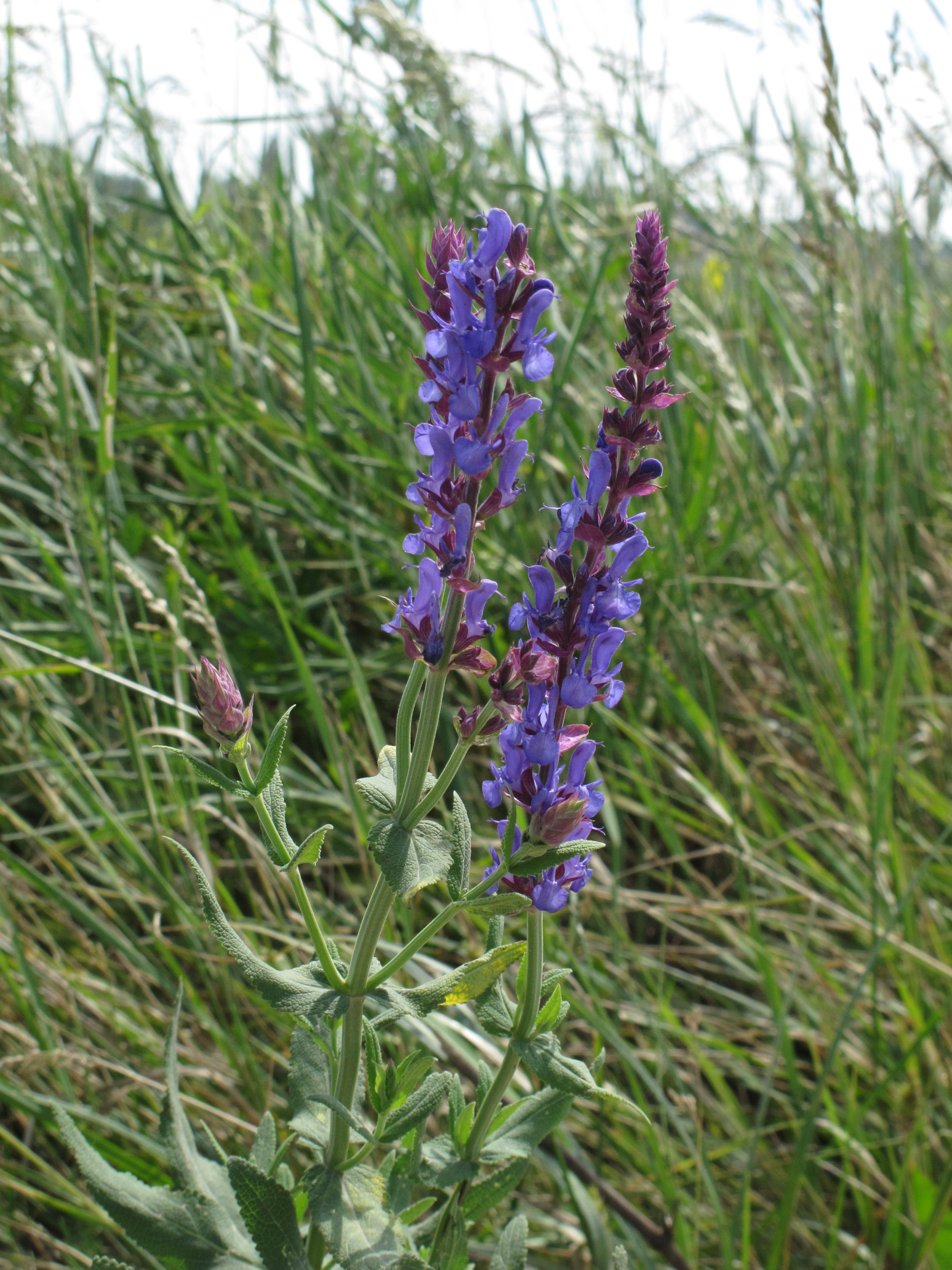
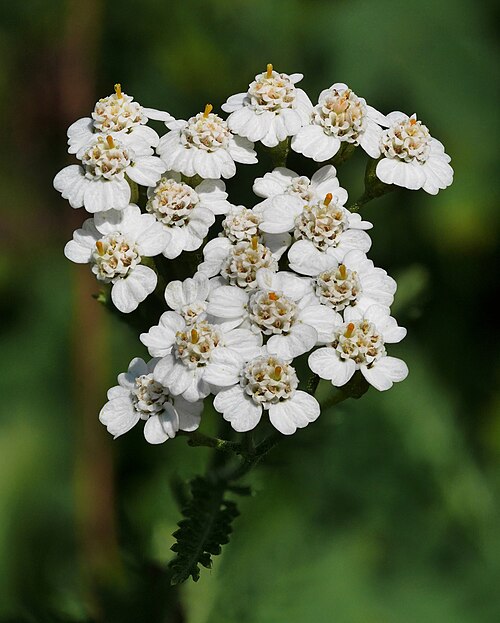
Similarly, certain flowers known for their strong aromas or unpalatable qualities can act as a living fence.
These plants can be beautiful additions to your garden while also serving a practical purpose. Plant them densely around the edges of your vegetable beds or create rows between different vegetable types.
Prickly or Fuzzy Plants: While less common in a vegetable garden, some plants have textures deer find unpleasant. For instance, certain varieties of squash and cucumber have prickly or fuzzy stems and leaves that can deter deer. Planting these around more vulnerable crops can offer some protection.
What Physical Barriers Are Most Effective Against Deer?
When it comes to deer, physical barriers are often the most reliable defense. Deer are incredibly athletic and determined, so your barrier needs to be robust.
Fencing: This is the gold standard for deer deterrence.
- Height: Deer can easily jump fences up to 6 feet tall. For true protection, a fence should be at least 8 feet high.
- Material: Woven wire, electric fencing, or even sturdy plastic mesh can work. Make sure the mesh is small enough to prevent deer from pushing through.
- Angle: If an 8-foot fence isn't feasible, you can try angling a 6-foot fence outwards at a 45-degree angle. This makes it difficult for deer to judge the jump.
- Double Fencing: Two parallel fences, about 3-5 feet apart and at least 5 feet tall, can also confuse deer and prevent them from jumping both.
Individual Plant Protection: For smaller gardens or specific prized plants, consider individual cages or cloches made from chicken wire or hardware cloth. This is particularly useful for young plants that are most vulnerable.
Row Covers: For leafy greens, floating row covers can protect plants from deer (and other pests) while allowing sunlight and water to penetrate. Just ensure they are securely anchored to the ground.
Other Strategies for a Deer-Resistant Garden
Beyond plant selection and barriers, several other strategies can help keep deer out of your vegetable patch.
Repellents: Deer repellents work by odor, taste, or both. They often contain ingredients like putrescent egg solids, hot pepper, or predator urine.
- Application: Apply repellents regularly, especially after rain or new growth. Rotate different types of repellents to prevent deer from becoming accustomed to one.
- Effectiveness: Repellents are generally less effective than physical barriers, especially with high deer pressure, but they can be a useful supplementary tool.
Sensory Deterrents:
- Motion-Activated Sprinklers: These can startle deer with a sudden burst of water.
- Noisemakers: Radios, wind chimes, or other noise-making devices can sometimes deter deer, but they often habituate to constant sounds.
- Reflective Objects: Shiny objects like old CDs or aluminum pie plates can be hung in the garden to startle deer with movement and light, though their effectiveness is often temporary.
Good Garden Hygiene: Remove fallen fruits and vegetables promptly. These can attract deer and other wildlife to your garden. Keep the area around your garden clear of tall weeds or brush that could provide cover for deer.
Scare Tactics (Limited Effectiveness): While scarecrows are iconic, deer are intelligent and quickly learn that a stationary figure poses no threat. For them to be effective, they need to be moved frequently and ideally combined with other deterrents.
Creating Your Deer-Resistant Oasis
Building a deer-resistant vegetable garden is an ongoing process of observation and adaptation. Start with the most effective methods, like fencing, if possible. Then, layer in less preferred plants and companion planting strategies. Experiment with repellents and other deterrents, paying attention to what works best in your specific environment and with your local deer population.
Remember, the goal isn't necessarily to eliminate every single deer from your property, but to make your vegetable garden a less appealing dining destination. With persistence and a smart approach, you can enjoy a bountiful harvest without sharing it all with your four-legged neighbors.
Ready to find the perfect plants for your yard? Try the PlantWise Plant Finder →