How to Design a Dog-Friendly Garden
Creating a dog-friendly garden involves a thoughtful balance of beauty, safety, and durability, ensuring both you and your furry companion can enjoy the outdoor space together. It's about designing an environment that accommodates your dog's natural instincts - like running, digging, and sniffing - while protecting them from hazards and preserving your landscape. By considering plant choices, layout, and hardscaping, you can craft a harmonious garden where wagging tails and blooming flowers coexist beautifully.
🌱 Get Personalized Plant Picks
Answer a few quick questions and we’ll match plants to your exact yard conditions.
Find My Plants →Why is a Dog-Friendly Garden Important?
Our canine companions are part of the family, and their well-being extends to the spaces they inhabit. A dog-friendly garden isn't just about preventing harm; it's about enriching their lives. A well-designed space can provide exercise, mental stimulation, and a safe haven for exploration. For you, it means less worry about toxic plants or damaged landscaping, allowing you to relax and enjoy your garden alongside your best friend.
What Should I Consider When Planning My Dog-Friendly Garden Layout?
Designing a dog-friendly garden starts with understanding your dog's habits and integrating them into your landscape plan. Think about how your dog uses the yard currently and anticipate their needs.
- Designated Paths: Dogs often create their own "desire lines" through the garden. Instead of fighting it, embrace it! Create durable, wide paths with materials like pavers, gravel, or sturdy flagstones in areas your dog frequently traverses. This protects your plants and keeps muddy paws off your lawn. Consider a "racetrack" path around the perimeter of your yard for dogs who love to run.
- "Potty" Area: Designate a specific, easily cleanable area for your dog to relieve themselves. This can be a patch of gravel, mulch, or even a small, dedicated section of grass. Training your dog to use this spot can save other areas of your garden from urine burns and compaction.
- Shade and Shelter: Dogs, especially those with thick coats or short snouts, need protection from the sun and heat. Incorporate shade trees, pergolas, or even a dog house into your design. Ensure there's always fresh water available, especially on warm days.
- Digging Zones: If your dog is a natural digger, provide an approved digging area. A sandbox or a raised bed filled with loose soil can be a great outlet for this instinct. Burying a few toys or treats in it can encourage them to use this spot instead of your prize-winning petunias.
- "No-Go" Zones: Use strategic fencing, raised beds, or dense plantings to protect delicate areas or plants you don't want your dog to access. Physical barriers are often more effective than just verbal commands.
- Visibility: Can you see your dog from your favorite sitting spots? Design your garden so you can easily supervise them, especially if you have a large yard or multiple dogs.
Which Plants Are Not Listed As Toxic for Dogs?
Choosing the right plants is perhaps the most critical aspect of a dog-friendly garden. While no plant can be guaranteed "safe" for every dog (individual sensitivities vary, and even non-toxic plants can cause mild stomach upset if consumed in large quantities), many popular garden plants are not listed as toxic by major veterinary organizations. This allows you to create a beautiful and vibrant garden without constant worry.
Here are some excellent choices that are generally considered not listed as toxic for dogs, providing both beauty and peace of mind:
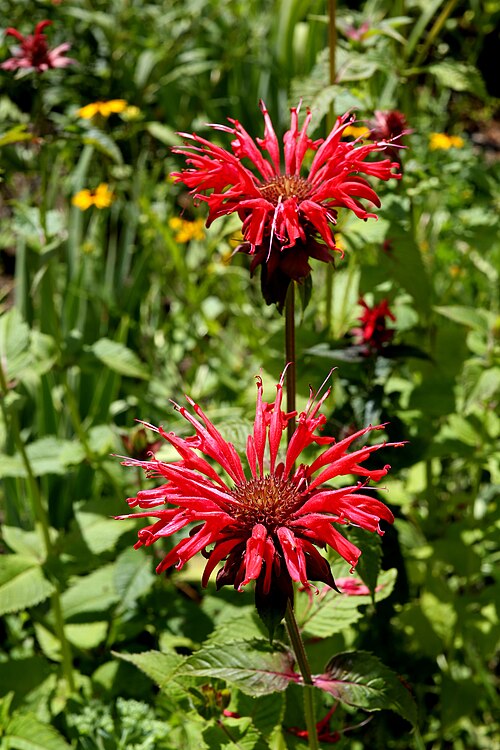
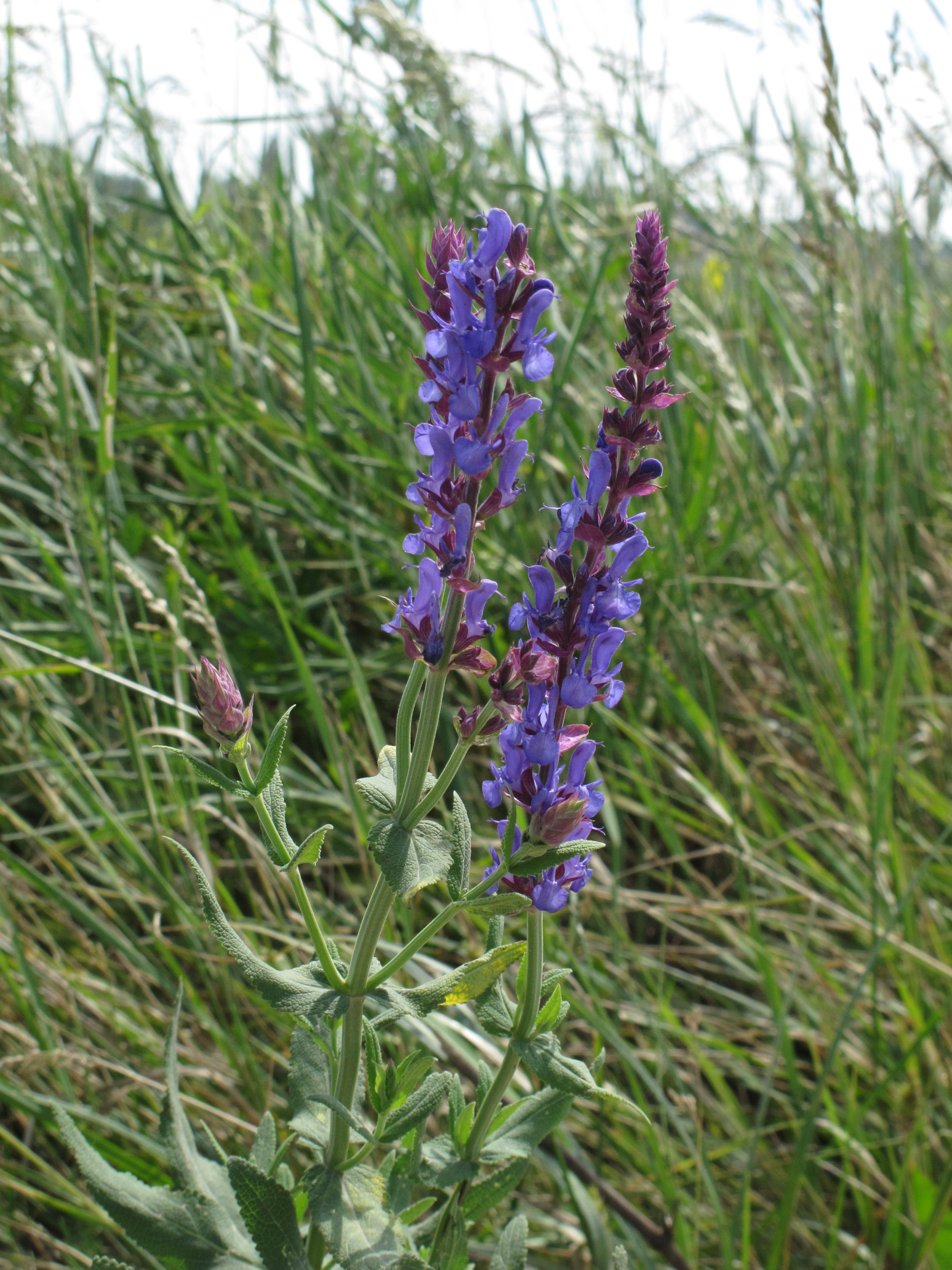
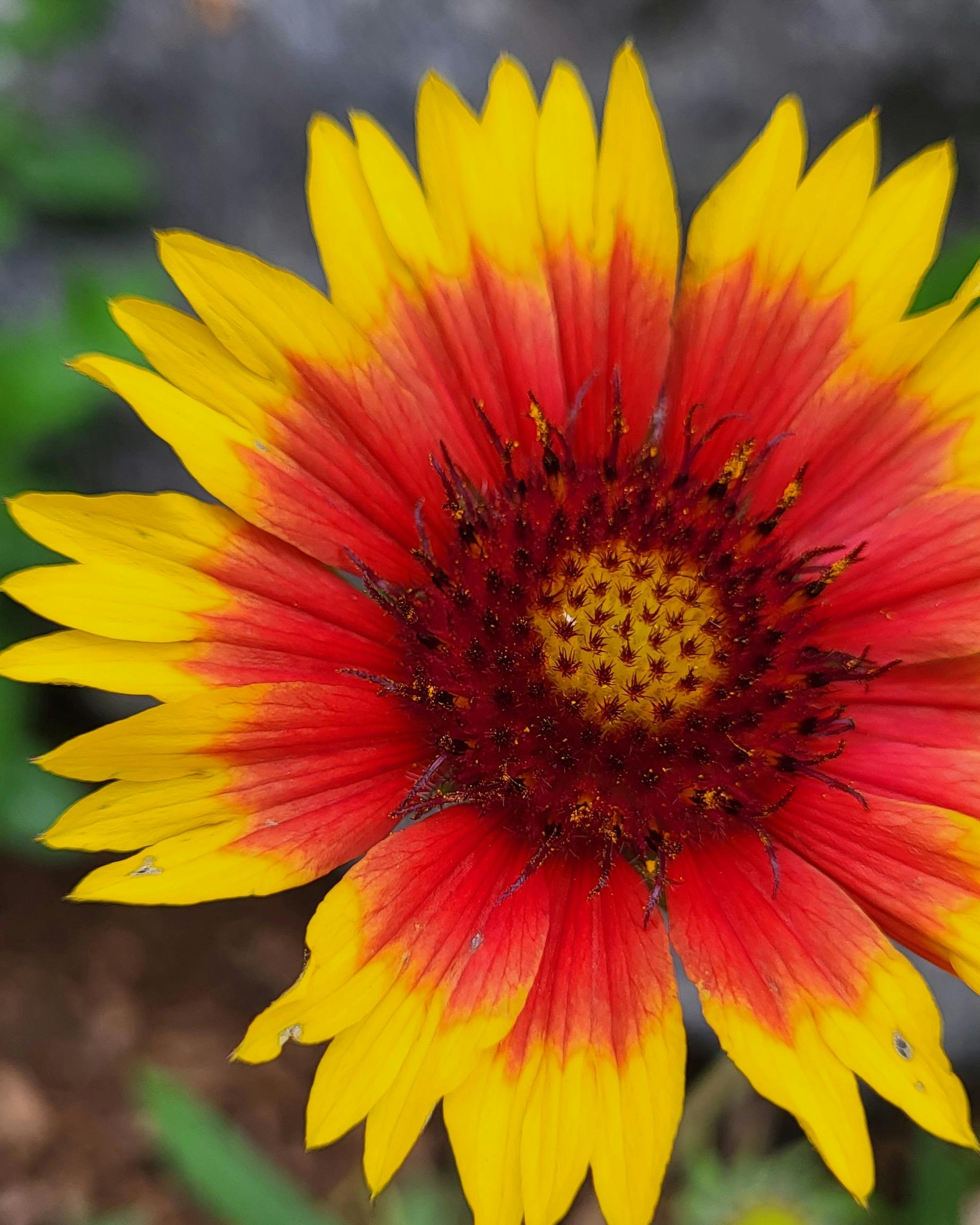
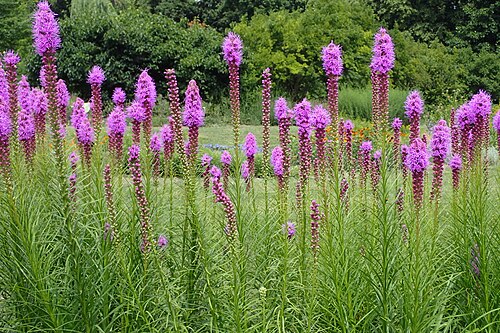
- Perennials for Pollinators and Pups:
- Herbs: Rosemary, Thyme, Basil, Mint (in moderation), Cilantro, Parsley (curly leaf variety)
- Vegetables (leaves/stems can be an issue for some, but fruits are generally fine): Carrots, Green Beans, Zucchini, Sweet Potatoes, Bell Peppers (ripe)
- Flowering Annuals: Petunias, Snapdragons, Marigolds (some varieties), Sunflowers
- Shrubs & Trees: Maple trees, Dogwood trees, Magnolia, Rose bushes (watch for thorns!), Crape Myrtle
Important Note on Plant Toxicity: It's crucial to remember that "not listed as toxic" does not mean "edible." While these plants are generally considered safer, consuming large quantities of any plant material can cause digestive upset in dogs. Always observe your dog's behavior in the garden.
If you suspect your pet has ingested a toxic plant, call the ASPCA Animal Poison Control Center immediately at (888) 426-4435.
Quick Reference: Plants to Avoid
While the list of safe plants is extensive, it's equally important to be aware of common garden plants that are toxic to dogs. This is not an exhaustive list, but highlights some frequent offenders:
| Plant Name | Toxic Parts | Symptoms of Ingestion |
|---|---|---|
| Azalea/Rhododendron | All parts | Vomiting, diarrhea, weakness, tremors, cardiac failure |
| Sago Palm | All parts (seeds worst) | Vomiting, diarrhea, liver failure, seizures |
| Lilies (True Lilies) | All parts (especially petals) | Kidney failure (especially dangerous for cats, but toxic to dogs too) |
| Oleander | All parts | Cardiac abnormalities, vomiting, diarrhea, tremors |
| Daffodil | Bulbs | Vomiting, diarrhea, abdominal pain, cardiac arrhythmias |
| Tulip/Hyacinth | Bulbs | Vomiting, diarrhea, drooling, depression |
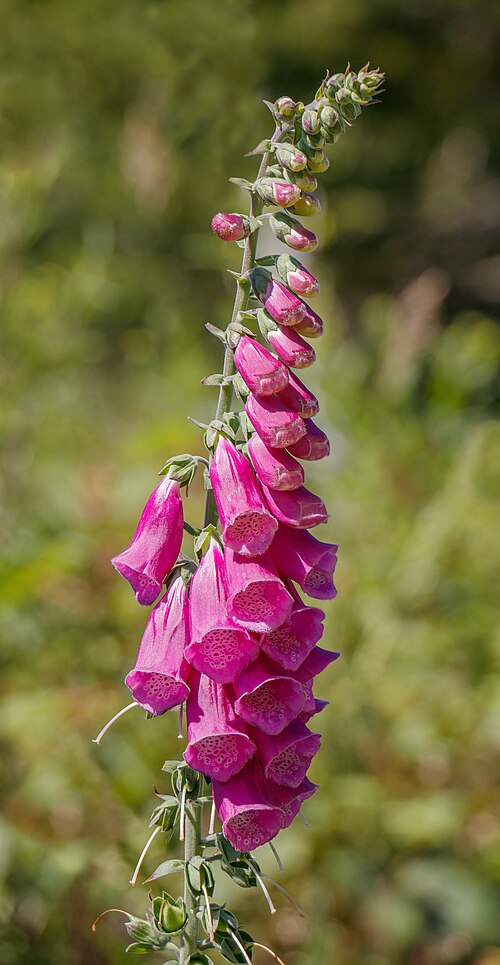
| Foxglove | All parts | Cardiac abnormalities, vomiting, diarrhea |
| Castor Bean | Seeds | Severe abdominal pain, vomiting, diarrhea, dehydration, weakness, tremors, seizures |
| Autumn Crocus | All parts | Vomiting, diarrhea, bone marrow suppression, liver and kidney damage |
| Yew | All parts | Sudden death, tremors, difficulty breathing |
This list is not comprehensive. Always research plants before introducing them to your garden if you have pets.
How Can I Make My Garden Durable and Low-Maintenance with a Dog?
Durability and ease of maintenance are key in a dog-friendly garden.
- Hardscaping is Your Friend: Incorporate more hardscaping elements like pavers, sturdy gravel, or concrete for paths and patios. These materials stand up well to paw traffic and are easy to clean.
- Sturdy Plants: Choose robust plants that can withstand a playful nudge or an accidental run-through. Avoid delicate, fragile plants in high-traffic areas. Opt for plants with strong stems and deep roots.
- Raised Beds: Raised garden beds are excellent for protecting plants from curious paws. They elevate your plants, making them less accessible, and also define planting areas clearly.
- Mulch Wisely: Use organic mulches like shredded bark or wood chips (ensure they are not cocoa mulch, which is toxic to dogs). Avoid fine mulches that can easily be tracked inside. A thick layer of mulch can also deter digging.
- Fencing: A secure fence is paramount, not just for keeping your dog in, but also for keeping unwanted wildlife out. Ensure it's tall enough for your dog's breed and that there are no gaps for them to squeeze through or dig under. Remember, no plant is truly deer-proof, so a good fence can protect both your plants and your pet.
- Avoid Chemicals: Steer clear of pesticides, herbicides, and chemical fertilizers. Opt for organic pest control methods and natural soil amendments to keep your garden safe for your dog.
- Water Features: If you include a pond or water feature, ensure it's designed with your dog's safety in mind. Gentle slopes for entry and exit are important, and make sure any pumps or electrical components are safely secured and out of reach.
By thoughtfully integrating these elements, you can create a beautiful, safe, and resilient garden that you and your dog will enjoy for years to come.
Ready to find the perfect plants for your yard? Try the PlantWise Plant Finder →