FTC Disclosure: This post contains affiliate links. We may earn a commission at no extra cost to you if you purchase through these links.
If you’re gardening in Zone 6 and struggling with dry soil and hungry deer, choosing the right plants is crucial. The good news is there are several drought tolerant deer resistant plants that thrive in Zone 6’s climate, making them ideal for dry slopes, poor soil, or low-maintenance gardens. These plants not only survive with minimal watering but also are less likely to be munched on by deer, helping you maintain a beautiful and sustainable landscape.
Before planting, please note: No plant is completely deer-proof or resistant to all wildlife. Deer feeding habits vary by region and season. Also, if you have pets, remember that some drought-tolerant plants may not be safe for animals. Contact the ASPCA Animal Poison Control Center at 888-426-4435 if you suspect your pet has ingested a toxic plant.
What Does “Drought Tolerant Deer Resistant Zone 6” Mean?
Zone 6 typically experiences winter lows between -10°F and 0°F, with a growing season of about 180 days. Drought tolerant plants survive extended dry periods with little water. Deer resistant plants are those that deer generally avoid due to taste, texture, or toxicity. Combining both characteristics helps gardeners in Zone 6 create low-water, low-deer damage landscapes.
🌱 Get Personalized Plant Picks
Answer a few quick questions and we’ll match plants to your exact yard conditions.
Find My Plants →Top 8 Drought Tolerant Deer Resistant Plants for Zone 6
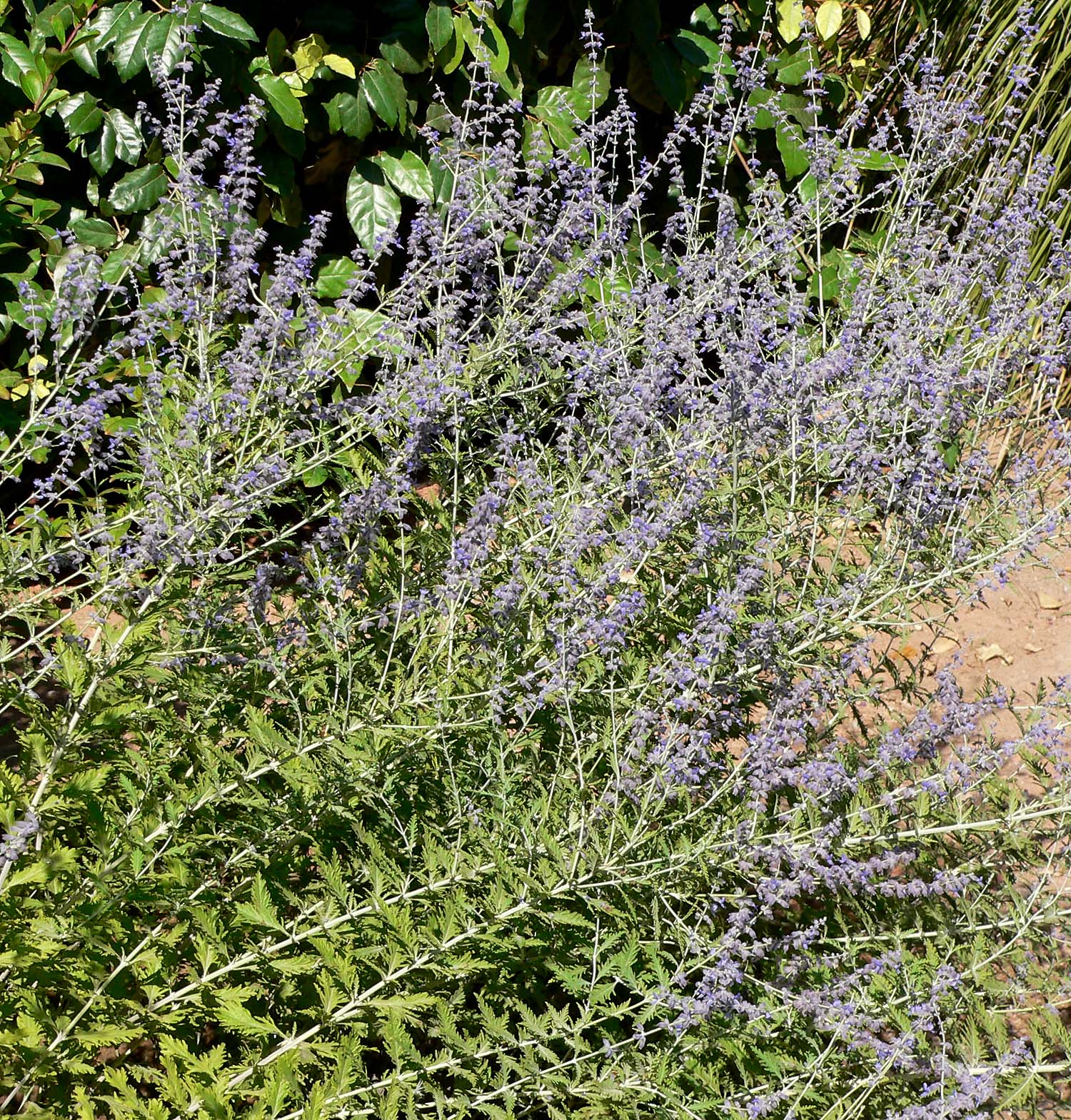
1. Russian Sage (Perovskia atriplicifolia)
Russian sage is a tough, woody perennial with silvery foliage and tall spikes of lavender-blue flowers. It thrives in full sun and well-drained soil, tolerating drought once established. Deer typically avoid its aromatic, textured leaves. It’s perfect for borders or slopes needing erosion control.
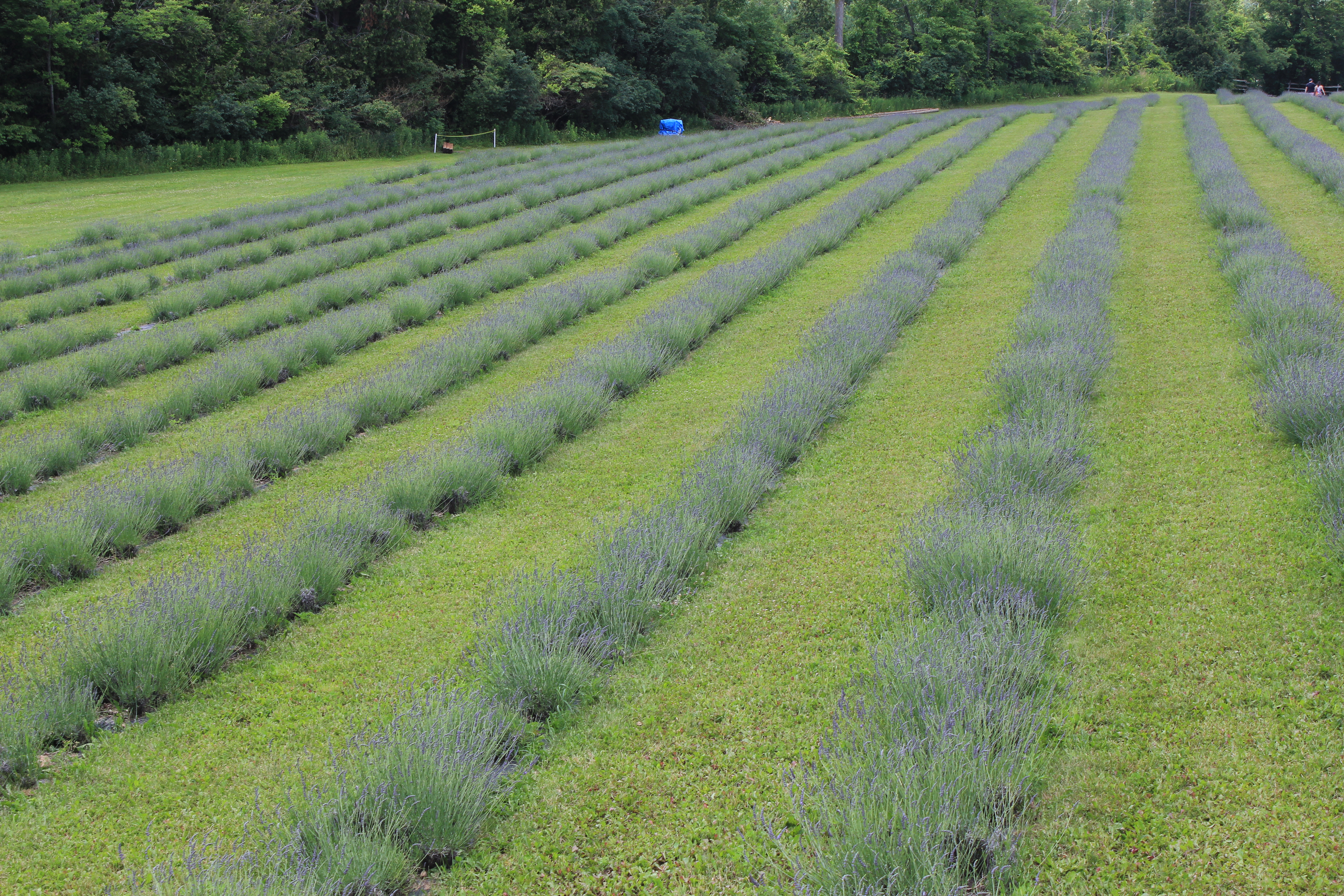
2. Lavender (Lavandula angustifolia)
Lavender is a fragrant herb that loves sun and well-drained soil. Its silvery-green leaves and purple flower spikes attract pollinators but repel deer due to strong scent and taste. It’s drought tolerant and suitable for Zone 6 gardens, especially in rock gardens or dry beds.
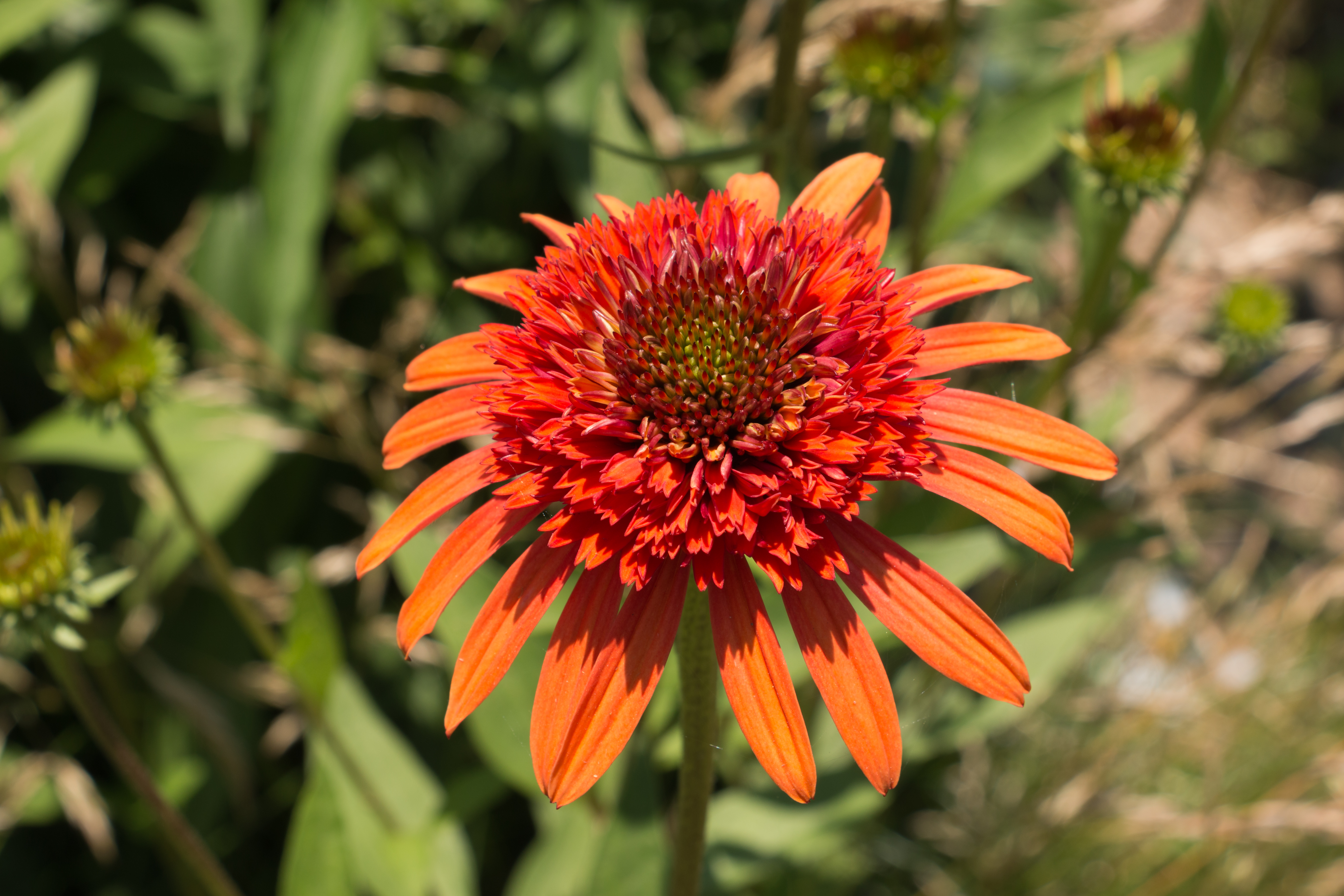
3. Coneflower (Echinacea purpurea)
Coneflowers are native prairie plants with daisy-like flowers that thrive in poor soil and dry conditions. Their tough, coarse leaves and bitter taste discourage deer browsing. They attract butterflies and bees, adding wildlife value while withstanding drought.
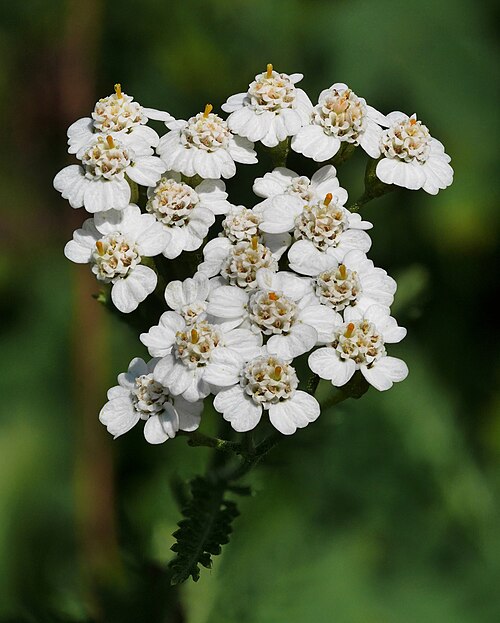
4. Yarrow (Achillea millefolium)
Yarrow is a hardy perennial with fern-like foliage and flat clusters of white, yellow, or pink flowers. It tolerates drought and poor soil, and deer rarely eat it because of its bitter aroma and texture. It’s great for mass plantings or meadow-style gardens.
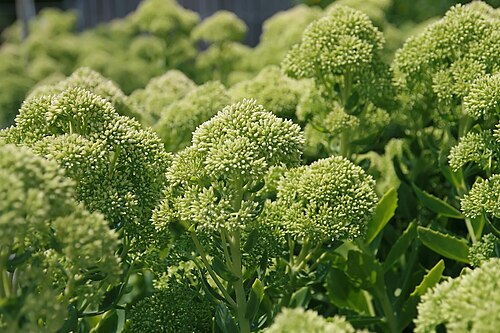
5. Sedum ‘Autumn Joy’ (Hylotelephium telephium)
Sedum ‘Autumn Joy’ is a succulent groundcover with fleshy leaves and large pink flower clusters. It thrives in hot, dry conditions with minimal water. Its thick leaves are unappealing to deer, making it an excellent low-maintenance choice for drought-prone areas.
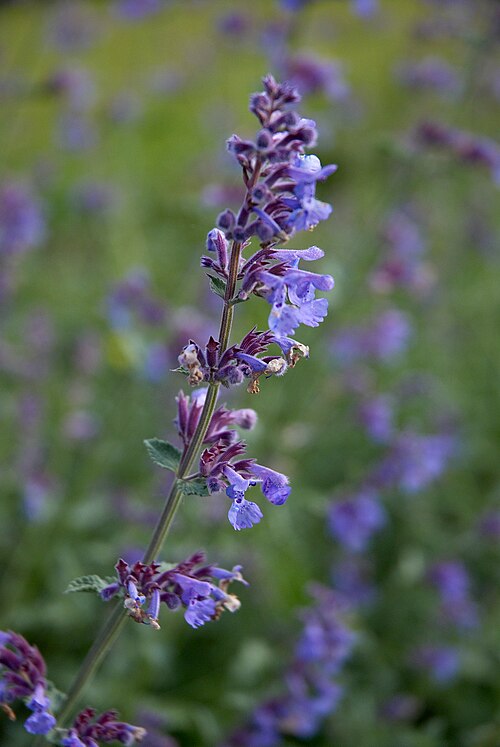
6. Catmint (Nepeta faassenii)
Catmint is a drought resistant, perennial herb with gray-green foliage and spikes of lavender-blue flowers. Its aromatic oils repel deer, and it flourishes in full sun with well-drained soil. It’s a great companion plant in borders or rock gardens.
7. Russian Olive (Elaeagnus angustifolia)
Russian olive is a small, drought-tolerant tree or shrub with silvery leaves and fragrant yellow flowers. It’s hardy in Zone 6 and generally avoided by deer due to its tough, leathery leaves. Use it as a windbreak or for erosion control on slopes.
Elaeagnus Angustifolia
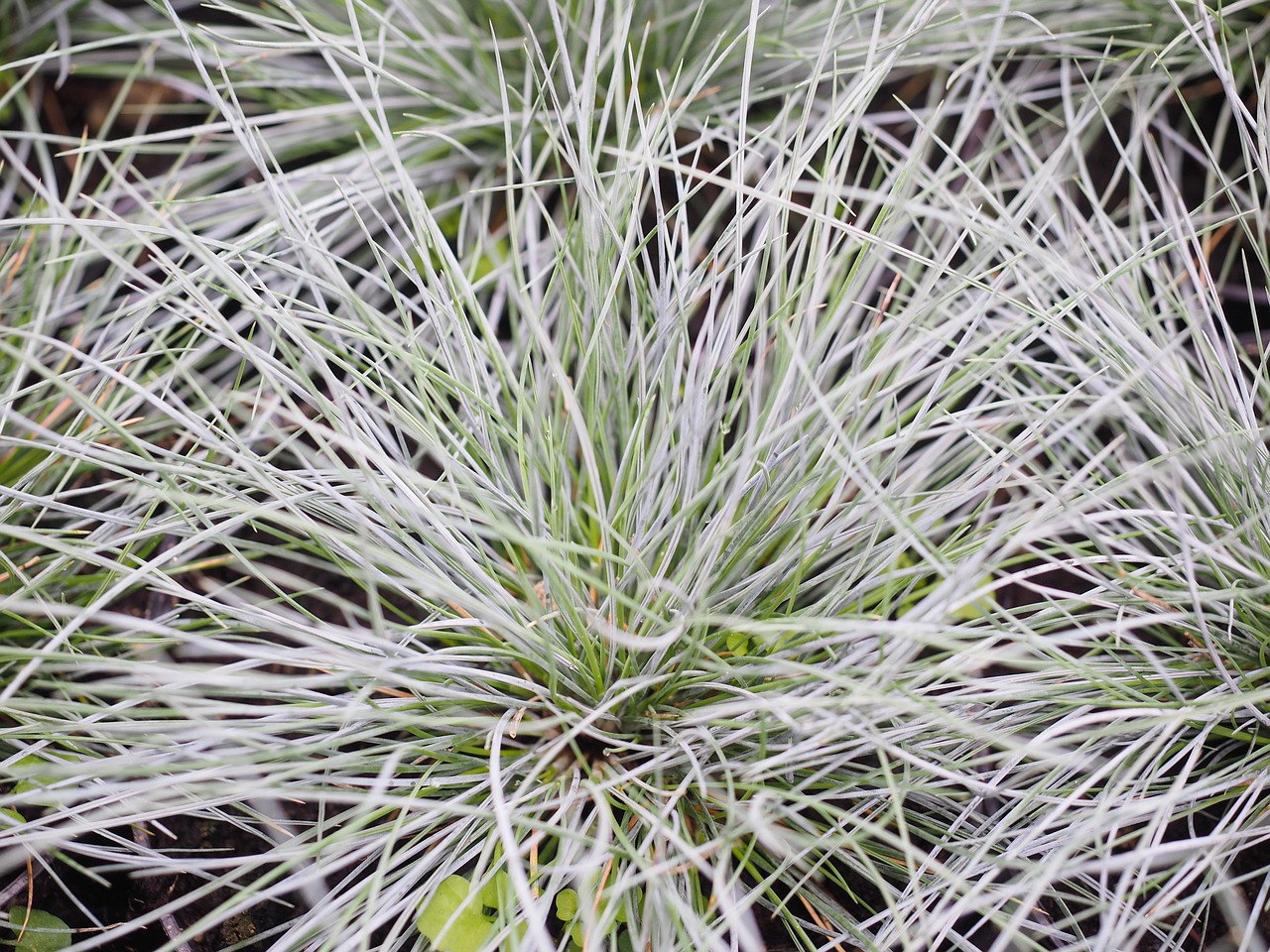
8. Blue Fescue (Festuca glauca)
Blue fescue is a clumping ornamental grass with blue-gray needles that tolerate drought and cold winters. Deer usually avoid grasses like blue fescue because they prefer tender leaves. It’s excellent for borders, rock gardens, or dry slopes.
Tips for Growing Drought Tolerant, Deer Resistant Plants in Zone 6
- Soil Preparation: Most drought tolerant plants prefer well-drained soil. Amend heavy clay soils with compost or sand to improve drainage.
- Watering: Water deeply but infrequently to encourage deep root growth. Once established, many of these plants survive on rainfall alone.
- Mulching: Use mulch to retain soil moisture and suppress weeds, but keep mulch away from plant crowns to prevent rot.
- Plant Grouping: Group plants with similar water needs to make irrigation efficient.
- Monitoring Deer: Even resistant plants can be damaged during harsh winters or food shortages. Use fencing or repellents if necessary.
- Pet Safety: Some drought tolerant plants contain compounds that can be harmful to pets if ingested. Always supervise pets and consult the ASPCA hotline at 888-426-4435 if poisoning is suspected.
Understanding Wildlife Resistance and Limitations
While these plants are generally deer resistant, no plant is completely deer-proof. Deer feeding habits vary by region, season, and food availability. In times of scarcity, deer may browse on plants they normally avoid. Additionally, rabbits and groundhogs may have different feeding preferences. Always monitor your garden and use integrated pest management strategies if wildlife damage becomes severe.
Final Thoughts
Creating a drought tolerant, deer resistant garden in Zone 6 is achievable with the right plant choices and care. The plants listed here provide beautiful blooms, texture, and wildlife value, while reducing water needs and deer damage. Incorporate these hardy species into your landscape for a sustainable, low-maintenance garden that thrives under challenging conditions.
Want to find more plants adapted to your specific needs and conditions? Try our Plant Finder wizard at /wizard to discover the best options for your garden!
Remember, for pet owners: If you suspect your pet has ingested a plant that may be harmful, call the ASPCA Animal Poison Control Center at 888-426-4435 immediately.
Wildlife resistance disclaimer: No plant is entirely deer, rabbit, or groundhog proof. Local feeding habits and environmental conditions vary.