FTC Disclosure: This post contains affiliate links. If you make a purchase through these links, we may earn a small commission at no extra cost to you.
If you’re gardening in Zone 7 and struggling with thirsty plants and hungry deer, you’re not alone. Finding drought tolerant deer resistant Zone 7 plants can be a challenge, but it’s definitely possible. These eight plants thrive in hot, dry summers and are less likely to be munched by deer, making them ideal for low-maintenance landscapes that stand up to both drought and wildlife pressure.
Why Choose Drought Tolerant and Deer Resistant Plants in Zone 7?
Zone 7 covers a wide range of regions where summers can be hot and dry, often stressing plants that require consistent moisture. At the same time, deer populations are expanding in many areas, and hungry deer can quickly decimate a garden if plants are not resistant or unappealing to them. By selecting plants that can tolerate drought and resist deer browsing, you reduce water usage, lower maintenance, and protect your garden from damage. However, it’s important to remember that no plant is completely deer-proof — deer preferences can vary regionally and with food availability.
🌱 Get Personalized Plant Picks
Answer a few quick questions and we’ll match plants to your exact yard conditions.
Find My Plants →1. Russian Sage (Perovskia atriplicifolia)
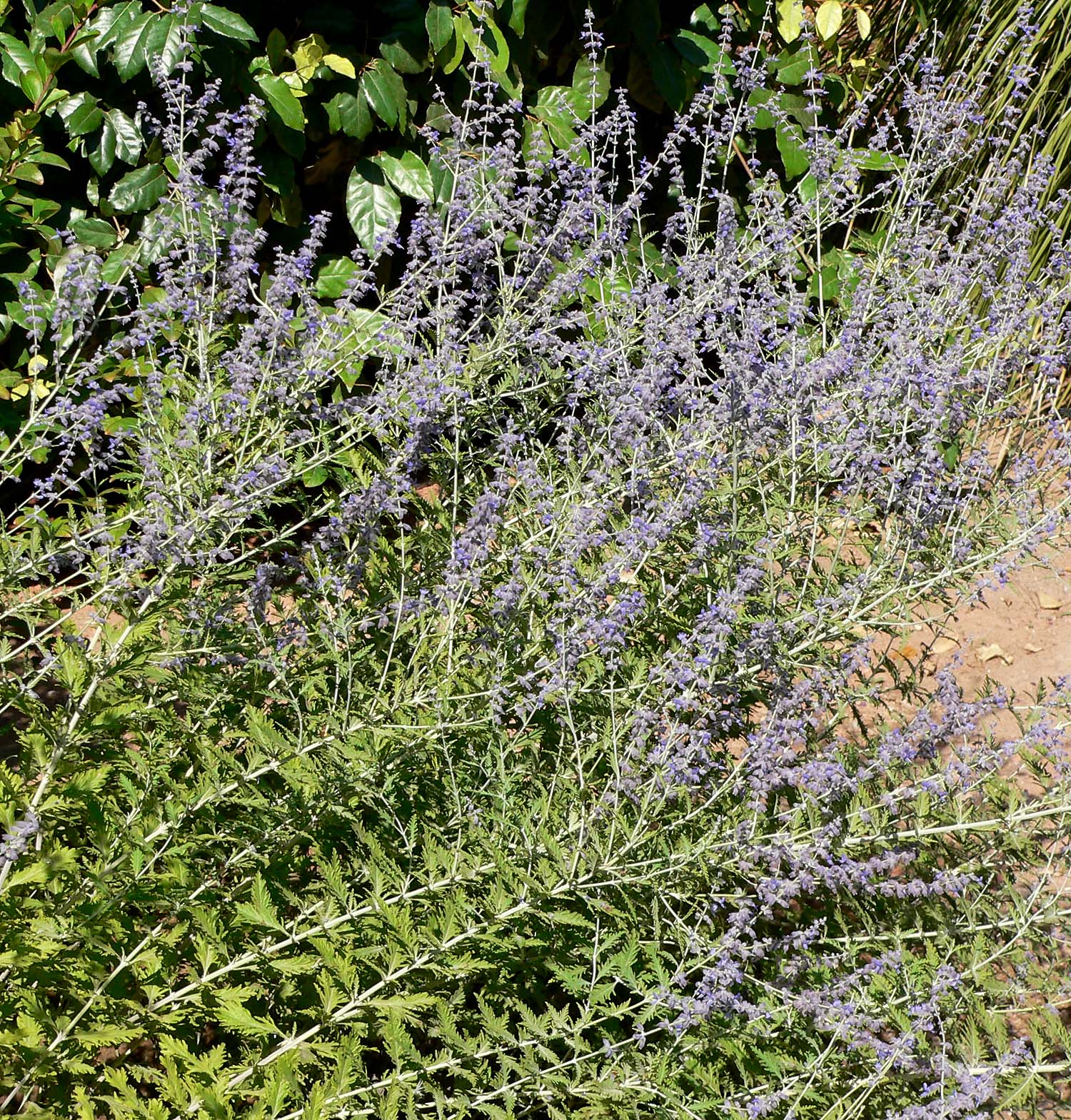
Russian Sage is a classic drought-tolerant perennial that thrives in full sun and well-drained soils, perfect for Zone 7 gardens. Its silvery foliage and airy spires of lavender-blue flowers are attractive to pollinators but generally ignored by deer due to the strong scent and texture of the leaves. Russian Sage can withstand dry spells and once established, requires minimal watering. It also tolerates poor soils, making it a versatile addition to your deer-resistant garden.
2. Lavender (Lavandula spp.)
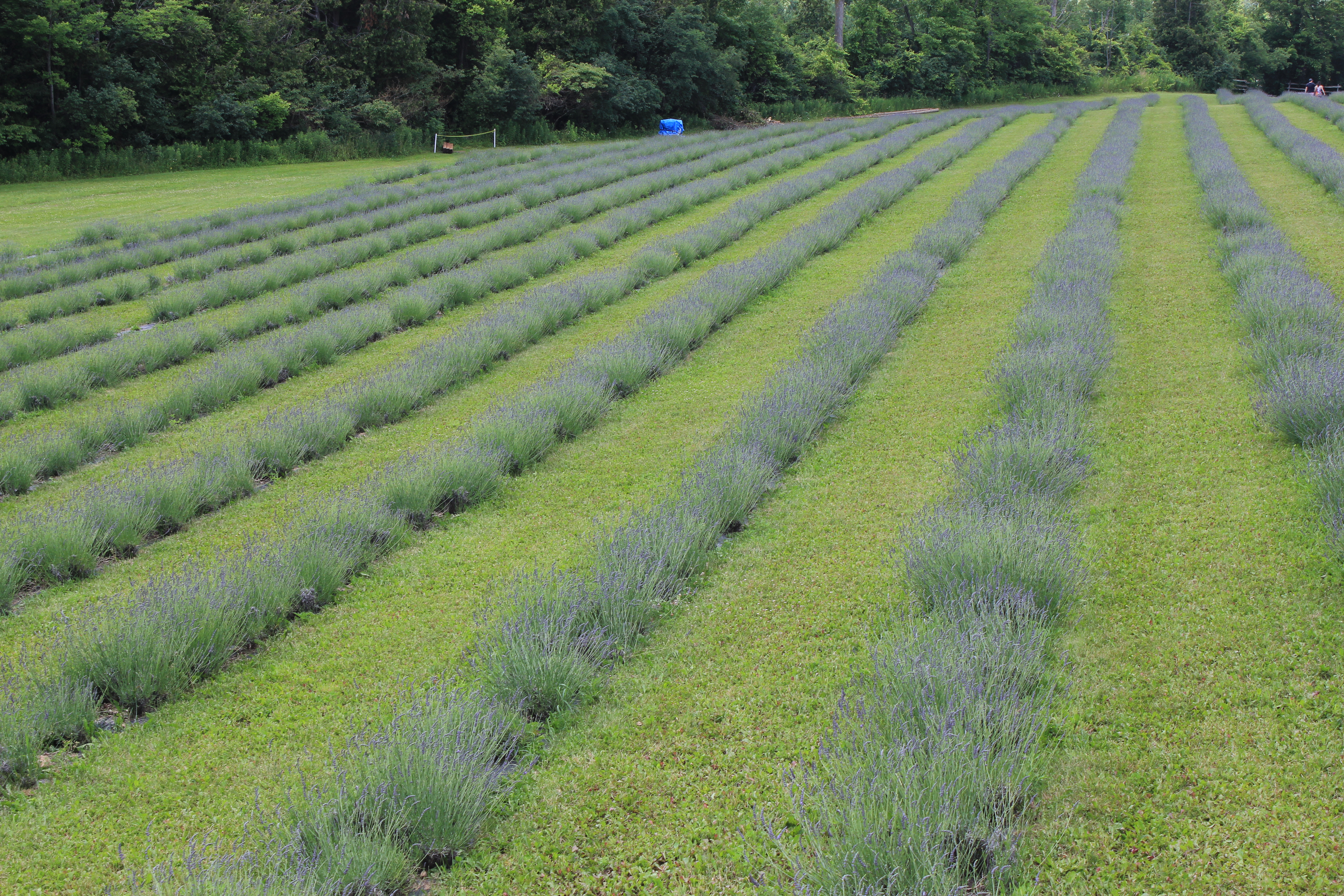
Lavender is well-known for its drought tolerance and fragrant flowers, which deer tend to avoid. This Mediterranean native flourishes in Zone 7 when planted in full sun with excellent drainage. Its aromatic oils deter deer and other browsing wildlife. Lavender’s long blooming season adds color and fragrance to your garden, and it’s also useful for culinary and craft purposes. Be sure to prune lavender annually to maintain shape and encourage bushy growth.
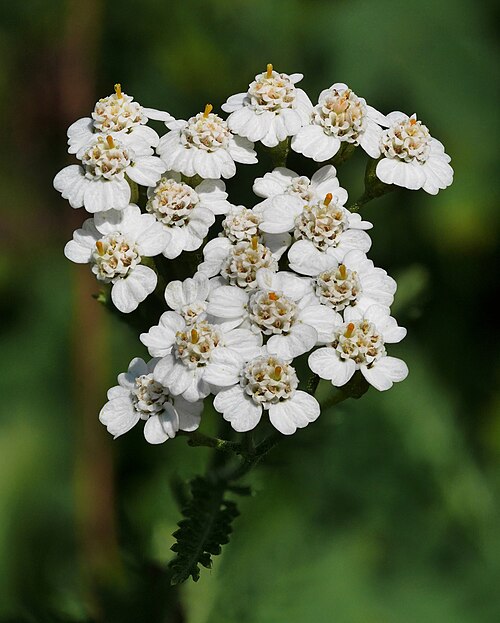
3. Yarrow (Achillea millefolium)
Yarrow is a hardy, drought-tolerant perennial with fern-like foliage and flat clusters of flowers in shades ranging from white to yellow, pink, and red. It thrives in full sun and poor soils, making it ideal for challenging Zone 7 sites. Deer usually avoid yarrow because of its bitter-tasting foliage and strong scent. It’s also a magnet for beneficial insects like ladybugs and butterflies, supporting garden health.
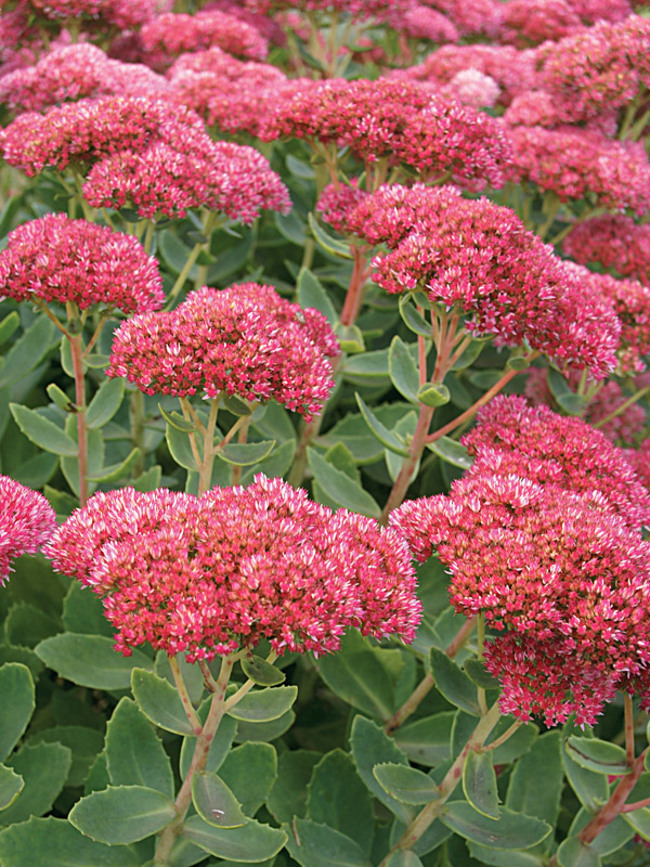
4. Sedum ‘Autumn Joy’ (Sedum spectabile)
Sedum ‘Autumn Joy’ is a succulent perennial that stores water in its fleshy leaves, providing excellent drought tolerance. Its sturdy stems and dense flower heads attract pollinators late into the season. Deer rarely browse sedums due to their thick, waxy leaves. This plant prefers full sun and well-drained soil, common conditions in Zone 7 landscapes. Sedums are also great for rock gardens and containers.
5. Coneflower (Echinacea purpurea)
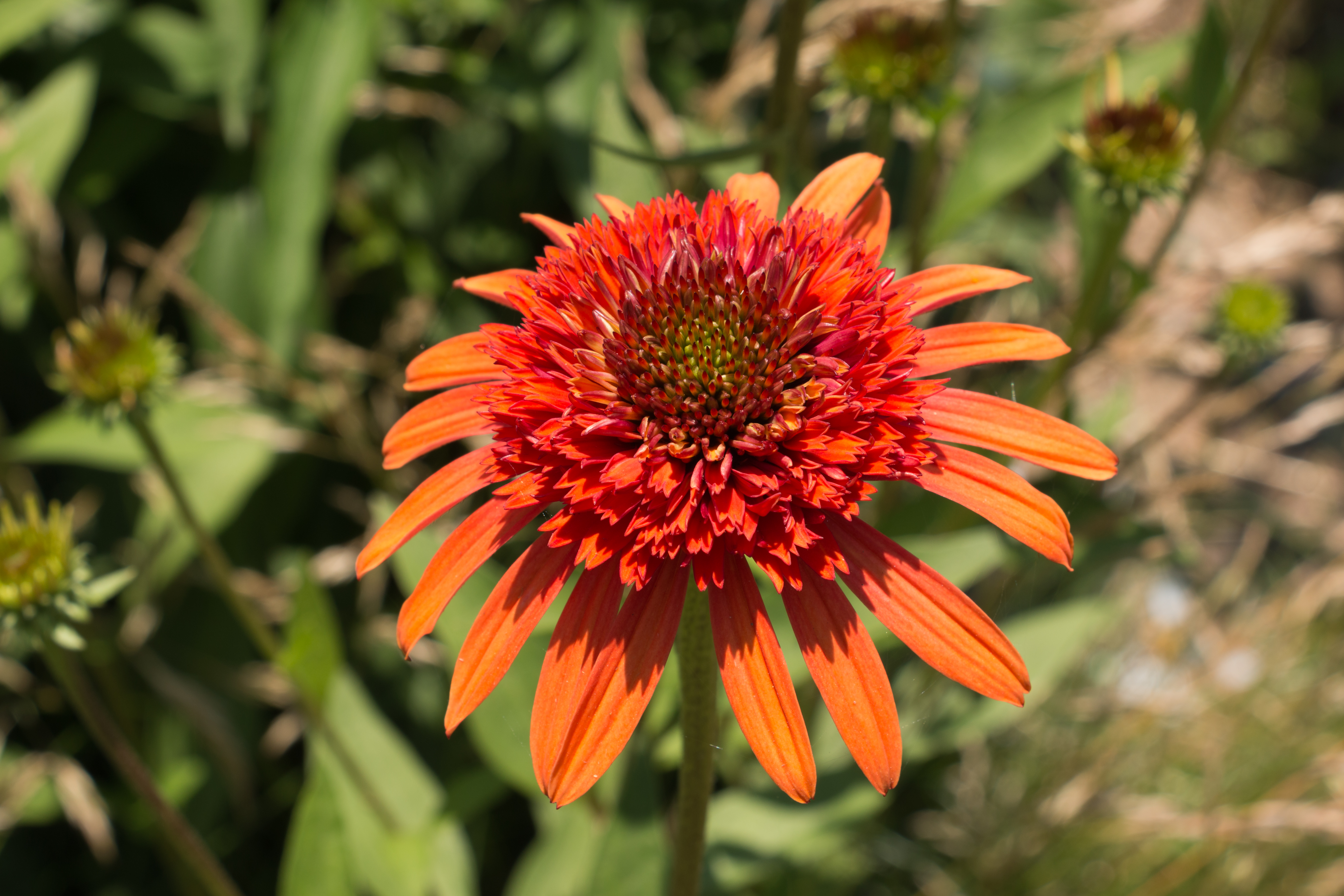
Coneflowers are native to North America and naturally adapted to withstand drought and heat once established. Their daisy-like pink to purple flowers are beloved by pollinators, but deer tend to leave them alone. Coneflowers grow well in Zone 7 with full sun exposure and average to dry soil conditions. They’re also long-blooming and can provide cut flowers, making them a win-win for gardeners.
6. Ornamental Grasses (e.g., Miscanthus sinensis)
Ornamental grasses such as Miscanthus sinensis add texture and movement to the garden while requiring minimal water once established. Their tall, feathery plumes are generally unappealing to deer and provide excellent habitat for beneficial birds and insects. These grasses thrive in full sun and adapt well to drought-prone Zone 7 gardens. Plus, they offer winter interest when left standing through the cold months.
7. Russian Olive (Elaeagnus angustifolia)
While technically a small tree or large shrub, Russian Olive is a tough, drought-tolerant plant with silvery leaves that deer usually avoid. It thrives in hot, dry conditions typical of Zone 7 summers. Note that in some areas, Russian Olive can be invasive, so check with your local extension before planting. This plant also fixes nitrogen in the soil, improving soil fertility over time.
8. Butterfly Weed (Asclepias tuberosa)
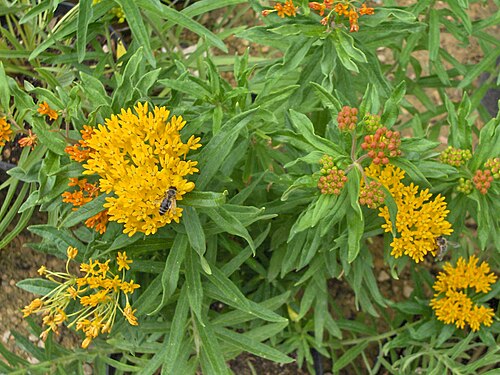
Butterfly Weed is a native milkweed species that tolerates drought well and is less favored by deer due to its bitter sap. It produces vibrant orange flowers that attract butterflies and other pollinators, supporting local ecosystems. Butterfly Weed thrives in full sun and well-drained soils, making it well-suited for Zone 7 climates. It’s an excellent choice for gardeners interested in supporting monarch butterflies.
Important Considerations for Wildlife Resistance
While these plants are generally considered drought tolerant and deer resistant in Zone 7, keep in mind:
- No plant is completely deer-proof or resistant to all wildlife such as rabbits or groundhogs.
- Deer feeding habits vary by region, season, and food availability.
- Using deer repellents and fencing in combination with resistant plants can improve success.
- Some plants may be listed as not safe for pets; always check toxicity if you have animals and contact the ASPCA Animal Poison Control Center at 888-426-4435 for emergencies.
Tips for Success with Drought Tolerant, Deer Resistant Gardening
- Group plants with similar water needs to avoid overwatering drought-tolerant species.
- Improve soil drainage to prevent root rot in dry-adapted plants.
- Use mulch to retain soil moisture and suppress weeds.
- Provide supplemental water during extreme droughts, especially in the first growing season.
- Incorporate native plants where possible for best adaptation and ecological benefits.
By combining these drought tolerant deer resistant Zone 7 plants, you’ll create a beautiful, resilient garden that requires less water and resists deer browsing — a perfect low-maintenance landscape solution.
Ready to find the perfect plants for your garden? Try our Plant Finder wizard at /wizard to get personalized recommendations based on your zone, soil, sun, and wildlife challenges!
Wildlife resistance disclaimer: Plants listed as deer resistant may still be browsed by deer, rabbits, or groundhogs depending on local wildlife pressure and food availability.
Pet safety note: Some drought tolerant deer resistant plants may not be listed as toxic but could still cause mild gastrointestinal upset if ingested by pets. Always supervise pets in gardens and contact the ASPCA Animal Poison Control Center at 888-426-4435 in case of ingestion emergencies.