How to Grow Echinacea (Coneflower): Complete Guide
Growing Echinacea, commonly known as Coneflower, is a rewarding experience for gardeners looking for a low-maintenance, pollinator-friendly perennial. To successfully grow Echinacea, choose a site with full sun (at least 6 hours daily) and well-draining soil, ideally amended with compost. Plant seeds or nursery starts in spring or fall, spacing them 1-3 feet apart. Water regularly until established, then reduce frequency as they become drought-tolerant. Deadhead spent blooms for more flowers, and divide clumps every 3-4 years to maintain vigor. These resilient plants are a staple for any sunny garden, attracting bees, butterflies, and birds.
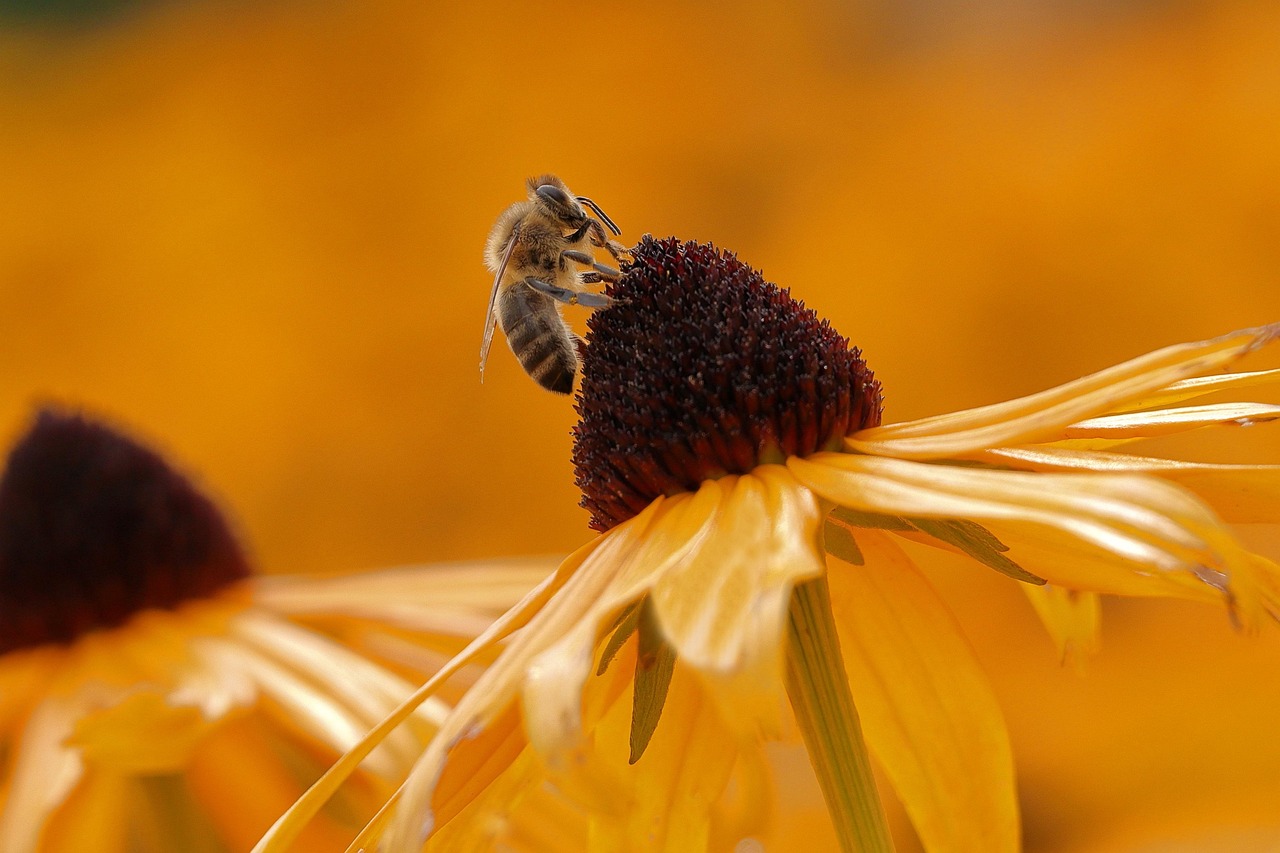
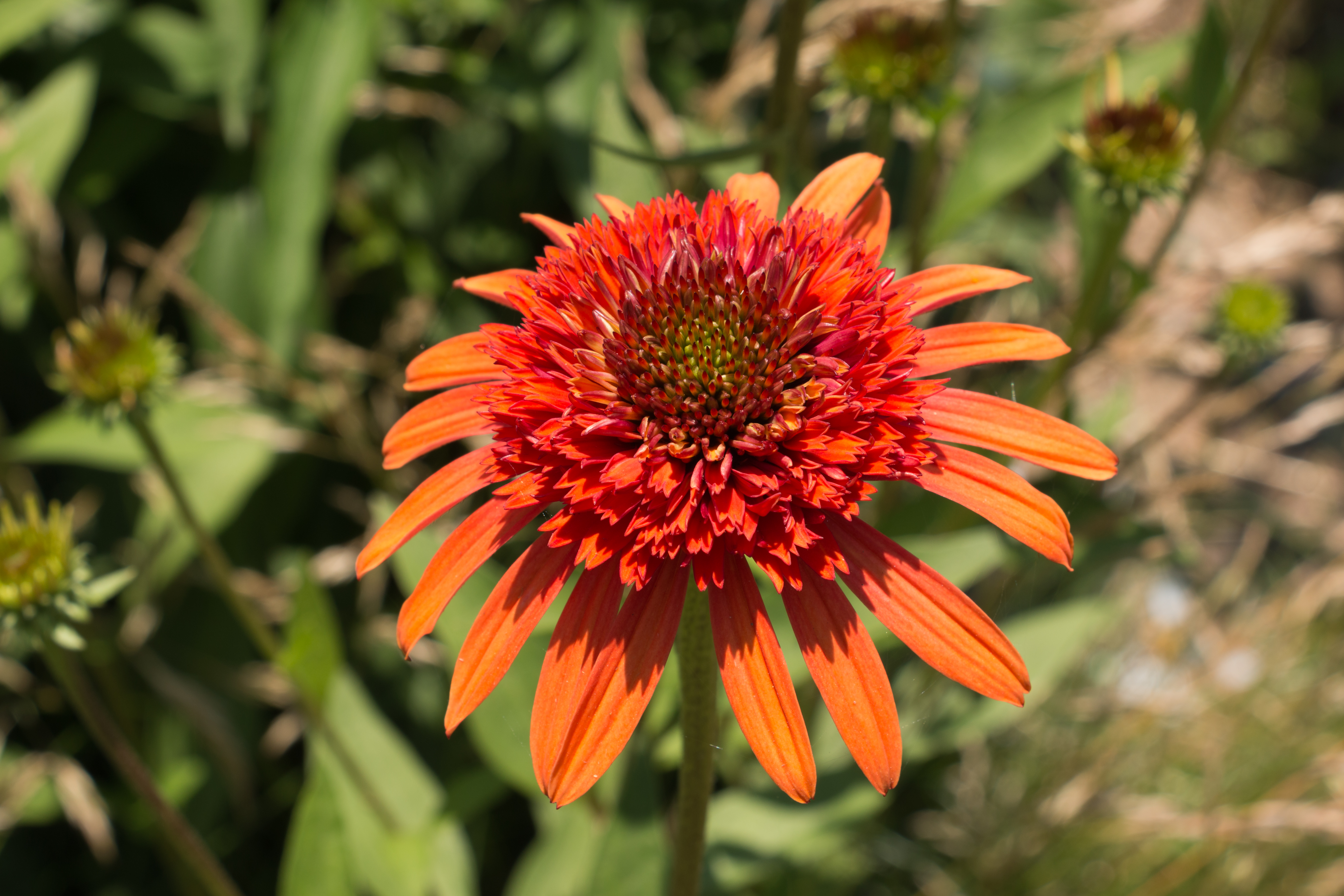
Echinacea, particularly Echinacea purpurea, is a quintessential North American native perennial, celebrated for its daisy-like flowers with prominent, spiky central cones. Beyond their beauty, coneflowers are ecological powerhouses, providing vital nectar and pollen for a host of beneficial insects and seeds for birds. They're also known for their medicinal properties, though we'll focus on their horticultural benefits here.
🌱 Get Personalized Plant Picks
Answer a few quick questions and we’ll match plants to your exact yard conditions.
Find My Plants →What Conditions Does Echinacea Need to Thrive?
Echinacea is remarkably adaptable, but providing its preferred conditions will ensure a robust, floriferous display.
Sunlight: Full sun is key. Echinacea needs at least 6 hours of direct sunlight per day to produce the most blooms and maintain a strong, upright habit. In shadier conditions, plants may become leggy and produce fewer flowers.
Soil: Well-draining soil is crucial. Echinacea tolerates a range of soil types, from sandy to clay, as long as it doesn't stay waterlogged. Heavy, wet soils can lead to root rot. Aim for a neutral to slightly alkaline pH (6.0-7.0), but they are quite forgiving. Amending heavy clay soils with organic matter like compost before planting will improve drainage and aeration.
Water: Once established, coneflowers are quite drought-tolerant. During their first growing season, water regularly - about once a week, or more during dry spells - to help them develop a strong root system. After establishment, they generally only need supplemental watering during prolonged droughts. Overwatering is a common mistake that can lead to problems.
Temperature and Hardiness: Echinacea is hardy in USDA Zones 3-9, making it a reliable perennial in a wide range of climates. It tolerates both heat and cold well, though extreme summer heat may cause a temporary slowdown in blooming.
Fertilizing: Echinacea is not a heavy feeder. In most garden soils, an annual top-dressing of compost in spring is sufficient. Avoid excessive nitrogen fertilizer, which can promote lush foliage at the expense of flowers.
How Do I Plant and Propagate Coneflowers?
Planting and propagating coneflowers is straightforward, whether you're starting from seed or dividing existing plants.
Planting from Nursery Stock: When planting container-grown coneflowers, dig a hole twice as wide as the root ball and just as deep. Gently remove the plant from its container, loosen any circling roots, and place it in the hole so the top of the root ball is level with the soil surface. Backfill with soil, gently firming it around the base, and water thoroughly. Space plants 1-3 feet apart, depending on the mature size of the variety.
Planting from Seed: Echinacea seeds can be sown directly in the garden in late fall or early spring. Fall sowing allows for natural cold stratification, which can improve germination rates. For spring sowing, you might need to cold stratify seeds in your refrigerator for 4-6 weeks before planting. Sow seeds about 1/4 inch deep. Germination can be erratic and take several weeks. Starting seeds indoors 8-10 weeks before the last frost is another option, providing a head start.
Propagating by Division: Mature coneflower clumps can be divided every 3-4 years in early spring or fall to rejuvenate the plant and create new ones. Carefully dig up the entire clump, then use a sharp spade or knife to divide it into sections, ensuring each section has a healthy portion of roots and at least one "eye" or growth point. Replant the divisions immediately and water well.
Propagating by Cuttings: While less common, coneflowers can also be propagated from basal stem cuttings taken in spring when new growth emerges. Take 4-6 inch cuttings, remove lower leaves, dip in rooting hormone, and plant in a moist, well-draining rooting medium.
Quick Reference Guide for Echinacea Care
| Aspect | Recommendation |
|---|---|
| Sunlight | Full sun (6+ hours direct sun daily) |
| Soil | Well-draining, average to rich; pH 6.0-7.0 |
| Water | Regular until established; then drought-tolerant (water during prolonged dry spells) |
| Hardiness | USDA Zones 3-9 |
| Spacing | 1-3 feet apart, depending on variety |
| Fertilizing | Minimal; compost in spring if desired; avoid high nitrogen |
| Pruning | Deadhead for more blooms; cut back in late fall/early spring |
| Pests/Diseases | Generally resistant; watch for aphids, Japanese beetles, powdery mildew |
| Pet Safety | Not listed as toxic to dogs, cats, or horses by ASPCA |
What Are Common Pests and Diseases of Coneflowers?
Echinacea is generally a robust and disease-resistant plant, but like all garden inhabitants, it can occasionally encounter issues.
Pests:
- Aphids: Small, soft-bodied insects that cluster on new growth and flower buds, sucking sap. A strong spray of water or insecticidal soap can usually manage them.
- Japanese Beetles: These metallic-green beetles can skeletonize leaves and chew holes in petals. Hand-picking them off plants in the morning is effective for small infestations.
- Leaf Miners: Larvae tunnel within leaves, creating squiggly patterns. While unsightly, they rarely cause significant harm to the plant's overall health.
- Eriophyid Mites (Coneflower Mites): These microscopic mites cause distorted, tufted, or "witch's broom" like growth on the flower cones. Affected flowers should be removed and discarded to prevent spread.
Diseases:
- Powdery Mildew: A white, powdery coating on leaves, especially in humid conditions or when air circulation is poor. Ensure good spacing between plants and water at the base to minimize.
- Aster Yellows: A serious, incurable disease spread by leafhoppers. Symptoms include distorted, yellowish-green flowers, stunted growth, and a "witch's broom" appearance. Infected plants should be removed and destroyed immediately to prevent spread to other plants.
- Root Rot: Caused by overly wet, poorly draining soil. Ensure proper soil preparation and avoid overwatering.
Are Coneflowers Safe for Pets?
Good news for pet owners! Echinacea (Coneflower) is not listed as toxic to dogs, cats, or horses by the ASPCA. This makes it a popular choice for gardens where furry friends roam. While not considered toxic, it's always wise to discourage pets from consuming large quantities of any plant material, as it can still cause mild stomach upset.
If you suspect your pet has ingested a toxic plant, call the ASPCA Animal Poison Control Center immediately at (888) 426-4435.
Companion Planting and Garden Design with Echinacea
Echinacea is a versatile plant that fits beautifully into various garden styles, from cottage gardens to native plant landscapes. Its upright form and long blooming season make it an excellent choice for borders and mass plantings.
Great Companions:
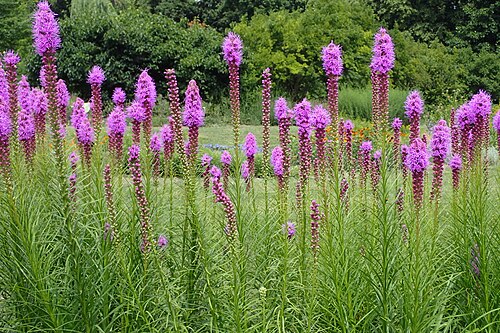
- Grasses: Ornamental grasses like Blazing Star (Liatris), switchgrass (Panicum virgatum), or little bluestem (Schizachyrium scoparium) provide a lovely textural contrast and support the coneflowers.
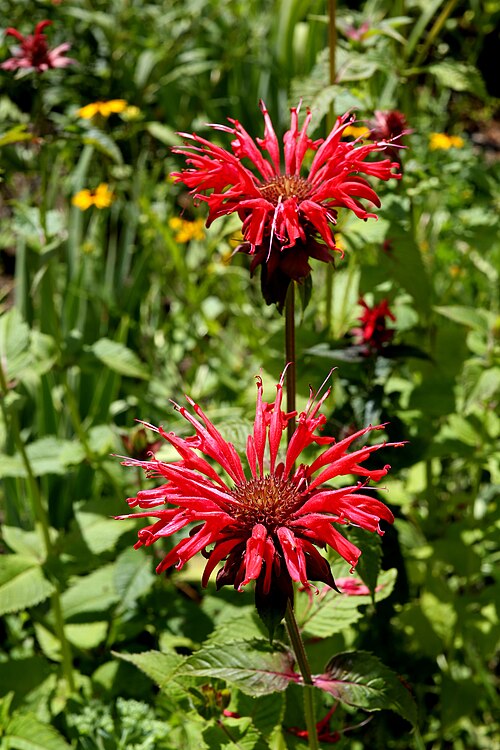
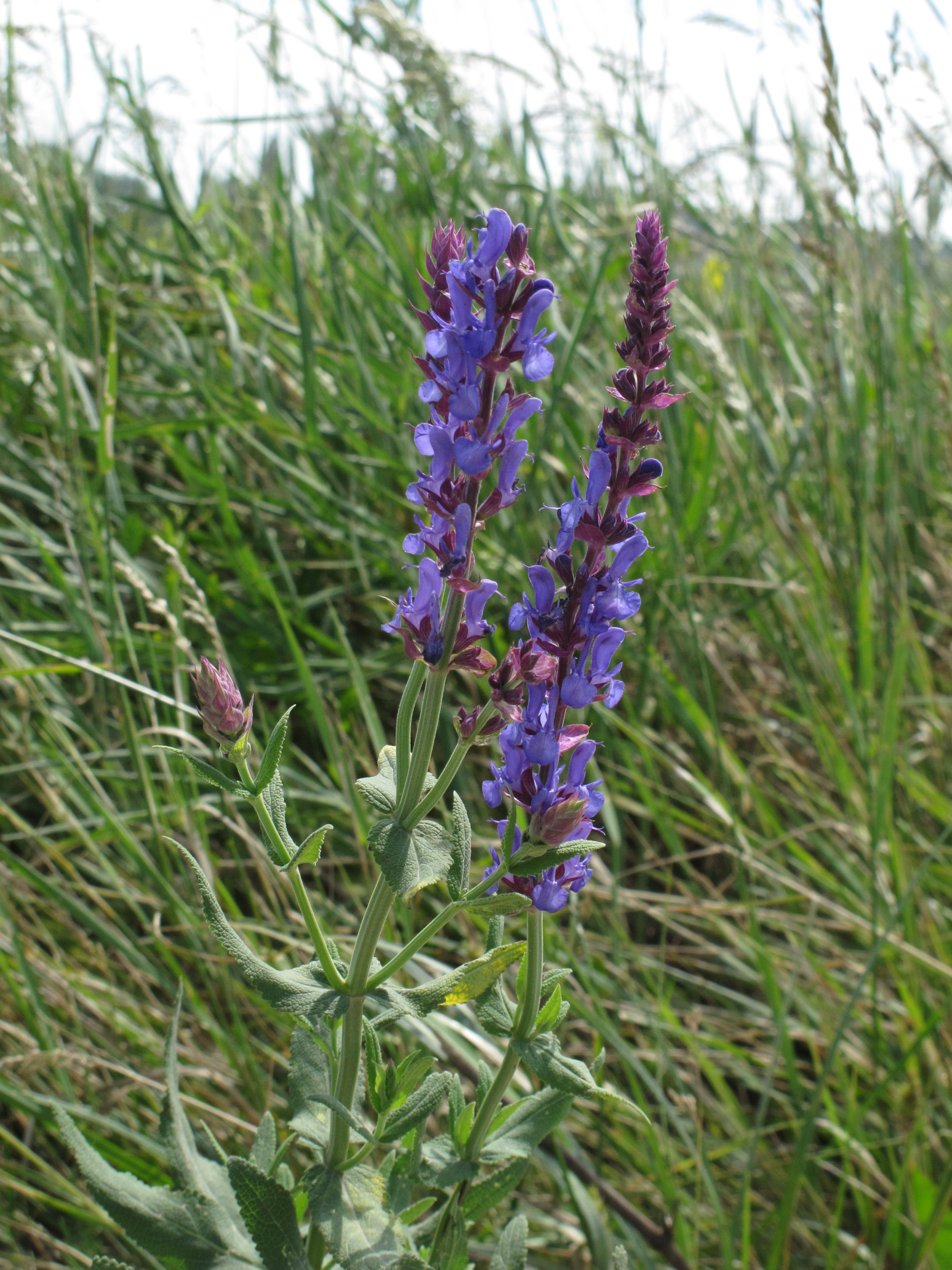
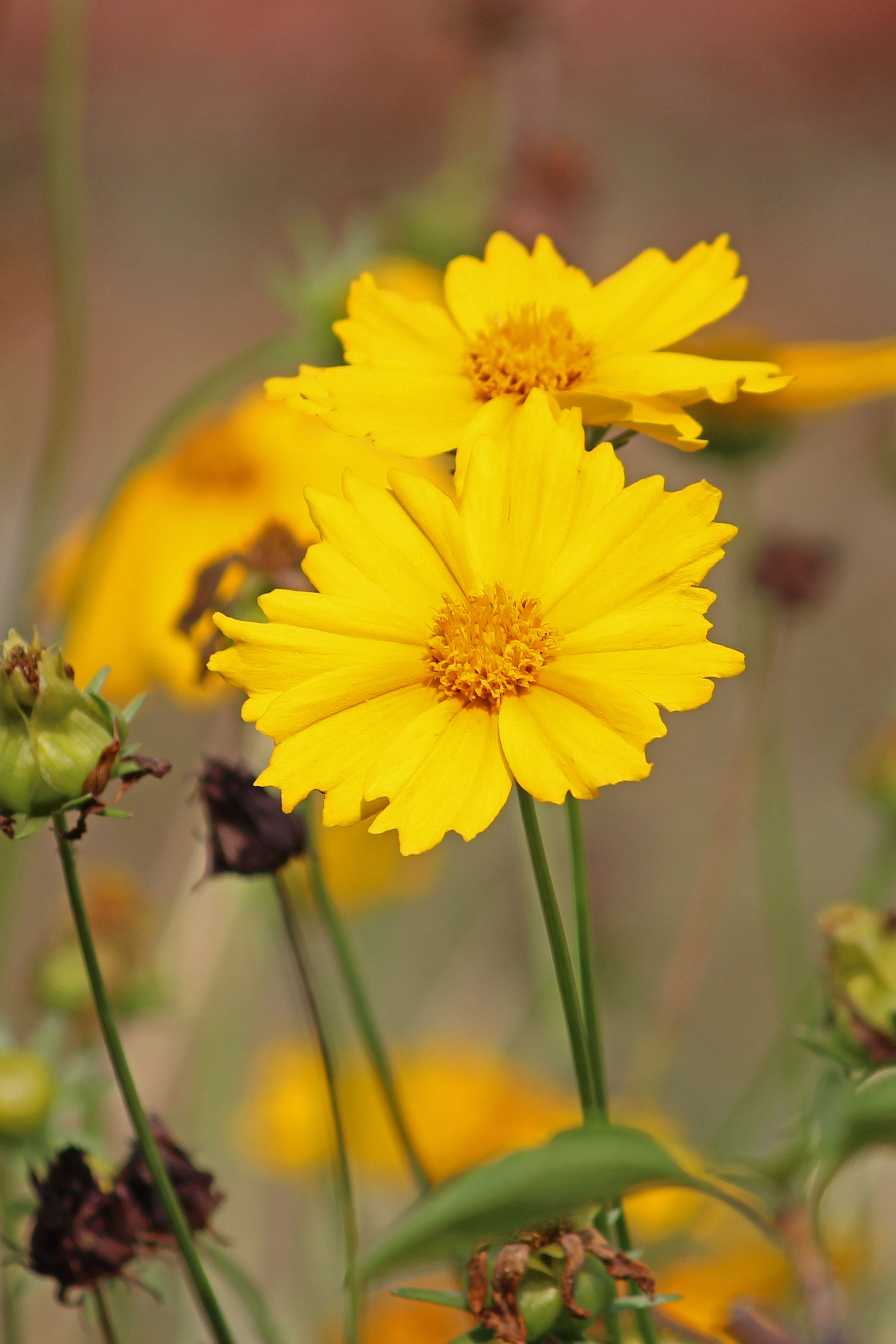
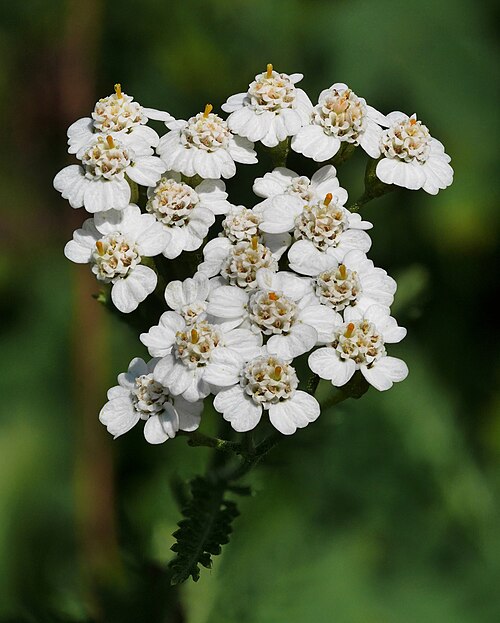
- Other Perennials: Pair with other sun-loving, drought-tolerant perennials such as Yarrow (Achillea), Bee Balm (Monarda), Black-eyed Susan (Rudbeckia), Salvia (Salvia), and Coreopsis (Coreopsis). Their varied forms and bloom times create continuous interest.
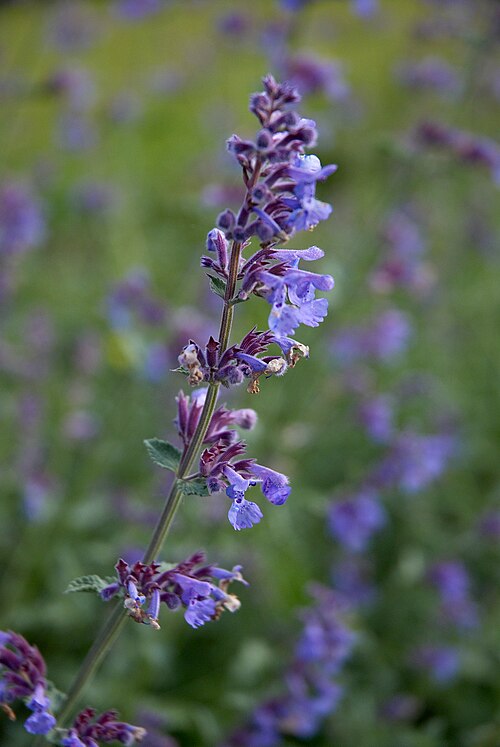
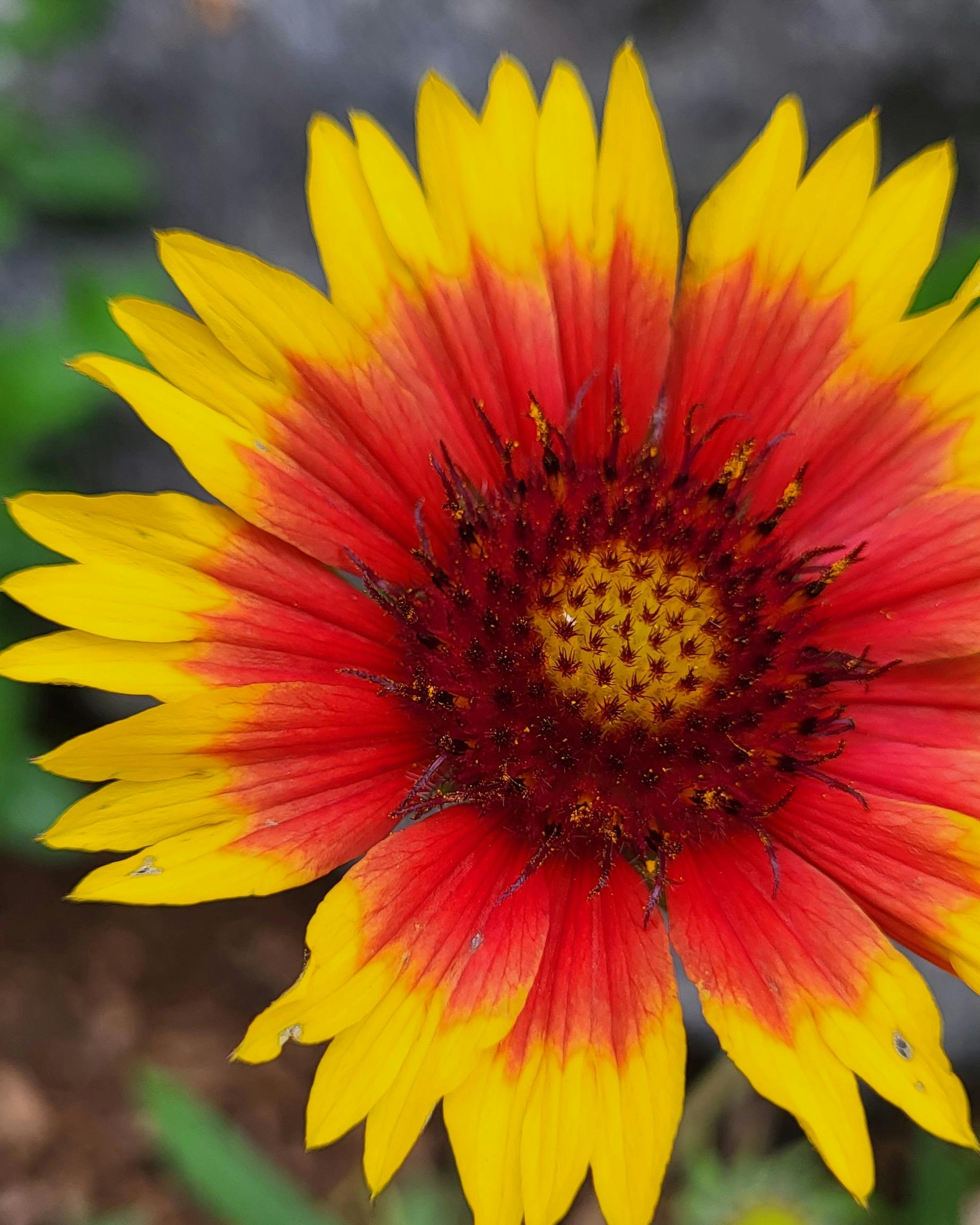
- Pollinator Magnets: Combine with plants like Catmint (Nepeta) and Blanket Flower (Gaillardia) to create a veritable pollinator paradise.
Design Tips:
- Mass Plantings: Planting coneflowers in drifts or large groups creates a stunning visual impact and is highly attractive to pollinators.
- Back of the Border: Taller varieties can be placed at the back of a perennial border, with shorter plants in front.
- Cut Flowers: Echinacea makes excellent cut flowers, lasting well in a vase.
- Winter Interest: Leave spent flower heads on the plants in fall. The seed heads provide winter interest and a food source for birds, especially finches. Cut them back in late winter or early spring before new growth emerges.
Echinacea is truly a garden workhorse - beautiful, beneficial, and blissfully low-maintenance. By following these simple guidelines, you can enjoy its vibrant blooms and the wildlife it attracts for many years to come.
Ready to find the perfect plants for your yard? Try the PlantWise Plant Finder →