FTC Disclosure: This post contains affiliate links. As an Amazon Associate, we earn from qualifying purchases.
If you're searching for evergreen deer resistant shrubs for Zone 6, you're in luck. While no plant is completely deer-proof, several evergreen shrubs are generally unappealing to deer and thrive in USDA Zone 6 climates. These shrubs offer year-round greenery, privacy, and winter interest without frequent deer damage. In this post, we'll explore seven excellent evergreens that are deer resistant in Zone 6, helping you create a beautiful, wildlife-resilient landscape.
Why Choose Evergreen Deer Resistant Shrubs in Zone 6?
Zone 6 encompasses a range of climates with minimum winter temperatures between -10 to 0°F (-23.3 to -17.8°C). Shrubs that survive these conditions while being unattractive to deer can save gardeners time and frustration. Evergreens are particularly valuable for providing structure and privacy throughout the year, especially in winter when deciduous plants lose their leaves. Selecting deer resistant shrubs reduces the need for fencing or repellents and helps maintain a peaceful coexistence with local wildlife.
However, it’s important to note that deer feeding habits can vary based on local food availability and deer population density. No plant is completely deer-proof, so even resistant shrubs may occasionally be browsed.
🌱 Get Personalized Plant Picks
Answer a few quick questions and we’ll match plants to your exact yard conditions.
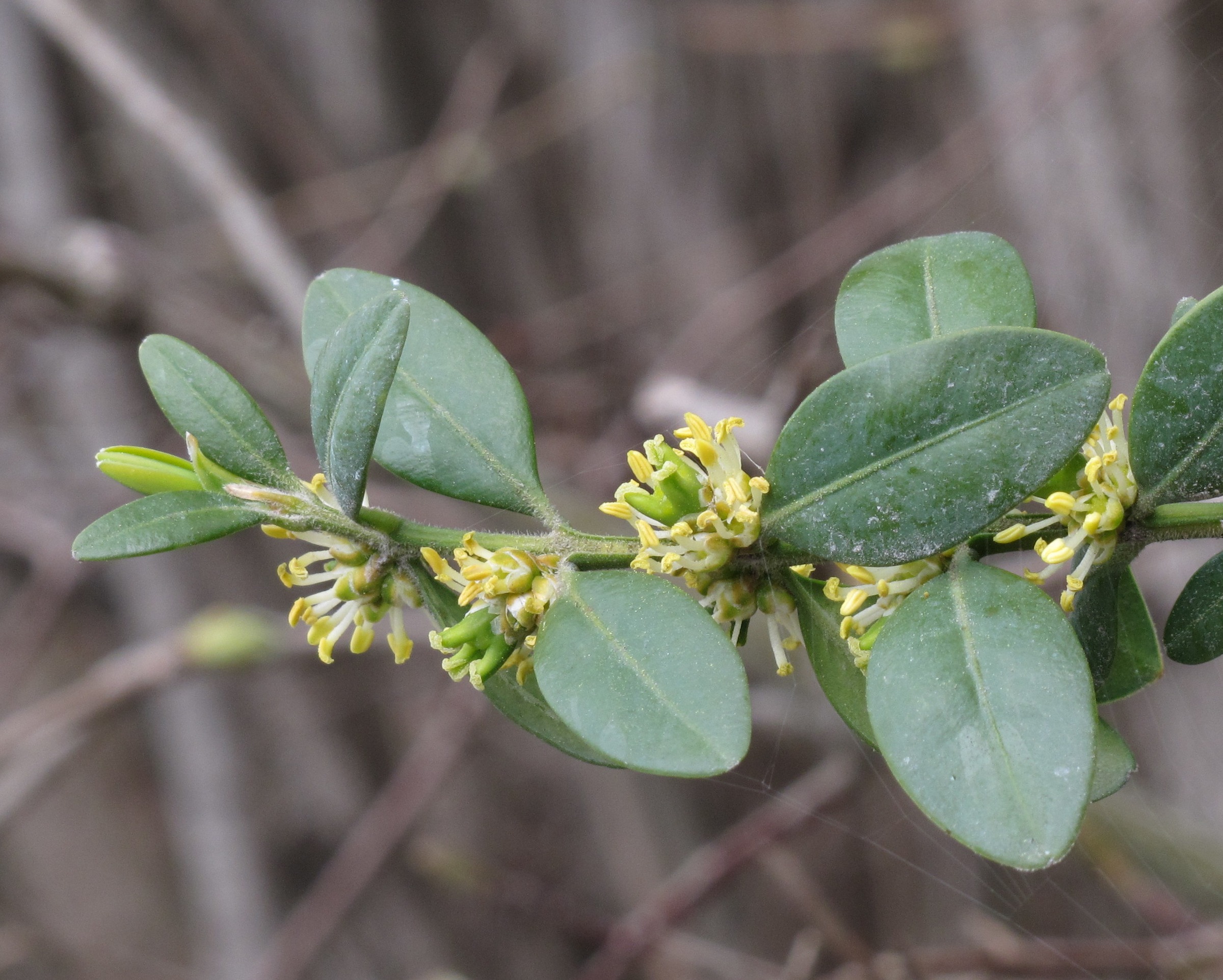
Find My Plants →1. Boxwood (Buxus spp.)
Boxwoods are classic evergreen shrubs prized for their dense, glossy foliage and versatility in hedges or foundation plantings. Most boxwood varieties are generally deer resistant due to their tough, leathery leaves and subtle aroma. They perform well in Zone 6’s climate and tolerate partial shade, though full sun promotes denser growth.
Boxwoods grow slowly but can be sheared into formal shapes or left natural. Their year-round green color adds structure during winter months. Avoid overwatering and provide good drainage to prevent root rot.
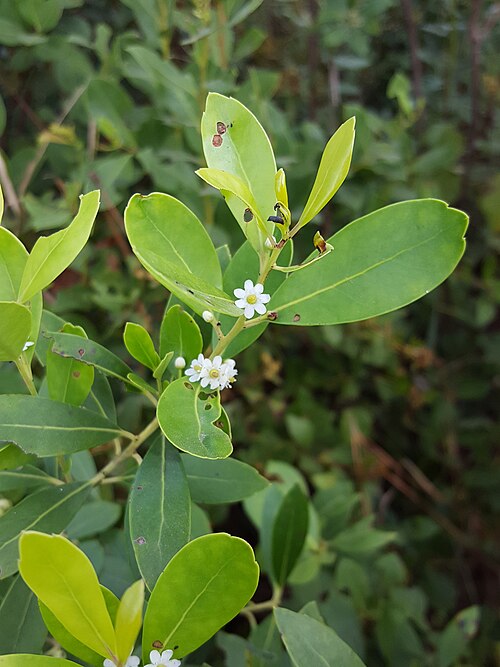
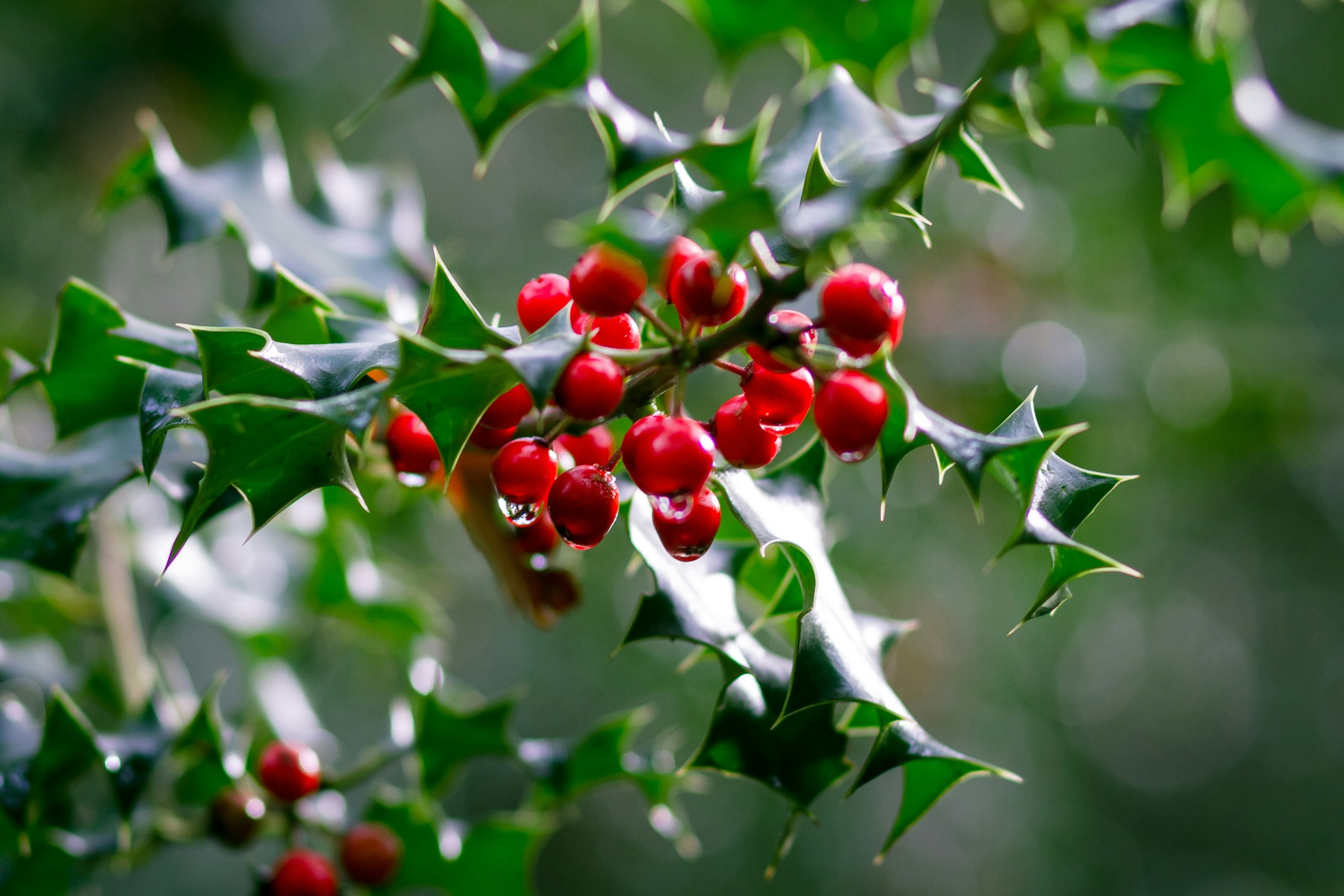
2. Inkberry Holly (Ilex glabra)
Inkberry holly is a native evergreen holly that thrives in Zone 6 and is known for its deer resistance. It features small, dark green leaves and produces black berries in fall that attract birds but rarely interest deer. Inkberry prefers moist, acidic soils but adapts well to average garden conditions.
Its dense, rounded habit makes it excellent for hedges, mass plantings, or foundation screens. The berries also provide winter interest and support local wildlife.
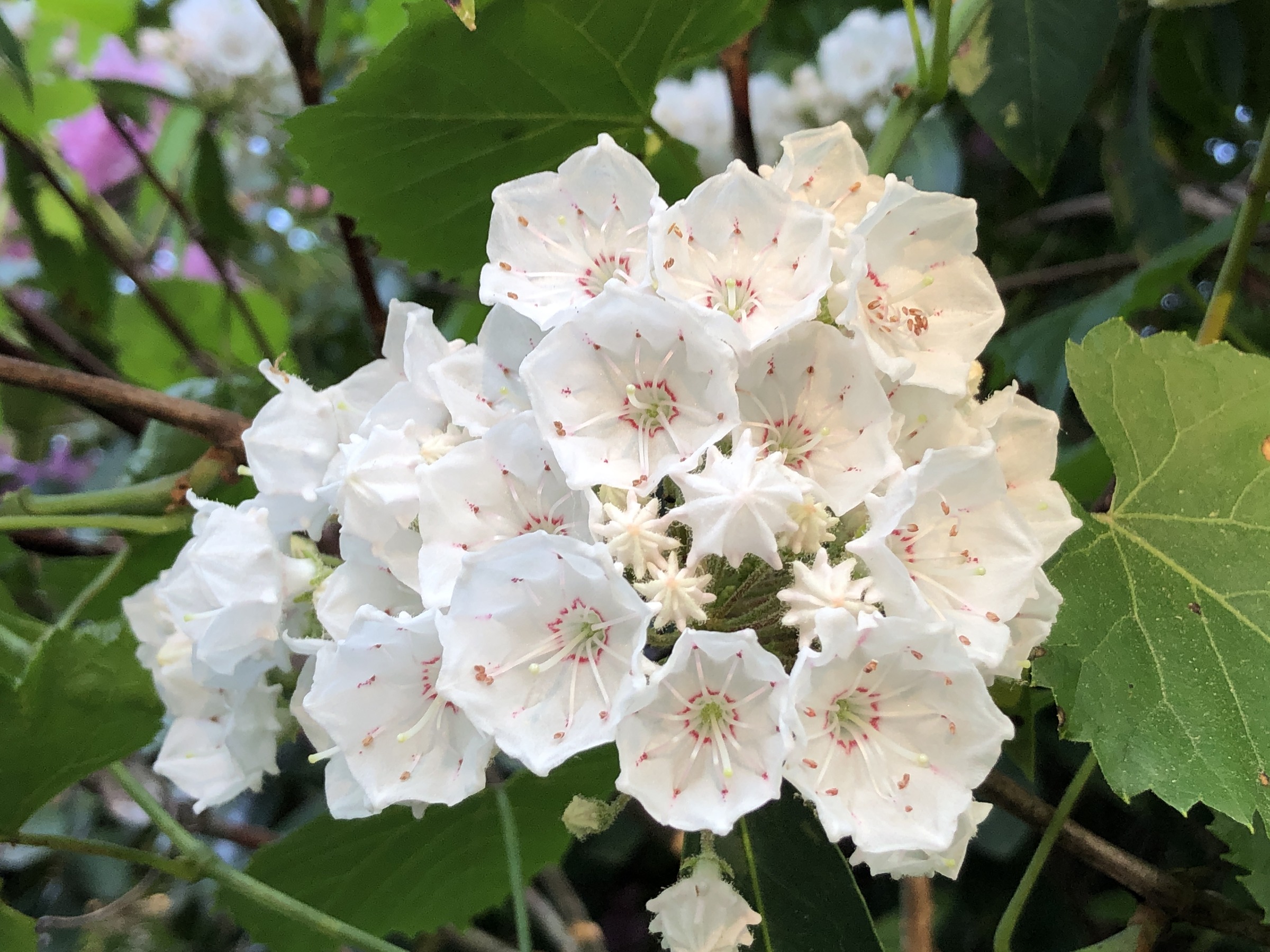
3. Mountain Laurel (Kalmia latifolia)
Mountain laurel is a broadleaf evergreen shrub native to eastern North America. It is typically deer resistant, thanks to its leathery leaves and toxic compounds. Mountain laurel thrives in well-drained, acidic soils and partial shade, making it ideal for woodland gardens in Zone 6.
In late spring to early summer, it produces showy clusters of pink or white flowers, adding seasonal beauty. Be cautious as all parts of the plant are toxic if ingested.
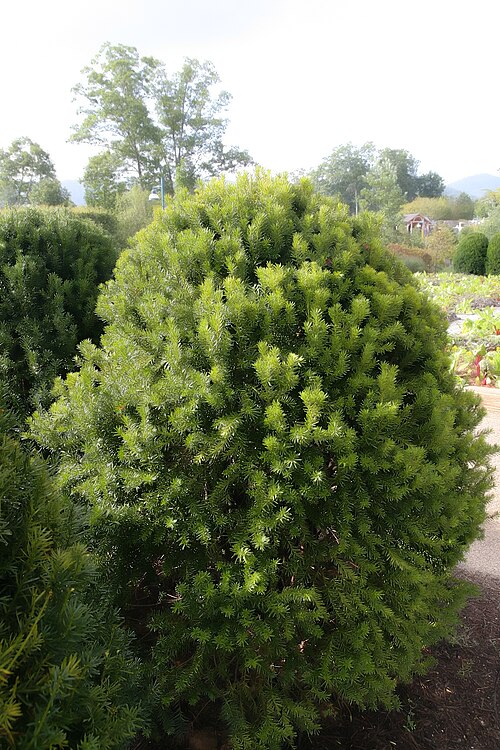
4. Yew (Taxus spp.)
Yews are shade-tolerant evergreen shrubs that grow well in Zone 6 and generally repel deer due to their bitter foliage. They have a fine texture with dark green needles and can be shaped into formal or informal hedges.
Yews prefer well-drained soils and moderate watering. While toxic to humans and pets if ingested, they provide excellent year-round privacy and structure in your garden.
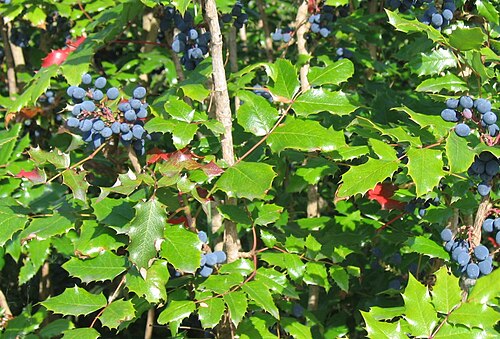
5. Oregon Grape Holly (Mahonia aquifolium)
Oregon grape holly is another deer resistant evergreen shrub suited to Zone 6. It features holly-like, spiny leaves that deter deer browsing. In early spring, it produces bright yellow flower clusters followed by blue berries that attract birds.
This shrub prefers partial shade and well-drained soils. Its unique foliage and seasonal interest make it an attractive addition to wildlife-resistant landscapes.
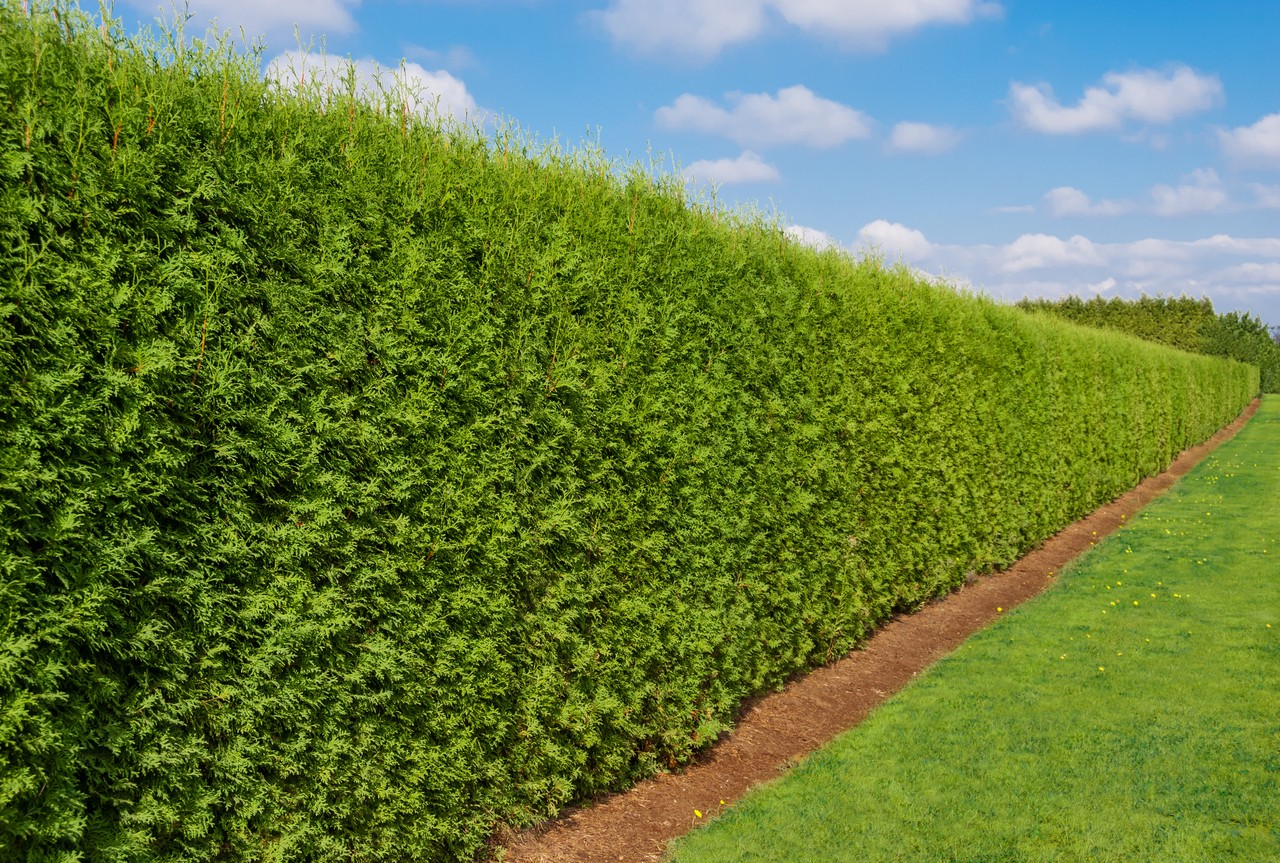
6. Russian Arborvitae (Thuja occidentalis ‘Smaragd’)
Russian arborvitae, often sold as ‘Smaragd’ or Emerald Green arborvitae, is a narrow, columnar evergreen shrub that deer typically avoid. It grows well in Zone 6 and tolerates a range of soil types and moisture levels.
Its dense, bright green foliage provides excellent year-round screening for privacy or windbreaks. The slow to moderate growth rate makes it easy to maintain.
7. False Cypress (Chamaecyparis pisifera)
Chamaecyparis Pisifera
False cypress is a graceful evergreen shrub with soft, feathery foliage that is generally unappealing to deer. It grows well in Zone 6, prefers full sun to partial shade, and requires well-drained soil.
False cypress cultivars range in color from bright green to golden yellow and often have attractive, pendulous branches. They add texture and color contrast to garden beds, and their deer resistance makes them a practical choice.
Deer Resistance and Wildlife Disclaimer
While these shrubs are generally deer resistant, it’s important to understand that deer feeding habits vary by region and season. During harsh winters or droughts, deer may browse plants they usually avoid. Additionally, deer resistance does not guarantee resistance to other wildlife like rabbits or groundhogs. Always consider a holistic approach to wildlife management in your garden.
Pet Safety Note
Some of these evergreen shrubs, such as yew and mountain laurel, contain toxic compounds and are listed as not safe for pets if ingested. If you have dogs, cats, or other pets, please keep this in mind and consult resources like the ASPCA Animal Poison Control Center (888-426-4435) for guidance on pet-safe plants.
Final Thoughts
Choosing evergreen deer resistant shrubs for Zone 6 can enhance your landscape with year-round greenery, privacy, and winter interest while reducing deer damage. Boxwood, inkberry holly, mountain laurel, yew, Oregon grape holly, Russian arborvitae, and false cypress are all excellent choices to consider. Be sure to match plant selections to your specific site conditions, soil type, and sun exposure for best results.
For more help finding the right plants for your garden, try our Plant Finder wizard at /wizard.
Happy gardening and may your landscape thrive deer-free!
Remember, deer resistance is not a guarantee, and local conditions vary. Always consider multiple strategies for managing wildlife in your garden.