Best Deer-Resistant Plants to Add to Your Garden This Fall
Fall is an ideal time to plant many perennials, shrubs, and even some trees, giving them a chance to establish roots before winter sets in. If you're looking to add beauty to your landscape while deterring hungry deer, consider incorporating coneflower, yarrow, catmint, salvia, and ornamental grasses this autumn. These plants are known for their deer resistance, often due to their strong scents, fuzzy or coarse textures, or unpalatable sap, making them less appealing to browsing deer. Planting now allows them to settle in, leading to a stronger, more vibrant display next spring and summer.
🌱 Get Personalized Plant Picks
Answer a few quick questions and we’ll match plants to your exact yard conditions.
Find My Plants →Why Plant Deer-Resistant Options in the Fall?
Fall planting offers several advantages, especially for deer-resistant perennials and shrubs. The cooler temperatures and often consistent rainfall provide ideal conditions for root development without the stress of summer heat. This allows plants to put energy into establishing a strong root system, which makes them more resilient and better prepared for vigorous growth when spring arrives. For gardeners battling deer, planting deer-resistant varieties in the fall is a proactive step to ensure your garden thrives without becoming a deer buffet. Remember, while some plants are less appealing to deer, no plant is truly deer-proof, especially when deer are very hungry or their natural food sources are scarce.
What Makes a Plant Deer-Resistant?
Deer are selective browsers, and certain plant characteristics make them less desirable. Understanding these traits can help you choose the right plants for your garden:
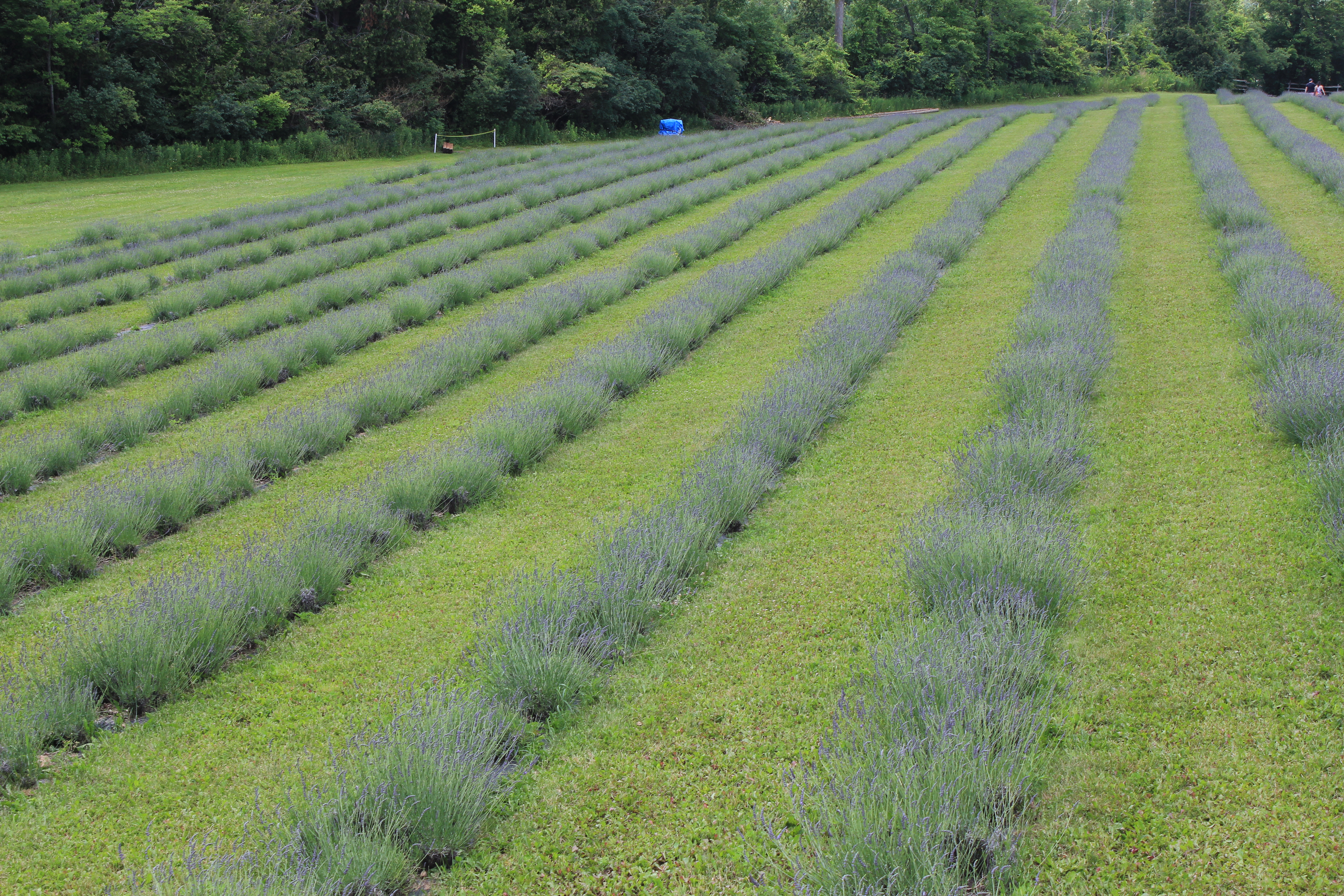
- Strong Scents: Aromatic plants like lavender, catmint, and salvia often deter deer. Their strong essential oils are off-putting.
- Fuzzy or Hairy Leaves: Plants with textured foliage, such as Lamb's Ear or some varieties of coneflower, are less appealing to deer.
- Coarse or Thorny Textures: Plants with prickly stems or rough leaves are uncomfortable for deer to eat.
- Bitter or Toxic Taste: Some plants contain compounds that taste bitter or are mildly toxic to deer, causing them to avoid them.
- Milky Sap: Plants that exude a milky sap when cut are often avoided.
Incorporating a variety of these types of plants can create a natural barrier and reduce deer damage in your garden.
Which Deer-Resistant Perennials Thrive with Fall Planting?
Fall is prime time for planting many popular deer-resistant perennials. Here are some top choices that will establish well and put on a spectacular show next year:
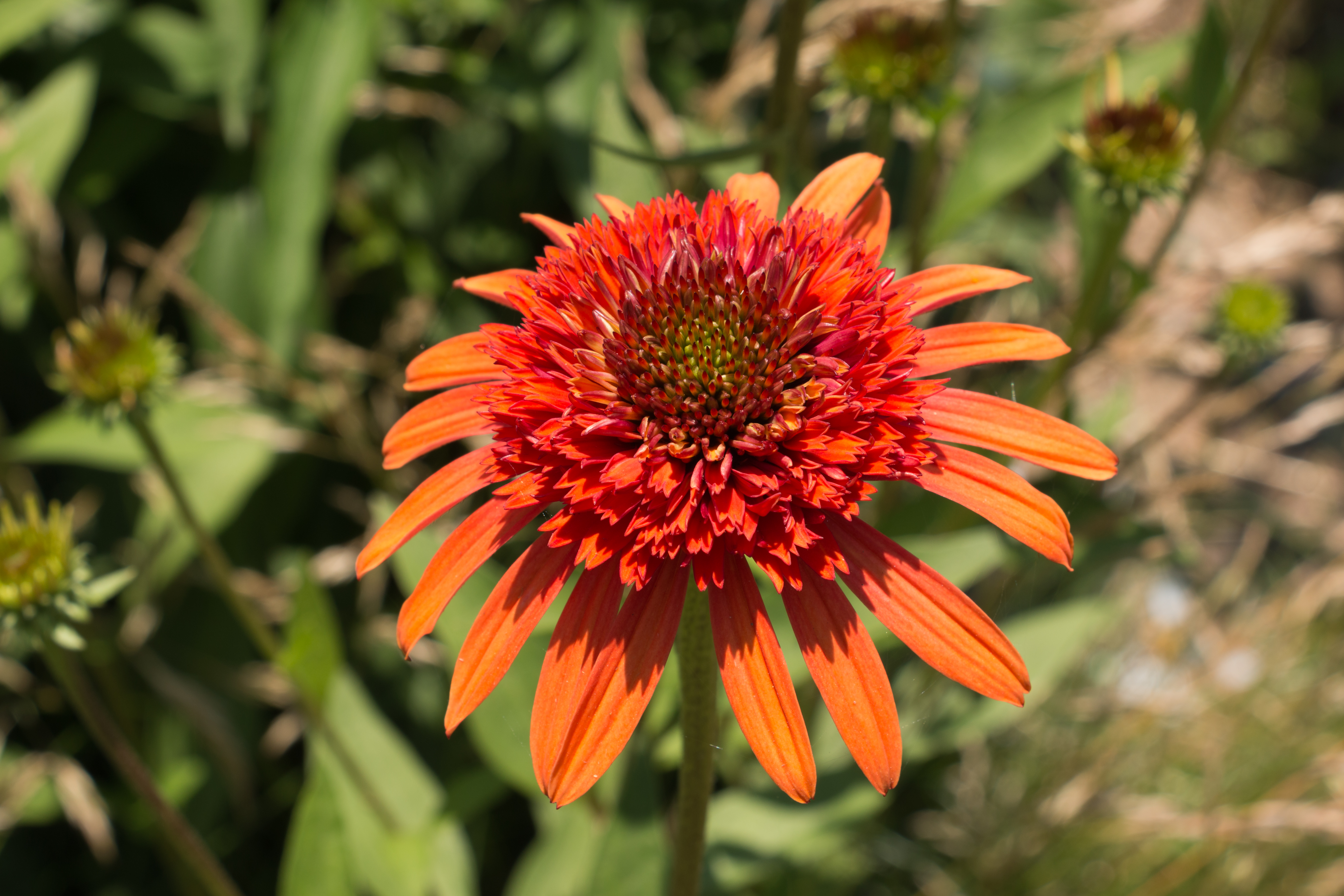
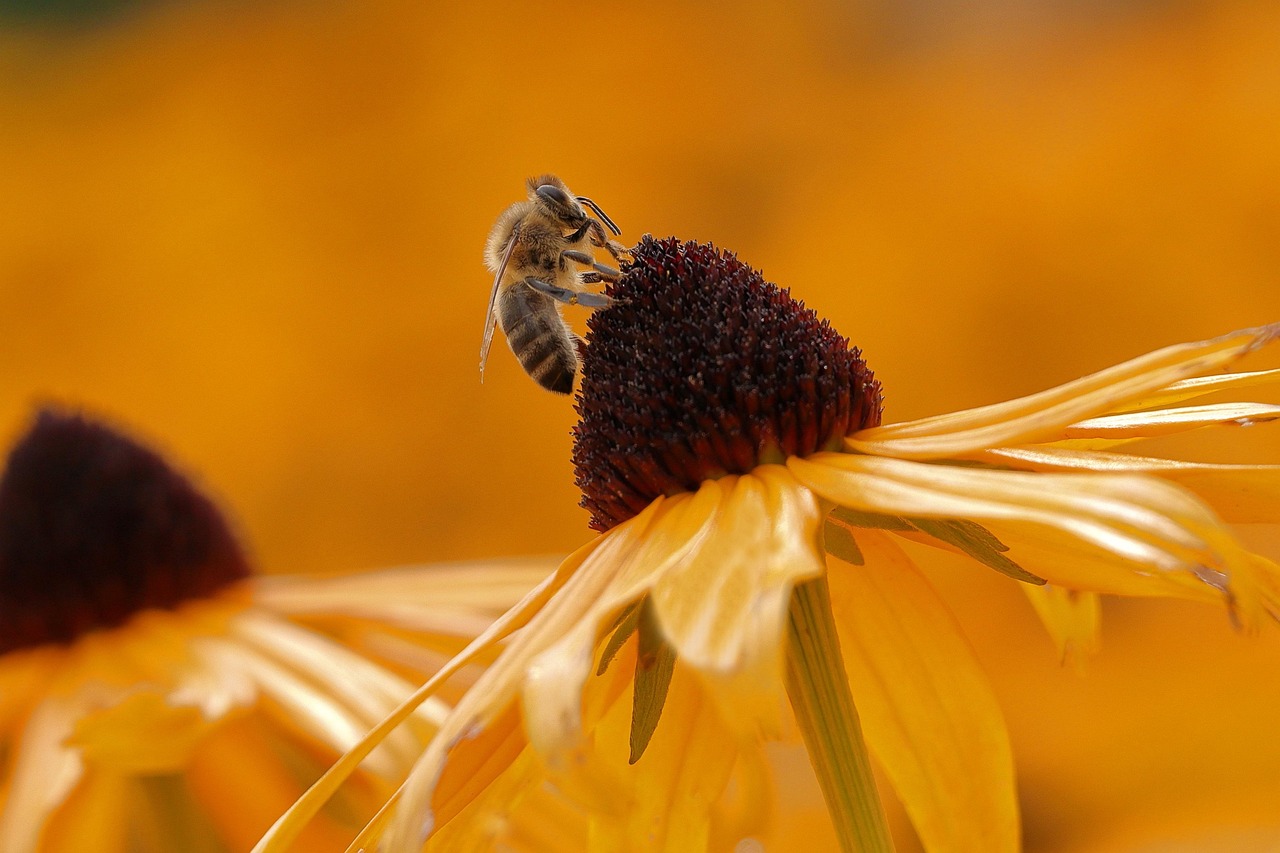
- Coneflower (Echinacea purpurea): Coneflower These cheerful, daisy-like flowers are a garden staple. Deer tend to avoid them due to their coarse texture and sometimes spiky central cones. They are drought-tolerant once established and attract pollinators like bees and butterflies. Plant them in full sun in well-drained soil.
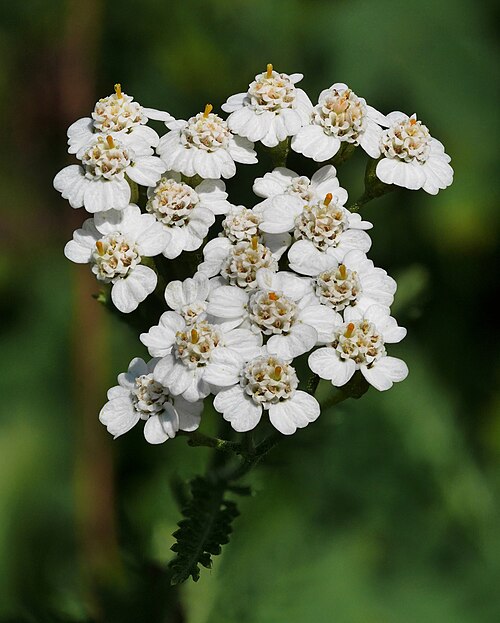
- Yarrow (Achillea millefolium): Yarrow Known for its flat-topped clusters of tiny flowers and fern-like foliage, yarrow is highly deer-resistant. Its aromatic leaves are a deterrent. Yarrow thrives in full sun and well-drained soil, tolerating heat and drought. It comes in various colors, from white and yellow to pink and red.
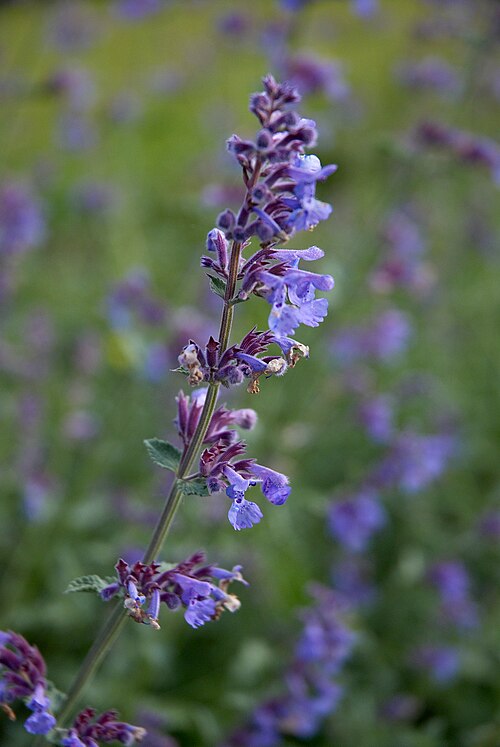
- Catmint (Nepeta x faassenii): Catmint A true workhorse in the garden, catmint offers a long season of lavender-blue blooms and fragrant, gray-green foliage. Deer find its strong minty scent unappealing. It's incredibly tough, drought-tolerant, and low-maintenance, perfect for borders or mass plantings.
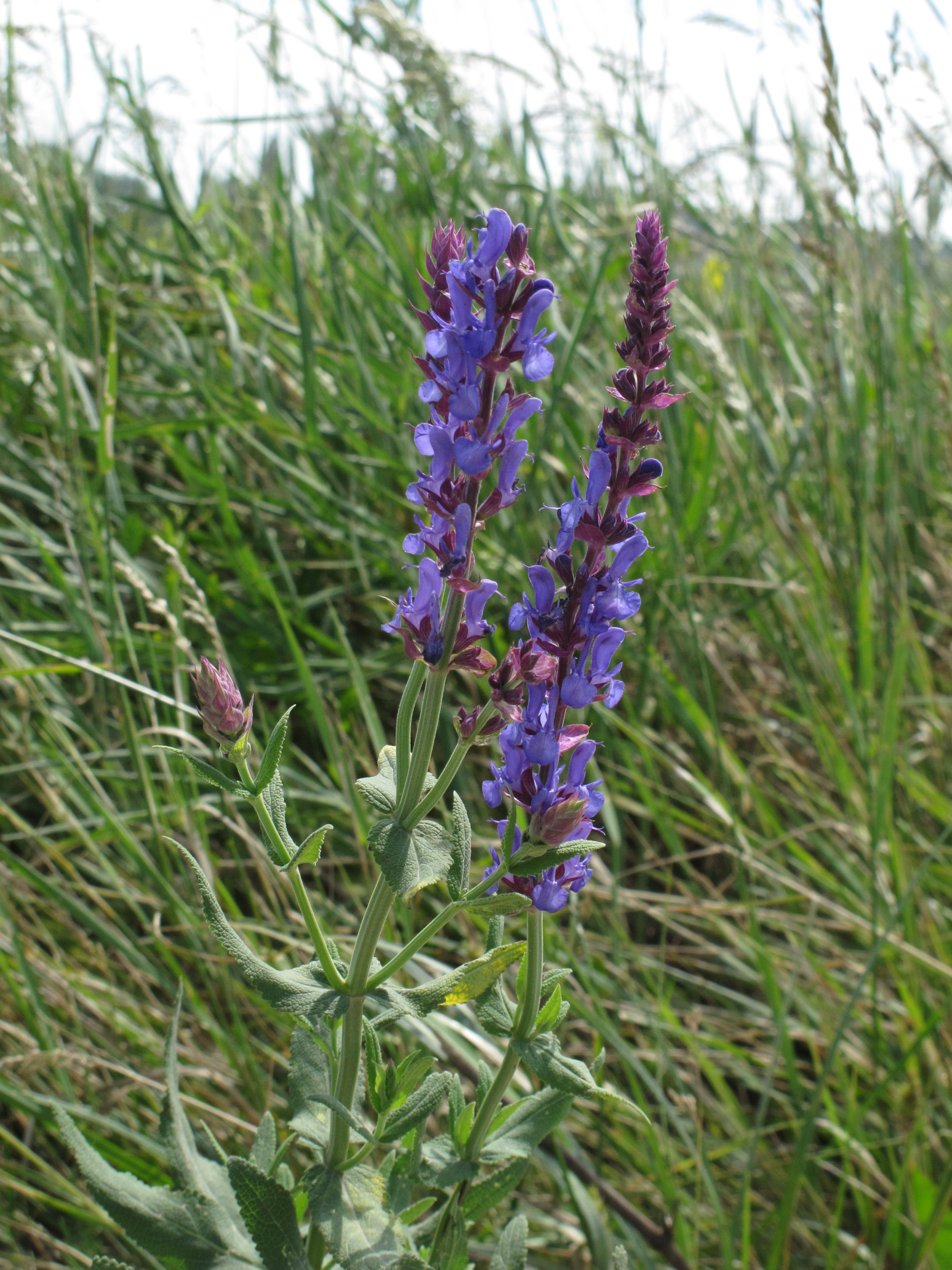
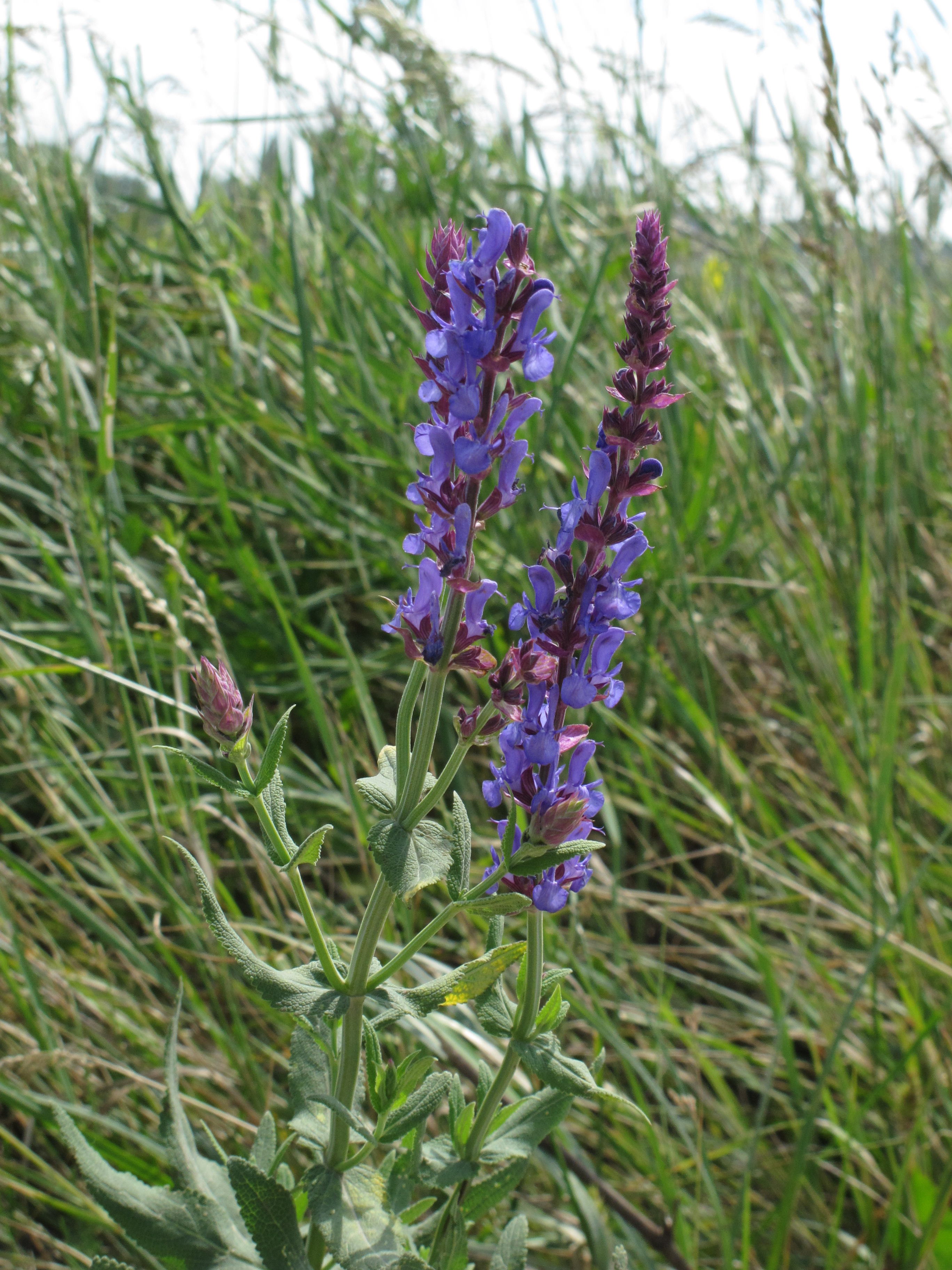
- Salvia (Salvia spp.): Salvia With hundreds of species, salvias offer a huge range of colors, sizes, and bloom times. Many, especially the perennial varieties like Salvia nemorosa (woodland sage), are excellent deer deterrents thanks to their aromatic foliage. They prefer full sun and well-drained soil.
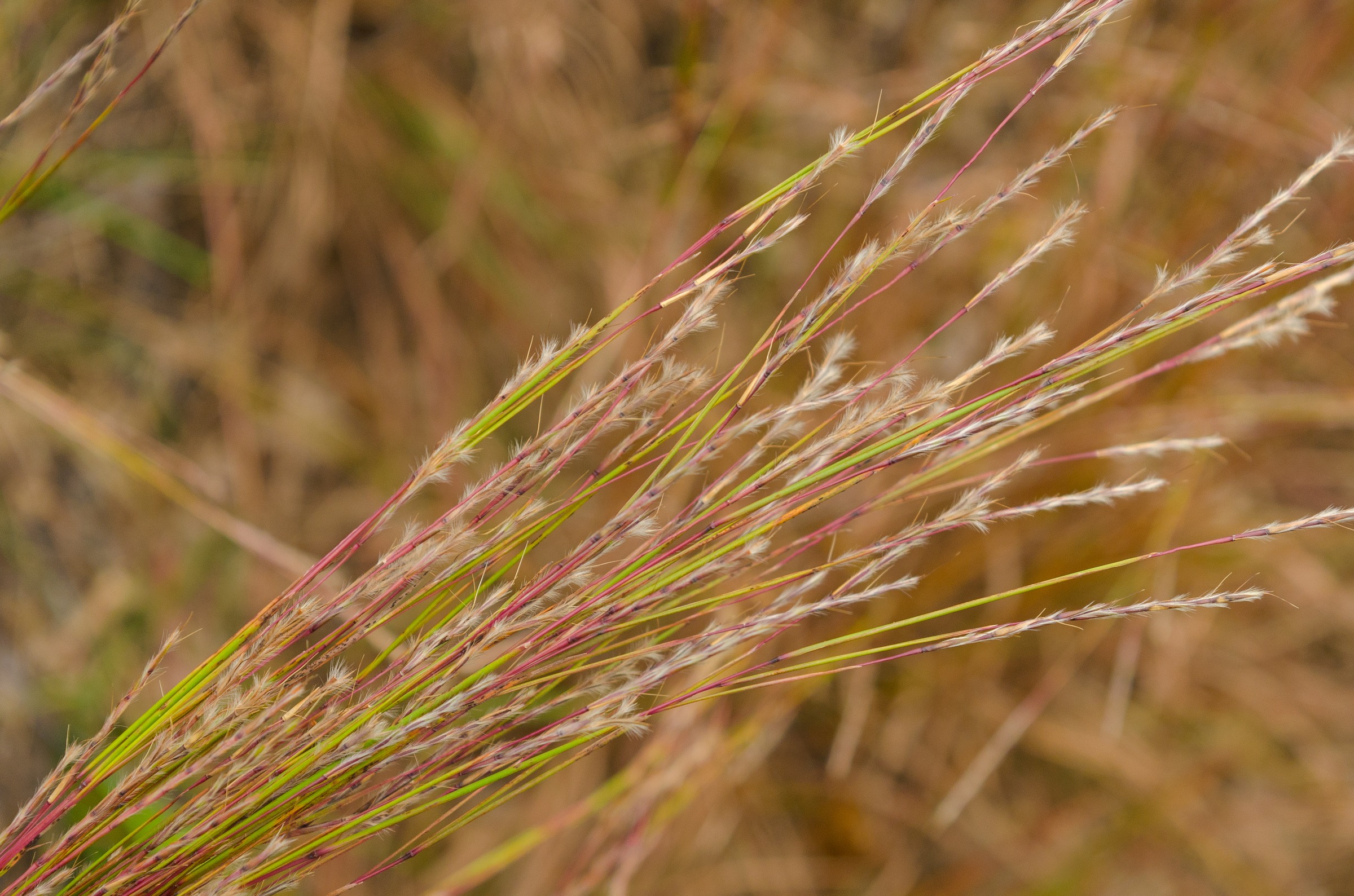
- Ornamental Grasses: Most ornamental grasses, such as Feather Reed Grass (Calamagrostis), Switchgrass (Panicum virgatum), and Little Bluestem (Schizachyrium scoparium), are generally ignored by deer. Their tough, fibrous blades are not appealing. They add texture, movement, and year-round interest to the landscape.
Quick Reference: Fall Deer-Resistant Perennials
| Plant Name | Deer Resistance | Sun Needs | Soil Needs | Bloom Time (Typical) | Notes |
|---|---|---|---|---|---|
| Coneflower | High | Full Sun | Well-drained | Summer - Fall | Attracts pollinators |
| Yarrow | High | Full Sun | Well-drained | Summer | Drought-tolerant, aromatic foliage |
| Catmint | High | Full Sun | Well-drained | Late Spring - Fall | Long bloom time, very low maintenance |
| Salvia | High | Full Sun | Well-drained | Spring - Fall | Many varieties, aromatic foliage |
| Ornamental Grasses | High | Full Sun | Adaptable | Summer - Fall | Adds texture, year-round interest |
| Black-eyed Susan | Moderate | Full Sun | Well-drained | Summer - Fall | Can be browsed if other food is scarce |
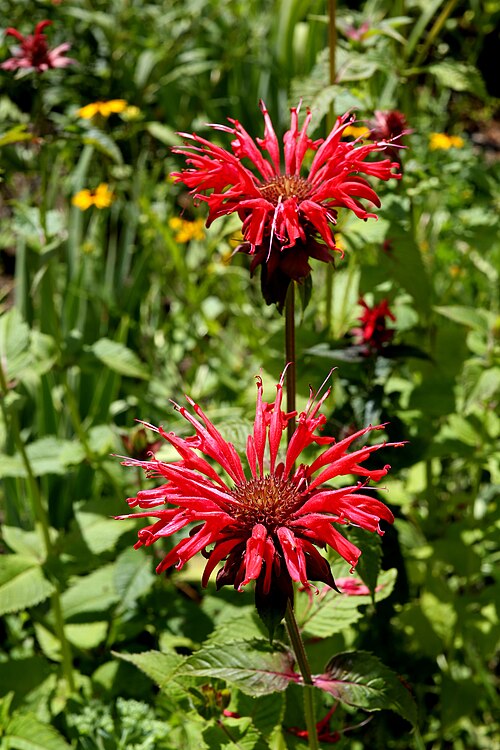
| Bee Balm | Moderate | Full Sun | Moist, well-drained | Summer | Aromatic, attracts hummingbirds |
How Can I Further Protect My Garden from Deer?
While planting deer-resistant varieties is your first line of defense, a multi-pronged approach often yields the best results.
- Rotate Your Plantings: Even deer-resistant plants can be sampled by very hungry deer. By having a diverse garden, you reduce the chances of deer developing a taste for a particular plant.
- Use Repellents: Commercial deer repellents, often made from putrescent egg solids or capsaicin, can be effective. They need to be reapplied regularly, especially after rain. You can also try homemade remedies like soap shavings or human hair, though their efficacy varies.
- Physical Barriers: For high-value plants or smaller garden areas, physical barriers like netting or fencing can be very effective. Deer can jump surprisingly high, so fences often need to be 7-8 feet tall to be truly effective.
- Strategic Placement: Place highly desirable plants closer to your house or in areas with more foot traffic, where deer are less likely to venture. Surround them with deer-resistant plants to create a protective buffer.
- Companion Planting: While not a foolproof method, planting strong-smelling herbs like rosemary or garlic near more vulnerable plants might offer some protection.
Remember, consistency is key. Deer are creatures of habit, and if they learn your garden is an easy food source, they will return. By making your garden less appealing and more challenging to access, you can encourage them to browse elsewhere.
Ready to find the perfect plants for your yard? Try the PlantWise Plant Finder →