FTC Disclosure: This post contains affiliate links. We may earn a small commission at no extra cost to you.
If you garden in USDA Zone 5 and struggle with deer munching your shade garden, you're not alone. Fortunately, there are several full shade deer resistant Zone 5 plants that can thrive in your garden while deterring these hungry wildlife visitors. Selecting cold-hardy plants that deer find unappetizing helps maintain a lush, damage-free garden even in the shadiest spots. Below, we review eight top-performing plants that meet these needs, making them perfect for shade gardens in Zone 5 where deer are common.
Why Deer Avoid Certain Shade Plants in Zone 5
Deer are selective feeders and tend to avoid plants with tough leaves, strong scents, or bitter or toxic compounds. In full shade, plants also need to be cold-hardy to survive Zone 5 winters, and deer resistance adds another layer of challenge. Shade-loving plants often have delicate foliage, but the right combination of leaf texture, chemical defenses, and growth habit can make them unappealing to deer, even in your cold climate.
🌱 Get Personalized Plant Picks
Answer a few quick questions and we’ll match plants to your exact yard conditions.
Find My Plants →8 Best Full Shade Deer Resistant Plants for Zone 5
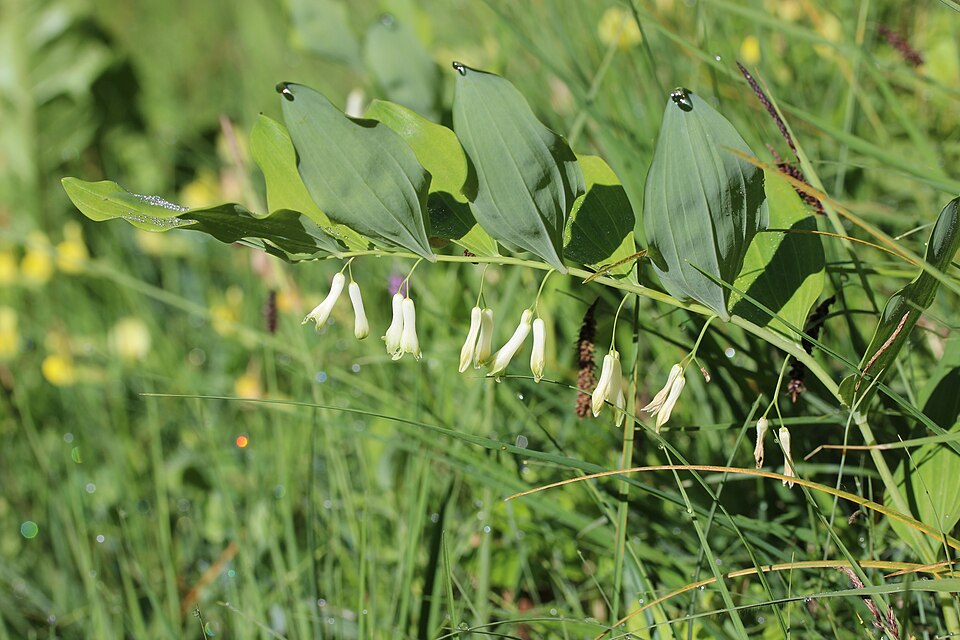
1. Solomon's Seal (Polygonatum odoratum)
Solomon's Seal is an elegant perennial featuring arching stems with dangling white flowers in spring and blue-black berries in fall. It thrives in full shade and tolerates cold winters well. Deer typically avoid it due to its slightly bitter foliage and tough texture. This plant also spreads moderately, making it useful for naturalizing shady areas.
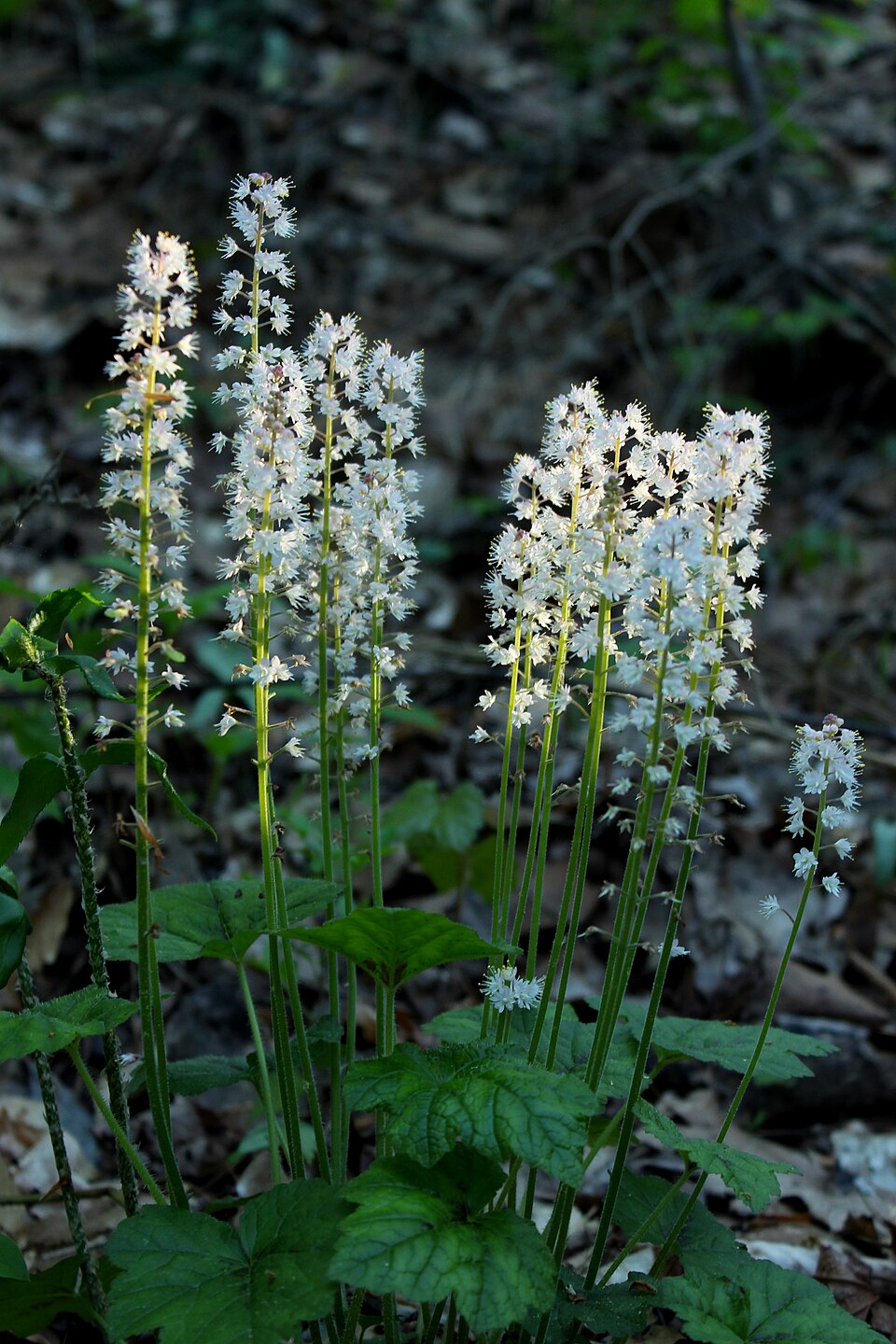
2. Foamflower (Tiarella cordifolia)
Foamflower is a charming groundcover with attractive lobed leaves and airy spikes of tiny white to pink flowers. It grows well in full shade and tolerates Zone 5 winters. Deer generally leave foamflower alone because of its fuzzy leaves and subtle fragrance, which are less palatable.
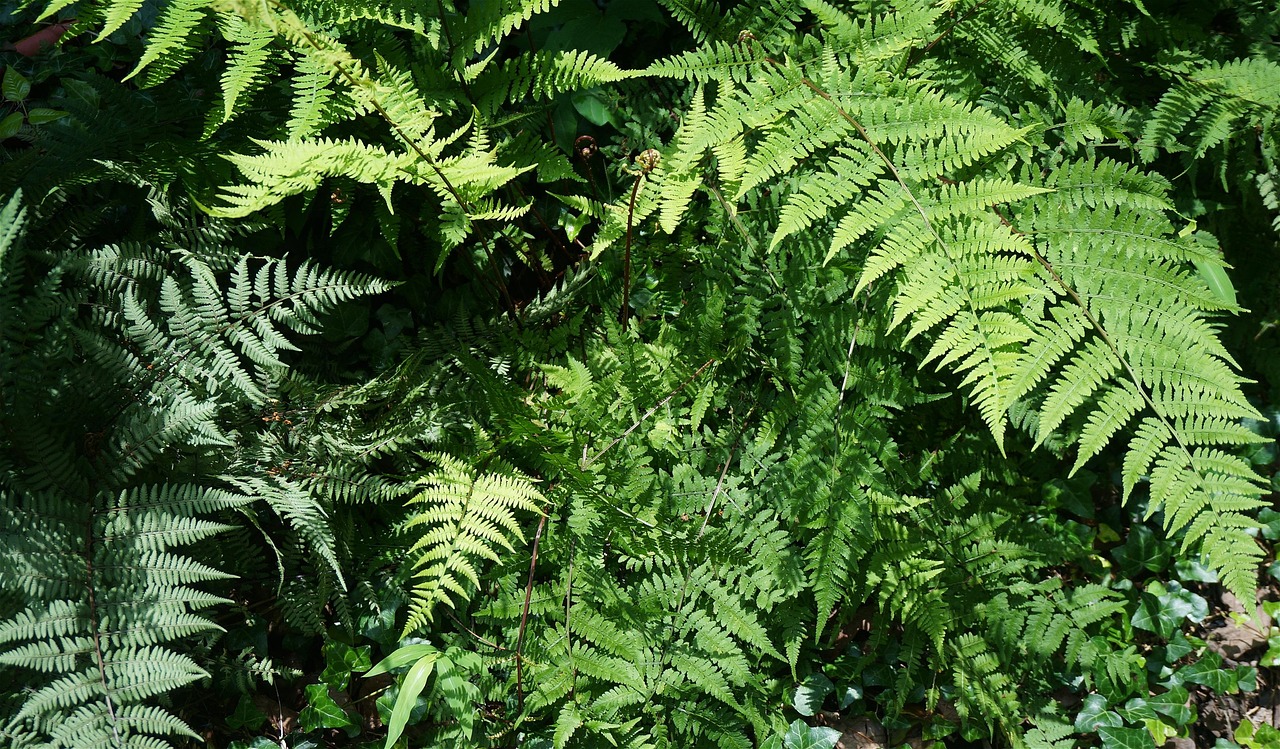
3. Lady Fern (Athyrium filix-femina)
Lady Fern is a graceful fern with finely divided fronds that add soft texture to shade gardens. It is fully hardy to Zone 5 and deer resistant due to its fibrous texture and lack of edible nutrients. Ferns in general are less favored by deer, making lady fern a dependable choice for shady areas.
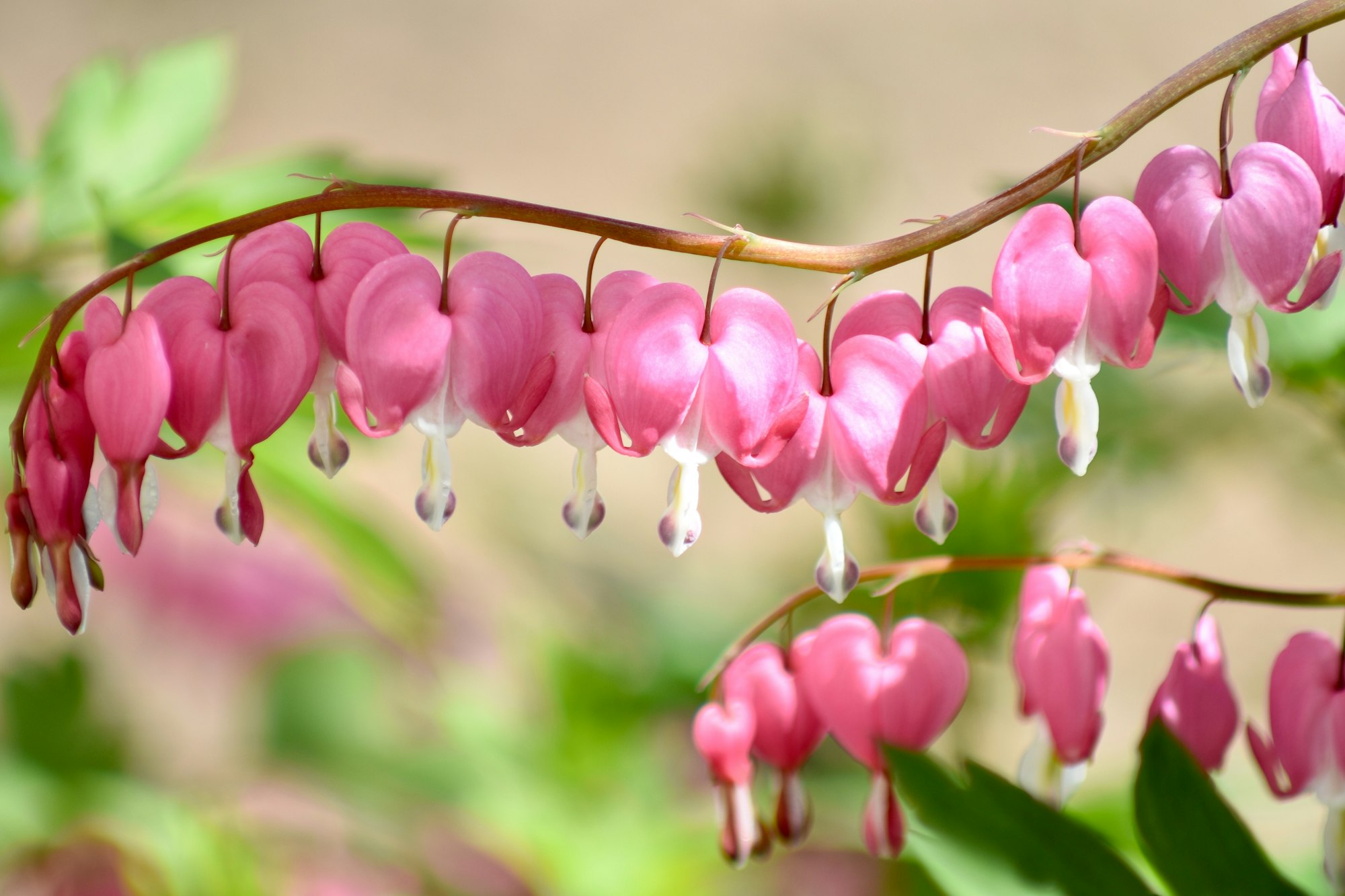
4. Bleeding Heart (Dicentra spectabilis)
Bleeding Heart is a classic shade perennial known for its heart-shaped pink or white flowers that dangle from arching stems. It prefers moist, well-drained soils and full to part shade. Deer tend to avoid bleeding heart because its foliage contains alkaloids that taste bitter and can be toxic if ingested.
5. Japanese Painted Fern (Athyrium niponicum)
The Japanese Painted Fern is prized for its silvery gray fronds with purple and green markings. It thrives in full shade and is hardy through Zone 5 winters. Its unique coloration and fern-like texture discourage deer browsing.
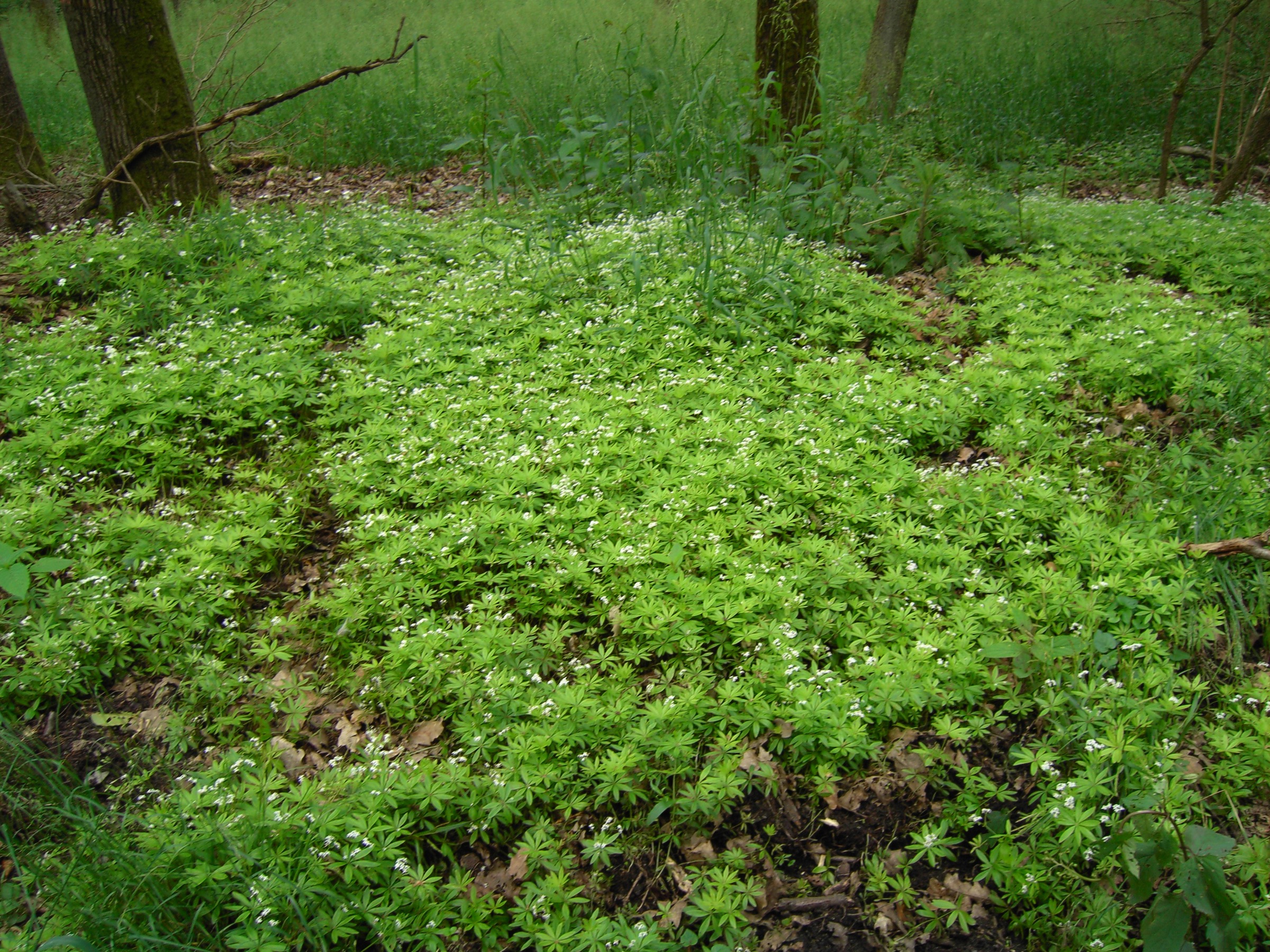
6. Sweet Woodruff (Galium odoratum)
Sweet Woodruff is a low-growing perennial with whorled leaves and tiny white flowers. It has a sweet scent that repels deer and thrives in shady, moist soils. It is also hardy in Zone 5 and can form dense mats as groundcover.
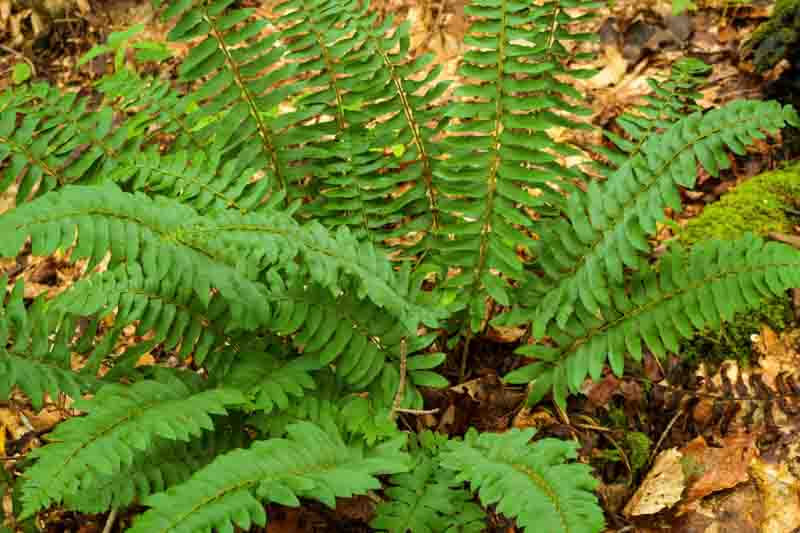
7. Christmas Fern (Polystichum acrostichoides)
Christmas Fern is an evergreen fern native to North America. Its tough, leathery fronds withstand snow and cold winters well and it prefers shade. Deer rarely browse it due to its coarse texture and evergreen nature.
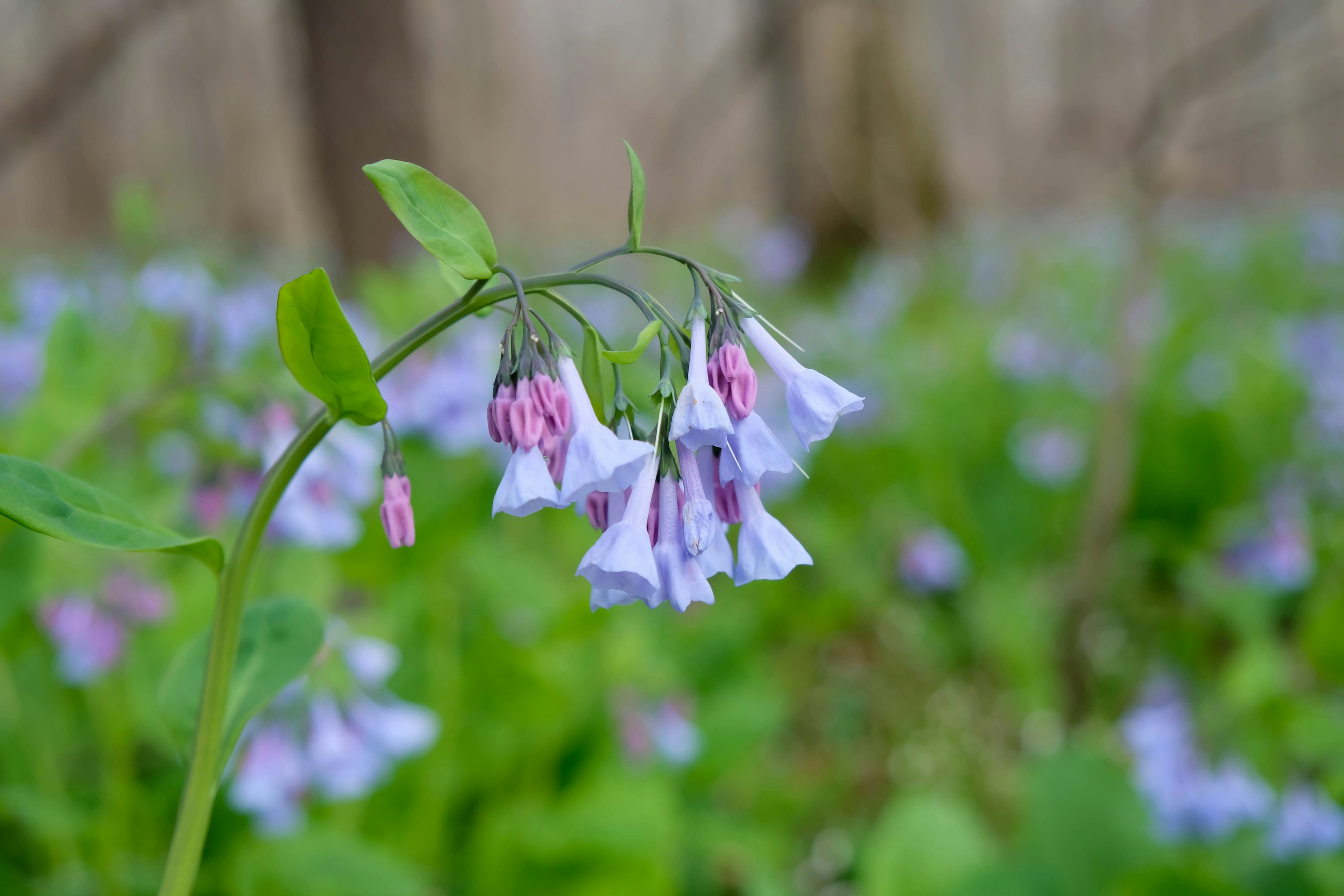
8. Virginia Bluebells (Mertensia virginica)
Virginia Bluebells produce clusters of bell-shaped blue flowers in early spring. They grow in moist, rich soils under deciduous trees and tolerate full shade. Deer tend to avoid them because of their coarse leaves and early bloom before deer actively feed on tender plants.
Tips for Deer-Resistant Shade Gardening in Zone 5
- Plant Diversity: Combine several deer-resistant species to make your garden less appealing overall.
- Physical Barriers: Use fencing or netting if deer pressure is severe.
- Avoid Tender New Growth: Deer prefer fresh shoots, so protecting young plants can help.
- Use Deer Repellents: Apply commercial or homemade repellents periodically.
- Maintain Healthy Plants: Strong, healthy plants are less vulnerable to deer damage.
Disclaimer on Wildlife Resistance
While these plants are known to be deer resistant, no plant can be guaranteed 100% deer proof. Deer feeding habits vary by region and food availability. Some hungry deer may nibble on plants typically avoided. Always monitor your garden and use integrated strategies for best results.
Pet Safety Note
If you have pets, please be aware that some of the plants listed, such as bleeding heart, contain compounds that may be toxic if ingested. Always keep pets supervised and contact the ASPCA Animal Poison Control Center at 888-426-4435 in case of suspected ingestion. None of the plants listed are considered safe or non-toxic to pets.
Conclusion
Creating a full shade deer resistant garden in Zone 5 is achievable by selecting plants adapted to cold winters and unappealing to deer. The eight plants above provide a great starting point to enjoy a beautiful, thriving shade garden with less worry about deer damage.
Ready to find the perfect plants for your unique garden needs? Try the Plant Finder wizard at /wizard to explore more options tailored to your zone, soil, and wildlife challenges.
Happy gardening!
Solomon's Seal Foamflower Athyrium Lady Fern Bleeding Heart Sweet Woodruff