FTC Disclosure: This post contains affiliate links. If you make a purchase through these links, we may earn a small commission at no extra cost to you.
If you're gardening in Zone 6 and struggling with deer nibbling your shade garden, you're not alone. Deer can be a persistent problem, especially in full shade areas where plant options are limited. Fortunately, there are several plants that thrive in full shade and have strong deer-resistant qualities. In this post, we'll explore eight of the best deer-resistant plants suitable for full shade in Zone 6, helping you create a beautiful, resilient shade garden that deer usually avoid.
Understanding Deer Resistance in Shade Gardens
Deer resistance refers to a plant's ability to deter deer from feeding on it. It’s important to note that no plant is completely deer-proof; hungry deer may sample almost anything, especially in winter or when food is scarce. However, certain plants are less appealing due to their taste, texture, or toxicity, making them excellent choices for deer-prone areas.
Full shade conditions, common under dense tree canopies or on the north side of buildings, limit your plant options because many deer-resistant plants prefer sun or partial shade. In USDA Zone 6, which experiences cold winters and moderate summers, selecting plants that can handle these conditions and resist deer is essential.
🌱 Get Personalized Plant Picks
Answer a few quick questions and we’ll match plants to your exact yard conditions.
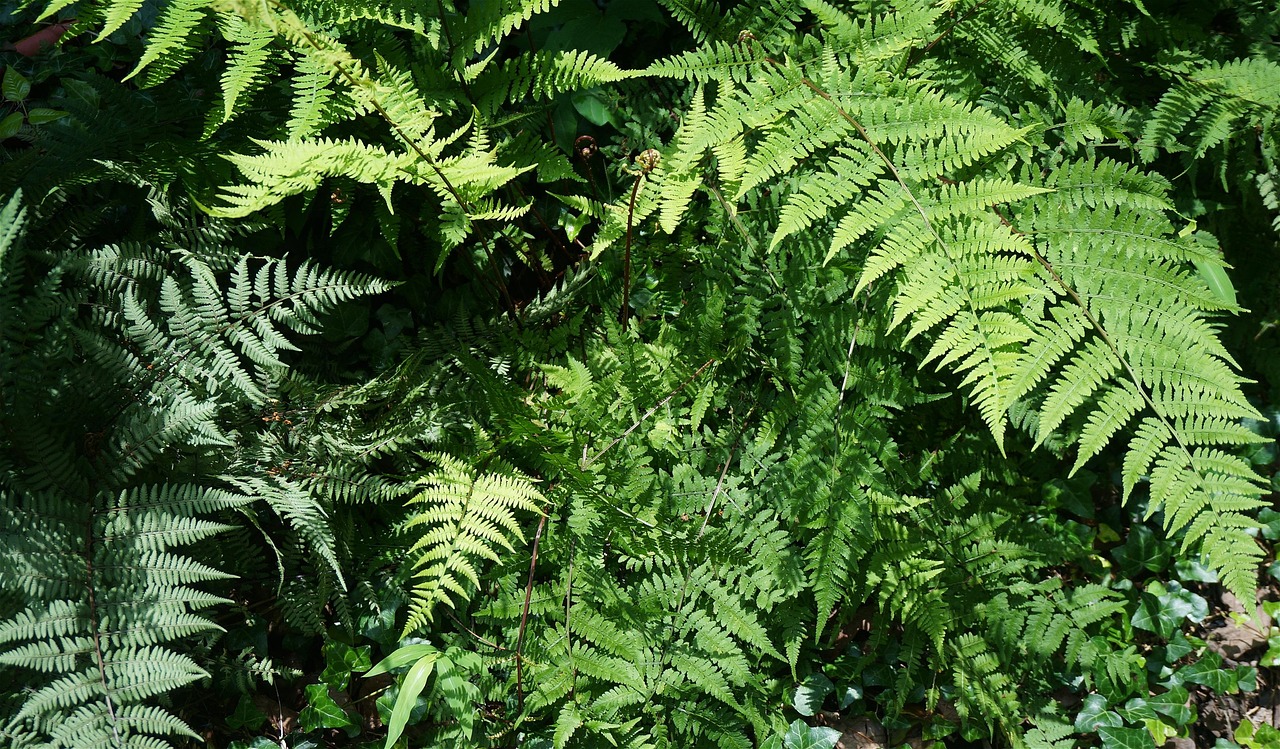
Find My Plants →1. Japanese Painted Fern (Athyrium niponicum)
Japanese Painted Fern is a stunning addition to any shade garden with its silvery-grey fronds highlighted by deep purple stems. This fern thrives in full to part shade and moist, well-drained soil. Its unique foliage texture and color are generally unappealing to deer, making it a reliable choice for deer resistance.
- Deer resistance: High
- Height: 12-24 inches
- Zone: 3-8
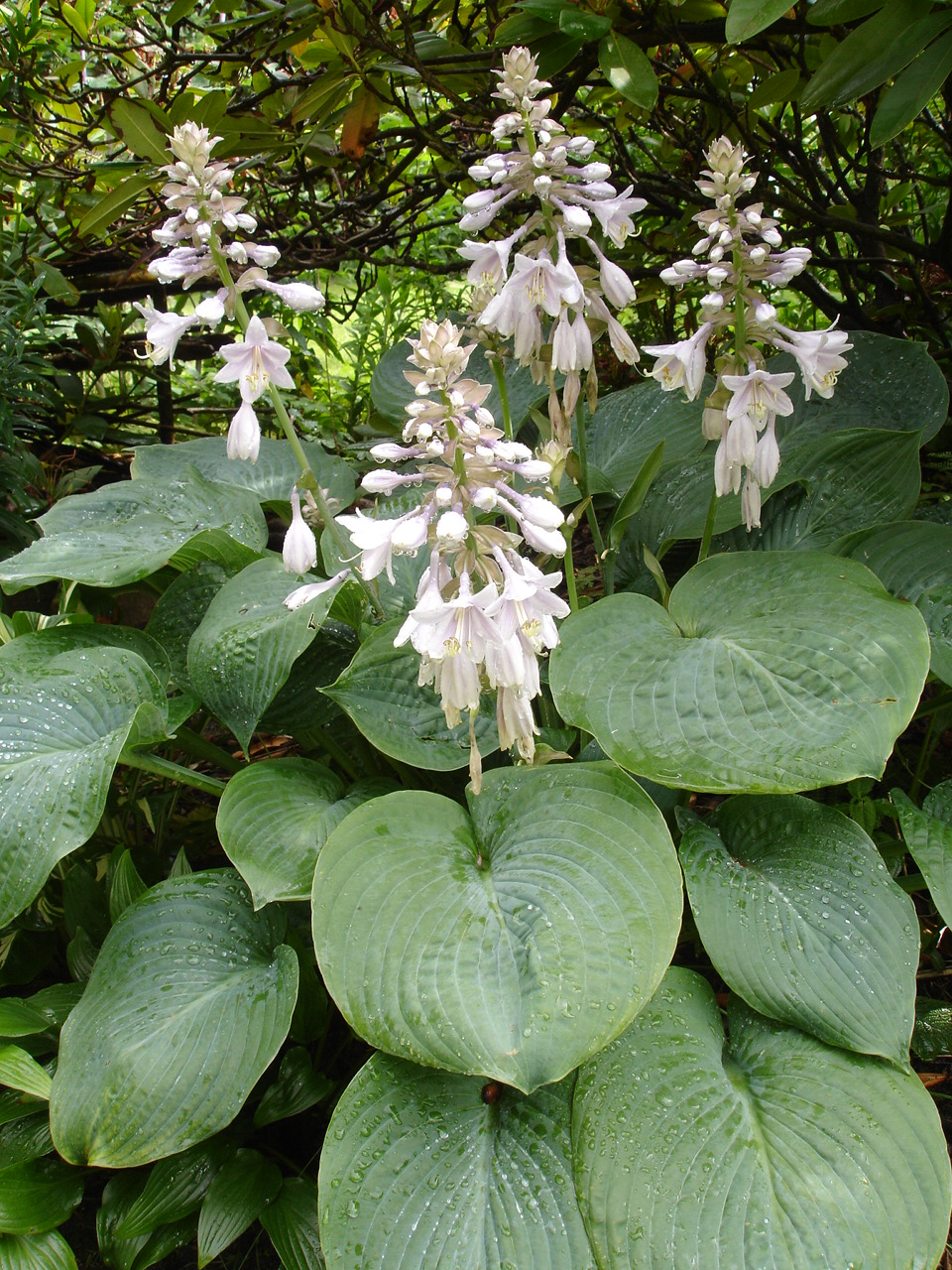
2. Hosta ‘Blue Angel’ (Hosta sieboldiana)
Hostas are shade garden staples, and ‘Blue Angel’ is one of the larger varieties with striking blue-green leaves. While deer are known to nibble on some hosta varieties, ‘Blue Angel’ is less favored due to its thick, textured leaves. Planting several varieties and combining with other deer-resistant species can improve success.
- Deer resistance: Moderate to High
- Height: 24-36 inches
- Zone: 3-9
3. Solomon’s Seal (Polygonatum odoratum)
Solomon’s Seal is a graceful shade-loving perennial with arching stems and dangling, tubular white flowers in spring. Its bitter-tasting foliage and stems make it less palatable to deer. It prefers moist, well-drained soil and thrives in full shade to part shade.
- Deer resistance: High
- Height: 12-24 inches
- Zone: 3-8
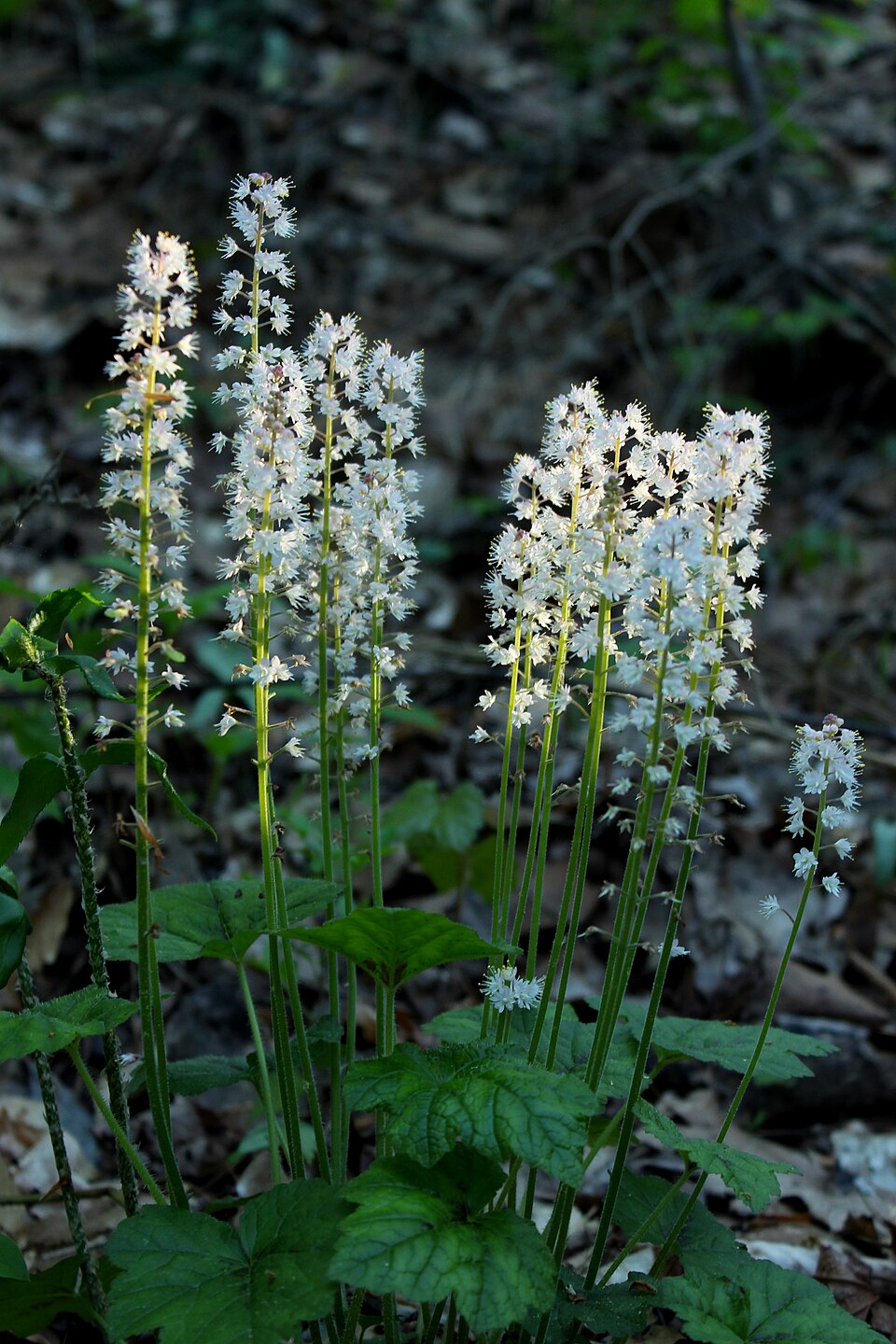
4. Foamflower (Tiarella cordifolia)
Foamflower is a low-growing groundcover with attractive foliage and airy white or pink flowers in spring. It tolerates full shade and moist soils well, and deer typically avoid it due to its hairy leaves and slightly bitter taste. It’s ideal for adding texture and lightness to dark shade areas.
- Deer resistance: High
- Height: 6-12 inches
- Zone: 4-9
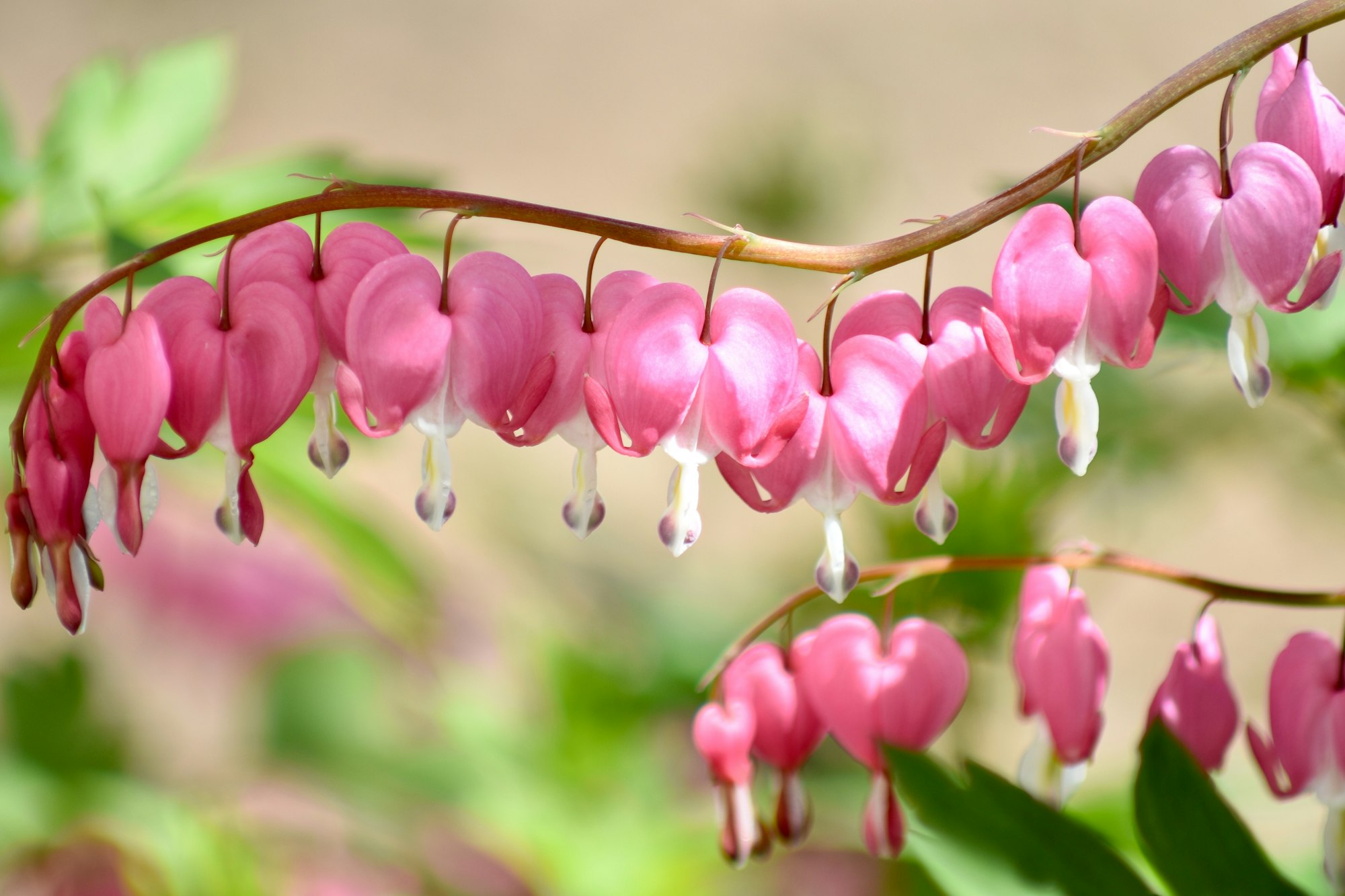
5. Bleeding Heart (Dicentra spectabilis)
Bleeding Heart is known for its heart-shaped, pendulous pink or white flowers and delicate, fern-like foliage. It thrives in cool, moist, full shade conditions. Its bitter foliage and sap usually deter deer, though in extreme cases they may nibble the flowers.
- Deer resistance: High
- Height: 24-36 inches
- Zone: 3-9
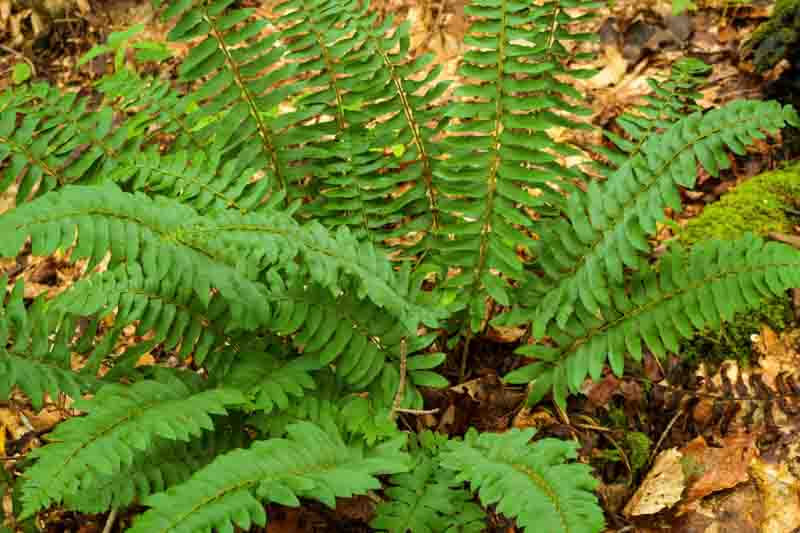
6. Christmas Fern (Polystichum acrostichoides)
Christmas Fern is an evergreen fern with leathery, dark green fronds that persist through winter. It prefers rich, moist soil in full shade and is highly deer resistant due to its tough texture and taste. It’s a great choice for year-round interest and erosion control.
- Deer resistance: High
- Height: 18-24 inches
- Zone: 3-9
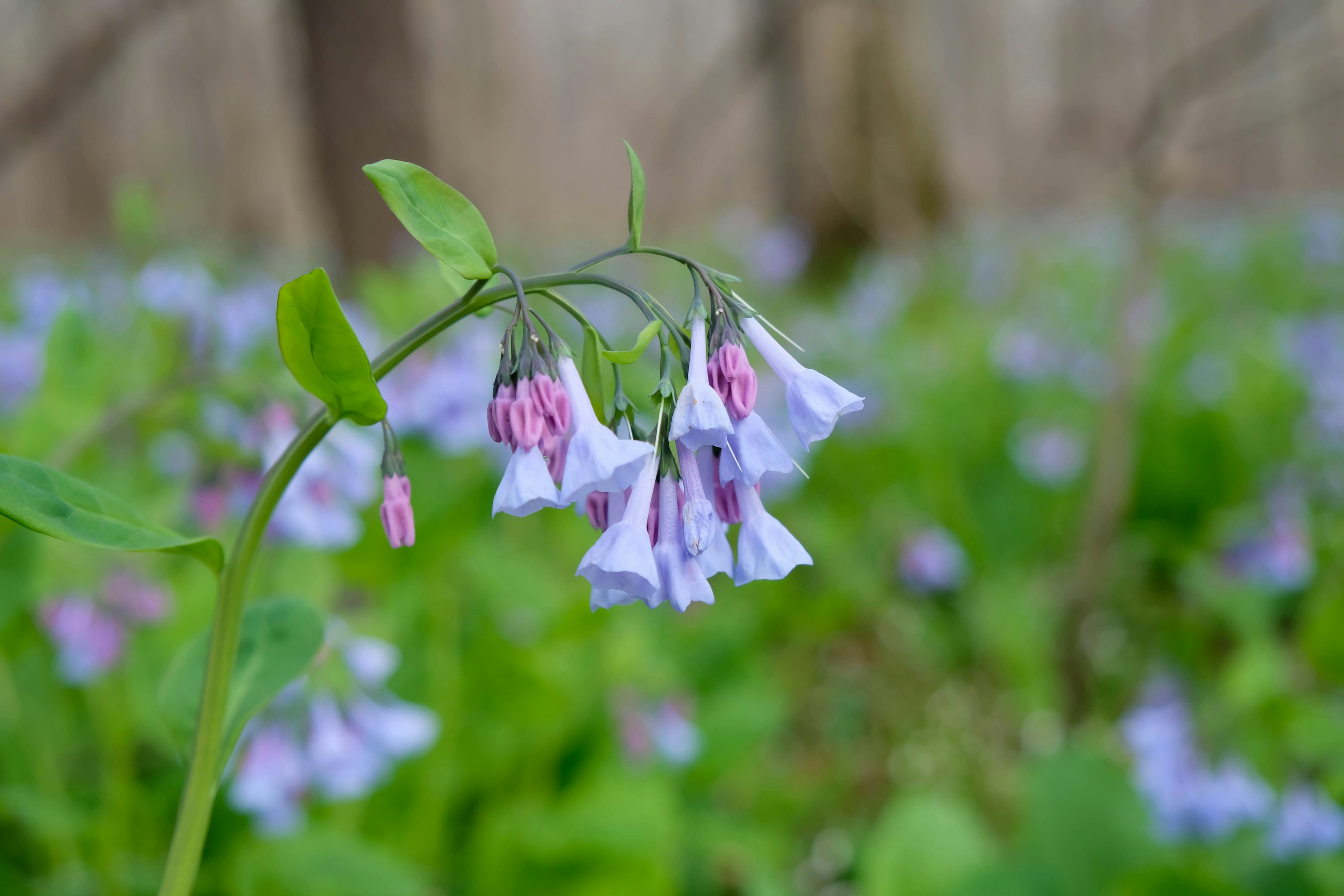
7. Virginia Bluebells (Mertensia virginica)
Virginia Bluebells brighten shady spots with clusters of soft blue flowers in spring. This native wildflower thrives in moist, rich soils in full shade to part shade. The plant’s foliage and flowers are generally ignored by deer, making it a good choice for naturalized shade gardens.
- Deer resistance: High
- Height: 12-24 inches
- Zone: 3-8
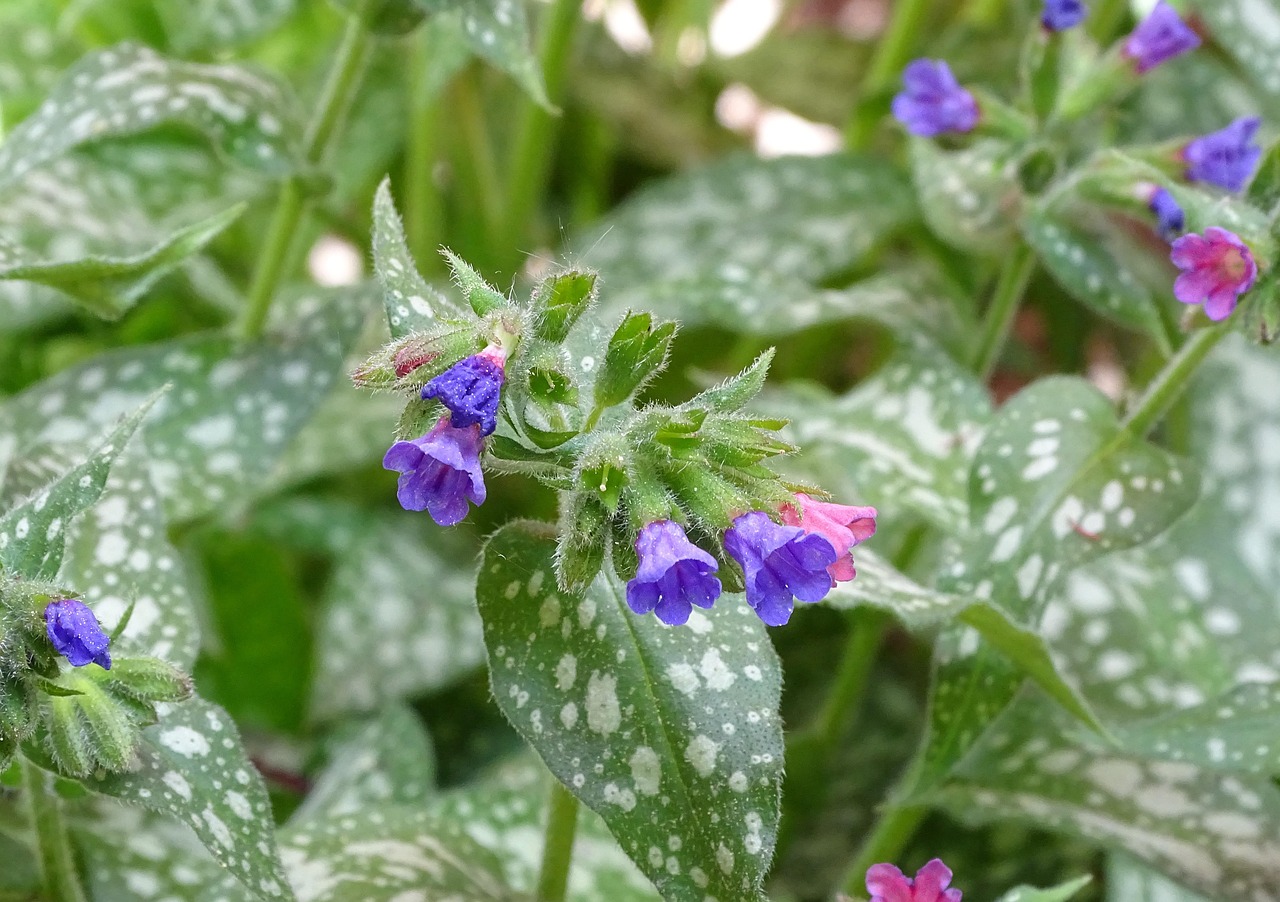
8. Lungwort (Pulmonaria spp.)
Lungwort is an early-blooming perennial with spotted or mottled foliage and clusters of pink, blue, or purple flowers. It loves cool, moist, shady environments. The rough, hairy leaves and mildly toxic compounds tend to discourage deer browsing.
- Deer resistance: High
- Height: 12-18 inches
- Zone: 3-8
Tips for Enhancing Deer Resistance in Your Shade Garden
- Combine plants: Mixing several deer-resistant species increases the likelihood that deer will avoid the area.
- Use physical barriers: Fencing or netting can protect vulnerable plants, especially young or newly planted specimens.
- Avoid deer attractants: Plants with fragrant flowers or tender new shoots tend to attract deer.
- Maintain garden health: Healthy, well-maintained plants are more resilient and better able to withstand occasional nibbling.
Important Note on Wildlife Resistance
While the plants listed here have strong deer resistance records, no plant is completely deer-proof. Also, resistance can vary depending on local deer populations, food availability, and seasonal conditions. Always monitor your garden and adjust your plant choices or protection methods as needed.
Pet Safety Reminder
If you have pets, please be aware that some of these plants may not be listed as toxic but could still cause mild irritation or digestive upset if ingested. Always consult with your veterinarian if your pet shows signs of distress after exposure to garden plants. In case of emergencies, contact the ASPCA Animal Poison Control Center at 888-426-4435.
Conclusion
Full shade gardens in Zone 6 don’t have to be a buffet for deer. By selecting plants like Japanese Painted Fern, Solomon’s Seal, and Lungwort, you can enjoy a lush, shady landscape that deer tend to avoid. Remember to combine deer-resistant plants with other protective strategies for the best results.
Ready to find the perfect plants for your shade garden? Use our Plant Finder wizard at /wizard to explore more options tailored to your local conditions and preferences.
Happy gardening!
FTC Disclosure: This post contains affiliate links. If you make a purchase through these links, we may earn a small commission at no extra cost to you.
For pet emergencies, call the ASPCA Animal Poison Control Center at 888-426-4435.
Wildlife resistance varies by location and conditions; no plant is completely deer-proof.