FTC Disclosure: This post contains affiliate links. If you make a purchase through these links, we may earn a small commission at no extra cost to you.
If you garden in Zone 7 and struggle with deer browsing in your full shade areas, you’re not alone. Finding plants that thrive in deep shade and resist deer damage can be tough, but it’s not impossible. Here are eight of the best full shade, deer-resistant plants for Zone 7 that offer beauty and durability without becoming a deer buffet.
Understanding Full Shade and Deer Resistance in Zone 7
Full shade is generally defined as areas that receive less than four hours of direct sunlight daily or filtered light throughout the day. Many plants struggle to grow in these low-light conditions, especially when deer add browsing pressure. Zone 7’s temperate climate—with mild winters and warm summers—offers a good range of shade-tolerant perennials, shrubs, and groundcovers that can withstand deer.
Deer resistance does not mean deer-proof. Deer feeding preferences can vary depending on food availability, season, and local deer populations. However, the plants listed below are known for their lower palatability to deer, making them less likely to be nibbled on regularly, especially in shaded environments where options are limited.
Wildlife resistance disclaimer: No plant is completely deer-proof, rabbit-proof, or groundhog-proof. Use these recommendations as a starting point and consider additional deterrent methods if deer pressure is severe.
🌱 Get Personalized Plant Picks
Answer a few quick questions and we’ll match plants to your exact yard conditions.
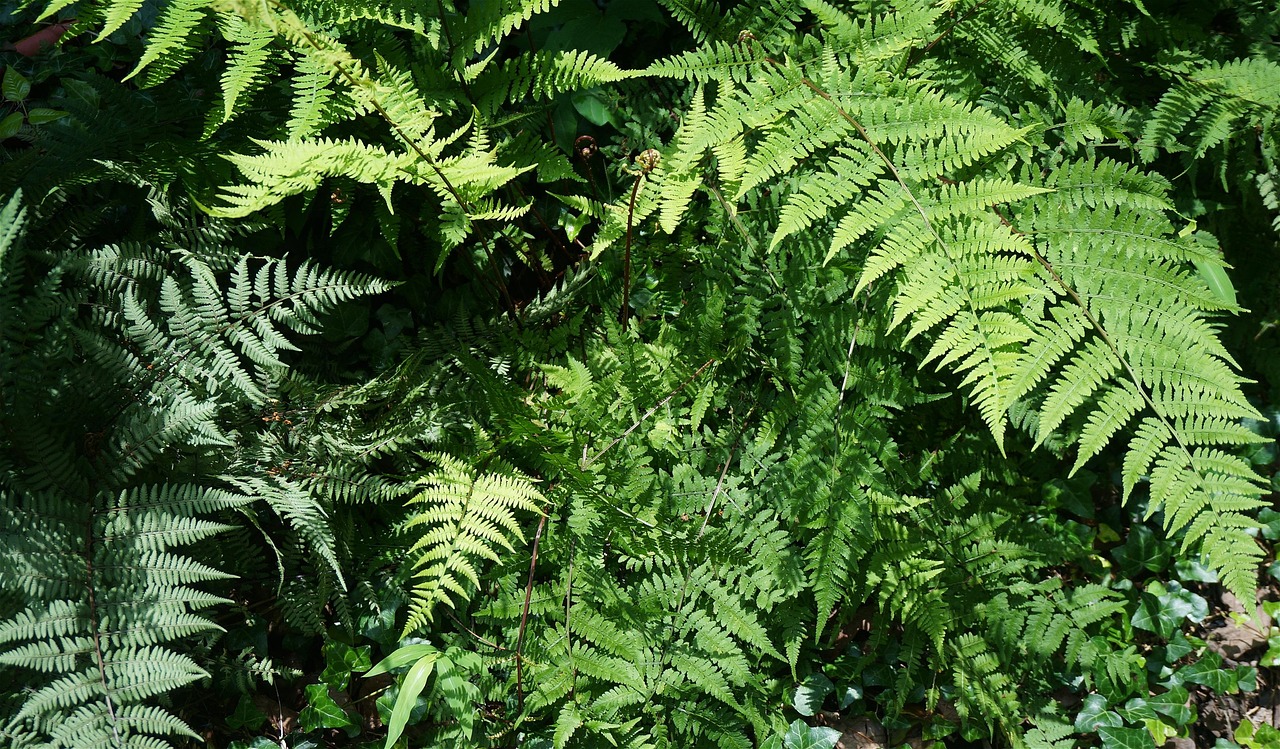
Find My Plants →1. Japanese Painted Fern (Athyrium niponicum)
The Japanese Painted Fern is a stunning fern with silvery-gray fronds tinged with deep purple and green highlights. It thrives in full shade and moist, well-drained soils typical of many Zone 7 gardens. Because of its delicate texture and subtle coloration, it adds a soft, elegant touch to shaded beds and woodland gardens.
Deer tend to avoid ferns due to their coarse texture and bitter taste, making Japanese Painted Fern a reliable choice for shade gardens under deer pressure. It is also a low-maintenance perennial that dies back in winter and returns lush and healthy in spring.
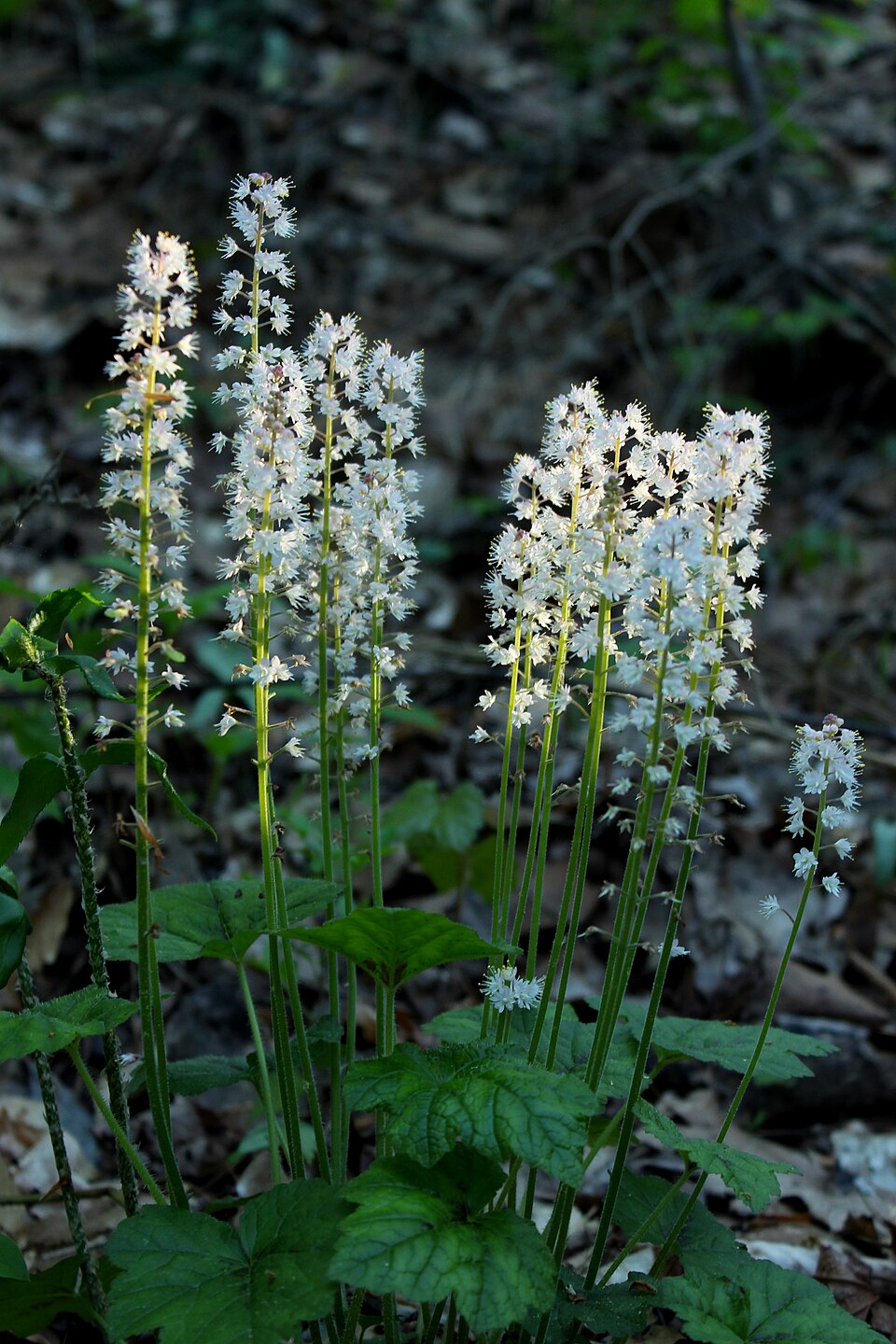
2. Foamflower (Tiarella cordifolia)
Foamflower is a charming native groundcover that thrives in shady woodlands and garden beds. Its attractive lobed leaves often have interesting patterns, and in spring, it produces spikes of delicate, foamy white or pinkish flowers.
This plant is not favored by deer because of its slightly hairy leaves and mild toxicity. It spreads slowly to form a naturalized carpet, perfect for under trees or alongside ferns and hostas. Foamflower prefers moist, acidic to neutral soils and performs well in Zone 7’s shaded garden spots.
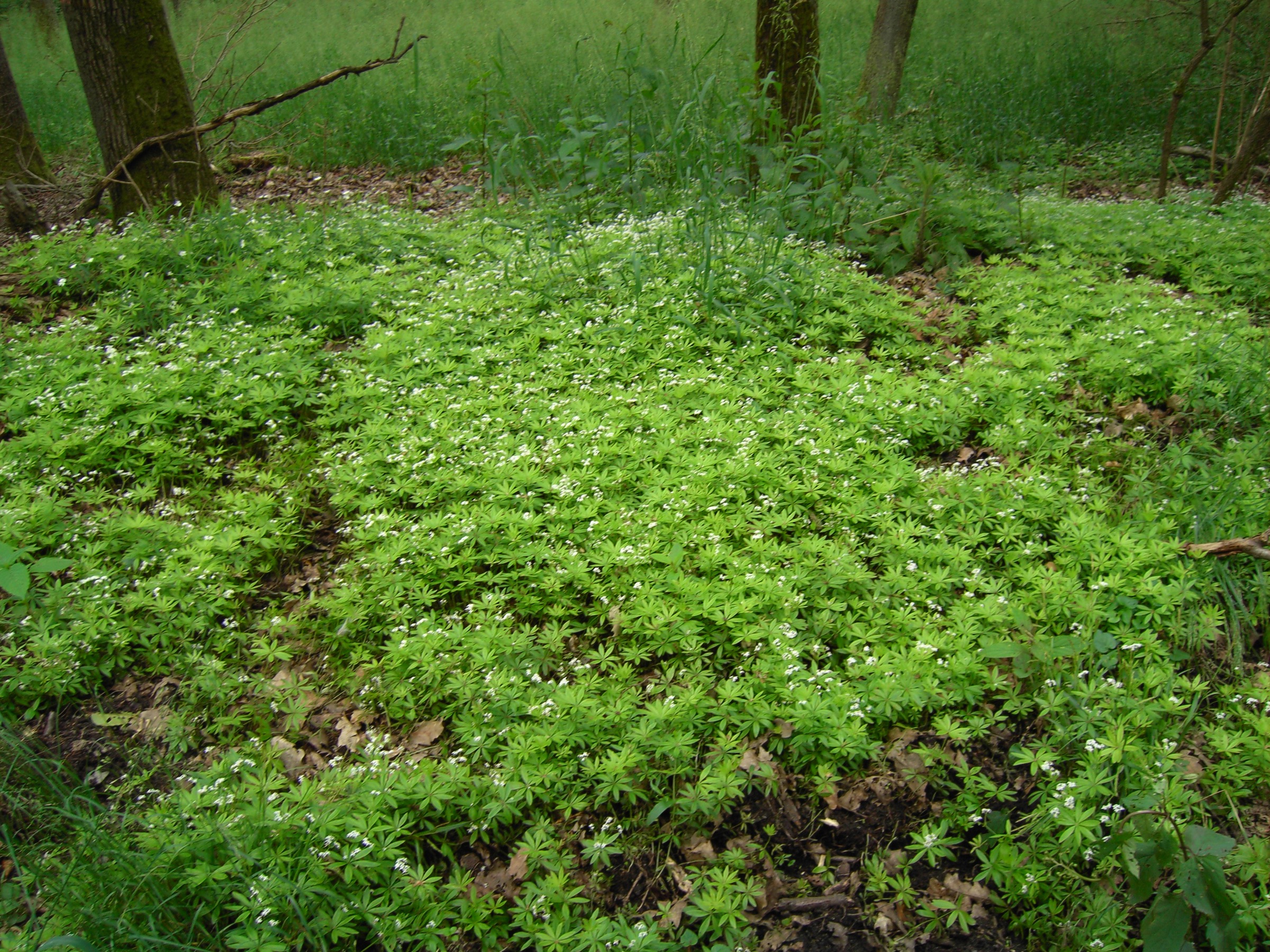
3. Sweet Woodruff (Galium odoratum)
Sweet Woodruff is a fragrant groundcover with whorled leaves and tiny white star-shaped flowers in spring. It thrives in deep shade and tolerates a variety of soil types, especially moist, well-drained soils.
Deer usually avoid Sweet Woodruff due to its strong scent and texture. It’s often used as a living mulch or to fill in shady areas where grass won’t grow. This plant spreads by creeping rhizomes, so it can help suppress weeds in shaded beds.
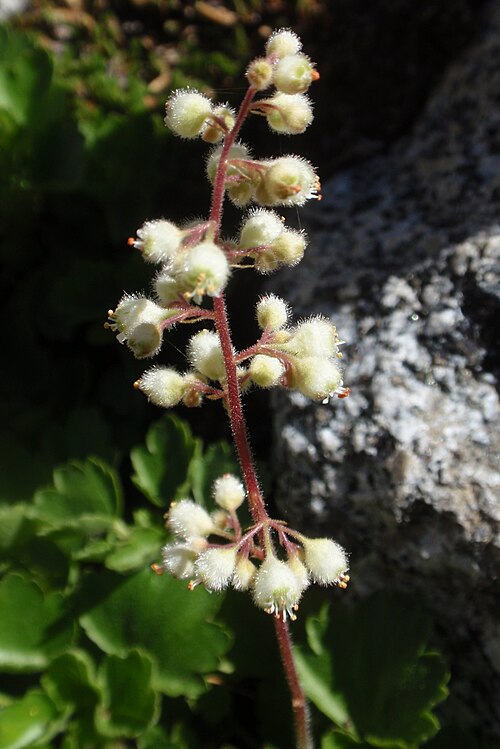
4. Coral Bells (Heuchera spp.)
Coral Bells are valued for their colorful foliage ranging from deep purples to silvery greens. They flourish in part to full shade and are well-suited for Zone 7 gardens. While deer may occasionally nibble on Coral Bells, their mildly toxic leaves and bitter taste make them less appealing compared to other shade plants.
Heucheras are versatile and can be combined with ferns, hostas, and other shade-loving perennials to create vibrant, textured garden beds. They also produce airy flower spikes that attract pollinators without inviting deer.
5. Solomon’s Seal (Polygonatum biflorum)
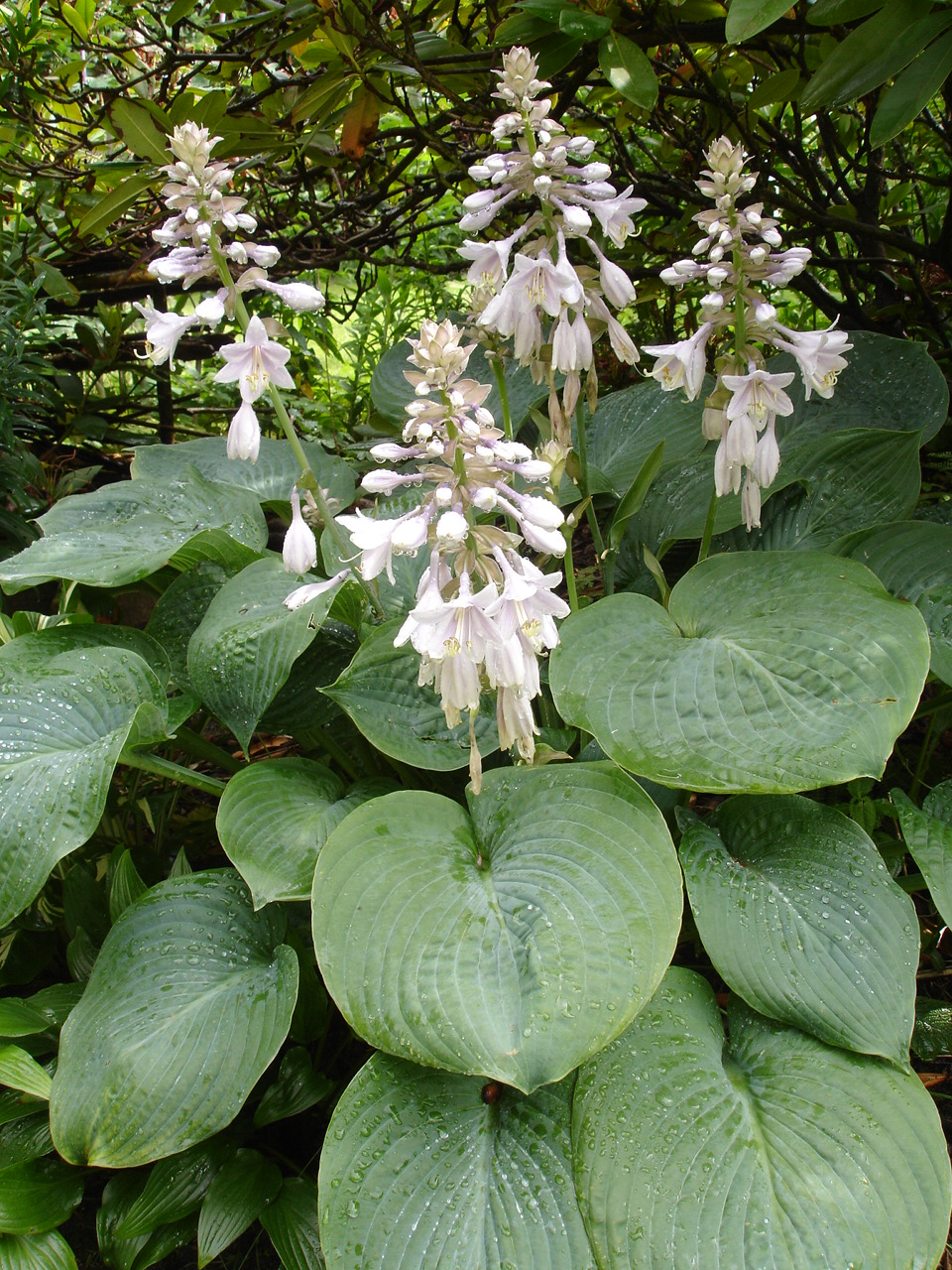
Solomon’s Seal is an elegant, arching perennial with dangling, tubular white flowers in spring followed by blue-black berries in fall. It thrives in rich, moist, acidic soils and full shade, making it perfect for woodland gardens in Zone 7.
Deer tend to avoid Solomon’s Seal because of its mildly toxic compounds and unpalatable taste. This plant also provides habitat and food for certain native pollinators and birds. Its graceful form adds vertical interest to shaded beds.
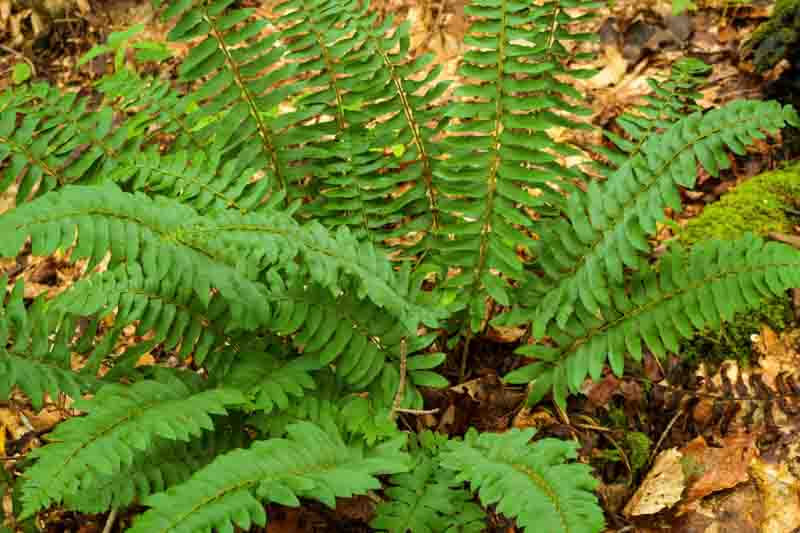
6. Christmas Fern (Polystichum acrostichoides)
Christmas Fern is a hardy evergreen fern that remains green year-round, providing texture and color even in winter. It grows well in full shade and acidic, well-drained soils common in Zone 7.
Deer generally avoid ferns, and Christmas Fern’s tough fronds are no exception. It’s a low-maintenance plant that tolerates dry shade better than many other ferns, making it a reliable choice for shaded slopes or woodland edges.
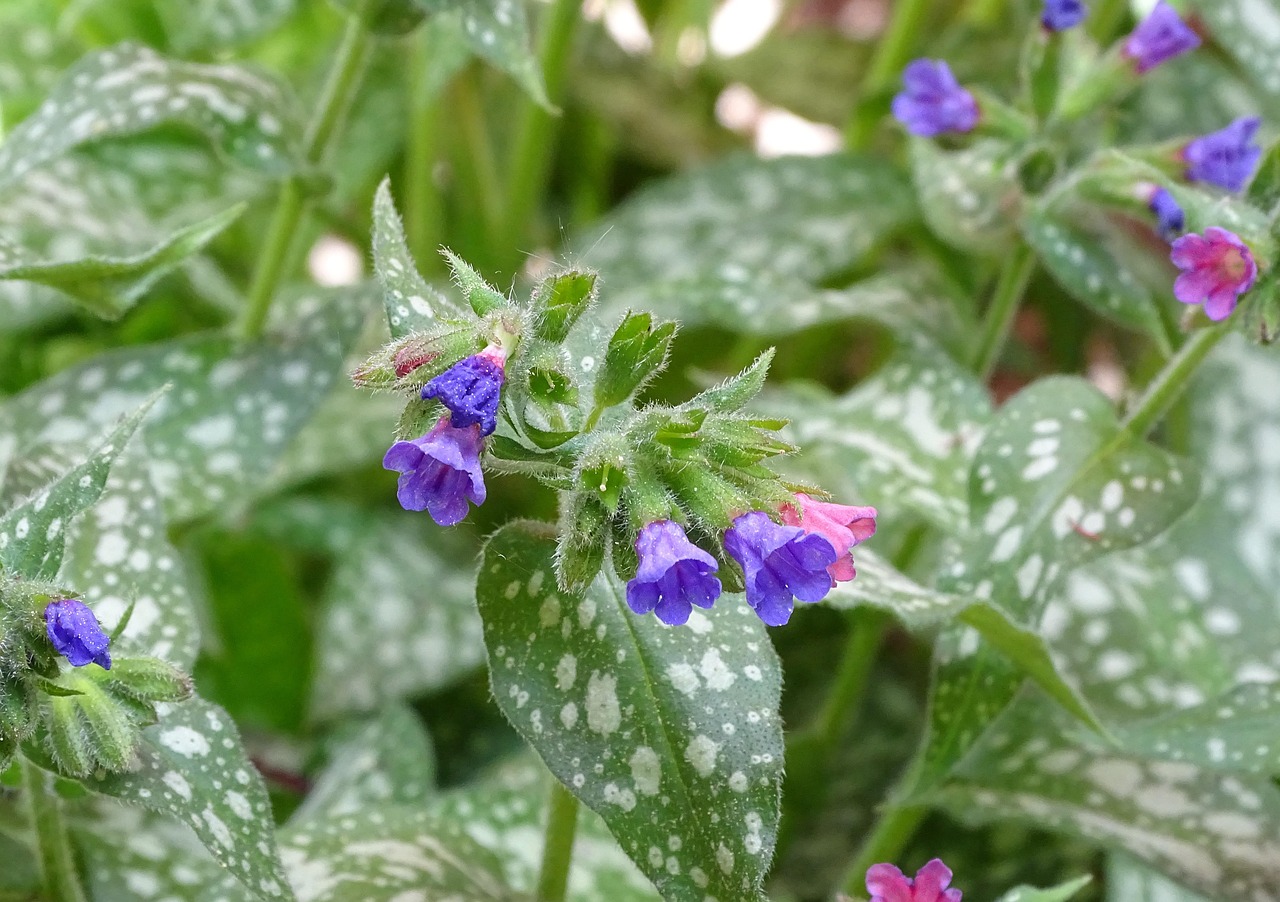
7. Lungwort (Pulmonaria spp.)
Lungwort is a shade-loving perennial prized for its spotted, silvery foliage and early spring flowers in blue, pink, or white hues. It grows best in moist, humus-rich soils and full to part shade.
Deer tend to avoid lungwort due to its hairy leaves and bitter taste. It’s an excellent choice to brighten dark corners of the garden with its unique foliage and early blooms.
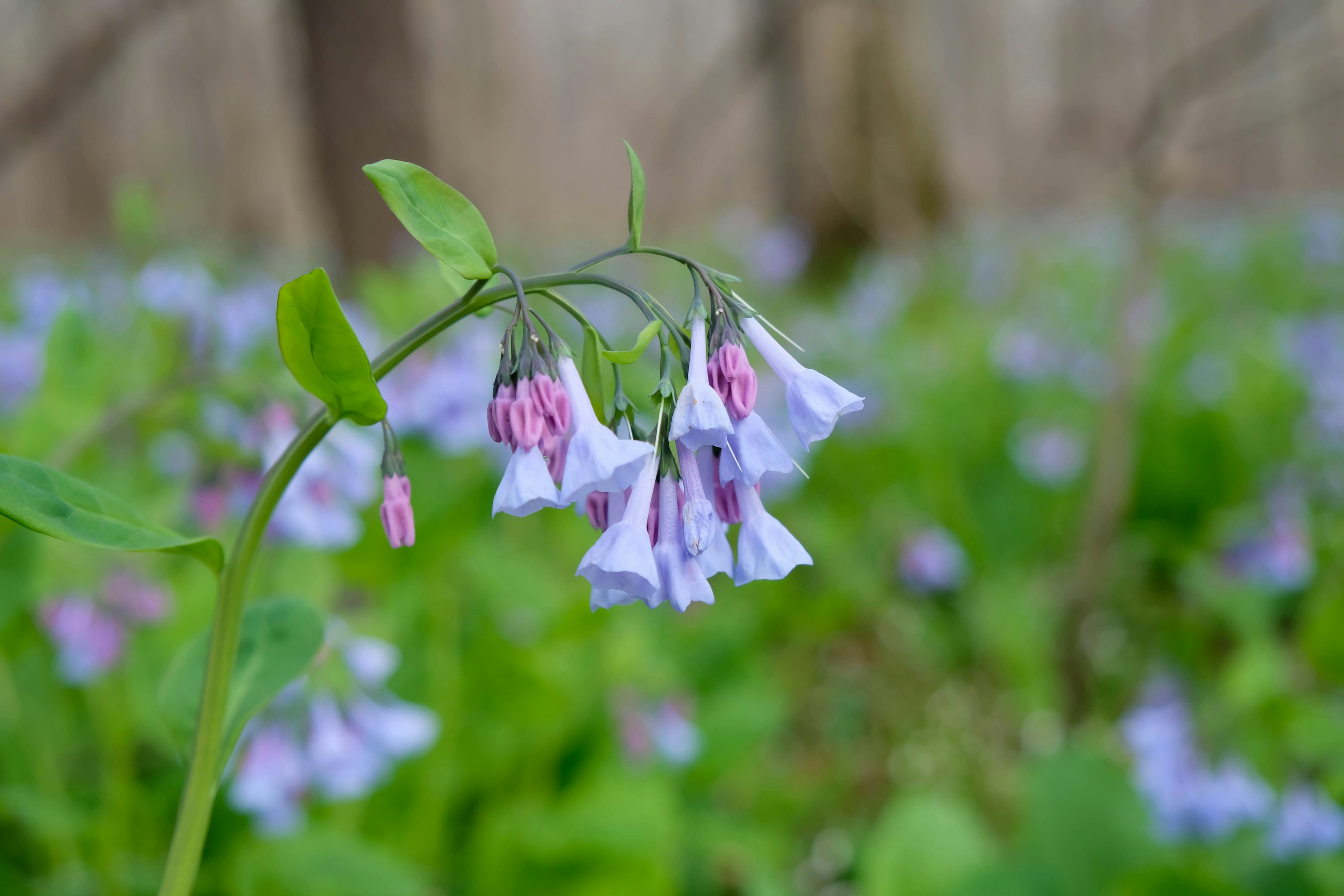
8. Virginia Bluebells (Mertensia virginica)
Virginia Bluebells are spring ephemeral wildflowers that bloom spectacularly in early spring with clusters of bell-shaped blue flowers. They prefer moist, well-drained soils in full to partial shade.
Though deer may browse on some wildflowers, Virginia Bluebells are often left alone as their foliage emerges after peak deer feeding times and their mild toxicity discourages excessive browsing.
Pet Safety Considerations
If you have pets that roam in your garden, it’s important to be aware that while the plants listed here are generally deer-resistant, some contain compounds that are not listed as toxic but could cause mild discomfort if ingested in large quantities. Always supervise pets outdoors and consult the ASPCA Animal Poison Control Center at 888-426-4435 if you suspect your pet has ingested a questionable plant.
Tips for Managing Deer in Full Shade Gardens
Even with deer-resistant plants, it’s wise to use a combination of strategies to protect your garden:
- Physical barriers: Fencing or netting can keep deer out entirely.
- Repellents: Commercial sprays or homemade deterrents can discourage deer browsing.
- Habitat modification: Reduce deer attractants nearby by removing fallen fruit or dense cover.
- Plant diversity: Mixing deer-resistant species reduces the risk of total loss.
Conclusion
Gardening in full shade with deer pressure in Zone 7 is challenging but manageable with the right plants. Japanese Painted Fern, Foamflower, Sweet Woodruff, Coral Bells, Solomon’s Seal, Christmas Fern, Lungwort, and Virginia Bluebells all offer shade tolerance and lower deer palatability, helping you create a beautiful, resilient garden.
Explore the PlantWise Plant Finder wizard to discover more deer-resistant plants suited to your specific garden conditions. Start your search today at /wizard.
Happy gardening!
Wildlife resistance disclaimer: No plant is completely deer-proof or resistant to all wildlife. Local conditions and animal preferences vary.
Pet safety reminder: Always monitor pets around plants, as some may cause mild issues if ingested. If in doubt, contact the ASPCA Animal Poison Control Center at 888-426-4435.
Athyrium Lady Fern
Foamflower
Sweet Woodruff
Coral Bells
Solomon's Seal