FTC Disclosure: This post contains affiliate links. As an Amazon Associate we earn from qualifying purchases.
If you're gardening in Zone 7 and battling groundhogs, choosing the right plants can make all the difference. Groundhogs, also known as woodchucks, can cause significant damage by feeding on tender shoots and roots. Fortunately, some plants are naturally avoided by groundhogs due to their texture, taste, or scent. Here are 8 of the best groundhog-resistant plants for Zone 7 that will help protect your garden while adding beauty and interest.
If you have pets, please note that some plants mentioned may be not listed as toxic but should still be monitored around animals. For any pet emergencies, contact the ASPCA Animal Poison Control Center at 888-426-4435.
Keep in mind that no plant is completely groundhog-proof, as hungry wildlife may sample anything. These selections, however, are consistently less favored by groundhogs in Zone 7 gardens.
Understanding Groundhog Behavior in Zone 7 Gardens
Groundhogs are burrowing mammals that prefer to feed on tender, leafy greens, vegetables, and fruits. They are especially drawn to gardens with lush, easily accessible vegetation. Zone 7’s moderate climate allows groundhogs to be active for much of the growing season, increasing the risk of damage.
To reduce losses, gardeners often seek plants that groundhogs find unpalatable due to strong scents, tough foliage, or bitter flavors. Combining groundhog-resistant plants with physical barriers can provide the best protection.
🌱 Get Personalized Plant Picks
Answer a few quick questions and we’ll match plants to your exact yard conditions.
Find My Plants →1. Lavender (Lavandula angustifolia)
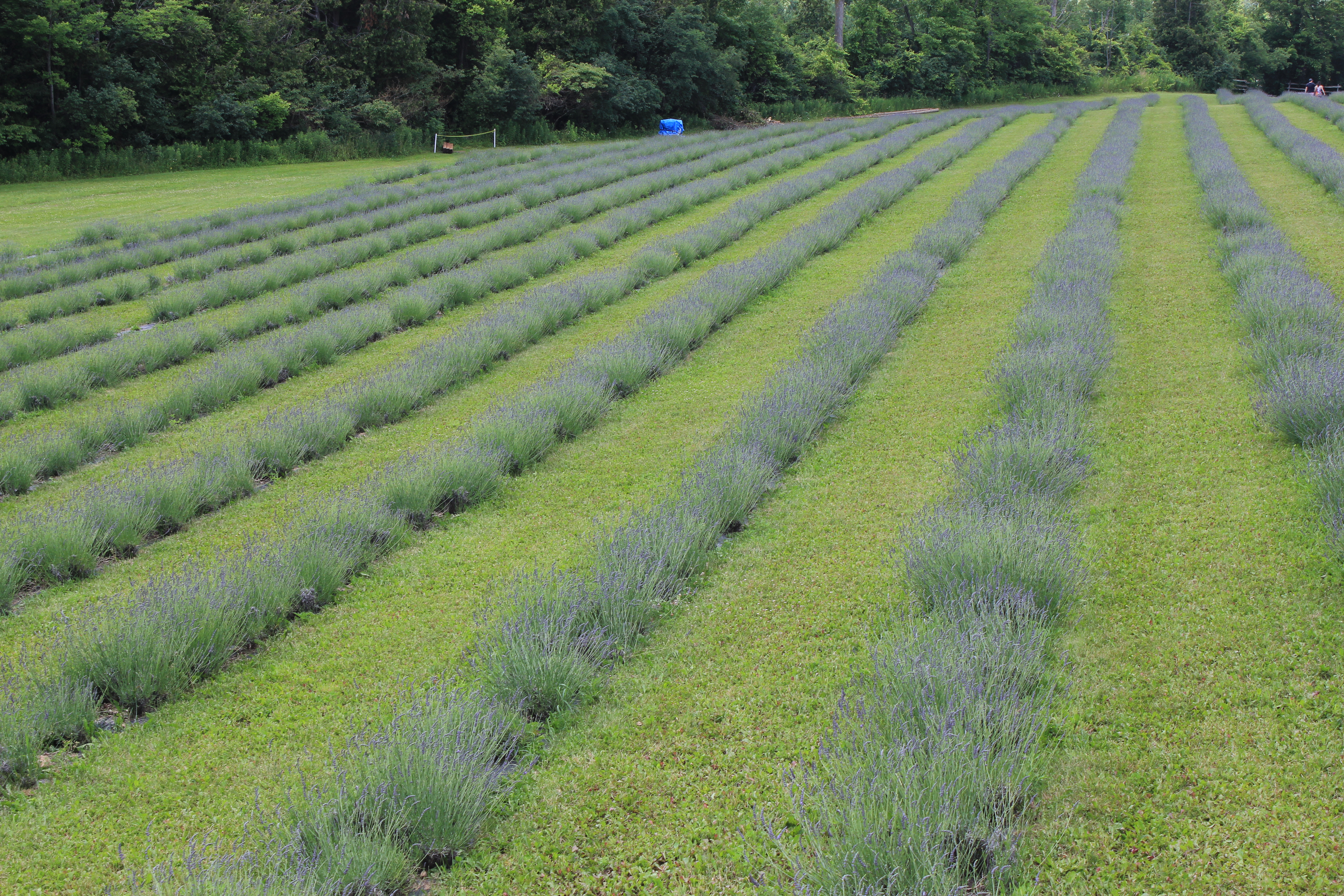
Lavender is a fragrant, drought-tolerant herb with gray-green leaves and purple flower spikes that thrive in Zone 7. Its strong scent is a natural deterrent to many pests, including groundhogs. Groundhogs tend to avoid the tough, aromatic foliage and flowers of lavender.
Apart from its pest resistance, lavender attracts pollinators like bees and butterflies, making it an excellent addition to your garden for both beauty and biodiversity.
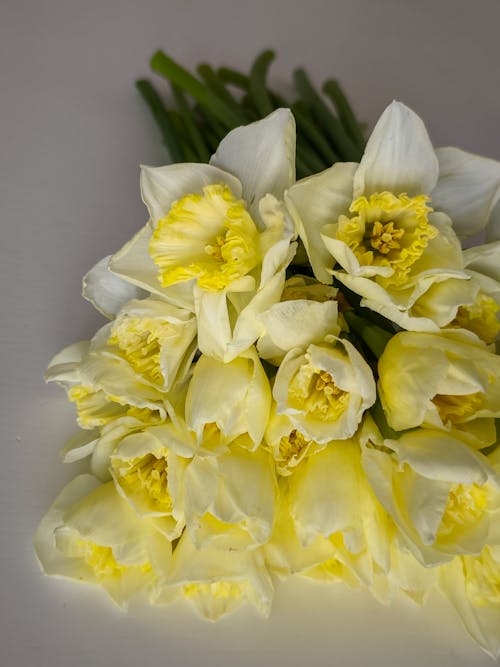
2. Daffodils (Narcissus spp.)
Daffodils are among the few spring bulbs that groundhogs generally avoid. Their bulbs contain alkaloids that are toxic to many animals, which makes daffodil foliage and flowers unappealing to groundhogs and other wildlife.
Plant daffodils in sunny spots with well-drained soil for a bright, cheerful display that won’t attract unwanted nibblers.
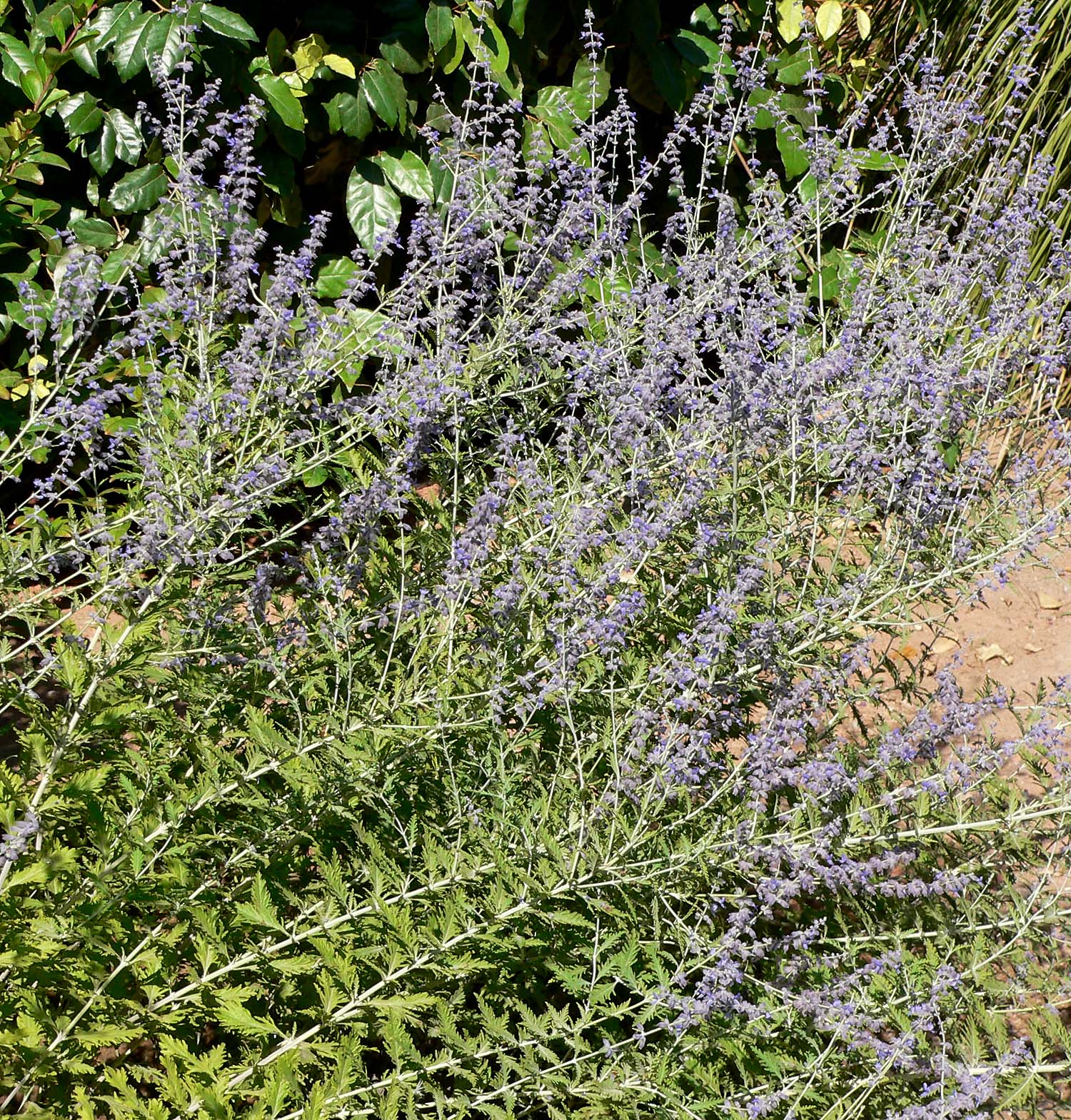
3. Russian Sage (Perovskia atriplicifolia)
Russian sage is a tough, woody perennial with silvery foliage and purple-blue flower spikes. Its aromatic leaves have a strong scent that groundhogs tend to avoid. This plant thrives in well-drained soils and full sun, common conditions in Zone 7 gardens.
Besides being groundhog-resistant, Russian sage is drought-tolerant and long-blooming, adding color and texture to your landscape.
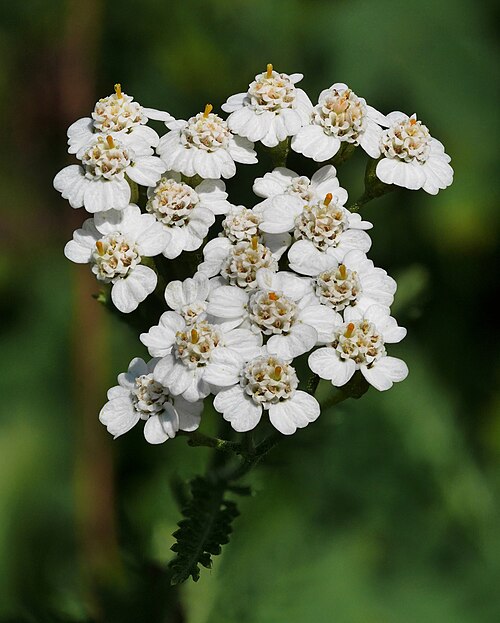
4. Yarrow (Achillea millefolium)
Yarrow is a hardy perennial with fern-like leaves and clusters of small flowers in white, yellow, pink, or red. Its foliage has a bitter taste and strong aroma, discouraging groundhogs from feeding. Yarrow also attracts beneficial insects and tolerates a range of soil types.
This plant’s adaptability and pest resistance make it a great choice for Zone 7 borders and wildflower gardens.
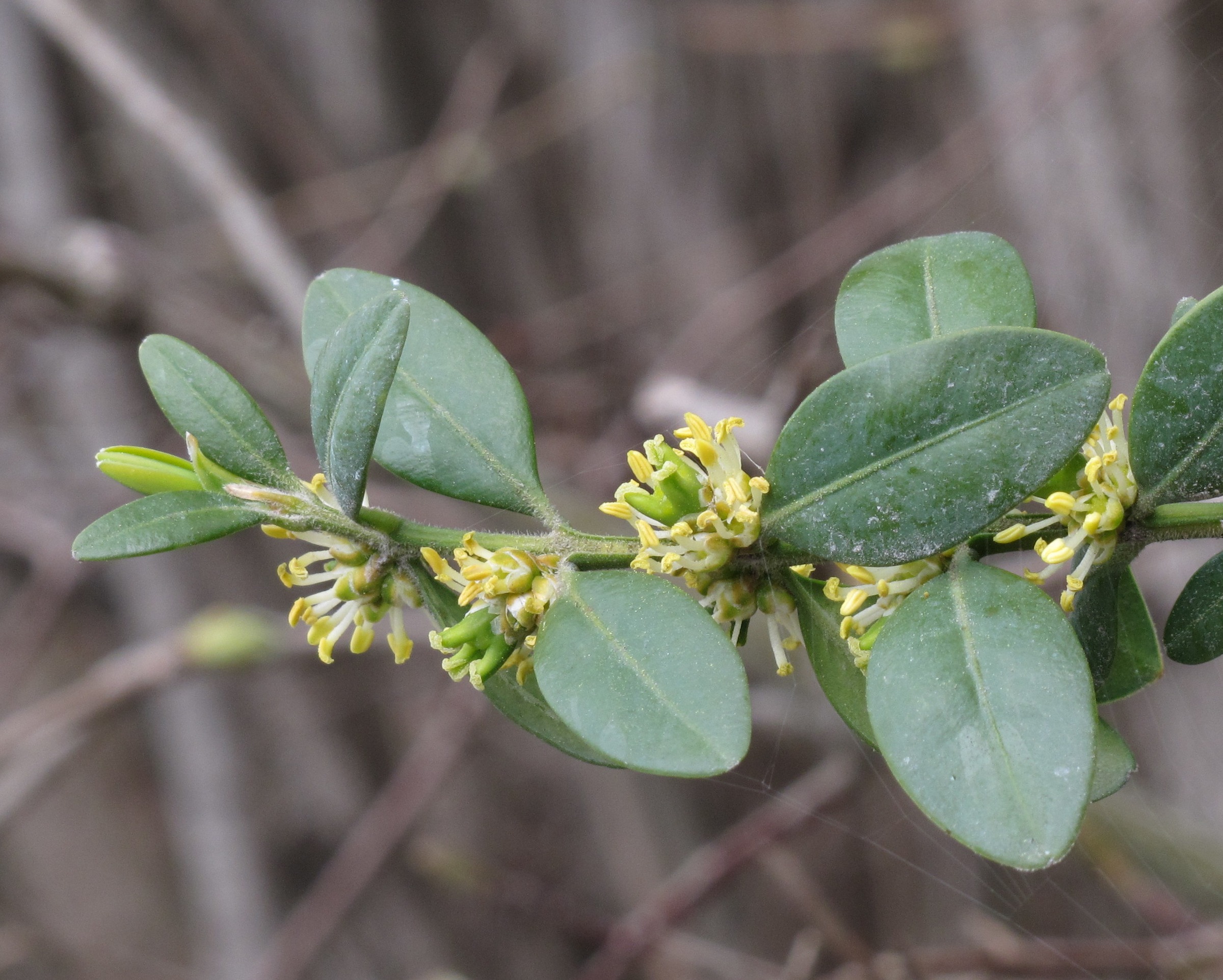
5. Boxwood (Buxus sempervirens)
Boxwood is an evergreen shrub with dense, leathery leaves that groundhogs generally avoid. Its tough foliage and woody stems aren’t appealing food sources. Boxwoods are excellent for creating formal hedges or foundation plantings in Zone 7 gardens.
They prefer partial to full sun and well-draining soil. Keep in mind boxwoods require some maintenance, including pruning for shape.
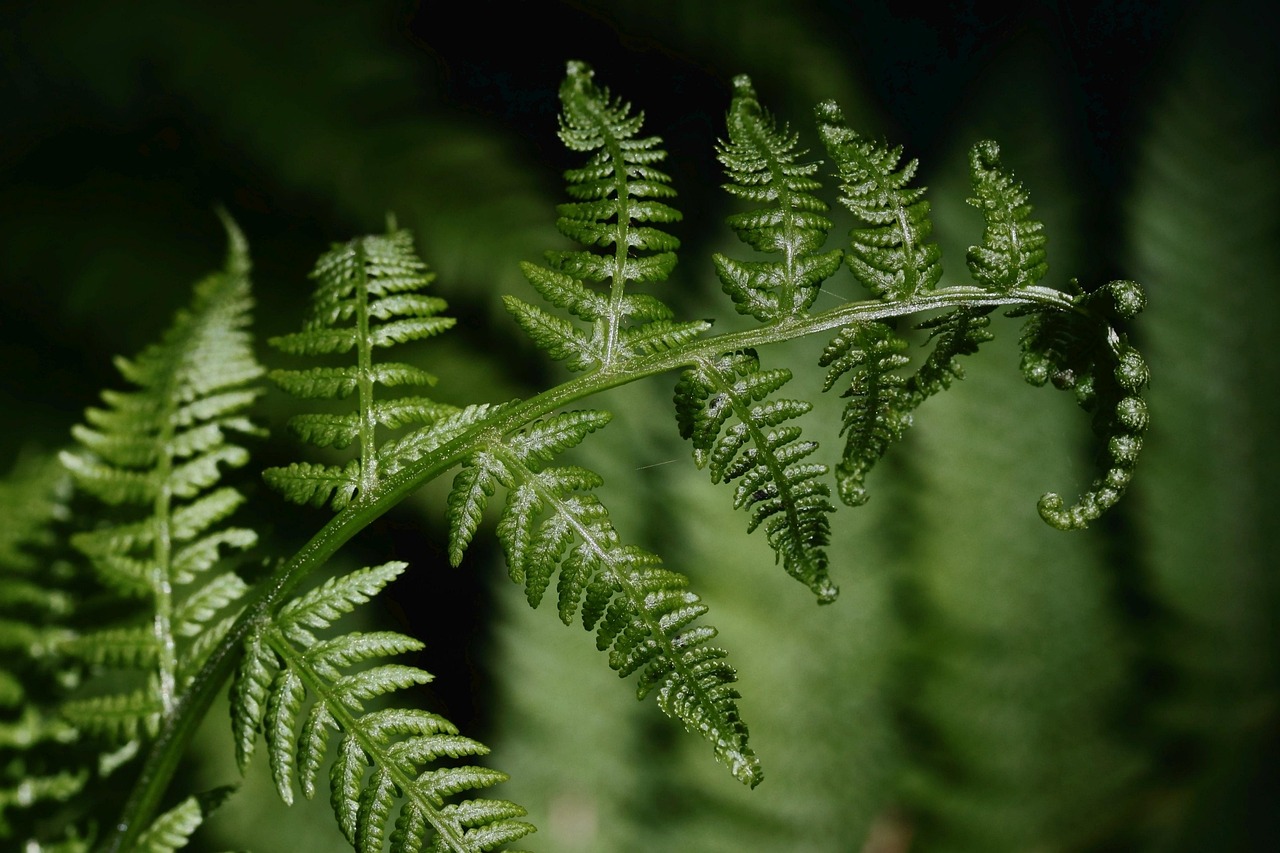
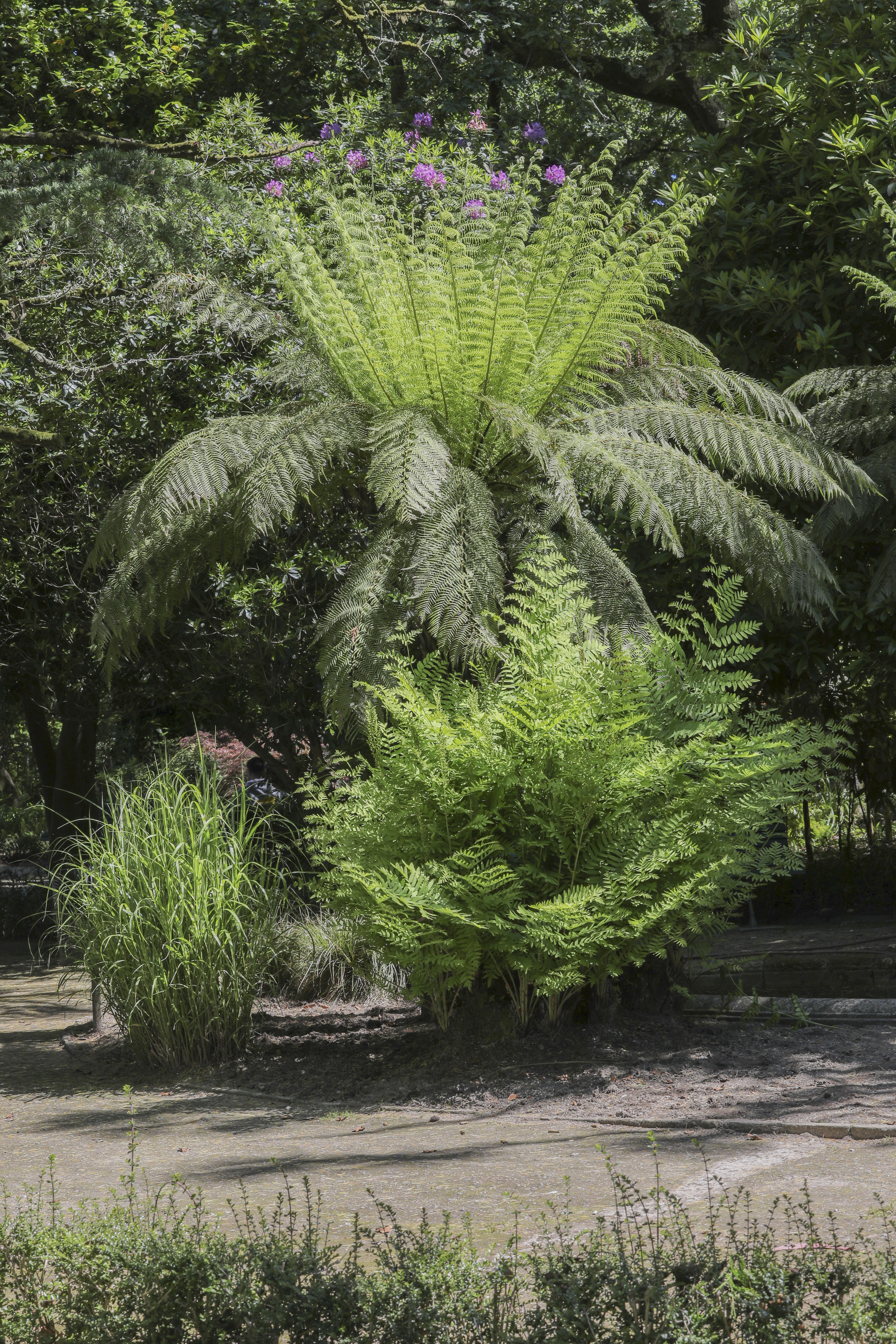
6. Ferns (e.g., Dryopteris spp.)
Many ferns, such as the wood fern (Dryopteris spp.), have tough, fibrous fronds that groundhogs seldom consume. Ferns thrive in shaded, moist areas, making them perfect for planting under trees or in woodland garden spots in Zone 7.
Their textured foliage adds lush greenery and can fill spaces where other plants might struggle due to low light.
7. Ornamental Grasses (e.g., Miscanthus sinensis)
Ornamental grasses like Miscanthus sinensis provide texture with their tall, arching blades and feathery flower plumes. The coarse foliage is usually not favored by groundhogs. These grasses thrive in full sun to partial shade and adapt well to Zone 7 conditions.
They also help with erosion control and add movement to garden designs.
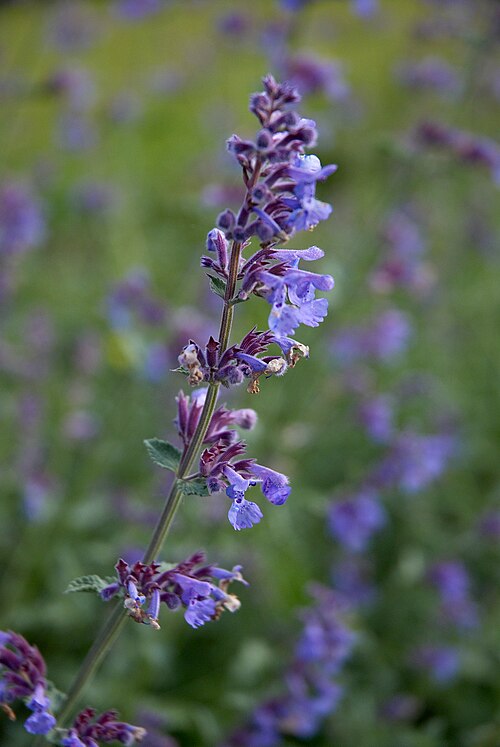
8. Catmint (Nepeta faassenii)
Catmint is a low-maintenance perennial with gray-green leaves and lavender-blue flowers. Its strong aroma and slightly fuzzy foliage tend to repel groundhogs. It flourishes in full sun and well-drained soils typical of Zone 7 gardens.
Catmint attracts pollinators and deer tend to avoid it as well, making it a dual-purpose plant for wildlife resistance.
Additional Tips for Managing Groundhogs
While planting groundhog-resistant species helps, combining strategies is often necessary:
- Use physical barriers like fencing buried 12-18 inches underground to prevent burrowing.
- Remove nearby brush piles or woodpiles where groundhogs may hide.
- Avoid planting preferred groundhog foods (lettuce, peas, beans) near vulnerable plants.
Remember, wildlife resistance is never guaranteed. Hungry groundhogs may sample plants during food shortages. Always monitor your garden and adjust your approach as needed.
Pet Safety Reminder
Several plants listed here are not listed as toxic to pets but should still be monitored if you have dogs or cats that like to nibble on garden foliage. For any pet poisoning concerns, call the ASPCA Animal Poison Control Center at 888-426-4435.
Conclusion
Choosing groundhog-resistant plants is an effective way to protect your Zone 7 garden from damage while enhancing its beauty. Lavender, daffodils, Russian sage, yarrow, boxwood, ferns, ornamental grasses, and catmint are all excellent choices that groundhogs tend to avoid. Incorporate these plants along with physical deterrents for the best results.
Explore more plants suited to your area and garden conditions by using the Plant Finder wizard at /wizard.
Wildlife resistance is based on typical feeding habits but is never guaranteed. Groundhogs may try any plant if hungry.
Ready to find the perfect plants for your garden? Try the Plant Finder wizard now at /wizard to discover more options tailored to your Zone 7 landscape and wildlife challenges.